The Story
Plant Bio
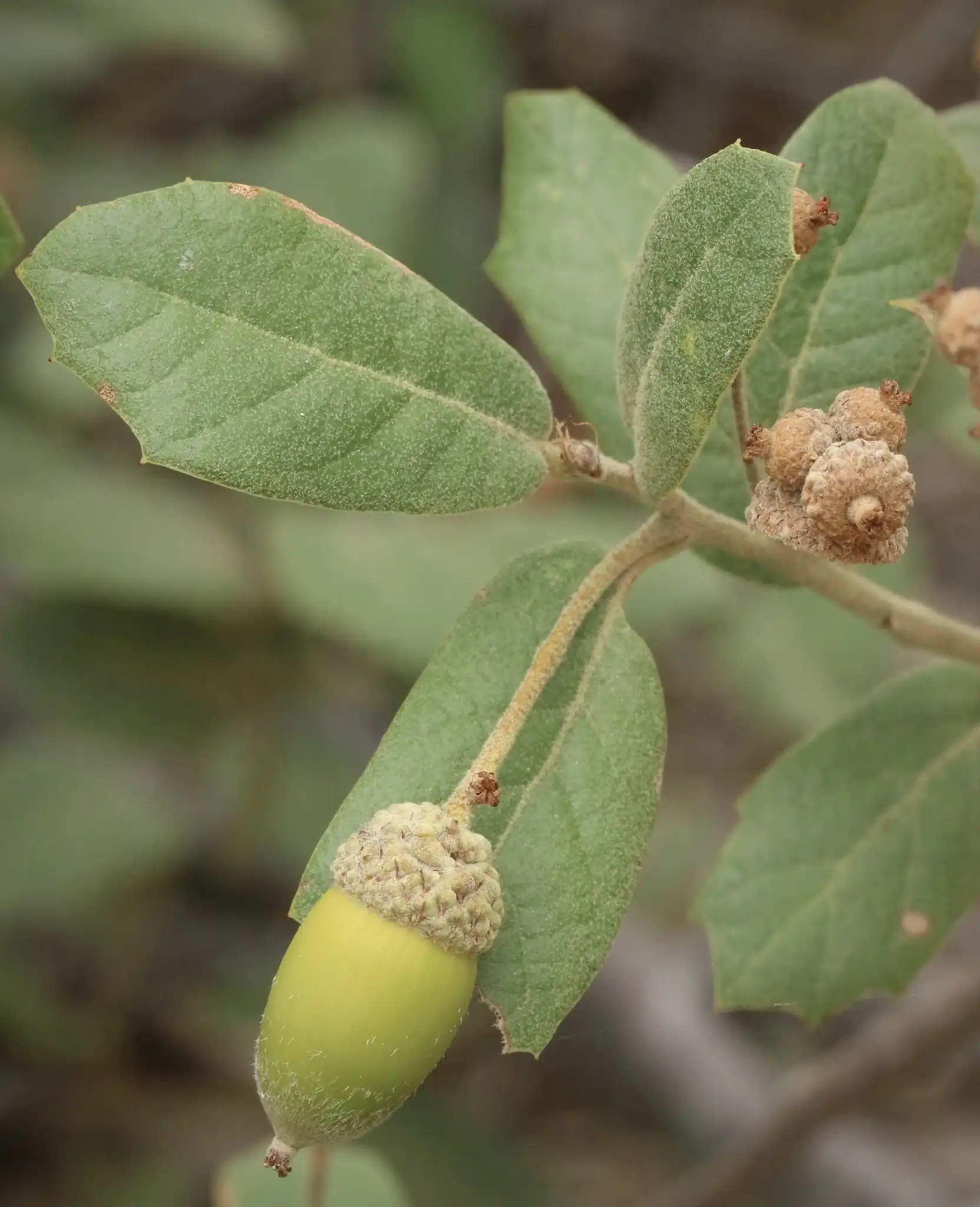
Quercus rugosa is a slow-growing evergreen oak that makes a large shrub to medium tree with a short trunk and broad rounded crown, reaching 25 to 60 feet tall with a 20- to 40-foot spread. It carries stiff leathery foliage year-round and produces yellow-green male catkins and tiny female spikes in spring, followed by acorns borne on 2-inch stalks.
The diagnostic leaf is thick, obovate and strongly cupped, 2 to 4 inches long with revolute toothed margins, glossy green with sunken veins above and densely fuzzy yellow-green with raised netted veins below. New growth emerges deep red and holds through winter, so nursery plants are sometimes misjudged as deciduous when dormant or drought-checked.
Uses & Benefits:
Essentials
At a Glance
Plant Type
Tree
Height
360"
Width
360"
Light
Full Sun, Partial Sun
Zones
6, 7, 8, 9, 10
Water
Low
Humidity
Unknown
Lifespan
Long-lived
Native To
Southwestern USA to Central America
Toxicity
Toxic if ingested
Bloom period
Spring
In flower about 3 months of the year
Planting
How to Grow
- Plant in fall or early spring in full sun to part shade, setting the root flare at grade in well-drained sandy or loamy soil.
- Water deeply at planting, then taper to occasional deep soakings; established trees need only low water with extra irrigation in extended drought.
- Spread 2 to 3 inches of mulch beneath the canopy, keeping it clear of the trunk.
- Prune only to remove dead or crossing limbs in winter dormancy; avoid heavy shearing.
- Leave fallen acorns for wildlife or collect fresh ripe acorns in fall for propagation.
Pro Tip
Plant high in sharply drained soil and keep winter-wet and summer irrigation off it once established; poor drainage kills this oak faster than cold. Seek high-elevation Arizona provenance for the hardiest trees for Zone 6 and 7 plantings.
Keep It Thriving
Care Guide
Do
- Plant in well-drained soil in sun to part shade
- Water deeply but infrequently once established
- Inspect leaves in spring for defoliators and galls
Don't
- Do not plant in full shade or soggy ground
- Do not overwater or fertilize heavily
- Do not shear heavily or prune in the growing season
Seasonal Care Calendar
| Task | Jan | Feb | Mar | Apr | May | Jun | Jul | Aug | Sep | Oct | Nov | Dec |
|---|---|---|---|---|---|---|---|---|---|---|---|---|
| Mulch | ||||||||||||
| Pest Check | ||||||||||||
| Plant | ||||||||||||
| Propagate | ||||||||||||
| Prune |
Watch Out For
Pests & Diseases
Common Pests
Common Diseases
In the Garden
Landscape Uses & Companions
Landscape Uses
Multiply
Propagation Methods
Good to Know
Common Questions
Netleaf Oak questions
What zones can Netleaf Oak grow in?
Netleaf Oak is hardy in USDA Zones 6–10: in that range it survives winter in the ground. Colder than Zone 6, winters are too cold for it to survive outdoors.
Is Netleaf Oak deer resistant?
Yes — Netleaf Oak is rated deer-resistant. Deer typically pass it over, though extreme hunger can override any plant's defenses.
When does Netleaf Oak bloom?
Netleaf Oak typically blooms in spring. Exact timing shifts a week or two with your zone — Sow's bloom calendar maps it to your garden.
Does Netleaf Oak need full sun?
Netleaf Oak does best in full sun to part shade. In hot climates, afternoon shade keeps blooms fresher longer.
Is Netleaf Oak drought tolerant?
Yes — once established (usually after the first full season), Netleaf Oak handles dry spells with minimal watering. Water deeply its first year to build the root system that makes that possible.
More Quercus to compare
White Oak
Quercus alba
Black Oak
Quercus velutina
Nuttall Oak
Quercus texana
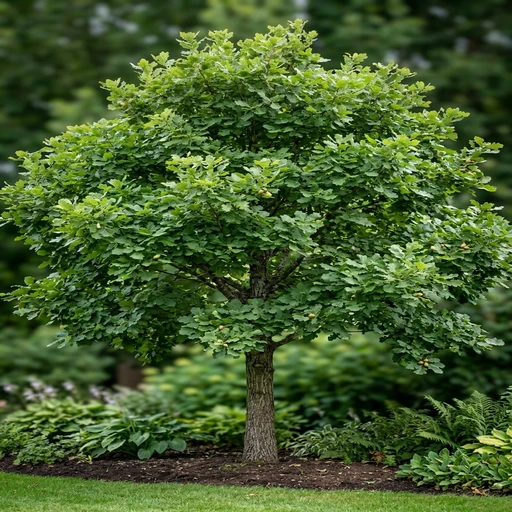
English Oak
Quercus robur
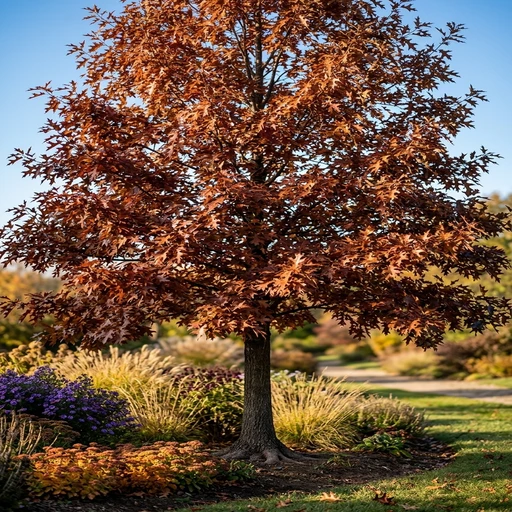
Pin Oak
Quercus palustris
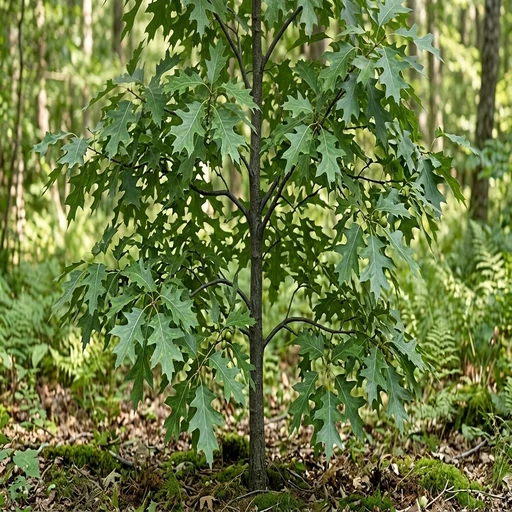
Scarlet Oak
Quercus coccinea
Keep exploring
Explore the genus
Hardy in your zone?
Grow Netleaf Oak with confidence
See it in a design of your actual yard, get zone-matched care reminders, and track it season by season in your garden journal.