The Story
Plant Bio
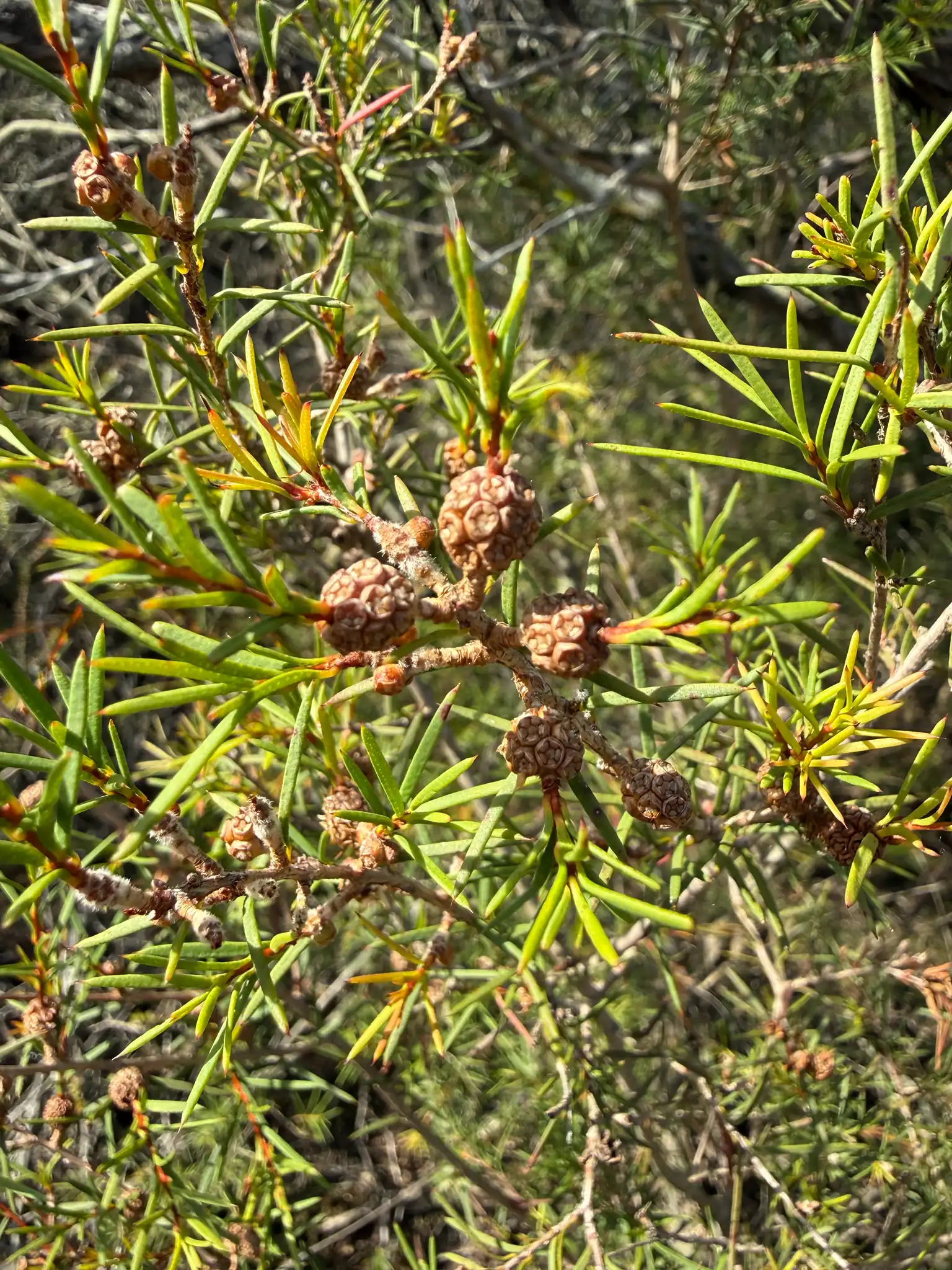
Melaleuca nodosa is an evergreen shrub or small tree reaching up to twenty feet tall, characterized by thick, spongy, papery bark and dark green needle-like leaves with sharp tips. Aromatic when crushed, the foliage frames dense, ball-shaped heads of creamy-yellow flowers that open from spring into summer.
The spherical flower heads distinguish this species from typical bottle-brush forms, creating a distinct visual mass against fine-textured growth. Its stiff, pointed foliage makes it an effective hedge that withstands heavy coastal wind and salt spray.
Uses & Benefits:
Essentials
At a Glance
Plant Type
Shrub
Height
236"
Width
118"
Light
Full Sun, Partial Sun
Zones
9, 10
Water
Low to Moderate
Humidity
High
Lifespan
Perennial
Native To
Eastern Australia
Toxicity
Non-toxic (sharp leaf tips)
Bloom period
Spring – Summer
In flower about 6 months of the year
Planting
How to Grow
- Select a site in full sun or light shade with sandy, clay, or sandstone-derived soil.
- Water regularly during the first growing season until the root system is established.
- Apply a light layer of organic mulch around the base, keeping it away from the trunk.
- Prune light green tip growth after the annual flowering period ends.
Pro Tip
Prune only the green, leafy stems immediately after flowering; cutting into old, bare woody stems stops shoot development completely.
Keep It Thriving
Care Guide
Do
- Plant in full sun to maximize floral density.
- Ensure adequate soil drainage, though temporary dampness is tolerated.
- Tip-prune green shoots annually to maintain density.
Don't
- Do not prune back into old, leafless woody branches.
- Do not apply fertilizers high in phosphorus.
- Do not allow young plants to dry out completely before roots establish.
Seasonal Care Calendar
| Task | Jan | Feb | Mar | Apr | May | Jun | Jul | Aug | Sep | Oct | Nov | Dec |
|---|---|---|---|---|---|---|---|---|---|---|---|---|
| Fertilize | ||||||||||||
| Mulch | ||||||||||||
| Pest Check | ||||||||||||
| Prune |
Watch Out For
Pests & Diseases
Common Pests
Common Diseases
In the Garden
Landscape Uses & Companions
Landscape Uses
Companion Plants
Multiply
Propagation Methods
Good to Know
Common Questions
Prickly-Leaved Paperbark questions
What zones can Prickly-Leaved Paperbark grow in?
Prickly-Leaved Paperbark is hardy in USDA Zones 9–10: in that range it survives winter in the ground. Colder than Zone 9, grow it in a container you can move to shelter for the winter.
When does Prickly-Leaved Paperbark bloom?
Prickly-Leaved Paperbark typically blooms from spring to summer. Exact timing shifts a week or two with your zone — Sow's bloom calendar maps it to your garden.
Does Prickly-Leaved Paperbark need full sun?
Prickly-Leaved Paperbark does best in full sun to part shade. In hot climates, afternoon shade keeps blooms fresher longer.
Is Prickly-Leaved Paperbark drought tolerant?
Yes — once established (usually after the first full season), Prickly-Leaved Paperbark handles dry spells with minimal watering. Water deeply its first year to build the root system that makes that possible.
More Melaleuca to compare
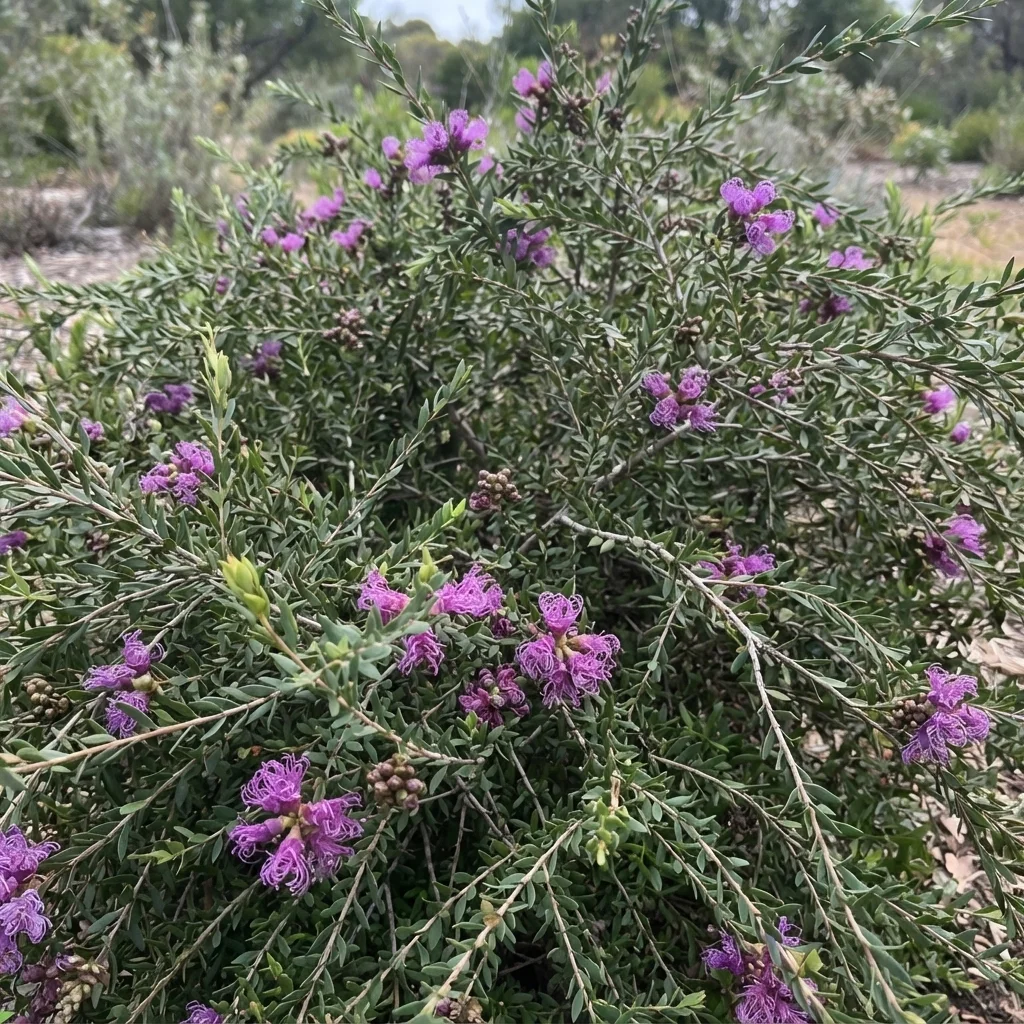
Thymeleaf Melaleuca
Melaleuca thymifolia
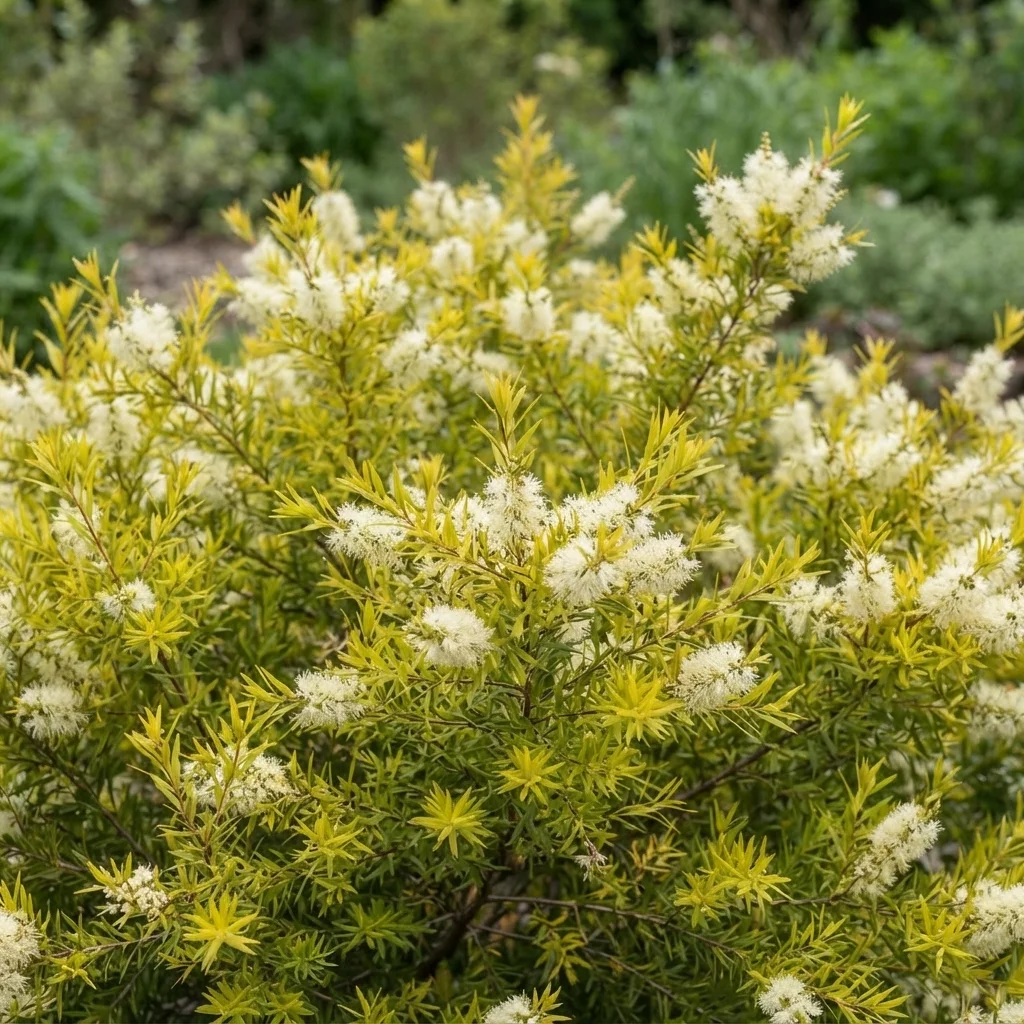
Golden Melaleuca
Melaleuca bracteata 'Golden Gem'
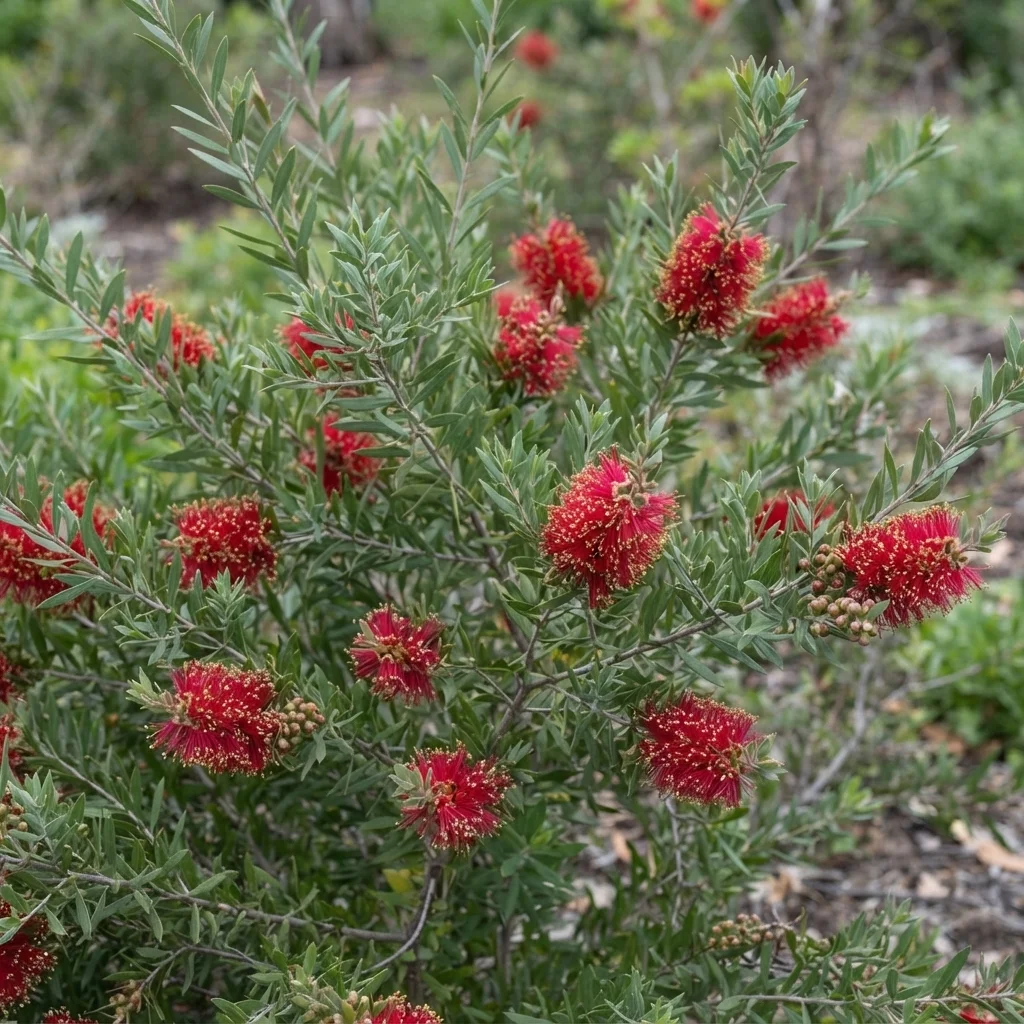
Scarlet Honey Myrtle
Melaleuca fulgens
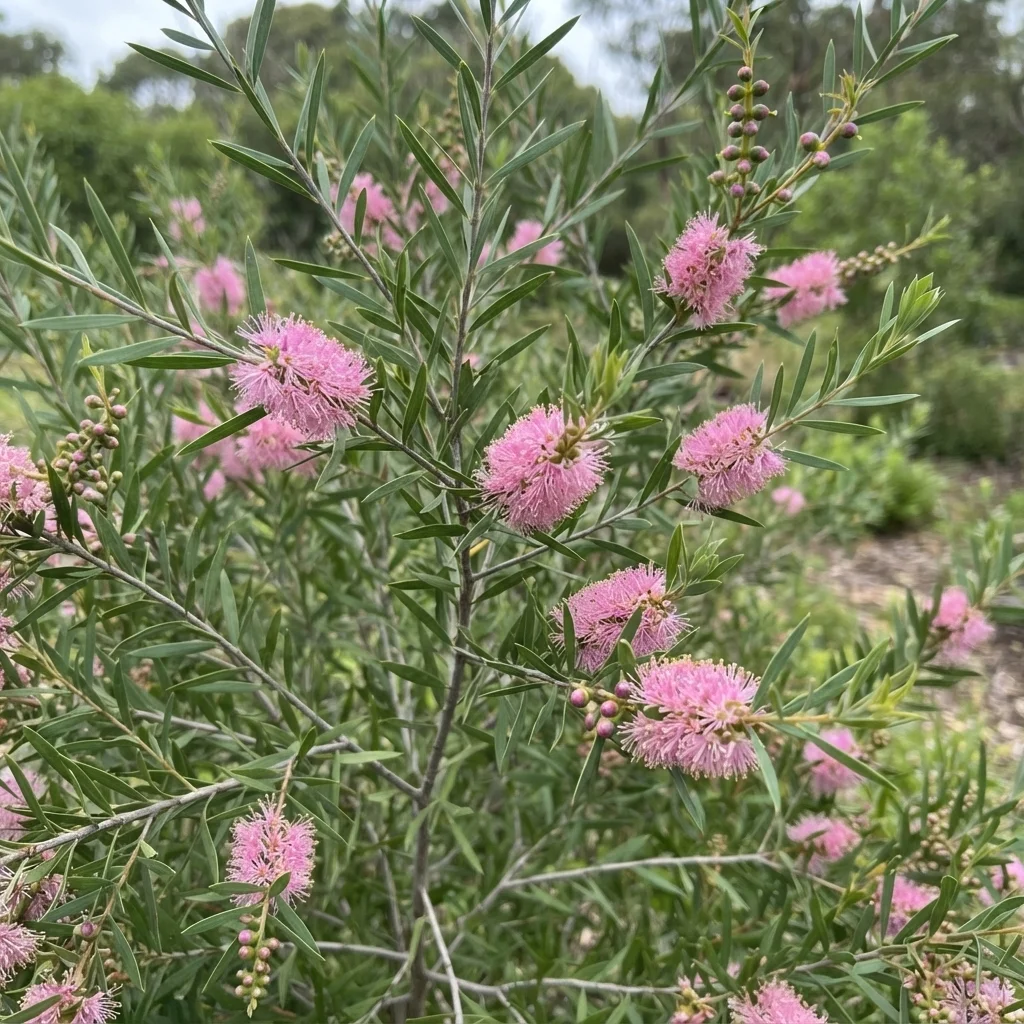
Graceful Honey-myrtle
Melaleuca radula
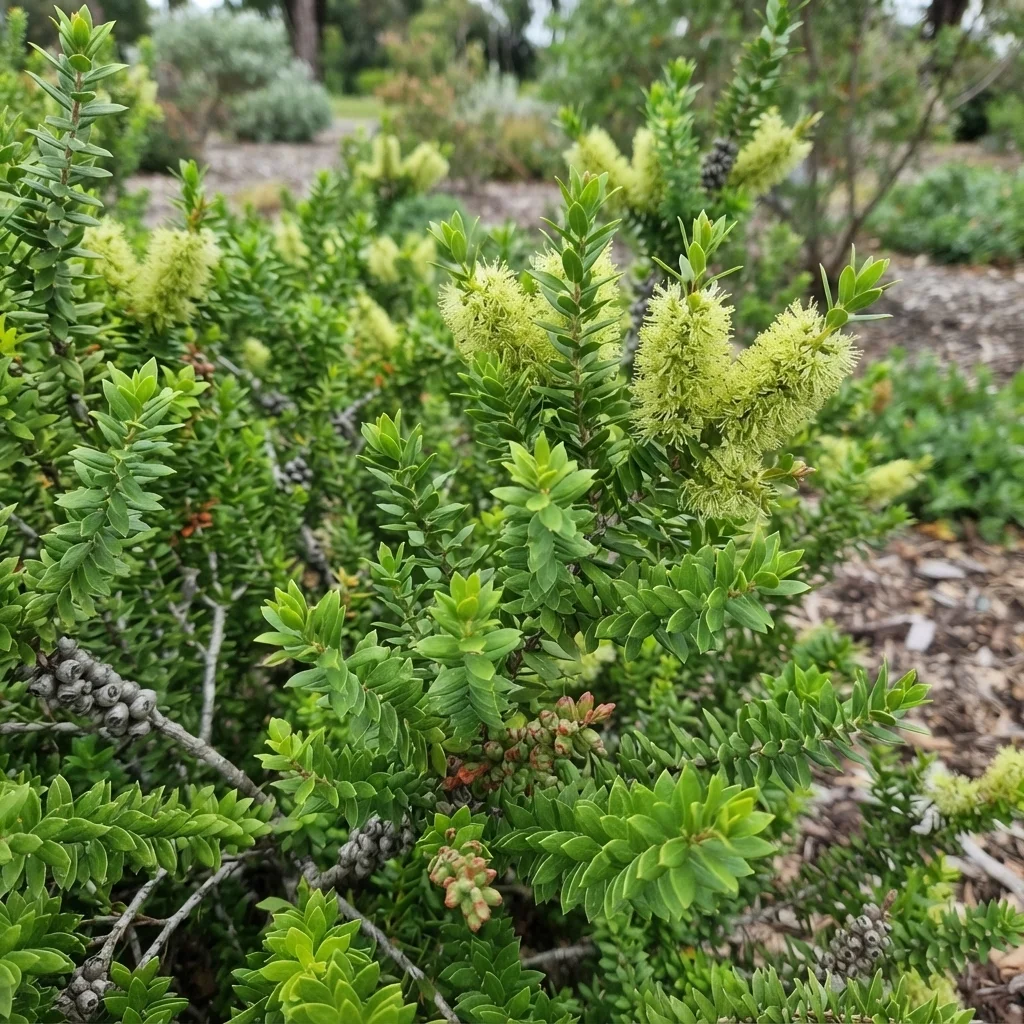
Green Honey Myrtle
Melaleuca diosmifolia
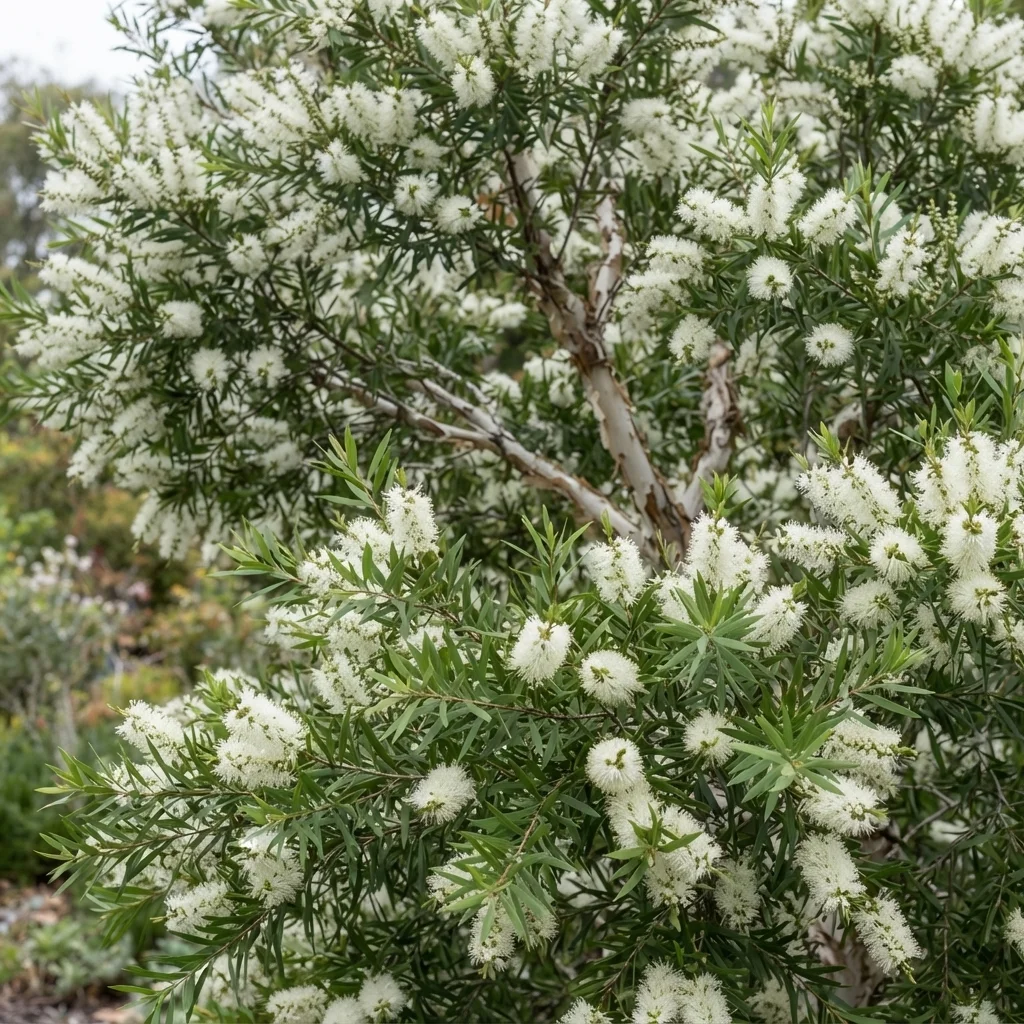
Snow-in-summer
Melaleuca linariifolia
Keep exploring
Explore the genus
Hardy in your zone?
Grow Prickly-Leaved Paperbark with confidence
See it in a design of your actual yard, get zone-matched care reminders, and track it season by season in your garden journal.