The Story
Plant Bio
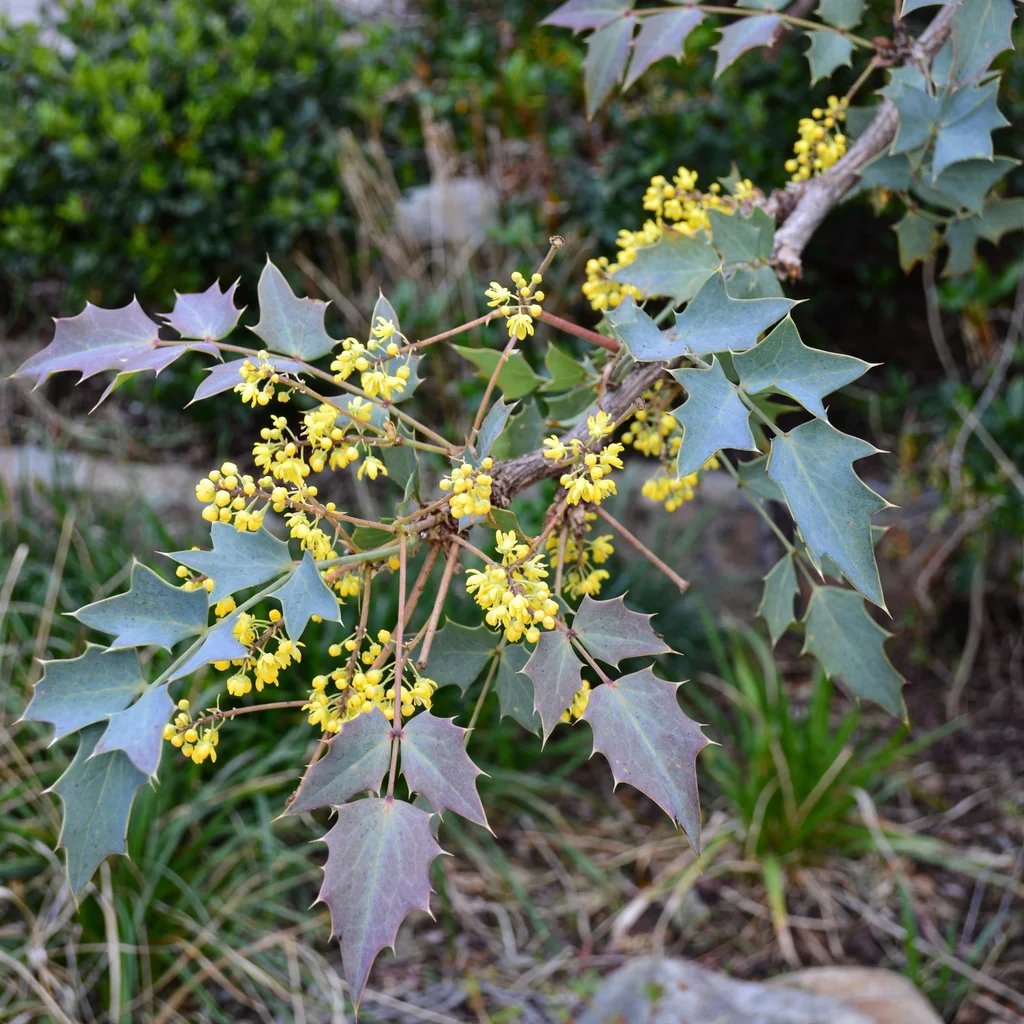
Mahonia fremontii, accepted as Berberis fremontii and still sold under the Mahonia name, is an evergreen shrub in the barberry family with stiff erect branches forming a dense rounded crown. Its alternate leaves are pinnately compound with three to seven thick rigid leaflets edged in spine-tipped teeth and colored dull gray-green to blue-green.
In spring it carries hanging racemes of fragrant six-petaled yellow flowers below the branches, followed by ovoid yellow to purplish-red berries that ripen dark purple in late summer. Cold weather purples the foliage, and established plants reach 3 to 10 feet tall and wide with sharp drainage in sun to part shade.
Uses & Benefits:
Essentials
At a Glance
Plant Type
Shrub
Height
120"
Width
96"
Light
Full Sun, Partial Sun
Zones
5, 6, 7, 8, 9, 10
Water
Low
Humidity
Unknown
Lifespan
Long-lived shrub
Native To
Southwestern USA and Northwest Mexico
Toxicity
Unknown
Bloom period
Spring – Early summer
In flower about 4 months of the year
Planting
How to Grow
- Plant in full sun to part shade in dry, rocky soil with sharp drainage.
- Set the rootball level with the soil surface and water in deeply to settle.
- Water sparingly through the first season to establish, then reduce to dry-soil culture.
- Apply a thin gravel or stone mulch to keep the crown dry and weed-free.
Pro Tip
Site it clear of wheat and cereal plantings where stem rust is a concern and prune lightly after flowering to keep it dense and full; wear heavy gloves whenever handling the spiny leaves or fruit.
Keep It Thriving
Care Guide
Do
- Do provide excellent drainage and dry rocky soil.
- Do prune lightly after spring bloom to keep the shrub dense and full.
- Do wear heavy gloves when pruning or picking fruit.
Don't
- Do not plant next to wheat or cereal crops where stem rust spreads.
- Do not overwater or set in wet clay that stays saturated.
- Do not shear into old bare wood expecting rapid regrowth.
Seasonal Care Calendar
| Task | Jan | Feb | Mar | Apr | May | Jun | Jul | Aug | Sep | Oct | Nov | Dec |
|---|---|---|---|---|---|---|---|---|---|---|---|---|
| Pest Check | ||||||||||||
| Plant | ||||||||||||
| Propagate | ||||||||||||
| Prune |
Watch Out For
Pests & Diseases
Common Pests
Common Diseases
In the Garden
Landscape Uses & Companions
Landscape Uses
Multiply
Propagation Methods
Good to Know
Common Questions
Fremont's Mahonia questions
What zones can Fremont's Mahonia grow in?
Fremont's Mahonia is hardy in USDA Zones 5–10: in that range it survives winter in the ground. Colder than Zone 5, grow it in a container you can move to shelter for the winter.
When does Fremont's Mahonia bloom?
Fremont's Mahonia typically blooms from early spring to early summer. Exact timing shifts a week or two with your zone — Sow's bloom calendar maps it to your garden.
Does Fremont's Mahonia need full sun?
Fremont's Mahonia does best in full sun to part shade. In hot climates, afternoon shade keeps blooms fresher longer.
Is Fremont's Mahonia drought tolerant?
Yes — once established (usually after the first full season), Fremont's Mahonia handles dry spells with minimal watering. Water deeply its first year to build the root system that makes that possible.
More Mahonia to compare
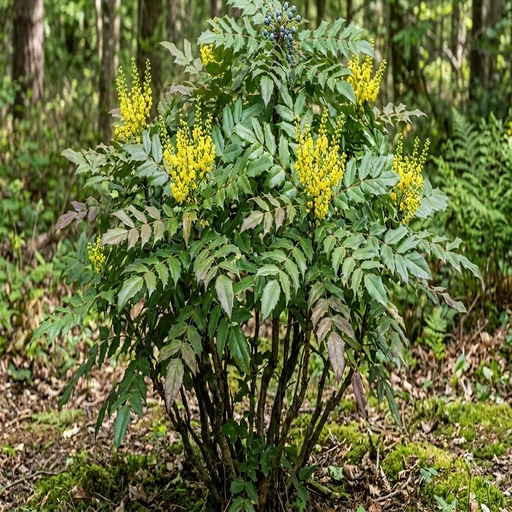
Oregon Grapeholly
Mahonia aquifolium
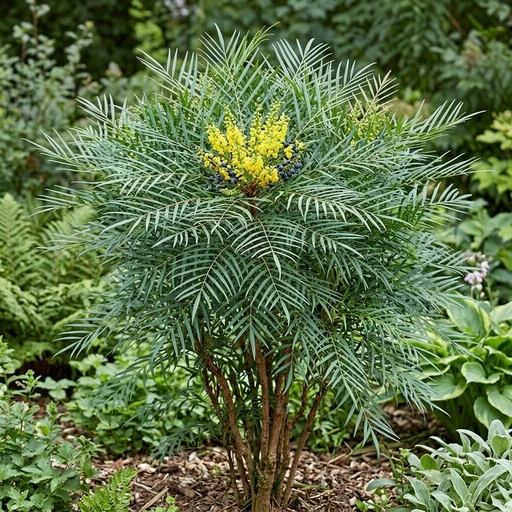
Soft Caress Mahonia
Mahonia eurybracteata 'Soft Caress'
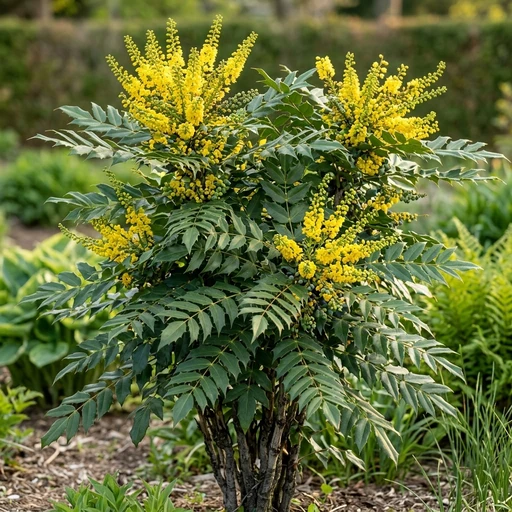
Leatherleaf Mahonia
Mahonia bealei
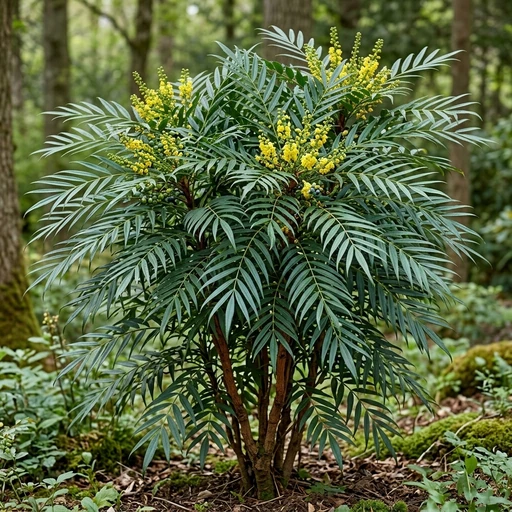
Narihira Mahonia
Mahonia confusa 'Narihira'
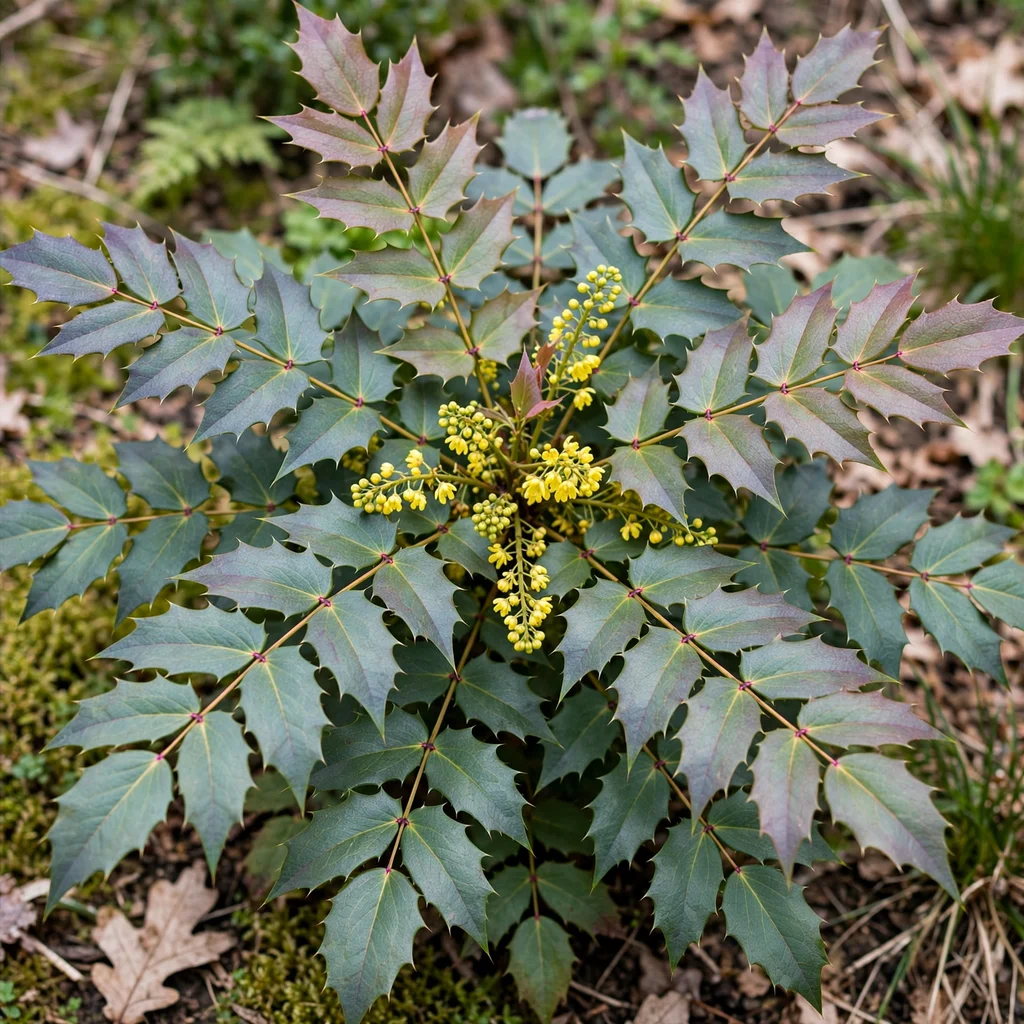
Creeping Oregon-Grape
Mahonia repens
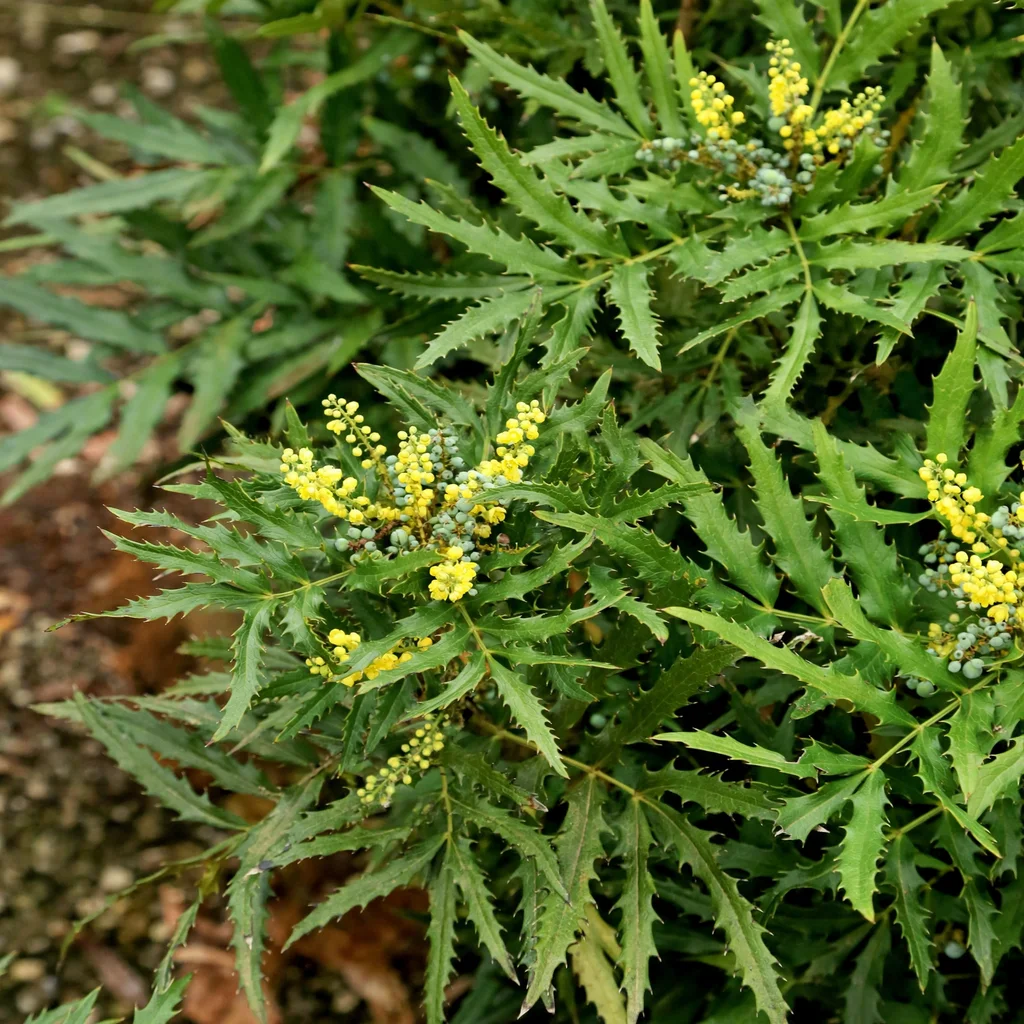
Beijing Beauty Grapeholly
Mahonia x hybrida 'Beijing Beauty'
Keep exploring
Explore the genus
Grow Fremont's Mahonia with confidence
See it in a design of your actual yard, get zone-matched care reminders, and track it season by season in your garden journal.