The Story
Plant Bio
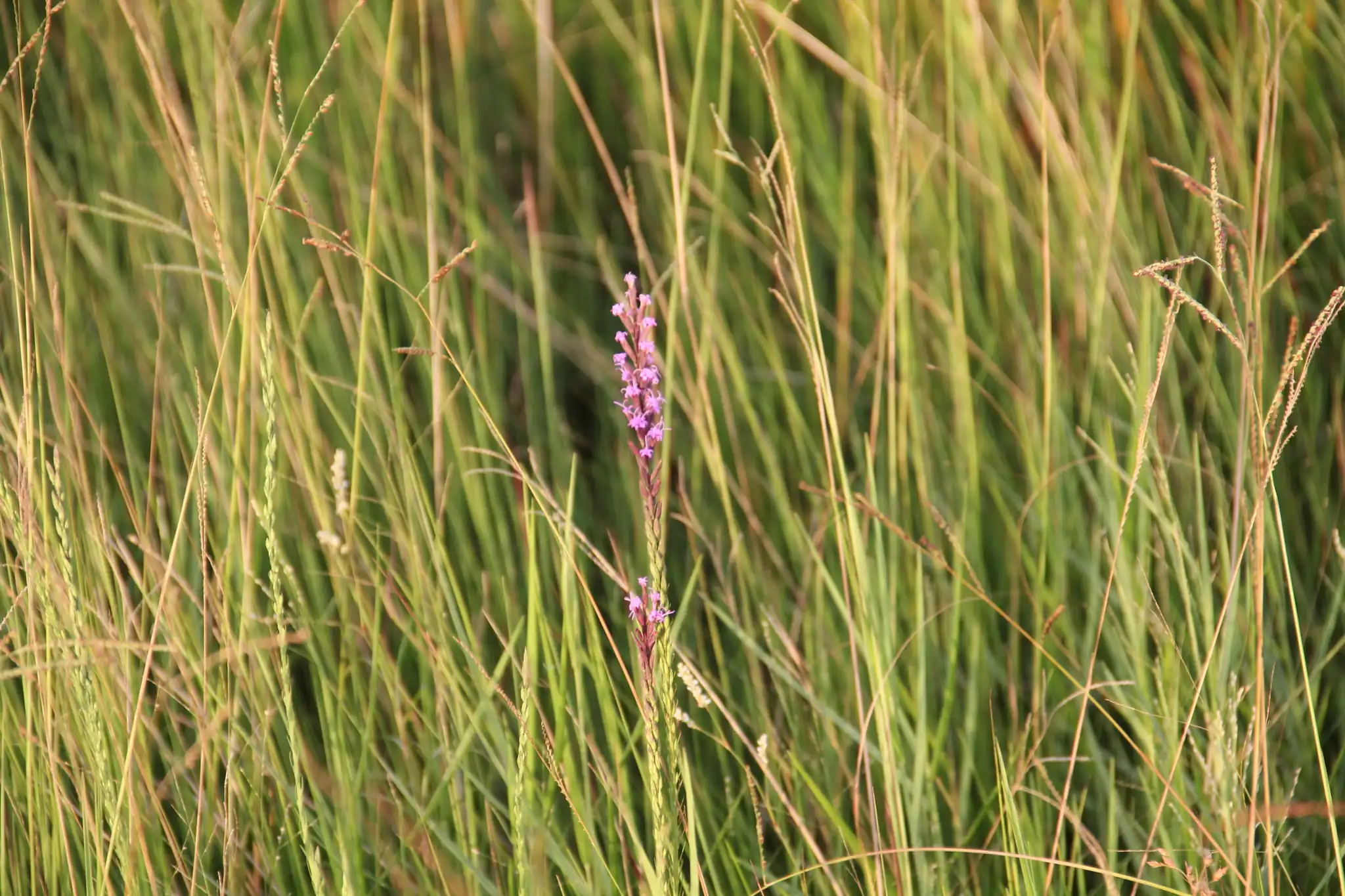
Liatris acidota is a cormous perennial that forms a basal tuft of dark green linear leaves with one to several upright stems. The stems top out in dense spikes of purple disk heads that open from the top downward in summer, reaching about two feet in leaf and to four feet in bloom.
It is a Gulf Coast endemic found wild only in Louisiana and Texas, where it grows in coastal prairie and savanna on sand to clay. It differs from northern blazing stars in its low grassy basal clump, arching spike, and requirement for full sun with acidic, well-drained soil that stays only medium-moist.
Uses & Benefits:
Essentials
At a Glance
Plant Type
Perennial
Height
48"
Width
12"
Light
Full Sun
Zones
7, 8, 9
Water
Medium
Humidity
Moderate
Lifespan
Perennial
Native To
Louisiana, Texas
Toxicity
Unknown
Bloom period
Summer – Fall
In flower about 6 months of the year
Planting
How to Grow
- Set corms 2 inches deep and 8 to 12 inches apart in full sun after frost danger passes.
- Use sandy loam to clay loam that drains freely and holds only medium moisture.
- Water deeply after planting and through the first summer, then reduce once roots establish.
- Leave open space around each clump for airflow and cut spent spikes to limit self-seeding.
Pro Tip
Plant in full sun with sharp drainage and water to establish, then keep it on the dry side; wet, crowded crowns rot and mildew.
Keep It Thriving
Care Guide
Do
- Give full sun and open spacing for airflow.
- Divide congested clumps every 2 to 3 years while dormant.
- Deadhead after bloom if you want to limit self-seeding.
Don't
- Do not plant in heavy wet soil or low spots that hold water.
- Do not overwater once established or crowd under taller neighbors.
- Do not cut division pieces too small; each must carry a firm corm with buds.
Seasonal Care Calendar
| Task | Jan | Feb | Mar | Apr | May | Jun | Jul | Aug | Sep | Oct | Nov | Dec |
|---|---|---|---|---|---|---|---|---|---|---|---|---|
| Deadhead | ||||||||||||
| Divide | ||||||||||||
| Pest Check | ||||||||||||
| Plant | ||||||||||||
| Spring Cleanup |
Watch Out For
Pests & Diseases
Common Pests
Common Diseases
In the Garden
Landscape Uses & Companions
Landscape Uses
Multiply
Propagation Methods
Good to Know
Common Questions
Sharp Blazing Star questions
What zones can Sharp Blazing Star grow in?
Sharp Blazing Star is hardy in USDA Zones 7–9: in that range it survives winter in the ground. Colder than Zone 7, grow it in a container you can move to shelter for the winter, or as an annual. Warmer than Zone 9, winter isn't the problem: it prefers colder winters, and summer heat can shorten its life.
When does Sharp Blazing Star bloom?
Sharp Blazing Star typically blooms from summer to fall. Exact timing shifts a week or two with your zone — Sow's bloom calendar maps it to your garden.
Does Sharp Blazing Star need full sun?
Sharp Blazing Star does best in full sun (6+ hours).
Is Sharp Blazing Star drought tolerant?
Yes — once established (usually after the first full season), Sharp Blazing Star handles dry spells with minimal watering. Water deeply its first year to build the root system that makes that possible.
More Liatris to compare
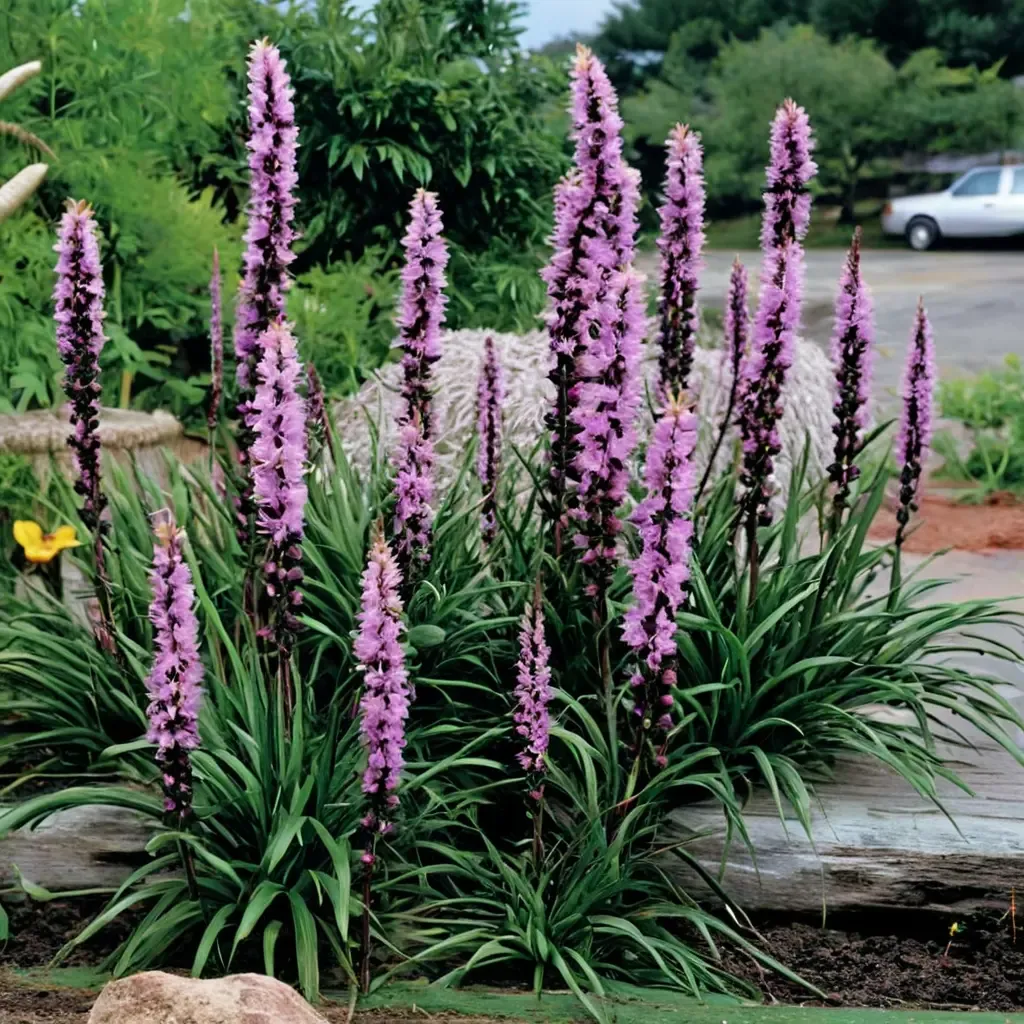
Kobold Blazing Star
Liatris spicata 'Kobold'
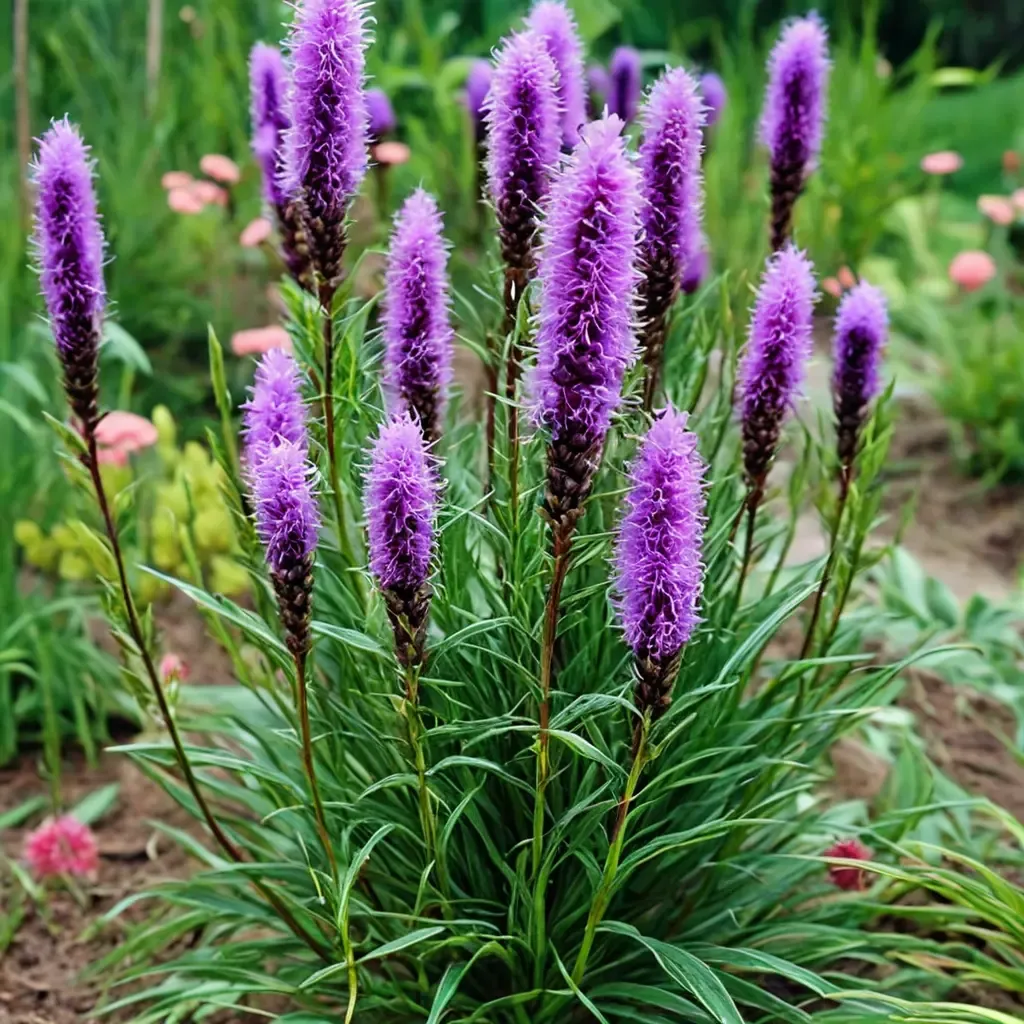
Blazing Star Gayfeather
Liatris spicata
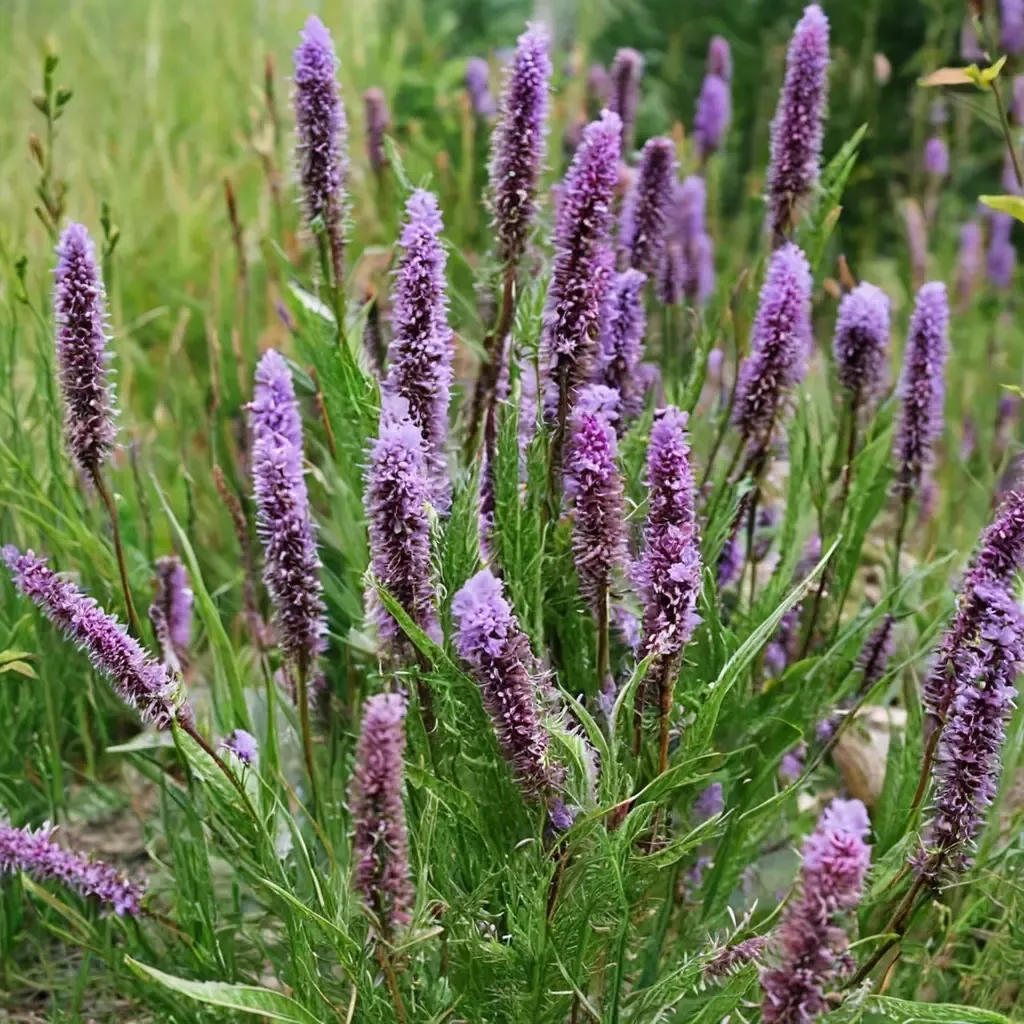
Prairie Blazing Star
Liatris pycnostachya
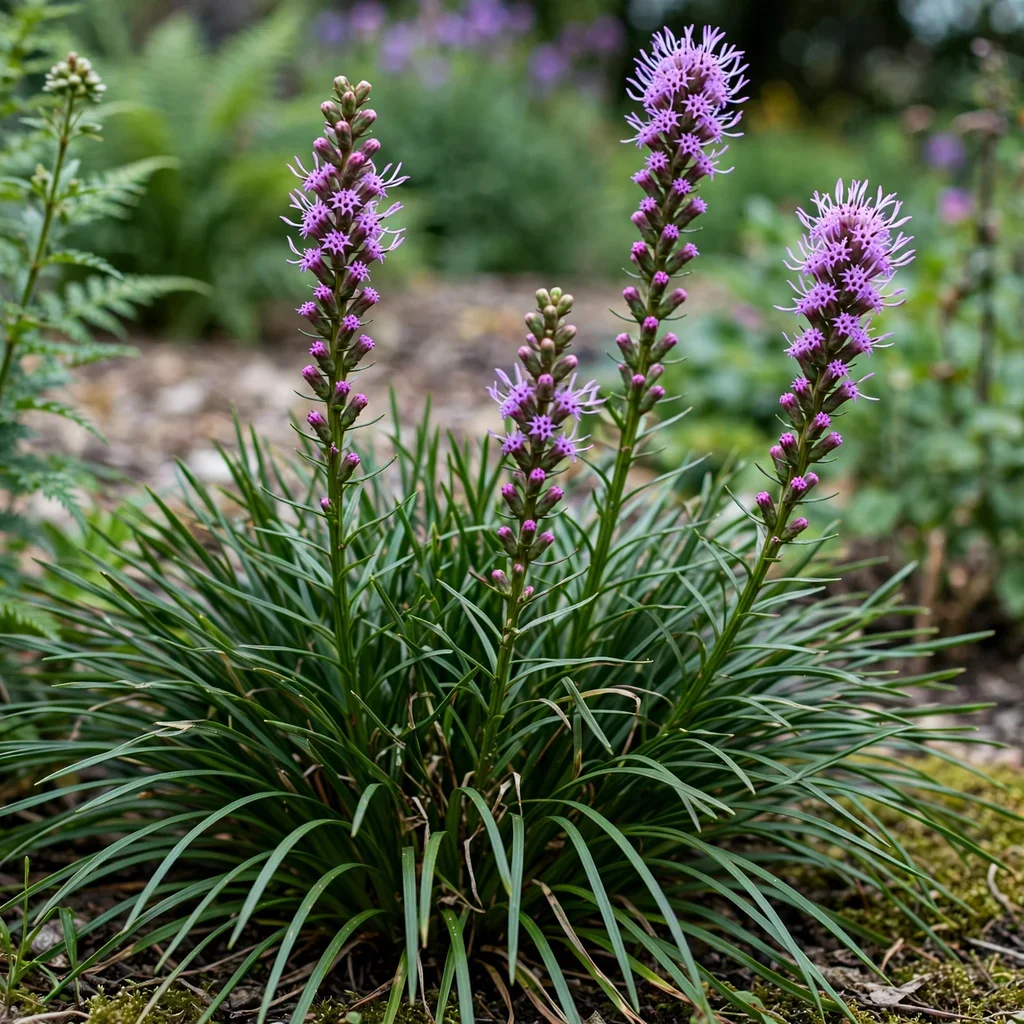
Dwarf Blazing Star
Liatris microcephala
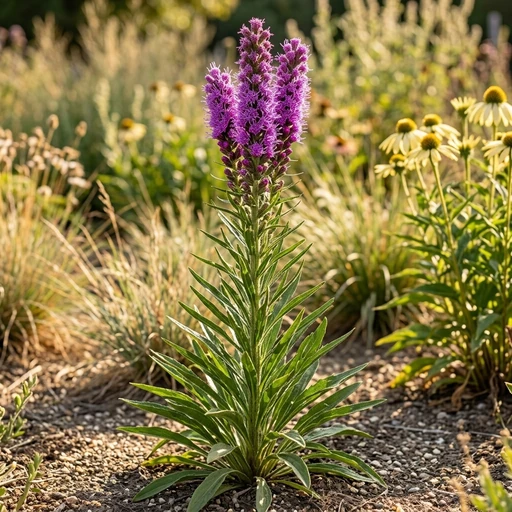
Rough Gayfeather
Liatris aspera
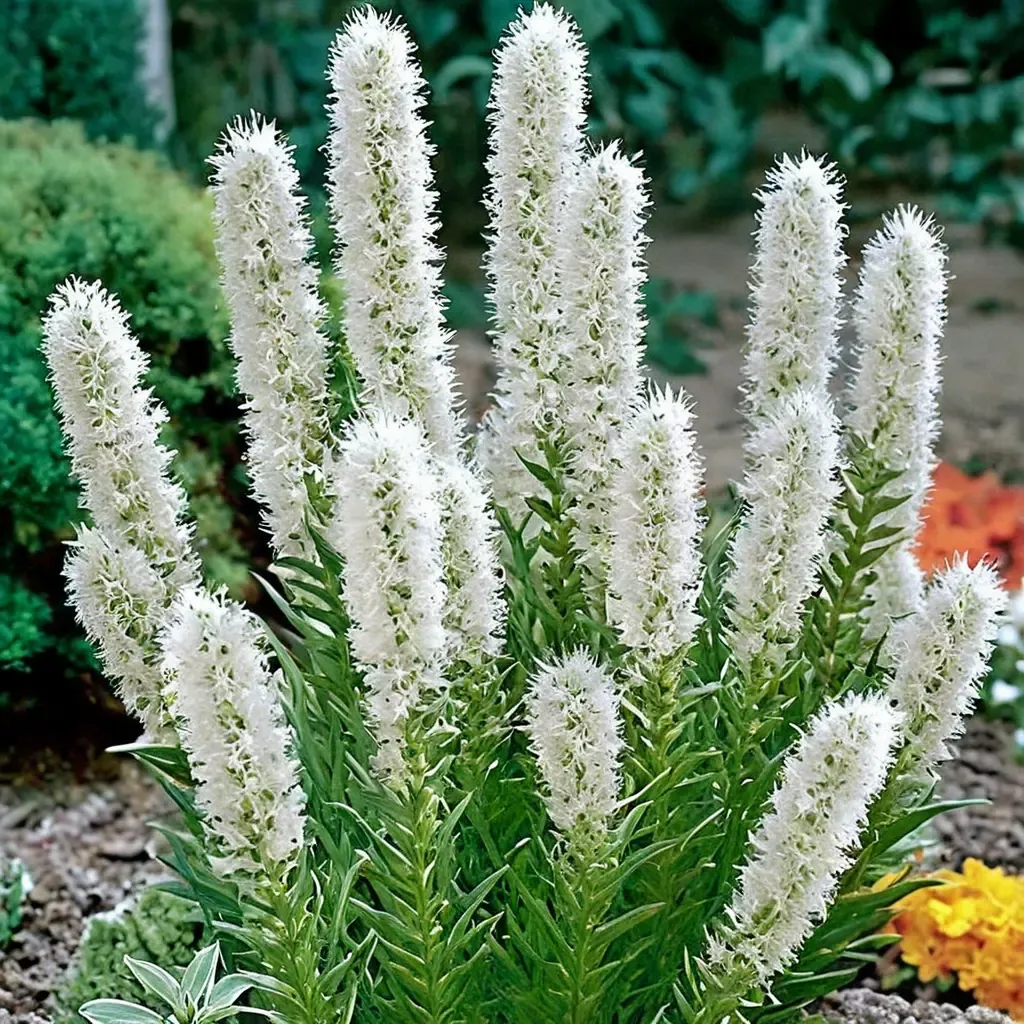
Floristan White Blazing Star
Liatris spicata 'Floristan Weiss'
Keep exploring
Explore the genus
Hardy in your zone?
Grow Sharp Blazing Star with confidence
See it in a design of your actual yard, get zone-matched care reminders, and track it season by season in your garden journal.