The Story
Plant Bio
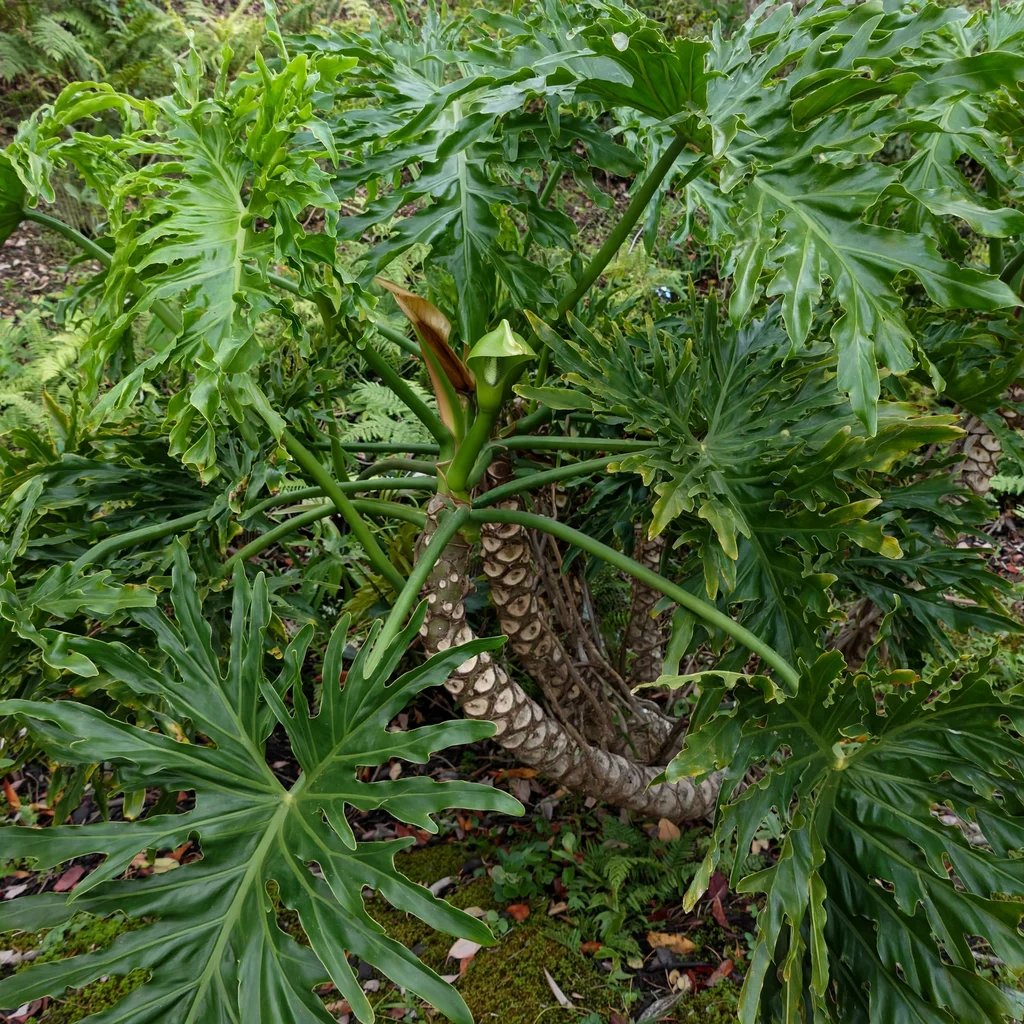
Philodendron bipinnatifidum, sold as Philodendron selloum, is an evergreen South American aroid that forms a dense trunked mound to fifteen feet high and wide, with thick woody stems marked by eye-drop leaf scars. The leaves are large, glossy green and doubly pinnatifid, deeply cut into spreading lobes on long stalks that arch outward from the crown.
Unlike vining philodendrons it builds a self-supporting trunk and arching crown rather than climbing, with each blade deeply dissected instead of heart-shaped. Mature crowns produce an inconspicuous green spathe and spadix followed by fleshy green fruit, but container plants indoors rarely flower even after fifteen to twenty years.
Uses & Benefits:
Essentials
At a Glance
Plant Type
Tropical
Height
180"
Width
180"
Light
Full Sun, Partial Sun, Shade
Zones
8, 9, 10
Water
Medium
Humidity
High
Lifespan
Long-lived perennial
Native To
South America: SE Brazil, E Bolivia, Paraguay, NE Argentina
Toxicity
Toxic to humans, cats and dogs
Bloom period
Year round
In flower about 12 months of the year
Planting
How to Grow
- Plant in spring after frost in a peat-based mix that drains freely, setting the crown at soil level.
- Site in bright indirect light to full sun, with shelter from hard frost and space for a 15-foot spread.
- Water to keep the mix evenly moist, then let the top inch dry before watering again.
- Feed through the growing season for large leaves, and mulch with bark to hold moisture without wetting the crown.
- Move containers indoors before temperatures fall into the mid-upper 20sF, when foliage burns.
Pro Tip
Prune lower leaves at the trunk in spring and wear gloves against the sap; cutting hard back into bare leafless trunk gives slow, patchy regrowth.
Keep It Thriving
Care Guide
Do
- Wear gloves when pruning because sap irritates skin and mouth.
- Grow in a free-draining peat-moss mix and empty saucers after watering.
- Give bright light and room for arching leaves to expand.
Don't
- Do not overwater or leave the crown sitting wet, which invites root rot.
- Do not cut hard into bare leafless trunk or over-prune the crown.
- Do not plant where children or pets chew leaves.
Seasonal Care Calendar
| Task | Jan | Feb | Mar | Apr | May | Jun | Jul | Aug | Sep | Oct | Nov | Dec |
|---|---|---|---|---|---|---|---|---|---|---|---|---|
| Mulch | ||||||||||||
| Pest Check | ||||||||||||
| Propagate | ||||||||||||
| Prune | ||||||||||||
| Winter Prep |
Watch Out For
Pests & Diseases
Common Pests
Common Diseases
In the Garden
Landscape Uses & Companions
Landscape Uses
Companion Plants
Multiply
Propagation Methods
Good to Know
Common Questions
Tree Philodendron questions
What zones can Tree Philodendron grow in?
Tree Philodendron is hardy in USDA Zones 8–10: in that range it survives winter in the ground. Colder than Zone 8, grow it in a container you can move to shelter for the winter, or as an annual.
When does Tree Philodendron bloom?
Tree Philodendron typically blooms year-round. Exact timing shifts a week or two with your zone — Sow's bloom calendar maps it to your garden.
Does Tree Philodendron need full sun?
Tree Philodendron does best in full sun to part shade. In hot climates, afternoon shade keeps blooms fresher longer.
More Philodendron to compare
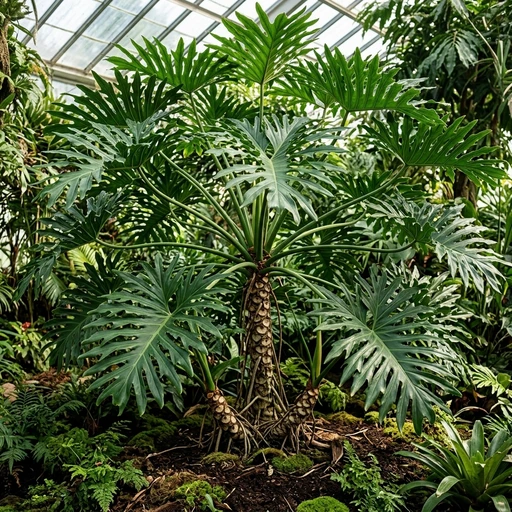
Lacy Tree Philodendron
Philodendron bipinnatifidum
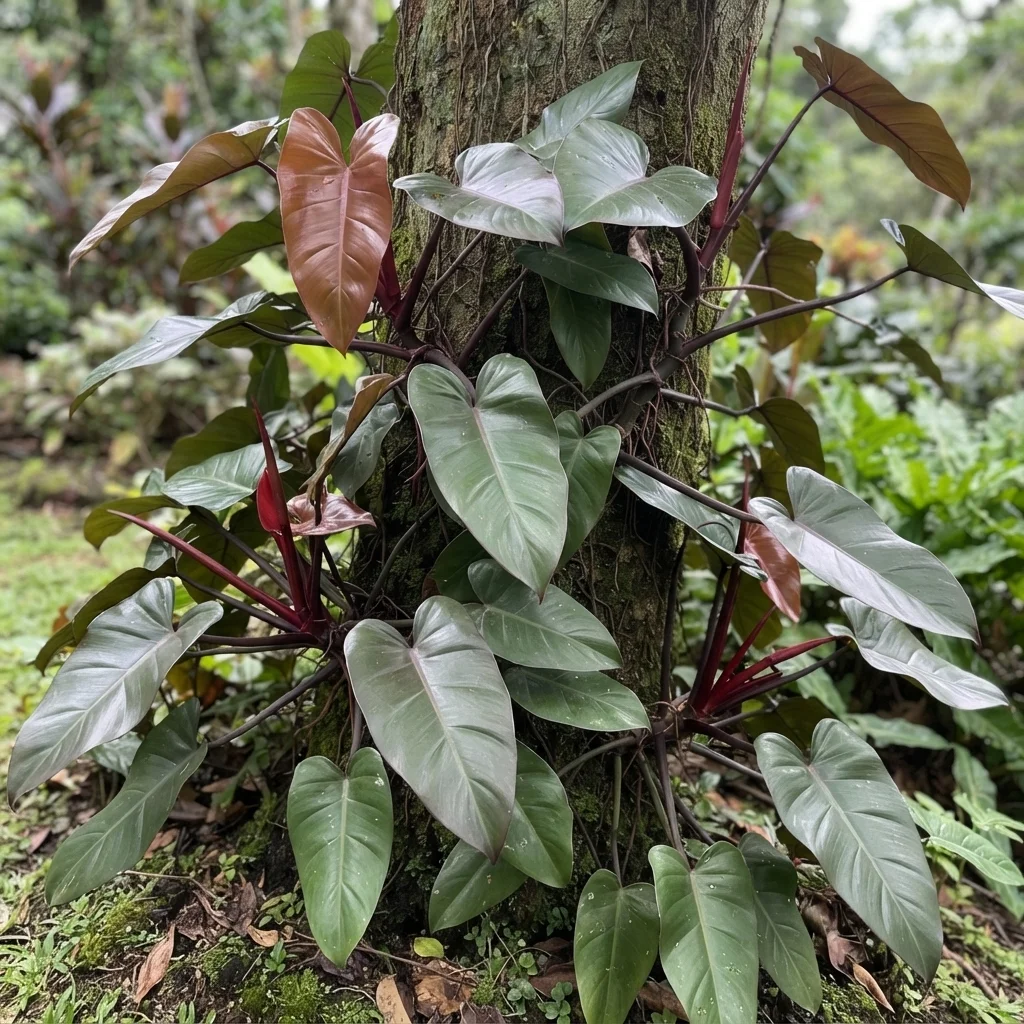
Blushing Philodendron
Philodendron erubescens
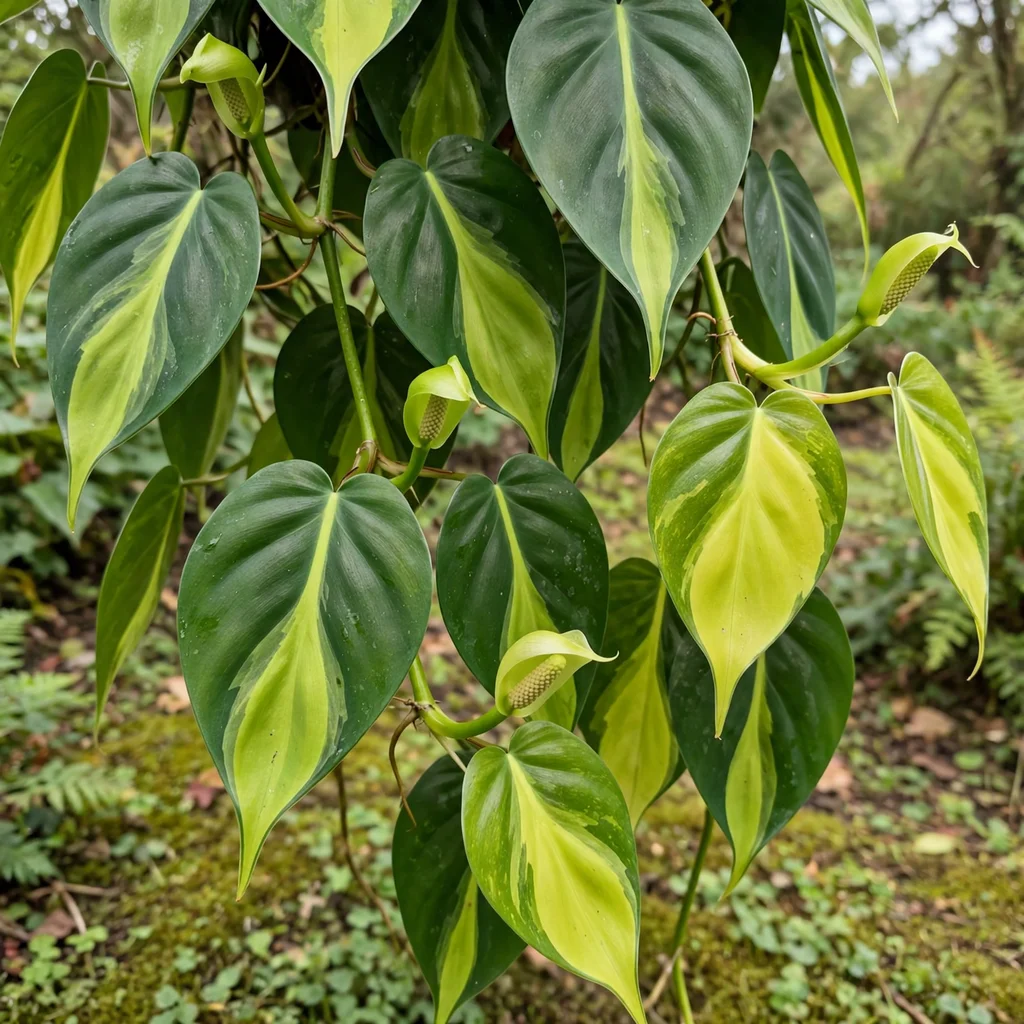
Brasil Philodendron
Philodendron hederaceum 'Brasil'
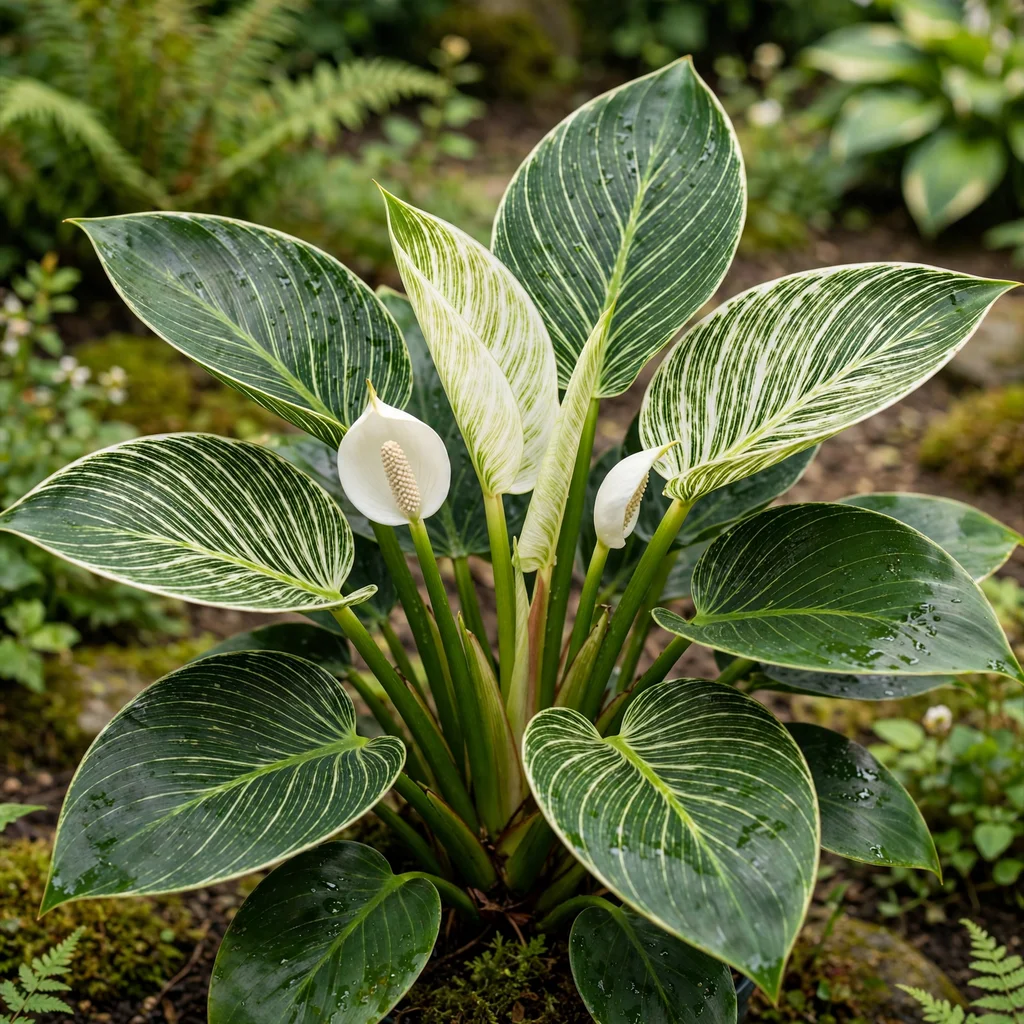
Birkin Philodendron
Philodendron x hybrida 'Birkin'
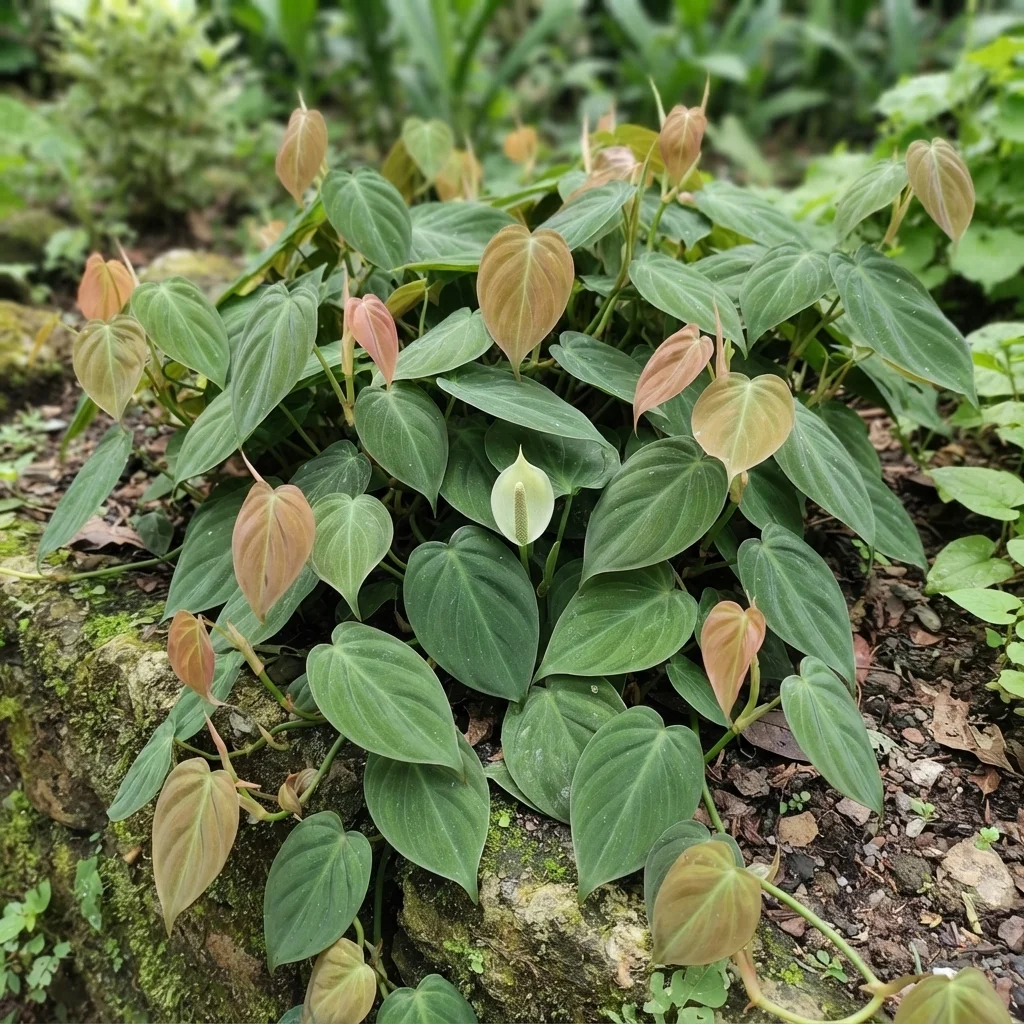
Heartleaf Philodendron
Philodendron hederaceum
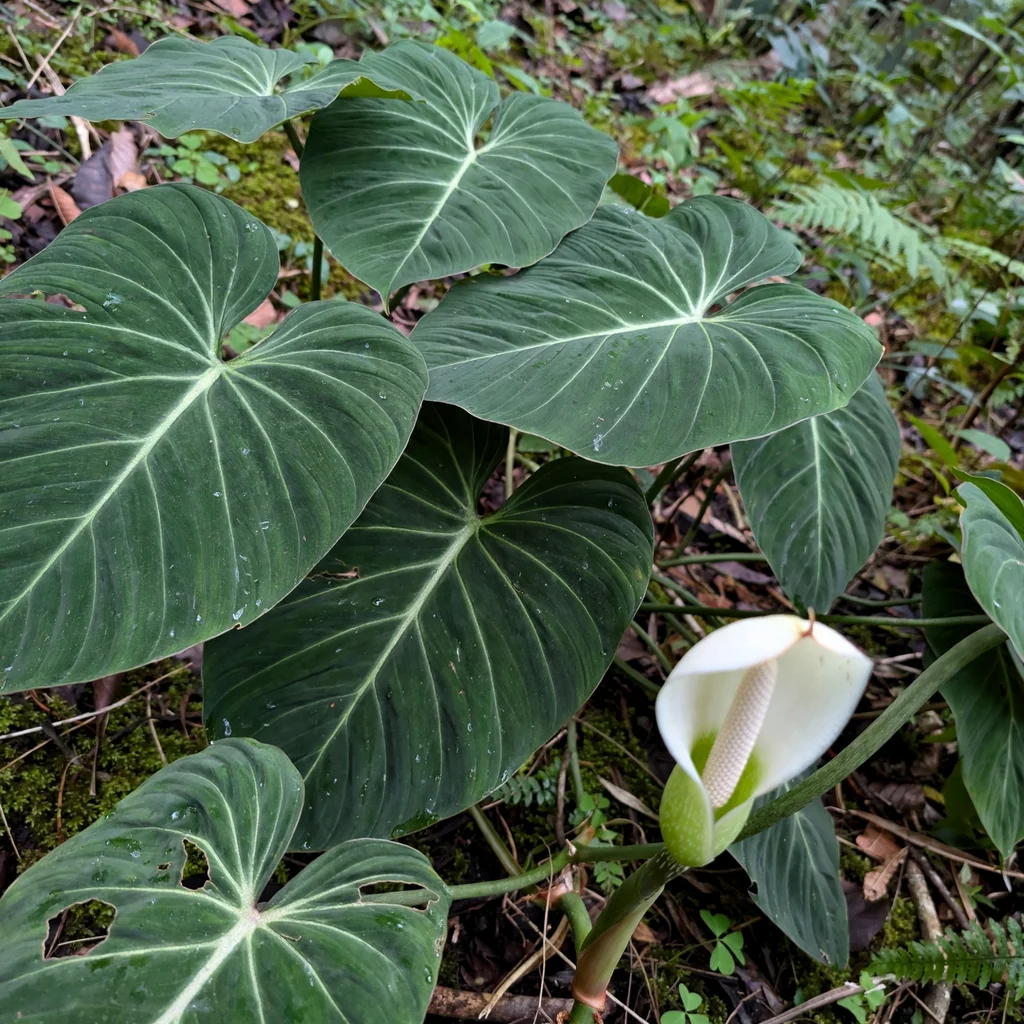
Creeping Velvet Philodendron
Philodendron gloriosum
Keep exploring
Explore the genus
Hardy in your zone?
Grow Tree Philodendron with confidence
See it in a design of your actual yard, get zone-matched care reminders, and track it season by season in your garden journal.