The Story
Plant Bio
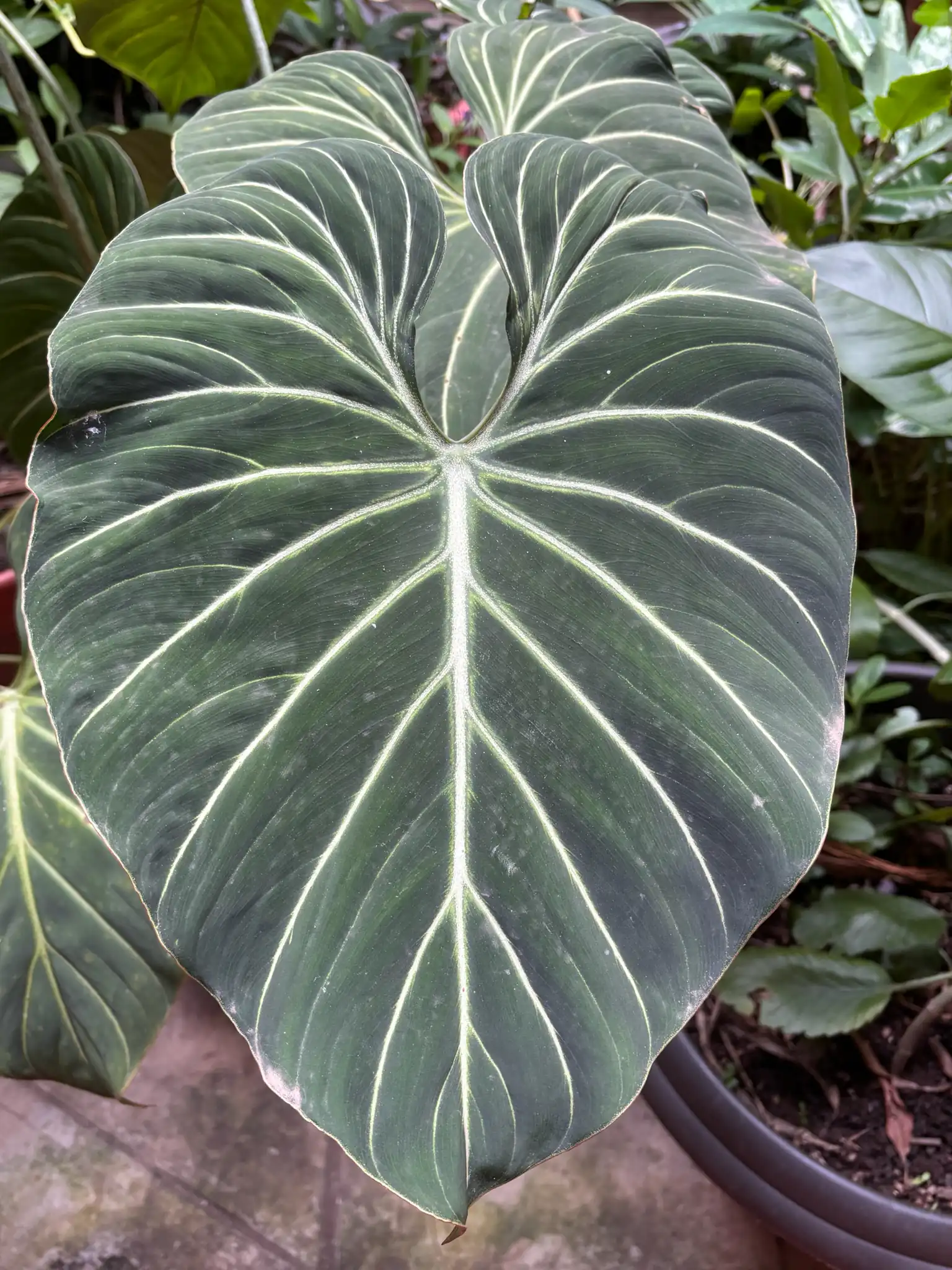
Philodendron gloriosum is an evergreen terrestrial aroid from Colombian and South American rainforest that creeps across the soil on a thick surface rhizome instead of climbing. In cultivation it reaches 24 to 36 inches tall with a 48- to 60-inch crawling spread, holding heart-shaped velvety deep-green leaves with pale veins.
It differs from climbing philodendrons in needing a wide shallow container rather than a moss pole, because the stem must lie horizontal to root at the nodes. The blades stay flat and velvety with white to pale-green veins and thin pink margins, reaching 12 to 24 inches long indoors and to 36 inches in the wild, with a pale-green to creamy-white spathe that rarely appears indoors.
Uses & Benefits:
Essentials
At a Glance
Plant Type
Tropical
Height
30"
Width
60"
Light
Partial Sun, Shade
Zones
9, 10
Water
Medium
Humidity
High - 60-80%
Lifespan
Long-lived perennial indoors
Native To
Colombia and tropical South America
Toxicity
Toxic if ingested
Bloom period
Spring – Summer
In flower about 6 months of the year
Planting
How to Grow
- Plant in a wide shallow pot with a chunky aroid mix of bark, perlite and rich organic matter that drains freely.
- Set in bright indirect light with no direct sun, which scorches the velvet leaves.
- Water when the top 1 to 2 inches are dry, then drain fully; never leave the pot sitting in water.
- Hold high humidity at 60 to 80 percent and bring plants indoors well before temperatures drop below 65 degrees.
- Leave the rhizome on the surface and repot or divide only when it outgrows the rim.
Pro Tip
Give the rhizome horizontal room to crawl in a chunky airy mix and water only when the top inch is dry; staking it upright and keeping it constantly wet rots the stem.
Keep It Thriving
Care Guide
Do
- Provide bright indirect light with no direct sun
- Use a chunky mix that drains freely
- Water when the top 1 to 2 inches are dry
- Maintain 60 to 80 percent humidity
Don't
- Do not train it up a moss pole
- Do not place in direct sun
- Do not keep the mix constantly wet
- Do not bury the creeping rhizome
Seasonal Care Calendar
| Task | Jan | Feb | Mar | Apr | May | Jun | Jul | Aug | Sep | Oct | Nov | Dec |
|---|---|---|---|---|---|---|---|---|---|---|---|---|
| Pest Check | ||||||||||||
| Propagate | ||||||||||||
| Prune | ||||||||||||
| Winter Prep |
Watch Out For
Pests & Diseases
Common Pests
Common Diseases
In the Garden
Landscape Uses & Companions
Landscape Uses
Multiply
Propagation Methods
Good to Know
Common Questions
Creeping Velvet Philodendron questions
What zones can Creeping Velvet Philodendron grow in?
Creeping Velvet Philodendron is hardy in USDA Zones 9–10: in that range it survives winter in the ground. Colder than Zone 9, grow it in a container you can move to shelter for the winter, or as an annual.
When does Creeping Velvet Philodendron bloom?
Creeping Velvet Philodendron typically blooms from spring to summer. Exact timing shifts a week or two with your zone — Sow's bloom calendar maps it to your garden.
Does Creeping Velvet Philodendron need full sun?
Creeping Velvet Philodendron does best in part shade.
More Philodendron to compare
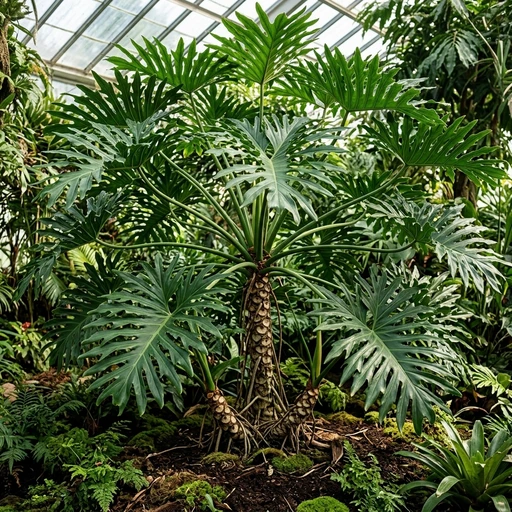
Lacy Tree Philodendron
Philodendron bipinnatifidum
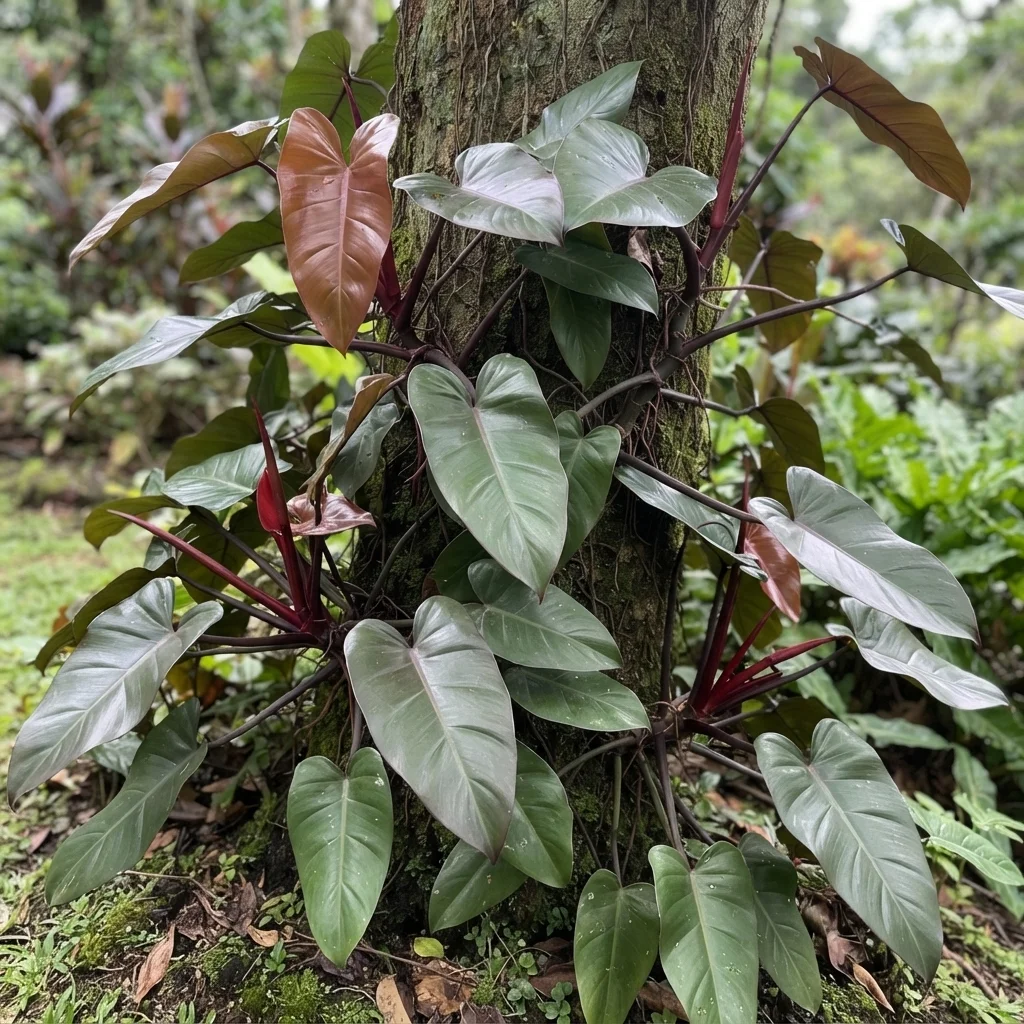
Blushing Philodendron
Philodendron erubescens
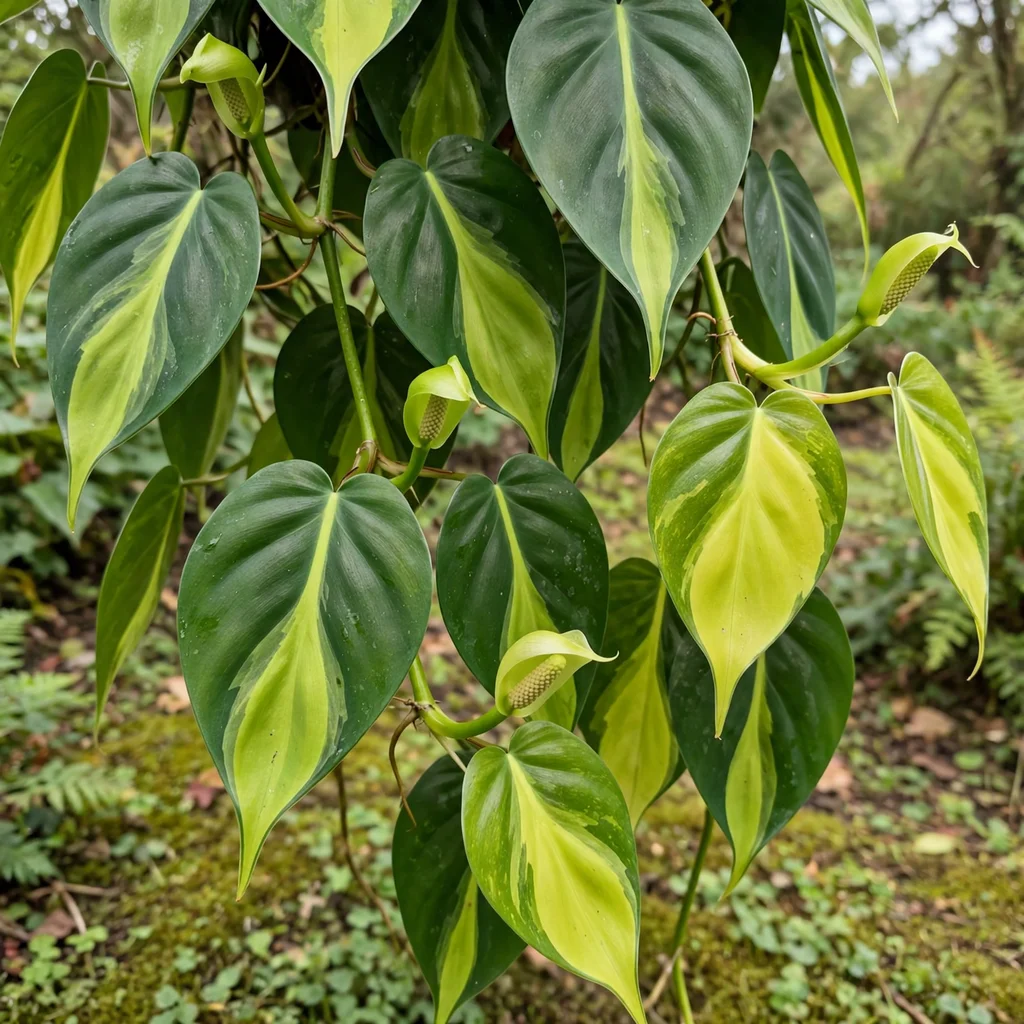
Brasil Philodendron
Philodendron hederaceum 'Brasil'
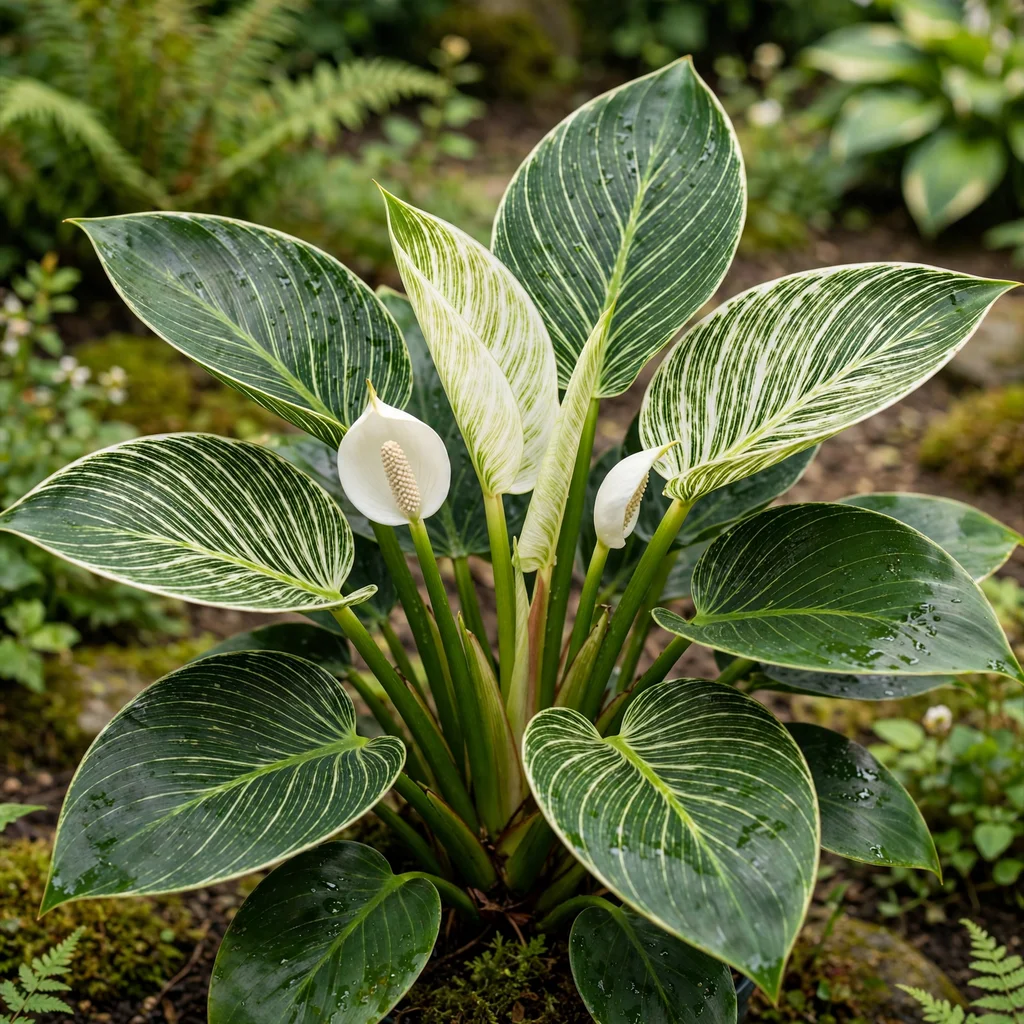
Birkin Philodendron
Philodendron x hybrida 'Birkin'
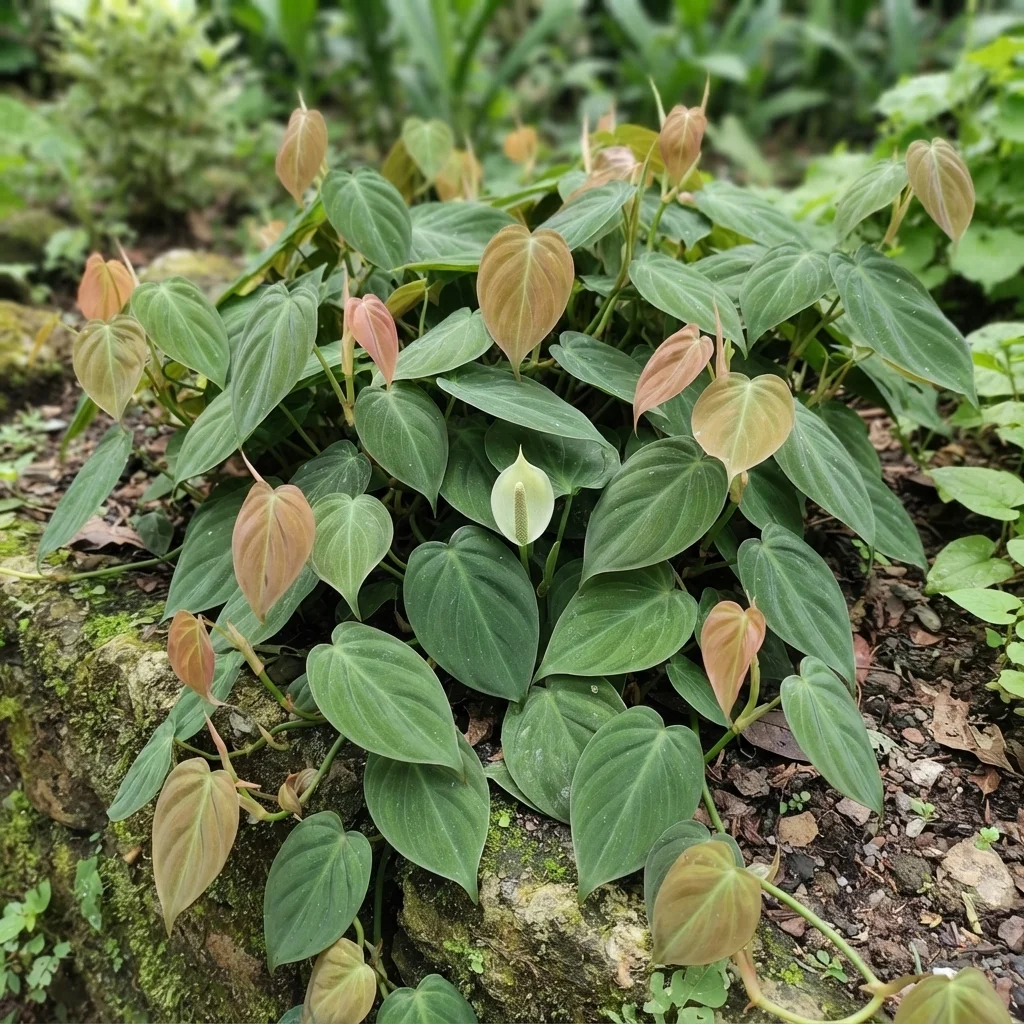
Heartleaf Philodendron
Philodendron hederaceum
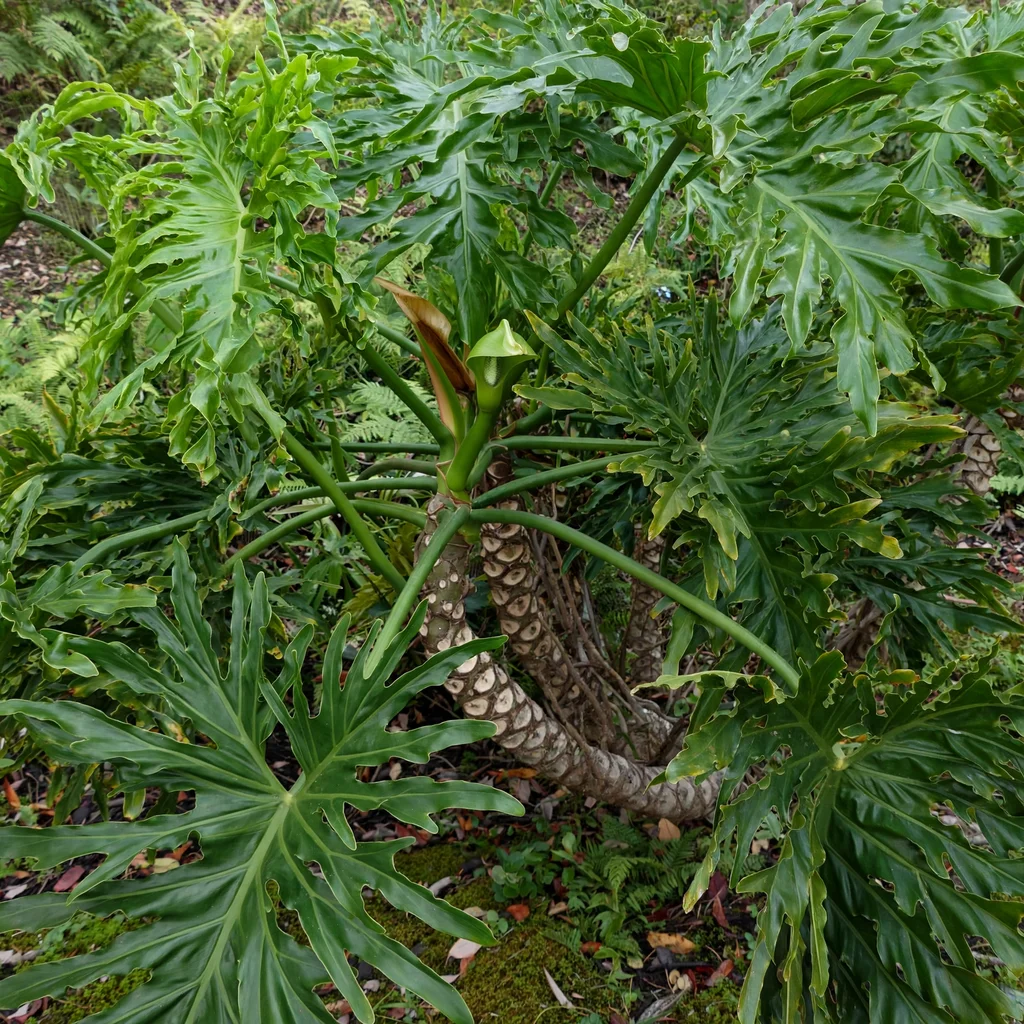
Tree Philodendron
Philodendron selloum
Keep exploring
Explore the genus
Hardy in your zone?
Grow Creeping Velvet Philodendron with confidence
See it in a design of your actual yard, get zone-matched care reminders, and track it season by season in your garden journal.