The Story
Plant Bio
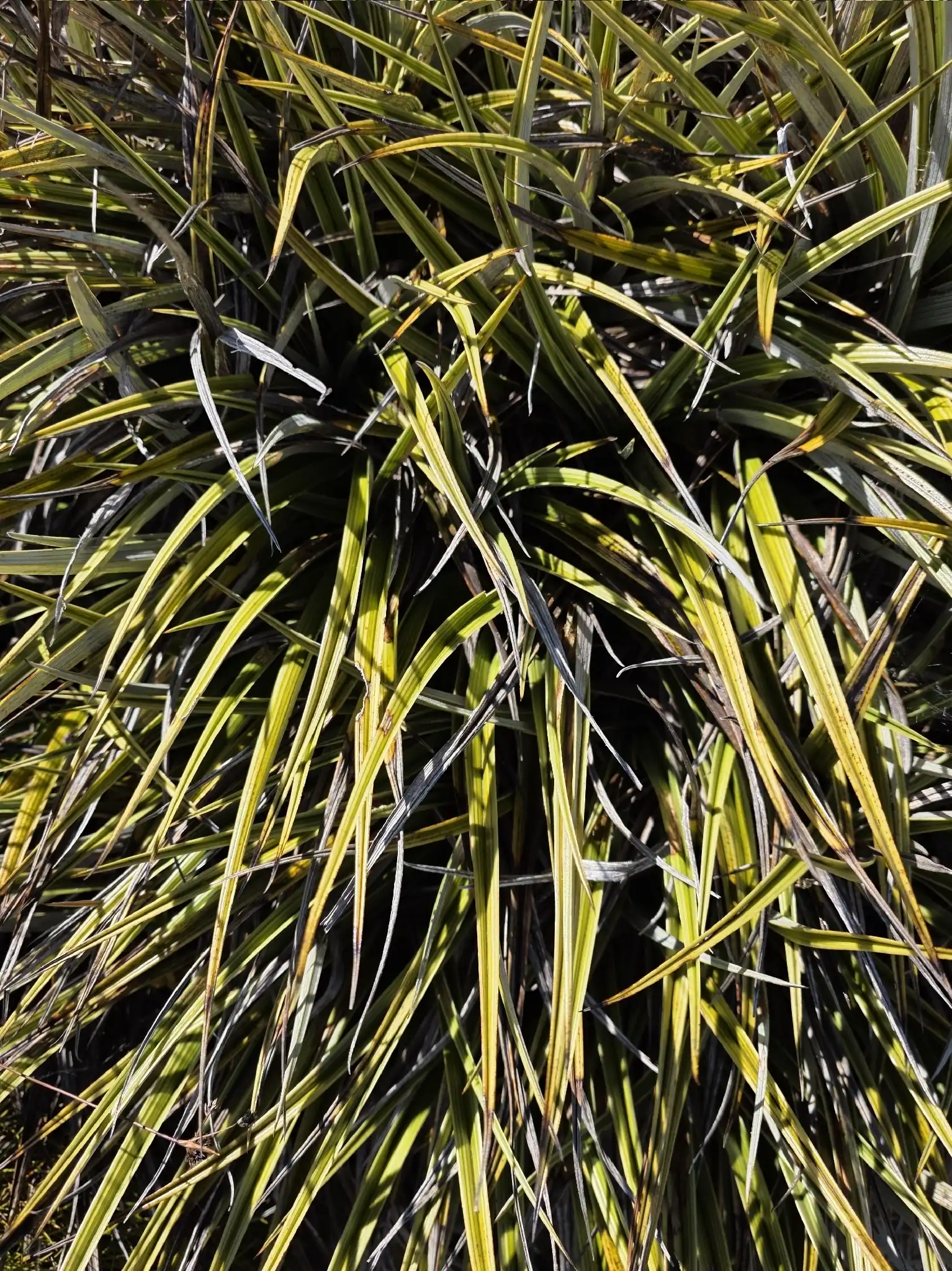
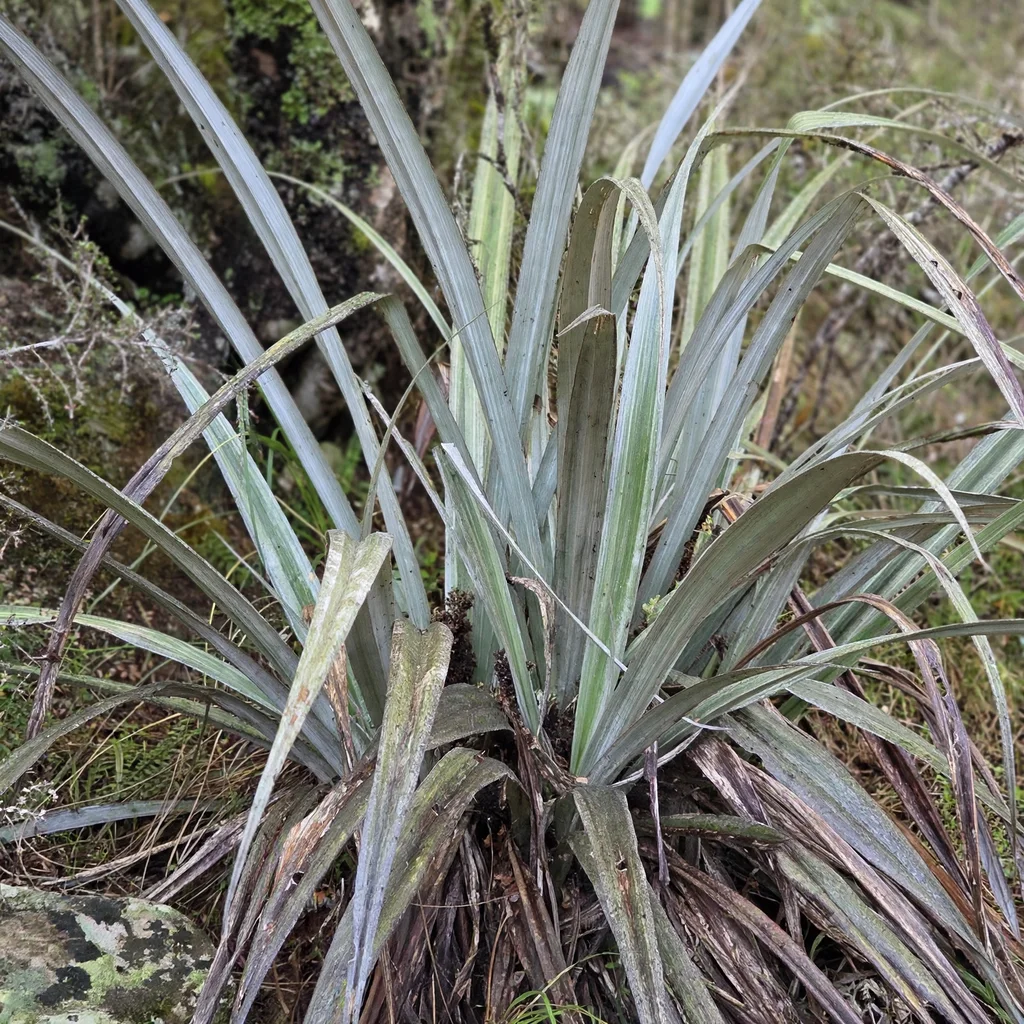
Astelia nivicola is a compact rhizomatous evergreen perennial that forms dense spreading clumps of arching rosettes 6 to 16 inches tall and about 2 feet wide, with narrow keeled strappy leaves. The foliage is silver-green to silver-gray above with bronze highlights and a brown felted underside, and plants carry very short compact panicles tucked almost sessile among the leaf bases.
It is distinguished from the similar Astelia nervosa by the dense brown felt on the leaf undersides and its tight high-alpine habit. Plants are dioecious, so only females set the subglobose reddish-orange berries, and winter cold flushes the foliage and named selections from red-bronze to purple-red.
Uses & Benefits:
Essentials
At a Glance
Plant Type
Perennial
Height
16"
Width
24"
Light
Partial Sun, Shade
Zones
7, 8, 9, 10
Water
Low
Humidity
Low
Lifespan
Perennial
Native To
New Zealand South Island
Toxicity
Non-toxic
Bloom period
Summer
In flower about 3 months of the year
Planting
How to Grow
- Plant in spring in very well-drained acidic soil amended with pumice or perlite for sharp drainage.
- Site in part sun to light shade, with morning sun for best color and afternoon shade where summers are hot.
- Water deeply at planting, then water sparingly and never leave the crown waterlogged or overhead-wet.
- Grow in containers with extra drainage holes where winters are wet, moving pots under cover during prolonged rain.
- Remove spent leaves by hand and avoid fertilizer-rich mixes.
Pro Tip
Give it sharp drainage and keep winter wet off the crown; losses come from waterlogged soil, not cold.
Keep It Thriving
Care Guide
Do
- Plant with the crown at soil level in sharp drainage
- Provide morning sun with afternoon shade in hot summers
- Water sparingly and let the mix dry between waterings
Don't
- Do not plant in heavy clay or waterlogged soil
- Do not cut back into the old leafless crown
- Do not overwater or use overhead irrigation in winter
Seasonal Care Calendar
| Task | Jan | Feb | Mar | Apr | May | Jun | Jul | Aug | Sep | Oct | Nov | Dec |
|---|---|---|---|---|---|---|---|---|---|---|---|---|
| Pest Check | ||||||||||||
| Plant | ||||||||||||
| Propagate | ||||||||||||
| Prune |
Watch Out For
Pests & Diseases
Common Pests
Common Diseases
In the Garden
Landscape Uses & Companions
Landscape Uses
Companion Plants
Multiply
Propagation Methods
Good to Know
Common Questions
Snow Astelia questions
What zones can Snow Astelia grow in?
Snow Astelia is hardy in USDA Zones 7–10: in that range it survives winter in the ground. Colder than Zone 7, grow it in a container you can move to shelter for the winter, or as an annual.
When does Snow Astelia bloom?
Snow Astelia typically blooms in summer. Exact timing shifts a week or two with your zone — Sow's bloom calendar maps it to your garden.
Does Snow Astelia need full sun?
Snow Astelia does best in part shade.
Is Snow Astelia drought tolerant?
Yes — once established (usually after the first full season), Snow Astelia handles dry spells with minimal watering. Water deeply its first year to build the root system that makes that possible.
More Astelia to compare
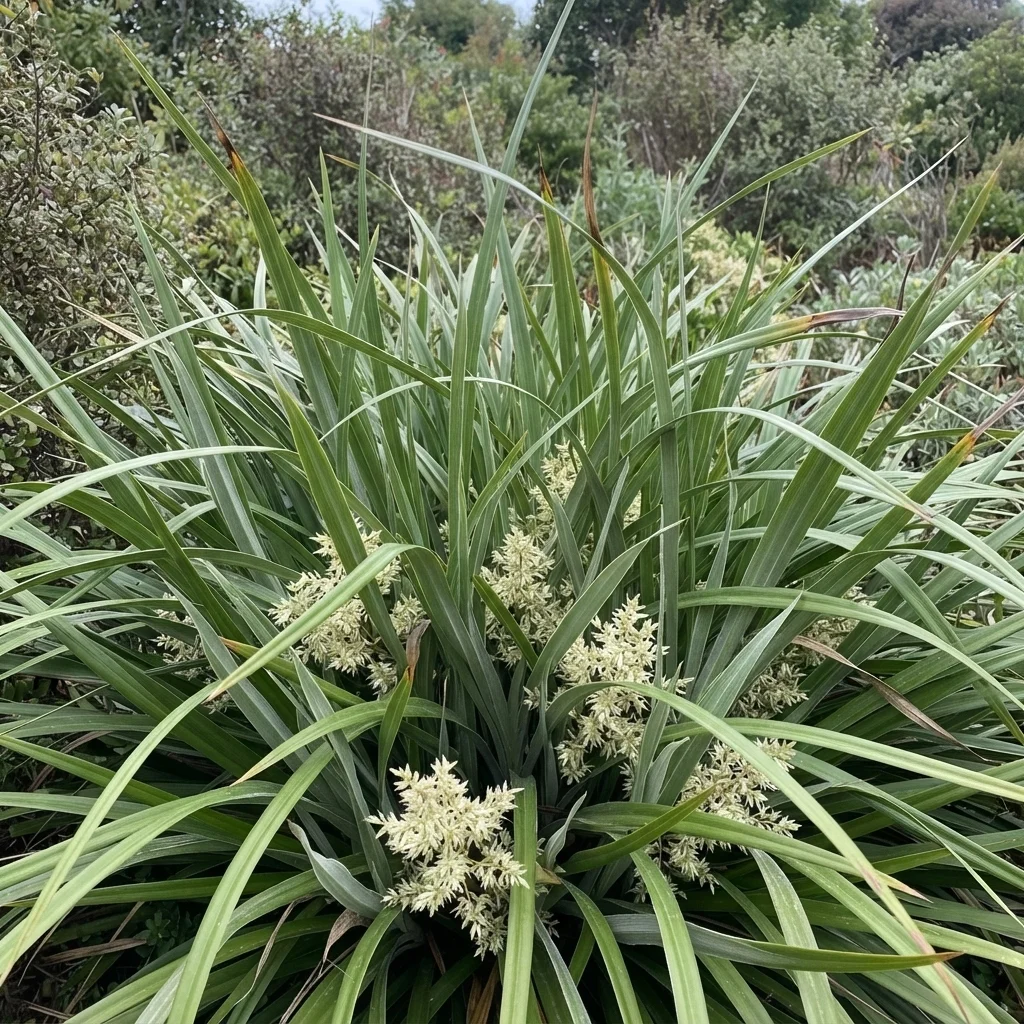
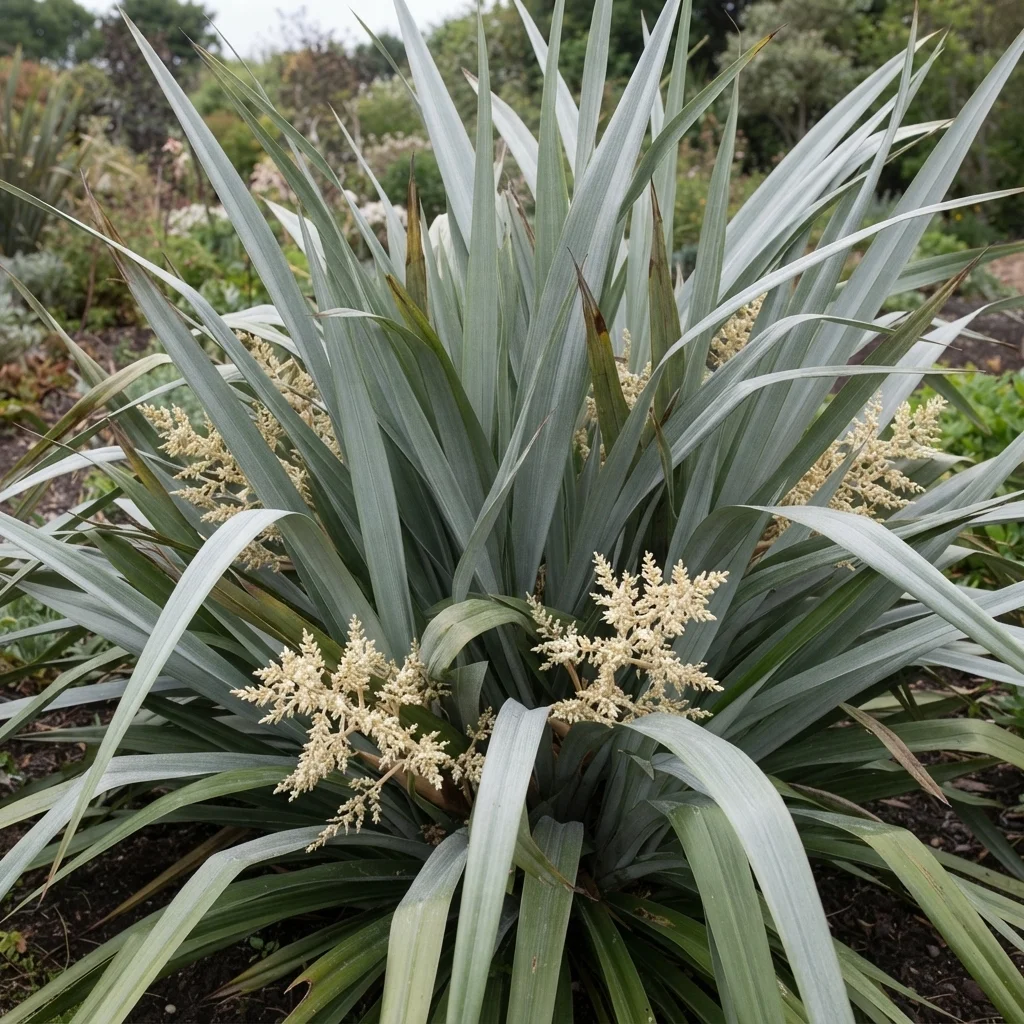
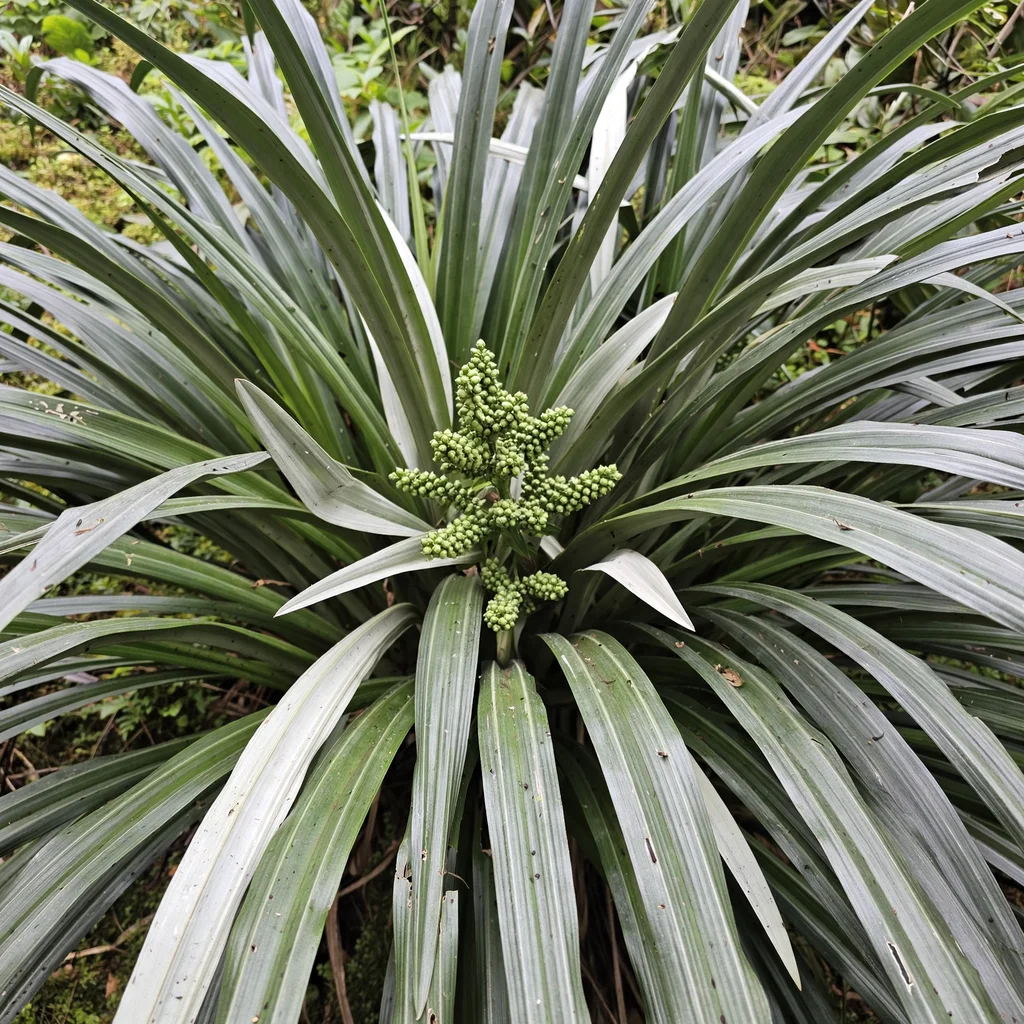
Keep exploring
Explore the genus
Hardy in your zone?
Grow Snow Astelia with confidence
See it in a design of your actual yard, get zone-matched care reminders, and track it season by season in your garden journal.