The Story
Plant Bio
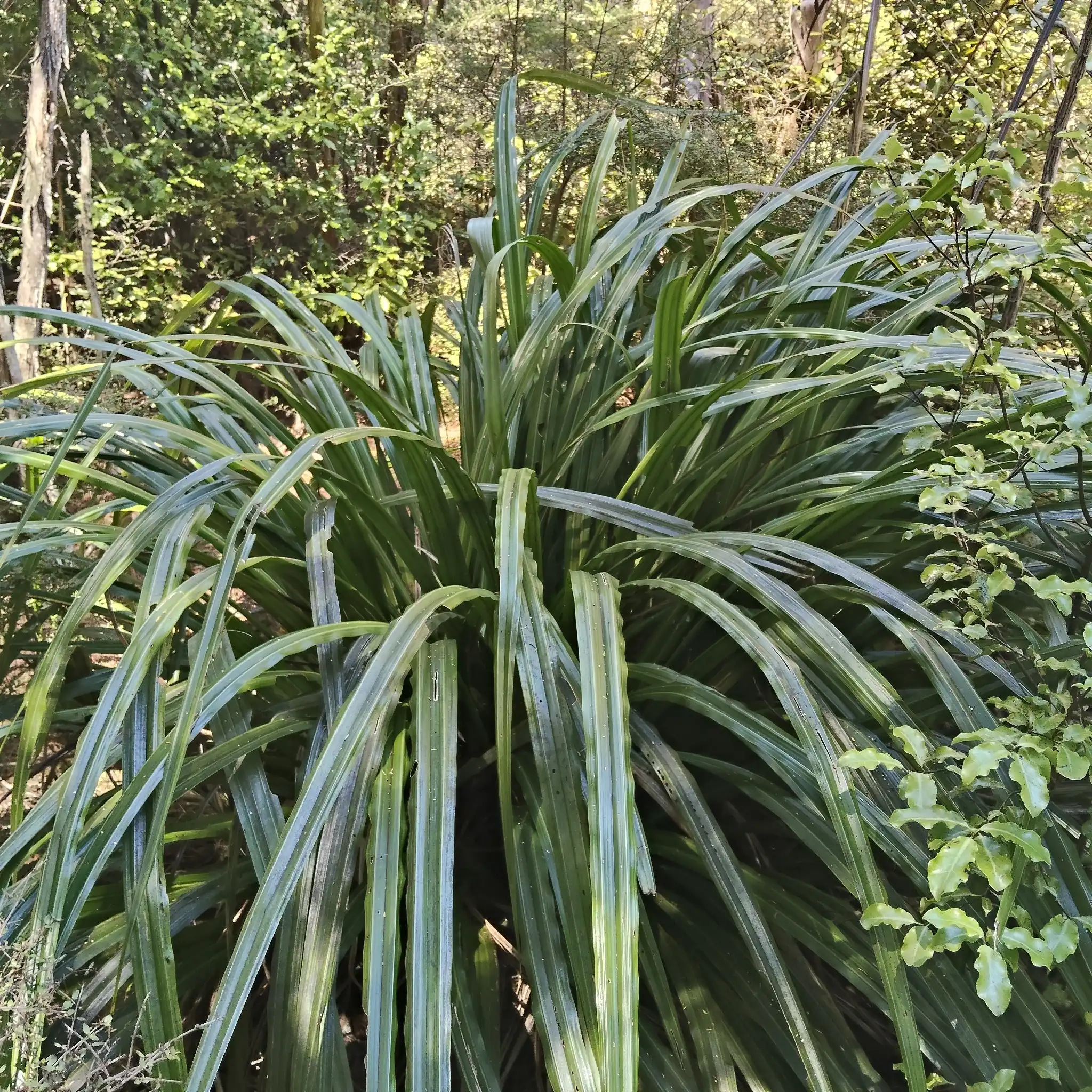
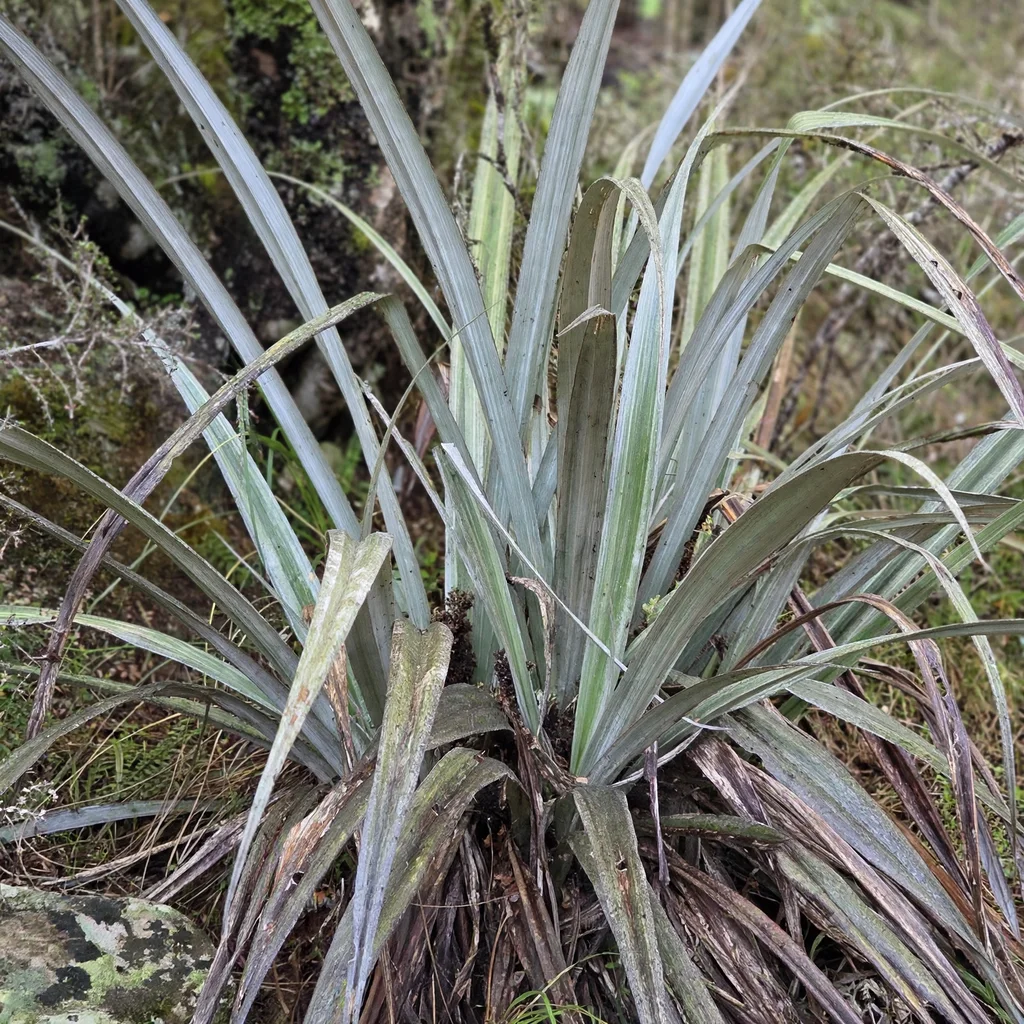
Astelia fragrans, commonly known as bush lily, is an evergreen clump-forming herbaceous perennial native to New Zealand that produces broad, arching, sword-like foliage up to five feet tall. The stiff leaves feature mid-green upper surfaces offset by a bright, metallic silver-white scale coating on their undersides.
Erect, branched panicles carry small, highly fragrant greenish flowers in spring, followed by fleshy, bright orange-red berries on female plants in summer. Its bold architectural habit and metallic leaf reverses make it a striking accent plant for semi-shaded garden spaces.
Uses & Benefits:
Essentials
At a Glance
Plant Type
Perennial
Height
59"
Width
59"
Light
Full Sun, Partial Sun
Zones
8, 9, 10
Water
Moderate
Humidity
Low to Moderate
Lifespan
Perennial
Native To
New Zealand
Toxicity
Non-toxic
Bloom period
Spring
In flower about 3 months of the year
Planting
How to Grow
- Select a site with humus-rich, well-draining soil in partial shade, ensuring protection from harsh afternoon sunlight.
- Set the plant at the same depth it grew in its container, keeping the central leaf crown above the soil surface.
- Water thoroughly after planting and maintain consistent, moderate soil moisture while roots establish.
- Apply a light layer of organic mulch around the root zone, taking care to keep mulch clear of the crown.
Pro Tip
Never shear this plant back to the ground like an ornamental grass; manually strip spent lower leaves away at the base to avoid killing the growing tip.
Keep It Thriving
Care Guide
Do
- Provide semi-shade and protection from burning afternoon sun in hot inland regions.
- Ensure planting beds are fast-draining to avoid waterlogging near the root crown.
- Peel dead or damaged lower leaves manually off the main clump.
Don't
- Do not shear or cut foliage back to ground level.
- Do not plant in heavy, wet clay soils where stagnant water accumulates.
- Do not over-fertilize with concentrated nitrogen feeds.
Seasonal Care Calendar
| Task | Jan | Feb | Mar | Apr | May | Jun | Jul | Aug | Sep | Oct | Nov | Dec |
|---|---|---|---|---|---|---|---|---|---|---|---|---|
| Divide | ||||||||||||
| Fertilize | ||||||||||||
| Mulch | ||||||||||||
| Pest Check | ||||||||||||
| Spring Cleanup |
Watch Out For
Pests & Diseases
Common Pests
Common Diseases
In the Garden
Landscape Uses & Companions
Landscape Uses
Companion Plants
Multiply
Propagation Methods
Good to Know
Common Questions
Bush Lily questions
What zones can Bush Lily grow in?
Bush Lily is hardy in USDA Zones 8–10: in that range it survives winter in the ground. Colder than Zone 8, grow it in a container you can move to shelter for the winter, or as an annual.
Is Bush Lily deer resistant?
Not reliably. Deer may browse Bush Lily, especially tender spring growth — plan on repellents or fencing where pressure is high.
When does Bush Lily bloom?
Bush Lily typically blooms in spring. Exact timing shifts a week or two with your zone — Sow's bloom calendar maps it to your garden.
Does Bush Lily need full sun?
Bush Lily does best in full sun to part shade. In hot climates, afternoon shade keeps blooms fresher longer.
Is Bush Lily drought tolerant?
Yes — once established (usually after the first full season), Bush Lily handles dry spells with minimal watering. Water deeply its first year to build the root system that makes that possible.
More Astelia to compare
Keep exploring
Explore the genus
Hardy in your zone?
Grow Bush Lily with confidence
See it in a design of your actual yard, get zone-matched care reminders, and track it season by season in your garden journal.