The Story
Plant Bio
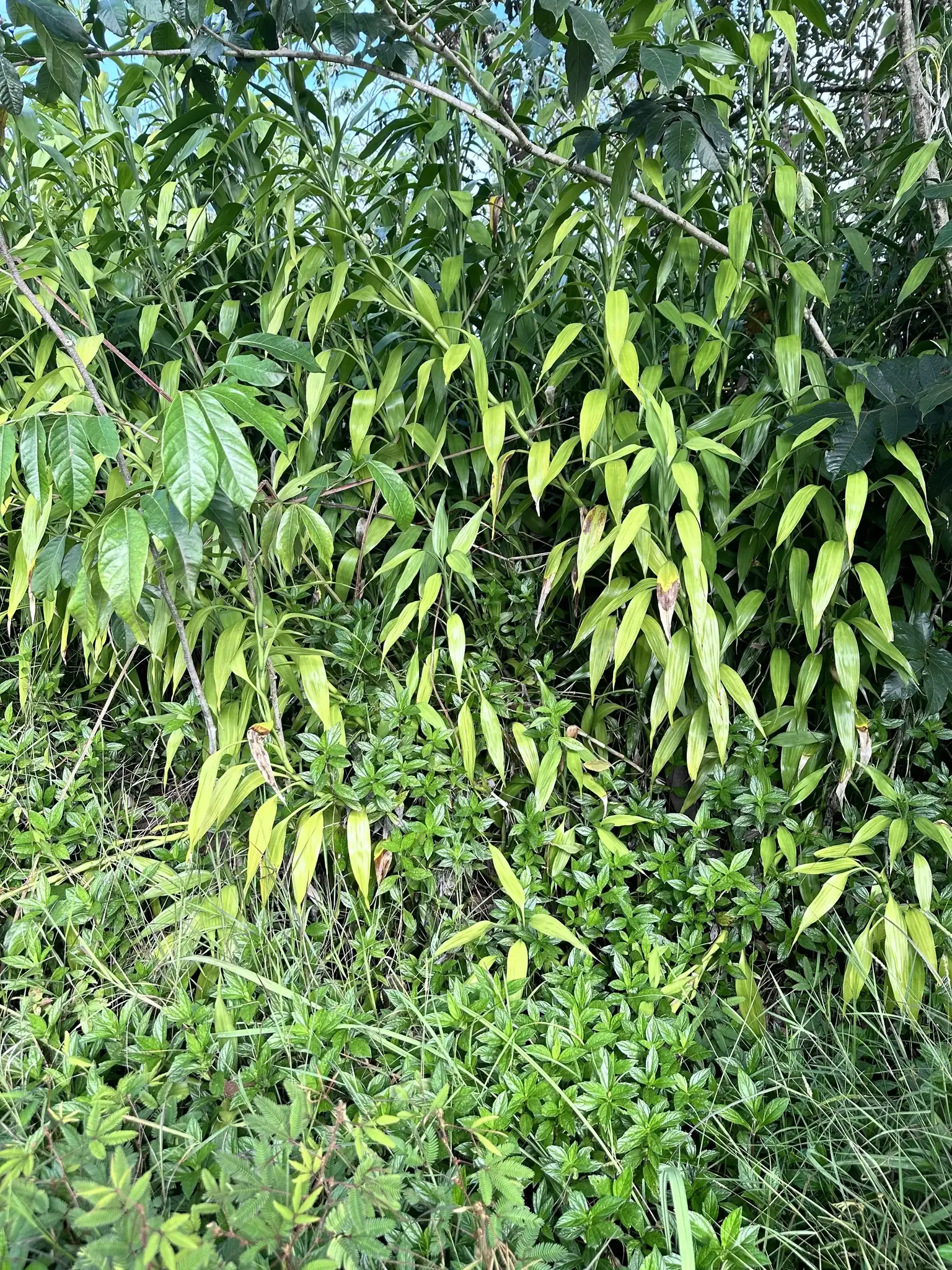
Dracaena sanderiana is an upright, cane-forming tropical subshrub native to West and Central Africa, featuring slim stems with prominent bamboo-like nodes. Its glossy, flexible, lanceolate leaves grow up to seven inches long along upright stems that reach three to five feet in height.
Though widely grown in water or trained into ornamental braids and spirals, it produces dense clusters of small white flowers only on rare occasions in tropical outdoor settings. Leaves are solid green in the wild species, while popular cultivated forms display prominent longitudinal white or yellow striping.
Uses & Benefits:
Essentials
At a Glance
Plant Type
Tropical
Height
59"
Width
59"
Light
Partial Sun, Shade
Zones
10
Water
Medium
Humidity
Moderate to high
Lifespan
Perennial
Native To
West and Central Africa
Toxicity
Toxic to cats and dogs
Bloom period
Spring – Summer
In flower about 6 months of the year
Planting
How to Grow
- Position in bright, indirect light; keep clear of direct sunlight to prevent leaf scorch.
- Submerge roots in clean water supported by pebbles, or plant in a well-draining potting mix rich in organic matter.
- Refresh hydroponic water weekly to prevent stagnation, or maintain evenly moist soil without waterlogging.
- Feed with a weak, low-salt liquid fertilizer during spring and summer.
Pro Tip
Use distilled or rainwater to prevent leaf tip necrosis caused by tap water fluoride, and acclimate water-grown roots gradually before moving a plant into soil.
Keep It Thriving
Care Guide
Do
- Use distilled, rain, or filtered water to protect leaf tips from chemical burn.
- Wipe dust off leaves regularly to maintain gas exchange and gloss.
- Trim leggy or overgrown stems hard to the base to prompt fresh basal shoots.
Don't
- Do not place in direct sunlight, which bleaches and burns the foliage.
- Do not allow standing water to sit unrefreshed, as anaerobic bacterial rot will set in.
- Do not prune into old, leafless wood expecting fresh growth to emerge from dead cane sections.
Seasonal Care Calendar
| Task | Jan | Feb | Mar | Apr | May | Jun | Jul | Aug | Sep | Oct | Nov | Dec |
|---|---|---|---|---|---|---|---|---|---|---|---|---|
| Fertilize | ||||||||||||
| Pest Check | ||||||||||||
| Propagate | ||||||||||||
| Prune |
Watch Out For
Pests & Diseases
Common Pests
Common Diseases
In the Garden
Landscape Uses & Companions
Landscape Uses
Multiply
Propagation Methods
Good to Know
Common Questions
Lucky Bamboo questions
What zones can Lucky Bamboo grow in?
Lucky Bamboo is hardy in USDA Zone 10: in that range it survives winter in the ground. Colder than Zone 10, grow it in a container you can move to shelter for the winter, or as an annual.
When does Lucky Bamboo bloom?
Lucky Bamboo typically blooms from spring to summer. Exact timing shifts a week or two with your zone — Sow's bloom calendar maps it to your garden.
Does Lucky Bamboo need full sun?
Lucky Bamboo does best in part shade.
More Dracaena to compare
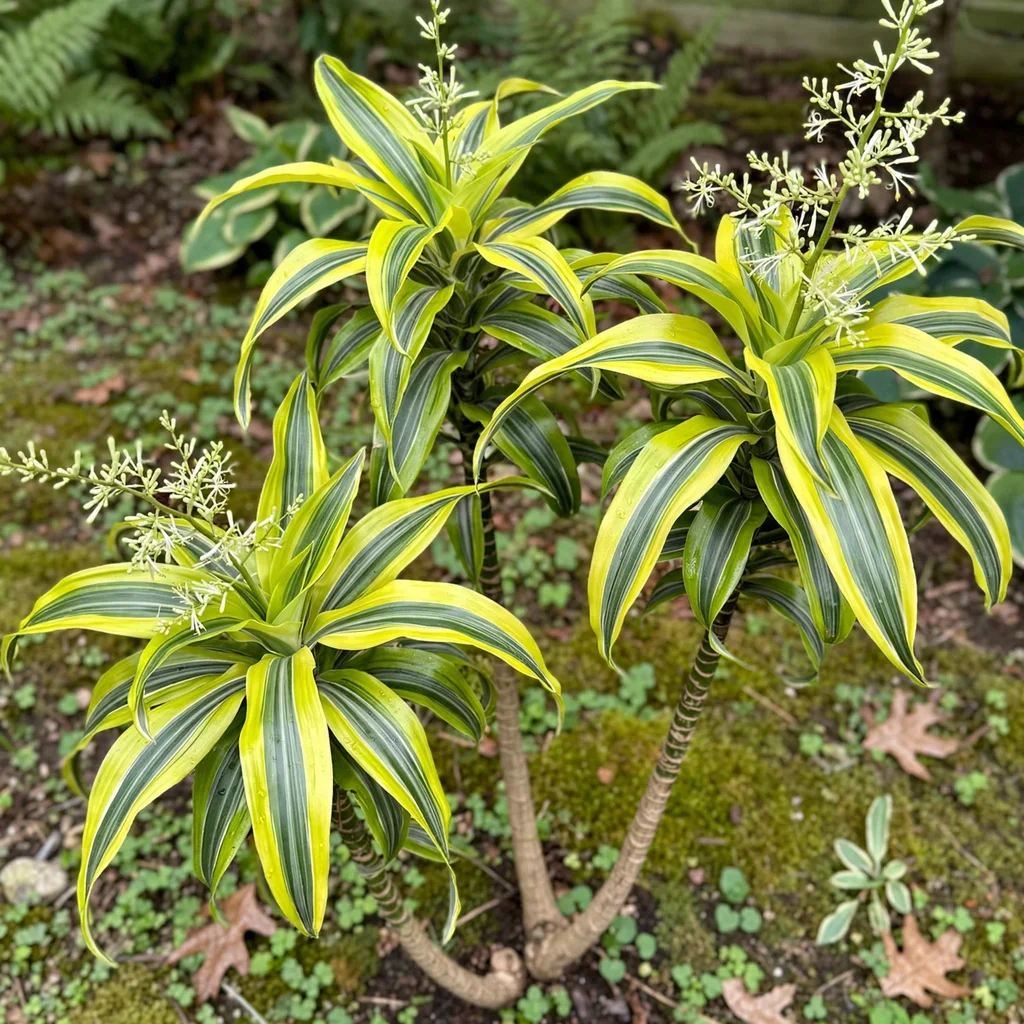
Lemon Surprise Corn Plant
Dracaena fragrans 'Lemon Surprise'
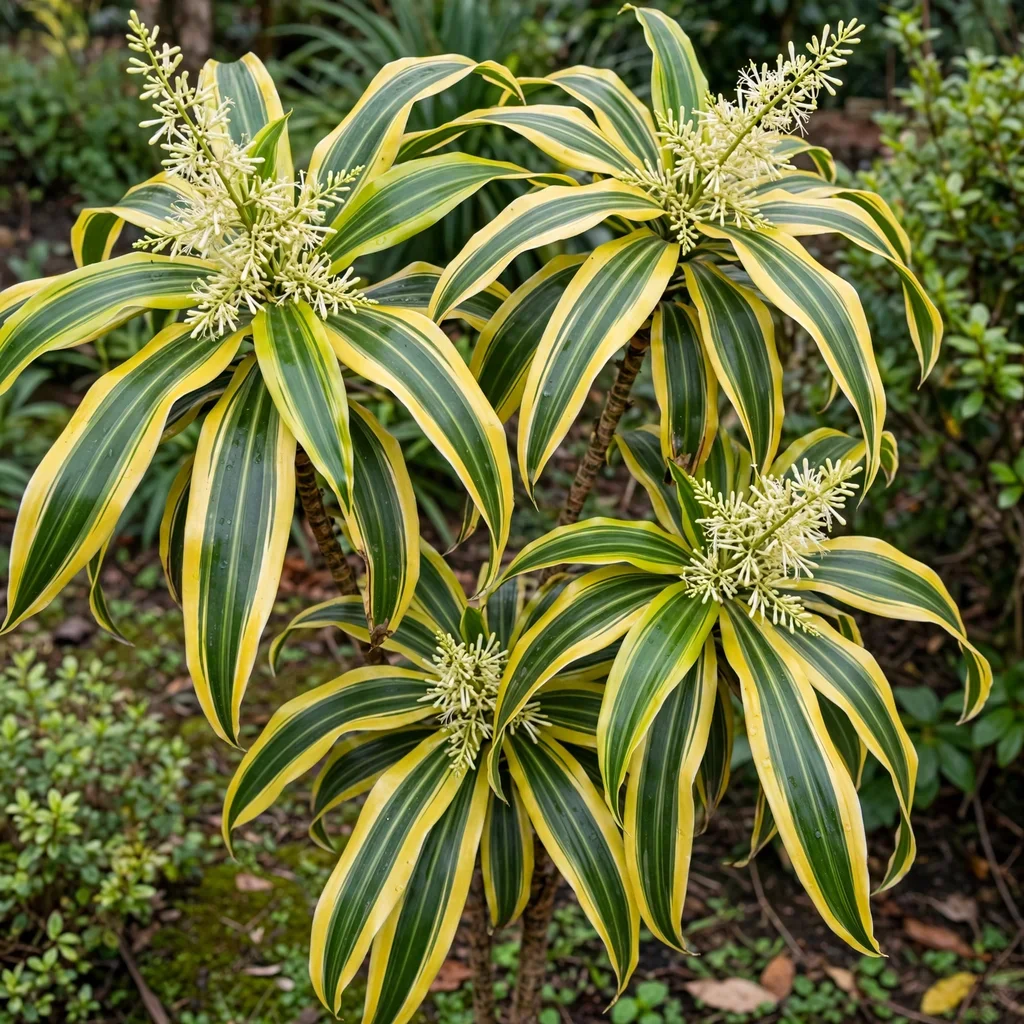
Corn Plant Dracaena Corn Plant
Dracaena fragrans 'Aureo Marginata'
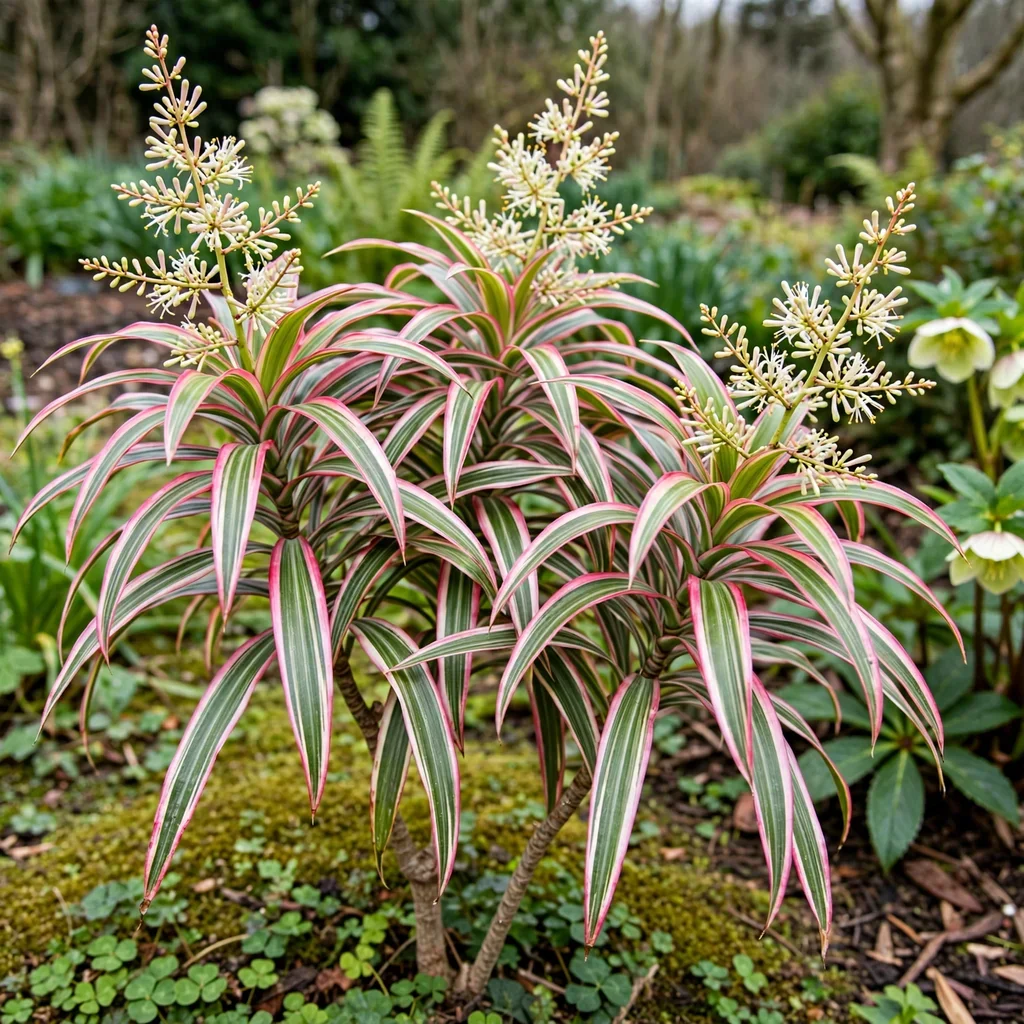
Madagascar Dragon Tree 'Colorama'
Dracaena fragrans 'Colorama'
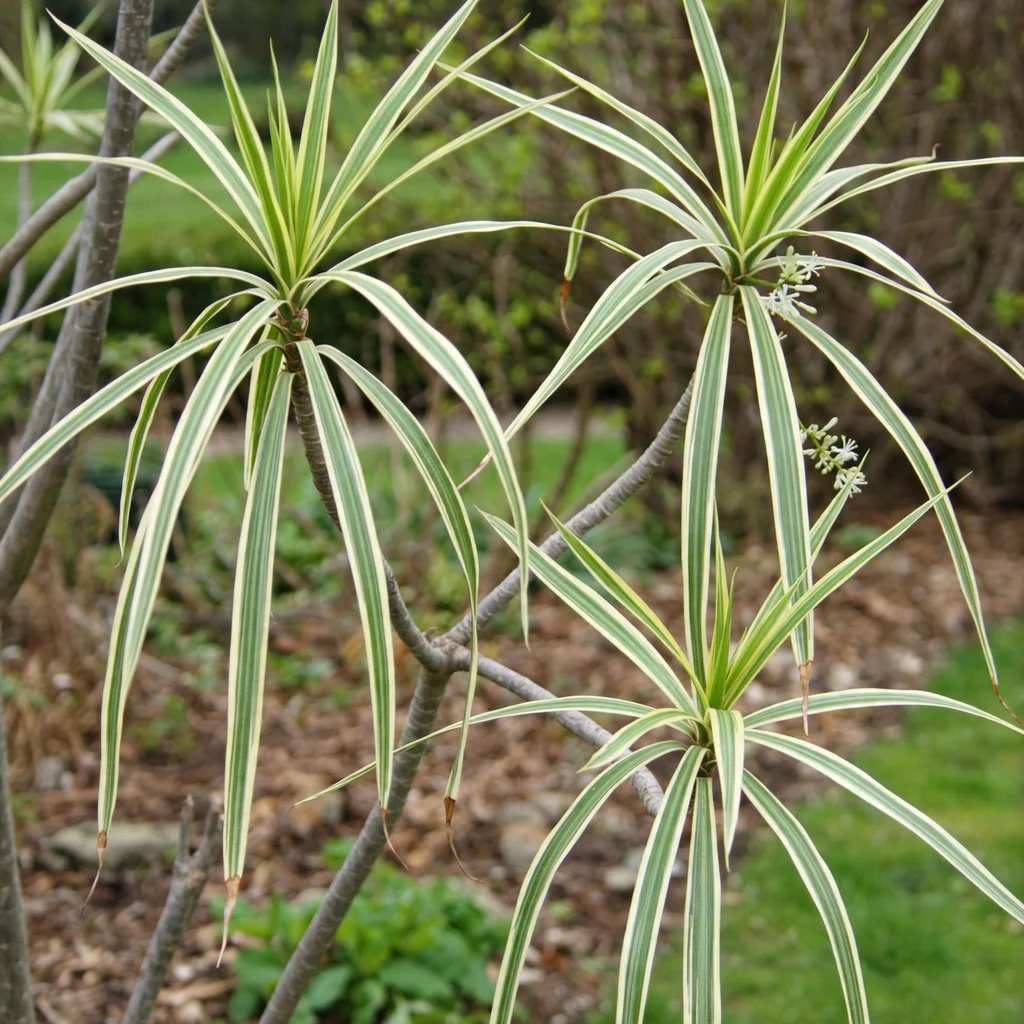
Madagascar Dragon Tree
Dracaena marginata
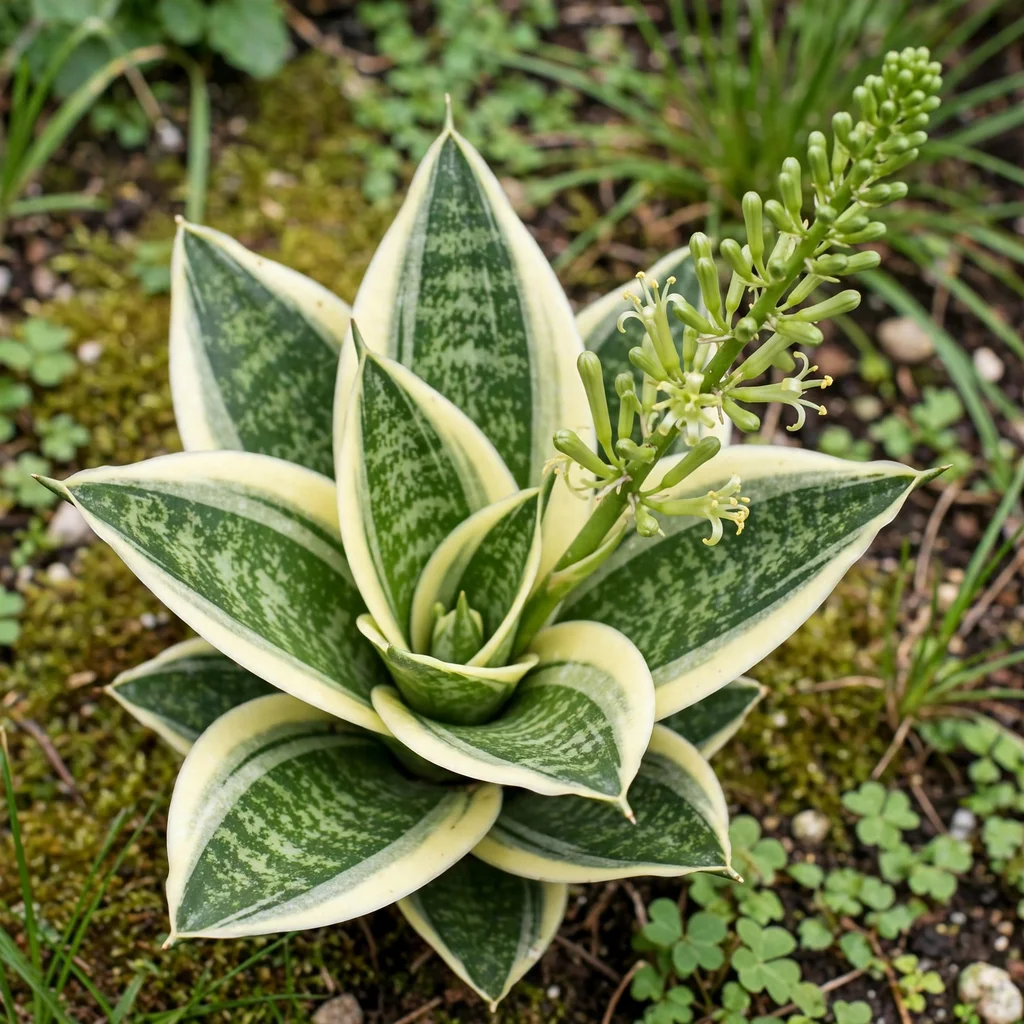
Bird's Nest Snake Plant
Dracaena trifasciata 'Hahnii'
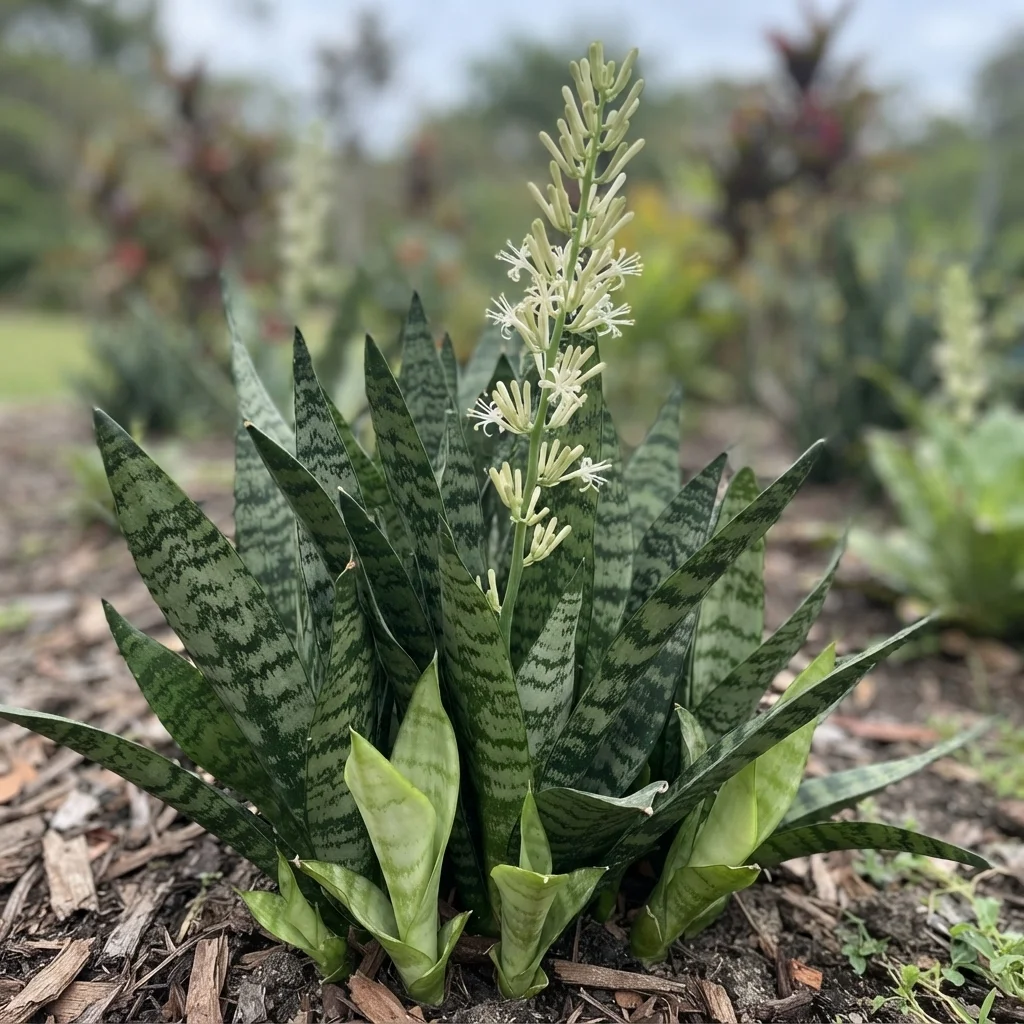
Snake Plant
Dracaena trifasciata
Keep exploring
Explore the genus
Hardy in your zone?
Grow Lucky Bamboo with confidence
See it in a design of your actual yard, get zone-matched care reminders, and track it season by season in your garden journal.