The Story
Plant Bio
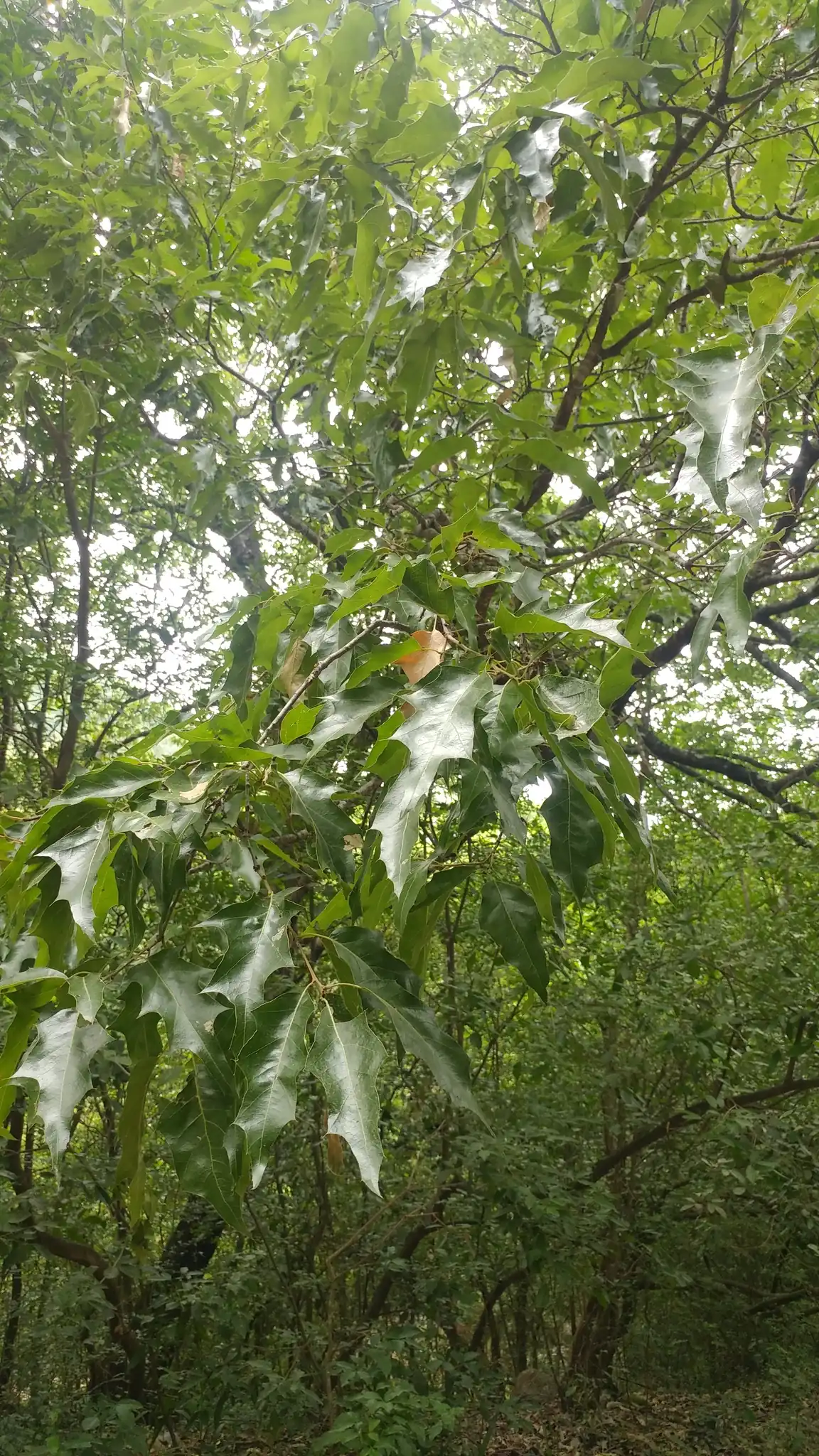
Quercus canbyi, the Canby oak, is a medium semi-evergreen red oak that reaches 30 to 50 feet in gardens with a pyramidal crown that opens to an irregular vase with age. The narrow lance-shaped leaves are glossy dark green with three to five bristle-tipped lobes and flush red on red stems before settling green and turning maroon-red in winter.
It ripens its acorns in a single season where the similar Q graciliformis takes two, a reliable separation when leaves look alike. Growth is fast at four to six feet per year once established and seedlings hybridize freely, so favor high-elevation seed sources and rogue broad-leaved off-types early.
Uses & Benefits:
Essentials
At a Glance
Plant Type
Tree
Height
600"
Width
600"
Light
Full Sun, Partial Sun
Zones
5, 6, 7, 8, 9
Water
Low once established
Humidity
Low to moderate
Lifespan
Long-lived tree
Native To
Texas and northeastern Mexico
Toxicity
Non-toxic to people and pets; acorns toxic to livestock in quantity
Bloom period
Late winter – Spring
In flower about 4 months of the year
Planting
How to Grow
- Set in full sun to part shade in well-drained loam or sandy soil, tolerant of poor alkaline limestone.
- Dig the hole no deeper than the root ball and twice as wide, then backfill with native soil and water in deeply.
- Mulch 2 to 3 inches deep in a wide ring, keeping mulch off the trunk.
- Water deeply weekly the first two summers, then reduce to occasional deep soakings once established.
- Train a single leader when young and limit later pruning to removal of dead or crossing limbs in winter.
Pro Tip
Plant high-elevation seedlings in full sun with sharp drainage and water deeply the first two summers, then back off; avoid cutting large limbs and prune only in dead of winter to limit oak wilt entry.
Keep It Thriving
Care Guide
Do
- Provide sharp drainage and full sun for densest growth and best winter leaf retention.
- Water deeply during establishment to drive the taproot down.
- Buy high-elevation provenance for cold hardiness and rogue hybrid seedlings.
Don't
- Do not plant in soggy or compacted soil that stays wet in winter.
- Do not over-prune or cut large limbs in spring and summer when oak wilt vectors are active.
- Do not feed green acorns or oak foliage to sheep, cattle, or other ruminants.
Seasonal Care Calendar
| Task | Jan | Feb | Mar | Apr | May | Jun | Jul | Aug | Sep | Oct | Nov | Dec |
|---|---|---|---|---|---|---|---|---|---|---|---|---|
| Mulch | ||||||||||||
| Pest Check | ||||||||||||
| Plant | ||||||||||||
| Propagate | ||||||||||||
| Prune |
Watch Out For
Pests & Diseases
Common Pests
Common Diseases
In the Garden
Landscape Uses & Companions
Landscape Uses
Multiply
Propagation Methods
Good to Know
Common Questions
Canby Oak questions
What zones can Canby Oak grow in?
Canby Oak is hardy in USDA Zones 5–9: in that range it survives winter in the ground. Colder than Zone 5, winters are too cold for it to survive outdoors. Warmer than Zone 9, winter isn't the problem: it prefers colder winters, and summer heat can shorten its life.
When does Canby Oak bloom?
Canby Oak typically blooms from late winter to late spring. Exact timing shifts a week or two with your zone — Sow's bloom calendar maps it to your garden.
Does Canby Oak need full sun?
Canby Oak does best in full sun to part shade. In hot climates, afternoon shade keeps blooms fresher longer.
Is Canby Oak drought tolerant?
Yes — once established (usually after the first full season), Canby Oak handles dry spells with minimal watering. Water deeply its first year to build the root system that makes that possible.
More Quercus to compare
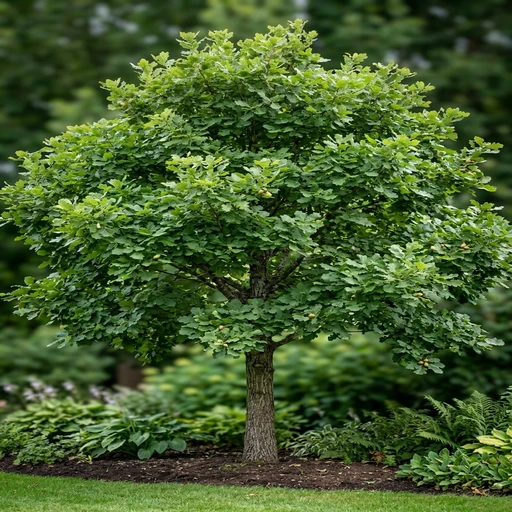
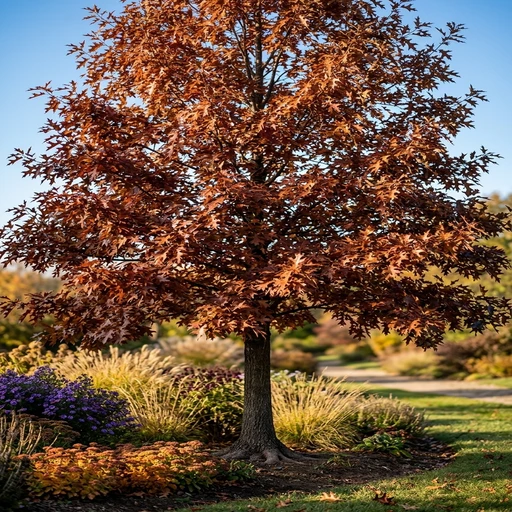
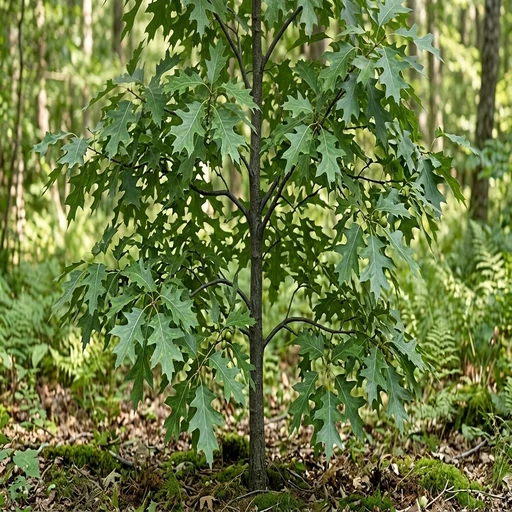
Keep exploring
Explore the genus
Hardy in your zone?
Grow Canby Oak with confidence
See it in a design of your actual yard, get zone-matched care reminders, and track it season by season in your garden journal.