The Story
Plant Bio
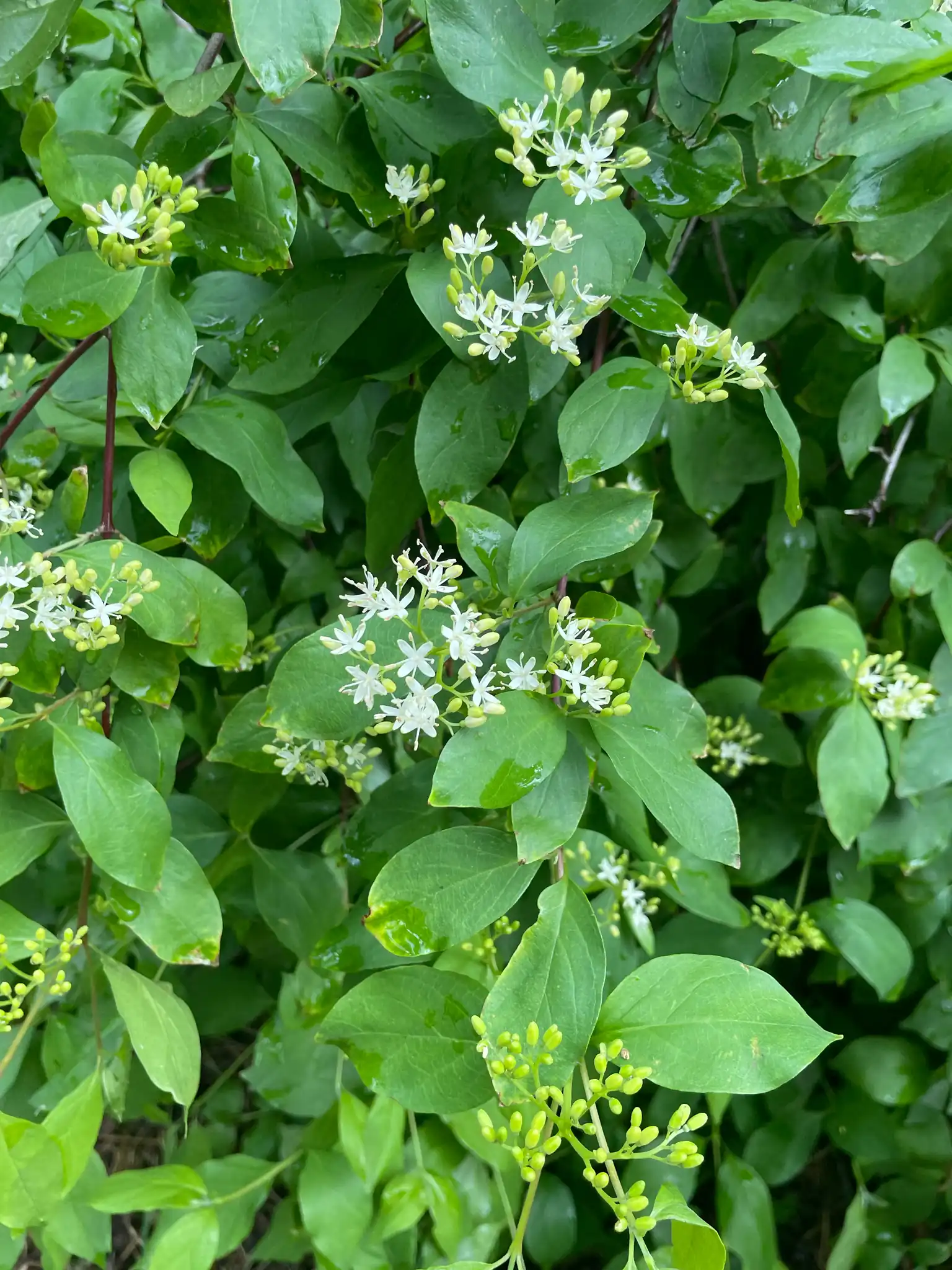
Cornus glabrata, the brown dogwood, is a deciduous thicket-forming shrub from streambanks and wet meadows in California and Oregon, reaching 5 to 15 feet in cultivation with narrow gray-green leaves tapered at both ends. In spring it carries flat-topped clusters to 1.75 inches across of small creamy-white flowers without showy bracts, followed by blue-white drupes 0.25 to 0.35 inches across in late summer.
Unlike the showy-bracted flowering dogwoods, its bracts stay minute and the display comes from the flower clusters, blue-white fruit, and bright red fall foliage. In moist shade the stems grow lax and trailing and root where they touch to build a thicket wider than tall, while in drier sun the same plant stays erect with smaller thicker leaves.
Uses & Benefits:
Essentials
At a Glance
Plant Type
Shrub
Height
180"
Width
216"
Light
Full Sun, Partial Sun, Shade
Zones
7, 8, 9, 10
Water
High
Humidity
Moderate to high
Lifespan
Long-lived deciduous shrub
Native To
California and Oregon, USA
Toxicity
Unknown - no toxicity record found
Bloom period
Spring – Early summer
In flower about 4 months of the year
Planting
How to Grow
- Plant in fall in full sun to shade in moist to wet rich soil, preferably clay that holds water.
- Space 8 to 12 feet apart to allow thicket spread; dig the hole the same depth as the container and twice as wide.
- Water deeply at planting and irrigate up to once per week through the first two dry seasons to keep soil consistently moist.
- Mulch 2 to 3 inches with leaf mold, keeping mulch off stems, and leave suckers to fill where a thicket is wanted.
Pro Tip
Give it wet ground and room to sucker; in moist shade it turns lax and scraggly, so do not plant it as a neat foundation shrub.
Keep It Thriving
Care Guide
Do
- Plant where soil stays moist to wet, in sun to shade with afternoon shade in hot sites.
- Allow 8 to 12 feet for suckering thicket growth and mulch to hold moisture.
- Water deeply through dry periods to keep the root zone consistently moist.
Don't
- Do not plant in dry fast-draining soil or tight foundation beds where suckers will crowd.
- Do not shear into a formal shape; thin selected stems after flowering instead.
- Do not let new plantings dry out in the first two summers.
Seasonal Care Calendar
| Task | Jan | Feb | Mar | Apr | May | Jun | Jul | Aug | Sep | Oct | Nov | Dec |
|---|---|---|---|---|---|---|---|---|---|---|---|---|
| Mulch | ||||||||||||
| Pest Check | ||||||||||||
| Plant | ||||||||||||
| Propagate | ||||||||||||
| Prune |
Watch Out For
Pests & Diseases
Common Pests
Common Diseases
In the Garden
Landscape Uses & Companions
Landscape Uses
Companion Plants
Multiply
Propagation Methods
Good to Know
Common Questions
Brown Dogwood questions
What zones can Brown Dogwood grow in?
Brown Dogwood is hardy in USDA Zones 7–10: in that range it survives winter in the ground. Colder than Zone 7, grow it in a container you can move to shelter for the winter.
When does Brown Dogwood bloom?
Brown Dogwood typically blooms from early spring to early summer. Exact timing shifts a week or two with your zone — Sow's bloom calendar maps it to your garden.
Does Brown Dogwood need full sun?
Brown Dogwood does best in full sun to part shade. In hot climates, afternoon shade keeps blooms fresher longer.
More Cornus to compare
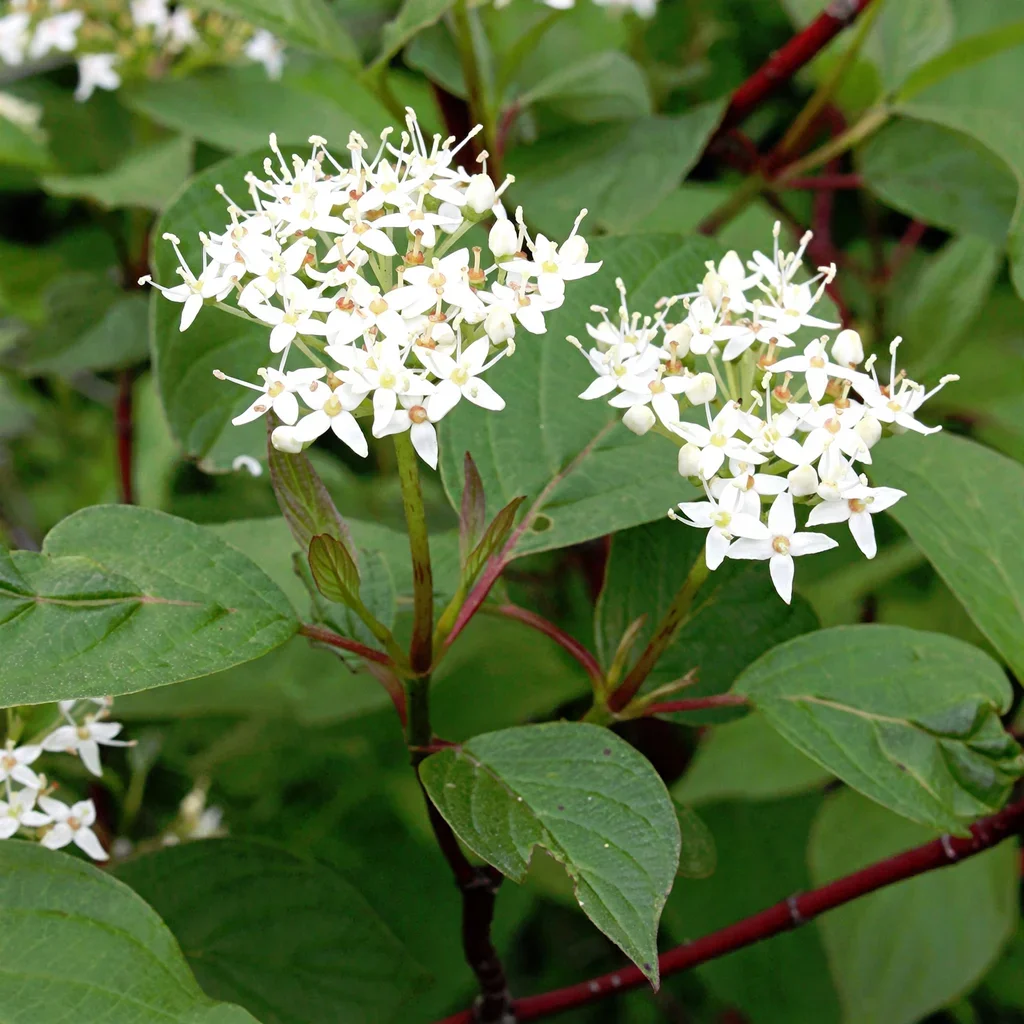
Red Twig Dogwood
Cornus sericea 'Red Twig'
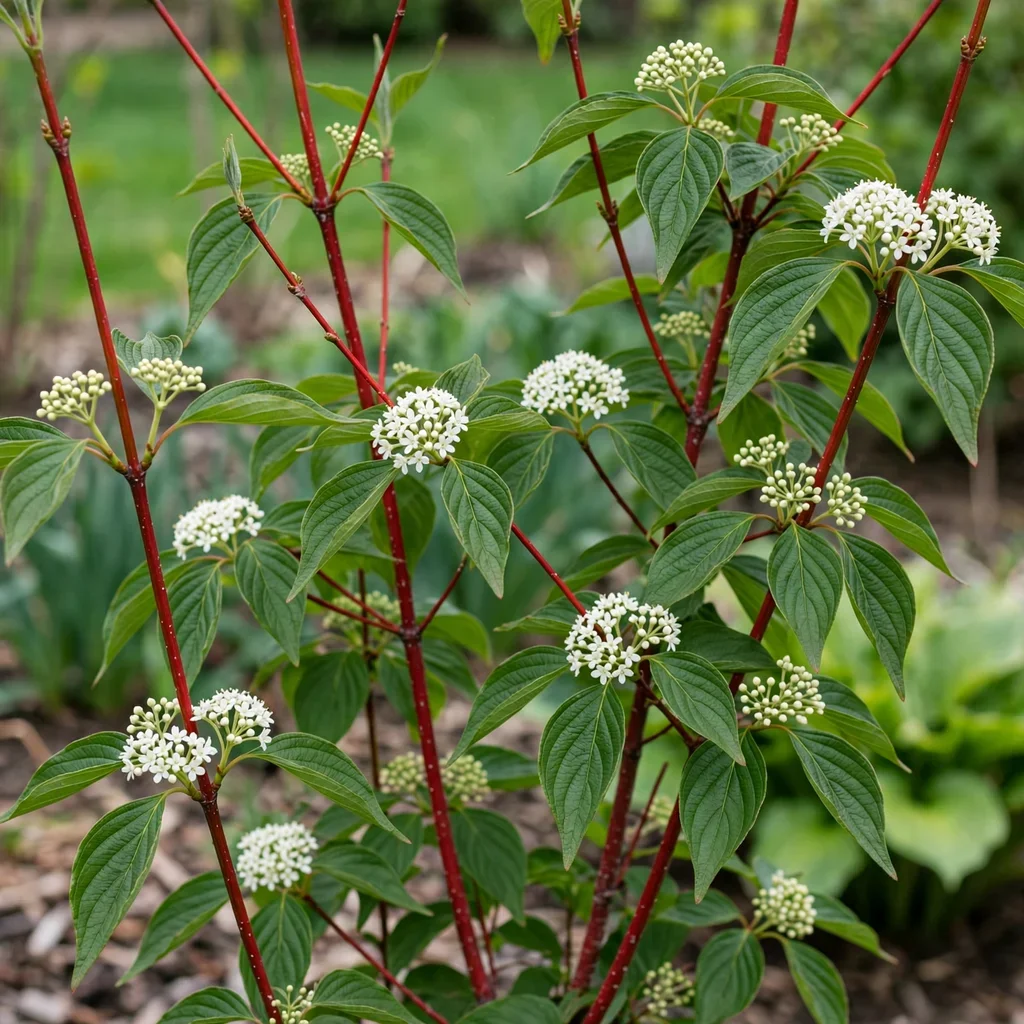
Arctic Fire Red Osier Dogwood
Cornus sericea 'Arctic Fire'
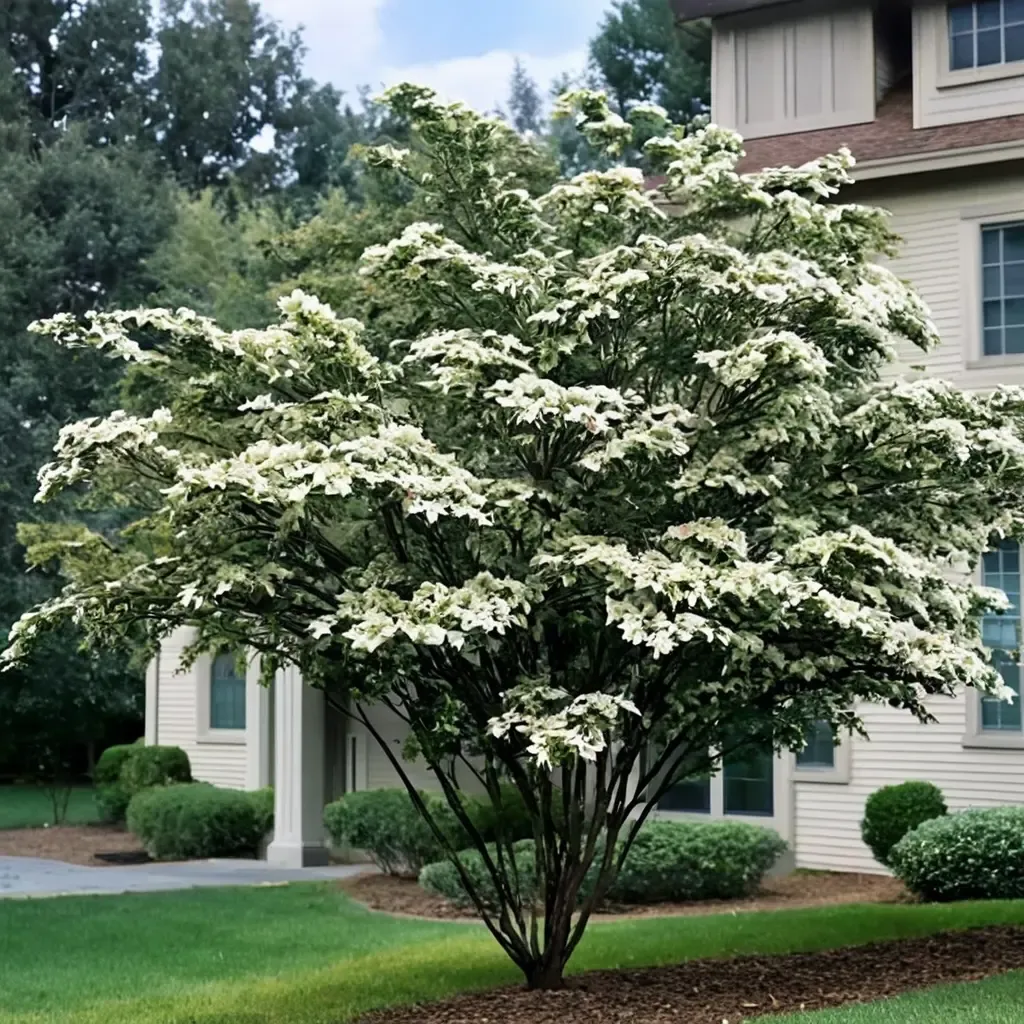
Kousa Dogwood
Cornus kousa
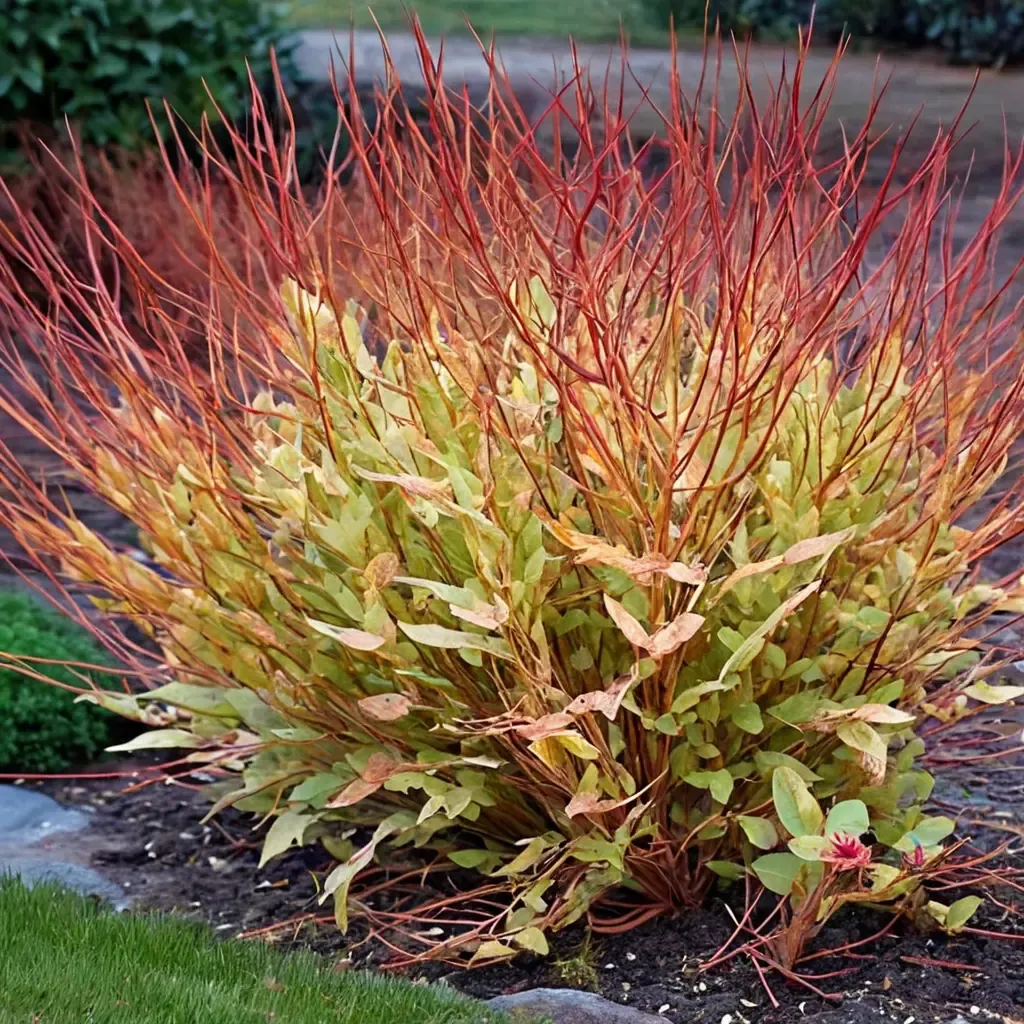
Midwinter Fire Dogwood
Cornus sanguinea 'Midwinter Fire'
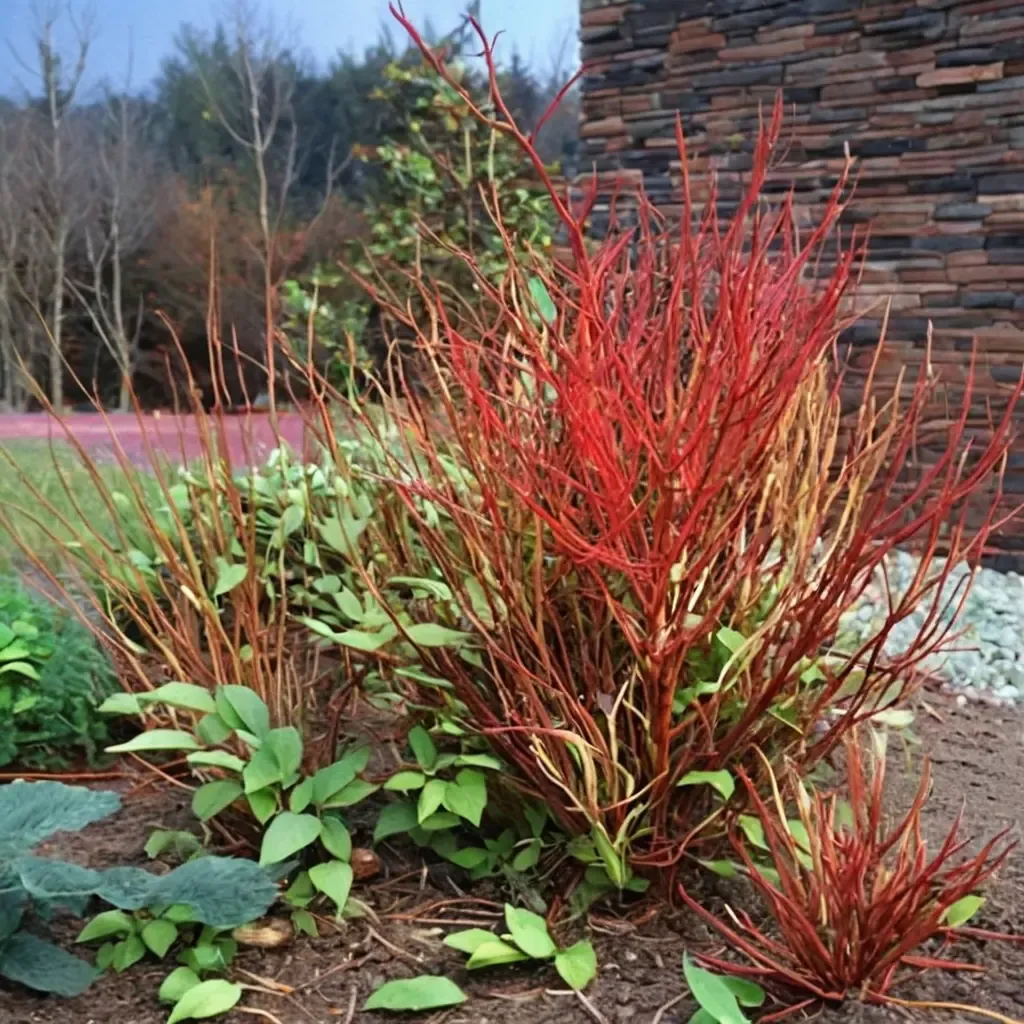
Cardinal Red Osier Dogwood
Cornus sericea 'Cardinal'
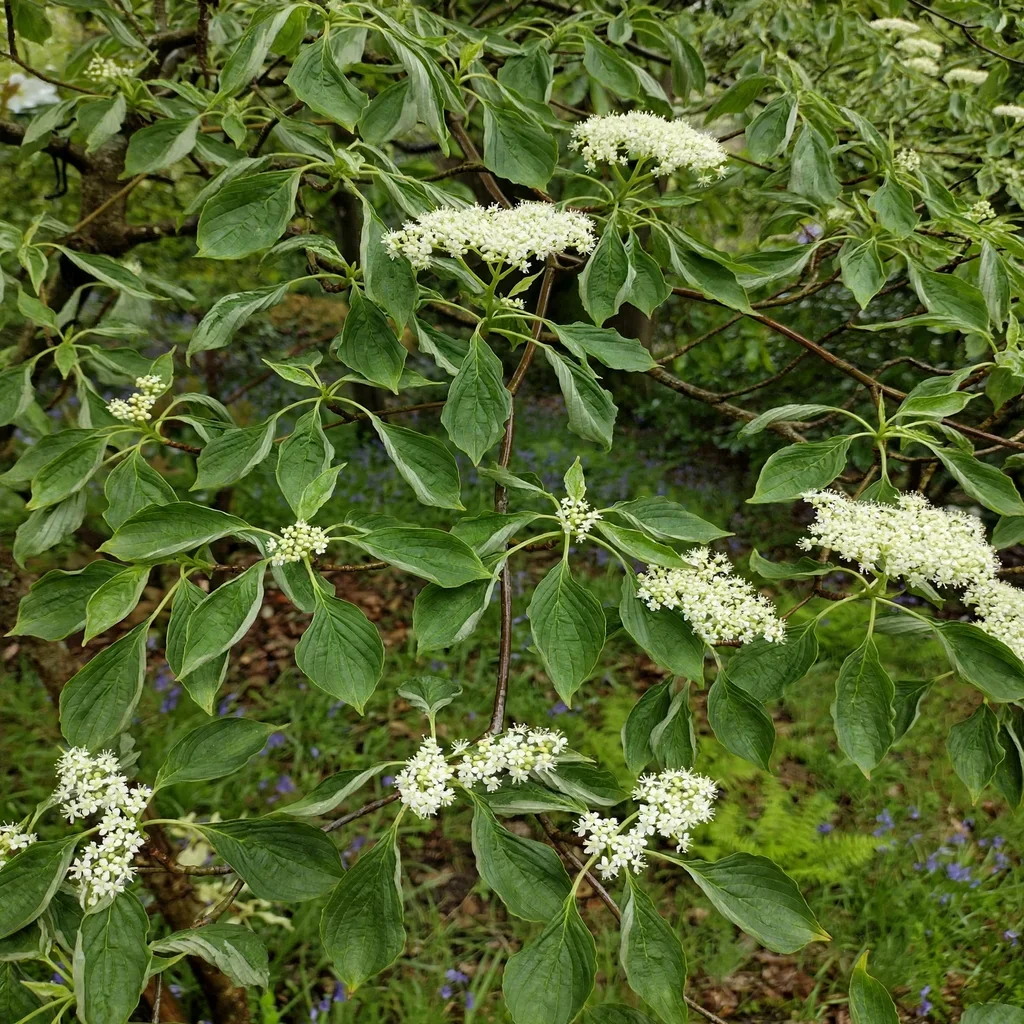
Giant Dogwood
Cornus controversa
Keep exploring
Explore the genus
Hardy in your zone?
Grow Brown Dogwood with confidence
See it in a design of your actual yard, get zone-matched care reminders, and track it season by season in your garden journal.