The Story
Plant Bio
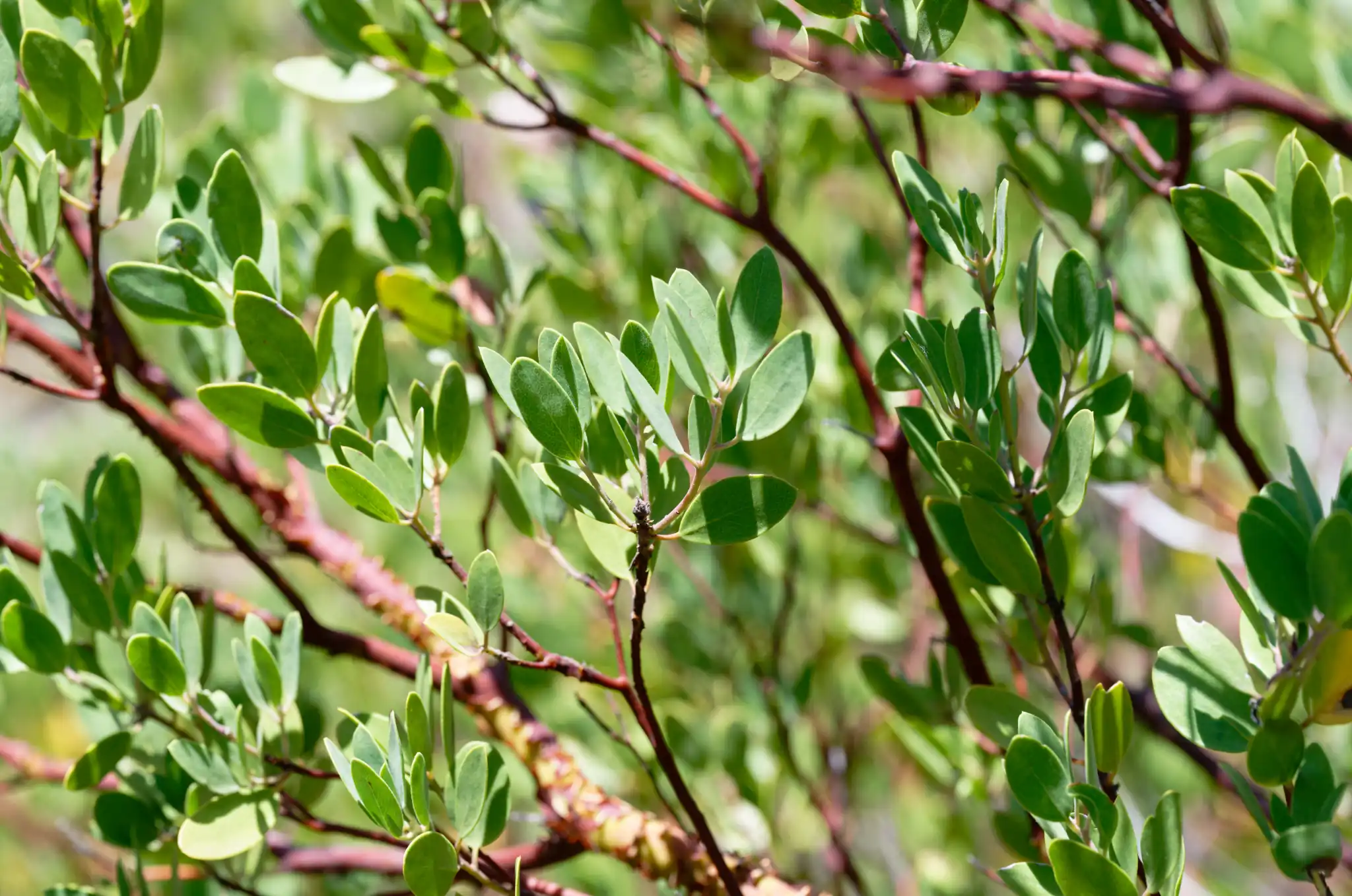
Arctostaphylos bakeri is an evergreen shrub native to the serpentine soils of Sonoma County, California. It forms an open, upright structure with smooth burgundy bark, gray-green foliage, and dense terminal clusters of urn-shaped pink flowers.
This species is distinguished by its bristly, glandular young twigs and oval leaves held nearly perpendicular to the stems. Its early pink blossoms provide essential winter and early spring nectar for native bees and hummingbirds.
Uses & Benefits:
Essentials
At a Glance
Plant Type
Shrub
Height
96"
Width
72"
Light
Full Sun, Partial Sun
Zones
7, 8, 9, 10
Water
Low
Humidity
Low
Lifespan
Perennial
Native To
California, USA
Toxicity
Non-toxic
Bloom period
Late winter – Spring
In flower about 4 months of the year
Planting
How to Grow
- Choose a site in full sun or light afternoon shade with sharply draining, lean soil.
- Plant during autumn or early winter to allow roots to establish before summer warmth.
- Water deep once every 1-2 weeks during the first summer only, avoiding trunk saturation.
- Discontinue summer irrigation entirely once the root system is established.
Pro Tip
Cease summer watering completely after the first year; warm, saturated soil promotes fatal Phytophthora root rot.
Keep It Thriving
Care Guide
Do
- Plant in lean, well-draining mineral or sandy soil.
- Tip-prune lightly immediately after spring flowering to maintain density.
- Provide afternoon shade in hot interior valleys.
Don't
- Do not prune back into old, bare brown wood.
- Do not apply summer water after the plant establishes.
- Do not fertilize or apply high-phosphorus plant food.
Seasonal Care Calendar
| Task | Jan | Feb | Mar | Apr | May | Jun | Jul | Aug | Sep | Oct | Nov | Dec |
|---|---|---|---|---|---|---|---|---|---|---|---|---|
| Pest Check | ||||||||||||
| Plant | ||||||||||||
| Prune | ||||||||||||
| Spring Cleanup |
Watch Out For
Pests & Diseases
Common Pests
Common Diseases
In the Garden
Landscape Uses & Companions
Landscape Uses
Multiply
Propagation Methods
Good to Know
Common Questions
Baker's Manzanita questions
What zones can Baker's Manzanita grow in?
Baker's Manzanita is hardy in USDA Zones 7–10: in that range it survives winter in the ground. Colder than Zone 7, grow it in a container you can move to shelter for the winter.
When does Baker's Manzanita bloom?
Baker's Manzanita typically blooms from late winter to late spring. Exact timing shifts a week or two with your zone — Sow's bloom calendar maps it to your garden.
Does Baker's Manzanita need full sun?
Baker's Manzanita does best in full sun to part shade. In hot climates, afternoon shade keeps blooms fresher longer.
Is Baker's Manzanita drought tolerant?
Yes — once established (usually after the first full season), Baker's Manzanita handles dry spells with minimal watering. Water deeply its first year to build the root system that makes that possible.
More Arctostaphylos to compare
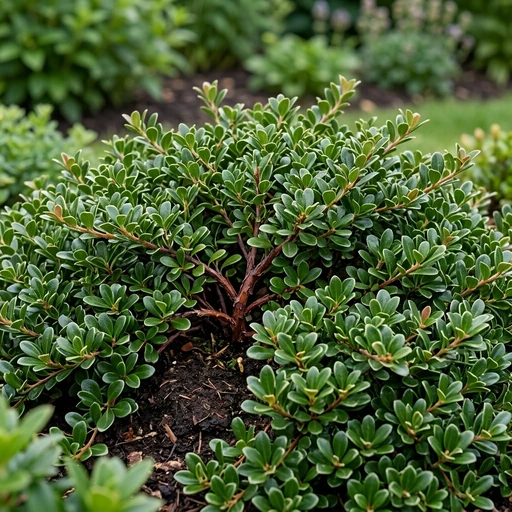
Massachusetts Common Bearberry
Arctostaphylos uva-ursi 'Massachusetts'
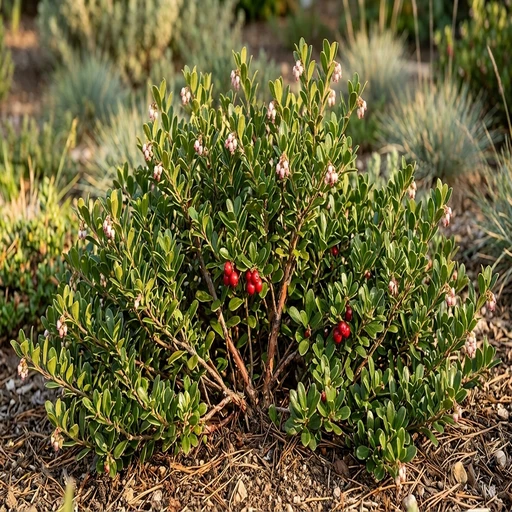
Bearberry
Arctostaphylos uva-ursi
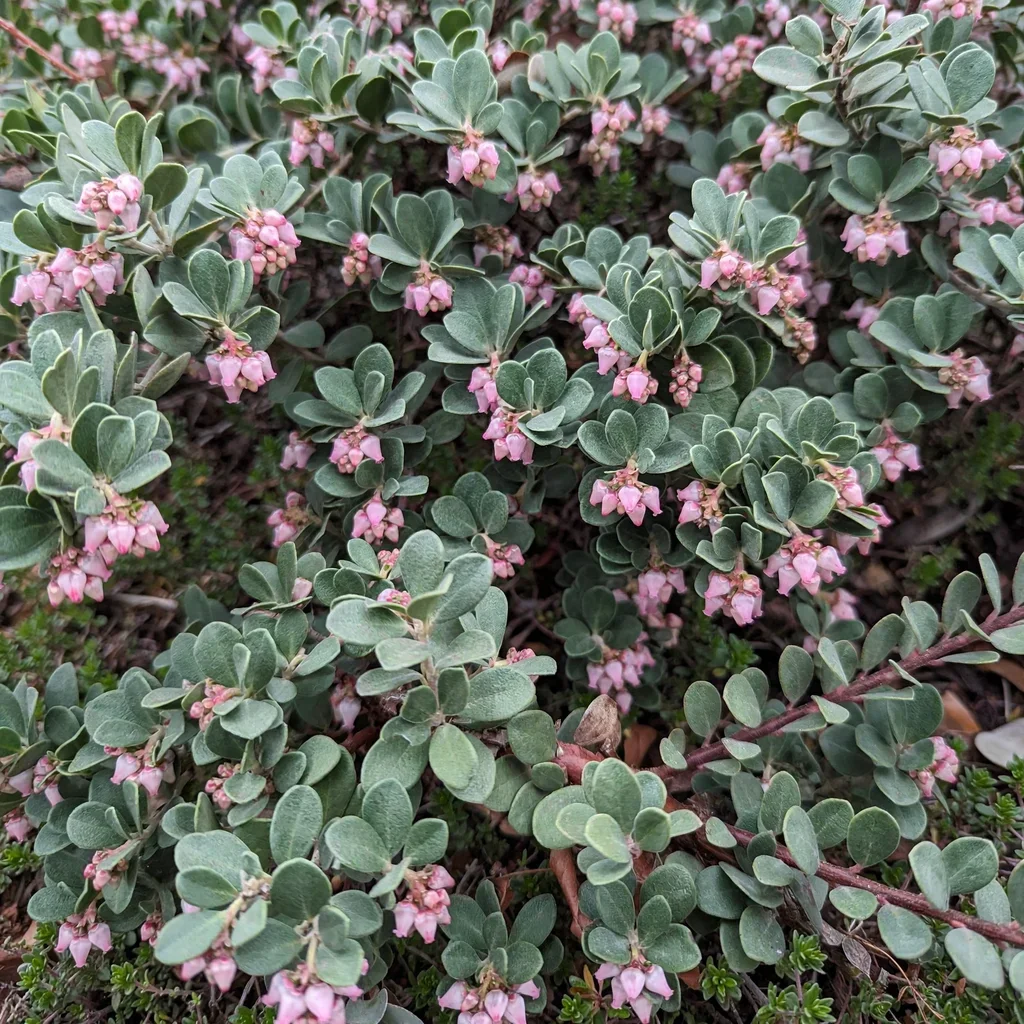
Ron Clendenen Manzanita
Arctostaphylos x media 'Ron Clendenen'
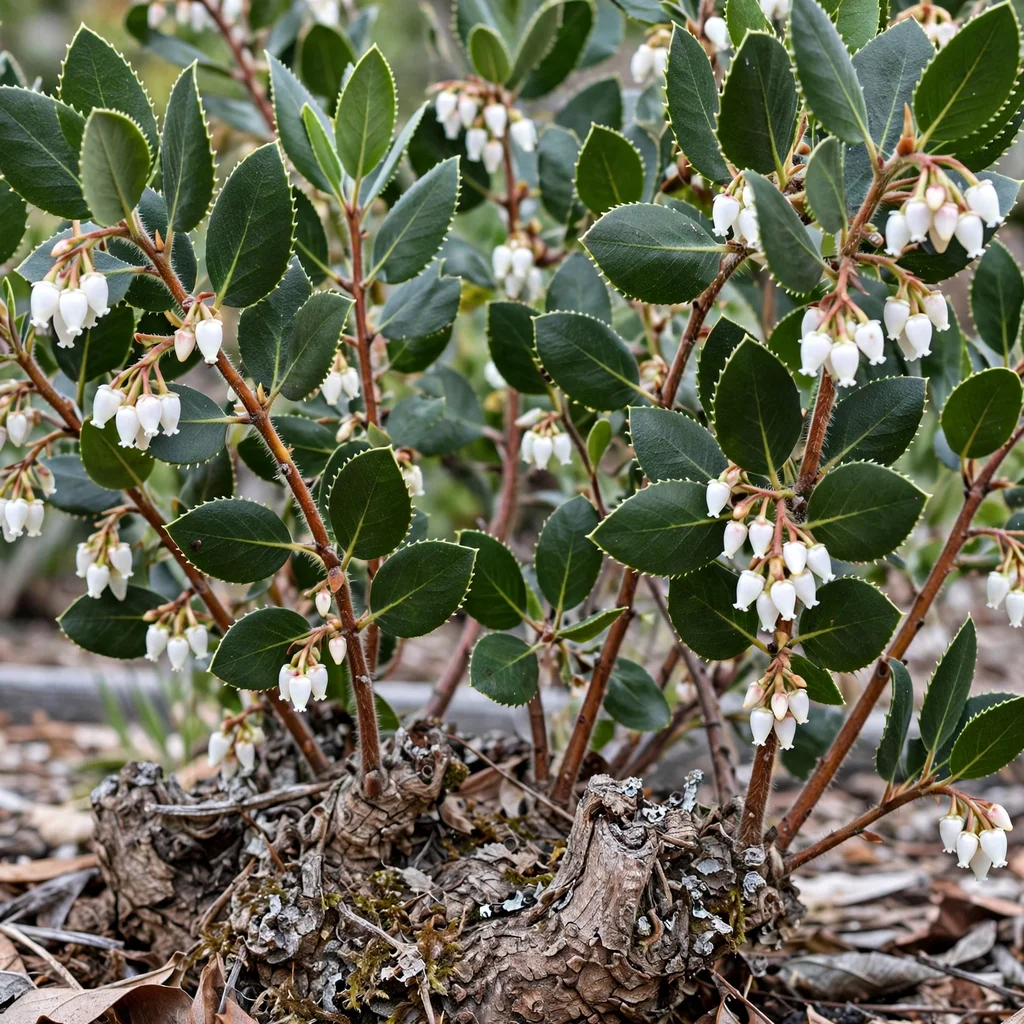
Brittleleaf Manzanita
Arctostaphylos crustacea
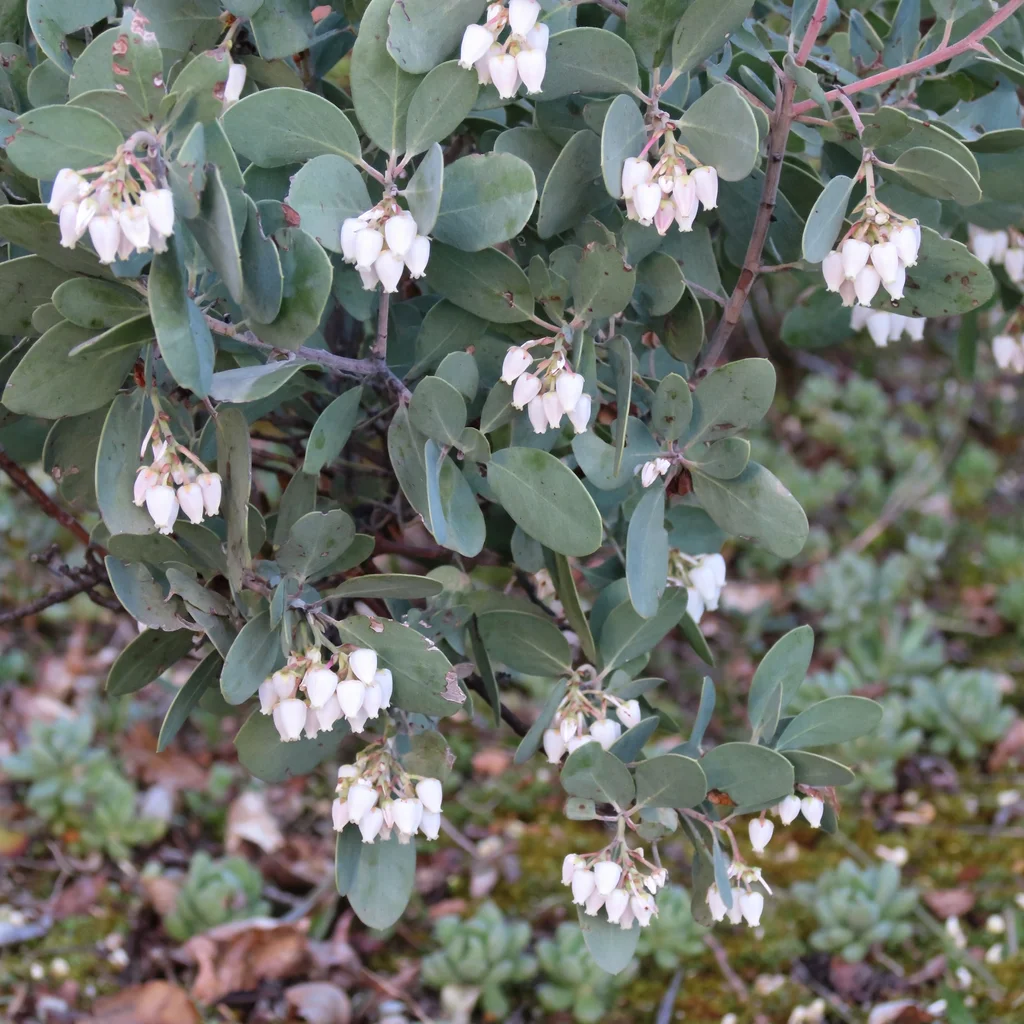
Common Manzanita
Arctostaphylos manzanita
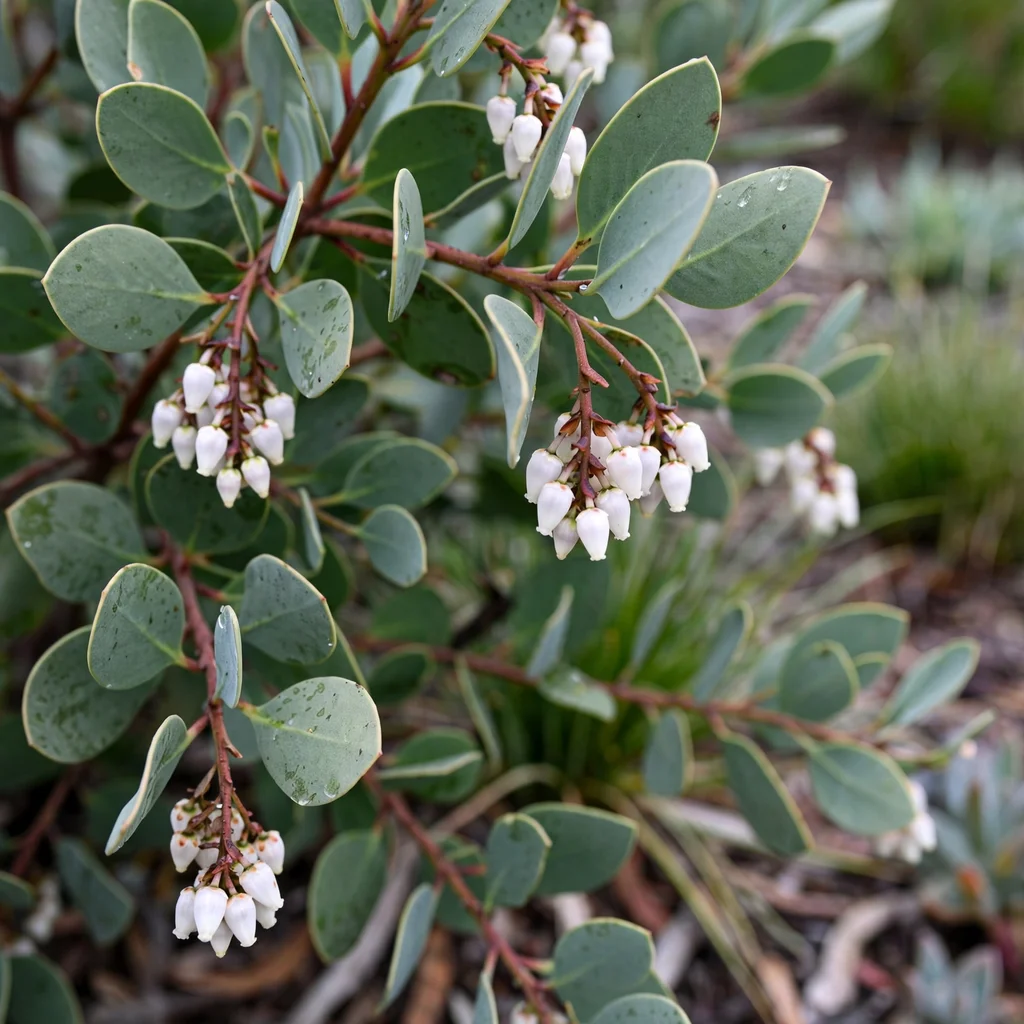
Rainbow Manzanita
Arctostaphylos rainbowensis
Keep exploring
Explore the genus
Hardy in your zone?
Grow Baker's Manzanita with confidence
See it in a design of your actual yard, get zone-matched care reminders, and track it season by season in your garden journal.