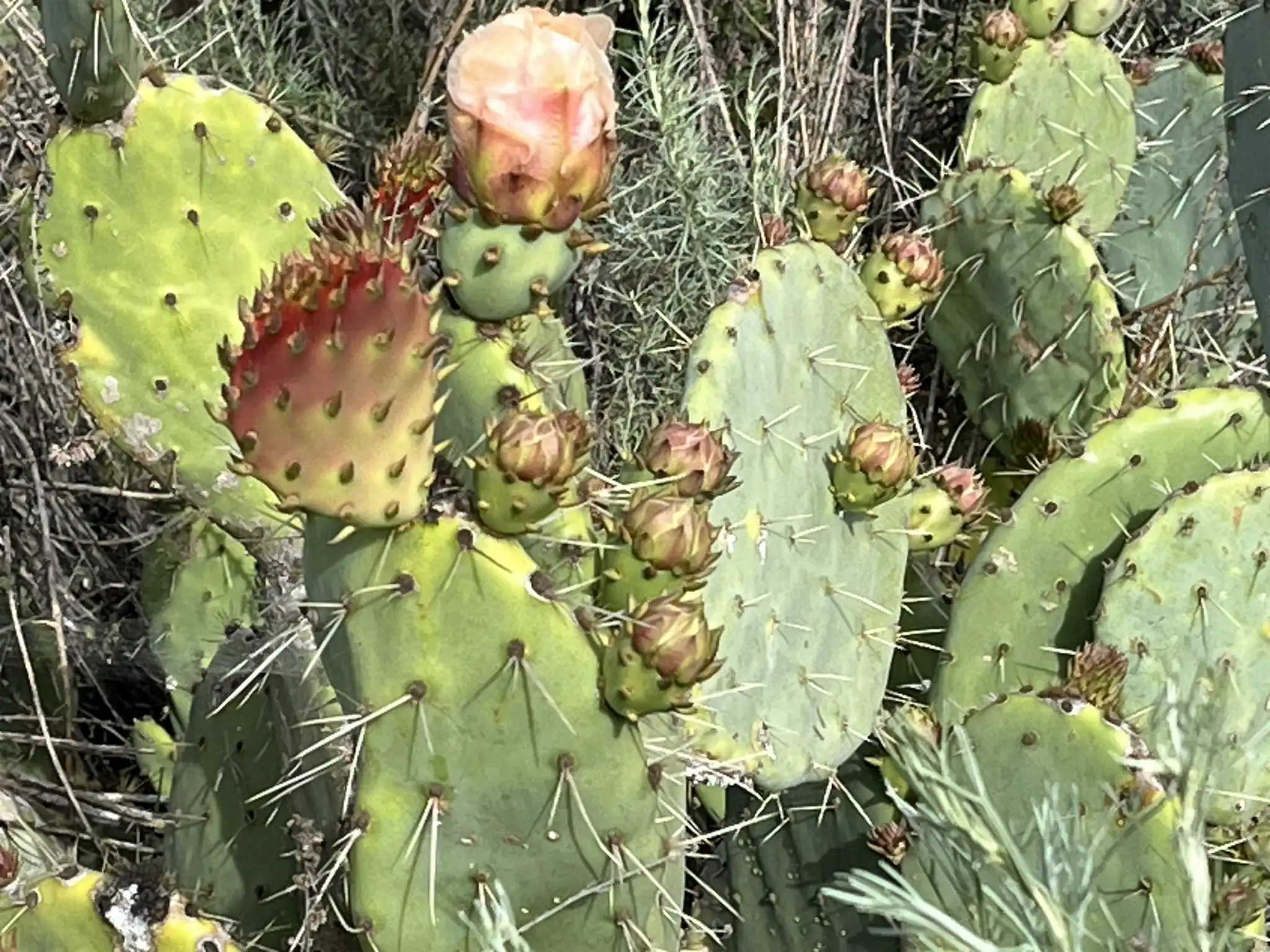
The Story
Plant Bio
Opuntia littoralis, the coast prickly pear, is a low-growing, sprawling succulent native to coastal southern California and northwestern Mexico. It forms broad thickets of flattened, fleshy green-to-yellowish stem pads equipped with sharp spines and dense clusters of barbed glochids.
Adapted to maritime bluffs, this species withstands salty ocean winds and atmospheric moisture while demanding sharply drained soil. Bright yellow flowers open along the upper pad edges in spring and early summer before maturing into fleshy red fruits.
Uses & Benefits:
Essentials
At a Glance
Plant Type
Cactus Succulent
Height
24"
Width
354"
Light
Full Sun
Zones
8, 9, 10
Water
Low
Humidity
Low to Moderate
Lifespan
Perennial
Native To
North America (California, Mexico)
Toxicity
Non-toxic sap; skin irritant from spines and glochids
Bloom period
Spring – Early summer
In flower about 4 months of the year
Planting
How to Grow
- Select a site in full sun with high drainage, such as a sandy slope or raised gravel bed.
- Set rooted plants at the original container soil line, anchoring the base firmly in coarse substrate.
- Water lightly at installation to settle soil, then withhold water until new pad growth commences.
- Avoid organic mulches and nitrogen fertilizers, which cause soft, weak pad structure.
Pro Tip
Plant in mineral-rich, lean sand or gravel where water drains instantly, as standing moisture induces stem rot.
Keep It Thriving
Care Guide
Do
- Provide full, direct sunlight throughout the year.
- Use thick leather gloves and tongs when handling pads to prevent glochids from entering skin.
- Ensure soil drains completely within minutes of watering.
Don't
- Do not overwater or allow water to collect in low spots around the base.
- Do not amend planting holes with rich compost or heavy organic matter.
- Do not prune back into old woody pad joinings unless removing dead material.
Seasonal Care Calendar
| Task | Jan | Feb | Mar | Apr | May | Jun | Jul | Aug | Sep | Oct | Nov | Dec |
|---|---|---|---|---|---|---|---|---|---|---|---|---|
| Pest Check | ||||||||||||
| Plant | ||||||||||||
| Propagate | ||||||||||||
| Prune |
Watch Out For
Pests & Diseases
Common Pests
Common Diseases
In the Garden
Landscape Uses & Companions
Landscape Uses
Multiply
Propagation Methods
Good to Know
Common Questions
Coast Prickly Pear questions
What zones can Coast Prickly Pear grow in?
Coast Prickly Pear is hardy in USDA Zones 8–10: in that range it survives winter in the ground. Colder than Zone 8, grow it in a container you can move to shelter for the winter, or as an annual.
Is Coast Prickly Pear deer resistant?
Yes — Coast Prickly Pear is rated deer-resistant. Deer typically pass it over, though extreme hunger can override any plant's defenses.
When does Coast Prickly Pear bloom?
Coast Prickly Pear typically blooms from early spring to early summer. Exact timing shifts a week or two with your zone — Sow's bloom calendar maps it to your garden.
Does Coast Prickly Pear need full sun?
Coast Prickly Pear does best in full sun (6+ hours).
Is Coast Prickly Pear drought tolerant?
Yes — once established (usually after the first full season), Coast Prickly Pear handles dry spells with minimal watering. Water deeply its first year to build the root system that makes that possible.
More Opuntia to compare
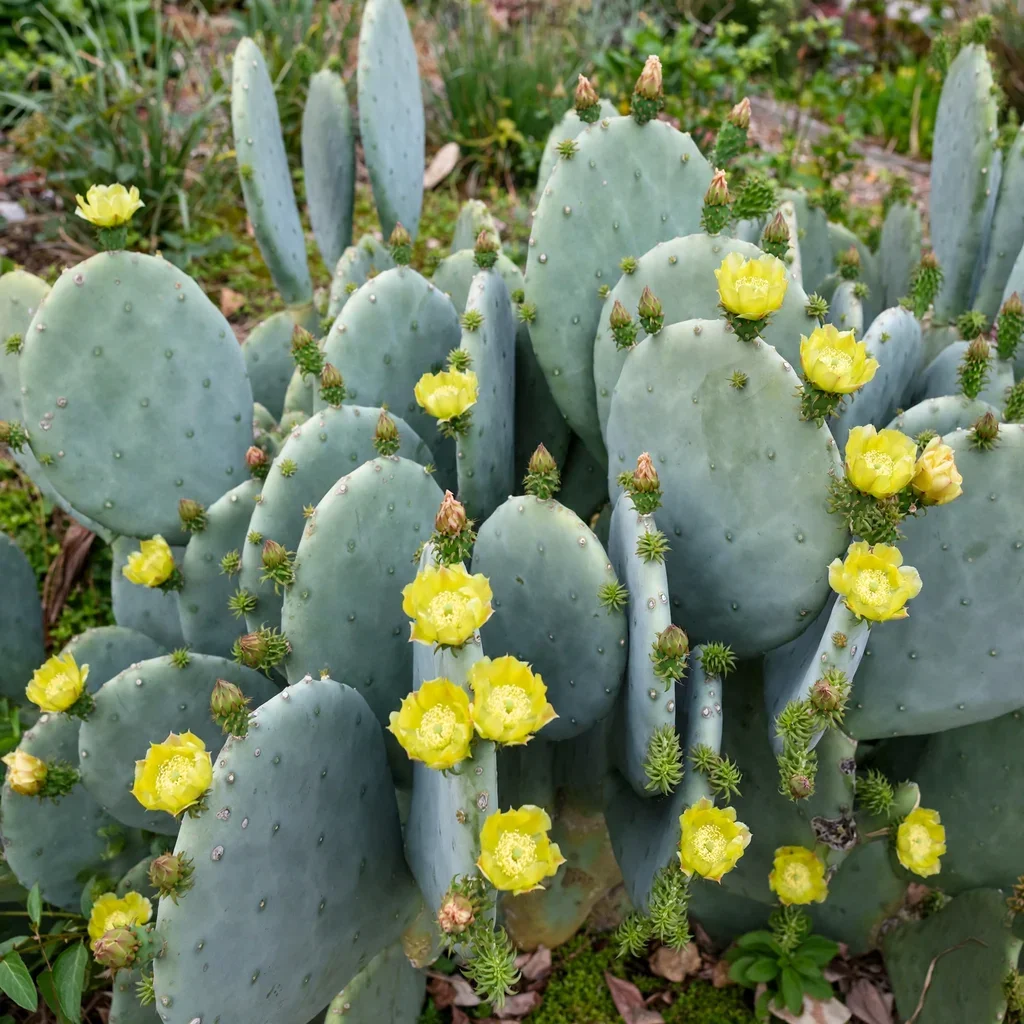
Spineless Prickly Pear
Opuntia cacanapa 'Ellisiana'
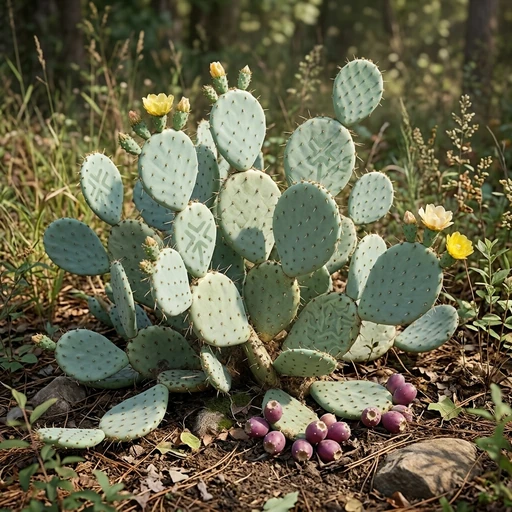
Prickly Pear Cactus
Opuntia humifusa
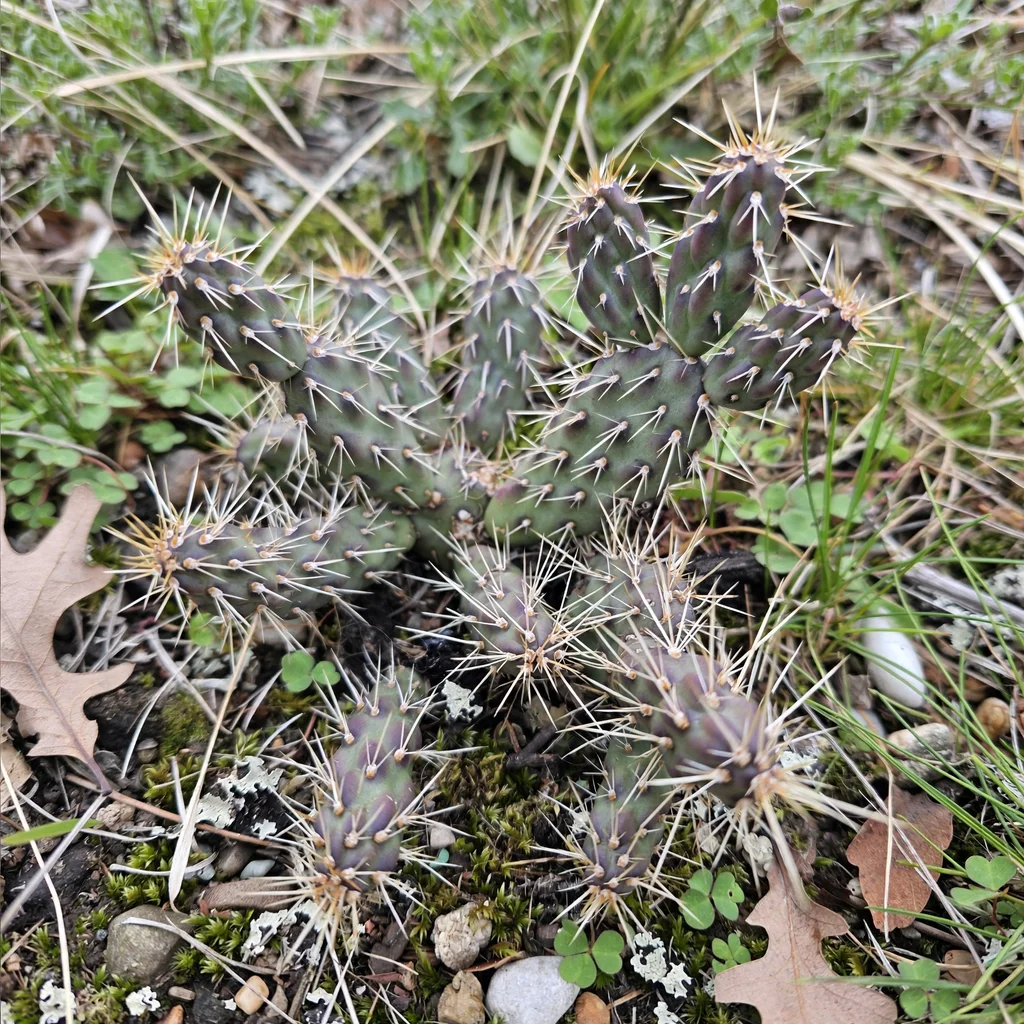
Brittle Prickly Pear
Opuntia fragilis
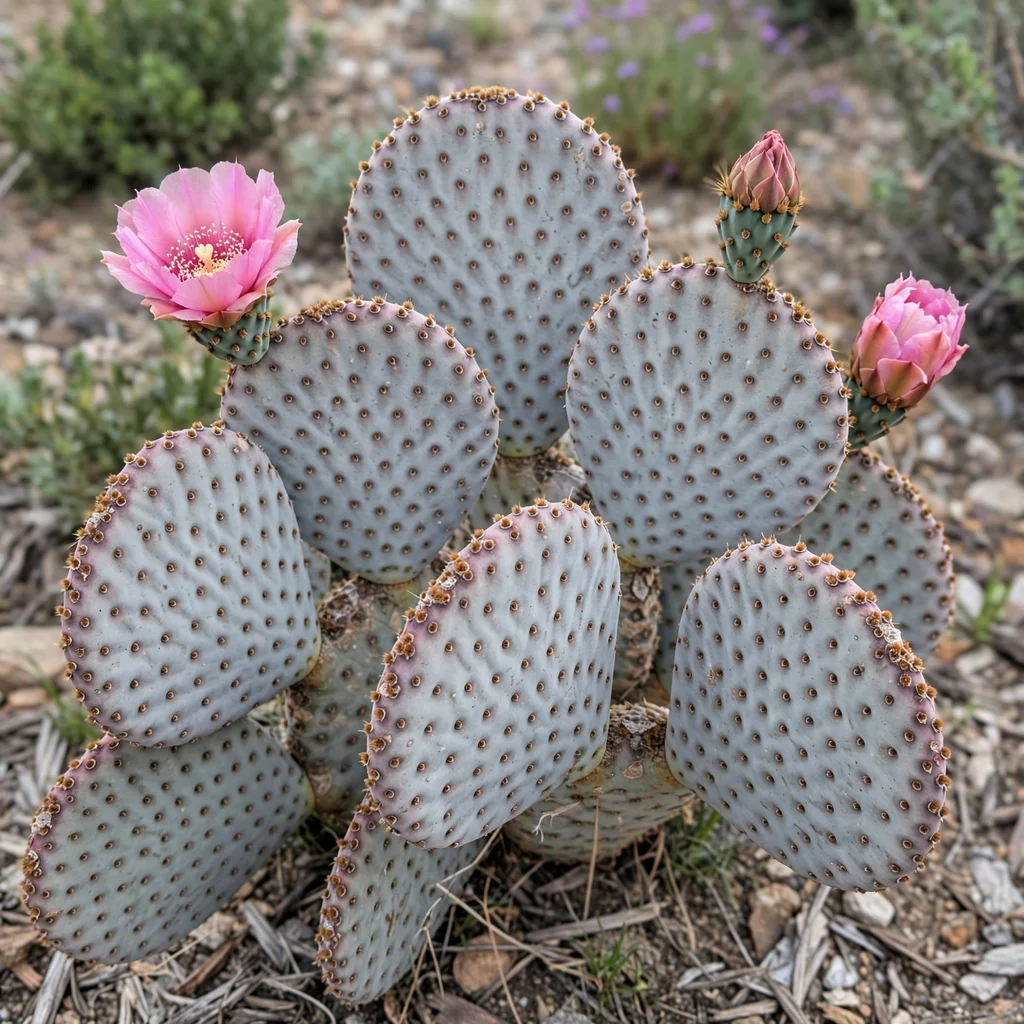
Beavertail Cactus
Opuntia basilaris
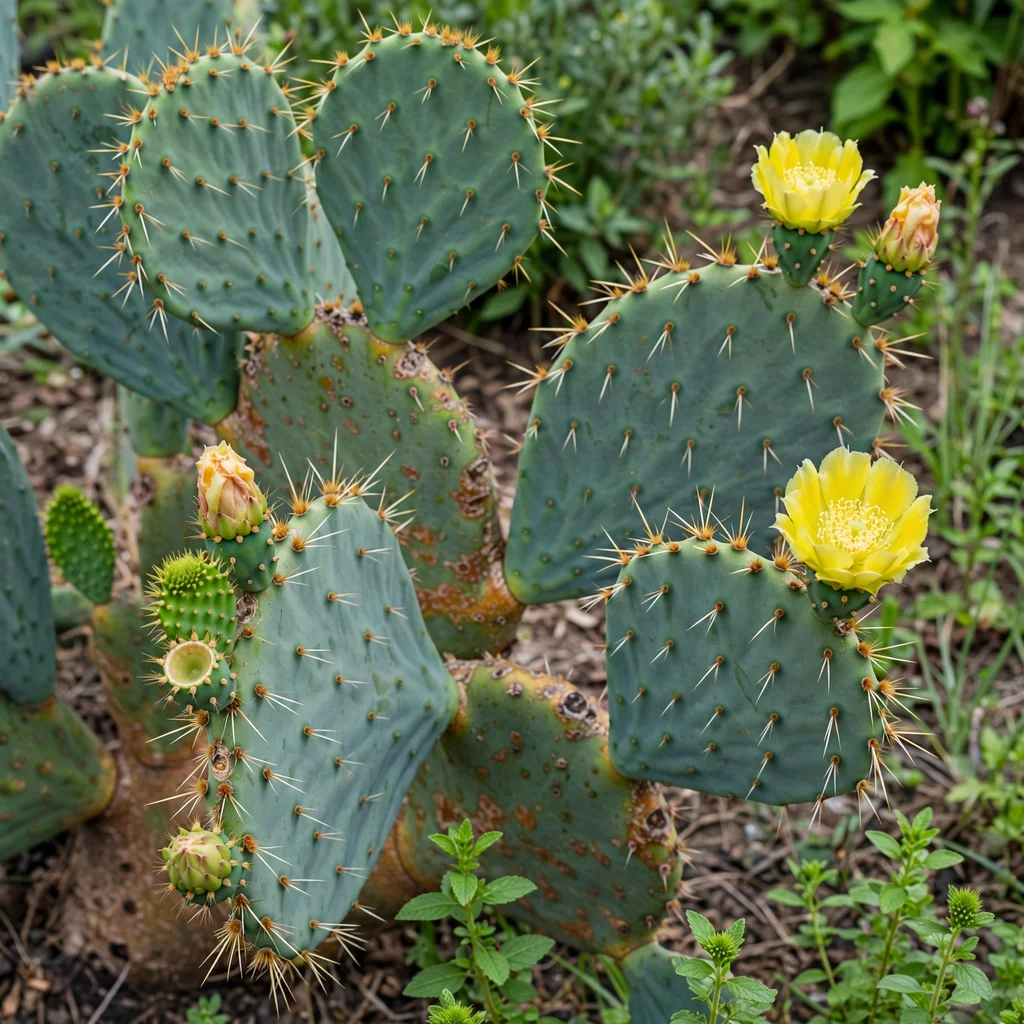
Old Mexico Prickly Pear
Opuntia gomei
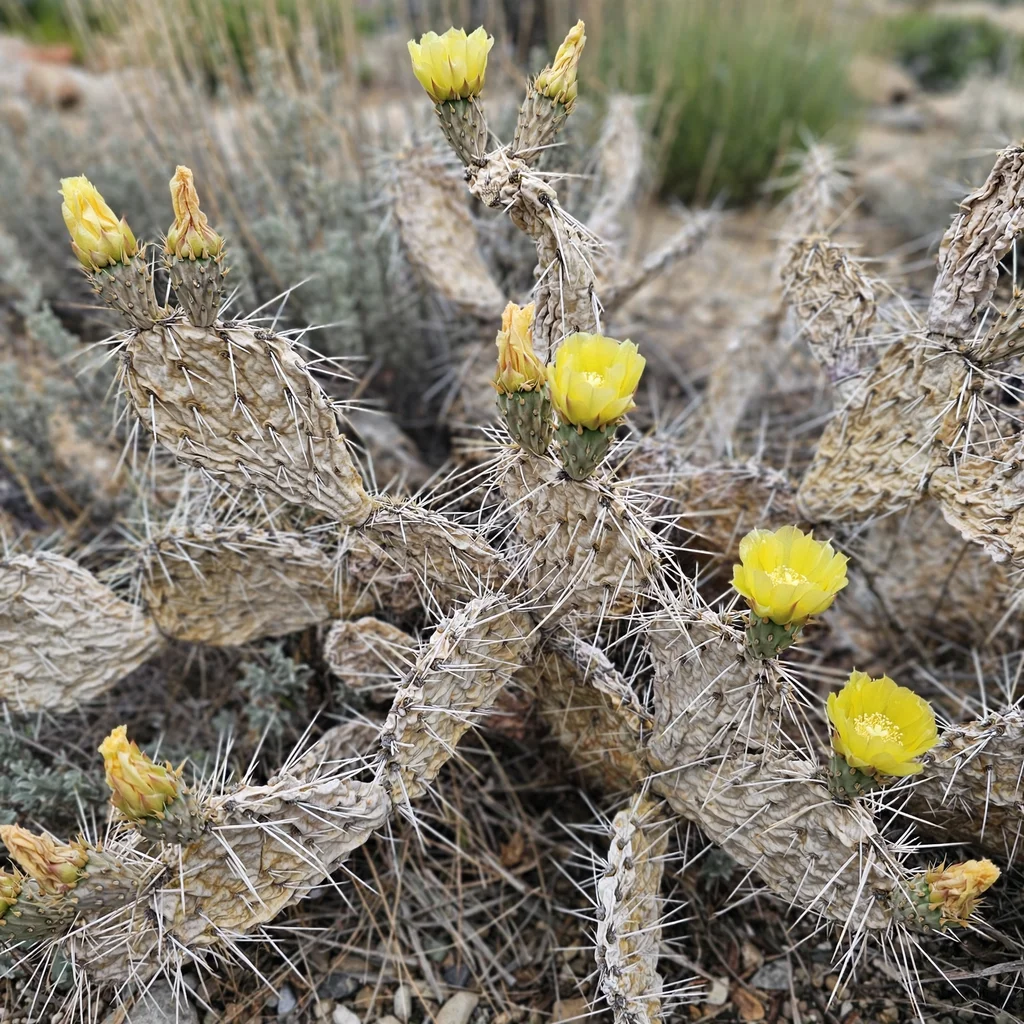
Plains Pricklypear
Opuntia polyacantha
Keep exploring
Explore the genus
Hardy in your zone?
Grow Coast Prickly Pear with confidence
See it in a design of your actual yard, get zone-matched care reminders, and track it season by season in your garden journal.