The Story
Plant Bio
Tanacetum is a genus of aromatic perennial herbs in the daisy family with finely divided, fern-like leaves and flat-topped clusters of button-like yellow heads. The heads are mostly disc florets with little or no ray, built for small bees and flies rather than showy petal display.
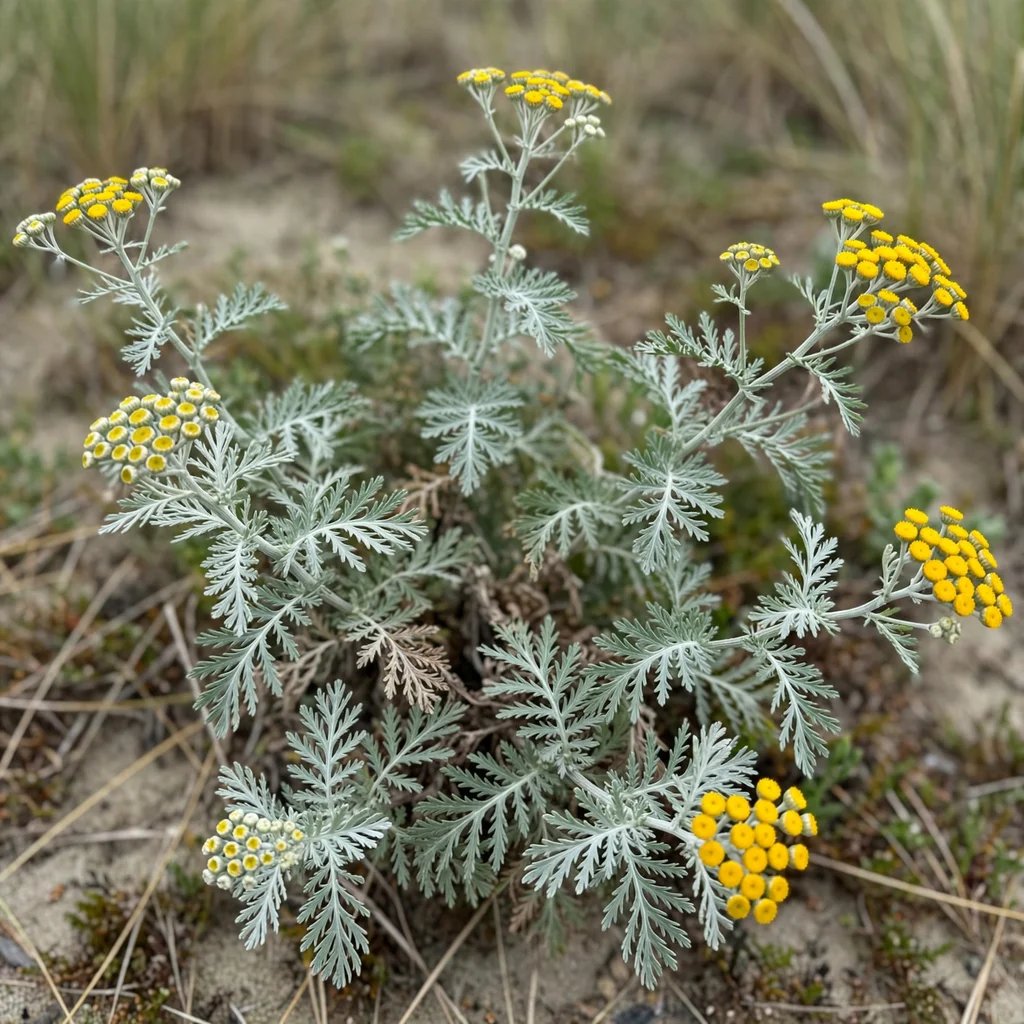
Dune tansy is the Pacific coastal dune form, now merged into Tanacetum bipinnatum, forming low spreading patches of lightly to densely hairy, feathery leaves that smell of camphor when crushed. Its yellow buttons are borne singly or in open clusters of two to four from summer into fall, the San Francisco race rayless and the northern plants with short rays.
Uses & Benefits:
Essentials
At a Glance
Plant Type
Perennial
Height
32"
Width
24"
Light
Full Sun, Partial Sun
Water
Low
Humidity
Unknown
Lifespan
Perennial
Native To
Pacific Coast, British Columbia to northern California
Toxicity
Unknown
Bloom period
Summer – Fall
In flower about 6 months of the year
Planting
How to Grow
- Choose an open spot in full sun to light shade with deep, sandy, fast-draining soil.
- Plant potted starts or plugs at the same depth they grew in the pot, spacing 18 to 24 inches to allow patching.
- Water in once, then water sparingly through the first summer until runners take hold.
- Top-dress with a thin sand mulch, not bark, to keep crowns dry.
- Leave foliage through winter and cut back spent flower stems in early spring.
Pro Tip
Plant it in deep sand in full sun and leave room for runners; it stalls in rich, wet soil.
Keep It Thriving
Care Guide
Do
- Do grow it in sand or very gritty soil with sharp drainage.
- Do give it full sun for tight, hairy growth.
- Do allow it to spread into a patch where erosion control is wanted.
Don't
- Don't plant it in clay or low spots that stay wet in winter.
- Don't feed heavily or overwater; rich soil makes floppy growth.
- Don't expect hummingbird visits; the small yellow buttons serve bees and flies.
Seasonal Care Calendar
| Task | Jan | Feb | Mar | Apr | May | Jun | Jul | Aug | Sep | Oct | Nov | Dec |
|---|---|---|---|---|---|---|---|---|---|---|---|---|
| Deadhead | ||||||||||||
| Mulch | ||||||||||||
| Plant | ||||||||||||
| Prune |
Watch Out For
Pests & Diseases
Common Pests
Common Diseases
In the Garden
Landscape Uses & Companions
Landscape Uses
Multiply
Propagation Methods
Good to Know
Common Questions
Dune Tansy questions
When does Dune Tansy bloom?
Dune Tansy typically blooms from summer to fall. Exact timing shifts a week or two with your zone — Sow's bloom calendar maps it to your garden.
Does Dune Tansy need full sun?
Dune Tansy does best in full sun to part shade. In hot climates, afternoon shade keeps blooms fresher longer.
Is Dune Tansy drought tolerant?
Yes — once established (usually after the first full season), Dune Tansy handles dry spells with minimal watering. Water deeply its first year to build the root system that makes that possible.
More Tanacetum to compare
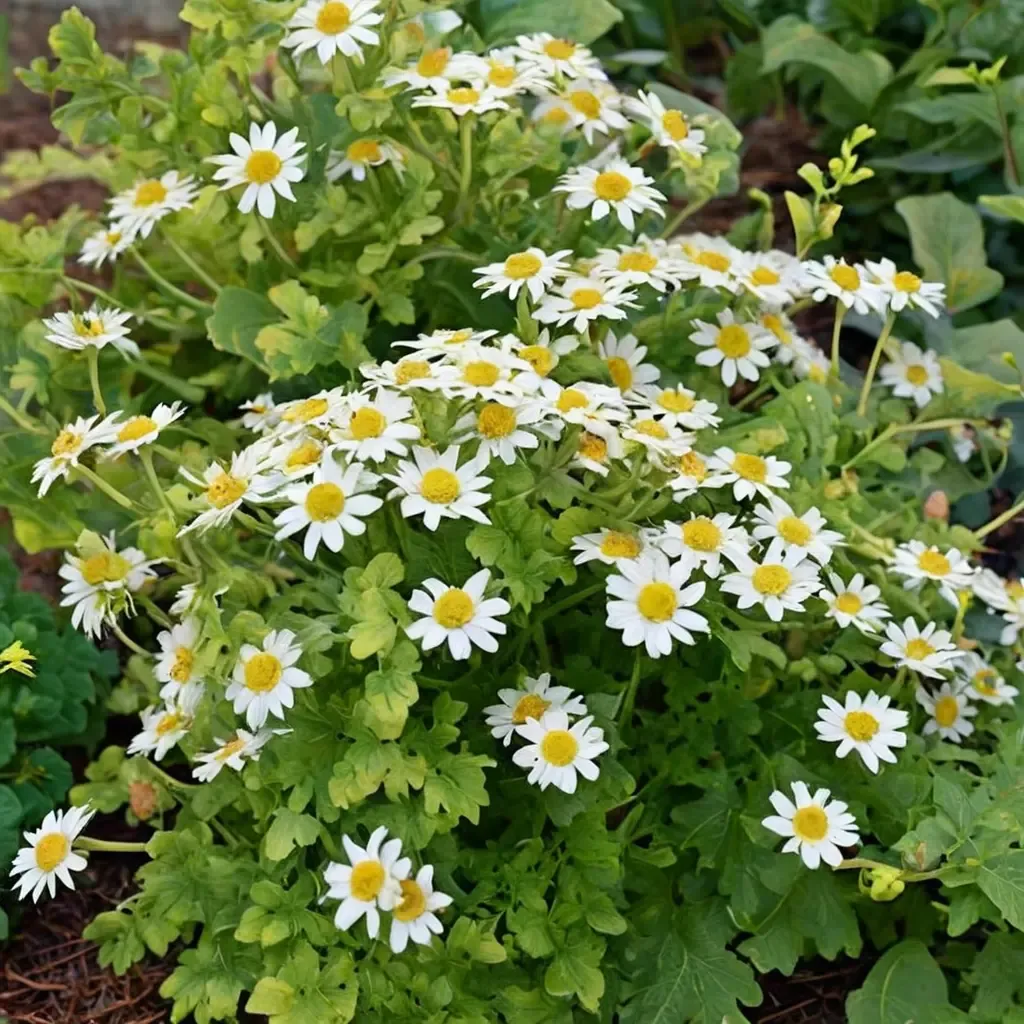
Golden Feverfew
Tanacetum parthenium 'Aureum'
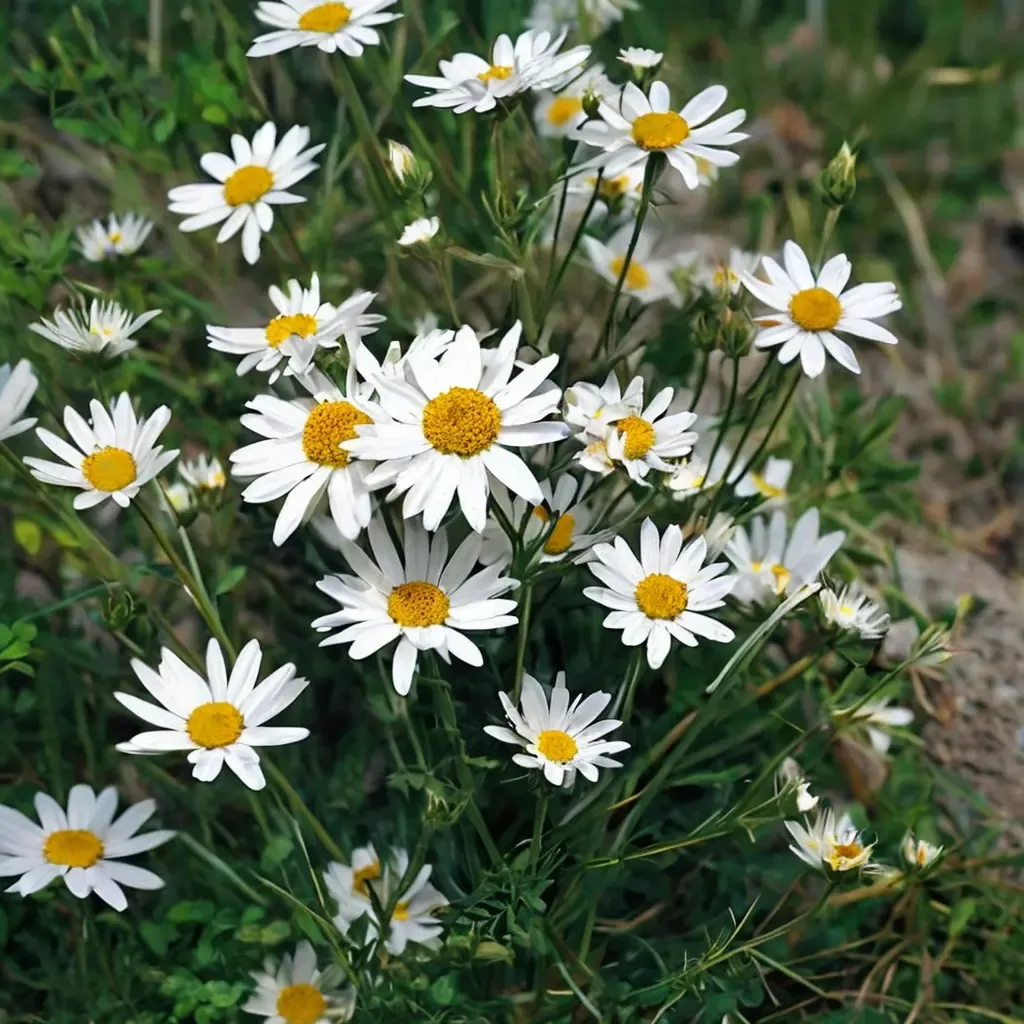
Scentless Feverfew
Tanacetum corymbosum
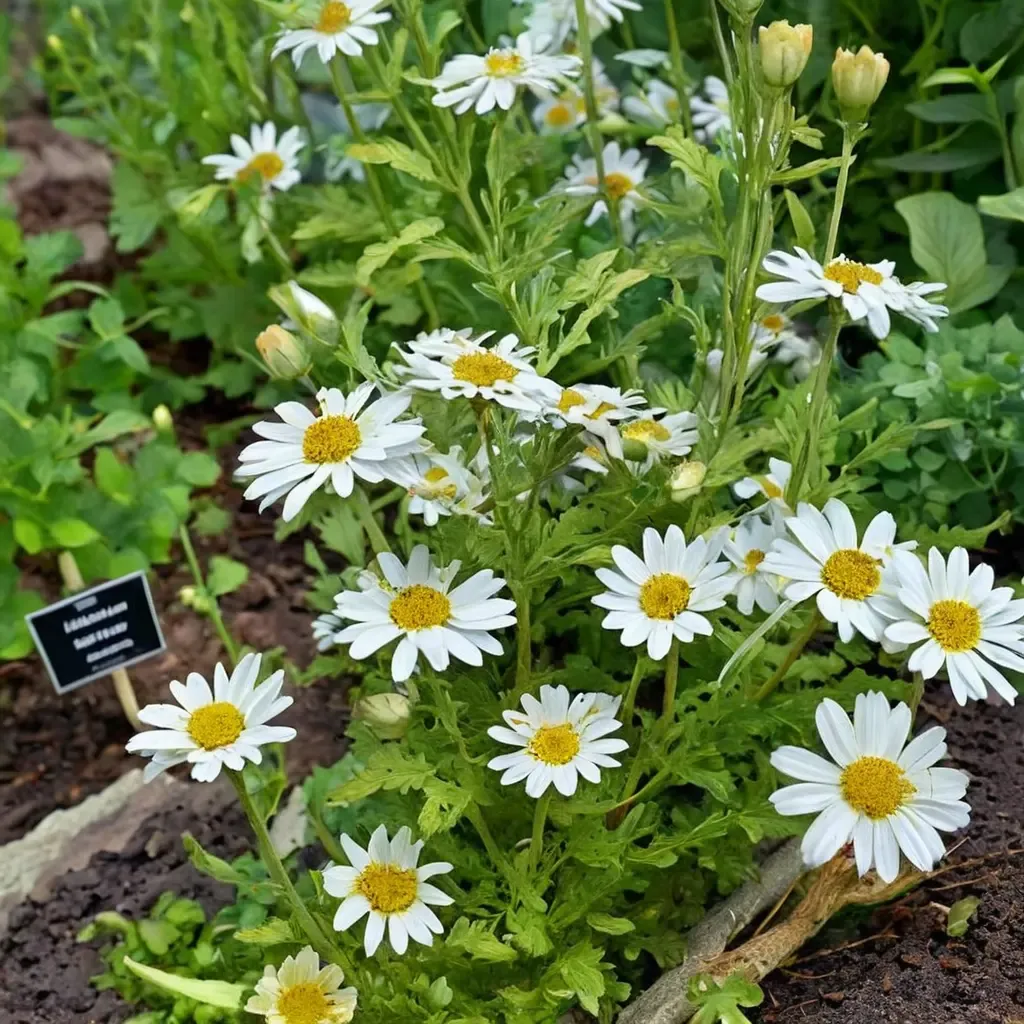
Feverfew
Tanacetum parthenium
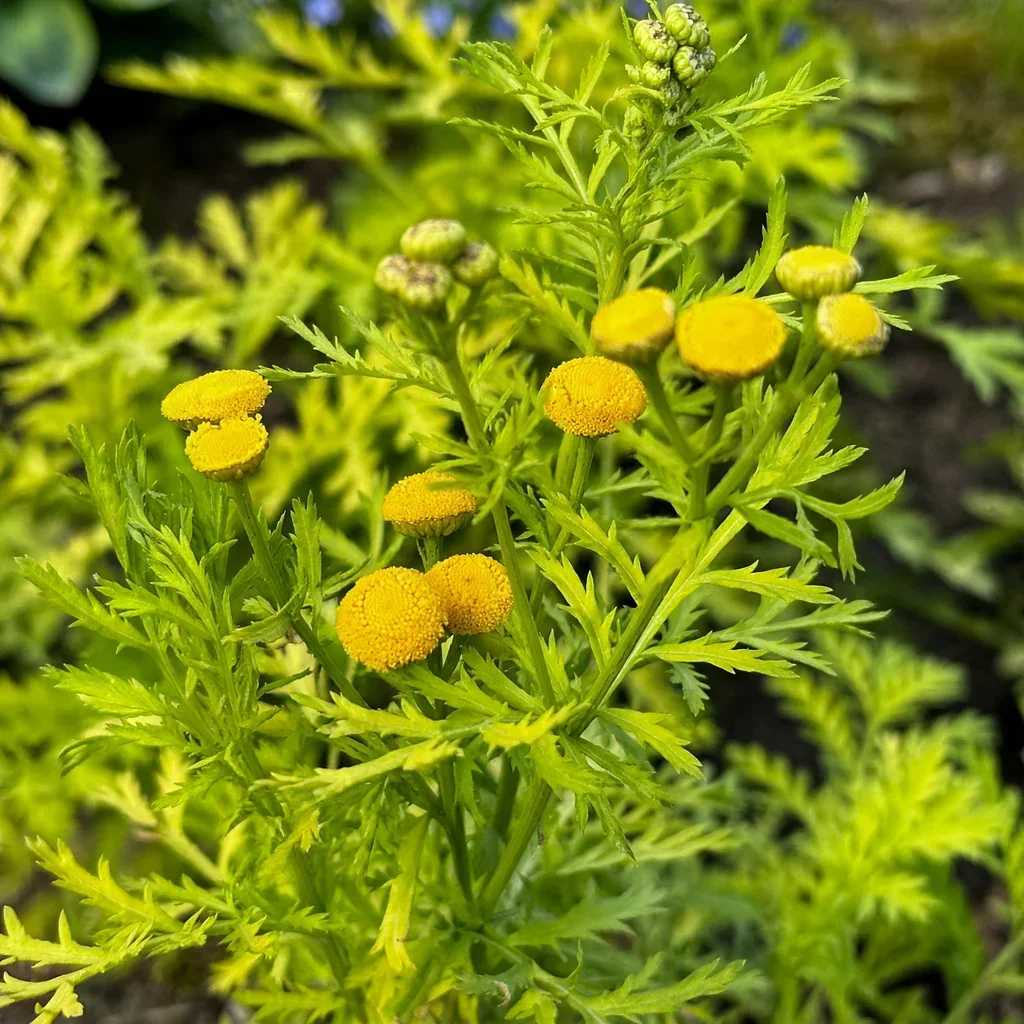
Golden Tansy
Tanacetum vulgare 'Isla Gold'
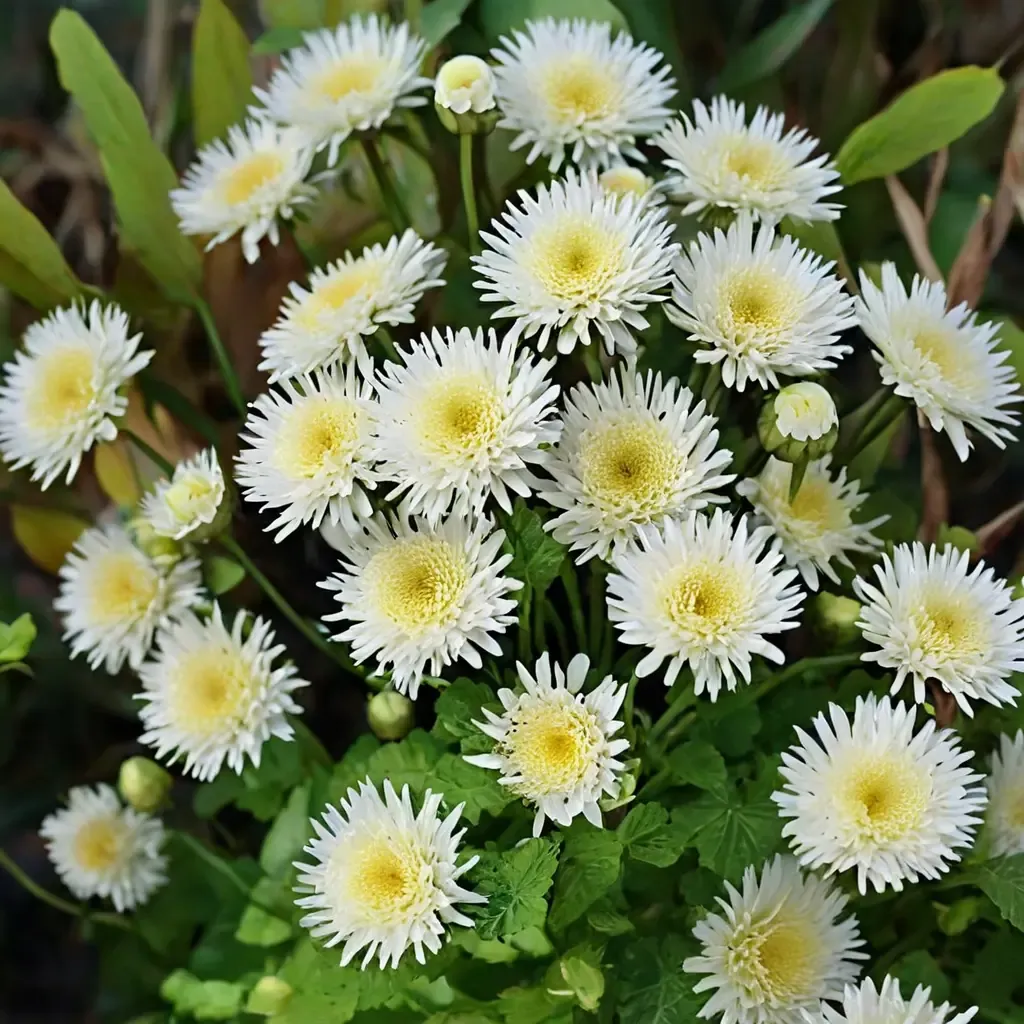
Selma Star Feverfew
Tanacetum parthenium 'Selma Star'
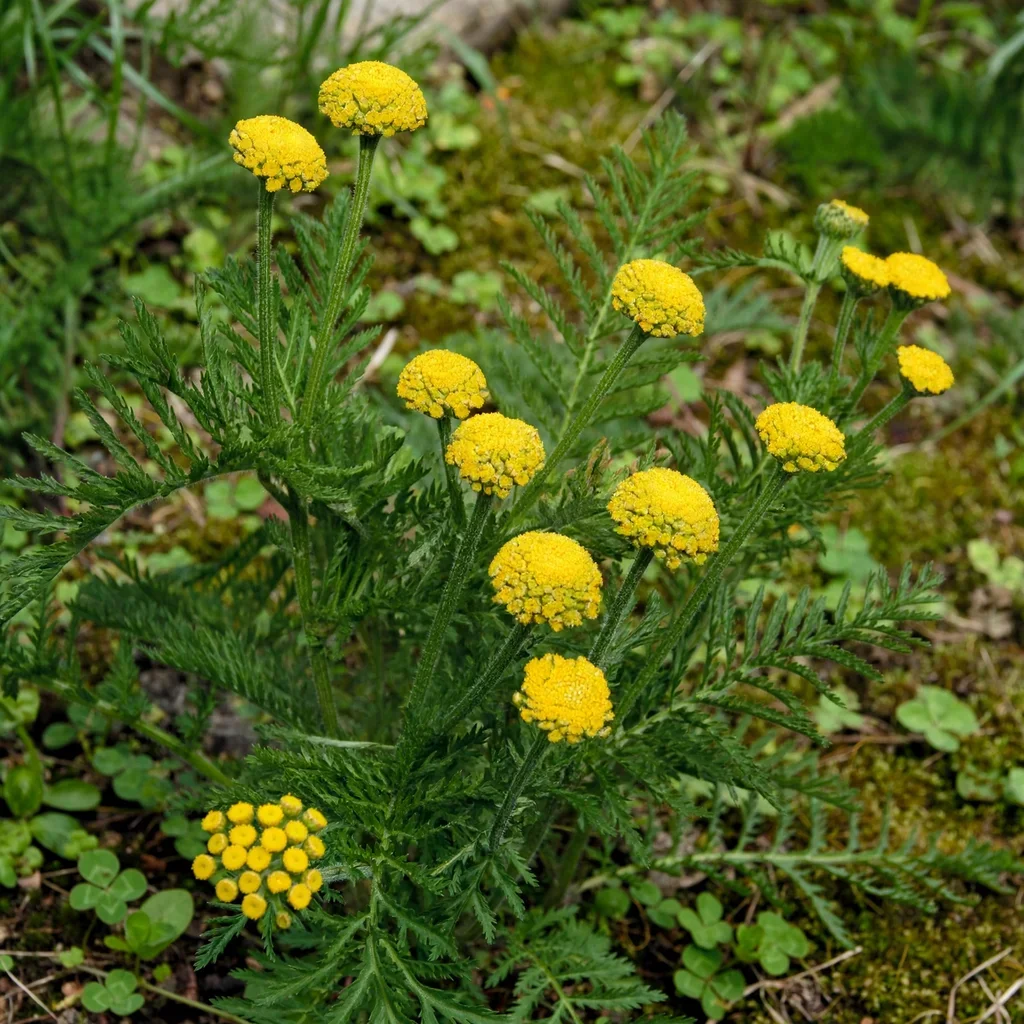
Huron tansy
Tanacetum huronense
Keep exploring
Explore the genus
Grow Dune Tansy with confidence
See it in a design of your actual yard, get zone-matched care reminders, and track it season by season in your garden journal.