The Story
Plant Bio
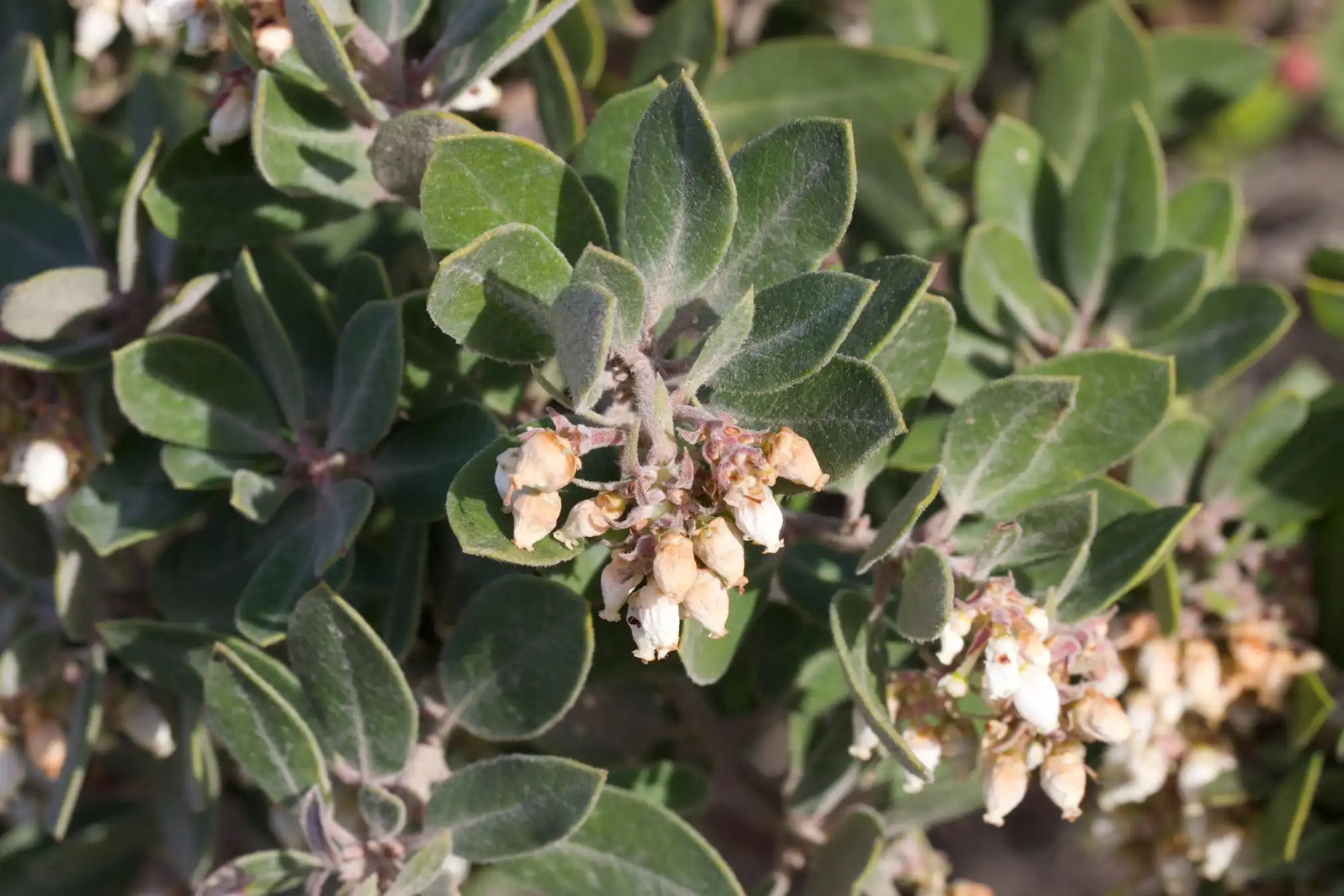
Arctostaphylos tomentosa, the woollyleaf manzanita, is an evergreen shrub from coastal California that reaches 3 to 10 feet tall on rocky or sandy slopes, stabilized dunes and open pine forest. In winter to early spring it produces white flowers sometimes blushed pink.
This is a California-endemic species of maritime chaparral and coastal uplands, not the more northern hairy manzanita it is often confused with. Nursery stock sold under this name sometimes proves to be Arctostaphylos columbiana, which is separated by its smooth bark and bright red fruits.
Uses & Benefits:
Essentials
At a Glance
Plant Type
Shrub
Height
120"
Width
96"
Light
Full Sun, Partial Sun
Water
Unknown - requires well-drained soil
Humidity
Unknown
Lifespan
Perennial shrub
Native To
California, USA
Toxicity
Unknown
Bloom period
Winter – Early spring
In flower about 4 months of the year
Marketplace
Where to Buy
Shipping costs Year-round shipping Free shipping
Planting
How to Grow
- Plant in fall into full sun to part shade with open air movement.
- Dig into rocky or sandy ground that drains freely and avoid clay pockets and low spots that hold winter water.
- Set the rootball level with the surrounding grade and backfill with native soil only.
- Water in once to settle soil, then avoid keeping the root zone constantly wet through winter.
Pro Tip
Set it in full sun to part shade in sharply drained sand or rocky ground, and keep winter-wet soil away from the crown to keep Phytophthora root rot off the roots.
Keep It Thriving
Care Guide
Do
- Give full sun to part shade and sharp drainage on slopes or raised ground.
- Leave manzanita leaf gall swellings alone when the plant is vigorous.
- Conserve natural enemies for whitefly control.
Don't
- Do not plant in soggy, compacted, or poorly drained soil.
- Do not hold water around the crown in cold winter soil.
- Do not expect a formal clipped shape; this is an open chaparral shrub.
Seasonal Care Calendar
| Task | Jan | Feb | Mar | Apr | May | Jun | Jul | Aug | Sep | Oct | Nov | Dec |
|---|---|---|---|---|---|---|---|---|---|---|---|---|
| Mulch | ||||||||||||
| Pest Check | ||||||||||||
| Plant | ||||||||||||
| Spring Cleanup |
Watch Out For
Pests & Diseases
Common Pests
Common Diseases
In the Garden
Landscape Uses & Companions
Landscape Uses
Good to Know
Common Questions
Woollyleaf Manzanita questions
When does Woollyleaf Manzanita bloom?
Woollyleaf Manzanita typically blooms from early winter to early spring. Exact timing shifts a week or two with your zone — Sow's bloom calendar maps it to your garden.
Does Woollyleaf Manzanita need full sun?
Woollyleaf Manzanita does best in full sun to part shade. In hot climates, afternoon shade keeps blooms fresher longer.
More Arctostaphylos to compare
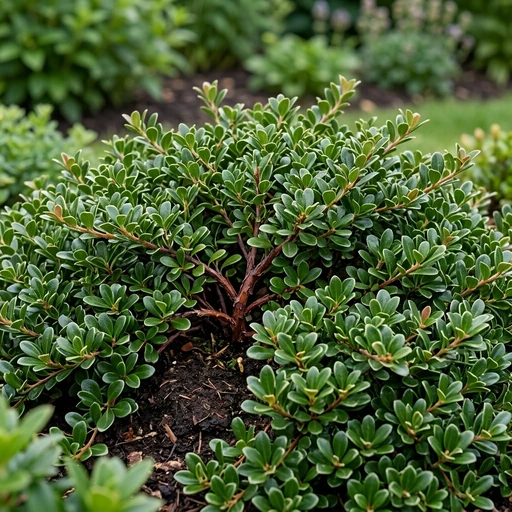
Massachusetts Common Bearberry
Arctostaphylos uva-ursi 'Massachusetts'
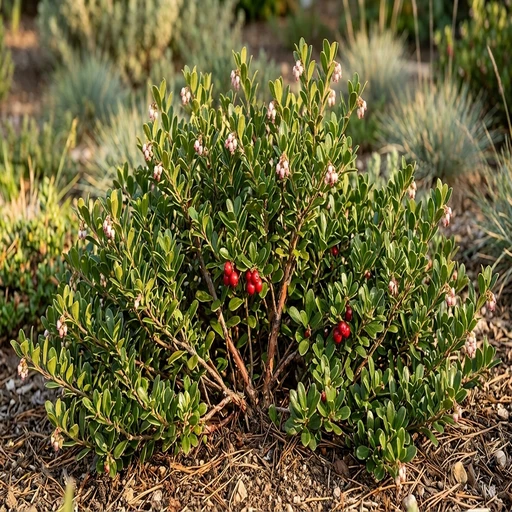
Bearberry
Arctostaphylos uva-ursi
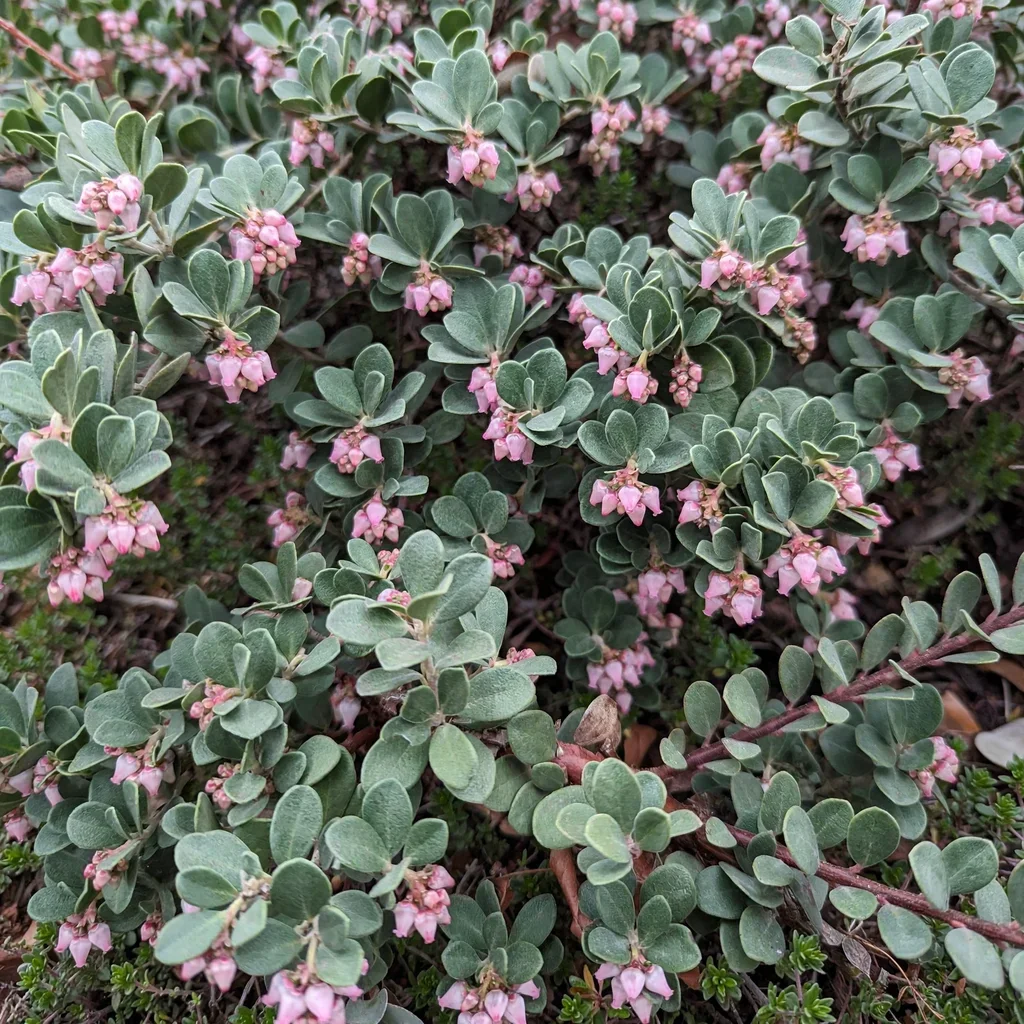
Ron Clendenen Manzanita
Arctostaphylos x media 'Ron Clendenen'
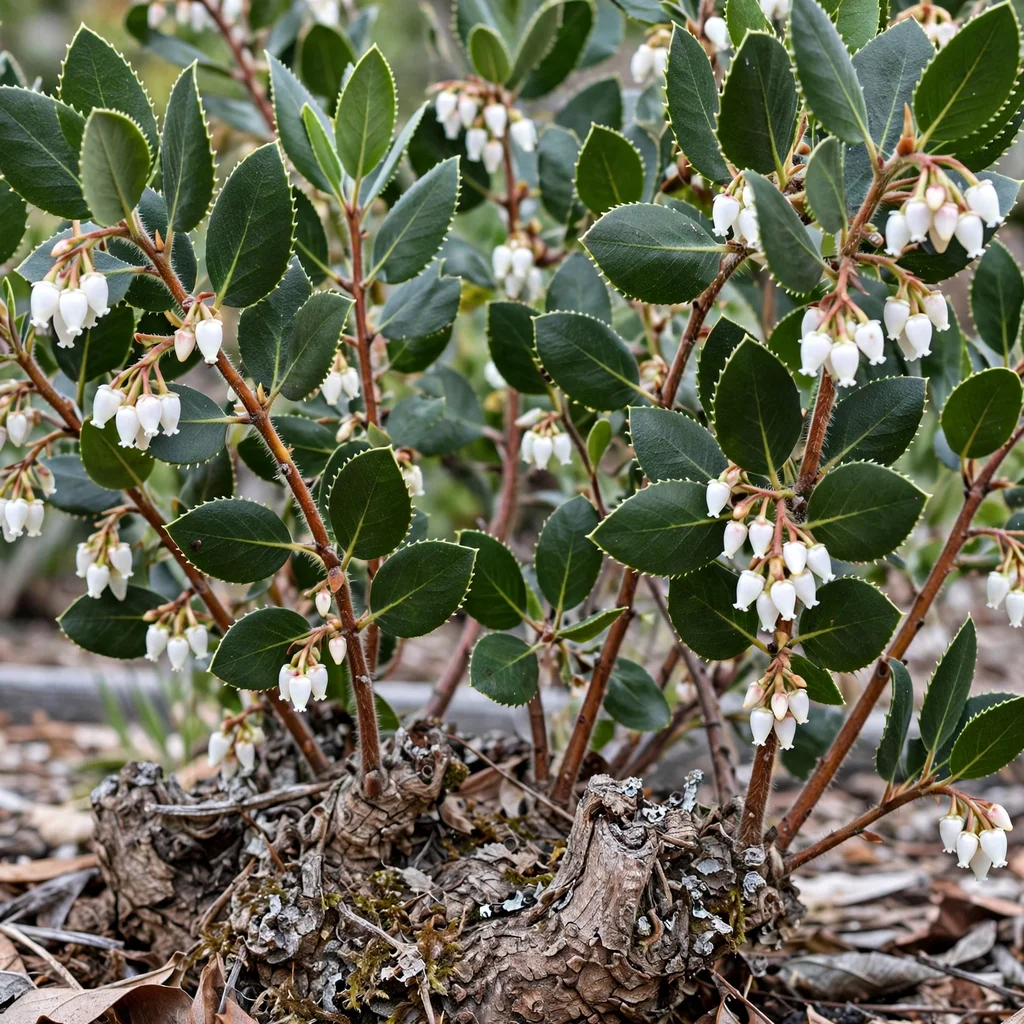
Brittleleaf Manzanita
Arctostaphylos crustacea
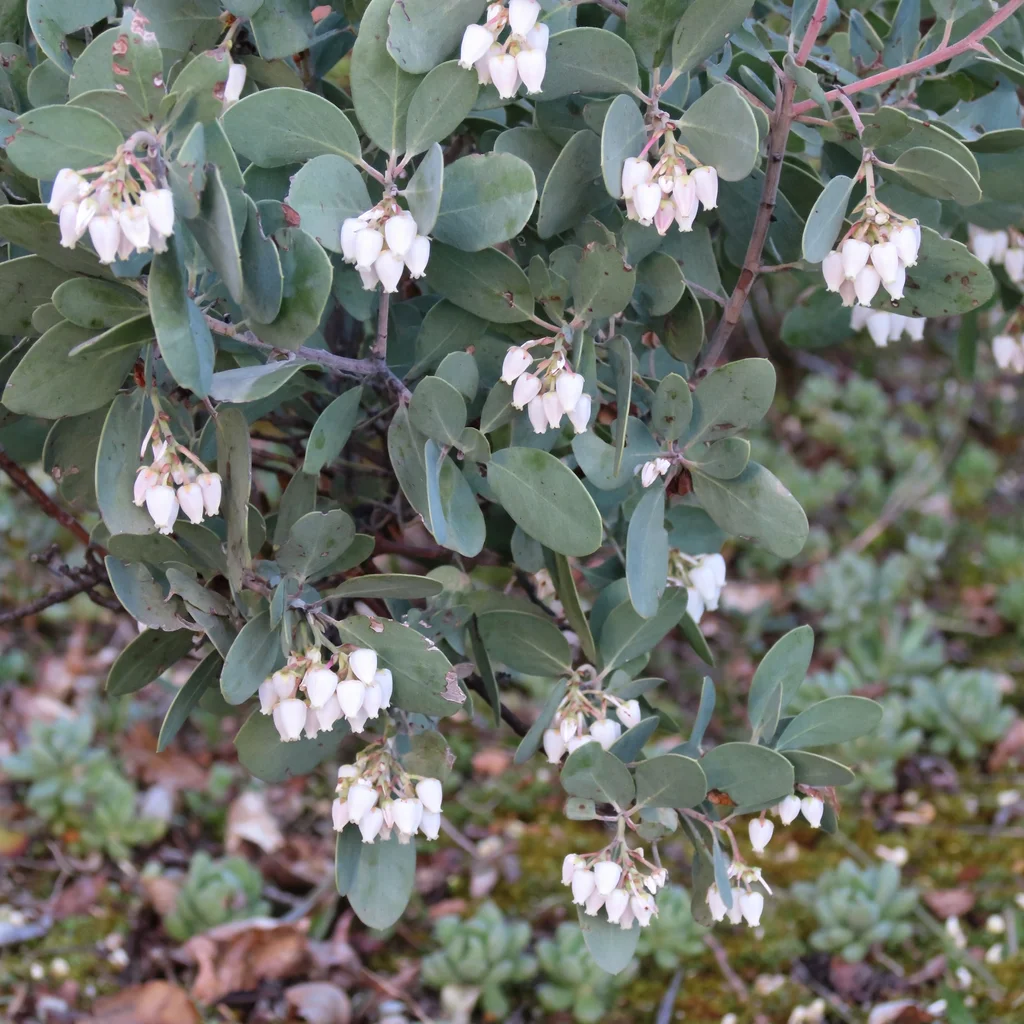
Common Manzanita
Arctostaphylos manzanita
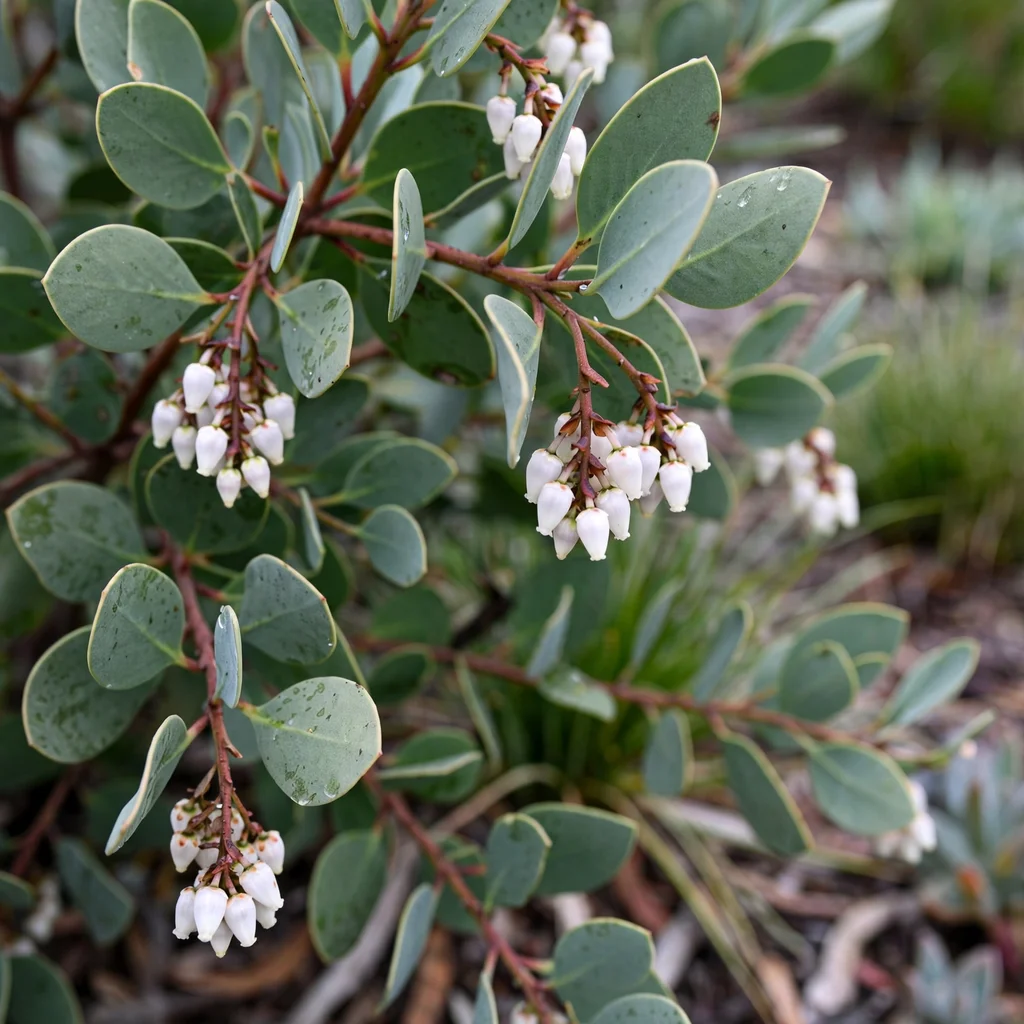
Rainbow Manzanita
Arctostaphylos rainbowensis
Keep exploring
Explore the genus
Grow Woollyleaf Manzanita with confidence
See it in a design of your actual yard, get zone-matched care reminders, and track it season by season in your garden journal.