The Story
Plant Bio
Rosa pinetorum, the pine rose, is a dwarf rhizomatous subshrub reaching three to five feet in cultivation, erect and openly branched and spreading by rhizomes into open colonies. The leaves are three to seven cm long with five to seven elliptic leaflets with multi-serrate gland-tipped teeth, pale beneath, and the single deep pink flowers two to four cm across are followed by scarlet subglobose hips about ten mm long.
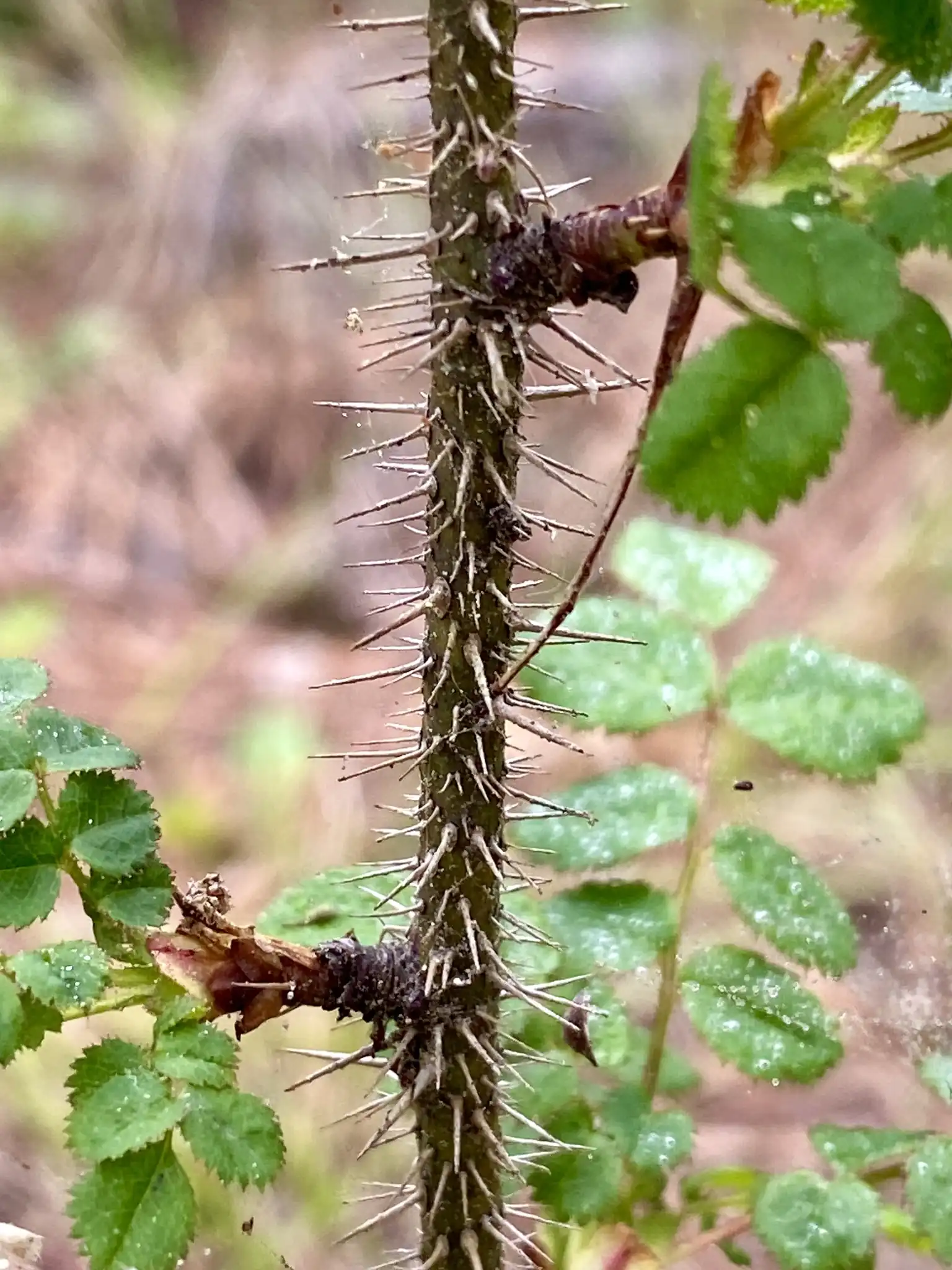
In current use it is a strict Monterey Bay endemic of seasonally moist openings in Monterey and bishop pine forest and maritime chaparral below seven hundred feet. Stems carry stout infrastipular prickles three to ten mm long with dense smaller internodal prickles, and material sold under this name from the Sierra Nevada or broader Coast Ranges is almost always R. bridgesii.
Uses & Benefits:
Essentials
At a Glance
Plant Type
Shrub
Height
60"
Width
36"
Light
Full Sun, Partial Sun, Shade
Zones
9, 10
Water
Low
Humidity
Moderate
Lifespan
Woody perennial
Native To
California - Monterey Bay coast
Toxicity
Unknown; spiny stems
Bloom period
Late spring – Early summer
In flower about 2 months of the year
Planting
How to Grow
- Plant in fall to early spring in full sun to part shade with room for air circulation.
- Set into well-drained, fertile soil and water in to settle the roots.
- Water through the first dry season, then reduce to low, seasonally moist watering.
- Allow rhizome spread to form an open colony and prune only to remove dead wood.
Pro Tip
Give it full sun to shade with lean, well-drained soil and open spacing for air movement, and allow room for rhizomes to form an open colony.
Keep It Thriving
Care Guide
Do
- Do plant in open spacing for good air circulation.
- Do keep soil seasonally moist but never waterlogged.
- Do leave hips in place for fall display and wildlife.
Don't
- Do not plant in heavy, poorly drained soil.
- Do not crowd into dense shade with no airflow.
- Do not assume inland or Sierra Nevada stock is true pinetorum.
Seasonal Care Calendar
| Task | Jan | Feb | Mar | Apr | May | Jun | Jul | Aug | Sep | Oct | Nov | Dec |
|---|---|---|---|---|---|---|---|---|---|---|---|---|
| Mulch | ||||||||||||
| Pest Check | ||||||||||||
| Plant | ||||||||||||
| Prune |
Watch Out For
Pests & Diseases
Common Pests
Common Diseases
In the Garden
Landscape Uses & Companions
Landscape Uses
Multiply
Propagation Methods
Good to Know
Common Questions
Pine Rose questions
What zones can Pine Rose grow in?
Pine Rose is hardy in USDA Zones 9–10: in that range it survives winter in the ground. Colder than Zone 9, grow it in a container you can move to shelter for the winter.
When does Pine Rose bloom?
Pine Rose typically blooms from late spring to early summer. Exact timing shifts a week or two with your zone — Sow's bloom calendar maps it to your garden.
Does Pine Rose need full sun?
Pine Rose does best in full sun to part shade. In hot climates, afternoon shade keeps blooms fresher longer.
Is Pine Rose drought tolerant?
Yes — once established (usually after the first full season), Pine Rose handles dry spells with minimal watering. Water deeply its first year to build the root system that makes that possible.
More Rosa to compare
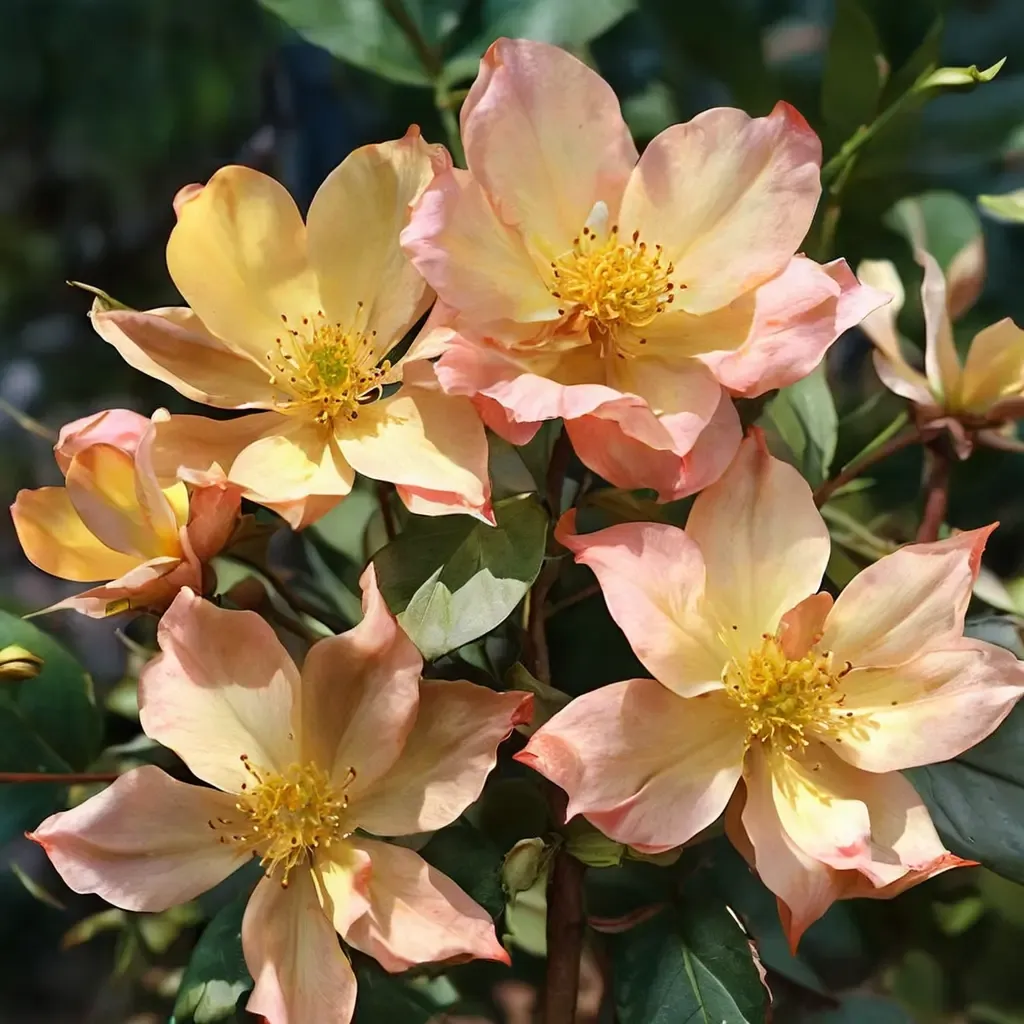
Flutterbye Rose
Rosa x hybrida 'Flutterbye'
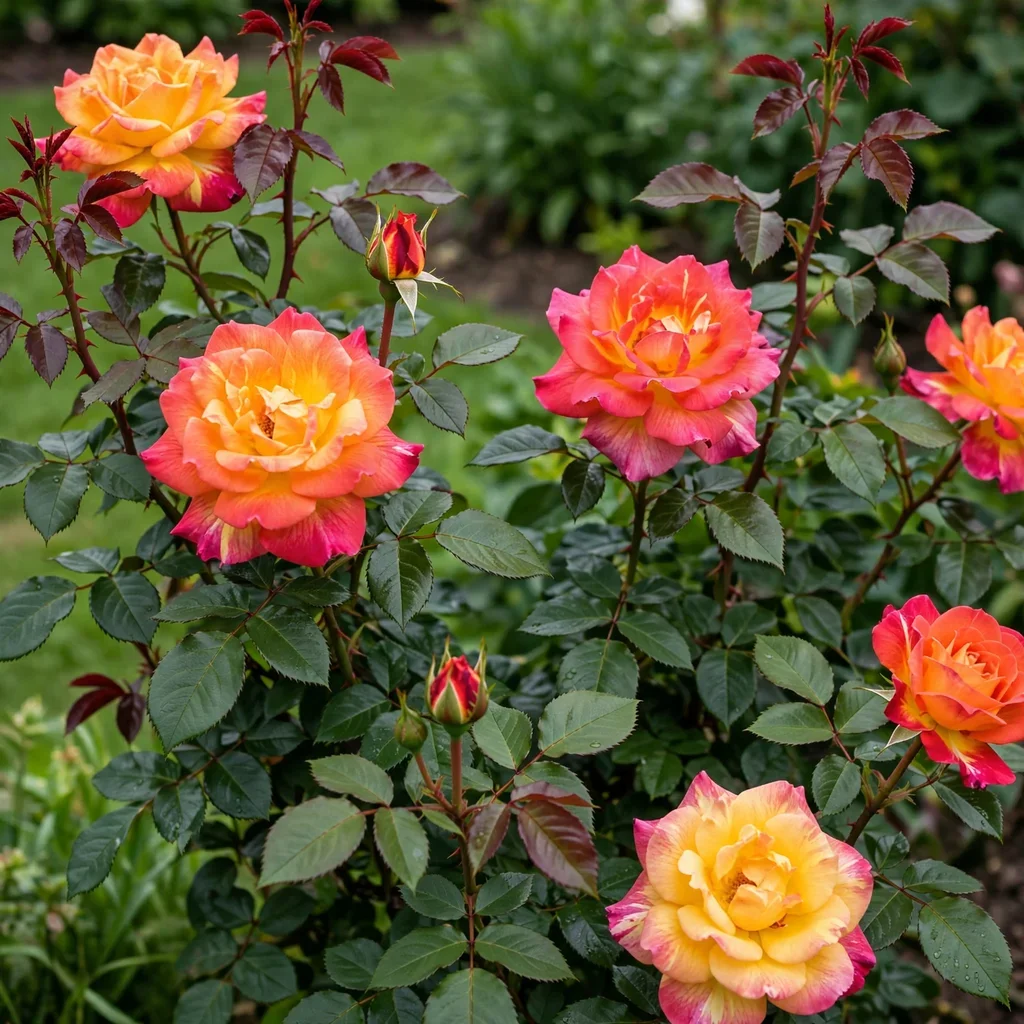
Joseph's Coat Rose
Rosa x hybrida 'Joseph's Coat'
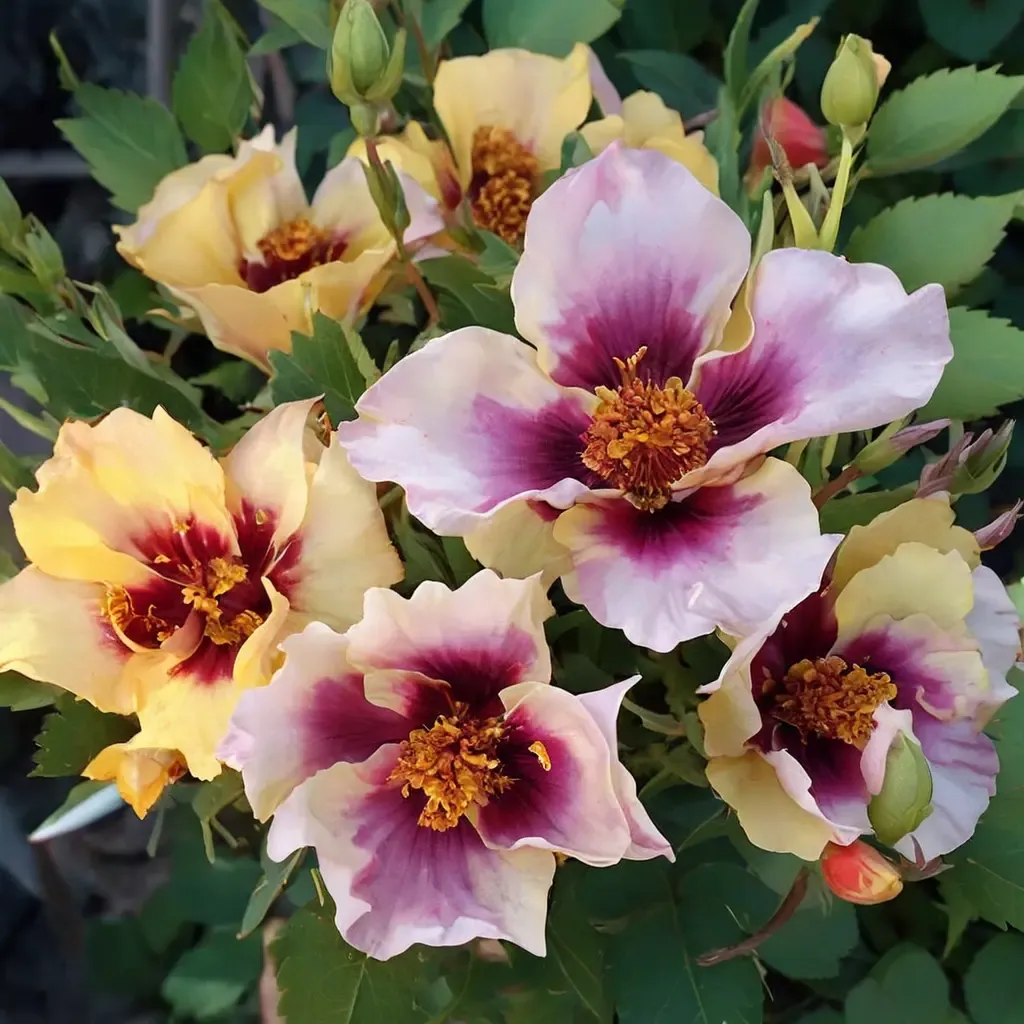
In Your Eyes Rose
Rosa x hybrida 'In Your Eyes'
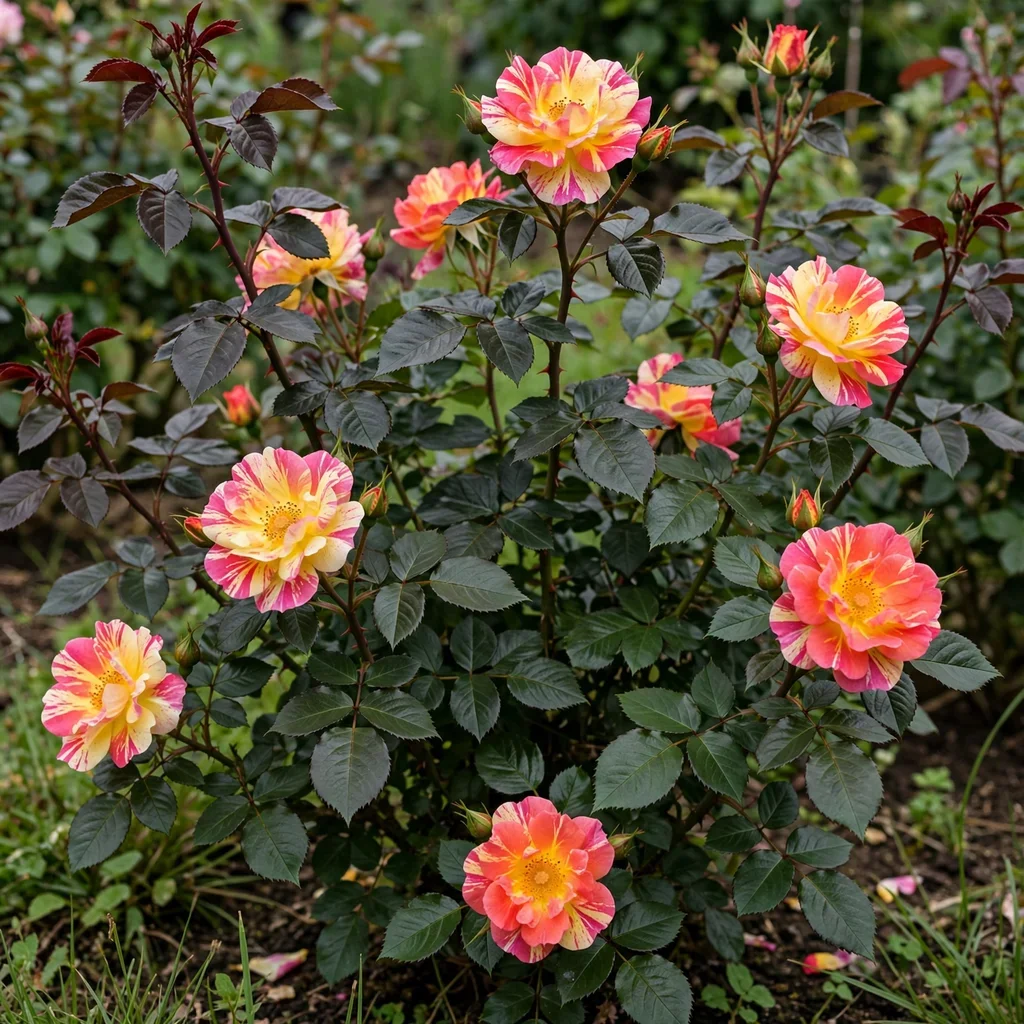
Rainbow Rose
Rosa x hybrida 'Rainbow'
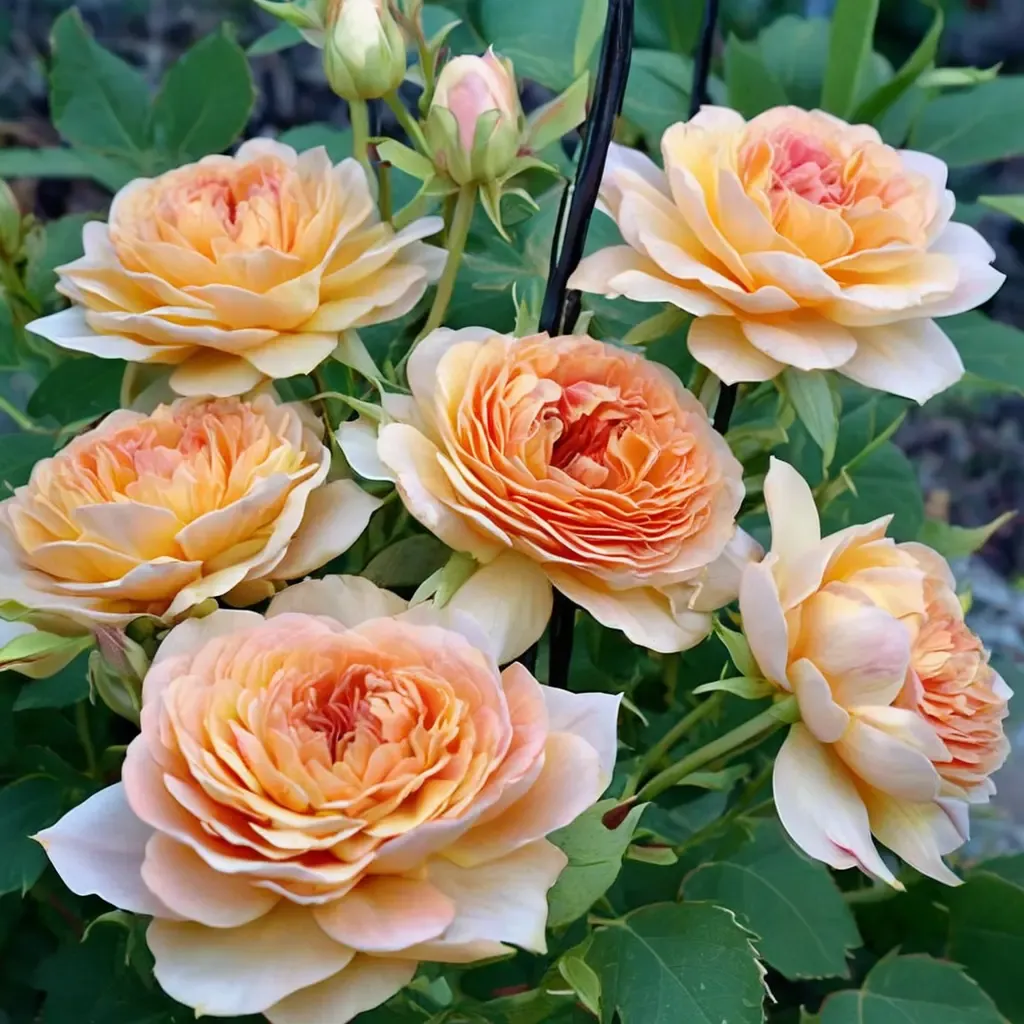
Fun in the Sun Rose
Rosa x hybrida 'Fun in the Sun'
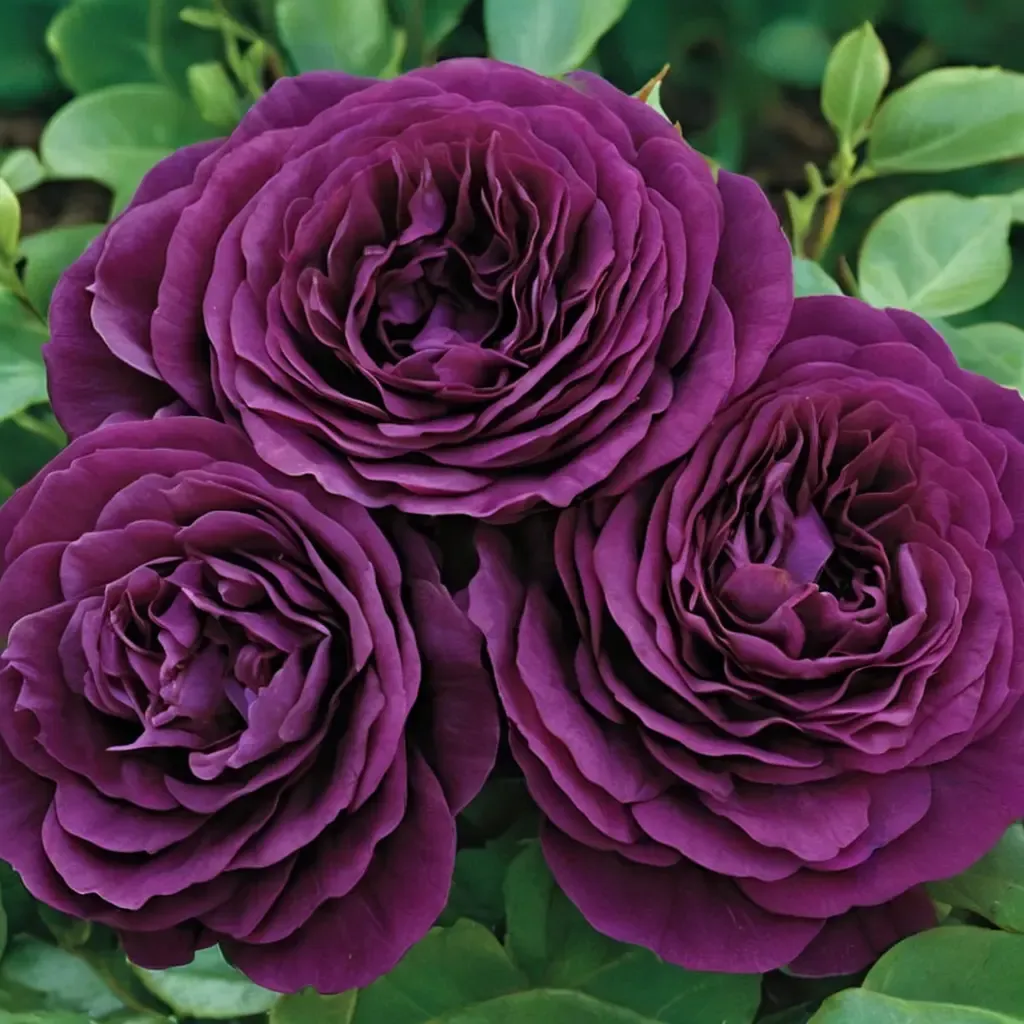
Twilight Zone Rose
Rosa x hybrida 'Twilight Zone'
Keep exploring
Explore the genus
Guides
Hardy in your zone?
Grow Pine Rose with confidence
See it in a design of your actual yard, get zone-matched care reminders, and track it season by season in your garden journal.