The Story
Plant Bio
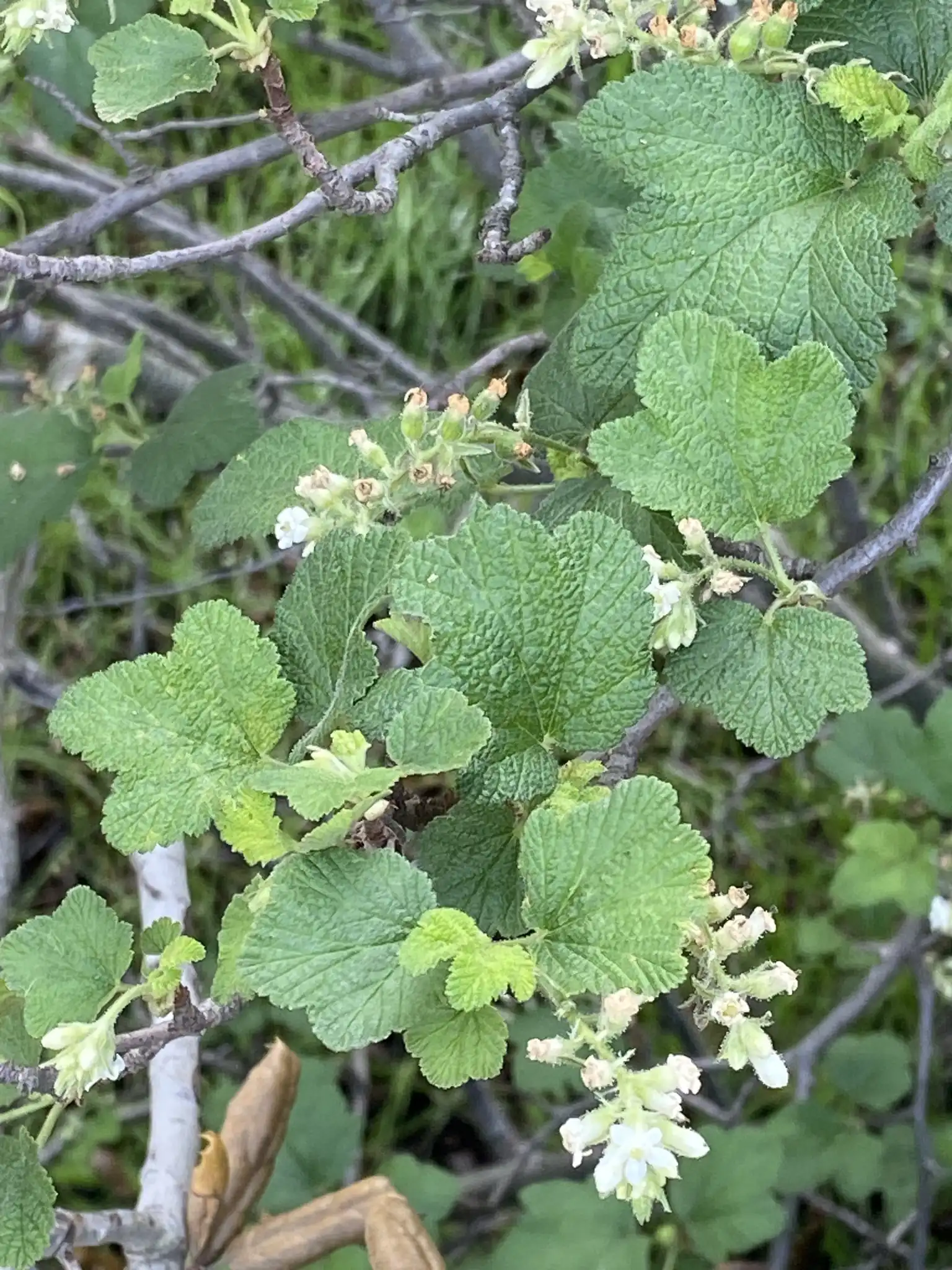
Ribes indecorum is an upright, bushy deciduous shrub native to chaparral and coastal sage scrub habitats of Southern California and northern Baja California. Its resinous, bright green leaves are deeply lobed with whitish-downy undersides that release a strong, aromatic scent when brushed.
Unlike many native currants, this species lacks spiny thorns and flowers during the coldest months, bearing drooping racemes of white to cream blossoms accented by pinkish bracts from December through April. The winter flowers provide essential early nectar for hummingbirds before ripening into dark purple berries eaten by songbirds.
Uses & Benefits:
Essentials
At a Glance
Plant Type
Shrub
Height
120"
Width
96"
Light
Full Sun, Partial Sun
Zones
5, 6, 7, 8, 9
Water
Low
Humidity
Dry to Moderate
Lifespan
Perennial
Native To
Southern California, Northern Baja California
Toxicity
Non-toxic
Bloom period
Winter – Spring
In flower about 6 months of the year
Planting
How to Grow
- Select a site in full sun to partial shade with lean, well-draining soil.
- Plant in autumn or winter so winter rains can establish the root system before summer heat.
- Water thoroughly at planting, then supplement water only during extended winter dry spells in its first year.
- Allow the plant to enter its natural summer dormancy without supplemental watering once rooted.
Pro Tip
Provide excellent drainage and withhold all summer irrigation once established, as applying water during warm summer dormancy encourages fatal root rot.
Keep It Thriving
Care Guide
Do
- Plant in lean, unamended soil with sharp drainage.
- Prune lightly right after spring flowering finishes to maintain a neat habit.
- Provide partial shade when growing in hot inland locations.
Don't
- Do not fertilize, as rich soil causes leggy growth and shortens lifespan.
- Do not water during hot summer months after the plant is established.
- Do not prune heavily into old, leafless woody branches.
Seasonal Care Calendar
| Task | Jan | Feb | Mar | Apr | May | Jun | Jul | Aug | Sep | Oct | Nov | Dec |
|---|---|---|---|---|---|---|---|---|---|---|---|---|
| Pest Check | ||||||||||||
| Plant | ||||||||||||
| Propagate | ||||||||||||
| Prune |
Watch Out For
Pests & Diseases
Common Pests
Common Diseases
In the Garden
Landscape Uses & Companions
Landscape Uses
Companion Plants
Multiply
Propagation Methods
Good to Know
Common Questions
Whiteflower Currant questions
What zones can Whiteflower Currant grow in?
Whiteflower Currant is hardy in USDA Zones 5–9: in that range it survives winter in the ground. Colder than Zone 5, grow it in a container you can move to shelter for the winter. Warmer than Zone 9, winter isn't the problem: it prefers colder winters, and summer heat can shorten its life.
Is Whiteflower Currant deer resistant?
Not reliably. Deer may browse Whiteflower Currant, especially tender spring growth — plan on repellents or fencing where pressure is high.
When does Whiteflower Currant bloom?
Whiteflower Currant typically blooms from winter to spring. Exact timing shifts a week or two with your zone — Sow's bloom calendar maps it to your garden.
Does Whiteflower Currant need full sun?
Whiteflower Currant does best in full sun to part shade. In hot climates, afternoon shade keeps blooms fresher longer.
Is Whiteflower Currant drought tolerant?
Yes — once established (usually after the first full season), Whiteflower Currant handles dry spells with minimal watering. Water deeply its first year to build the root system that makes that possible.
More Ribes to compare
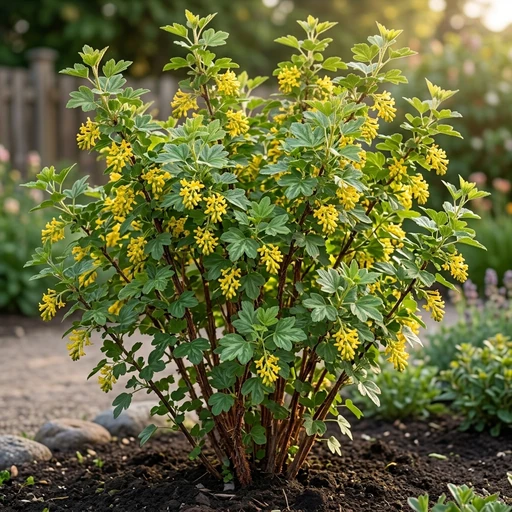
Golden Currant
Ribes aureum
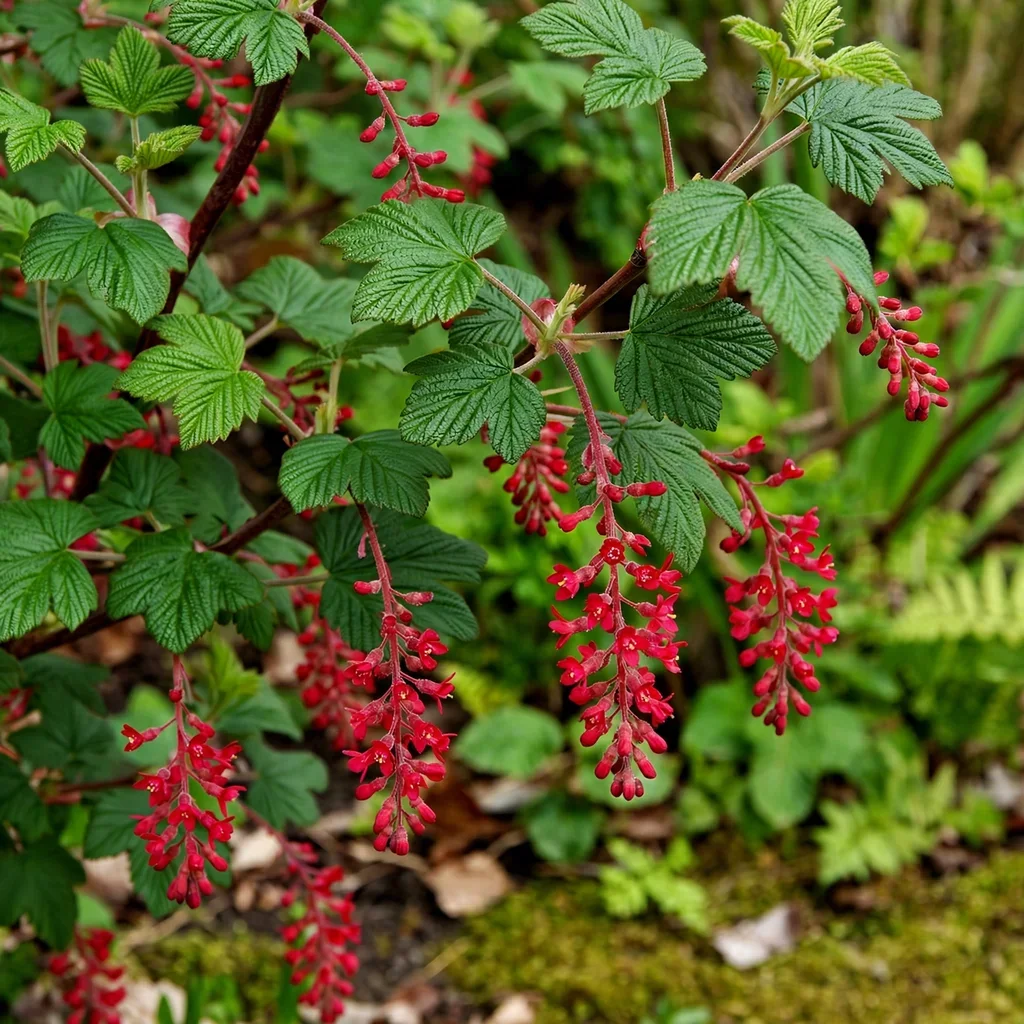
King Edward VII Flowering Currant
Ribes sanguineum 'King Edward VII'
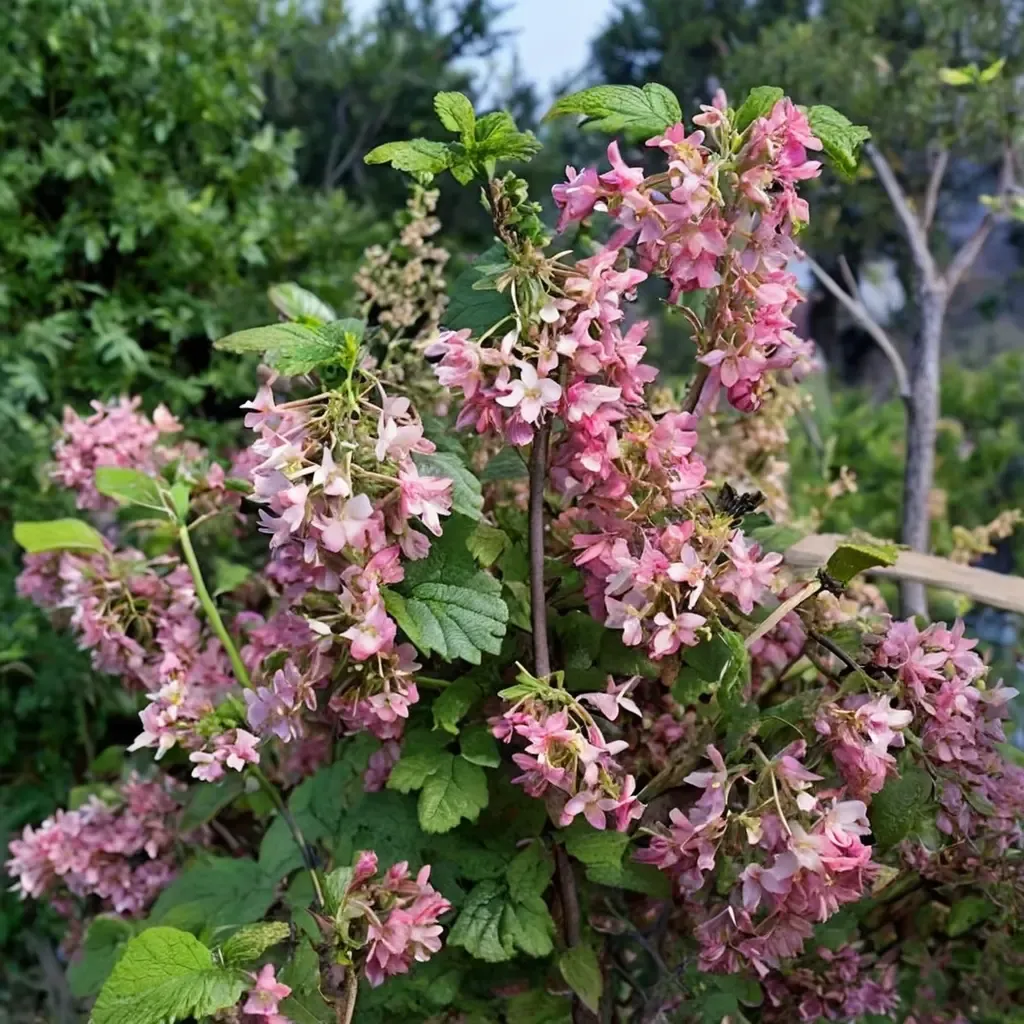
Claremont Currant
Ribes sanguineum 'Claremont'
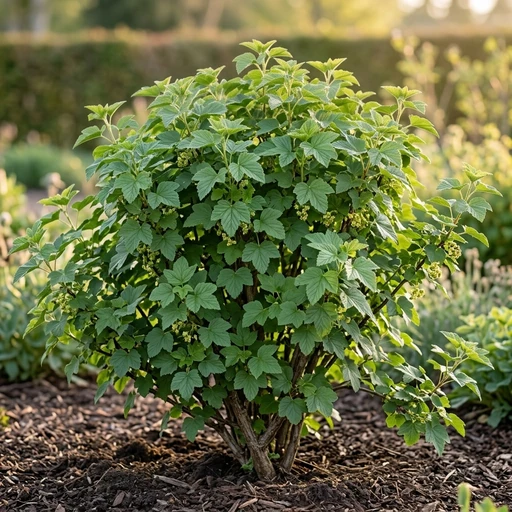
Alpine Currant
Ribes alpinum
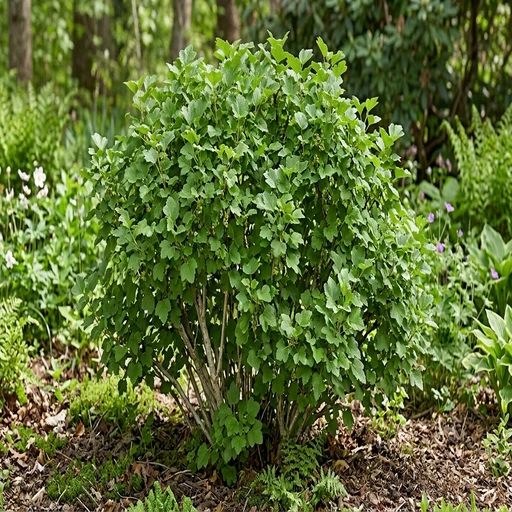
Green Mound Alpine Currant
Ribes alpinum 'Green Mound'
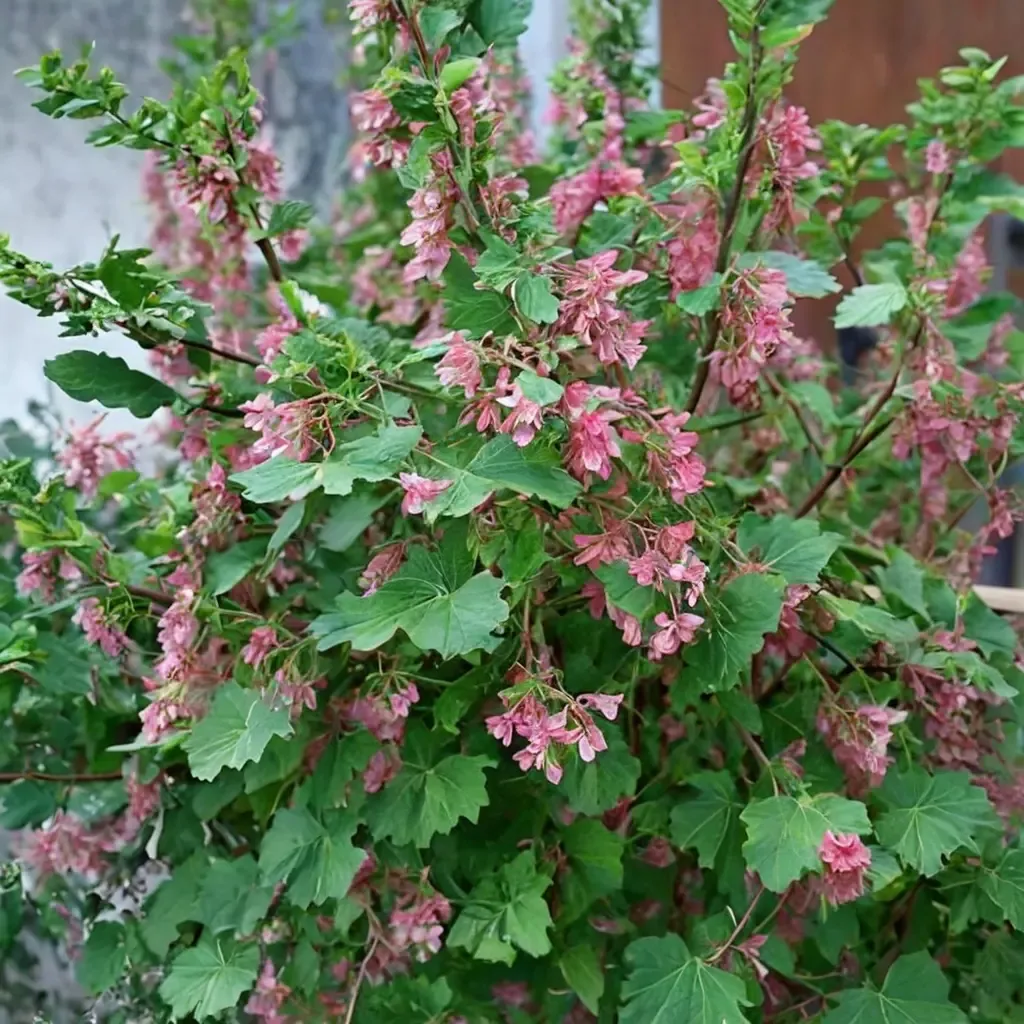
Pink-Flowering Currant
Ribes sanguineum 'glutinosum'
Keep exploring
Explore the genus
Hardy in your zone?
Grow Whiteflower Currant with confidence
See it in a design of your actual yard, get zone-matched care reminders, and track it season by season in your garden journal.