The Story
Plant Bio
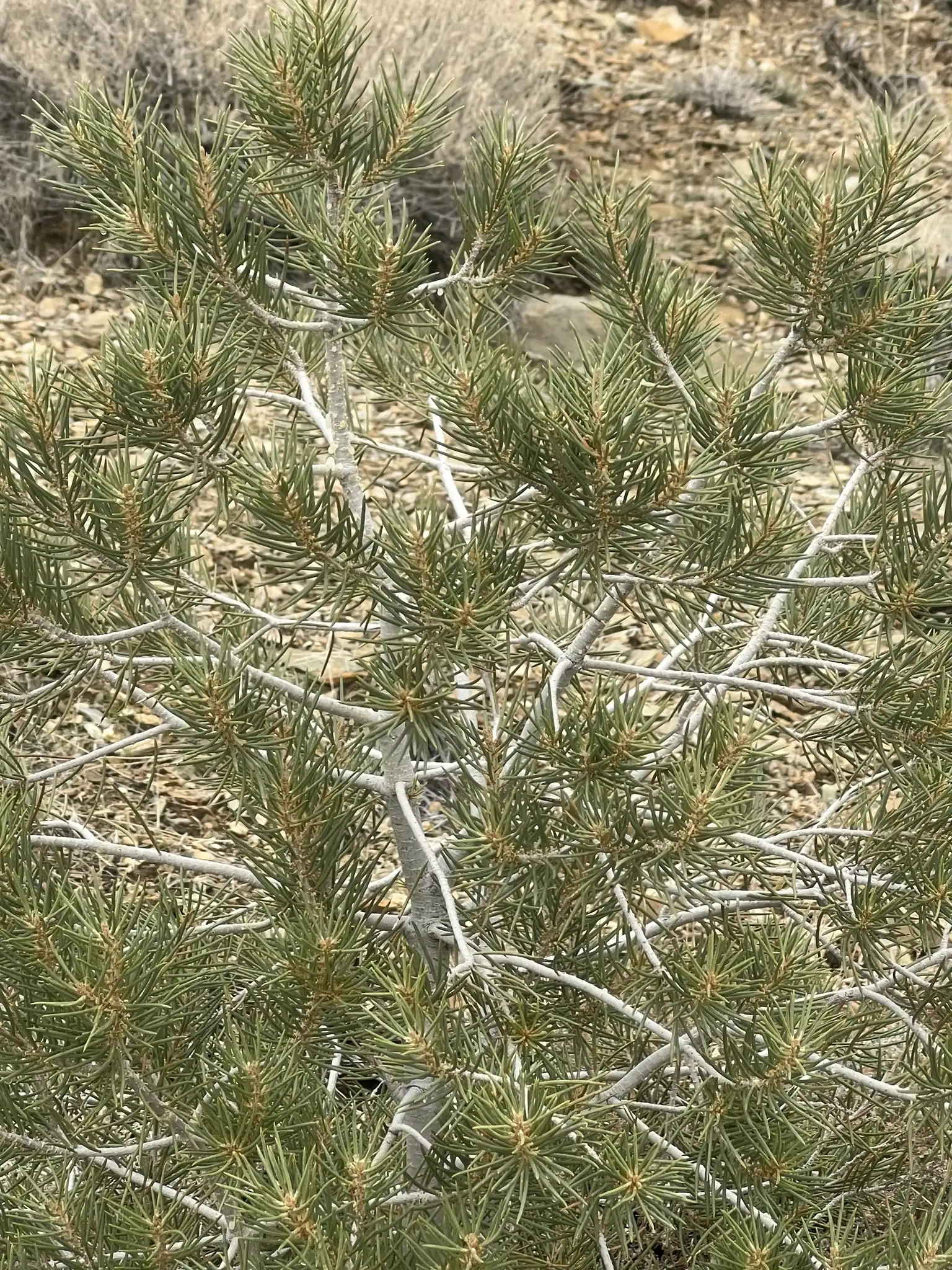
Pinus monophylla, the single-leaf pinyon, is a slow-growing evergreen tree native to the arid mountain ranges and high basins of the western United States. It forms a low-branching, bushy crown that reaches ten to thirty feet tall in cultivated landscapes.
Unlike almost all other pines that bear needles in clusters of two to five, this species produces stiff, curved needles solitary per fascicle. Its purplish-brown cones mature in autumn of the second year, yielding large, oil-rich edible seeds.
Uses & Benefits:
Essentials
At a Glance
Plant Type
Tree
Height
394"
Width
315"
Light
Full Sun
Zones
6, 7, 8
Water
Low
Humidity
Low
Lifespan
Perennial
Native To
North America
Toxicity
Non-toxic
Bloom period
Spring
In flower about 3 months of the year
Planting
How to Grow
- Select a site in full sun with sandy, gravelly, or rocky soil that drains freely.
- Dig a planting hole twice as wide as the root ball and equal in depth, keeping the root collar slightly above the surrounding soil line.
- Backfill with native soil without organic amendments or slow-release fertilizers.
- Water deeply at planting, then water sparingly only during prolonged summer dry spells while establishing.
Pro Tip
Plant in sharply draining mineral soil and avoid cutting back into older bare wood, as branches will not resprout from adventitious buds.
Keep It Thriving
Care Guide
Do
- Provide absolute full sun and sharp soil drainage.
- Allow soil to dry out completely between waterings.
- Mulch with coarse gravel to suppress weeds and keep the trunk base dry.
Don't
- Do not apply nitrogen fertilizers, which induce weak, leggy growth.
- Do not plant in clay soils or low spots prone to waterlogging.
- Never prune into old leafless wood.
Seasonal Care Calendar
| Task | Jan | Feb | Mar | Apr | May | Jun | Jul | Aug | Sep | Oct | Nov | Dec |
|---|---|---|---|---|---|---|---|---|---|---|---|---|
| Pest Check | ||||||||||||
| Propagate | ||||||||||||
| Prune | ||||||||||||
| Winter Prep |
Watch Out For
Pests & Diseases
Common Pests
Common Diseases
In the Garden
Landscape Uses & Companions
Landscape Uses
Multiply
Propagation Methods
Good to Know
Common Questions
Single-leaf Pinyon questions
What zones can Single-leaf Pinyon grow in?
Single-leaf Pinyon is hardy in USDA Zones 6–8: in that range it survives winter in the ground. Colder than Zone 6, winters are too cold for it to survive outdoors. Warmer than Zone 8, winter isn't the problem: it prefers colder winters, and summer heat can shorten its life.
Is Single-leaf Pinyon deer resistant?
Not reliably. Deer may browse Single-leaf Pinyon, especially tender spring growth — plan on repellents or fencing where pressure is high.
When does Single-leaf Pinyon bloom?
Single-leaf Pinyon typically blooms in spring. Exact timing shifts a week or two with your zone — Sow's bloom calendar maps it to your garden.
Does Single-leaf Pinyon need full sun?
Single-leaf Pinyon does best in full sun (6+ hours).
Is Single-leaf Pinyon drought tolerant?
Yes — once established (usually after the first full season), Single-leaf Pinyon handles dry spells with minimal watering. Water deeply its first year to build the root system that makes that possible.
More Pinus to compare
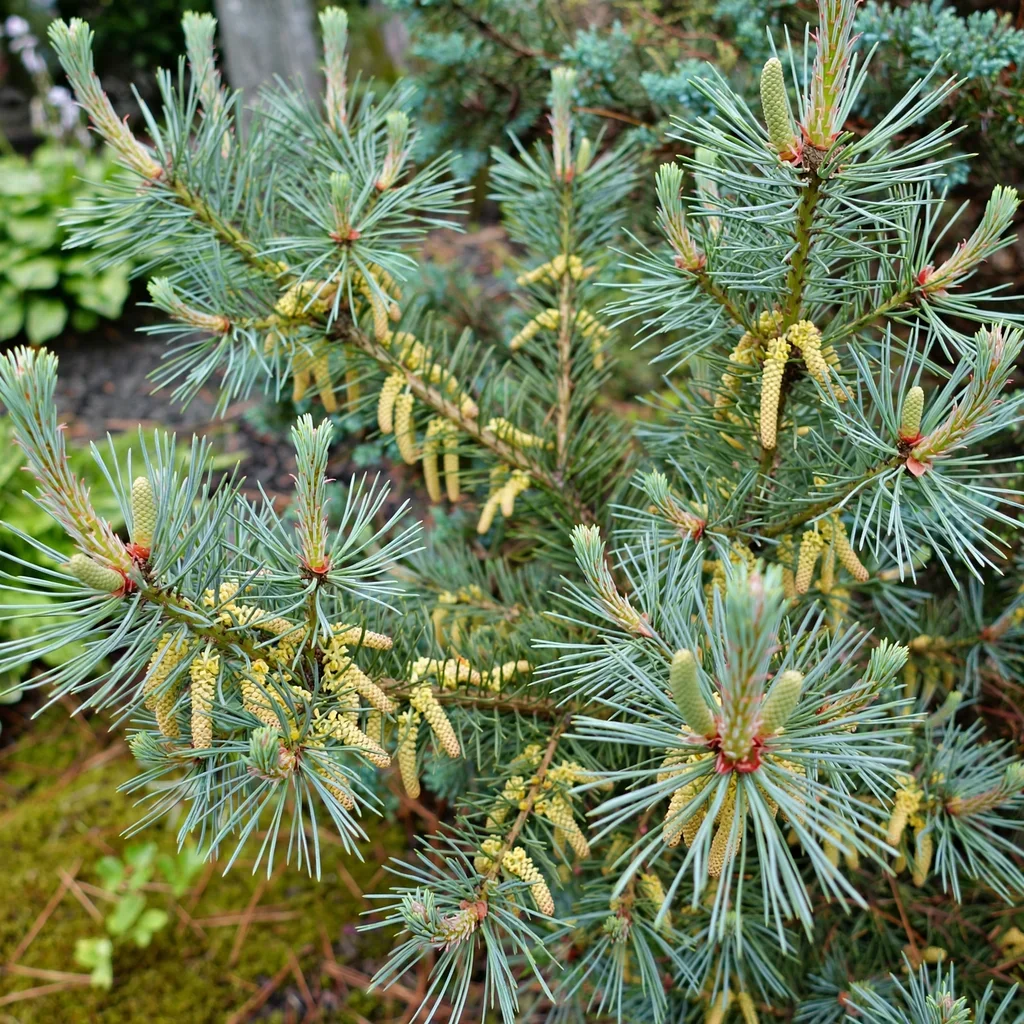
Eastern White Pine
Pinus strobus
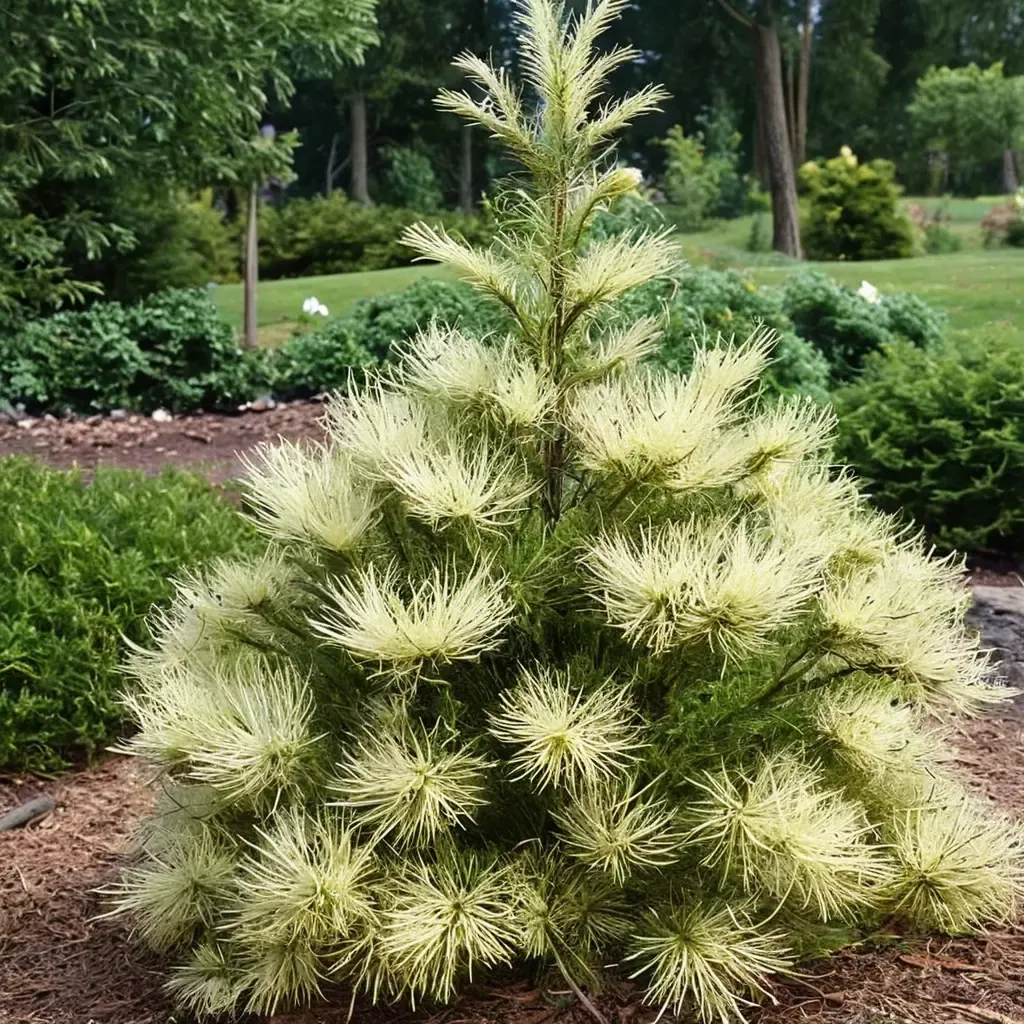
Golden Ghost Pine
Pinus densiflora 'Golden Ghost'
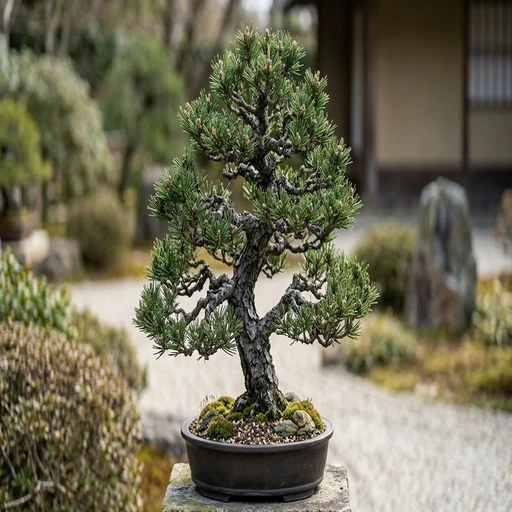
Thunderhead Japanese Black Pine
Pinus thunbergii 'Thunderhead'
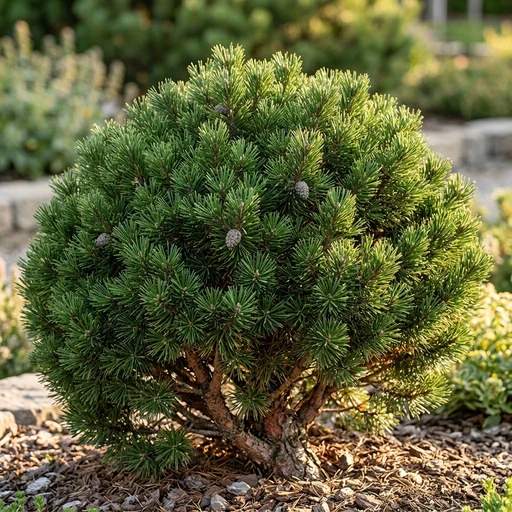
Slowmound Mugo Pine
Pinus mugo 'Slowmound'
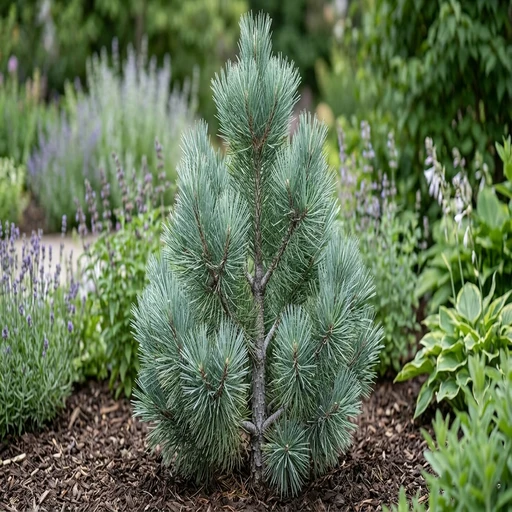
Vanderwolf's Pyramid Limber Pine
Pinus flexilis 'Vanderwolf'
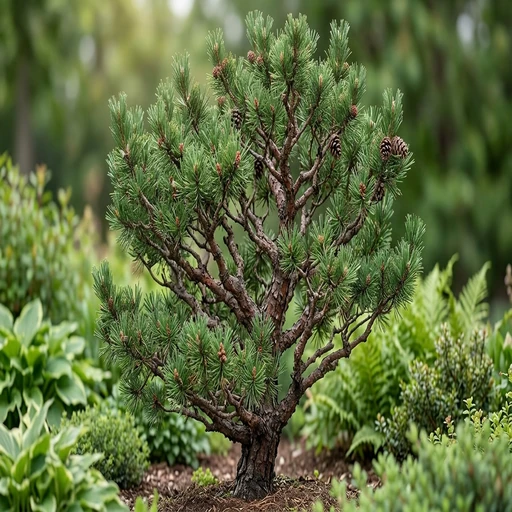
Virginia Pine
Pinus virginiana
Keep exploring
Explore the genus
Hardy in your zone?
Grow Single-leaf Pinyon with confidence
See it in a design of your actual yard, get zone-matched care reminders, and track it season by season in your garden journal.