The Story
Plant Bio
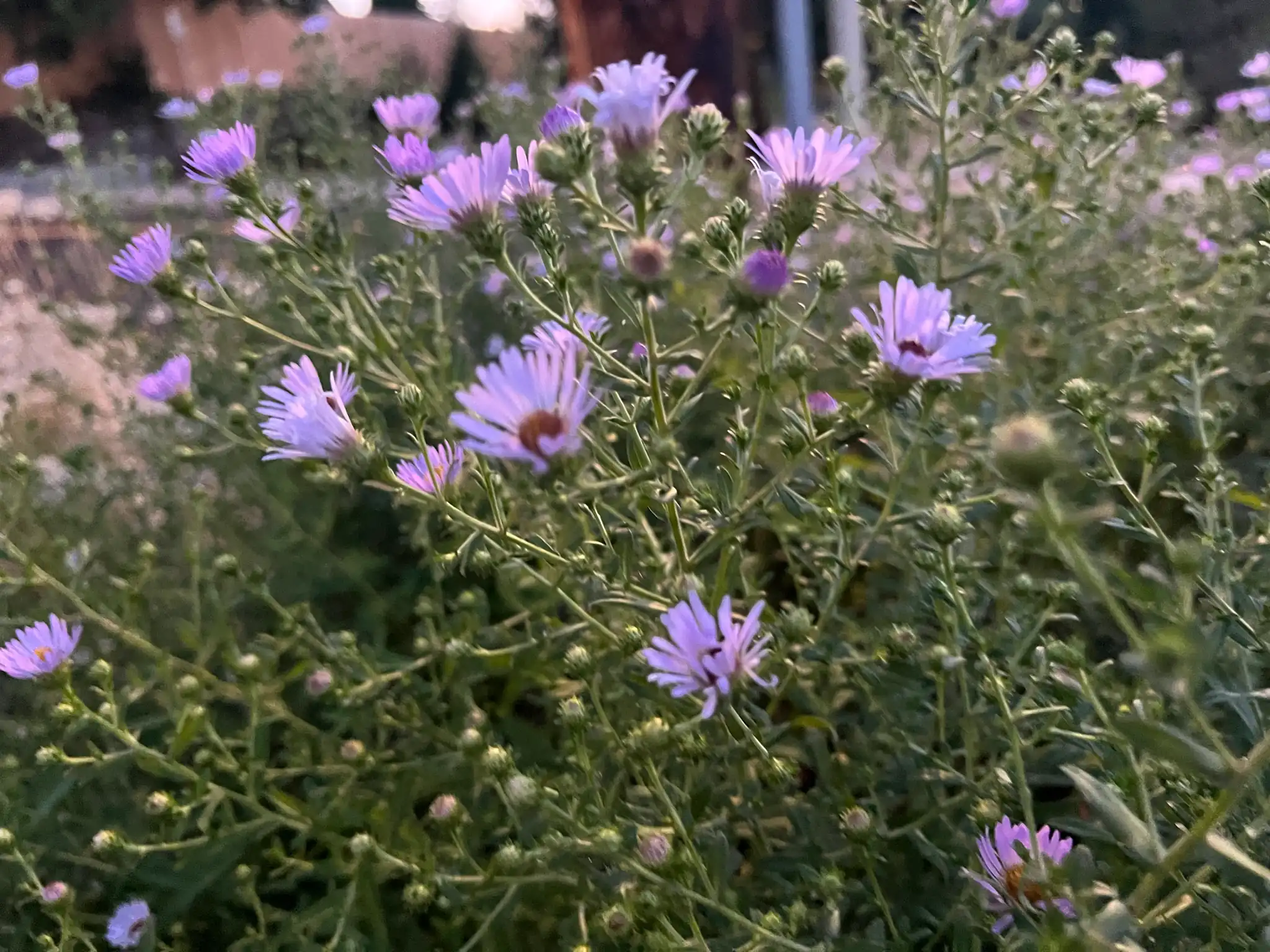
Symphyotrichum subspicatum is a rhizomatous herbaceous perennial native to western North American wetlands, damp woods, and coastal margins. It forms upright, leafy stems that produce open, branching arrays of violet and yellow daisy-like flower heads late in the season.
This species spreads via creeping underground rhizomes to form extensive naturalized colonies over time. Its flower heads feature fifteen to forty-five violet ray florets around central disk florets that age from bright yellow to deep reddish purple.
Uses & Benefits:
Essentials
At a Glance
Plant Type
Perennial
Height
47"
Width
39"
Light
Full Sun, Partial Sun
Zones
4, 5, 6, 7, 8
Water
Medium to High
Humidity
Moderate to High
Lifespan
Perennial
Native To
Western North America
Toxicity
Non-toxic
Bloom period
Summer – Fall
In flower about 6 months of the year
Marketplace
Where to Buy
Shipping costs Year-round shipping Free shipping
Planting
How to Grow
- Select a planting location receiving full sun to partial shade with moist, rich soil.
- Dig a hole as deep as the root system and twice as wide, setting the plant crown flush with the soil line.
- Water deeply at planting time to settle soil around the underground rhizomes.
- Apply a two-inch layer of organic mulch around the root zone to hold soil moisture through summer.
Pro Tip
Divide rhizomatous crowns every three to four years in spring to control garden spread and prevent center stem dieback.
Keep It Thriving
Care Guide
Do
- Keep soil consistently moist throughout the main growing season.
- Divide established clumps in early spring to regulate patch density.
- Provide adequate spacing between plants to maintain foliage airflow.
Don't
- Do not allow the root zone to dry out completely during active summer growth.
- Avoid over-application of nitrogen fertilizer, which leads to weak, floppy stems.
- Do not leave dead foliage on the ground over winter where fungal spores persist.
Seasonal Care Calendar
| Task | Jan | Feb | Mar | Apr | May | Jun | Jul | Aug | Sep | Oct | Nov | Dec |
|---|---|---|---|---|---|---|---|---|---|---|---|---|
| Divide | ||||||||||||
| Pest Check | ||||||||||||
| Spring Cleanup | ||||||||||||
| Winter Prep |
Watch Out For
Pests & Diseases
Common Pests
Common Diseases
In the Garden
Landscape Uses & Companions
Landscape Uses
Multiply
Propagation Methods
Good to Know
Common Questions
Douglas's Aster questions
What zones can Douglas's Aster grow in?
Douglas's Aster is hardy in USDA Zones 4–8: in that range it survives winter in the ground. Warmer than Zone 8, winter isn't the problem: it prefers colder winters, and summer heat can shorten its life.
Is Douglas's Aster deer resistant?
Not reliably. Deer may browse Douglas's Aster, especially tender spring growth — plan on repellents or fencing where pressure is high.
When does Douglas's Aster bloom?
Douglas's Aster typically blooms from summer to fall. Exact timing shifts a week or two with your zone — Sow's bloom calendar maps it to your garden.
Does Douglas's Aster need full sun?
Douglas's Aster does best in full sun to part shade. In hot climates, afternoon shade keeps blooms fresher longer.
More Symphyotrichum to compare
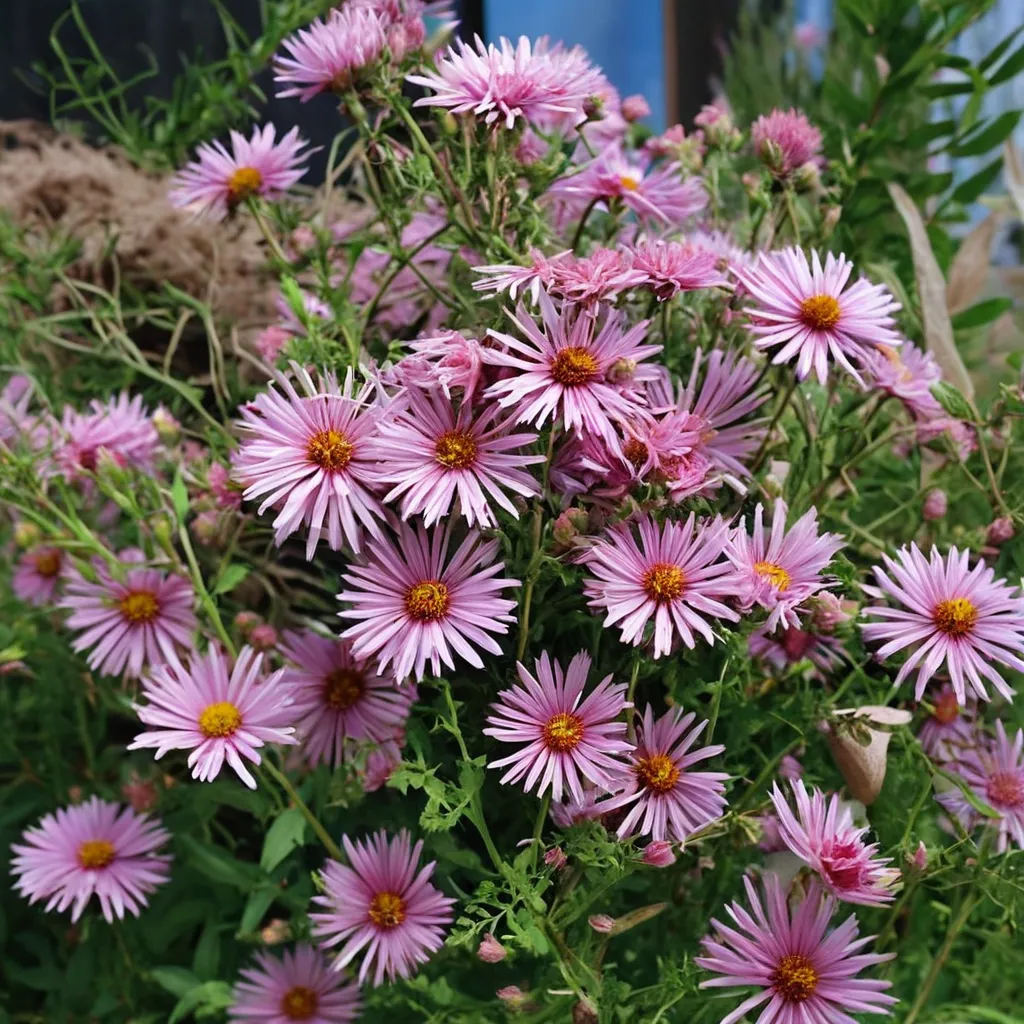
New England Aster Harringtons Pink
Symphyotrichum novae-angliae 'Harringtons Pink'
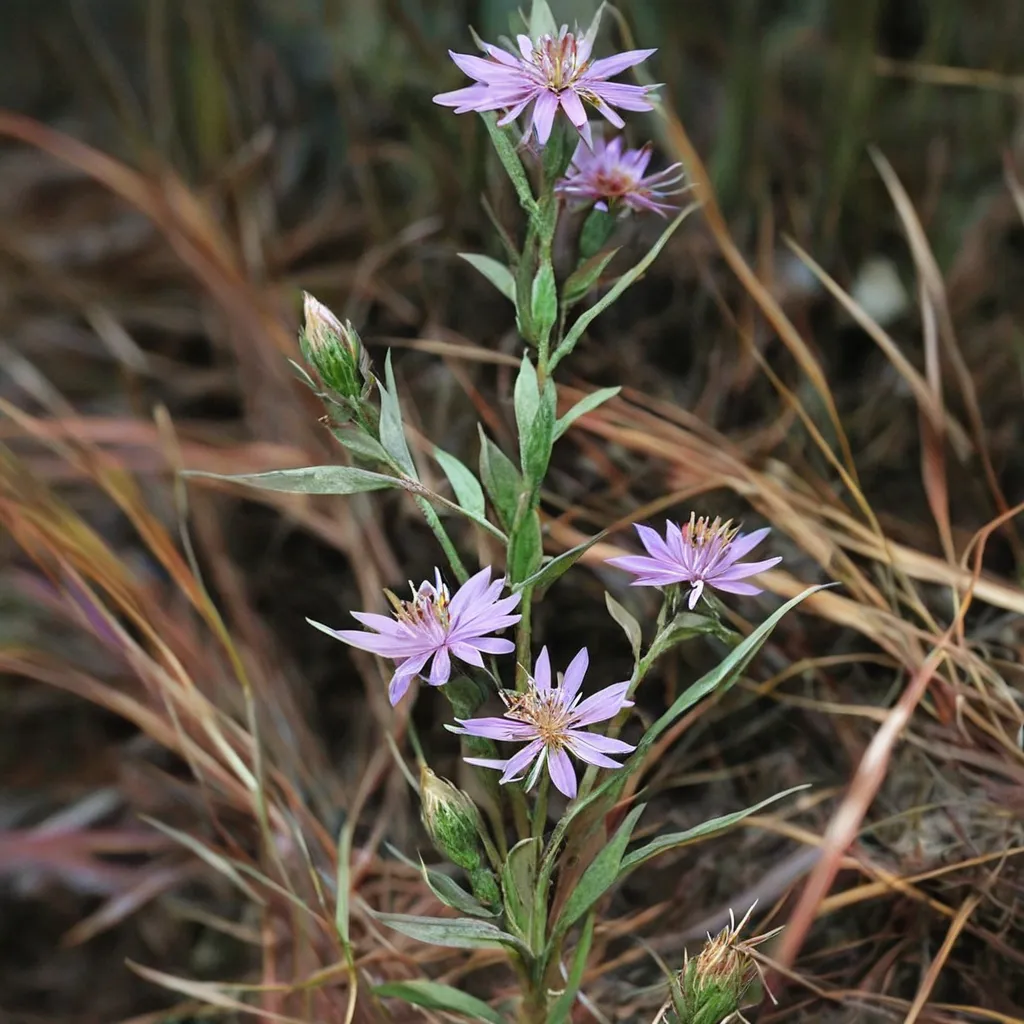
Eastern Silver Aster
Symphyotrichum concolor
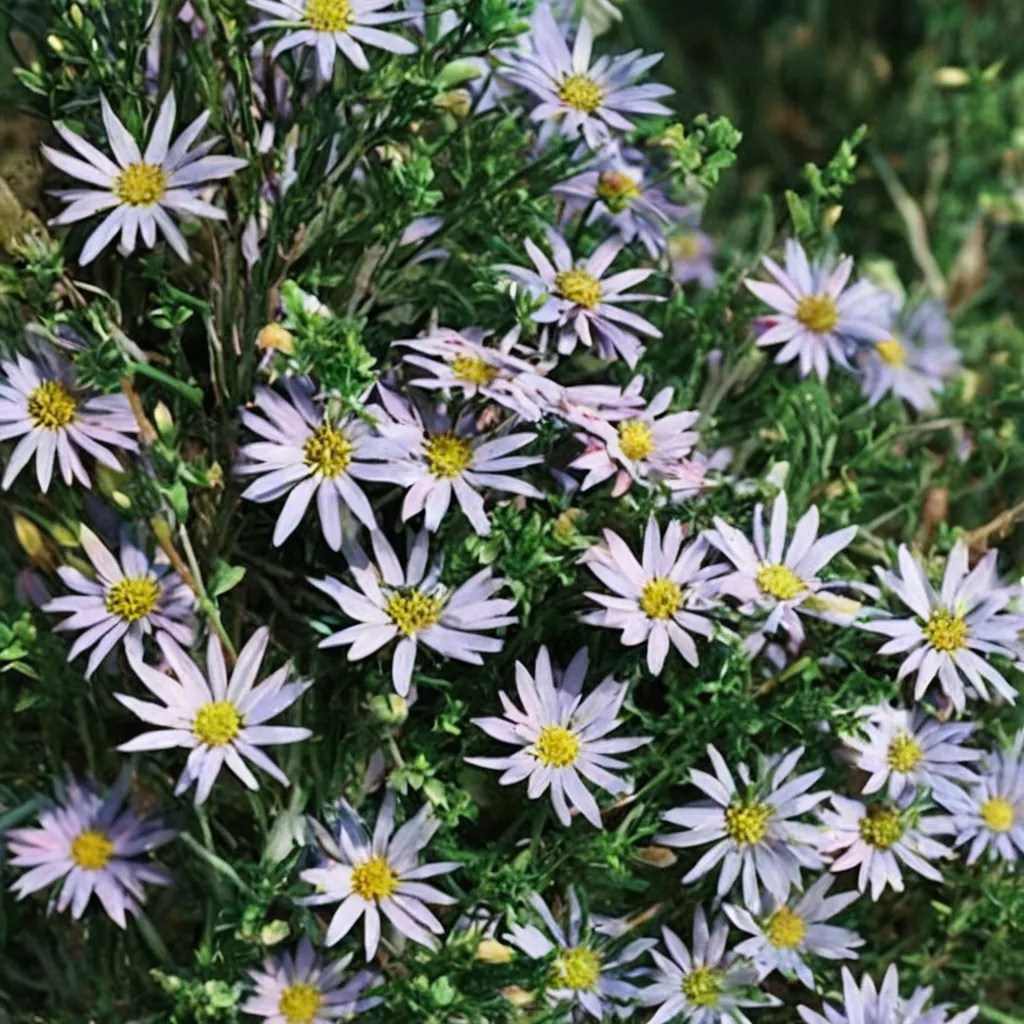
New Mexico Aster My Antonia
Symphyotrichum fendleri 'My Antonia'
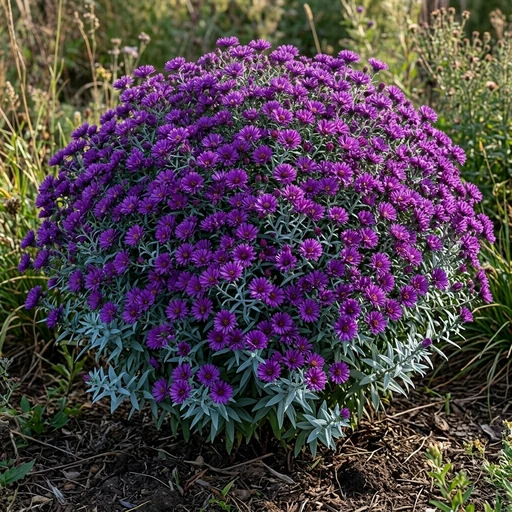
Purple Dome New England Aster
Symphyotrichum novae-angliae 'Purple Dome'
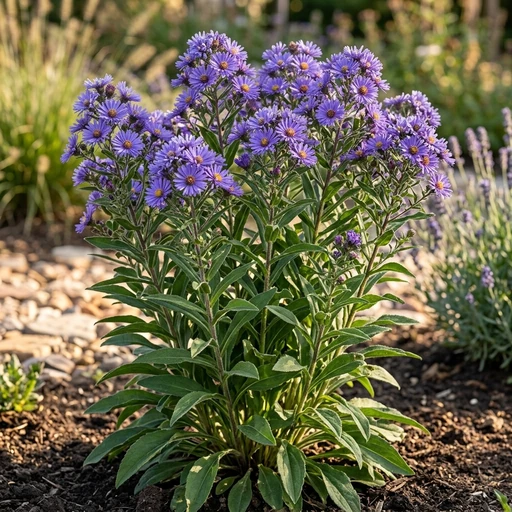
New England Aster
Symphyotrichum novae-angliae
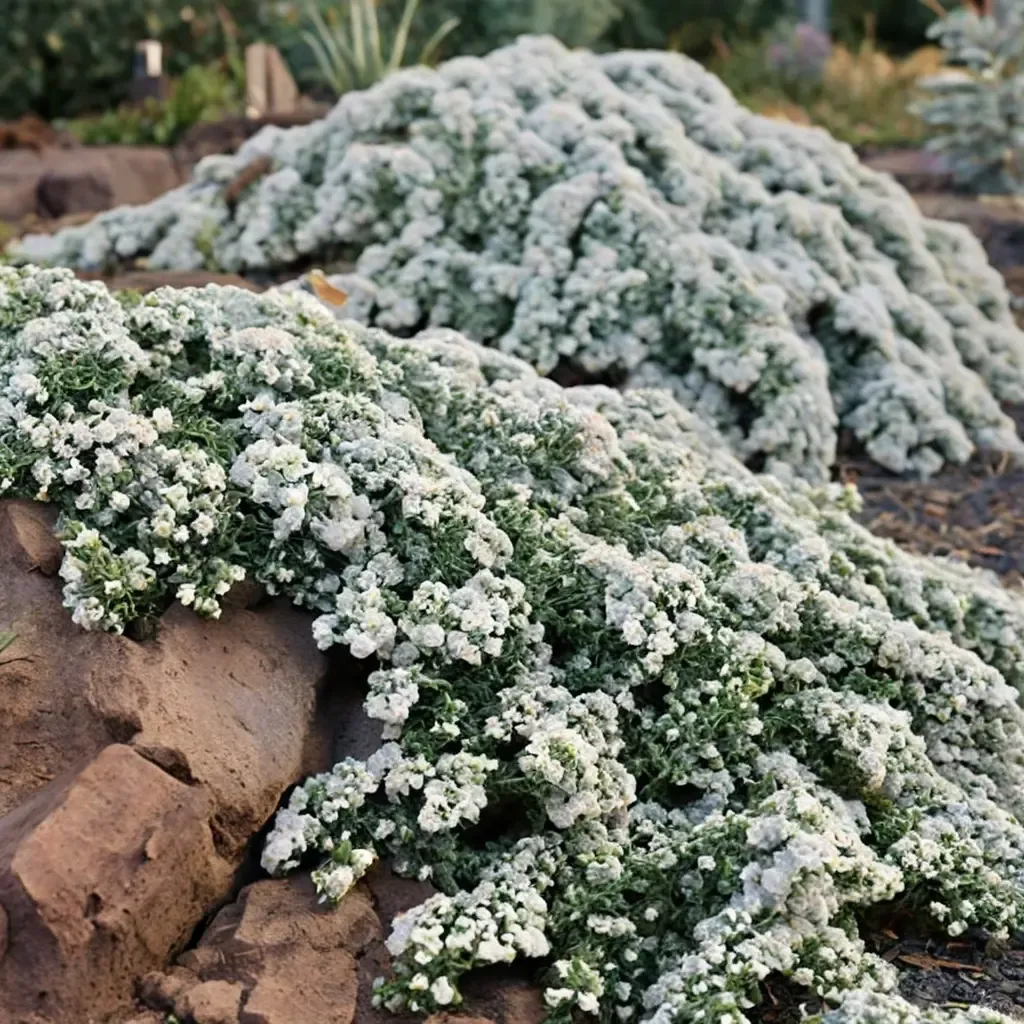
Snow Flurry Heath Aster
Symphyotrichum ericoides 'Snow Flurry'
Keep exploring
Grow Douglas's Aster with confidence
See it in a design of your actual yard, get zone-matched care reminders, and track it season by season in your garden journal.