
The Story
Plant Bio
Pinus sabiniana is a native coniferous tree endemic to dry California foothill slopes and ridges below 4,500 feet elevation. It develops an open, irregular crown on single or multiple crooked trunks, bearing long, drooping, gray-green needles in groups of three.
Distinguished by its thin foliage that casts minimal shade, this pine produces heavy, spiny cones weighing up to five pounds that persist on branches for years. The large, nutritious seeds serve as an important food source for scrub jays, squirrels, and small native rodents.
Uses & Benefits:
Essentials
At a Glance
Plant Type
Tree
Height
945"
Width
472"
Light
Full Sun
Zones
6, 7, 8, 9
Water
Low
Humidity
Low
Lifespan
Long-lived
Native To
California, Oregon
Toxicity
Non-toxic
Bloom period
Mid spring – Late spring
In flower about 2 months of the year
Planting
How to Grow
- Select a site in full sun with deep, exceptionally well-drained soil, avoiding low spots where runoff collects.
- Plant young seedlings in dry, lean soil without adding organic soil amendments or fertilizers.
- Water sparingly during the first growing season to establish the primary taproot, then discontinue summer watering.
- Keep the root zone clear of heavy mulches and avoid planting moisture-demanding perennials beneath the canopy.
Pro Tip
Plant in full sun with sharp soil drainage and avoid summer irrigation entirely once established, as damp soil and summer watering trigger fatal collar rot.
Keep It Thriving
Care Guide
Do
- Provide full sun and sharp soil drainage.
- Clear fallen heavy seed cones from paths and high-traffic areas.
- Allow the soil to dry completely between seasonal rains.
Don't
- Do not apply summer irrigation or plant in irrigated garden beds.
- Do not prune branches flush into bare older wood lacking needles.
- Do not apply fertilizers, which cause weak structural growth and encourage rot.
Seasonal Care Calendar
| Task | Jan | Feb | Mar | Apr | May | Jun | Jul | Aug | Sep | Oct | Nov | Dec |
|---|---|---|---|---|---|---|---|---|---|---|---|---|
| Pest Check | ||||||||||||
| Plant | ||||||||||||
| Prune | ||||||||||||
| Winter Prep |
Watch Out For
Pests & Diseases
Common Pests
Common Diseases
In the Garden
Landscape Uses & Companions
Landscape Uses
Multiply
Propagation Methods
Good to Know
Common Questions
Gray Pine questions
What zones can Gray Pine grow in?
Gray Pine is hardy in USDA Zones 6–9: in that range it survives winter in the ground. Colder than Zone 6, winters are too cold for it to survive outdoors. Warmer than Zone 9, winter isn't the problem: it prefers colder winters, and summer heat can shorten its life.
When does Gray Pine bloom?
Gray Pine typically blooms in mid- to late spring. Exact timing shifts a week or two with your zone — Sow's bloom calendar maps it to your garden.
Does Gray Pine need full sun?
Gray Pine does best in full sun (6+ hours).
Is Gray Pine drought tolerant?
Yes — once established (usually after the first full season), Gray Pine handles dry spells with minimal watering. Water deeply its first year to build the root system that makes that possible.
More Pinus to compare
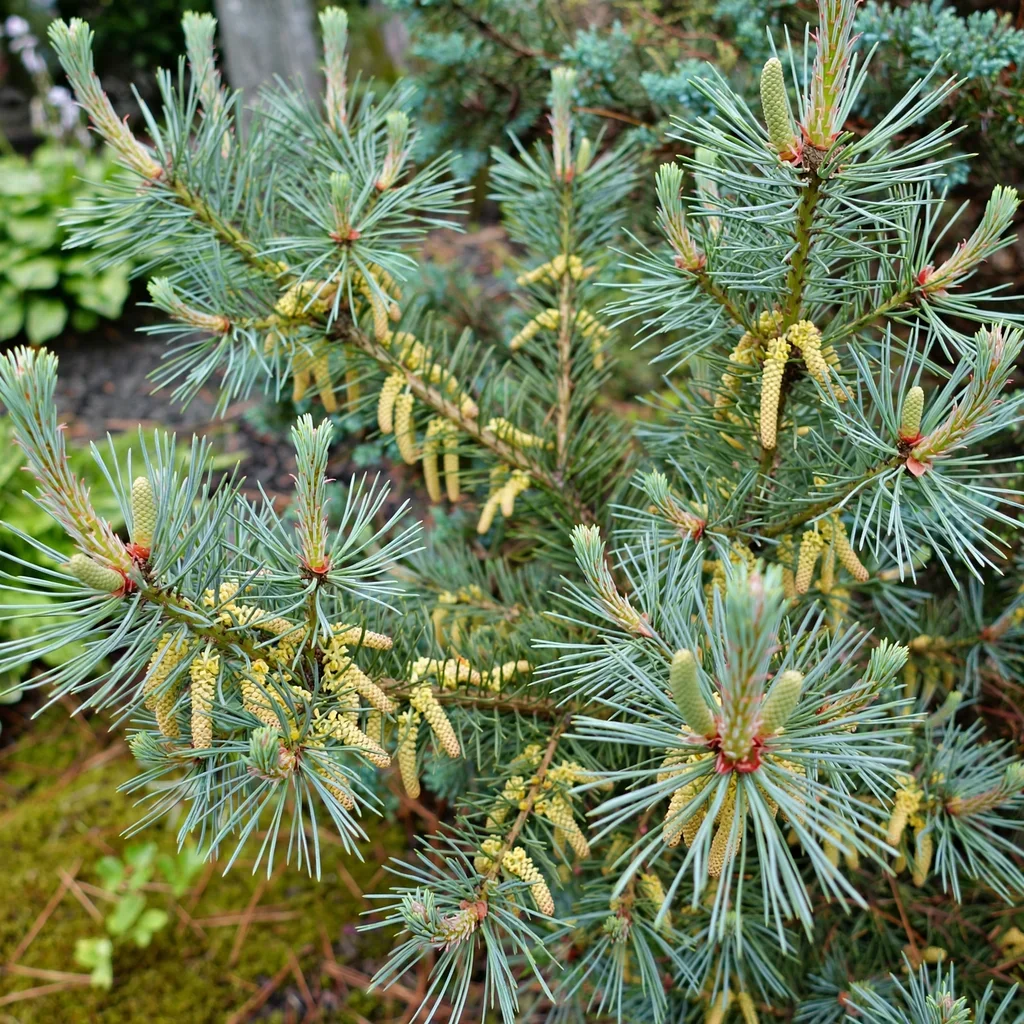
Eastern White Pine
Pinus strobus
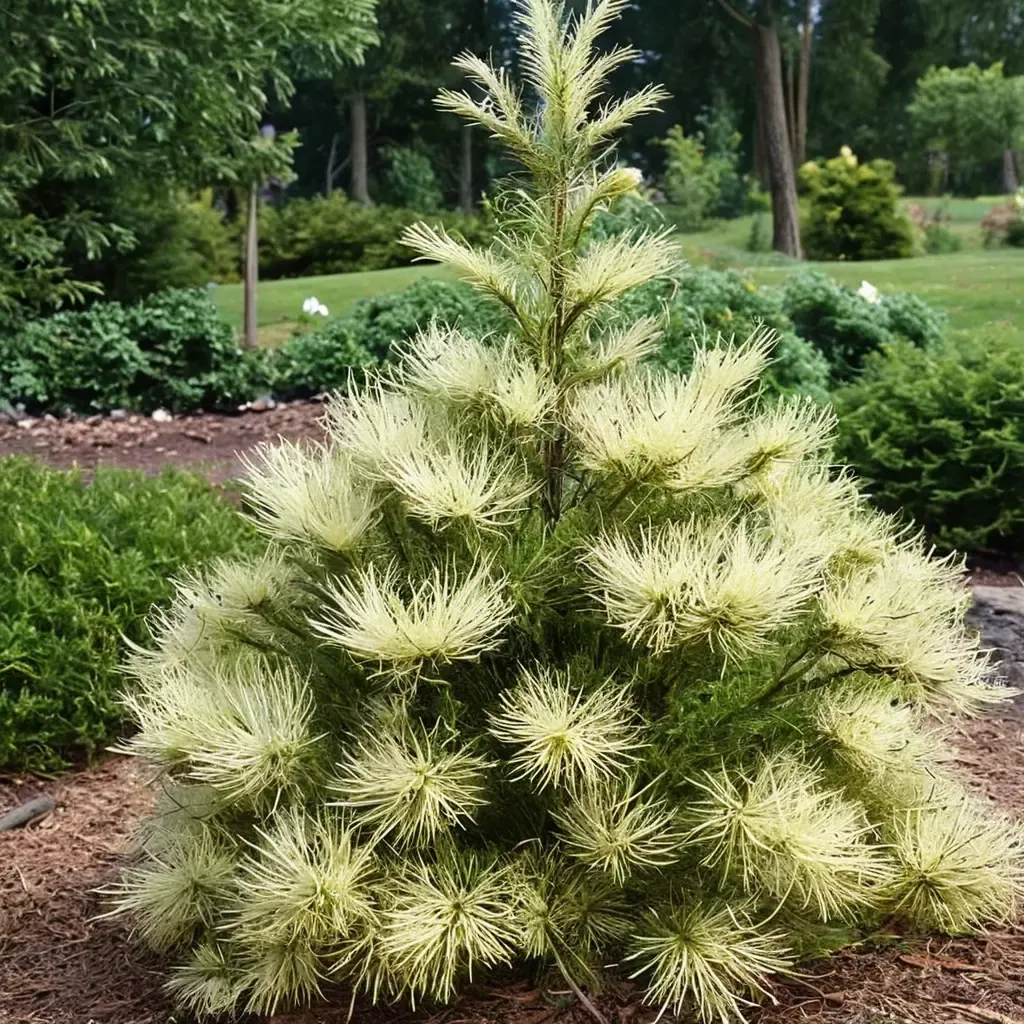
Golden Ghost Pine
Pinus densiflora 'Golden Ghost'
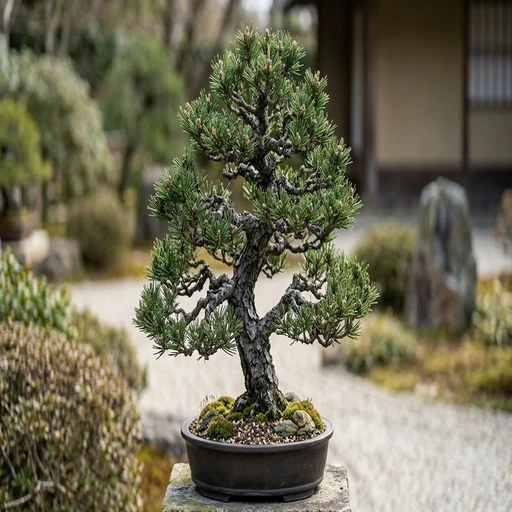
Thunderhead Japanese Black Pine
Pinus thunbergii 'Thunderhead'
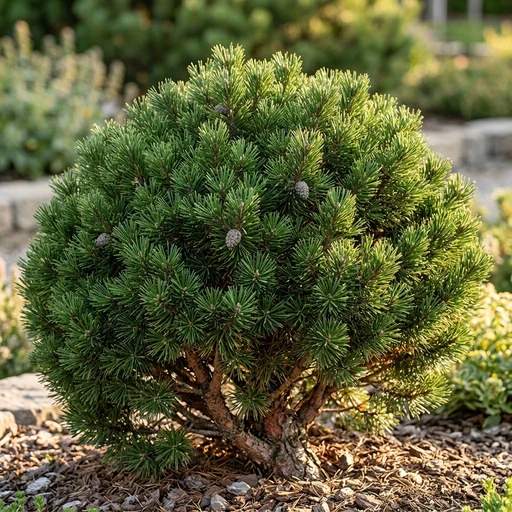
Slowmound Mugo Pine
Pinus mugo 'Slowmound'
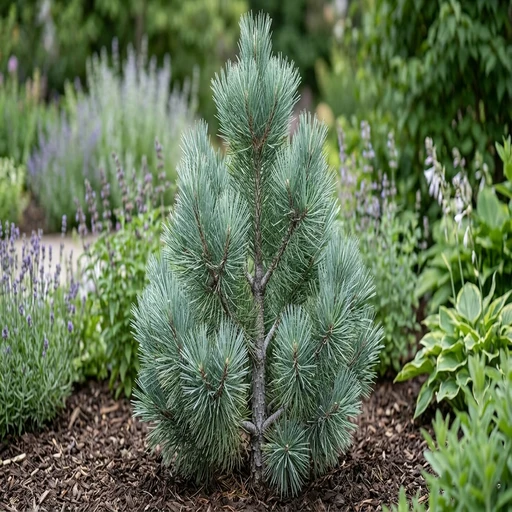
Vanderwolf's Pyramid Limber Pine
Pinus flexilis 'Vanderwolf'
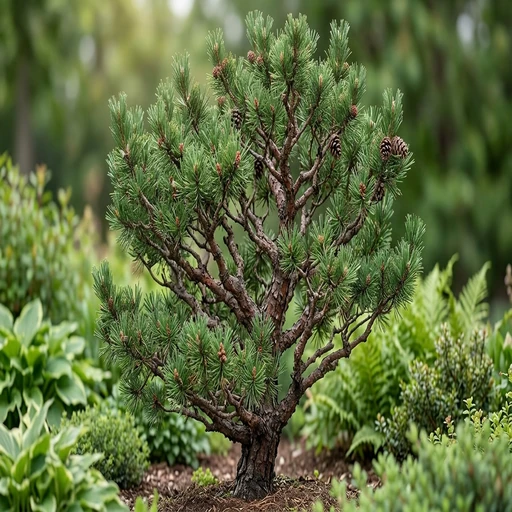
Virginia Pine
Pinus virginiana
Keep exploring
Explore the genus
Hardy in your zone?
Grow Gray Pine with confidence
See it in a design of your actual yard, get zone-matched care reminders, and track it season by season in your garden journal.