The Story
Plant Bio
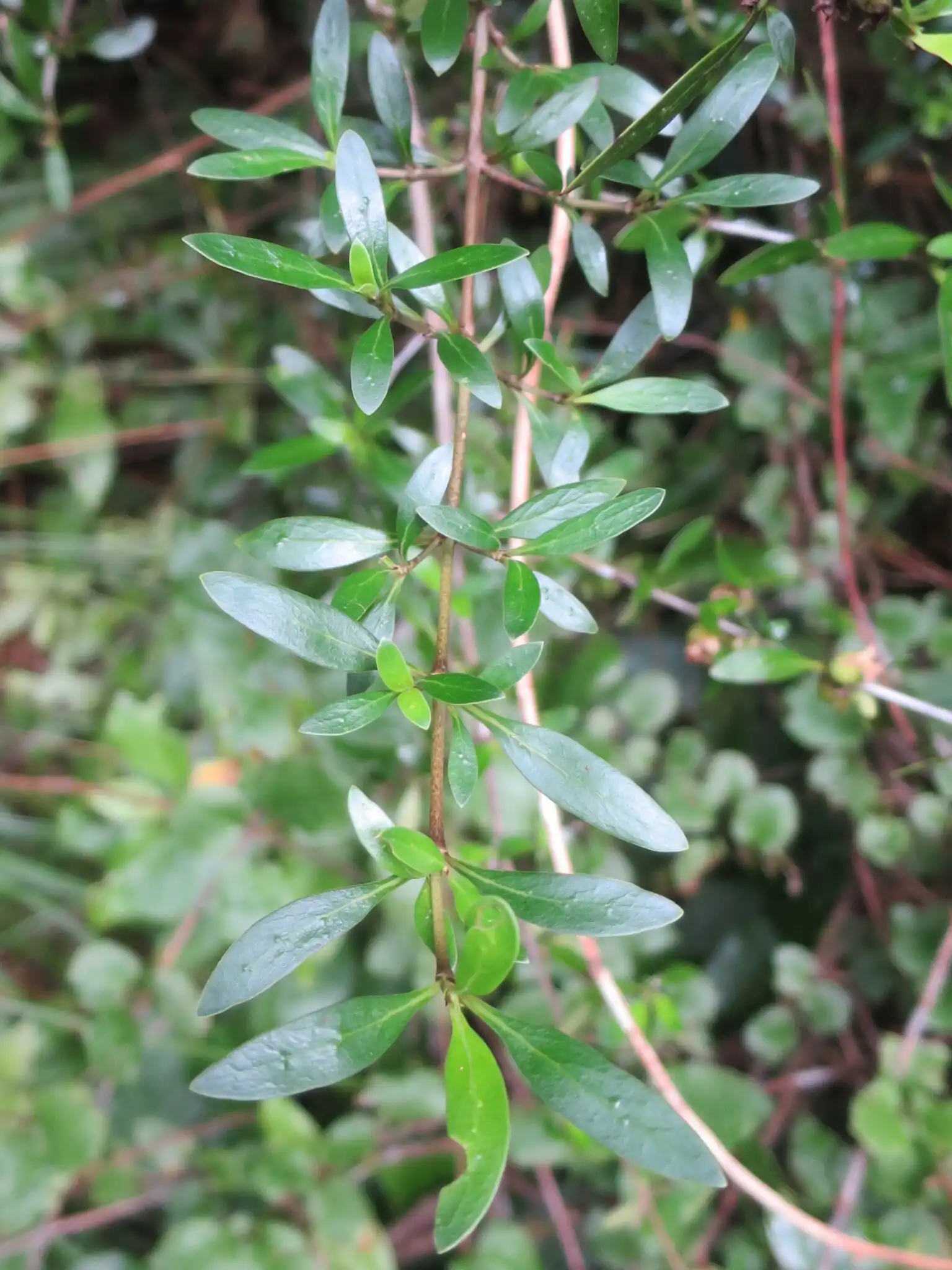
Coprosma × cunninghamii is an evergreen shrub native to New Zealand, growing five to ten feet tall with a dense, spreading branching habit. Its small, glossy, leathery leaves line stiff stems year-round, accompanied by inconspicuous pale greenish flowers in spring.
A naturally occurring hybrid between Coprosma propinqua and Coprosma robusta, it features high wind and salt tolerance suited to exposed sites. Its tight structural framework creates an effective windbreak or hedge in coastal microclimates.
Uses & Benefits:
Essentials
At a Glance
Plant Type
Shrub
Height
118"
Width
79"
Light
Full Sun, Partial Sun
Zones
8, 9, 10
Water
Moderate
Humidity
High tolerance
Lifespan
Perennial
Native To
New Zealand
Toxicity
Non-toxic
Bloom period
Spring – Summer
In flower about 6 months of the year
Planting
How to Grow
- Select a site in full sun or partial shade with sharply draining sandy or loamy soil.
- Dig a planting hole twice as wide as the root ball and equal in depth.
- Set the shrub into the hole so the root crown sits level with the surrounding soil, then backfill and firm gently.
- Water thoroughly at installation and maintain moderate moisture until roots establish.
Pro Tip
Prune only into young, leafy growth after fruiting; cutting back into old, bare interior wood kills the stem because dormant buds fail to regenerate on aged wood.
Keep It Thriving
Care Guide
Do
- Plant in light, freely draining soil to protect the root crown from saturation.
- Trim soft leafy stem tips annually to maintain canopy density.
- Provide shelter from prolonged severe sub-freezing frosts.
Don't
- Do not prune hard into thick, leafless woody branches.
- Do not plant in heavy, waterlogged clay soils where water pools.
- Do not over-fertilize, as excess nutrients weaken stem structure.
Seasonal Care Calendar
| Task | Jan | Feb | Mar | Apr | May | Jun | Jul | Aug | Sep | Oct | Nov | Dec |
|---|---|---|---|---|---|---|---|---|---|---|---|---|
| Fertilize | ||||||||||||
| Mulch | ||||||||||||
| Pest Check | ||||||||||||
| Prune |
Watch Out For
Pests & Diseases
Common Pests
Common Diseases
In the Garden
Landscape Uses & Companions
Landscape Uses
Multiply
Propagation Methods
Good to Know
Common Questions
Karamingi questions
What zones can Karamingi grow in?
Karamingi is hardy in USDA Zones 8–10: in that range it survives winter in the ground. Colder than Zone 8, grow it in a container you can move to shelter for the winter.
When does Karamingi bloom?
Karamingi typically blooms from spring to summer. Exact timing shifts a week or two with your zone — Sow's bloom calendar maps it to your garden.
Does Karamingi need full sun?
Karamingi does best in full sun to part shade. In hot climates, afternoon shade keeps blooms fresher longer.
Is Karamingi drought tolerant?
Yes — once established (usually after the first full season), Karamingi handles dry spells with minimal watering. Water deeply its first year to build the root system that makes that possible.
More Coprosma to compare
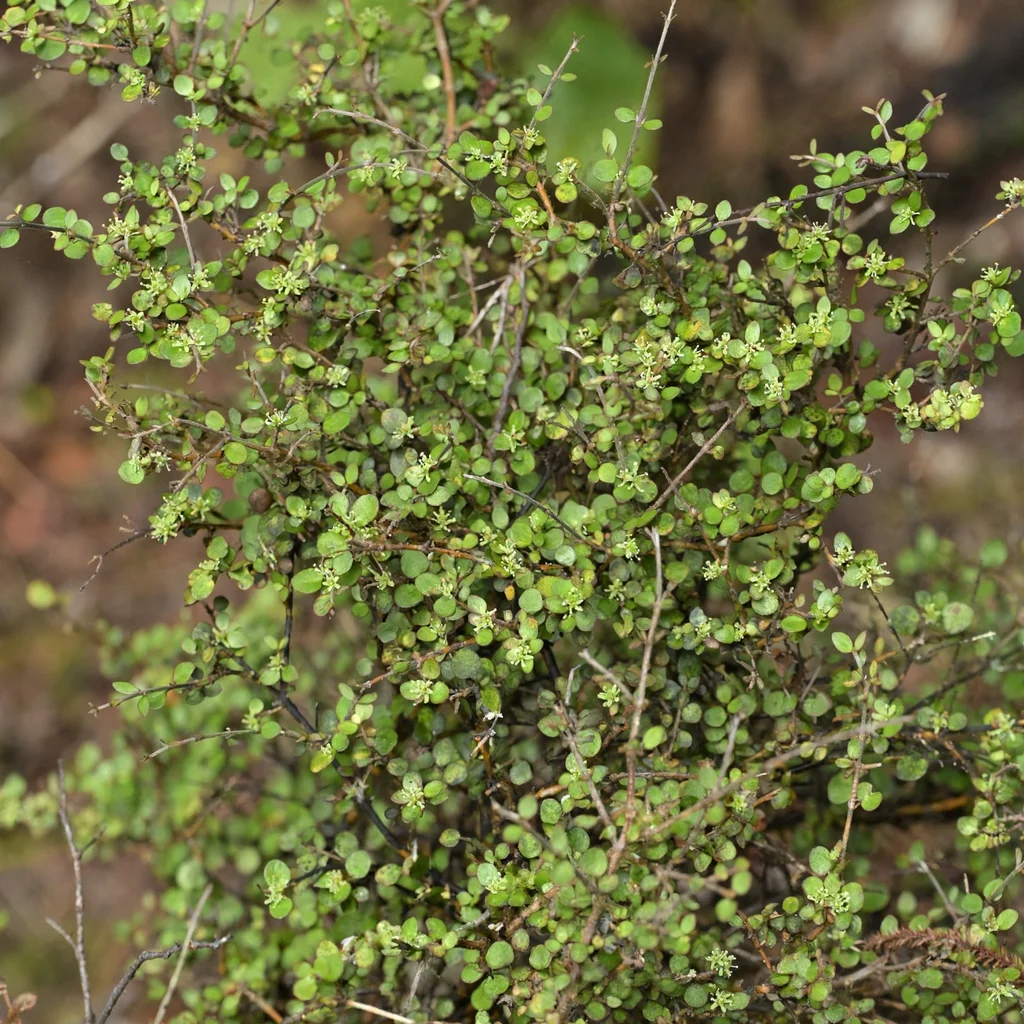
Twiggy Coprosma
Coprosma rhamnoides
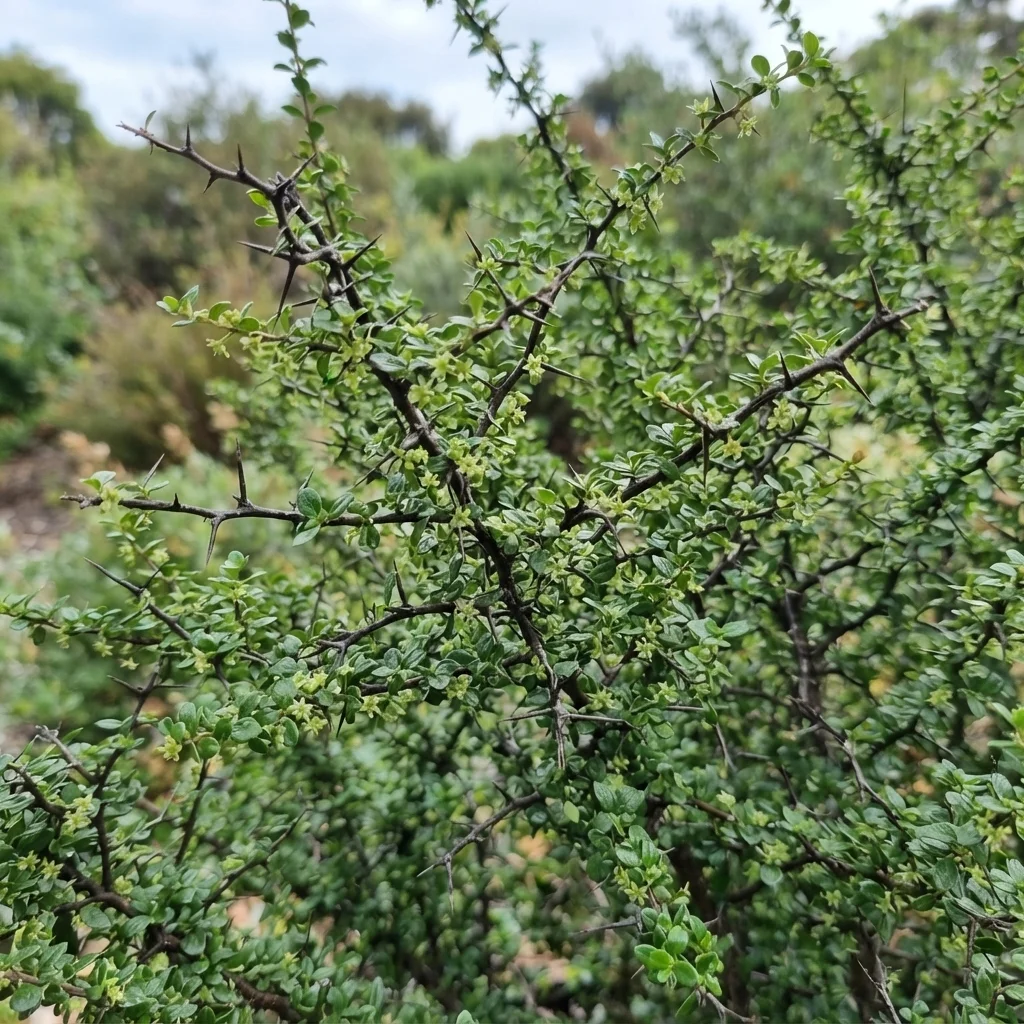
Prickly Currant-bush
Coprosma quadrifida
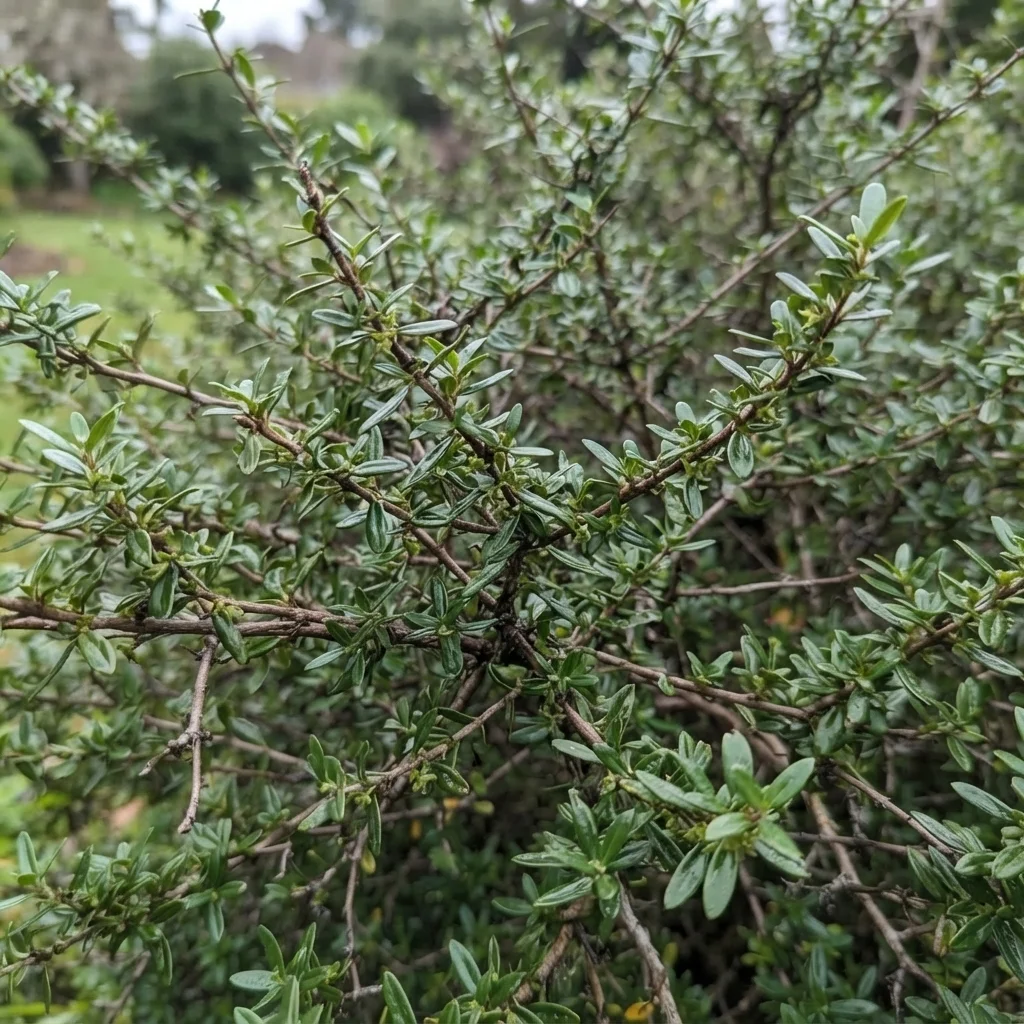
Mingimingi
Coprosma propinqua
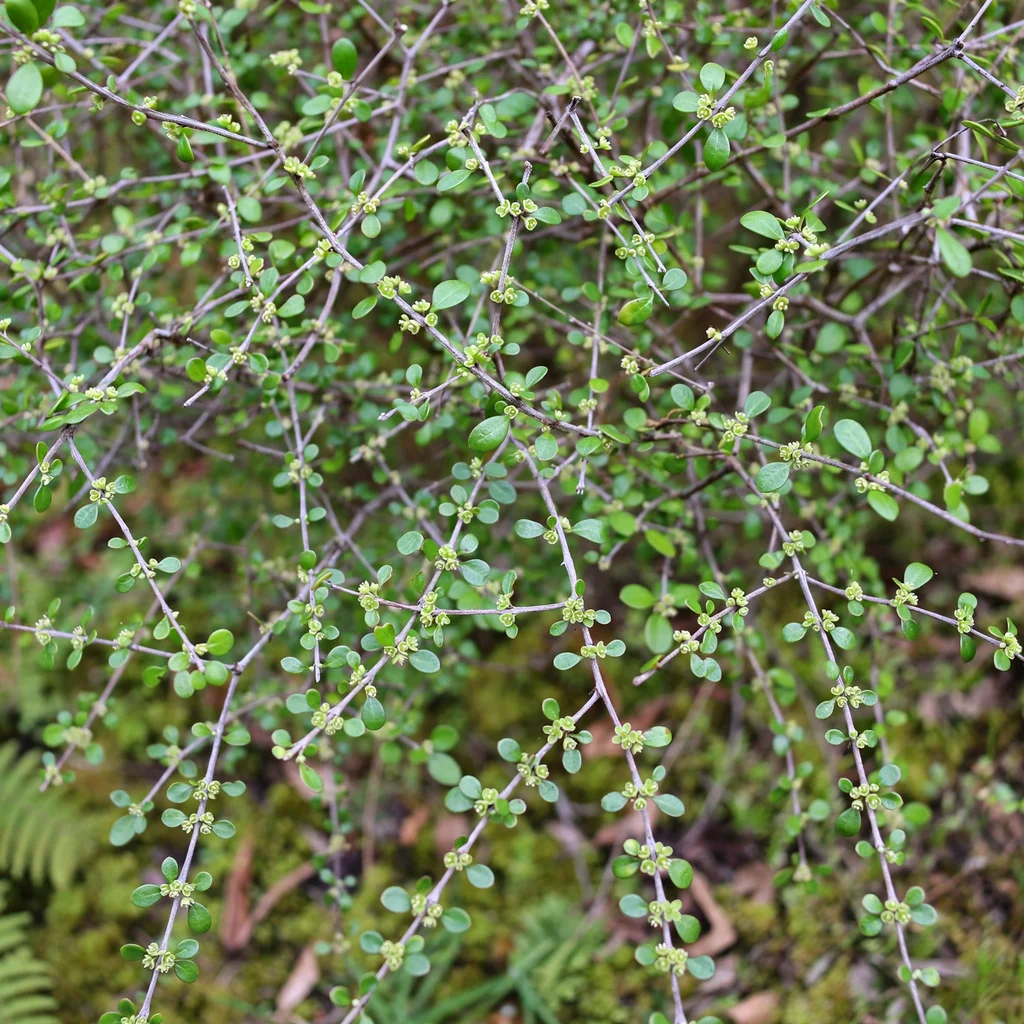
Green Coprosma
Coprosma virescens
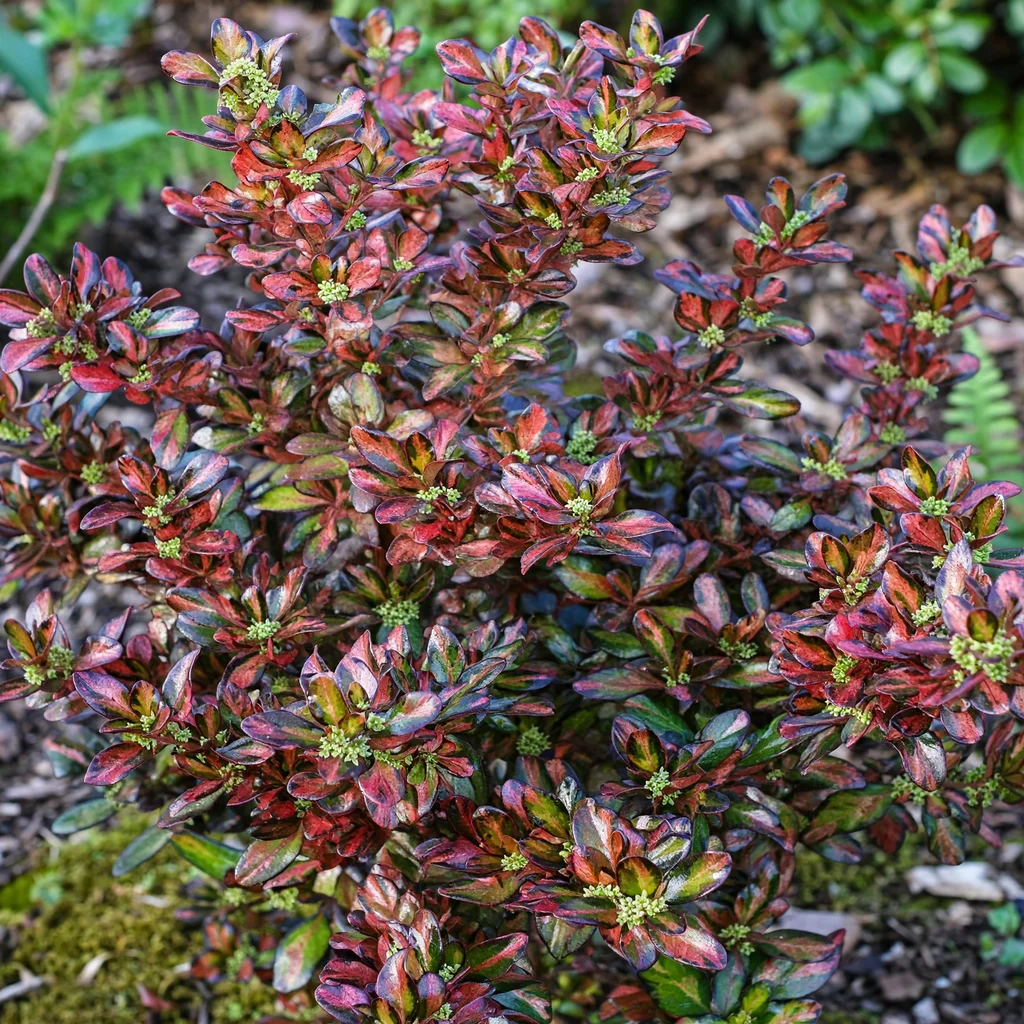
Evening Glow Mirror Plant
Coprosma repens 'Evening Glow'
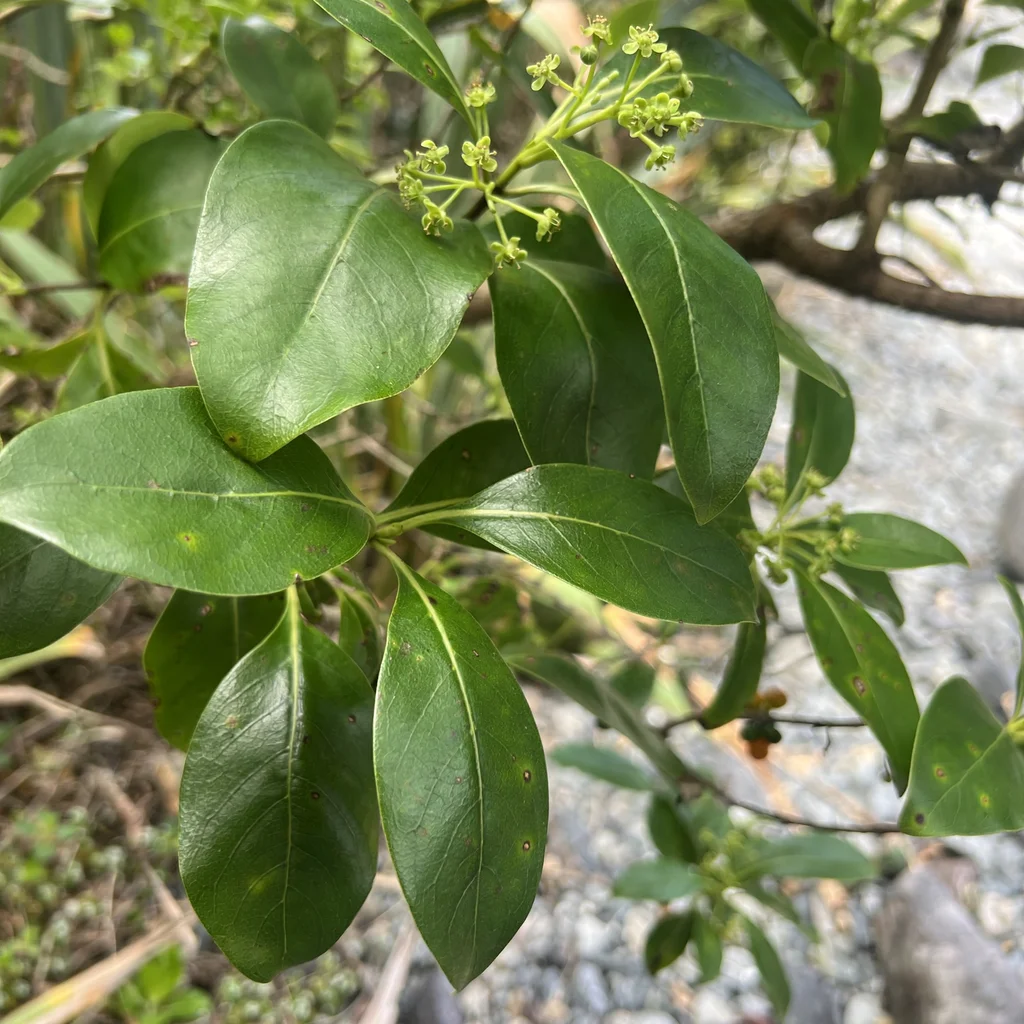
Large-Seeded Coprosma
Coprosma macrocarpa
Keep exploring
Explore the genus
Hardy in your zone?
Grow Karamingi with confidence
See it in a design of your actual yard, get zone-matched care reminders, and track it season by season in your garden journal.