The Story
Plant Bio
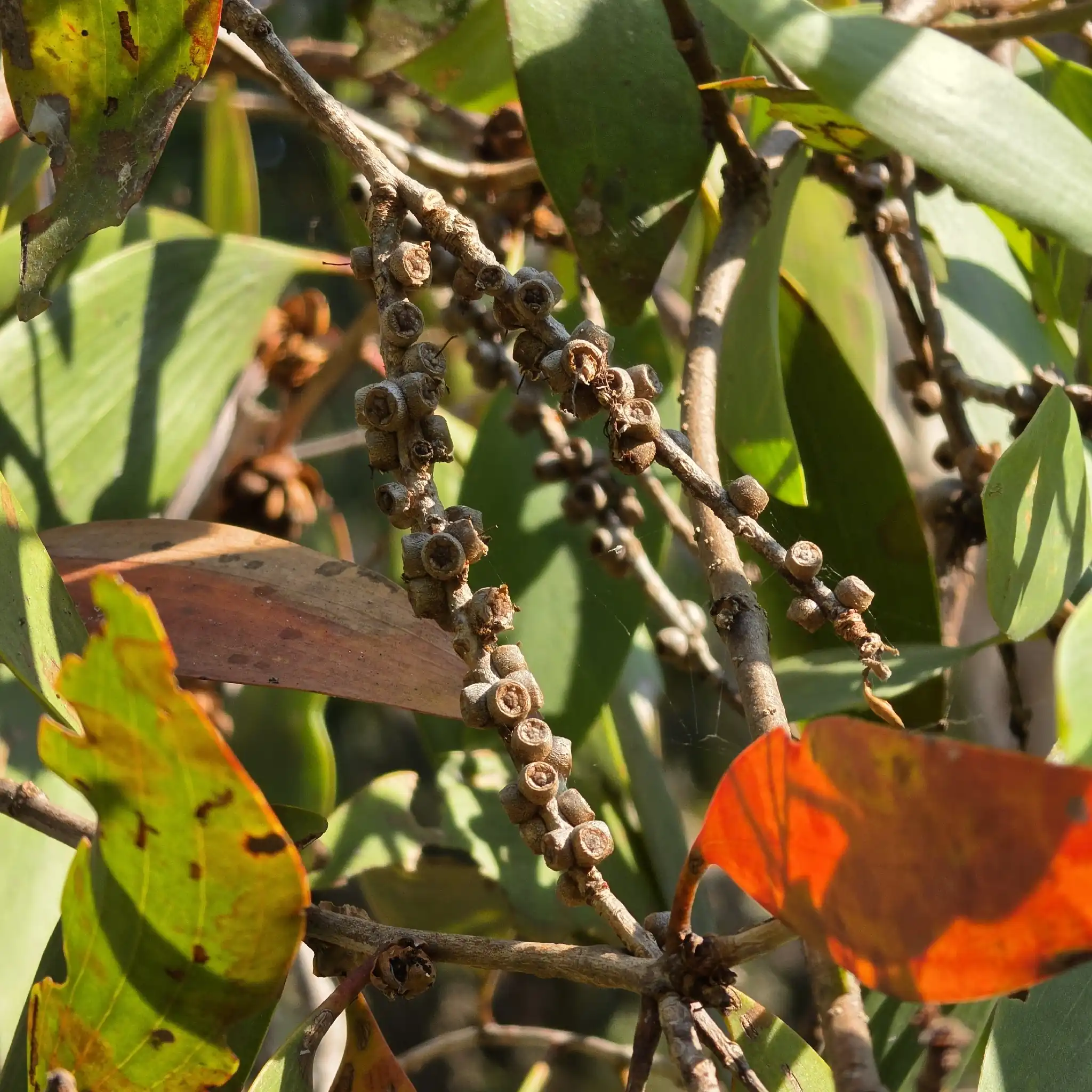
Melaleuca viridiflora is an evergreen tender tree native to tropical northern Australia and New Guinea, reaching heights of fifteen to thirty feet in warm climates. It forms thick, pale papery bark on its trunk and stiff, leathery leaves with prominent parallel veins that emit a mango-like scent when crushed.
Dense, cylindrical spikes of green to yellow stamens appear in flushes following seasonal rains, mimicking traditional bottlebrush blooms. The tree naturally thrives in poorly drained clays, low-lying seasonal swamps, and coastal locations where ground conditions remain wet.
Uses & Benefits:
Essentials
At a Glance
Plant Type
Tree
Height
300"
Width
180"
Light
Full Sun, Partial Sun
Zones
10
Water
Moderate to High
Humidity
High
Lifespan
Perennial
Native To
Australia, New Guinea
Toxicity
Essential oils may cause skin irritation or pet distress if consumed in volume
Bloom period
Winter – Summer
In flower about 9 months of the year
Planting
How to Grow
- Plant in a full sun or lightly shaded location with moist, acidic to neutral soil.
- Water regularly during the first year until the root system establishes deeply.
- Apply an organic mulch layer over the root zone to preserve moisture and regulate soil temperature.
- Prune outer branch tips immediately after a flowering flush to shape the canopy and preserve foliage density.
Pro Tip
Prune lightly behind spent flowers; cutting back into thick, bare paperbark wood prevents regrowth because old trunks lack dormant buds.
Keep It Thriving
Care Guide
Do
- Maintain soil moisture, particularly during dry spells or warm establishment periods.
- Apply low-phosphorus native tree fertilizers if soil nutrient levels are poor.
Don't
- Do not chop hard into bare, old woody trunks during heavy pruning.
- Do not allow containerized stock to dry out completely in warm climates.
Seasonal Care Calendar
| Task | Jan | Feb | Mar | Apr | May | Jun | Jul | Aug | Sep | Oct | Nov | Dec |
|---|---|---|---|---|---|---|---|---|---|---|---|---|
| Fertilize | ||||||||||||
| Mulch | ||||||||||||
| Pest Check | ||||||||||||
| Prune | ||||||||||||
| Winter Prep |
Watch Out For
Pests & Diseases
Common Pests
Common Diseases
In the Garden
Landscape Uses & Companions
Landscape Uses
Multiply
Propagation Methods
Good to Know
Common Questions
Broad-leaved Paperbark questions
What zones can Broad-leaved Paperbark grow in?
Broad-leaved Paperbark is hardy in USDA Zone 10: in that range it survives winter in the ground. Colder than Zone 10, winters are too cold for it to survive outdoors.
When does Broad-leaved Paperbark bloom?
Broad-leaved Paperbark typically blooms from winter to summer. Exact timing shifts a week or two with your zone — Sow's bloom calendar maps it to your garden.
Does Broad-leaved Paperbark need full sun?
Broad-leaved Paperbark does best in full sun to part shade. In hot climates, afternoon shade keeps blooms fresher longer.
Is Broad-leaved Paperbark drought tolerant?
Yes — once established (usually after the first full season), Broad-leaved Paperbark handles dry spells with minimal watering. Water deeply its first year to build the root system that makes that possible.
More Melaleuca to compare
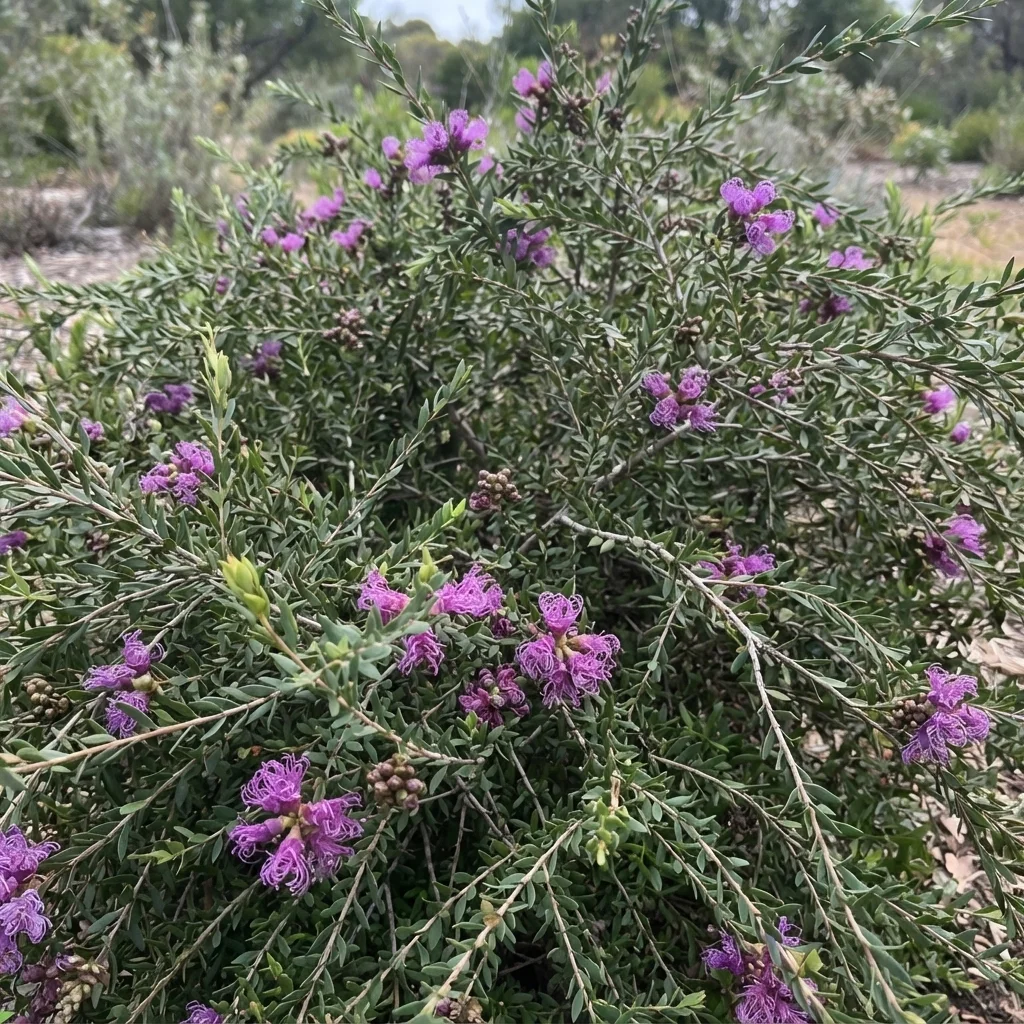
Thymeleaf Melaleuca
Melaleuca thymifolia
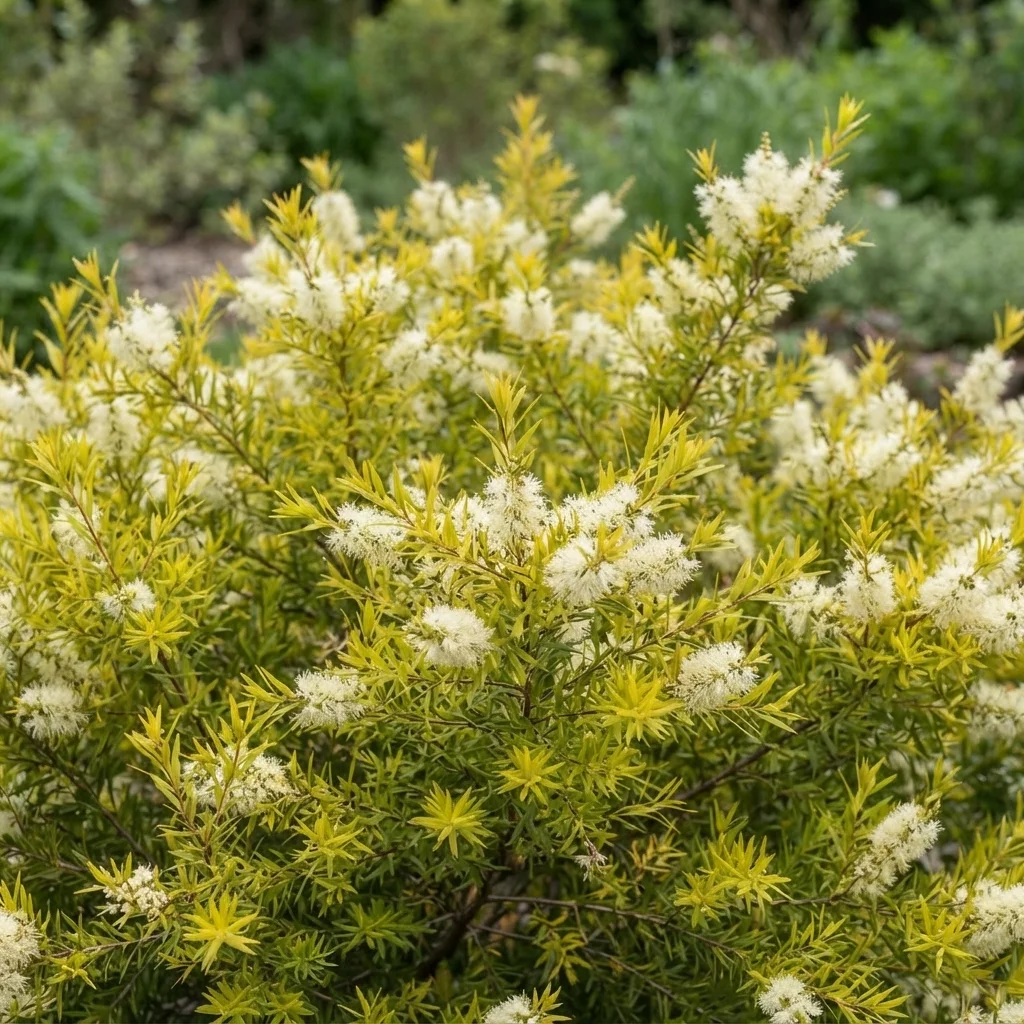
Golden Melaleuca
Melaleuca bracteata 'Golden Gem'
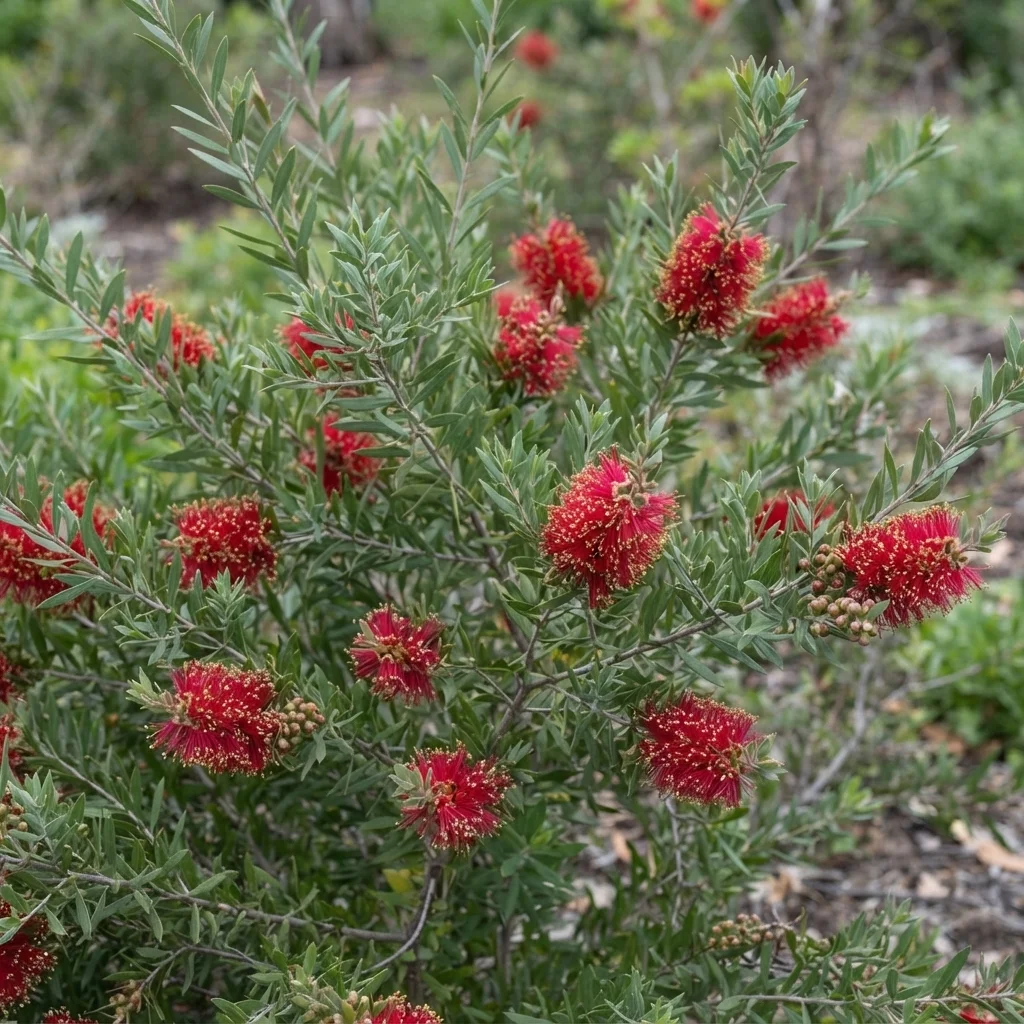
Scarlet Honey Myrtle
Melaleuca fulgens
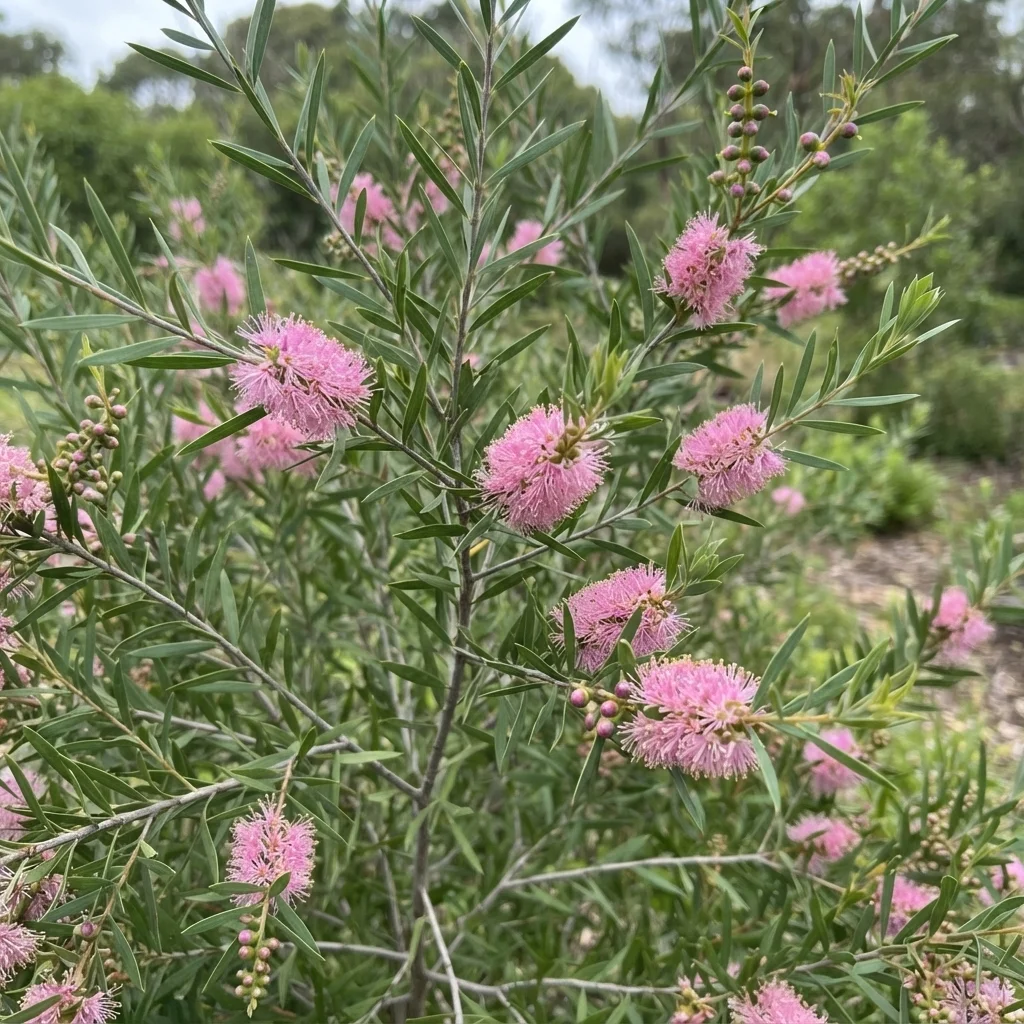
Graceful Honey-myrtle
Melaleuca radula
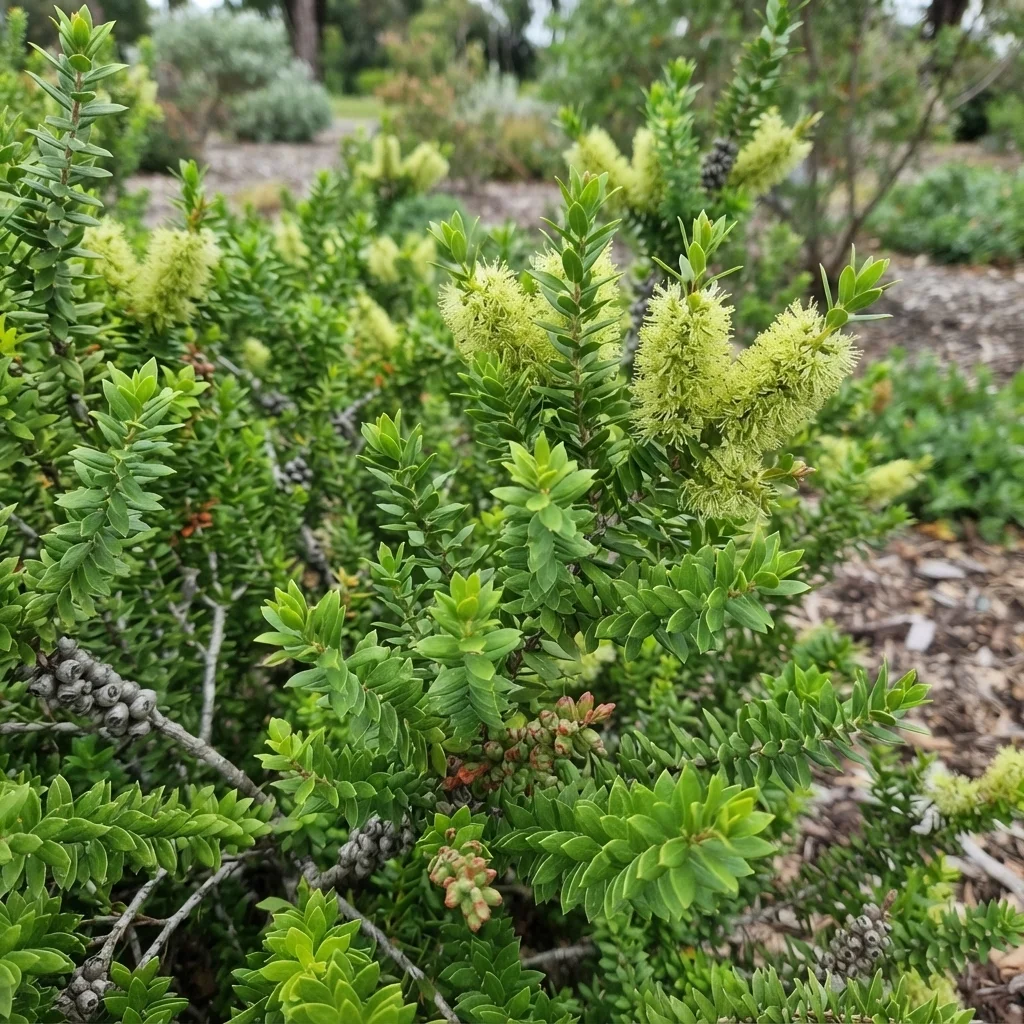
Green Honey Myrtle
Melaleuca diosmifolia
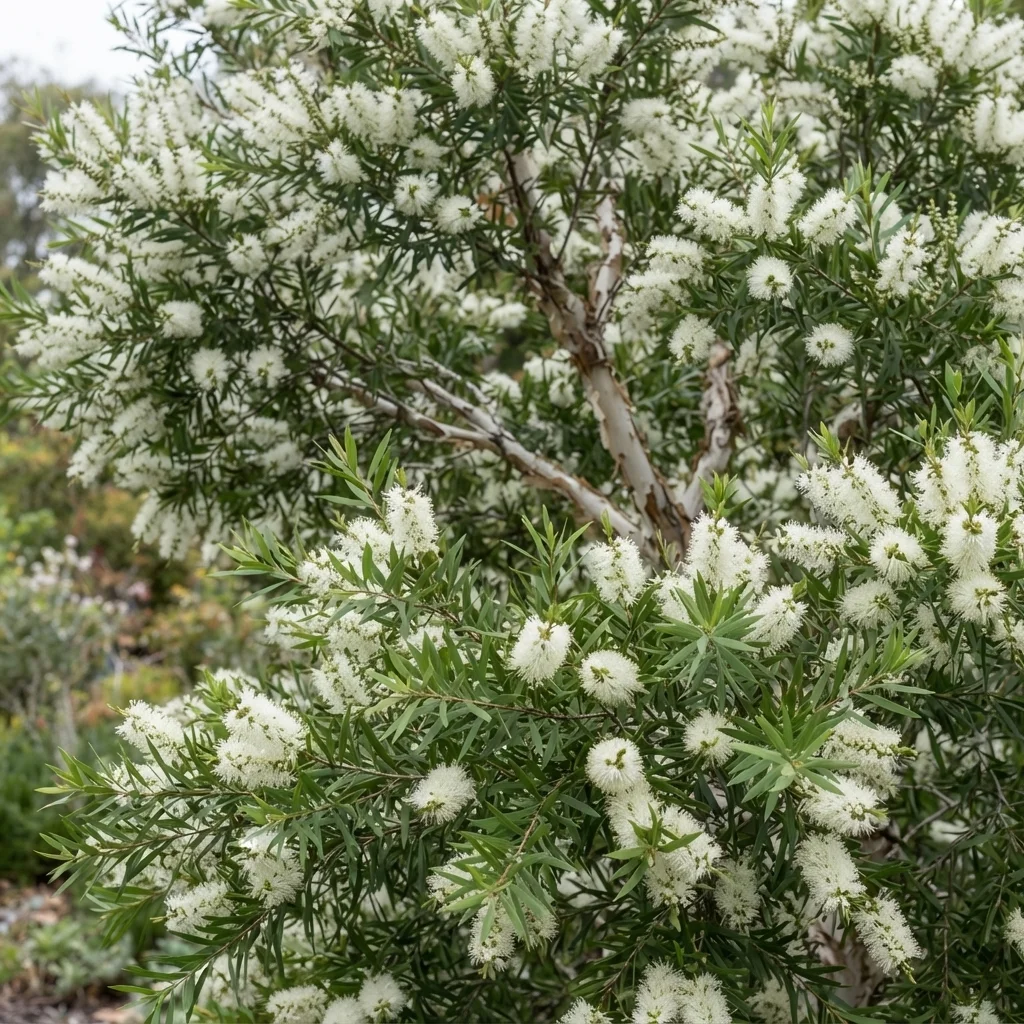
Snow-in-summer
Melaleuca linariifolia
Keep exploring
Explore the genus
Hardy in your zone?
Grow Broad-leaved Paperbark with confidence
See it in a design of your actual yard, get zone-matched care reminders, and track it season by season in your garden journal.