The Story
Plant Bio
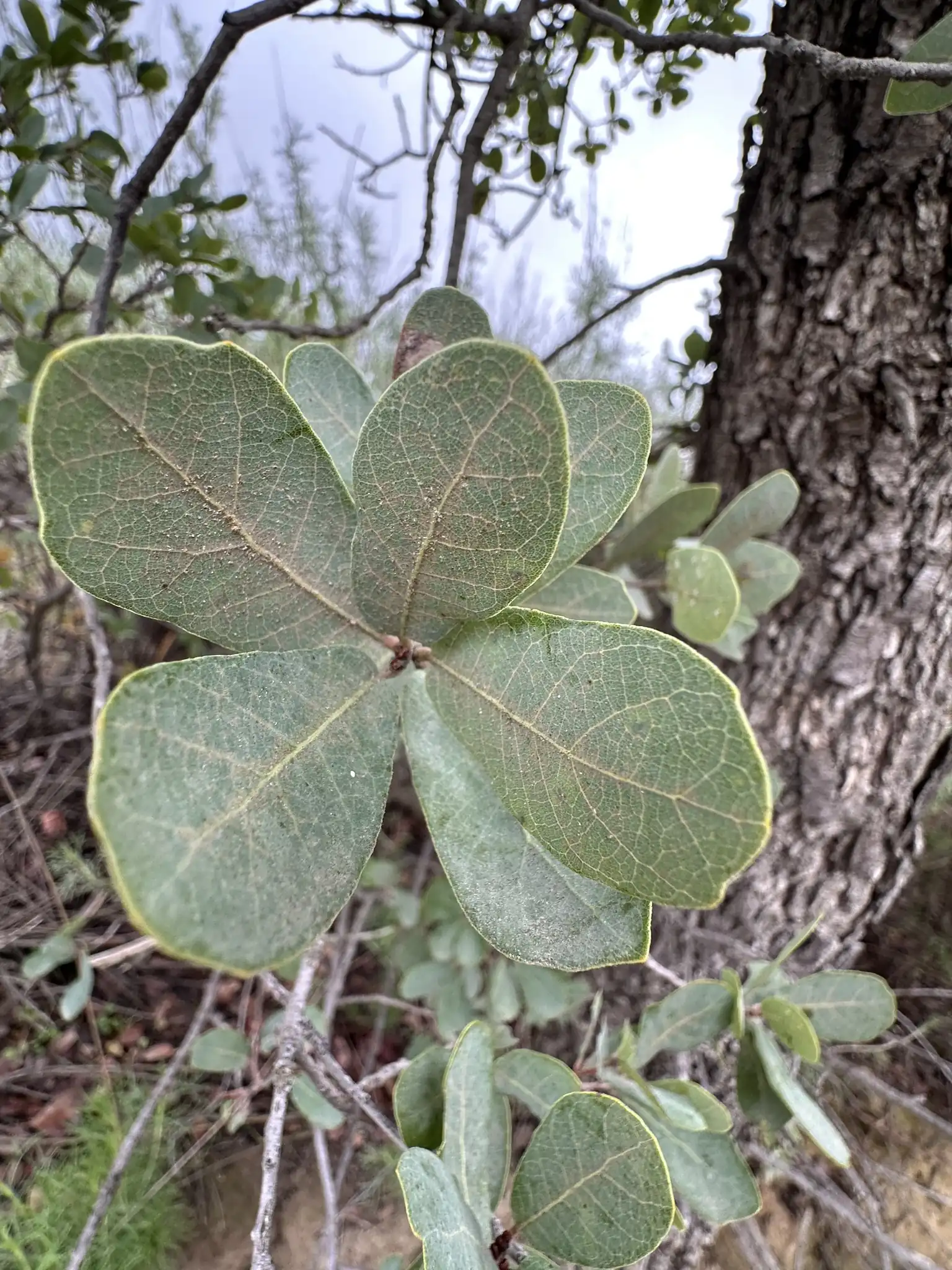
Quercus engelmannii, known as the Engelmann oak, is a semi-evergreen tree reaching fifteen to sixty feet tall with a broad, rounded crown and crooked branches. Its leathery leaves emerge dull blue-green above and pale puberulent beneath, accompanied in spring by drooping yellow-green catkins.
Distinguished by its striking blue-grey foliage and exceptional drought resistance, this species flourishes in Mediterranean climates where wet-summer oaks fail. Its low-spreading lower limbs create an expansive shade canopy while supplying acorns to regional wildlife.
Uses & Benefits:
Essentials
At a Glance
Plant Type
Tree
Height
708"
Width
708"
Light
Full Sun
Zones
8, 9, 10
Water
Low
Humidity
Low
Lifespan
Perennial
Native To
Southern California and Baja California
Toxicity
Non-toxic
Bloom period
Spring – Late spring
In flower about 3 months of the year
Planting
How to Grow
- Plant in full sun in lean, well-draining soil such as coarse sand, gravelly loam, or fractured rock.
- Set the tree at the same root depth as in its nursery container, ensuring no soil buries the root collar.
- Water deeply during the first two winter and spring seasons to establish the deep taproot.
- Cease all supplemental summer irrigation entirely once established to maintain root health.
Pro Tip
Avoid summer irrigation once established; applying moisture to the root zone during warm weather induces fatal root rot.
Keep It Thriving
Care Guide
Do
- Ensure sharp soil drainage before planting.
- Prune exclusively in winter while the tree is dormant.
- Protect young saplings from rodent damage using wire mesh enclosures.
Don't
- Do not water established trees during warm summer months.
- Do not fertilize, as excess nutrients trigger weak, disease-prone growth.
- Do not cut into old, leafless wood or heavily trim the lower skirt of mature branches.
Seasonal Care Calendar
| Task | Jan | Feb | Mar | Apr | May | Jun | Jul | Aug | Sep | Oct | Nov | Dec |
|---|---|---|---|---|---|---|---|---|---|---|---|---|
| Pest Check | ||||||||||||
| Plant | ||||||||||||
| Prune | ||||||||||||
| Winter Prep |
Watch Out For
Pests & Diseases
Common Pests
Common Diseases
In the Garden
Landscape Uses & Companions
Landscape Uses
Multiply
Propagation Methods
Good to Know
Common Questions
Engelmann Oak questions
What zones can Engelmann Oak grow in?
Engelmann Oak is hardy in USDA Zones 8–10: in that range it survives winter in the ground. Colder than Zone 8, winters are too cold for it to survive outdoors.
When does Engelmann Oak bloom?
Engelmann Oak typically blooms in spring. Exact timing shifts a week or two with your zone — Sow's bloom calendar maps it to your garden.
Does Engelmann Oak need full sun?
Engelmann Oak does best in full sun (6+ hours).
Is Engelmann Oak drought tolerant?
Yes — once established (usually after the first full season), Engelmann Oak handles dry spells with minimal watering. Water deeply its first year to build the root system that makes that possible.
More Quercus to compare
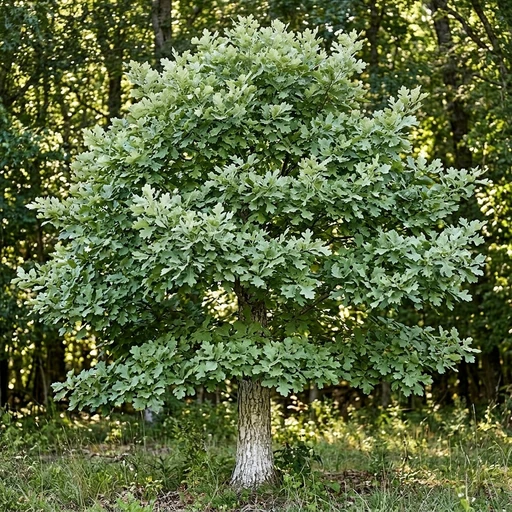
White Oak
Quercus alba
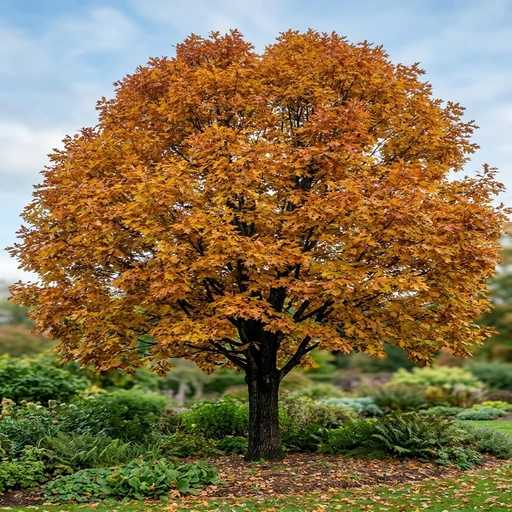
Black Oak
Quercus velutina
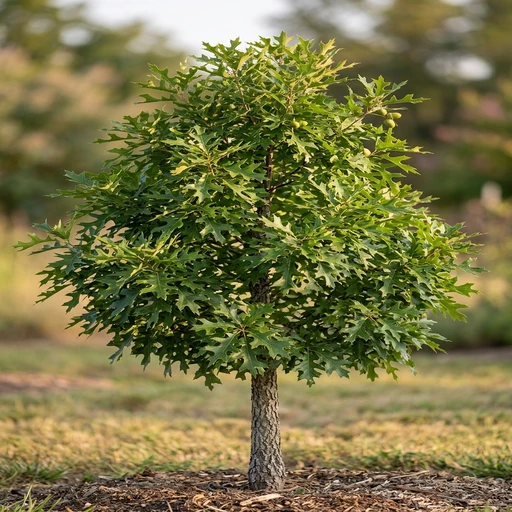
Nuttall Oak
Quercus texana
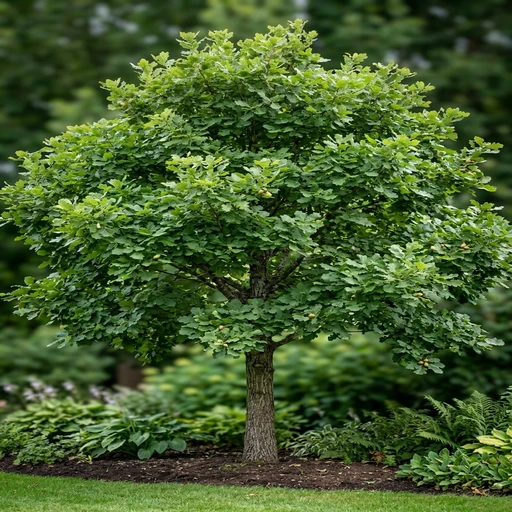
English Oak
Quercus robur
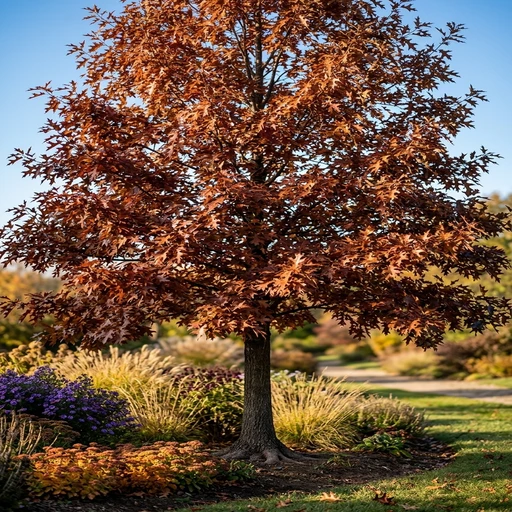
Pin Oak
Quercus palustris
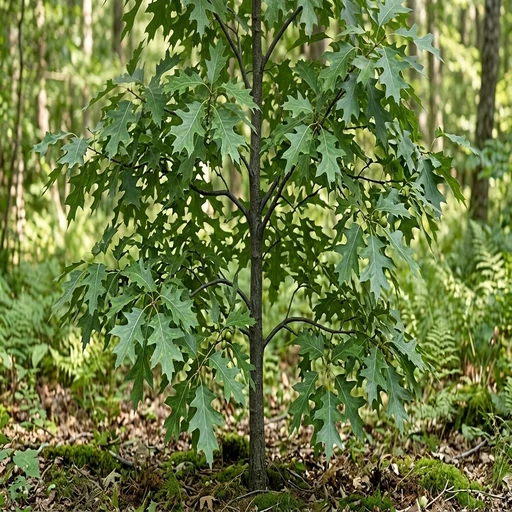
Scarlet Oak
Quercus coccinea
Keep exploring
Explore the genus
Hardy in your zone?
Grow Engelmann Oak with confidence
See it in a design of your actual yard, get zone-matched care reminders, and track it season by season in your garden journal.