Popularity, clearly labeled
The Most Popular Ornamental Grasses
The three most-saved ornamental grasses are Muhly Grass, Feather Reed Grass and Silver Grass. Among plants cataloged as ornamental grasses, these are the genera Sow gardeners save most. Each genus is represented by its most-saved matching variety.
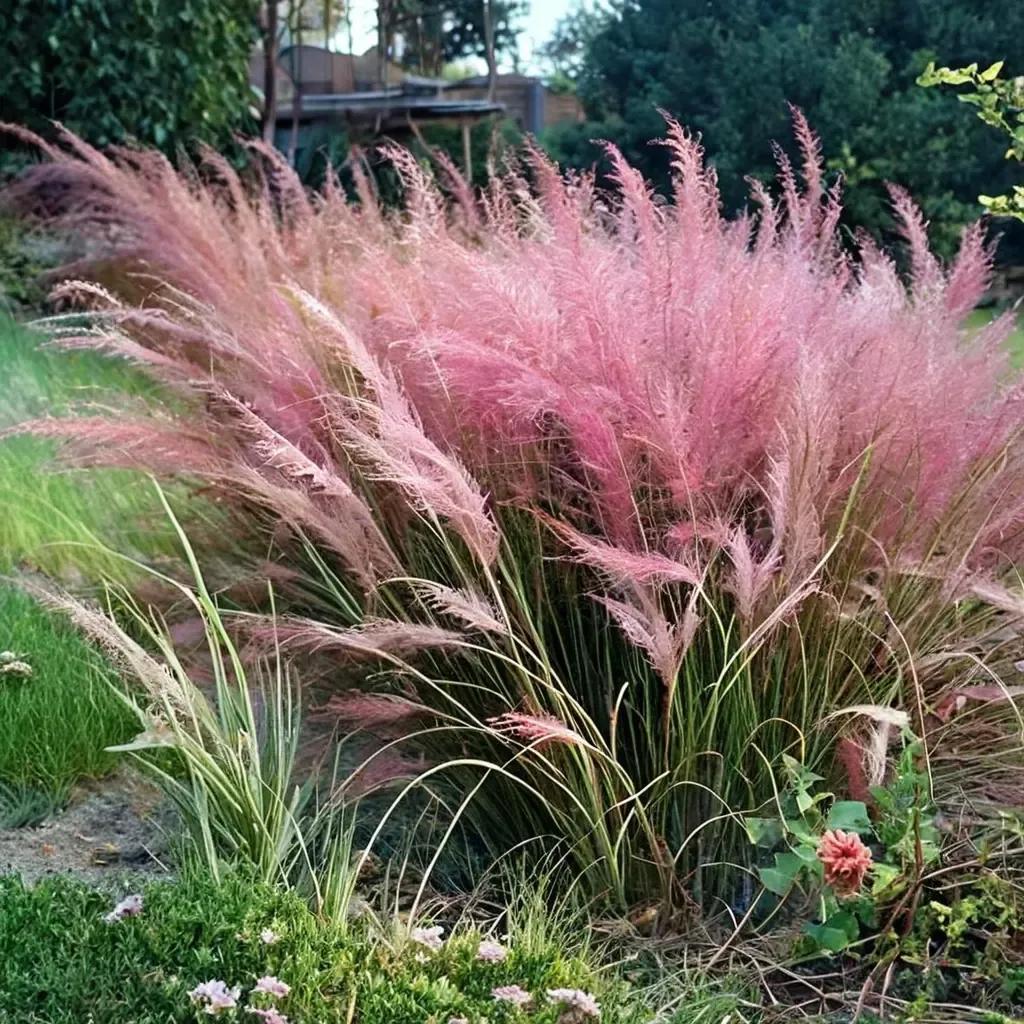
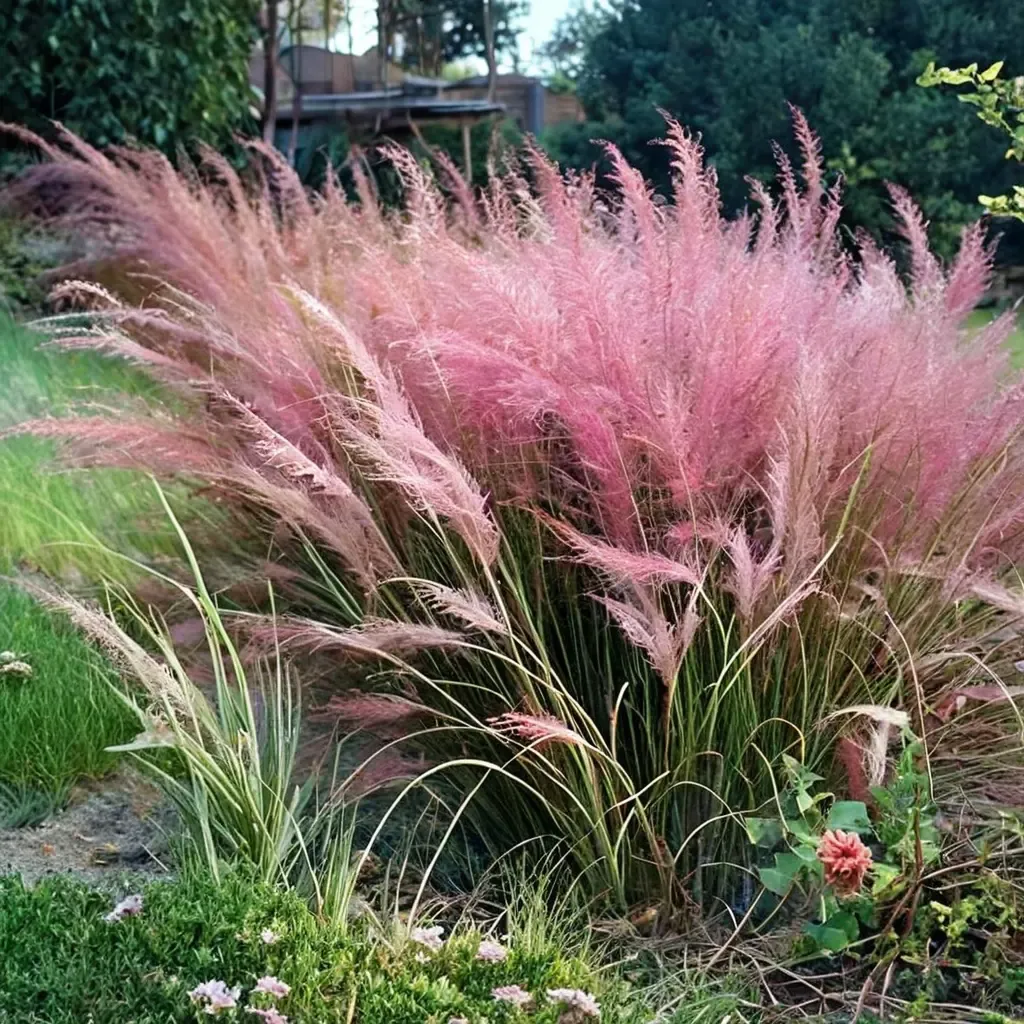
Muhly Grass
Ranked by its most-saved matching variety; the full catalog includes 18 varieties. Airy pink or cream seed heads create a luminous cloud above fine foliage.
Zones 5–10All 18 varieties →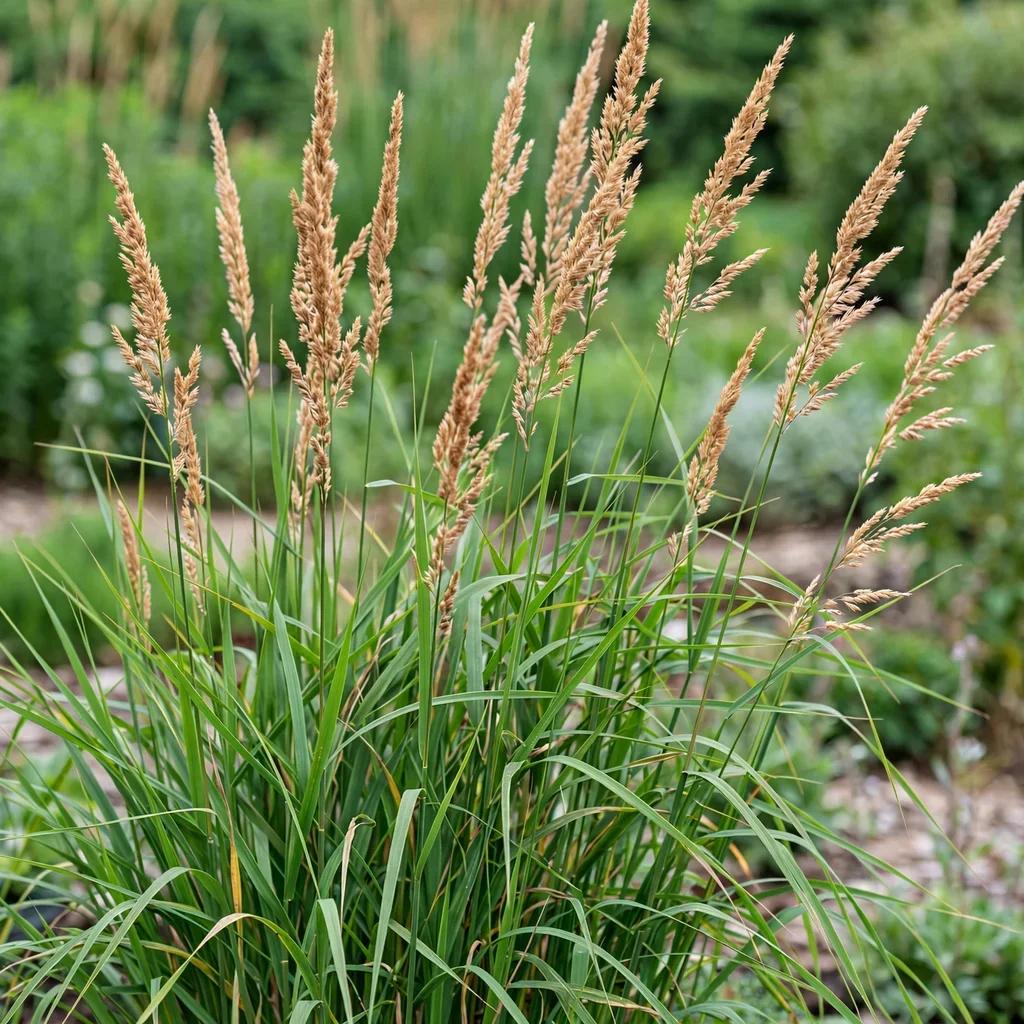
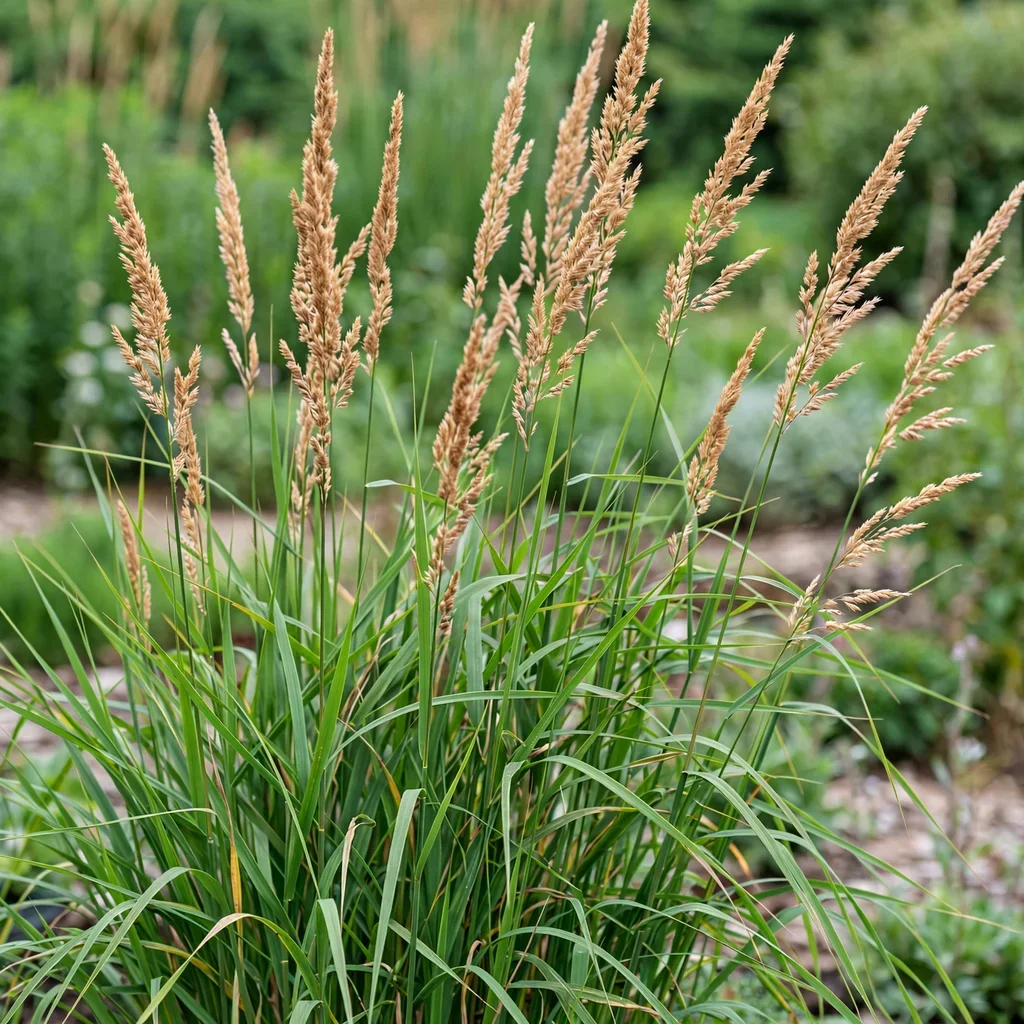
Feather Reed Grass
Ranked by its most-saved matching variety; the full catalog includes 16 varieties. Early, upright plumes provide structure without the bulk of larger grasses.
Zones 4–9All 16 varieties →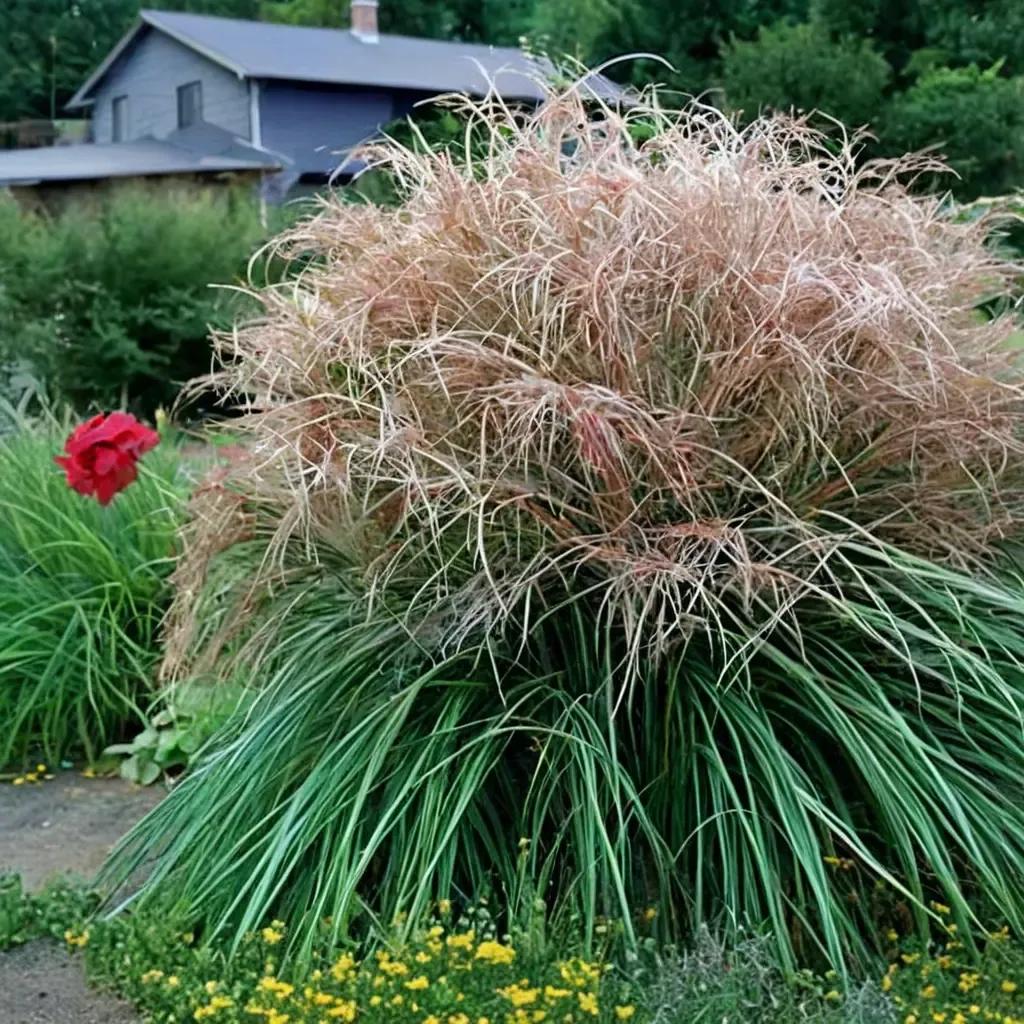
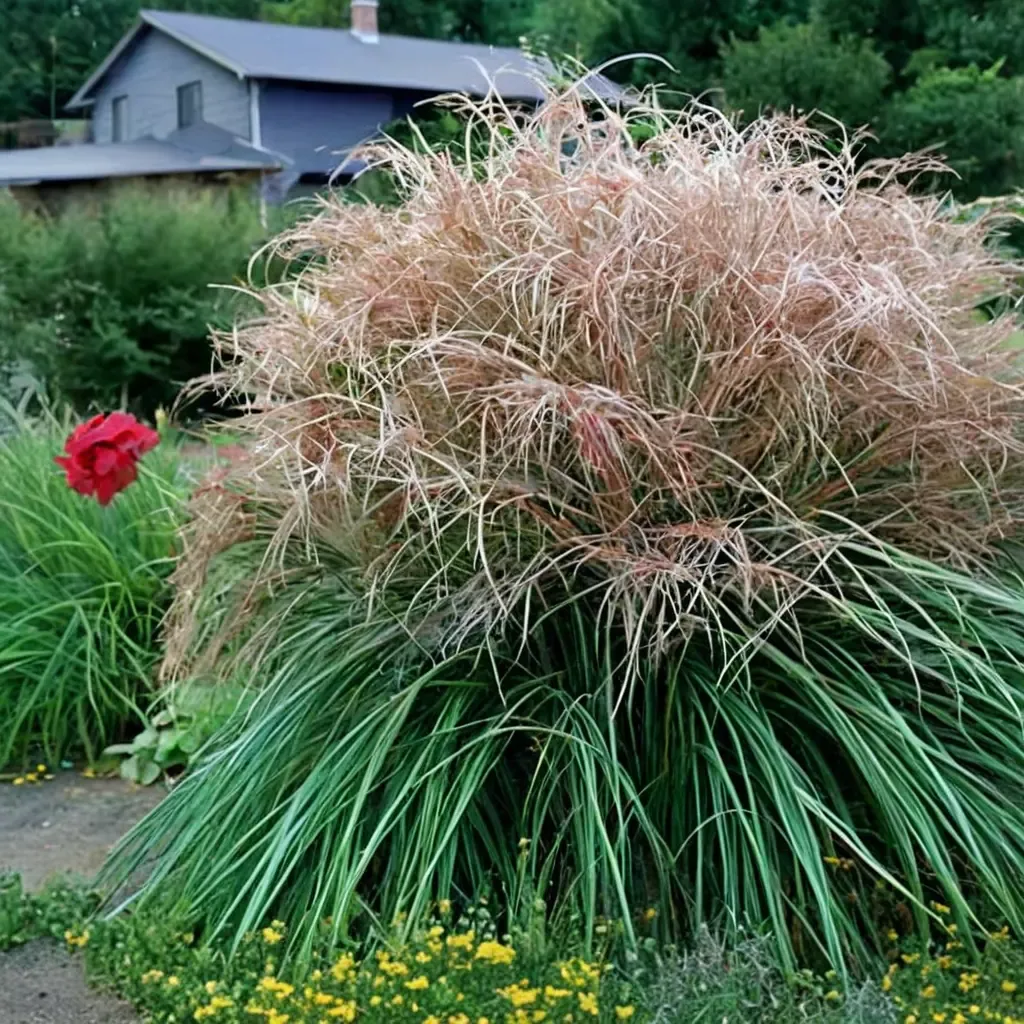
Silver Grass
Ranked by its most-saved matching variety; the full catalog includes 30 varieties. Tall fountains and silvery plumes provide movement and winter presence; choose sterile types.
Zones 4–9All 30 varieties →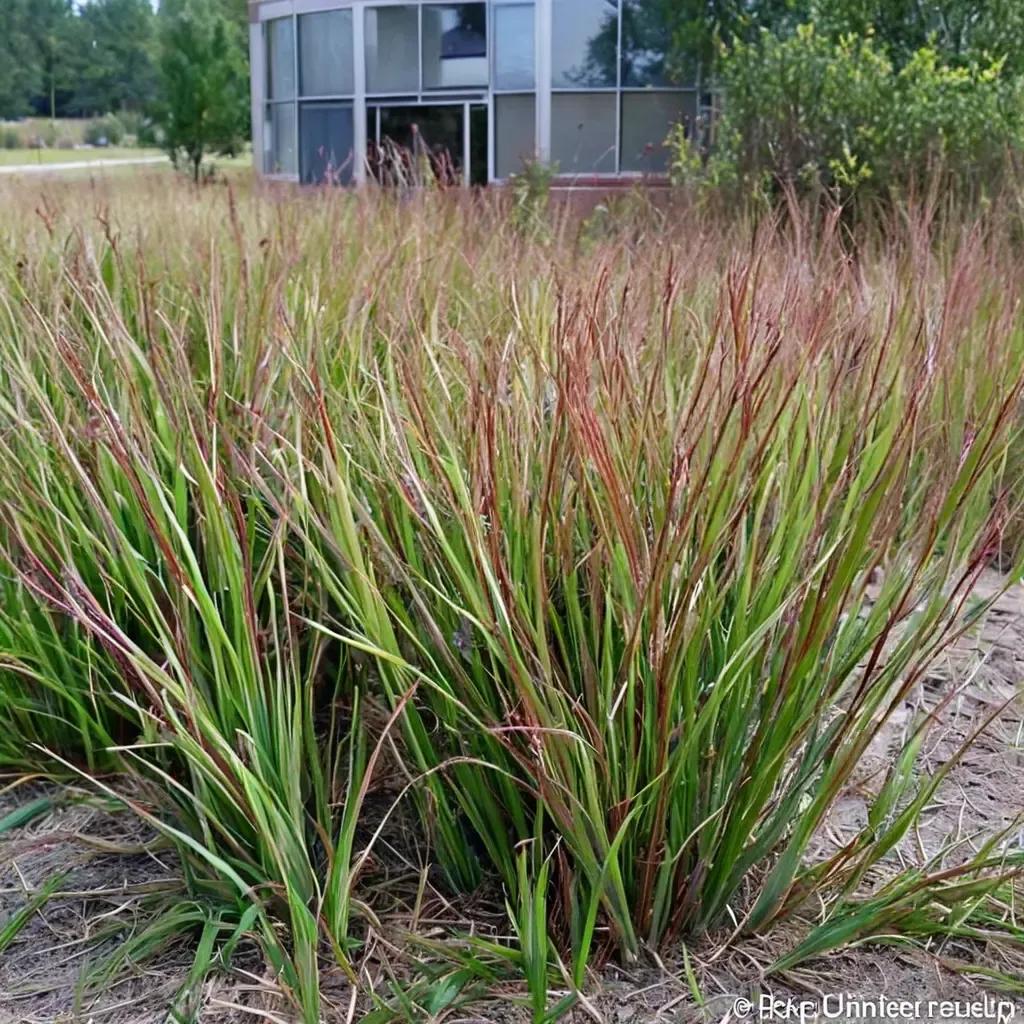
Switchgrass
Ranked by its most-saved matching variety; the full catalog includes 16 varieties. Upright North American native clumps carry airy seed heads and strong autumn color.
Zones 4–9All 16 varieties →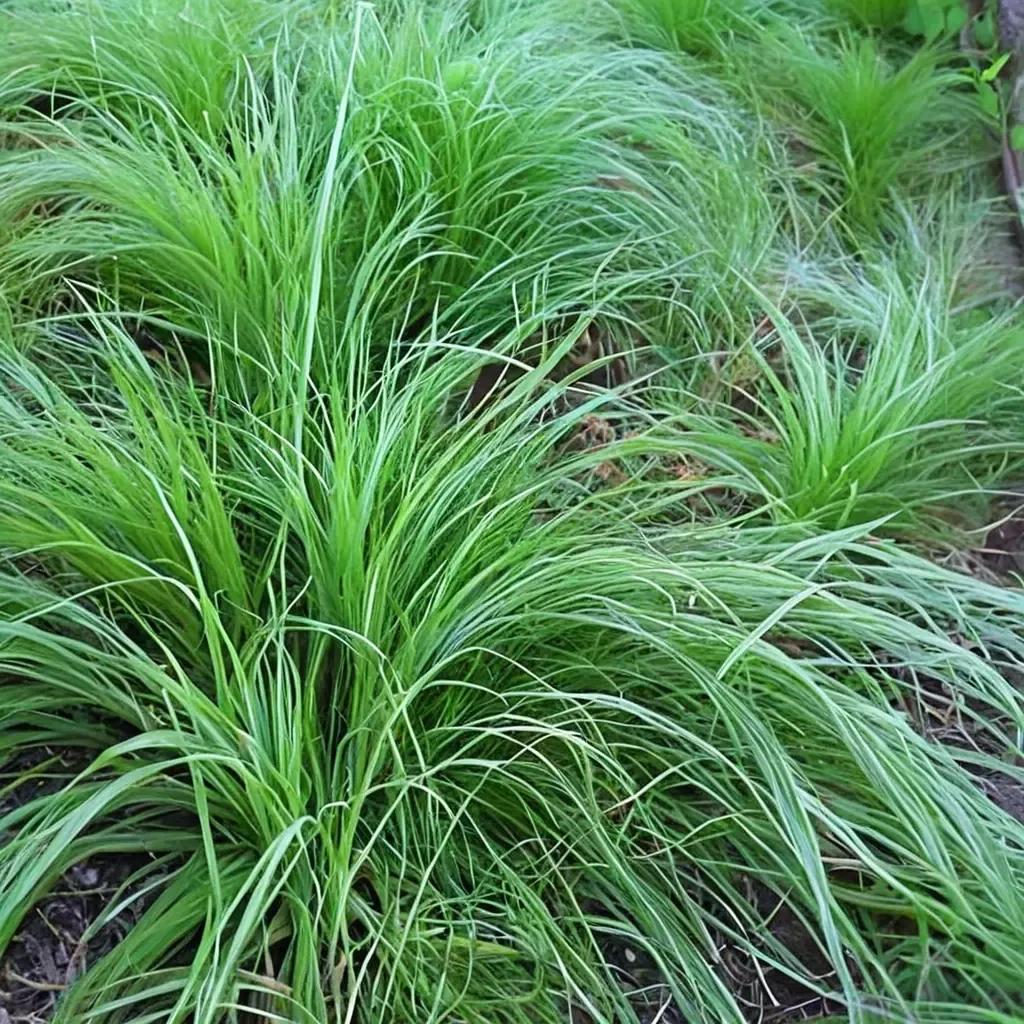
Sedge
Ranked by its most-saved matching variety; the full catalog includes 119 varieties. Sedges offer an exceptional range of textures for weaving through difficult sites.
Zones 4–8All 119 varieties →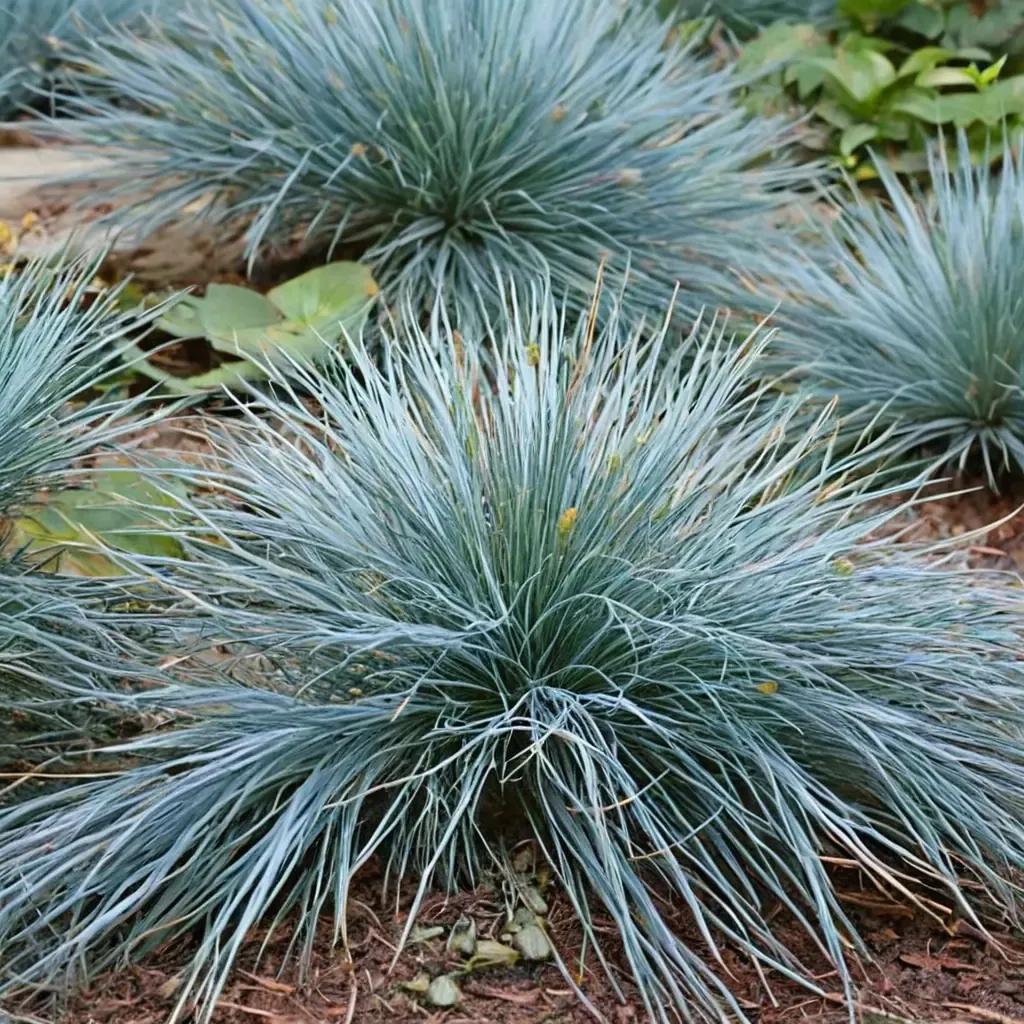
Fescue
Ranked by its most-saved matching variety; the full catalog includes 18 varieties. Compact blue or green tufts sharpen an edge and stay effective beyond bloom season.
Zones 4–8All 18 varieties →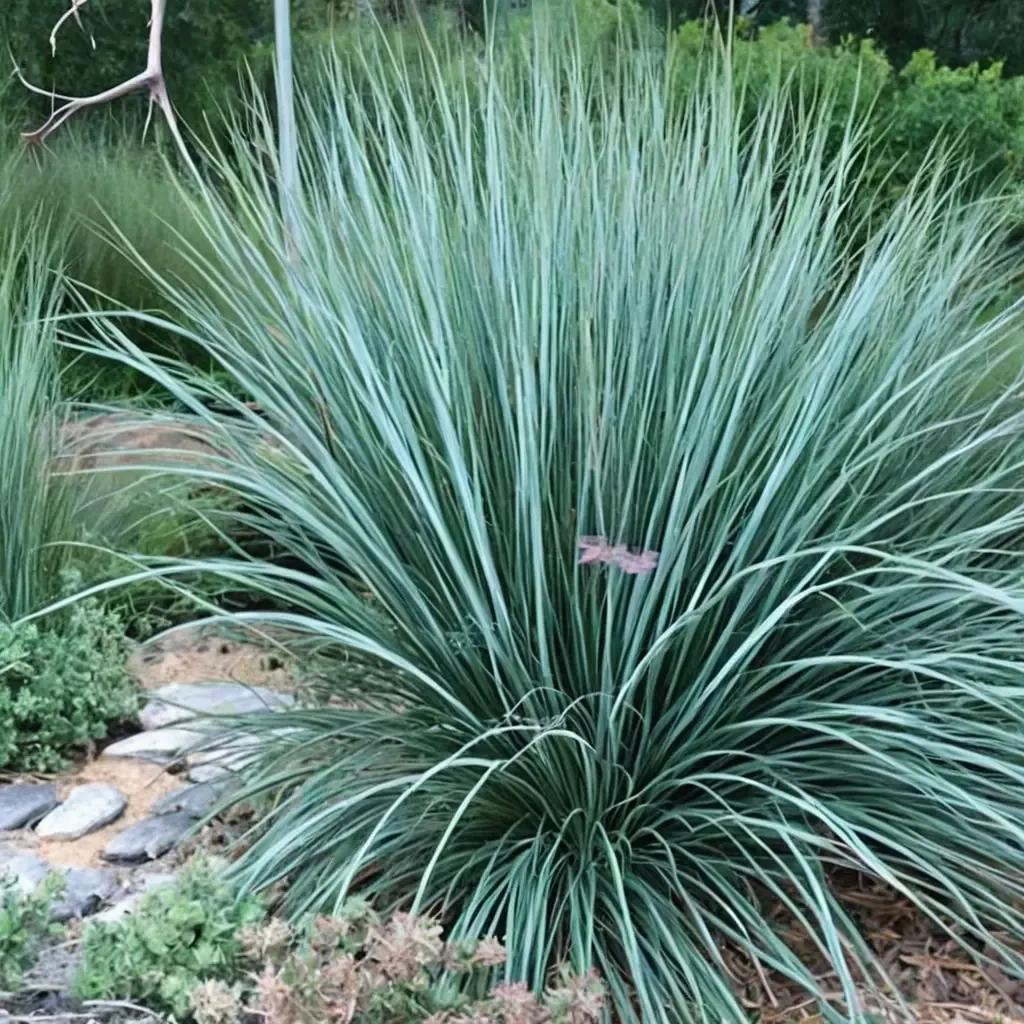
Little Bluestem
Ranked by its most-saved matching variety; the full catalog includes 11 varieties. Blue-green prairie blades turn copper and hold sparkling seed heads into winter.
Zones 4–9All 11 varieties →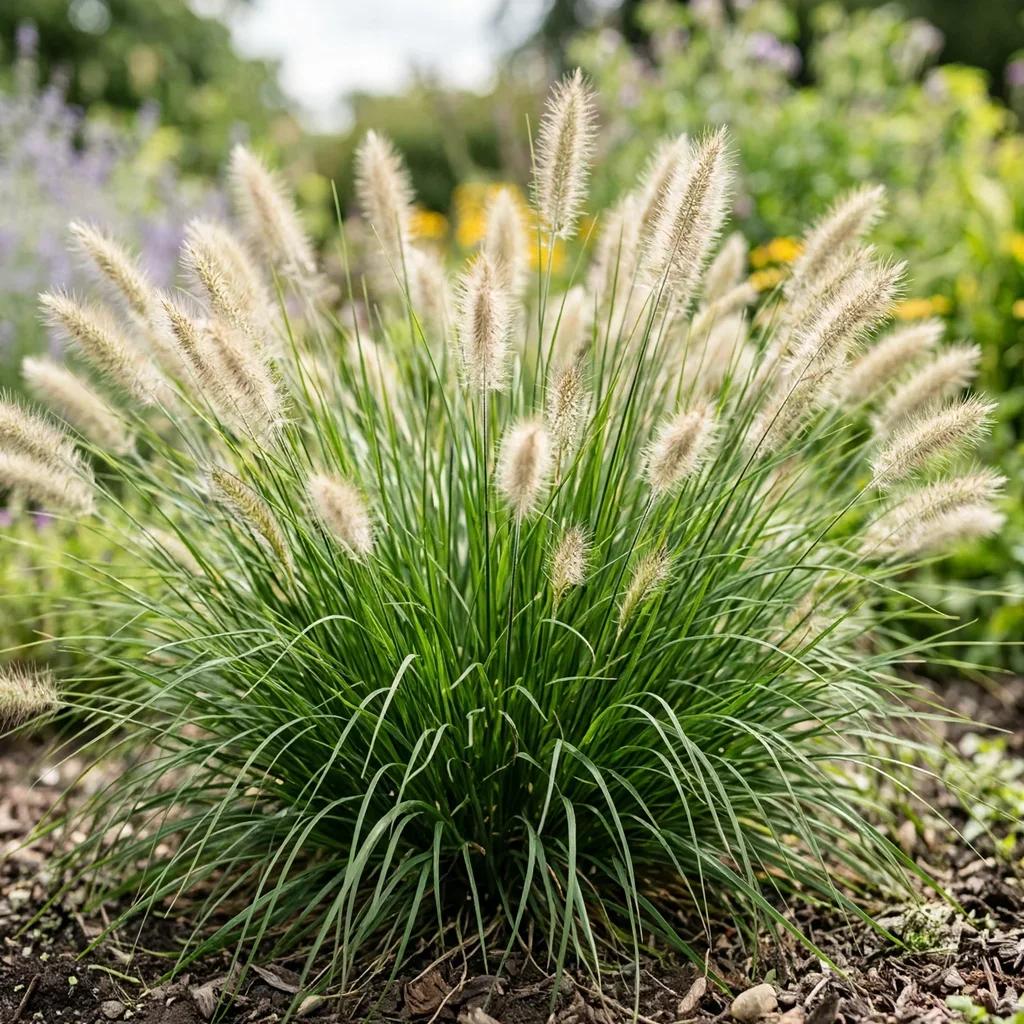
Fountain Grass
Ranked by its most-saved matching variety; the full catalog includes 10 varieties. Its representative is notable for being dry-spell tolerant and usually passed over by deer.
Zones 4–9All 10 varieties →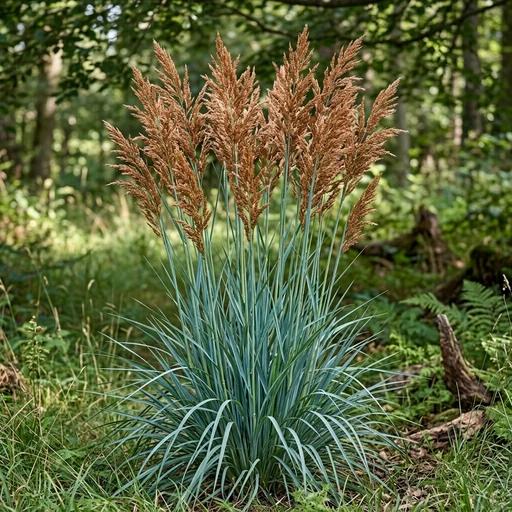
Indiangrass
Ranked by its most-saved matching variety; the full catalog includes 4 varieties. Its representative is notable for being North American native and dry-spell tolerant.
Zones 4–9All 4 varieties →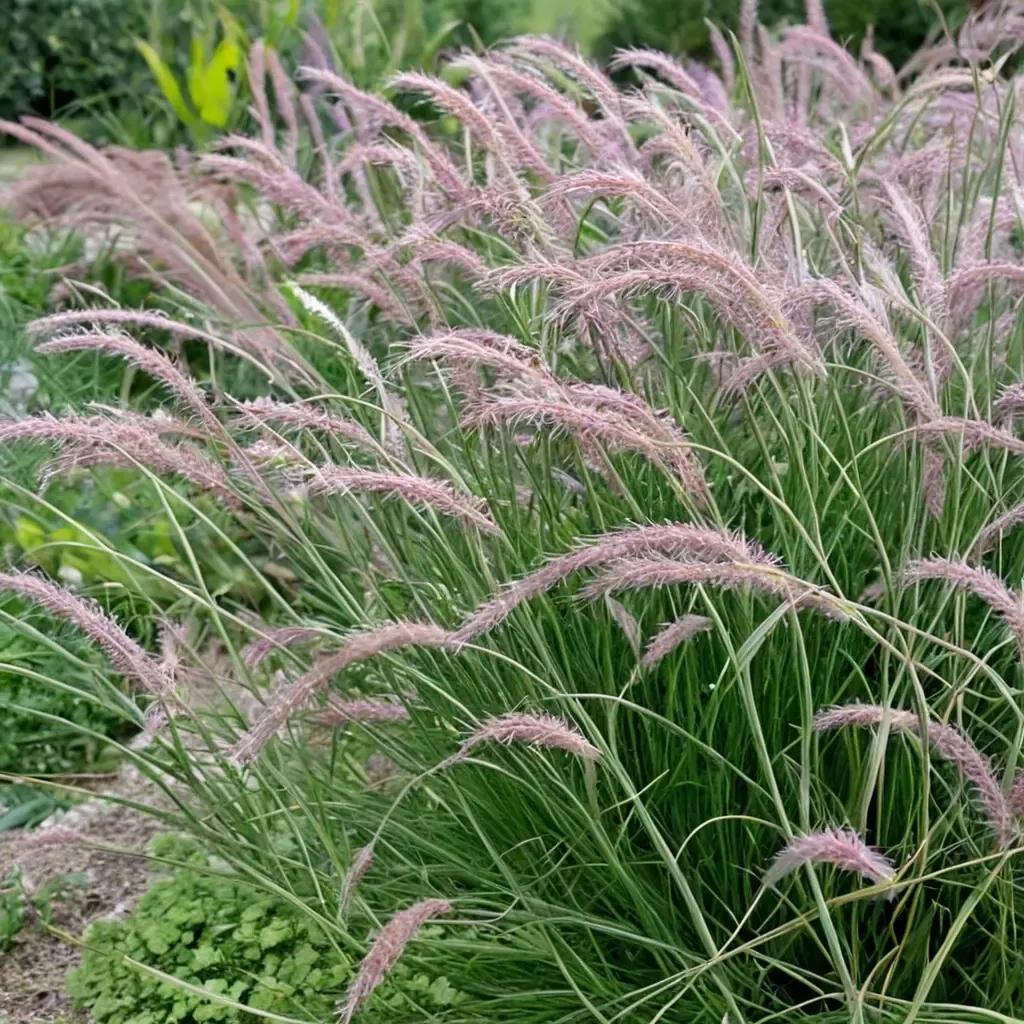
Fountain Grass
Ranked by its most-saved matching variety; the full catalog includes 18 varieties. Arching blades and bottlebrush plumes create a soft, fountain-shaped accent.
Zones 5–9All 18 varieties →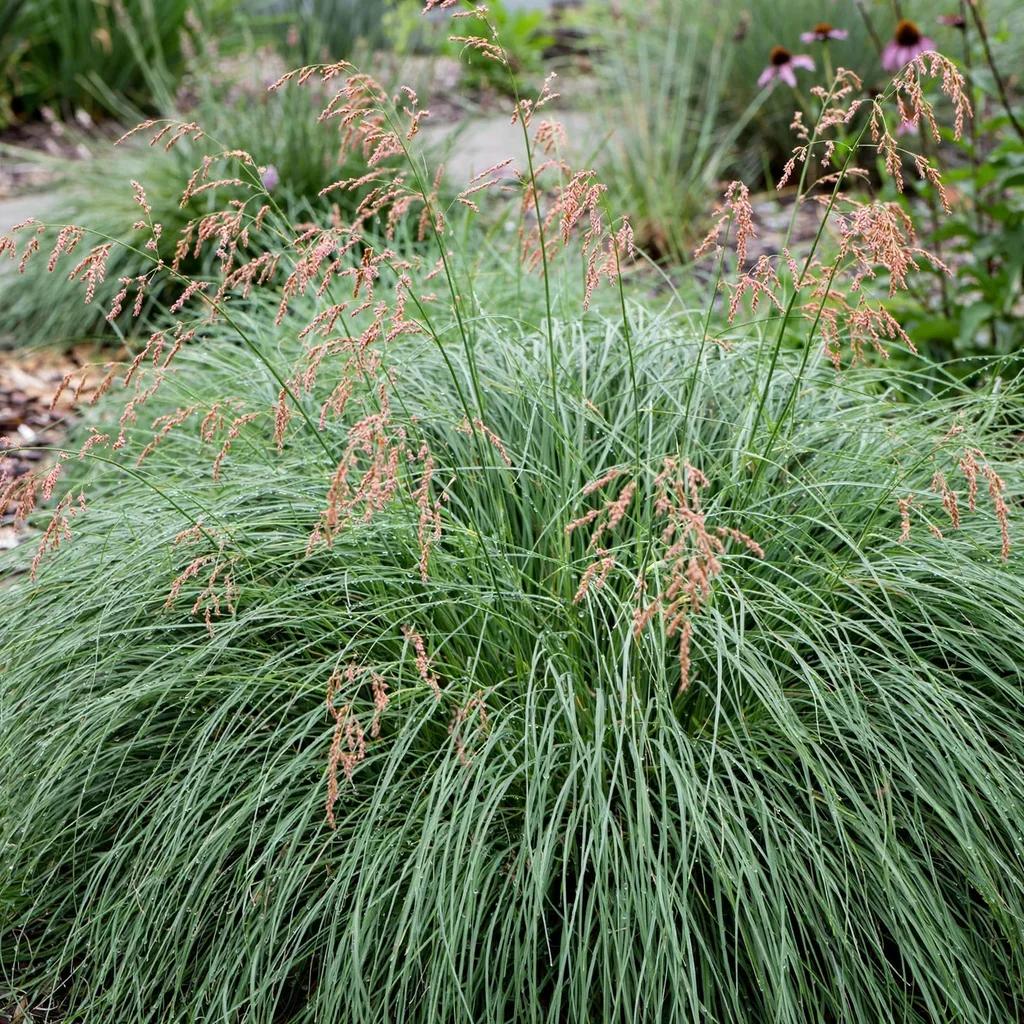
Dropseed
Ranked by its most-saved matching variety; the full catalog includes 7 varieties. Fine leaves and fragrant seed panicles form an exceptionally graceful North American native clump.
Zones 4–9All 7 varieties →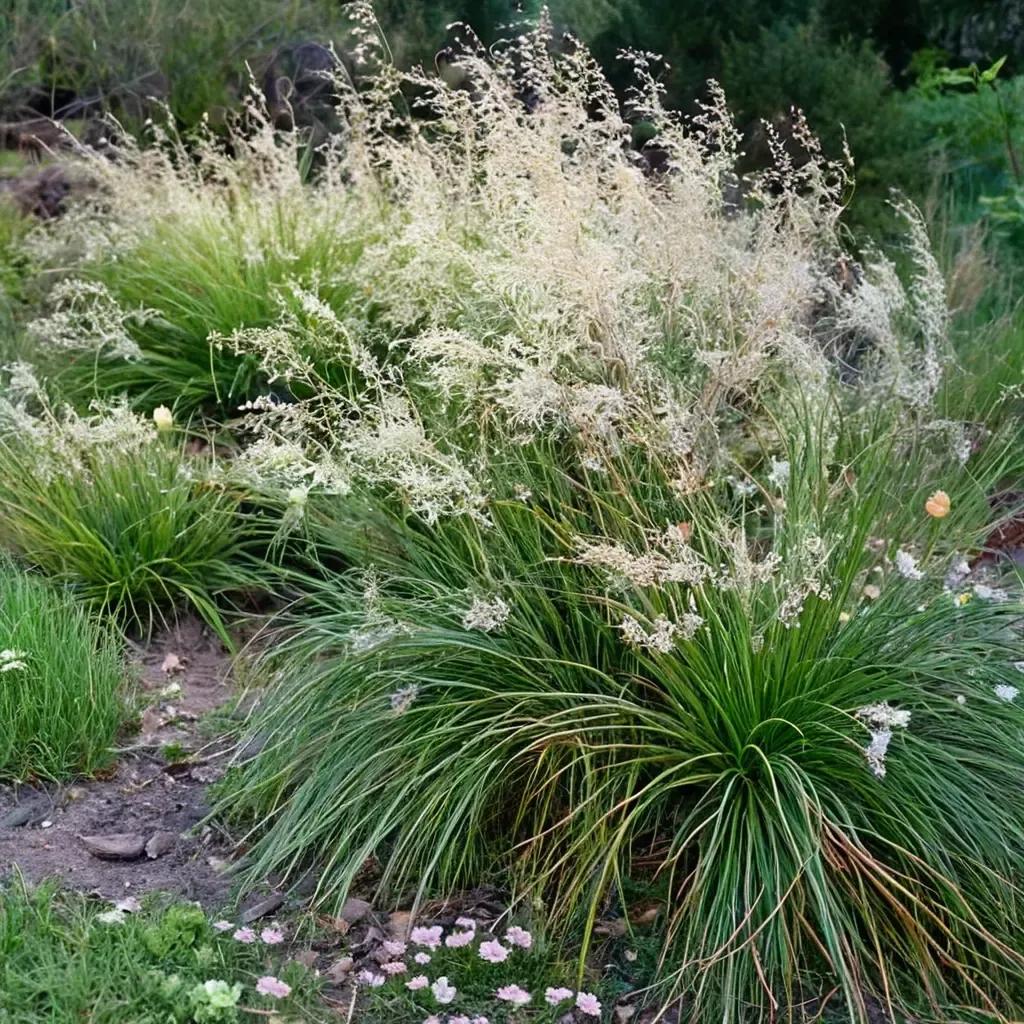
Hair Grass
Ranked by its most-saved matching variety; the full catalog includes 4 varieties. A haze of fine flower stems catches backlight above a compact tuft.
Zones 4–9All 4 varieties →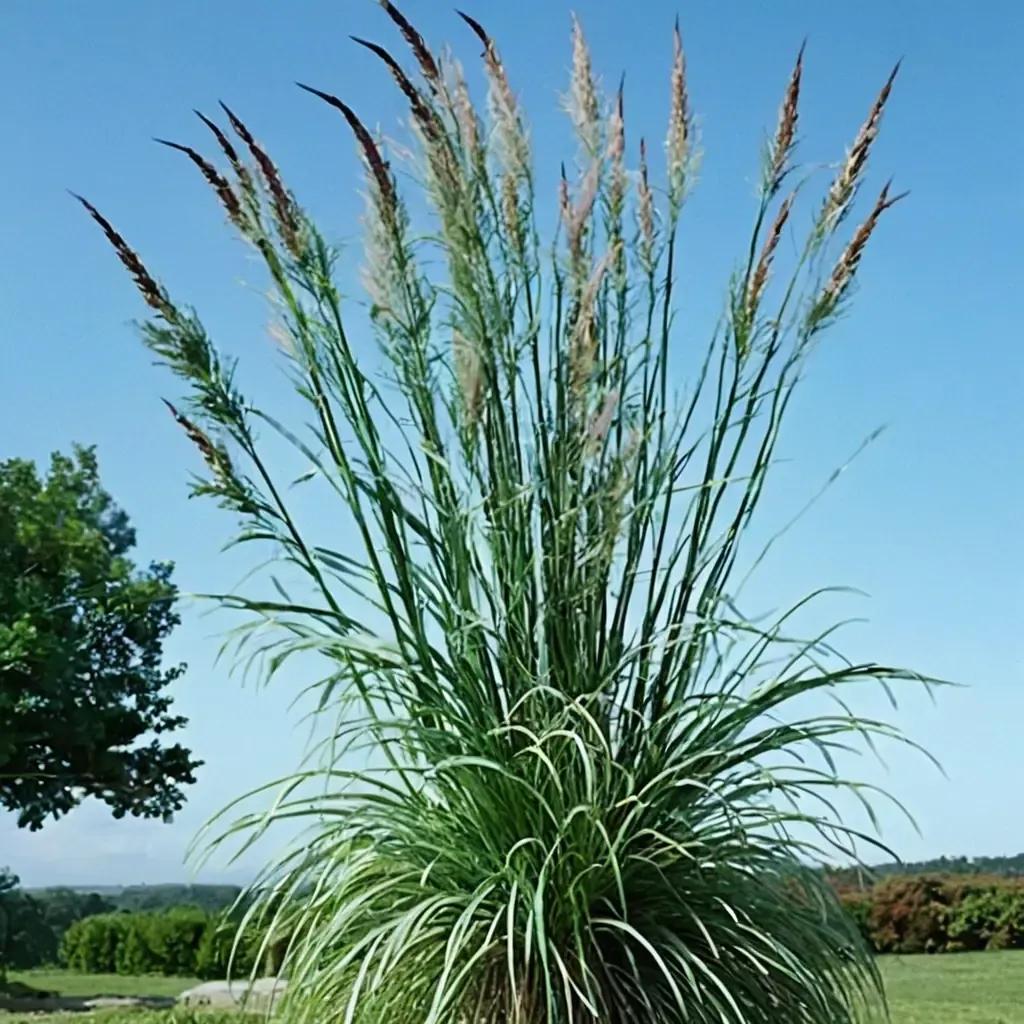
Plume Grass
Ranked by its most-saved matching variety; the full catalog includes 1 variety. Its representative is notable for being dry-spell tolerant and usually passed over by deer.
Zones 5–10All 1 variety →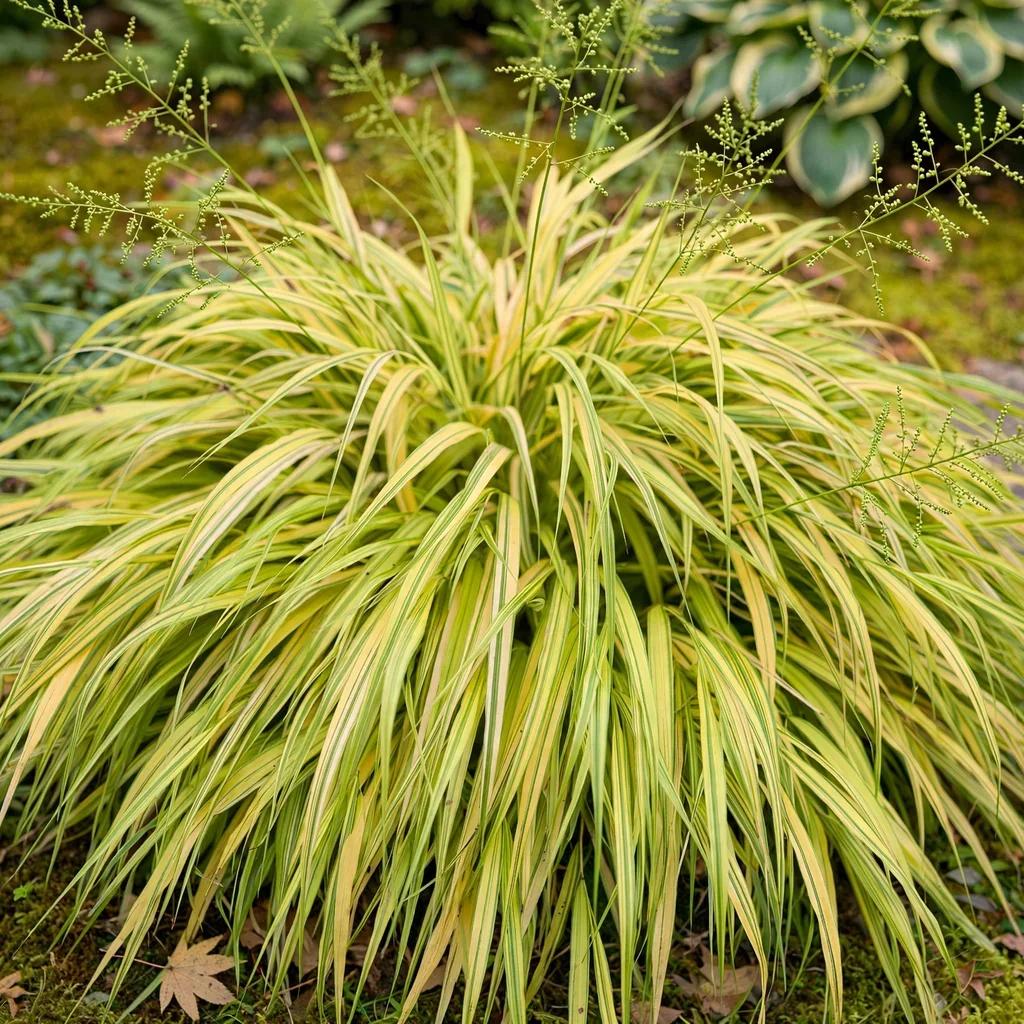
Japanese Forest Grass
Ranked by its most-saved matching variety; the full catalog includes 7 varieties. Cascading blades flow down a slope or edge like a shaded waterfall.
Zones 5–9All 7 varieties →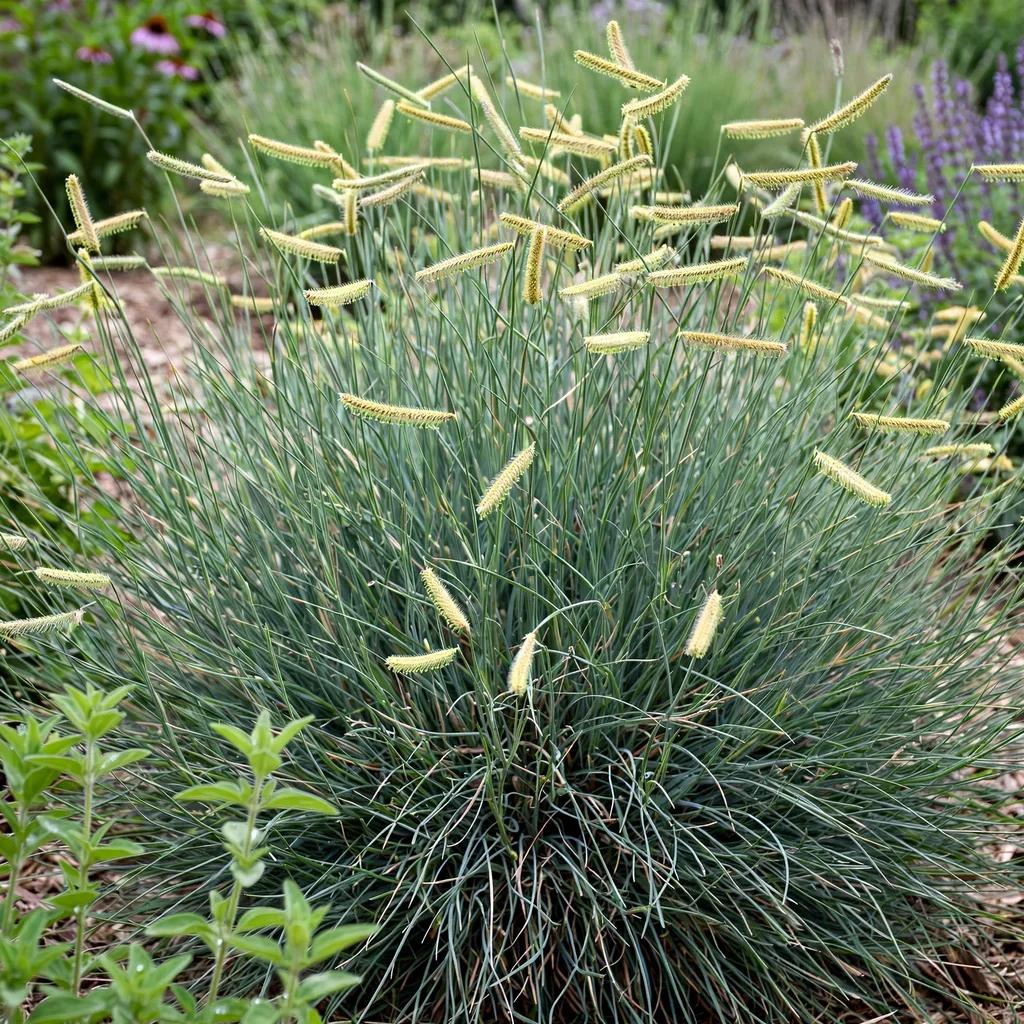
Grama Grass
Ranked by its most-saved matching variety; the full catalog includes 5 varieties. Horizontal seed heads hover like tiny flags above this compact prairie grass.
Zones 4–10All 5 varieties →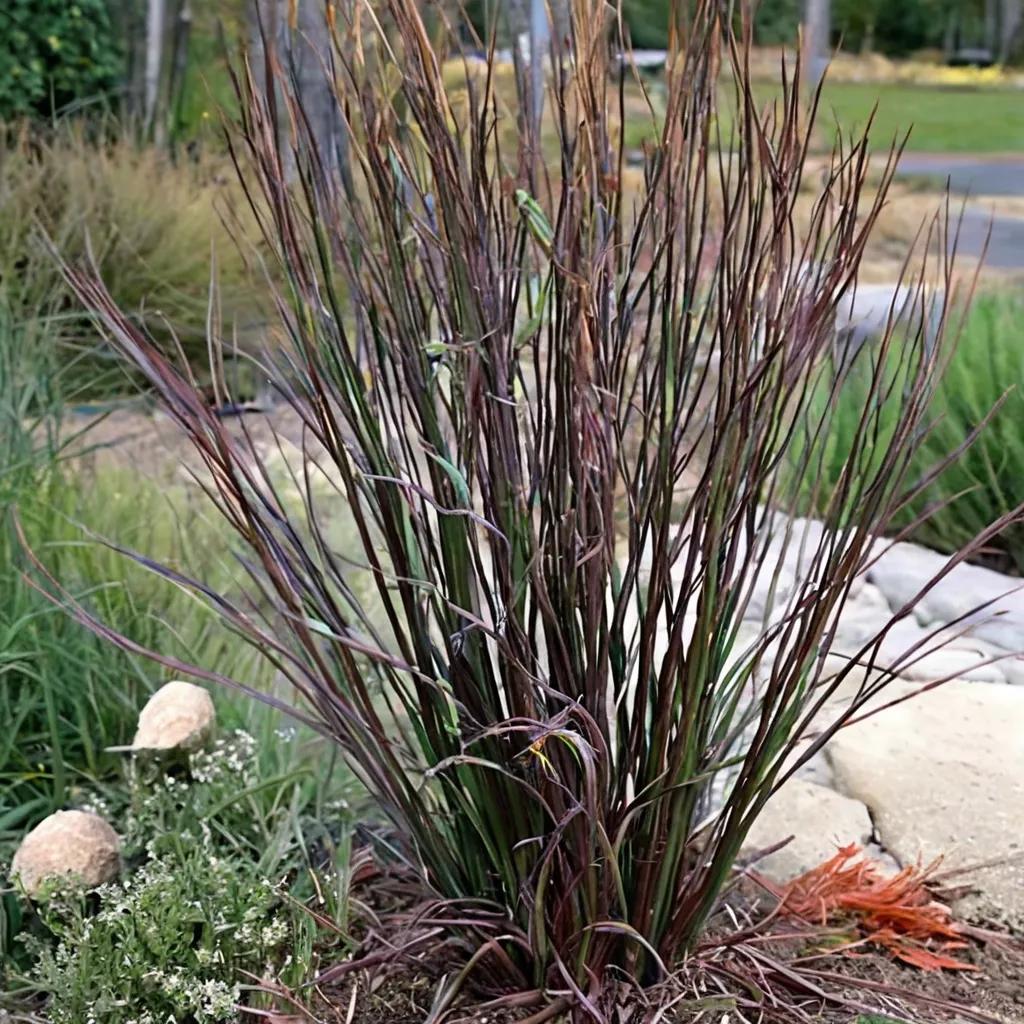
Bluestem Grass
Ranked by its most-saved matching variety; the full catalog includes 8 varieties. Tall blue-green blades turn coppery and hold their shape into winter.
Zones 4–9All 8 varieties →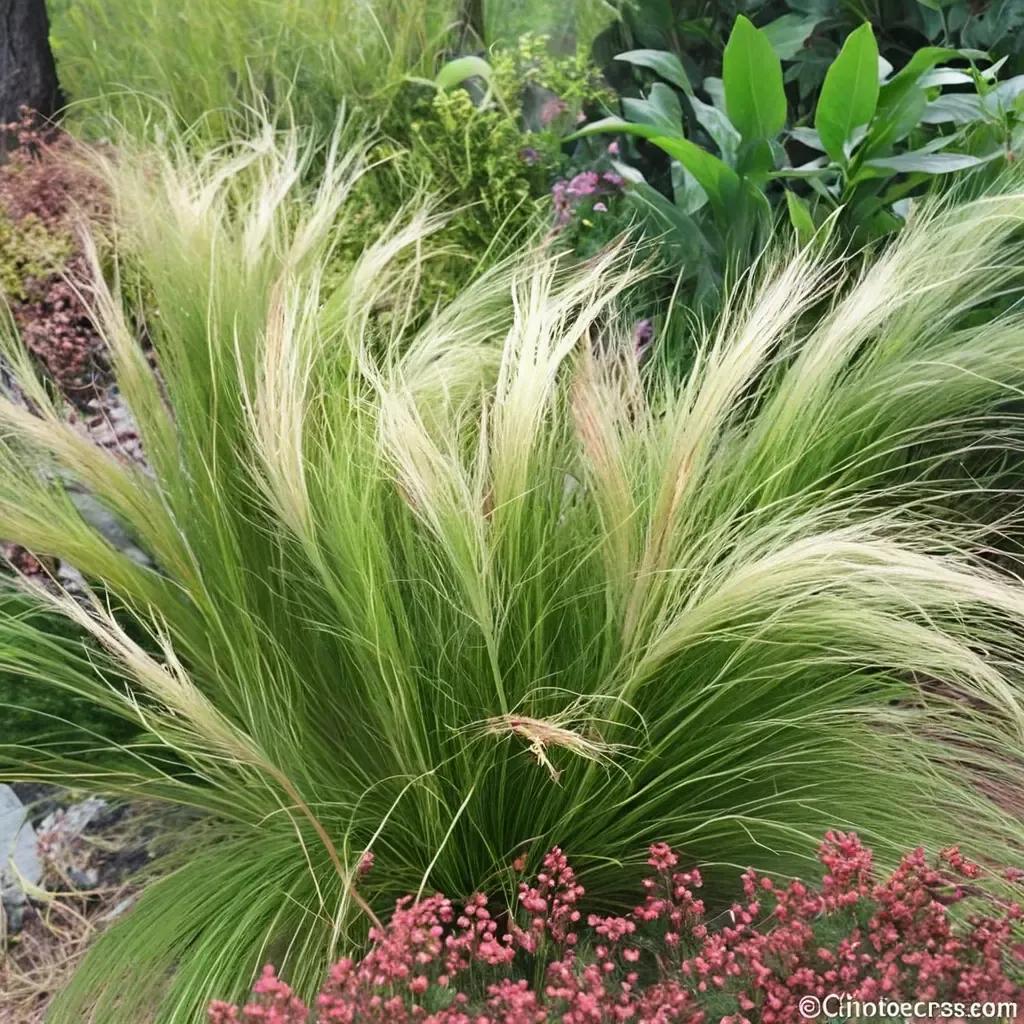 17
Nassella
Needlegrass
Ranked by its most-saved matching variety; the full catalog includes 5 varieties. Exceptionally fine blades ripple in the slightest breeze; check regional invasiveness first.
Zones 5–8All 5 varieties →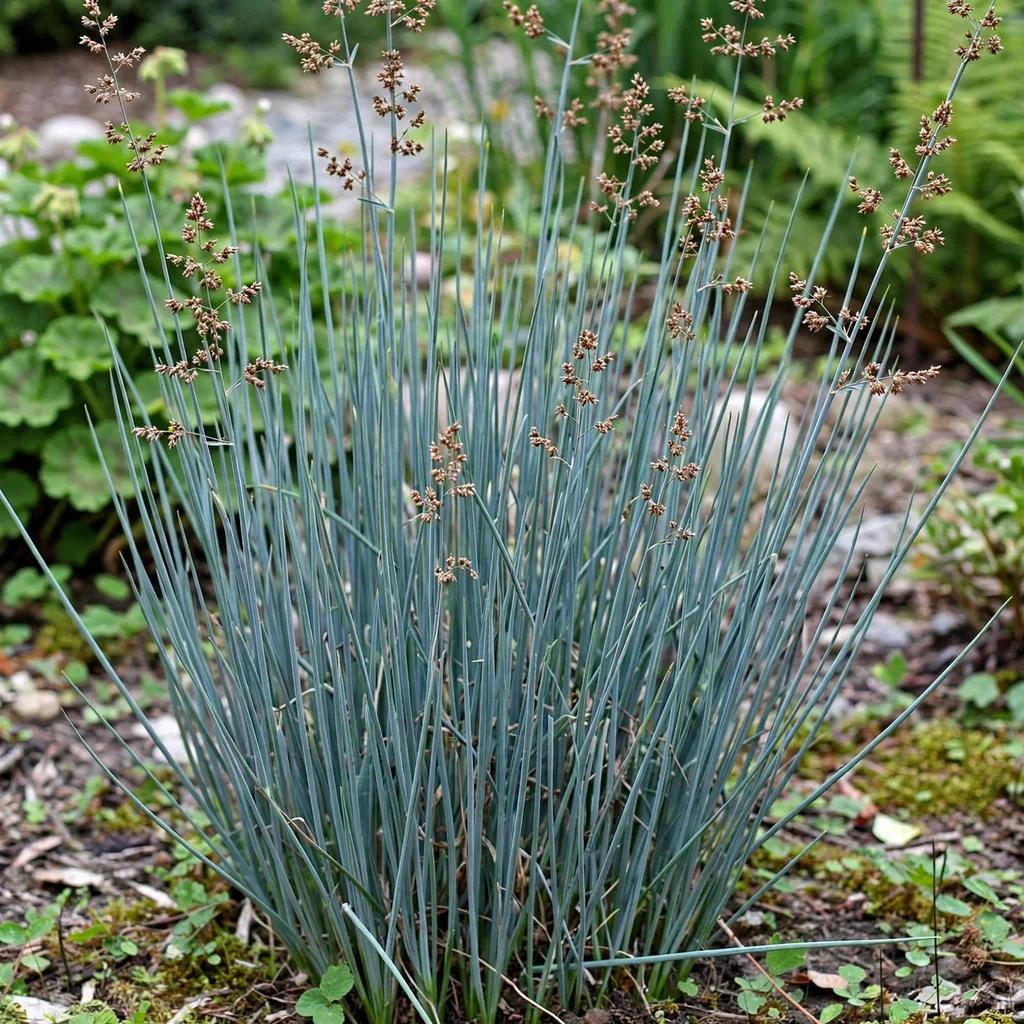 18
Juncus
Rush
Ranked by its most-saved matching variety; the full catalog includes 20 varieties. Upright or curling stems add clean geometry to rain gardens and wet edges.
Zones 4–9All 20 varieties →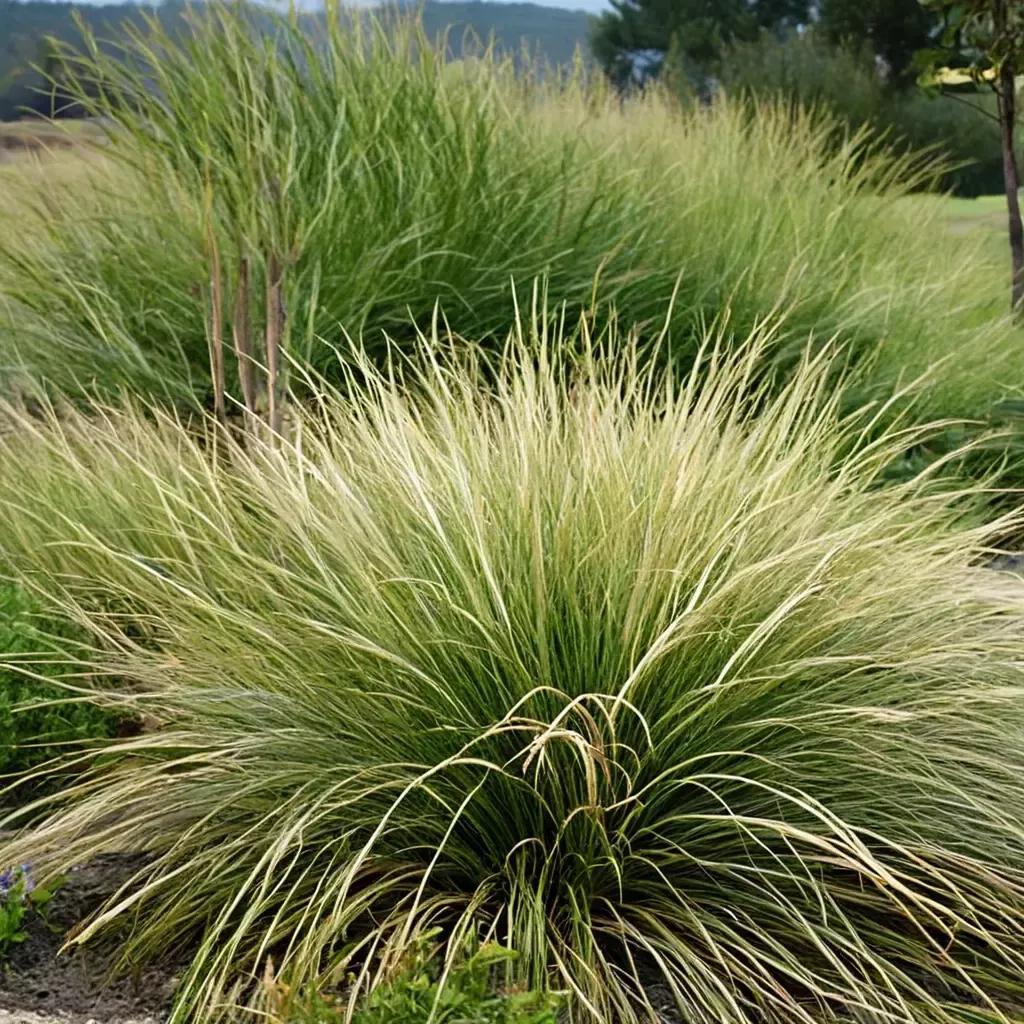 19
Lolium
Ryegrass
Ranked by its most-saved matching variety; the full catalog includes 1 variety. Its representative is notable for being dry-spell tolerant and usually passed over by deer.
Zones 4–10All 1 variety →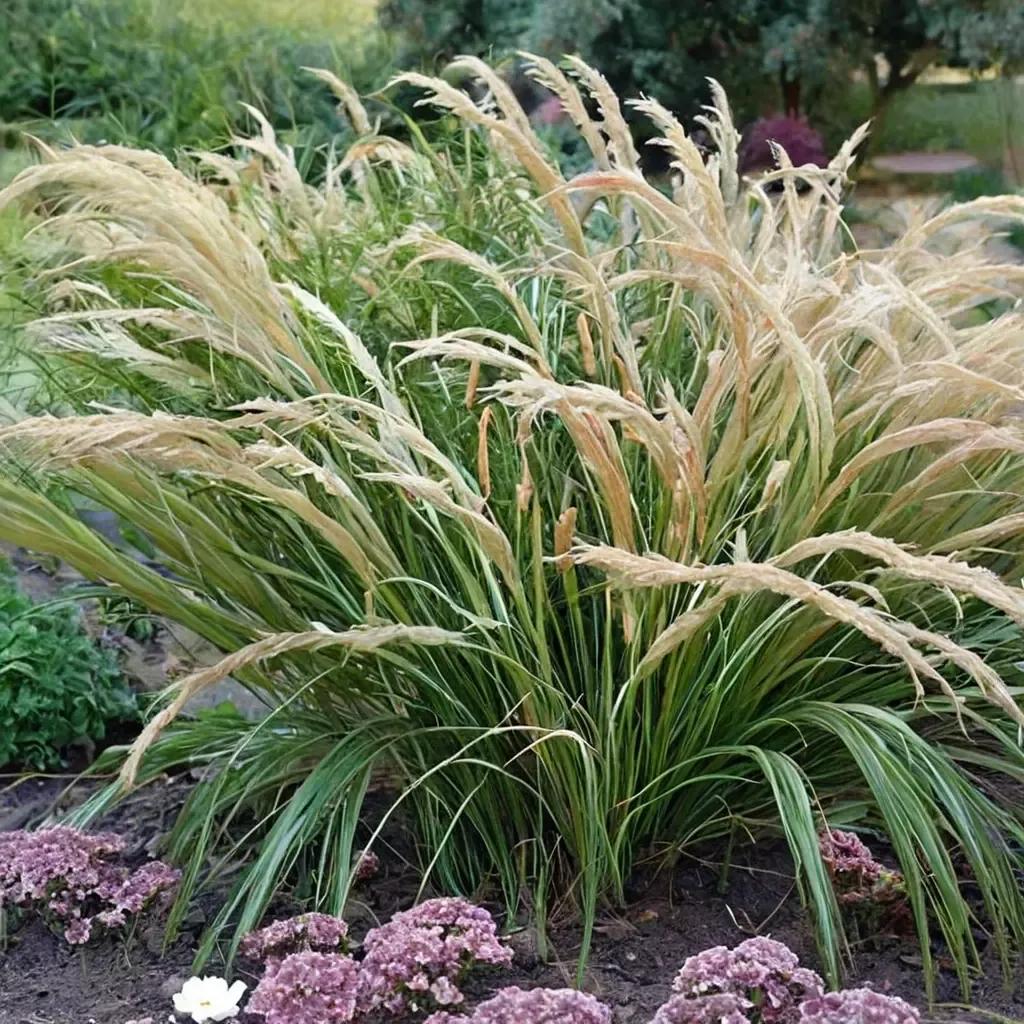 20
Stipa
Feather Grass
Ranked by its most-saved matching variety; the full catalog includes 8 varieties. Silky awns catch light and motion, giving dry plantings an airy finish.
Zones 4–10All 8 varieties →
About this list
How was this the most popular ornamental grasses list ranked?
A plant must first match the catalog filters named in the title. Each genus is represented and ranked by its most-saved matching variety, so genera with many cultivars do not receive an automatic advantage.
When do I cut back ornamental grasses?
Late winter, before new growth — the standing foliage is winter interest and wildlife cover. Cut cool-season grasses earlier than warm-season ones.
Track these in your garden
Save the ones you plant and get care reminders timed to your zone.
Keep exploring
Browse & shop
More popularity lists
- Most Popular Perennials for Shade
- Most Popular Deer-Resistant Perennials
- Most Popular Plants Tagged for Pollinators
- Most Popular Drought-Tolerant Plants
- Most Popular Flowering Shrubs
- Most Popular Groundcovers for Shade
- Most Popular Privacy Shrubs and Screening Plants
- Most Popular North American Native Perennials