Popularity, clearly labeled
The Most Popular Ornamental Grasses in Zone 7
Among plants cataloged as ornamental grasses, these are the genera Sow gardeners save most. Each genus is represented by its most-saved matching variety. Every representative here is catalog-rated hardy in Zone 7, whose standard minimum-temperature band begins near 0°F. The popularity ranking is recomputed only among matching Zone 7 records; hardiness alone does not establish that a plant will thrive on a particular site.
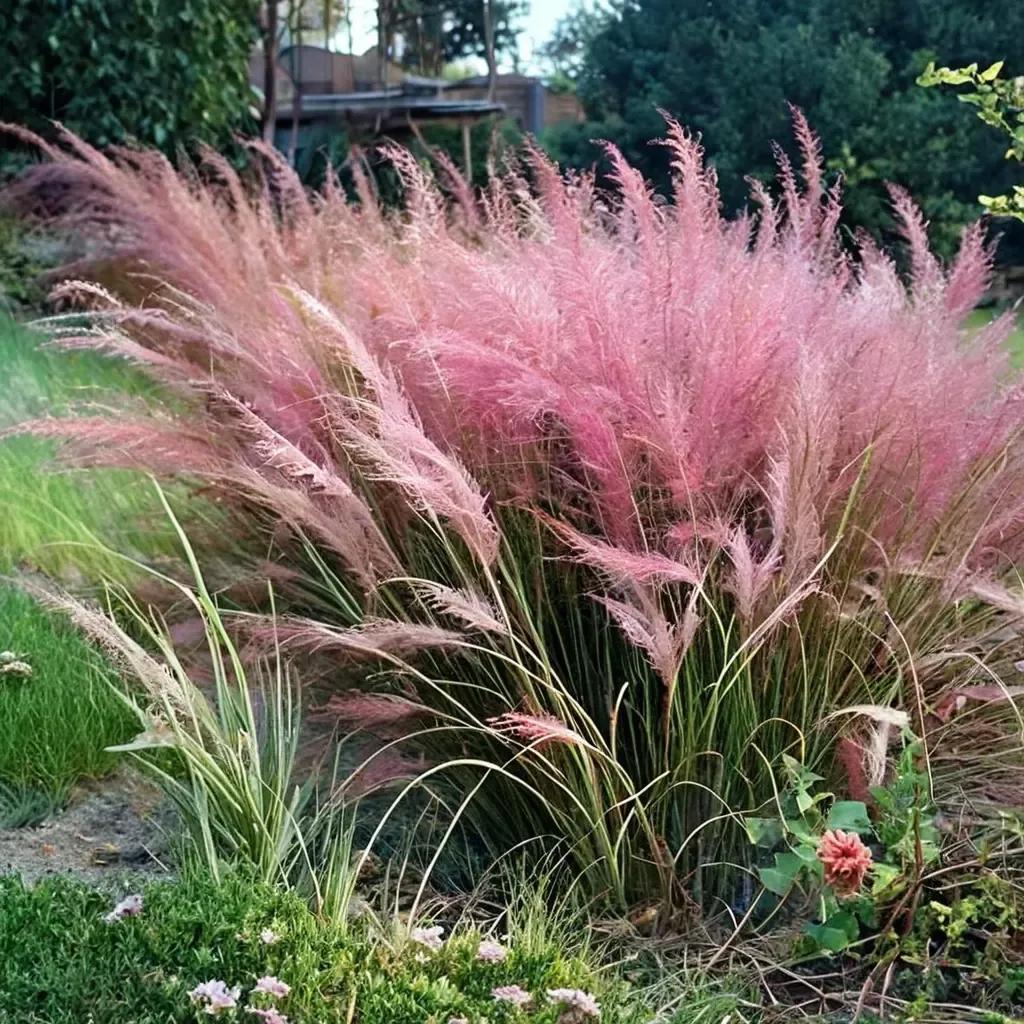
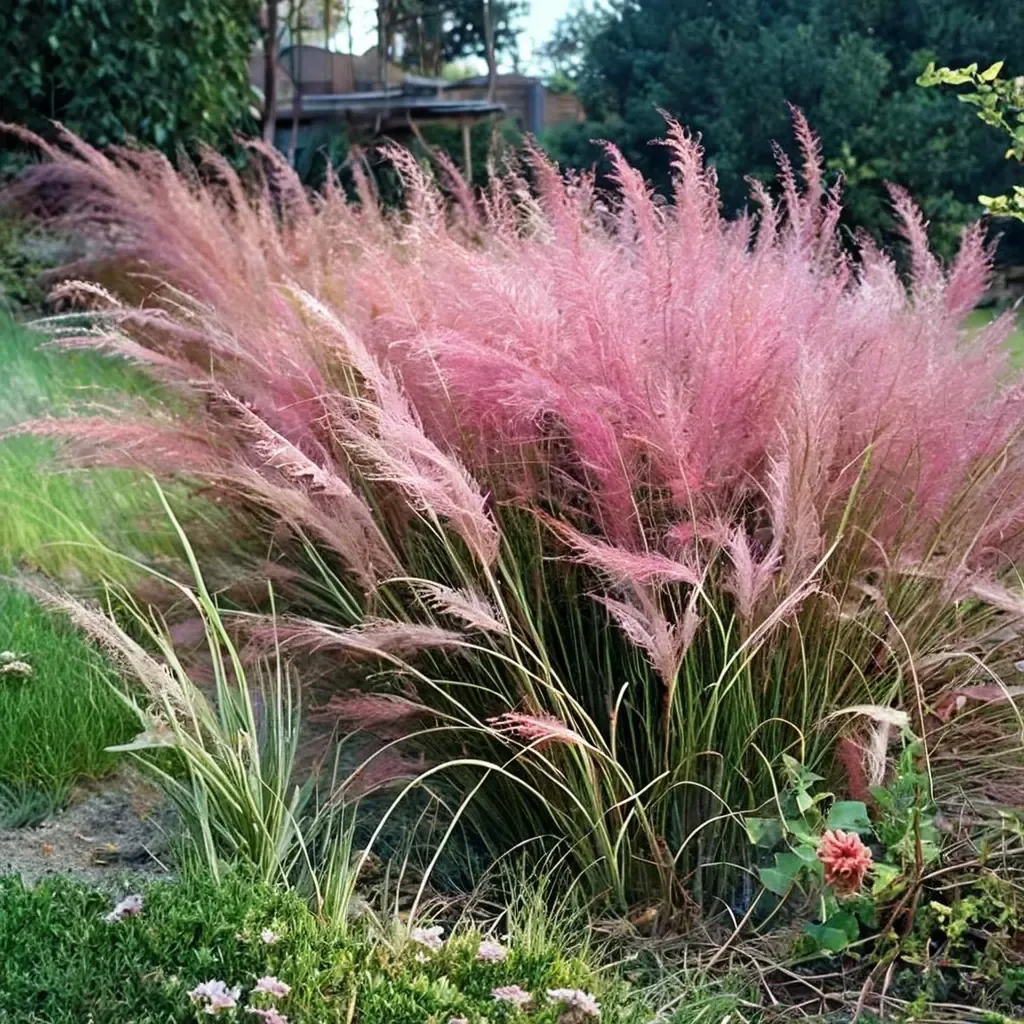
Muhly Grass
Ranked by its most-saved matching variety; the full catalog includes 13 varieties. Airy pink or cream seed heads create a luminous cloud above fine foliage.
Zones 5–10All 13 varieties →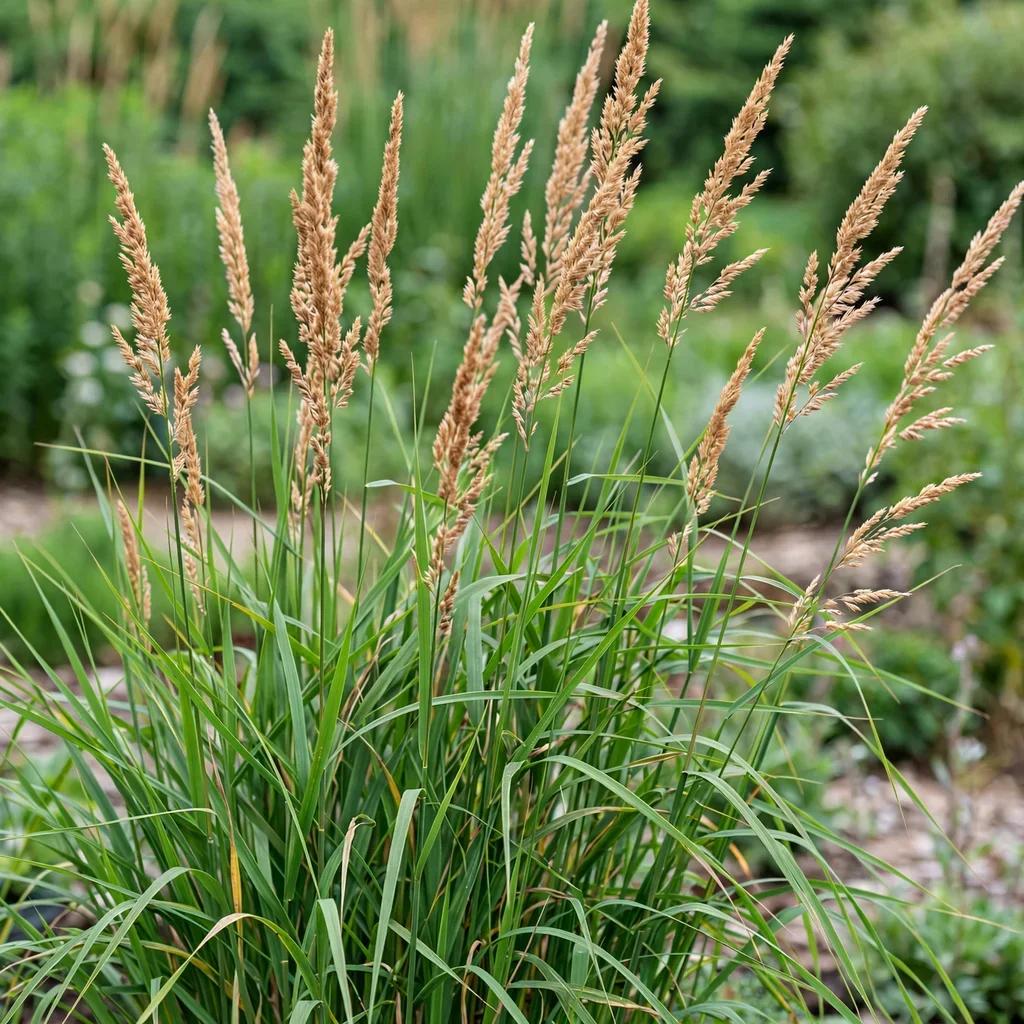
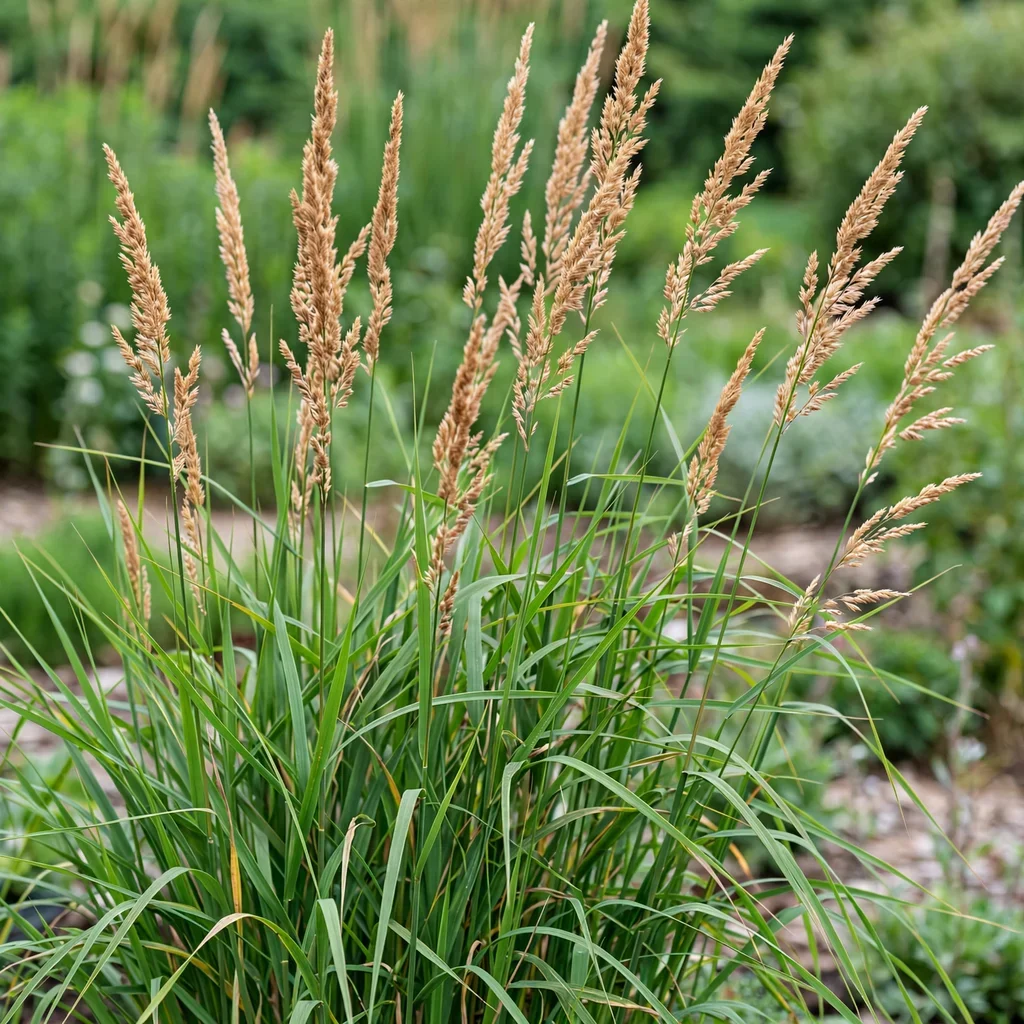
Feather Reed Grass
Ranked by its most-saved matching variety; the full catalog includes 13 varieties. Early, upright plumes provide structure without the bulk of larger grasses.
Zones 4–9All 13 varieties →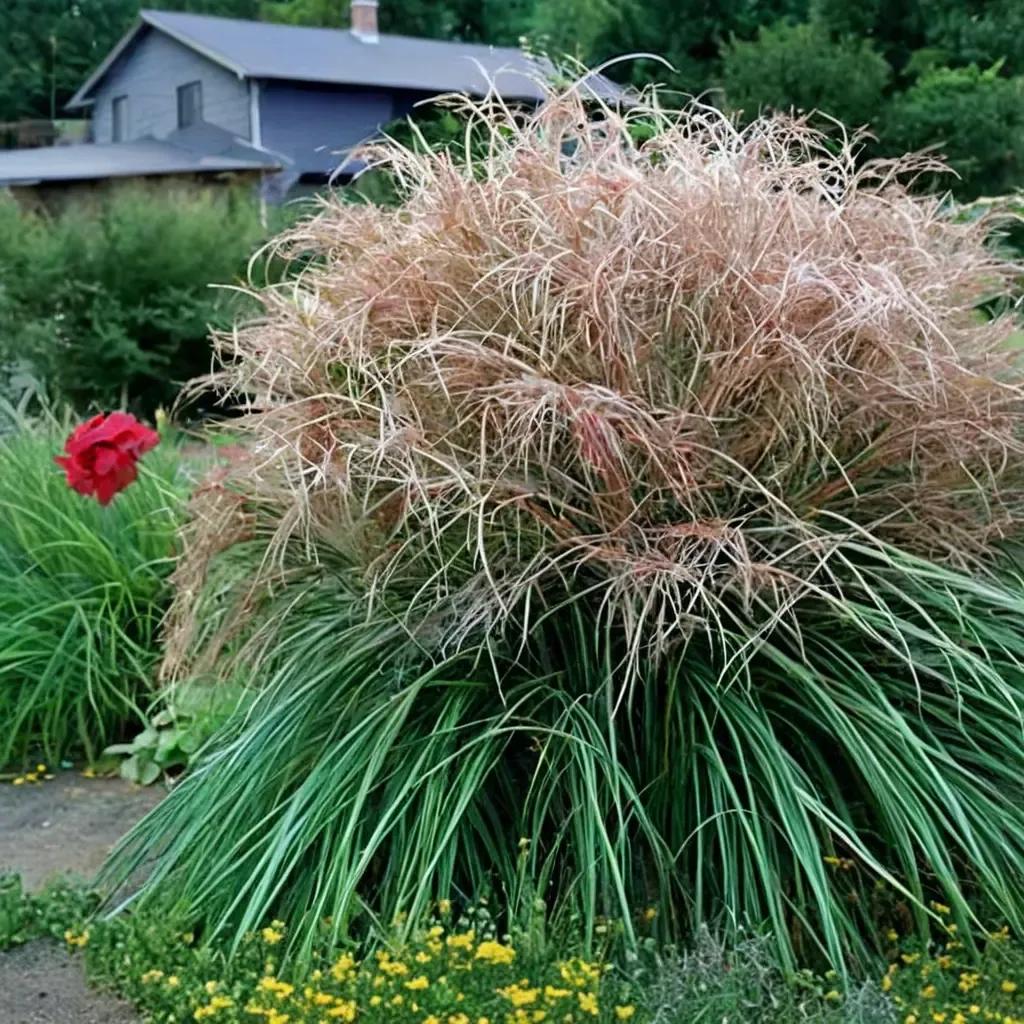
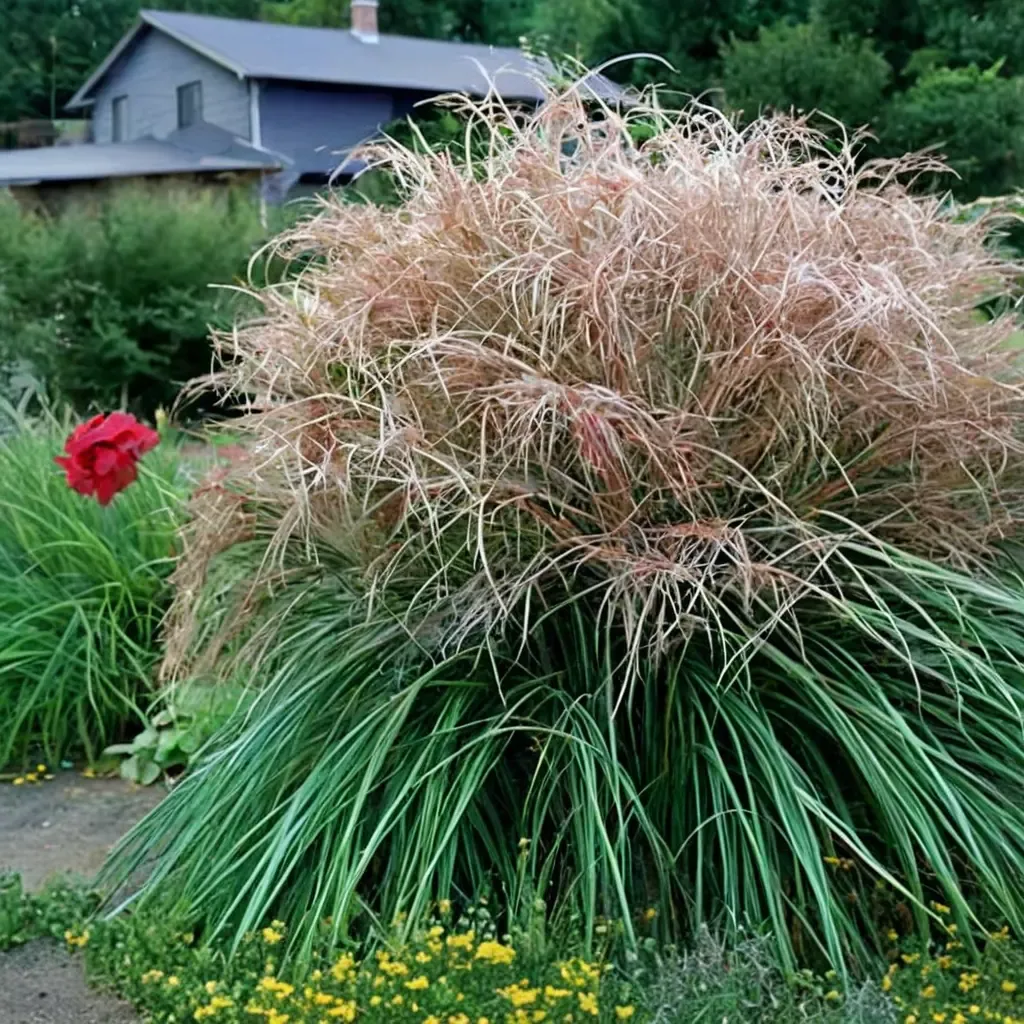
Silver Grass
Ranked by its most-saved matching variety; the full catalog includes 28 varieties. Tall fountains and silvery plumes provide movement and winter presence; choose sterile types.
Zones 4–9All 28 varieties →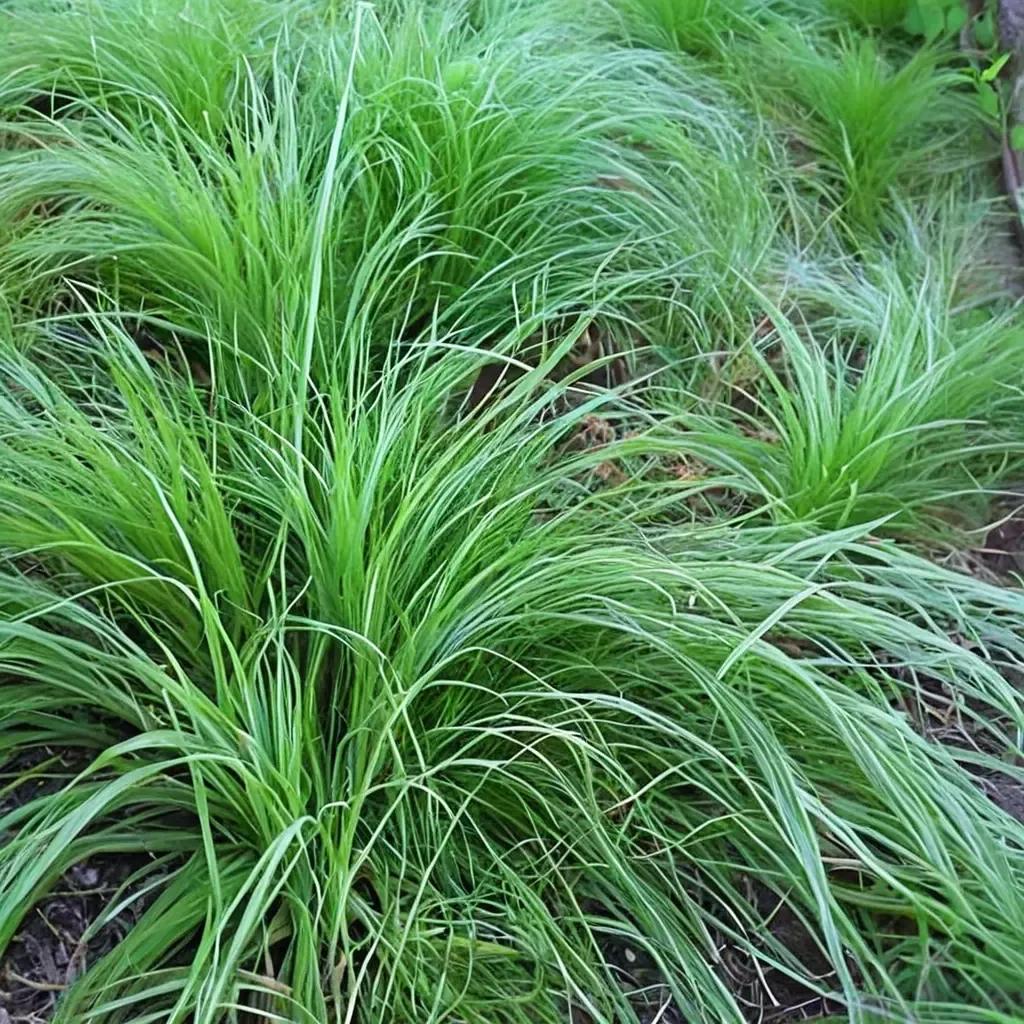
Sedge
Ranked by its most-saved matching variety; the full catalog includes 90 varieties. Sedges offer an exceptional range of textures for weaving through difficult sites.
Zones 4–8All 90 varieties →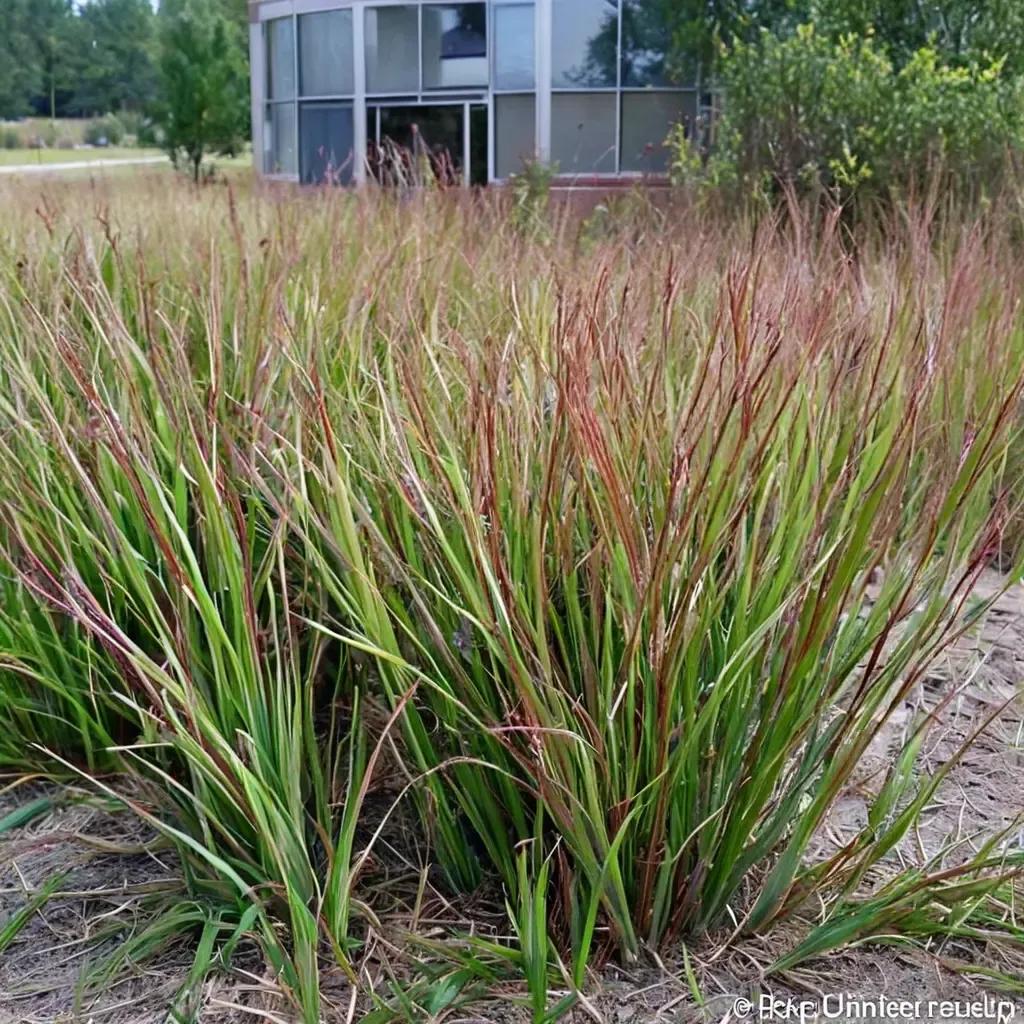
Switchgrass
Ranked by its most-saved matching variety; the full catalog includes 16 varieties. Upright North American native clumps carry airy seed heads and strong autumn color.
Zones 4–9All 16 varieties →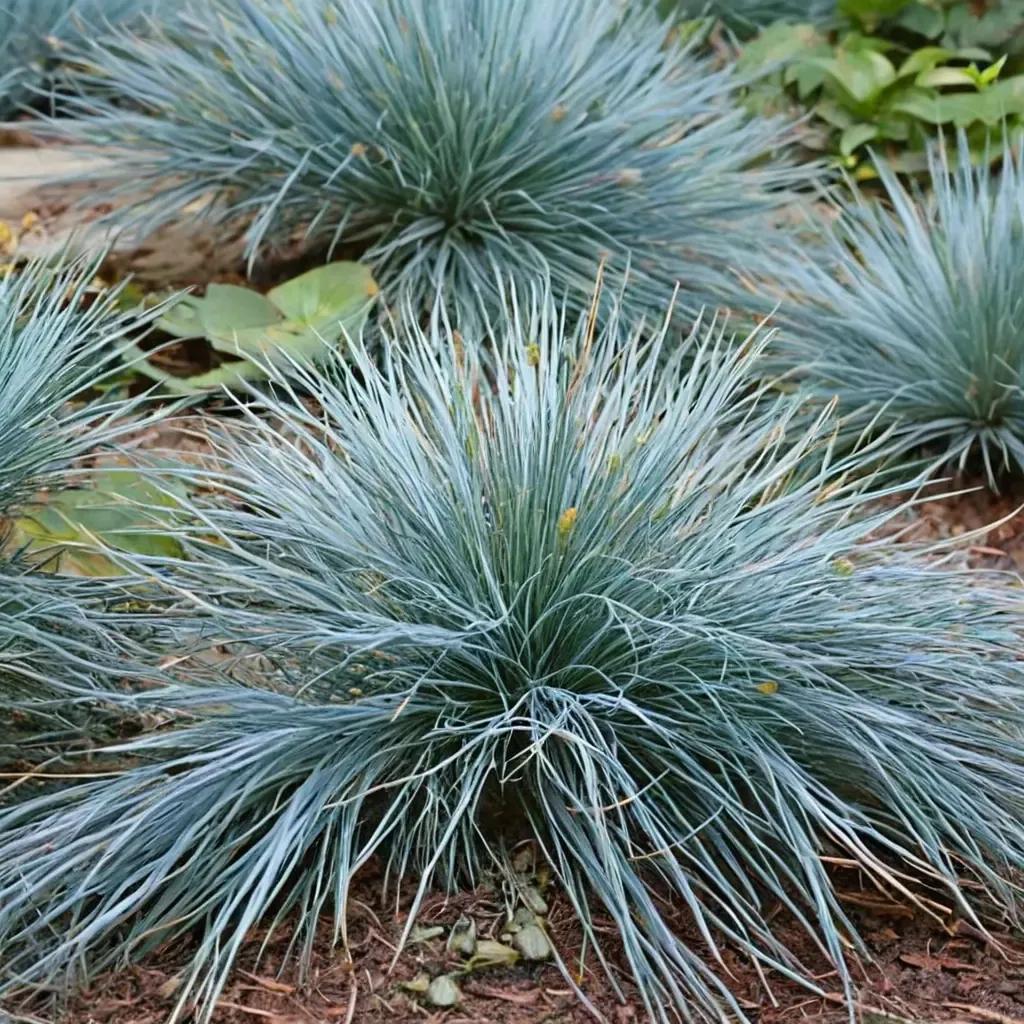
Fescue
Ranked by its most-saved matching variety; the full catalog includes 7 varieties. Compact blue or green tufts sharpen an edge and stay effective beyond bloom season.
Zones 4–8All 7 varieties →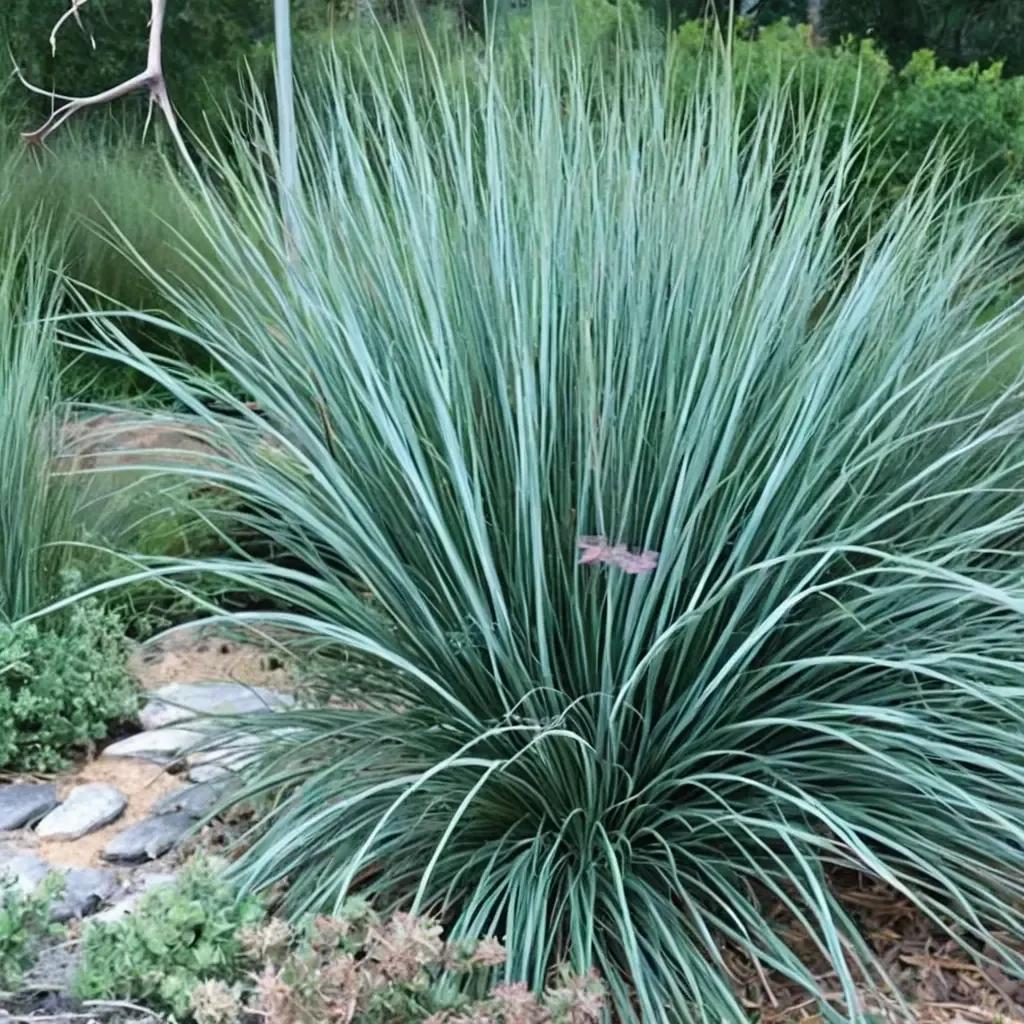
Little Bluestem
Ranked by its most-saved matching variety; the full catalog includes 12 varieties. Blue-green prairie blades turn copper and hold sparkling seed heads into winter.
Zones 4–9All 12 varieties →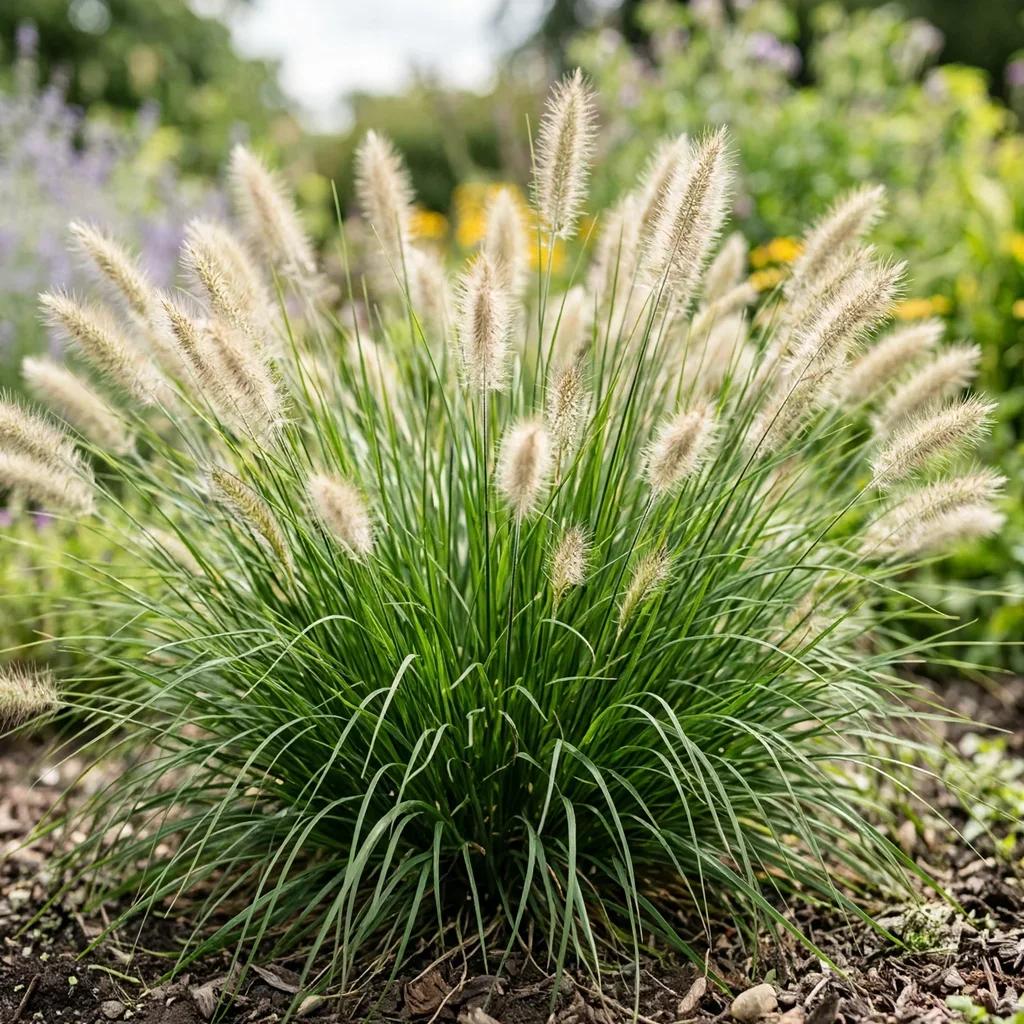
Fountain Grass
Ranked by its most-saved matching variety; the full catalog includes 9 varieties. Its representative is notable for being dry-spell tolerant and usually passed over by deer.
Zones 4–9All 9 varieties →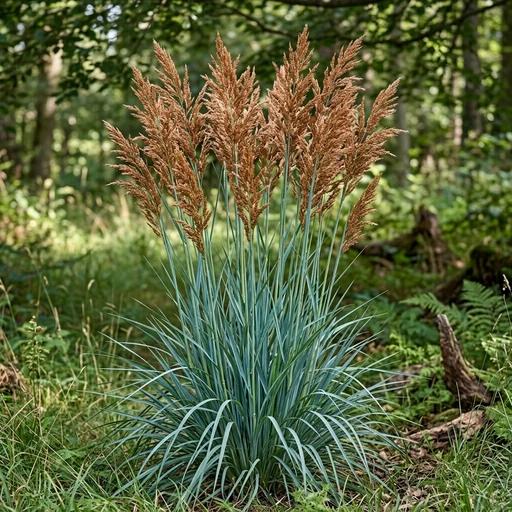
Indiangrass
Ranked by its most-saved matching variety; the full catalog includes 3 varieties. Its representative is notable for being North American native and dry-spell tolerant.
Zones 4–9All 3 varieties →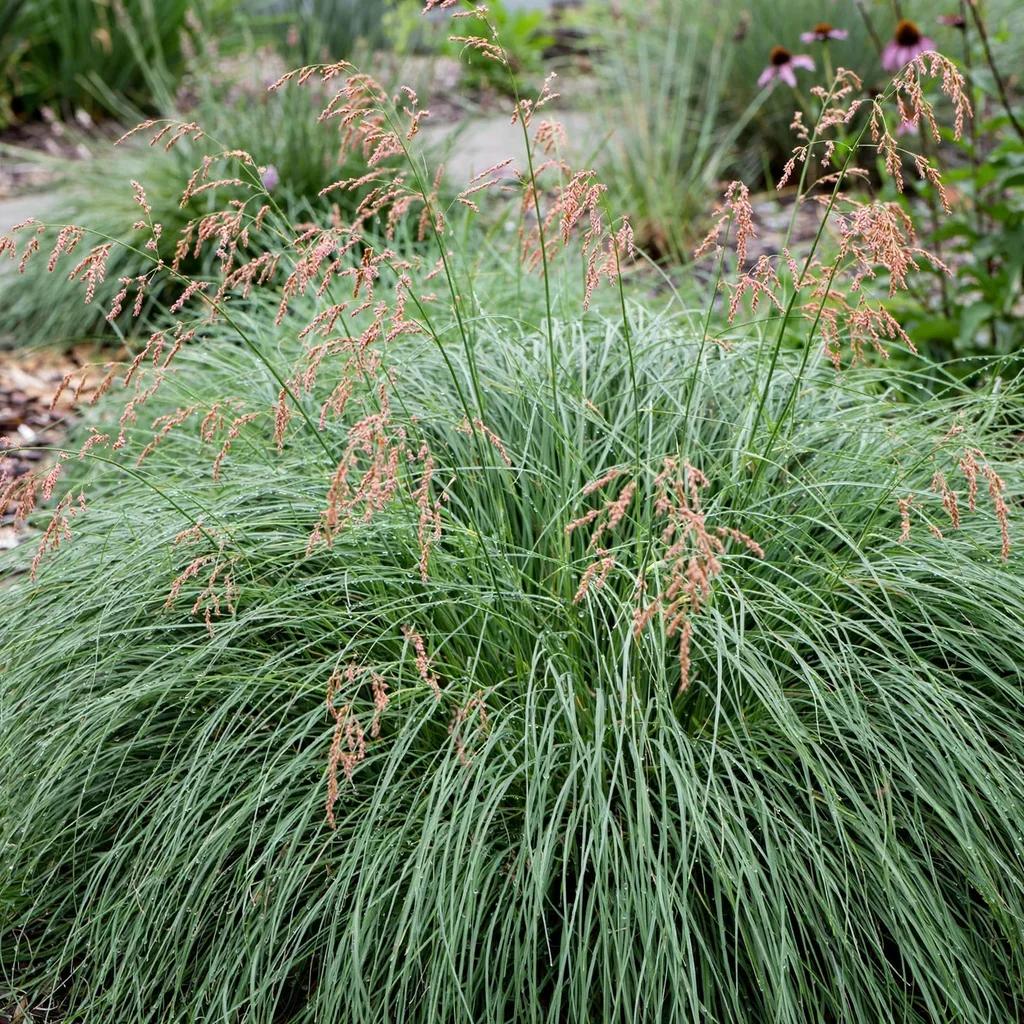
Dropseed
Ranked by its most-saved matching variety; the full catalog includes 3 varieties. Fine leaves and fragrant seed panicles form an exceptionally graceful North American native clump.
Zones 4–9All 3 varieties →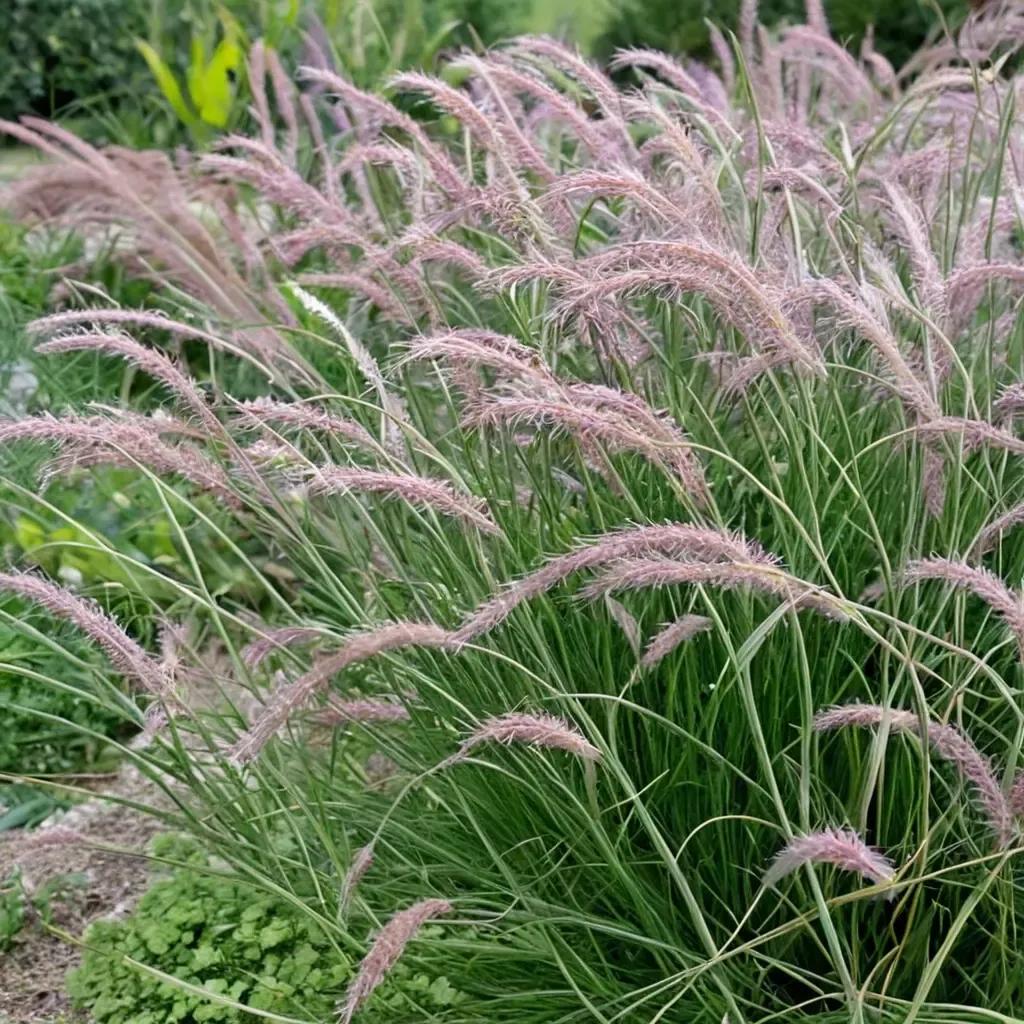
Fountain Grass
Ranked by its most-saved matching variety; the full catalog includes 15 varieties. Arching blades and bottlebrush plumes create a soft, fountain-shaped accent.
Zones 5–9All 15 varieties →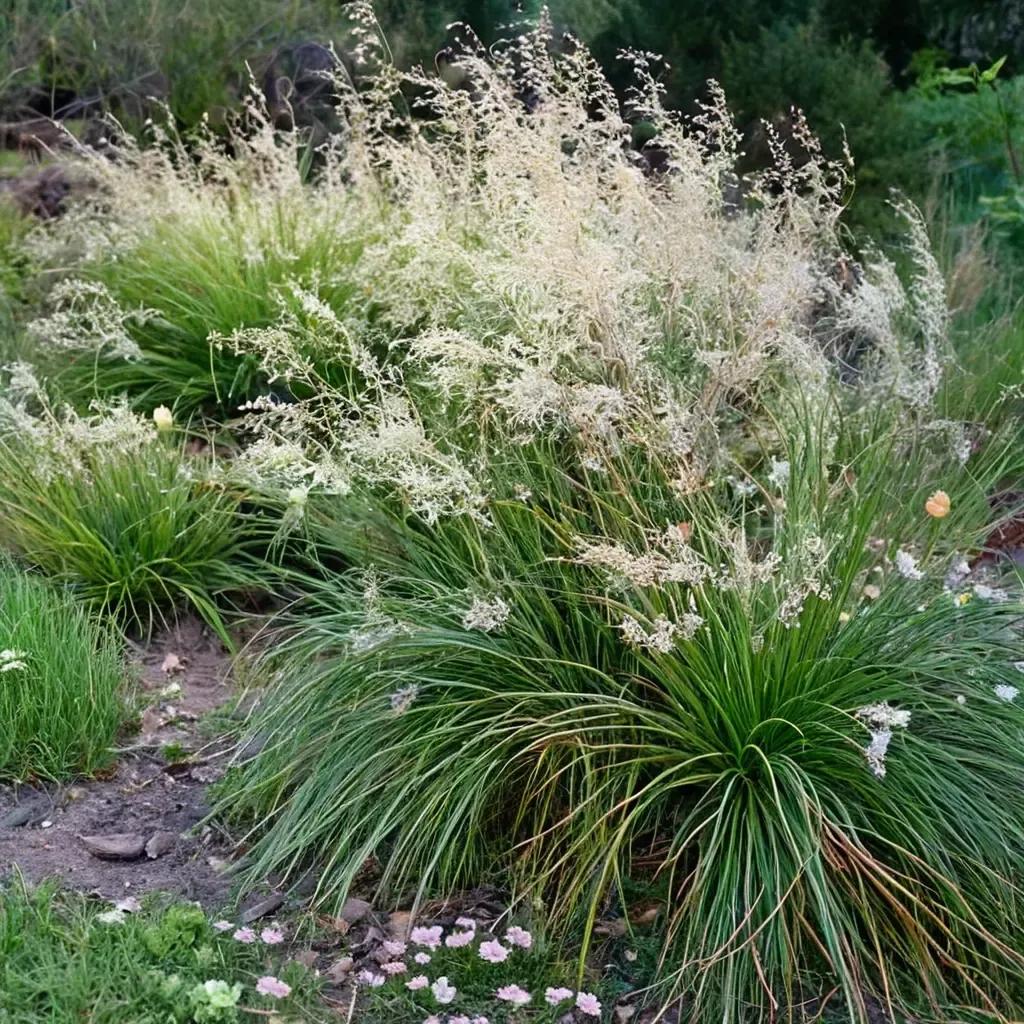
Hair Grass
Ranked by its most-saved matching variety; the full catalog includes 3 varieties. A haze of fine flower stems catches backlight above a compact tuft.
Zones 4–9All 3 varieties →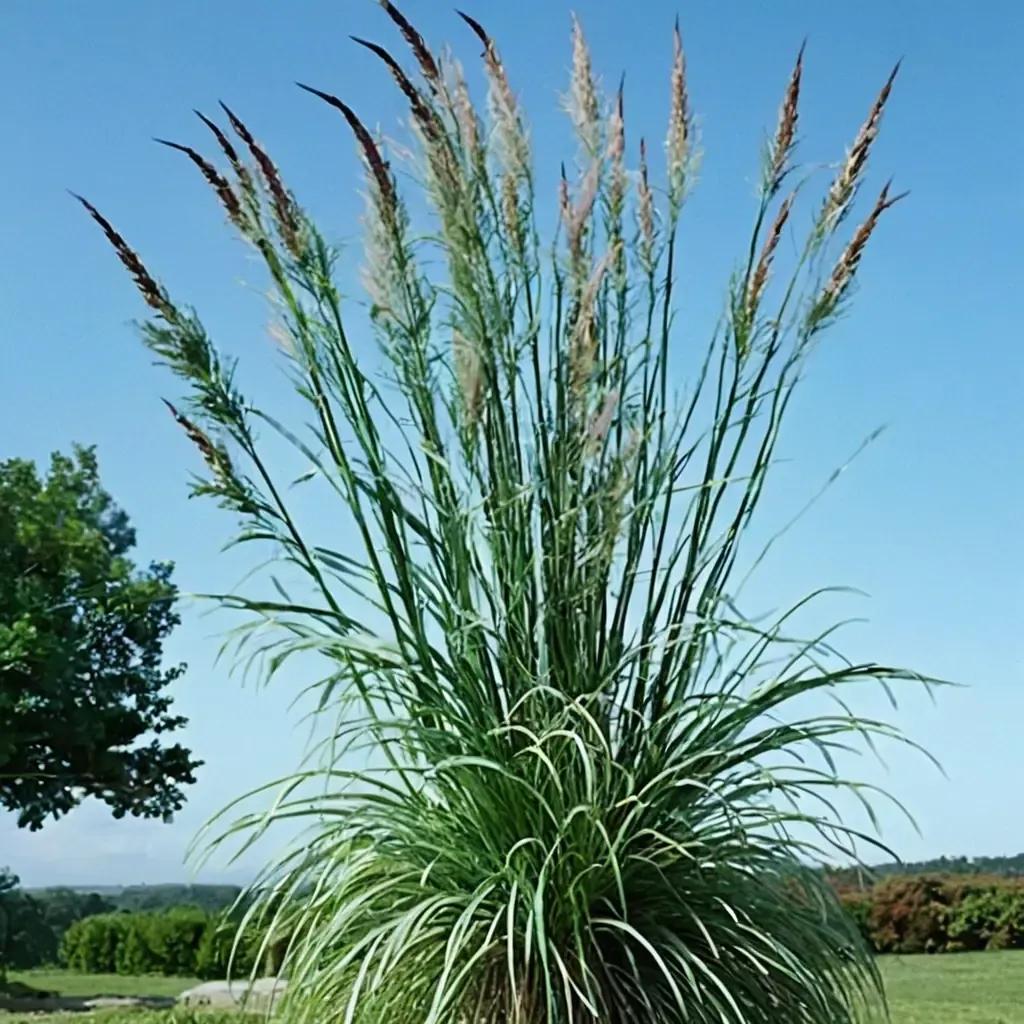
Plume Grass
Ranked by its most-saved matching variety; the full catalog includes 1 variety. Its representative is notable for being dry-spell tolerant and usually passed over by deer.
Zones 5–10All 1 variety →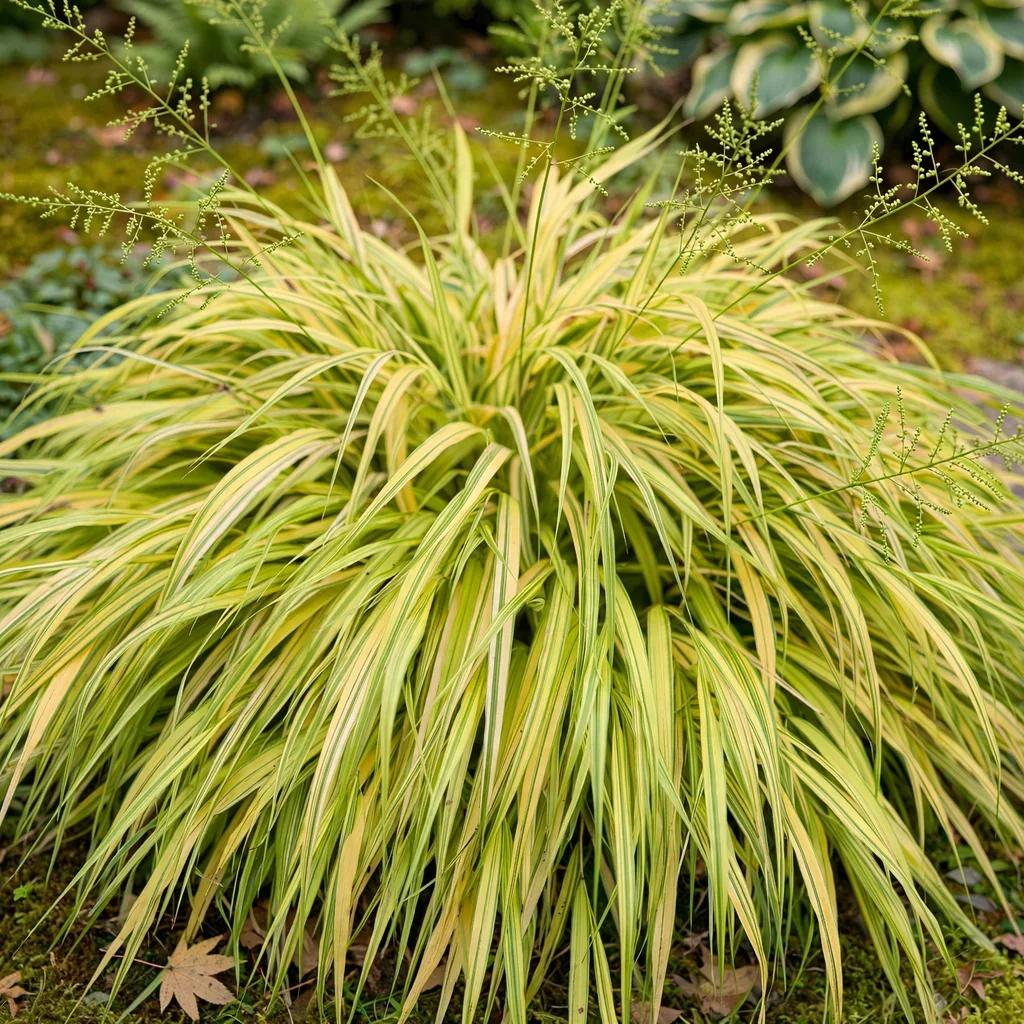
Japanese Forest Grass
Ranked by its most-saved matching variety; the full catalog includes 7 varieties. Cascading blades flow down a slope or edge like a shaded waterfall.
Zones 5–9All 7 varieties →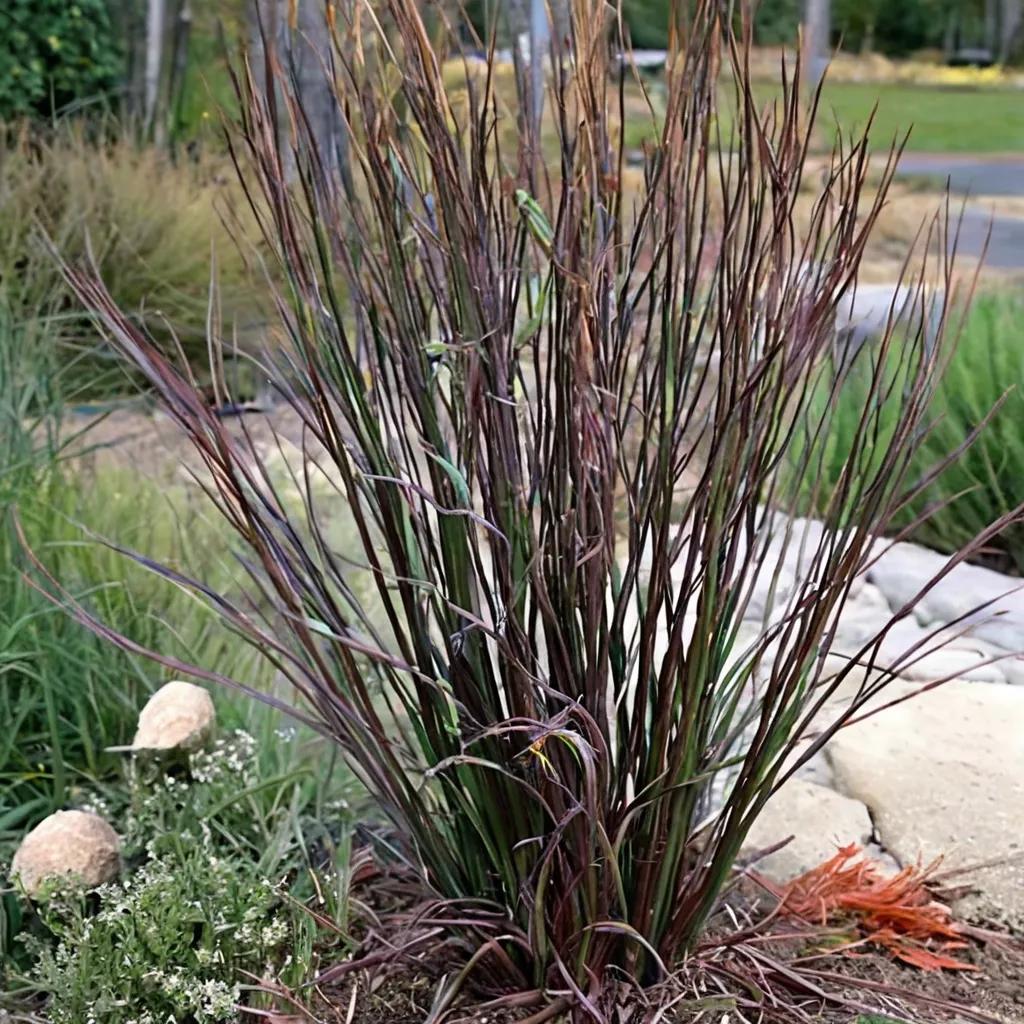
Bluestem Grass
Ranked by its most-saved matching variety; the full catalog includes 8 varieties. Tall blue-green blades turn coppery and hold their shape into winter.
Zones 4–9All 8 varieties →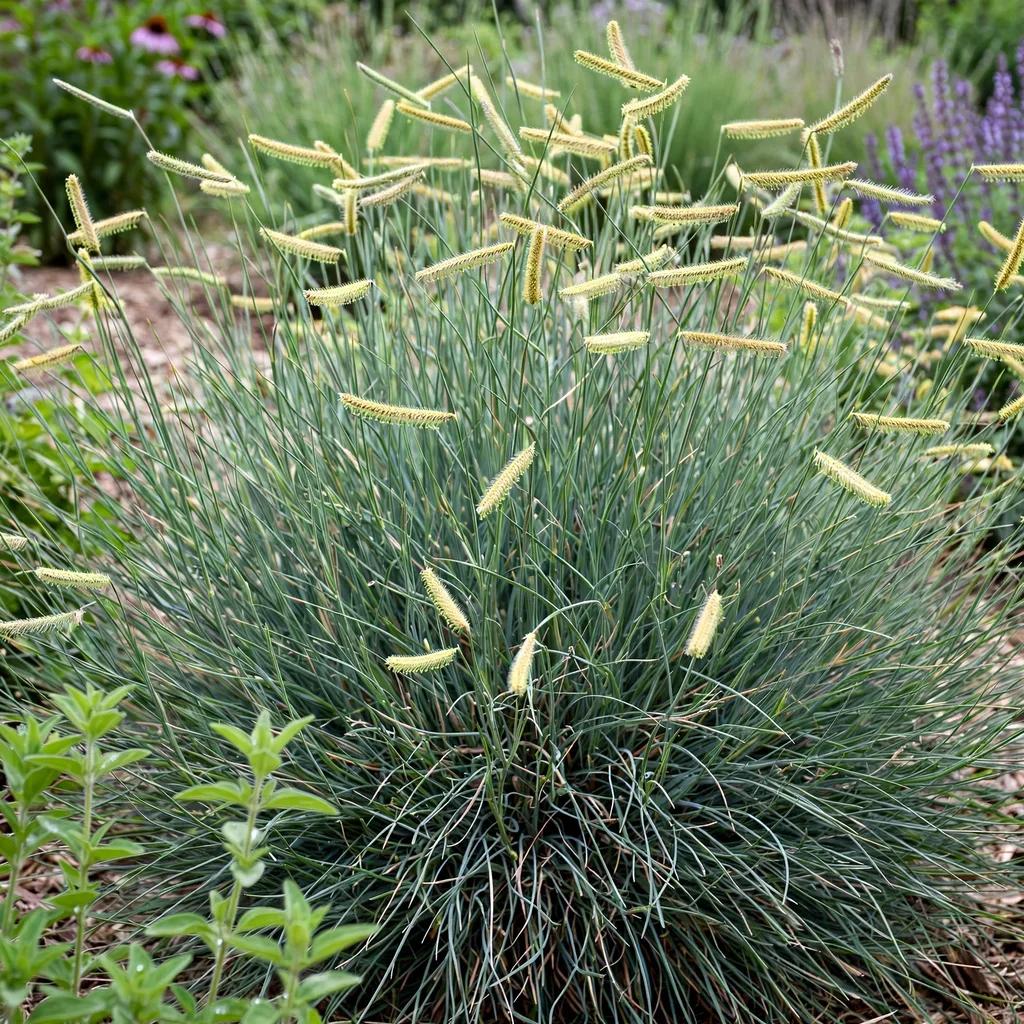
Grama Grass
Ranked by its most-saved matching variety; the full catalog includes 4 varieties. Horizontal seed heads hover like tiny flags above this compact prairie grass.
Zones 4–10All 4 varieties →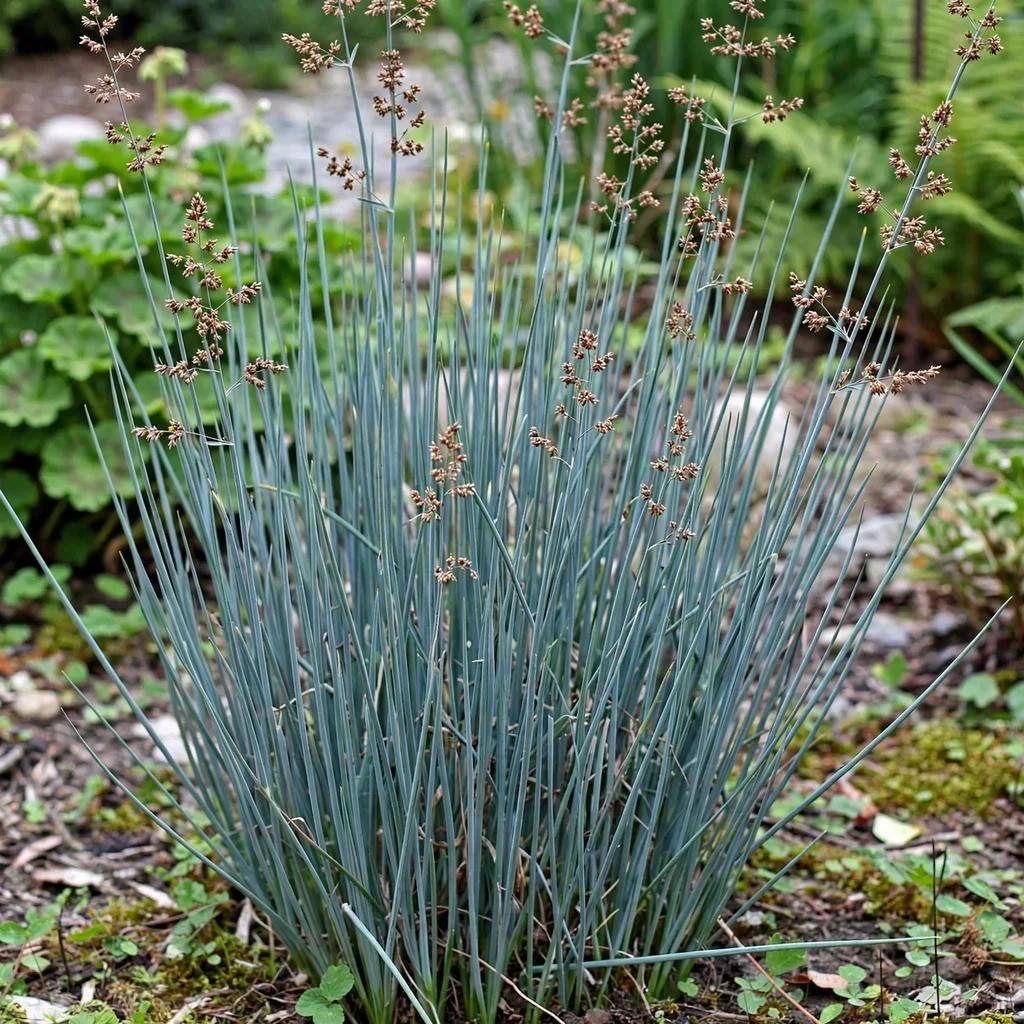 17
17Juncus
Rush
Ranked by its most-saved matching variety; the full catalog includes 13 varieties. Upright or curling stems add clean geometry to rain gardens and wet edges.
Zones 4–9All 13 varieties →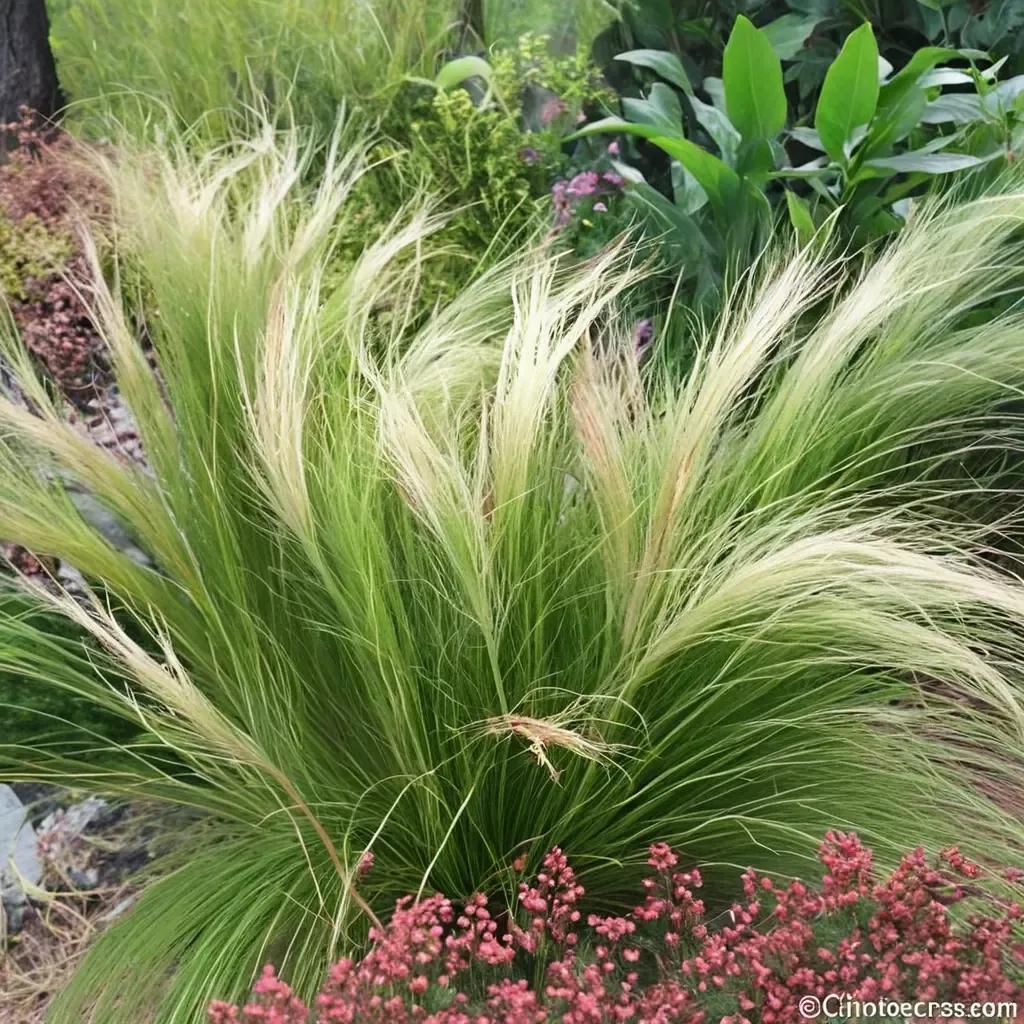 18
18Nassella
Needlegrass
Ranked by its most-saved matching variety; the full catalog includes 2 varieties. Exceptionally fine blades ripple in the slightest breeze; check regional invasiveness first.
Zones 5–8All 2 varieties →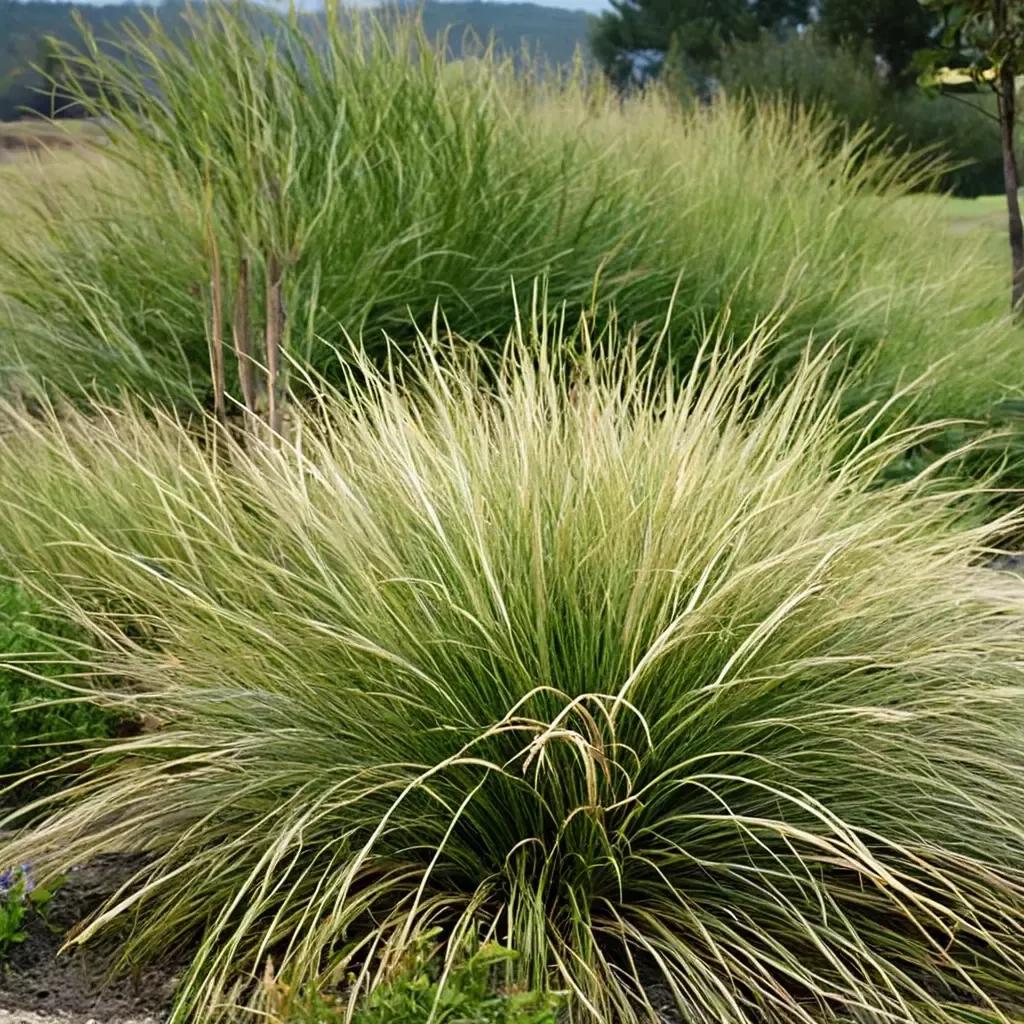 19
19Lolium
Ranked by its most-saved matching variety; the full catalog includes 1 variety. Its representative is notable for being dry-spell tolerant and usually passed over by deer.
Zones 4–10All 1 variety →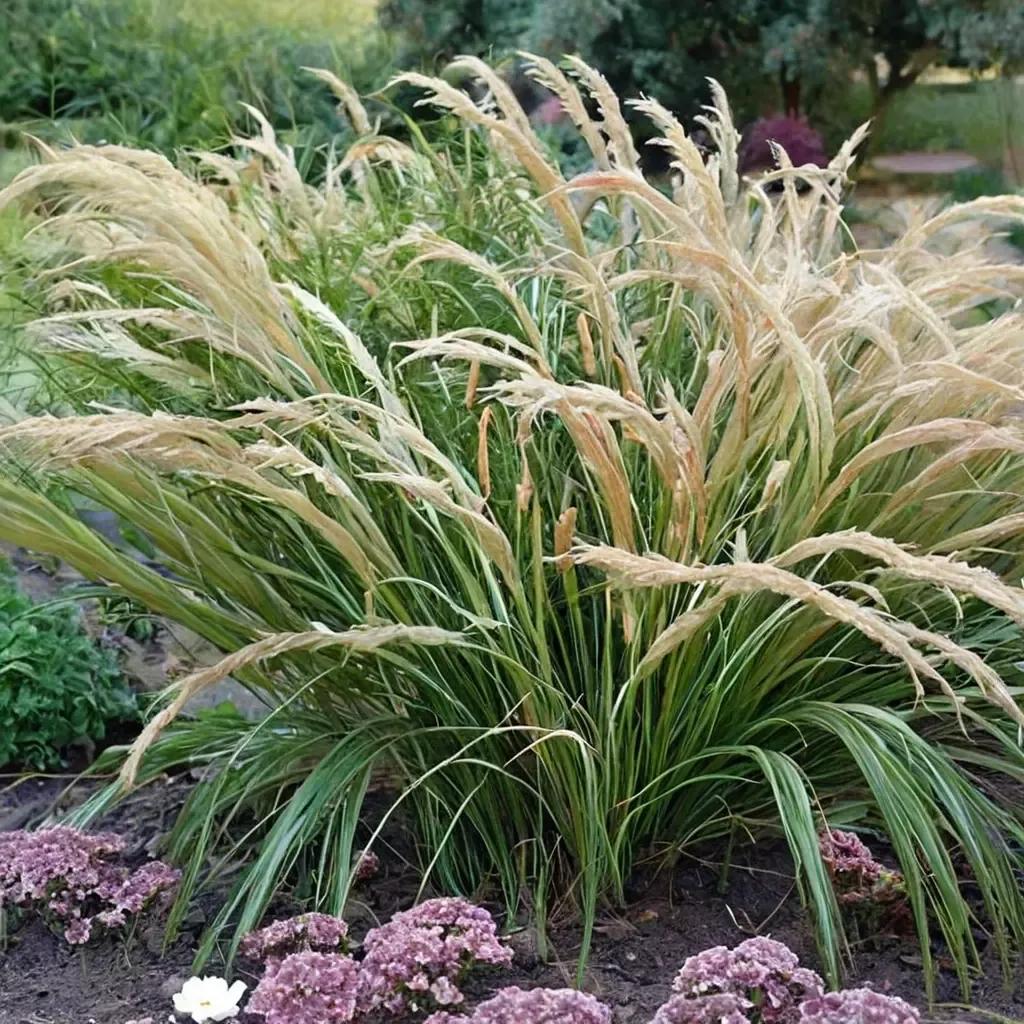 20
20Stipa
Feather Grass
Ranked by its most-saved matching variety; the full catalog includes 7 varieties. Silky awns catch light and motion, giving dry plantings an airy finish.
Zones 4–10All 7 varieties →
About this list
How was this the most popular ornamental grasses in zone 7 list ranked?
A plant must first match the catalog filters named in the title. Each genus is represented and ranked by its most-saved matching variety, so genera with many cultivars do not receive an automatic advantage.
Are all of these hardy in Zone 7?
Yes — every plant on this list is rated for Zone 7. Plants that could not survive a Zone 7 winter were excluded before ranking.
When do I cut back ornamental grasses?
Late winter, before new growth — the standing foliage is winter interest and wildlife cover. Cut cool-season grasses earlier than warm-season ones.
Track these in your garden
Save the ones you plant and get care reminders timed to Zone 7.
Keep exploring
More popularity lists
- Most Popular Perennials for Shade
- Most Popular Deer-Resistant Perennials
- Most Popular Plants Tagged for Pollinators
- Most Popular Drought-Tolerant Plants
- Most Popular Flowering Shrubs
- Most Popular Groundcovers for Shade
- Most Popular Privacy Shrubs and Screening Plants
- Most Popular North American Native Perennials