Popularity, clearly labeled
The Most Popular Ornamental Grasses in Zone 10
Among plants cataloged as ornamental grasses, these are the genera Sow gardeners save most. Each genus is represented by its most-saved matching variety. Every representative here is catalog-rated hardy in Zone 10, whose standard minimum-temperature band begins near 30°F. The popularity ranking is recomputed only among matching Zone 10 records; hardiness alone does not establish that a plant will thrive on a particular site.
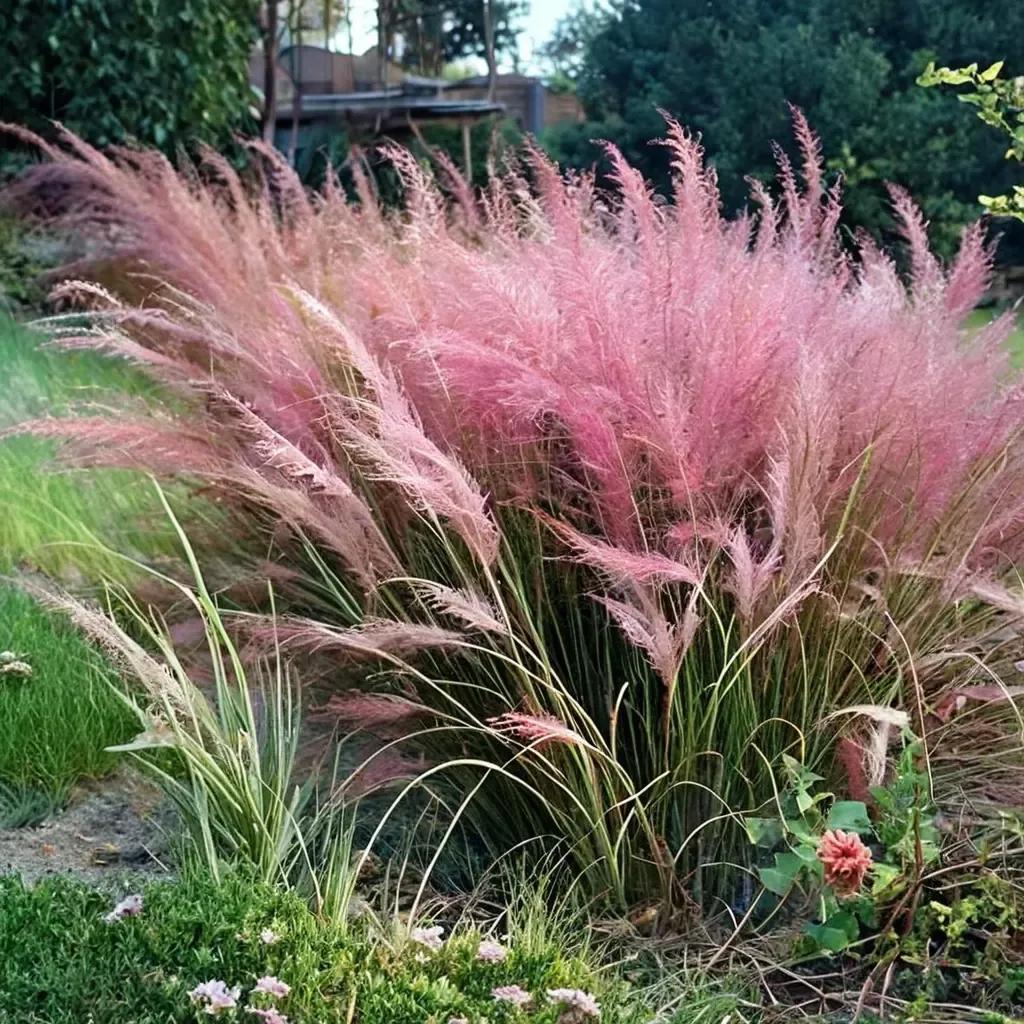
Muhly Grass
Ranked by its most-saved matching variety; the full catalog includes 13 varieties. Airy pink or cream seed heads create a luminous cloud above fine foliage.
Zones 5–10All 13 varieties →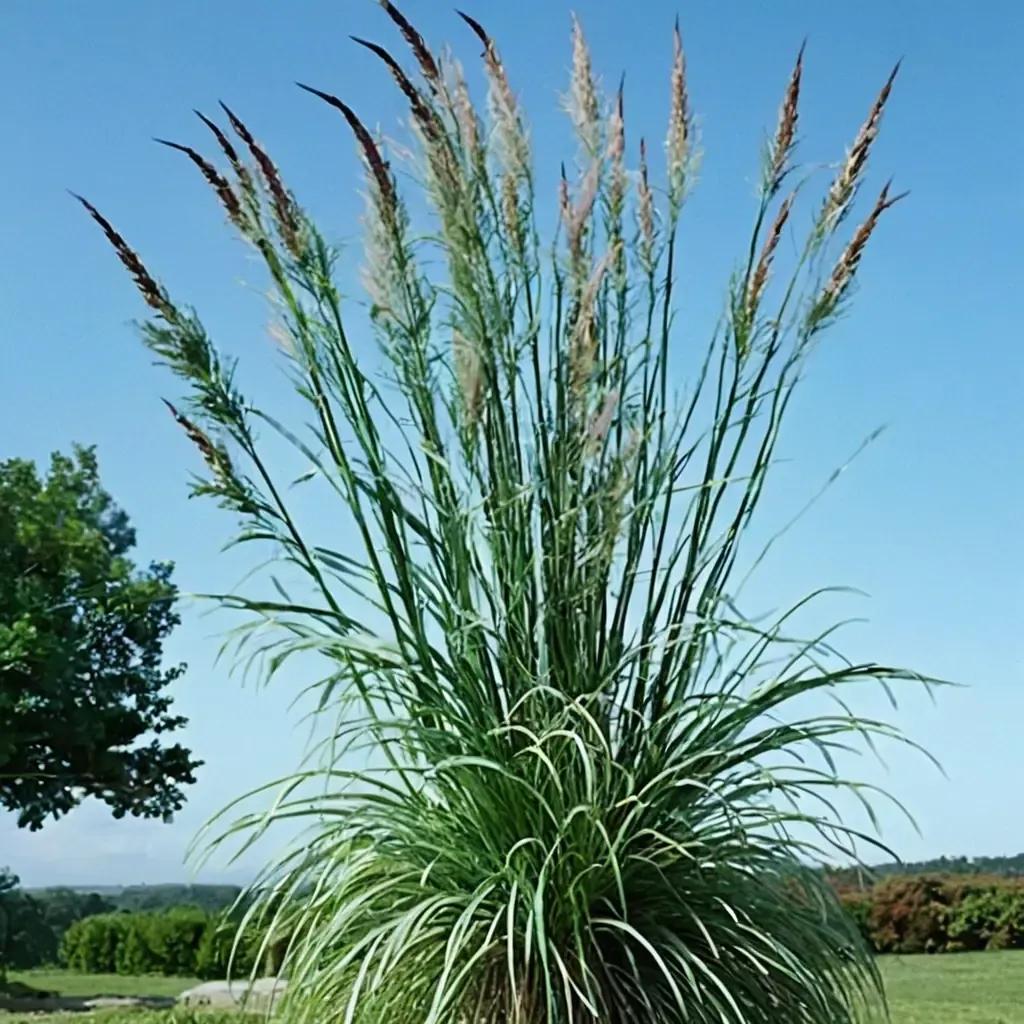
Plume Grass
Ranked by its most-saved matching variety; the full catalog includes 1 variety. Its representative is notable for being dry-spell tolerant and usually passed over by deer.
Zones 5–10All 1 variety →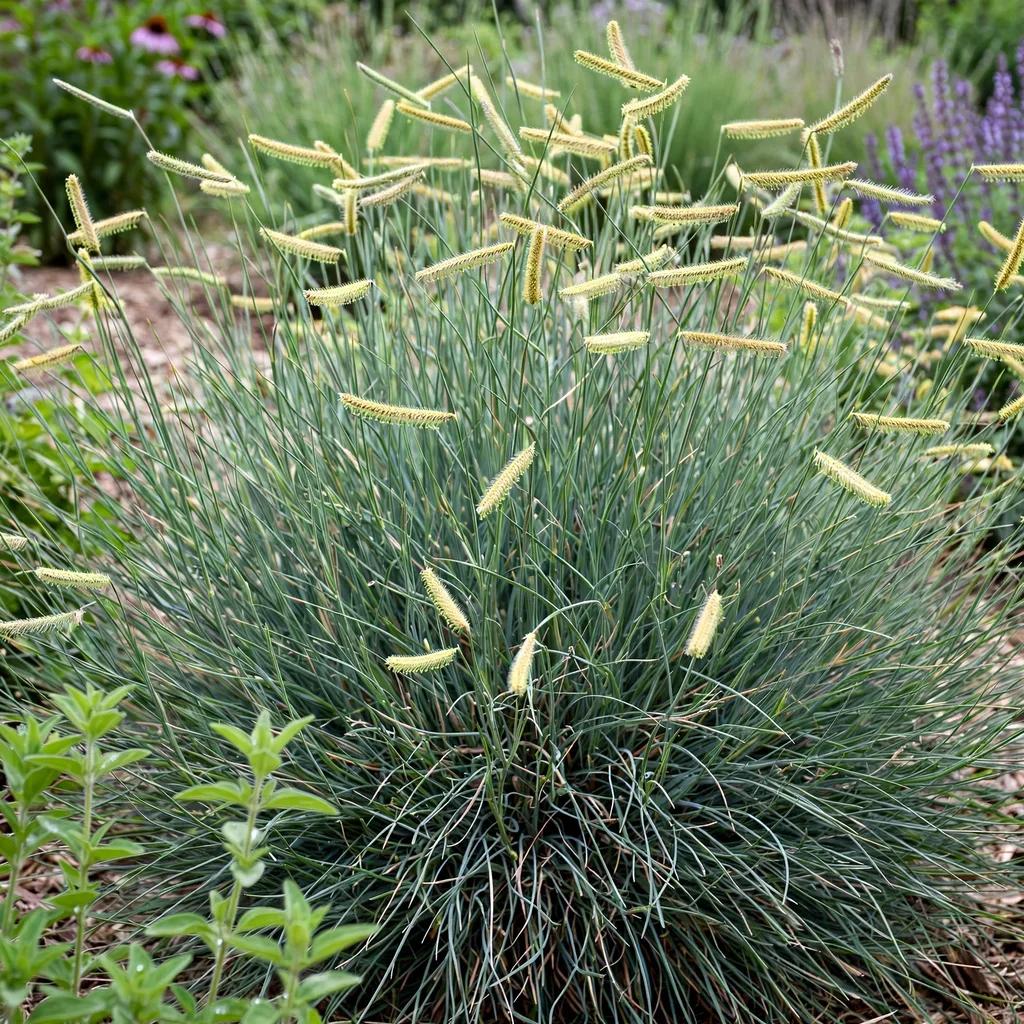
Grama Grass
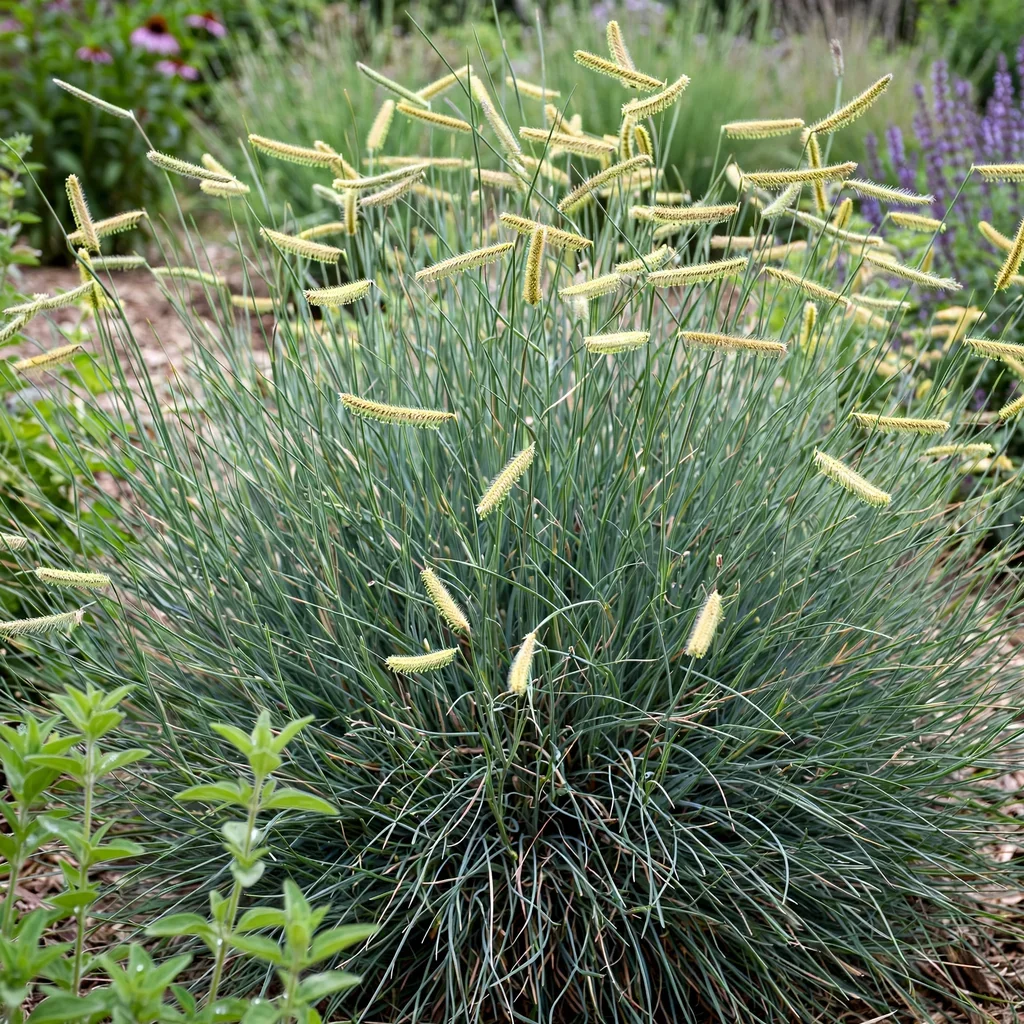
Ranked by its most-saved matching variety; the full catalog includes 4 varieties. Horizontal seed heads hover like tiny flags above this compact prairie grass.
Zones 4–10All 4 varieties →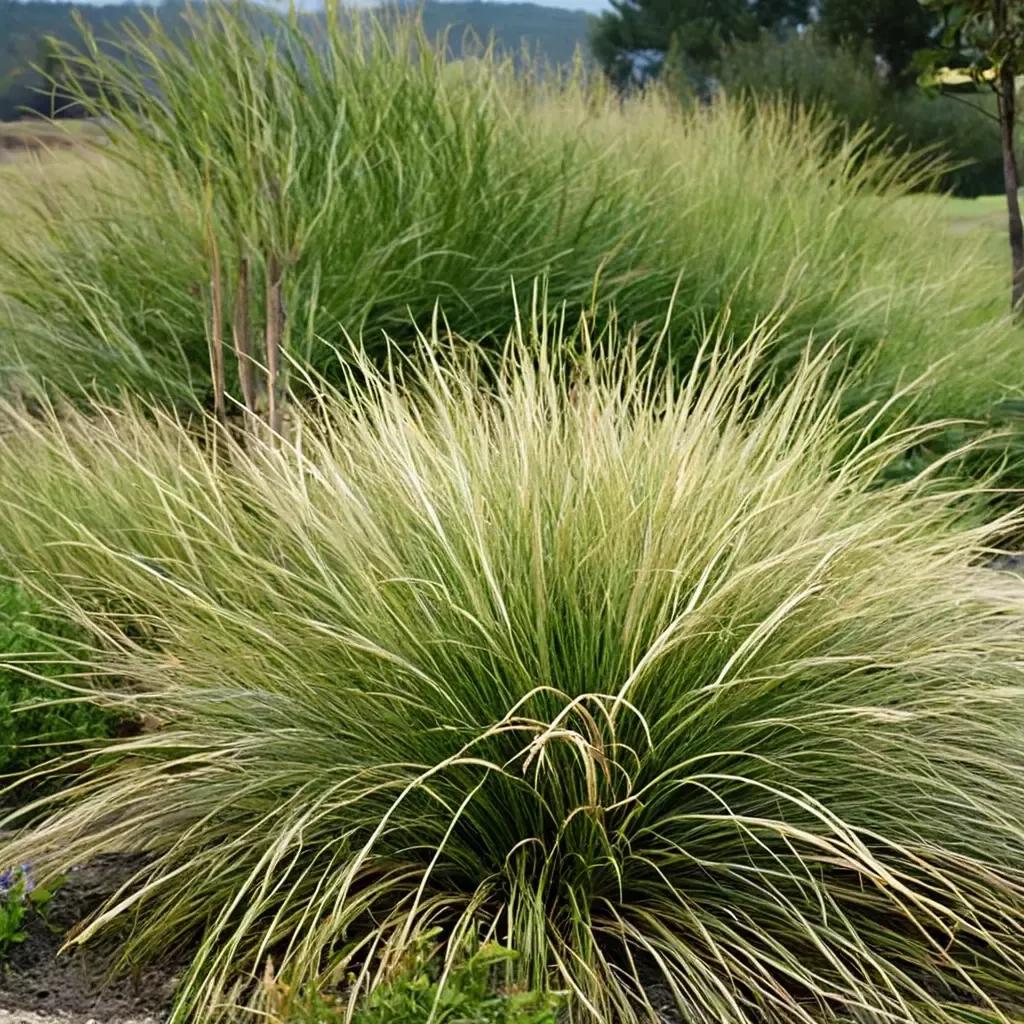
Ranked by its most-saved matching variety; the full catalog includes 1 variety. Its representative is notable for being dry-spell tolerant and usually passed over by deer.
Zones 4–10All 1 variety →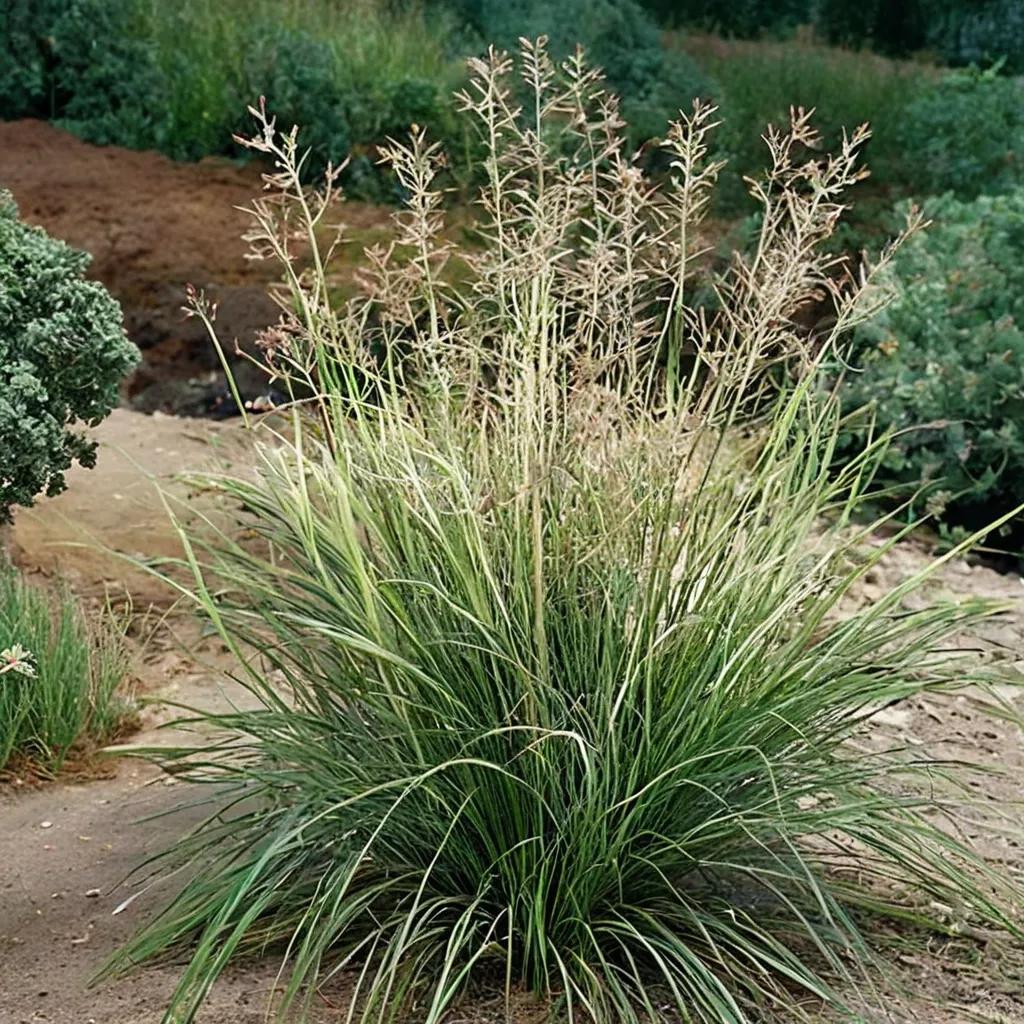
Dropseed
Ranked by its most-saved matching variety; the full catalog includes 3 varieties. Fine leaves and fragrant seed panicles form an exceptionally graceful North American native clump.
Zones 4–10All 3 varieties →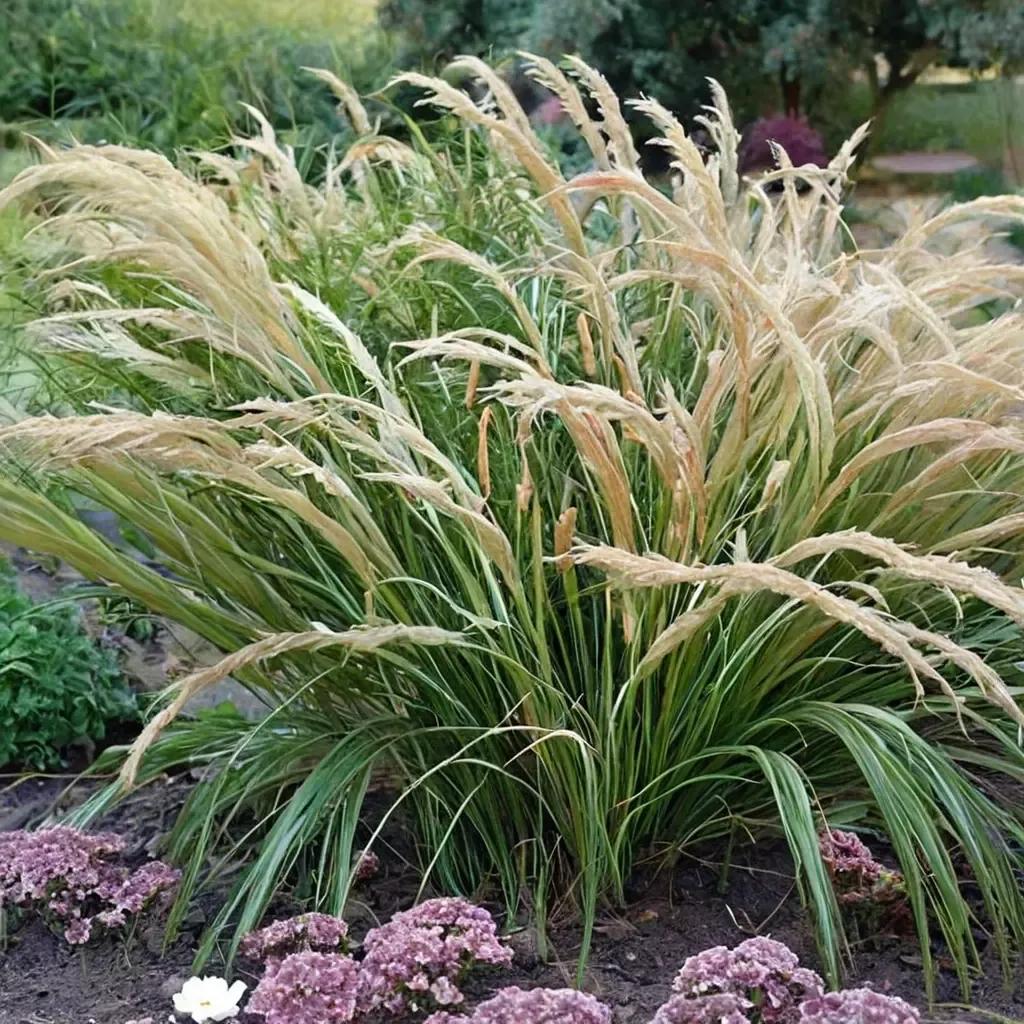
Feather Grass
Ranked by its most-saved matching variety; the full catalog includes 7 varieties. Silky awns catch light and motion, giving dry plantings an airy finish.
Zones 4–10All 7 varieties →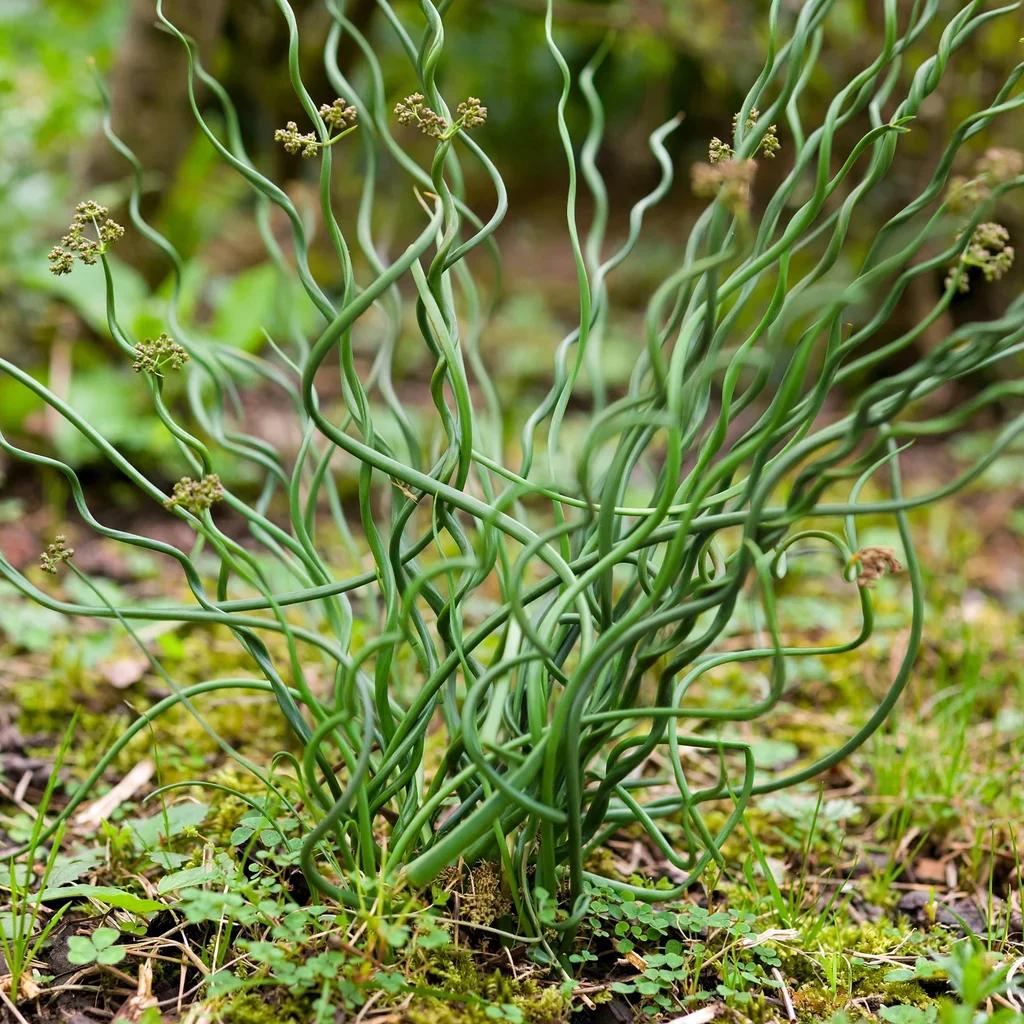
Rush
Ranked by its most-saved matching variety; the full catalog includes 13 varieties. Upright or curling stems add clean geometry to rain gardens and wet edges.
Zones 4–10All 13 varieties →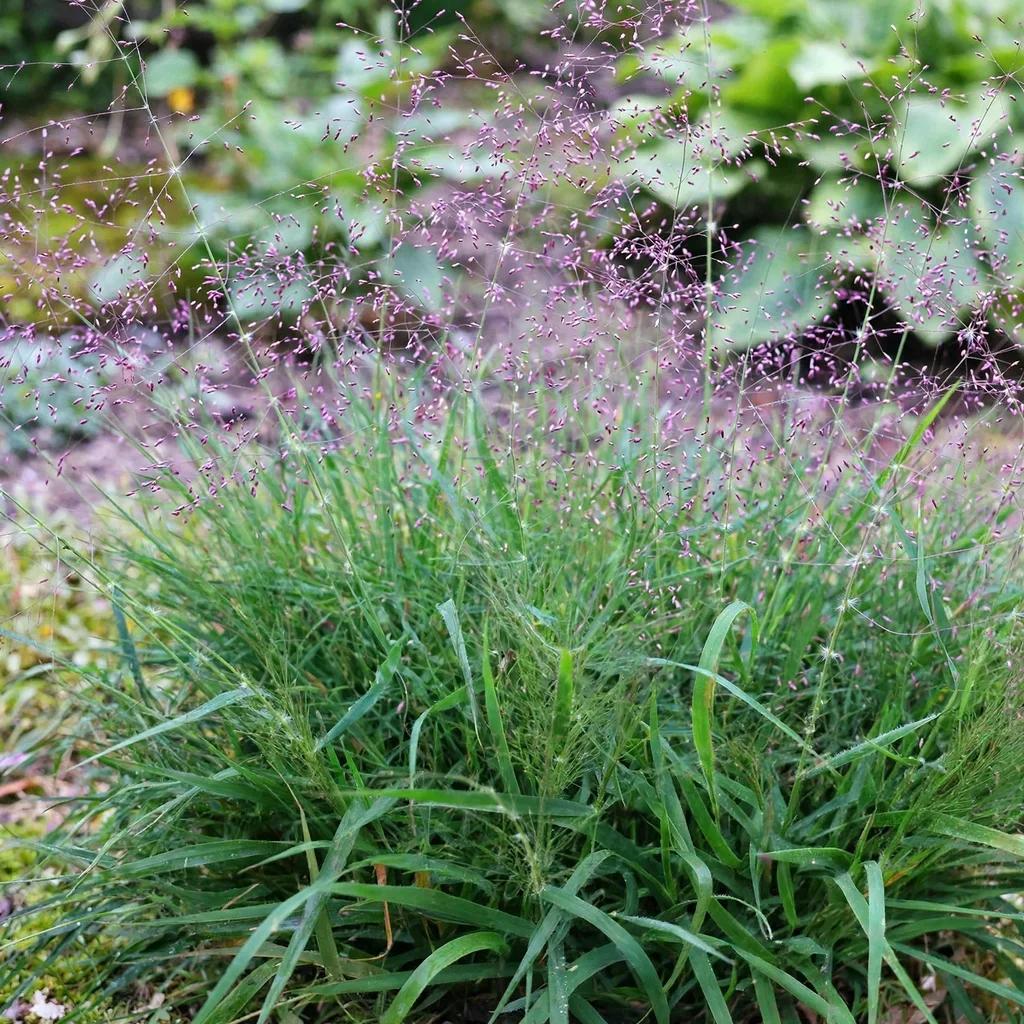
Lovegrass
Ranked by its most-saved matching variety; the full catalog includes 4 varieties. Fine-textured flower clouds lend movement without hiding neighboring plants.
Zones 5–10All 4 varieties →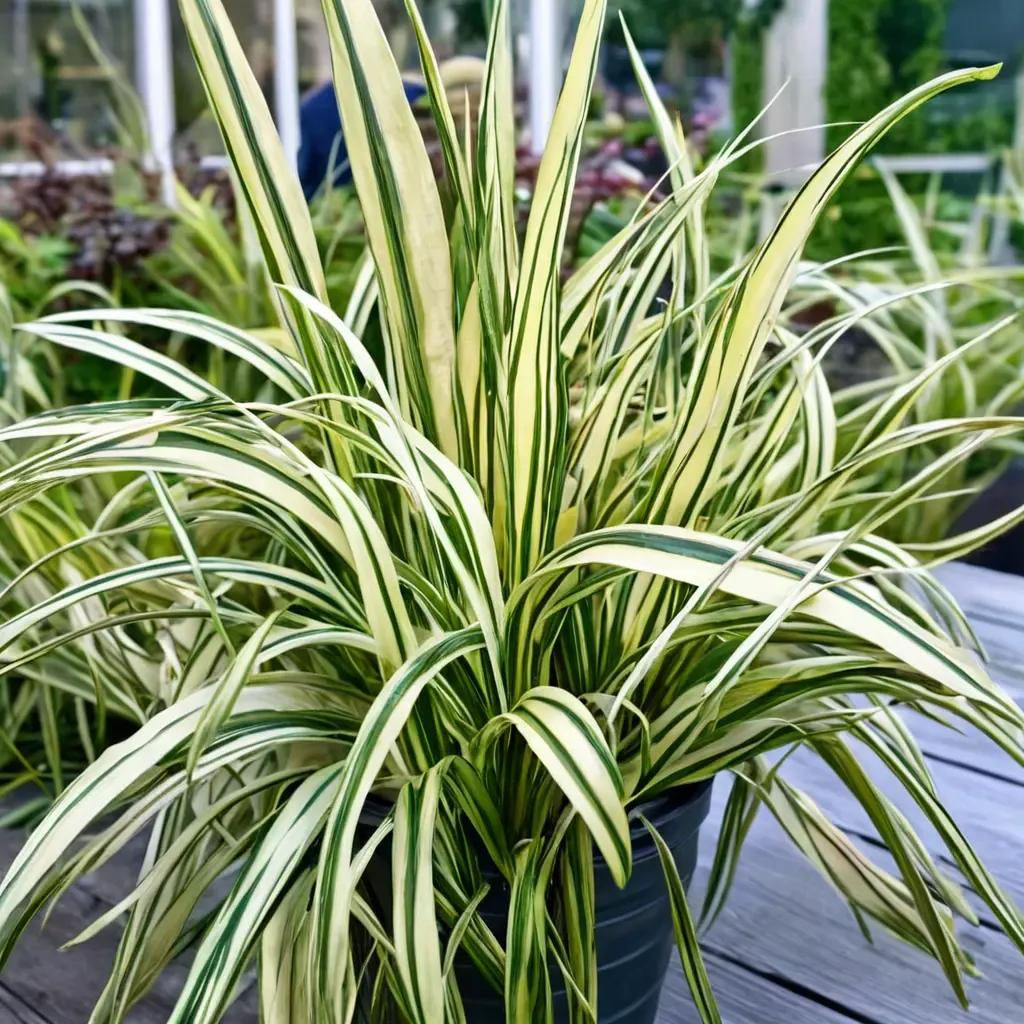
Sedge
Ranked by its most-saved matching variety; the full catalog includes 90 varieties. Sedges offer an exceptional range of textures for weaving through difficult sites.
Zones 4–10All 90 varieties →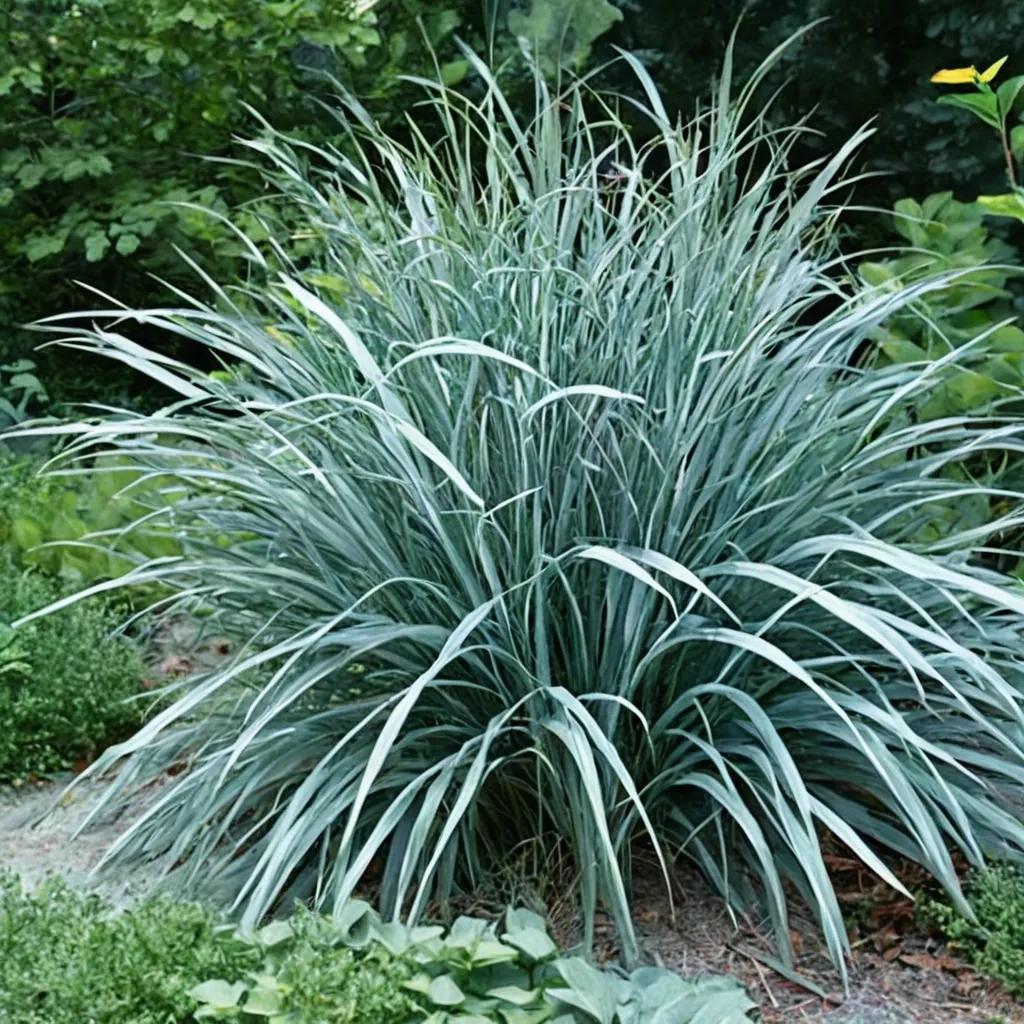 10
10Panicum
Switchgrass
Ranked by its most-saved matching variety; the full catalog includes 16 varieties. Upright North American native clumps carry airy seed heads and strong autumn color.
Zones 4–10All 16 varieties →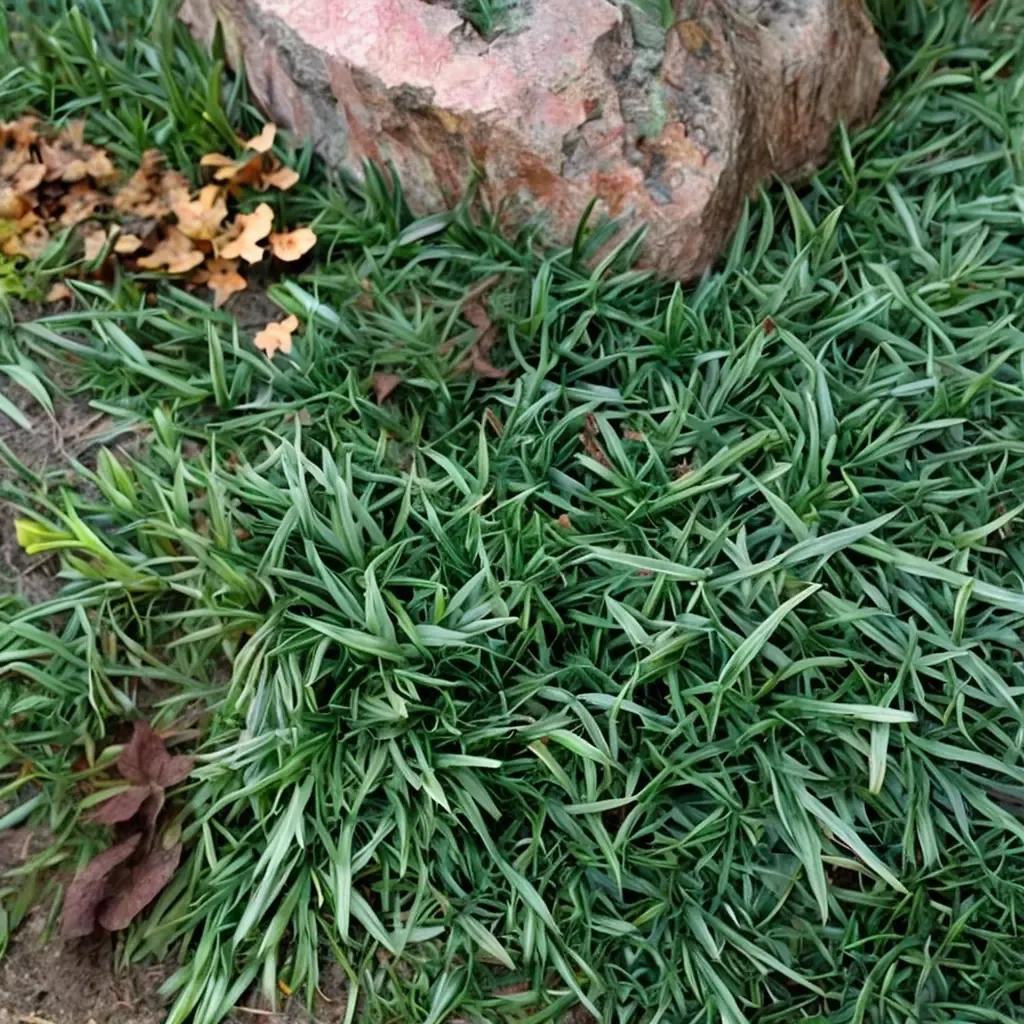
Mondo Grass
Ranked by its most-saved matching variety; the full catalog includes 23 varieties. Dark, grassy foliage creates a compact evergreen line in sun or shade.
Zones 6–10All 23 varieties →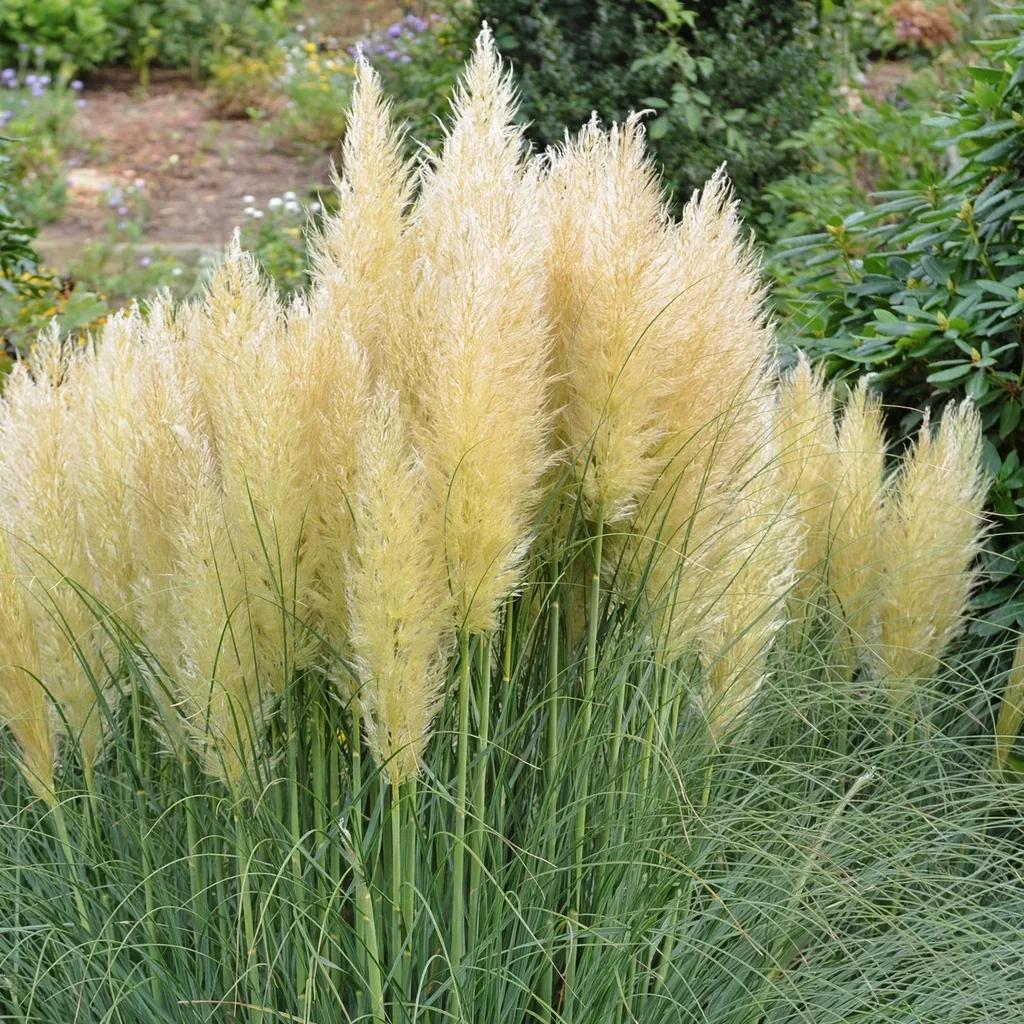
Pampas Grass
Ranked by its most-saved matching variety; the full catalog includes 7 varieties. Enormous silky plumes make a bold screen, though regionally invasive types need care.
Zones 7–10All 7 varieties →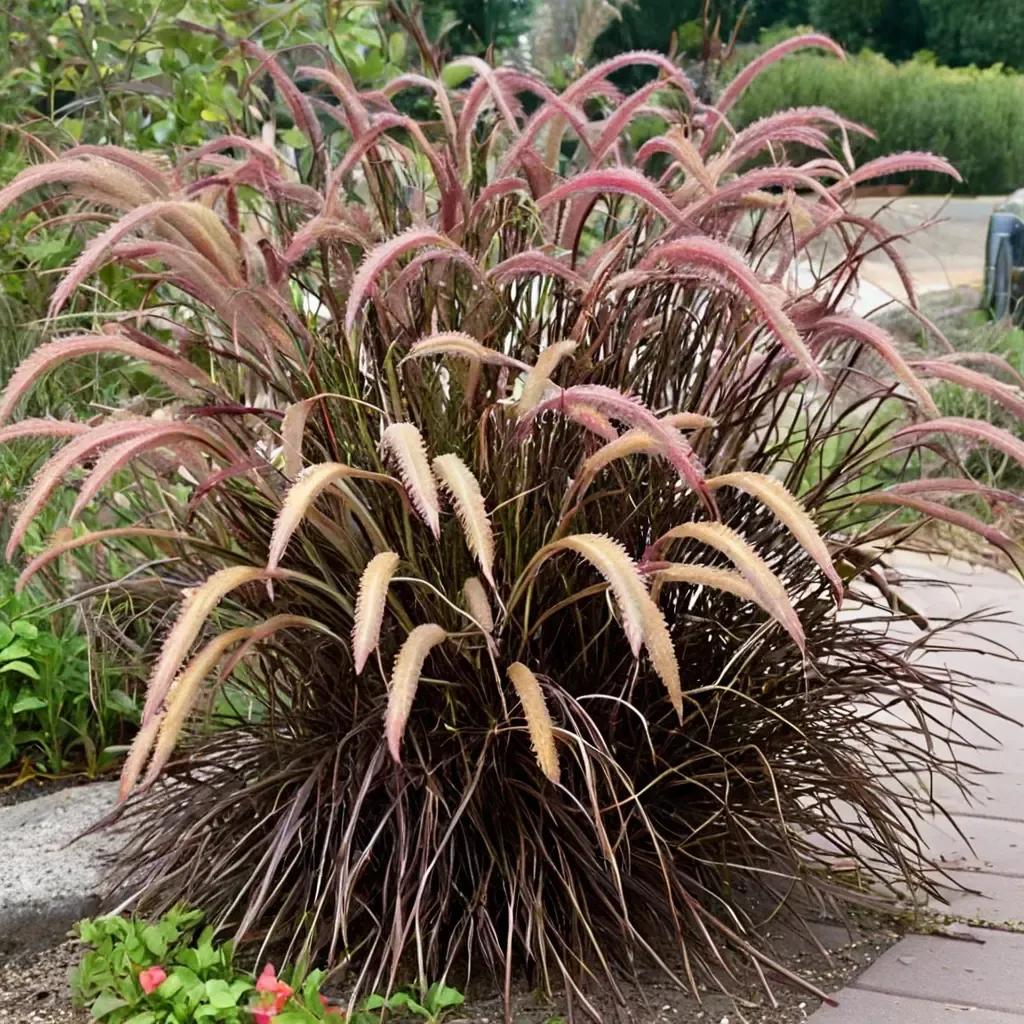
Fountain Grass
Ranked by its most-saved matching variety; the full catalog includes 15 varieties. Arching blades and bottlebrush plumes create a soft, fountain-shaped accent.
Zones 9–10All 15 varieties →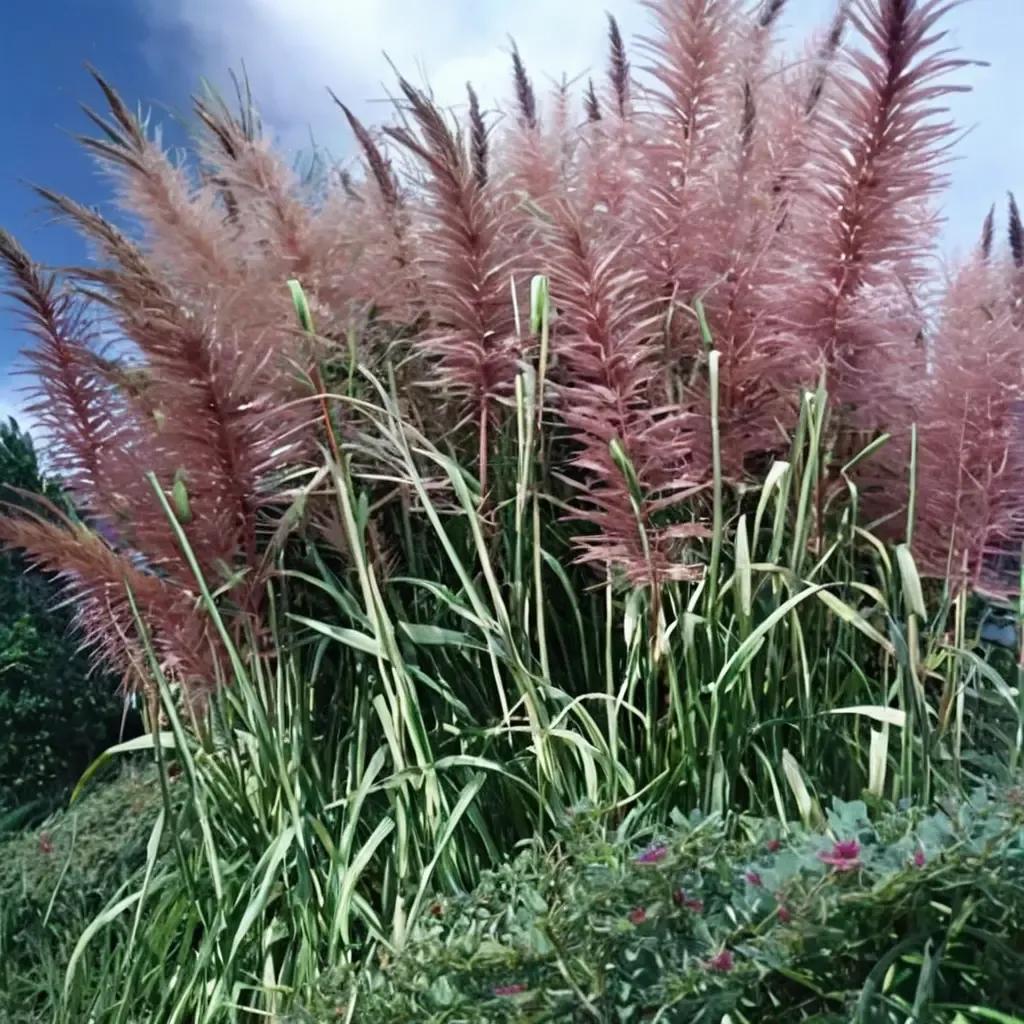
Plume Grass
Ranked by its most-saved matching variety; the full catalog includes 1 variety. Its representative is notable for being dry-spell tolerant and usually passed over by deer.
Zones 6–10All 1 variety → 15
15Lomandra
Mat Rush
Ranked by its most-saved matching variety; the full catalog includes 14 varieties. Its representative is notable for being dry-spell tolerant and usually passed over by deer.
Zones 8–10All 14 varieties →
Ranked by its most-saved matching variety; the full catalog includes 1 variety. Its representative is notable for being dry-spell tolerant and usually passed over by deer.
Zones 9–10All 1 variety → 17
17Arundo
Giant Reed
Ranked by its most-saved matching variety; the full catalog includes 3 varieties. Its representative is notable for being dry-spell tolerant and late summer flowering.
Zones 6–10All 3 varieties → 18
18Melinis
Ranked by its most-saved matching variety; the full catalog includes 1 variety. Its representative is notable for being dry-spell tolerant and usually passed over by deer.
Zones 8–10All 1 variety → 19
19Bambusa
Bamboo
Ranked by its most-saved matching variety; the full catalog includes 6 varieties. Its representative is notable for being usually passed over by deer and rarely flowers flowering.
Zones 8–10All 6 varieties → 20
20Poa
Tussock Grass
Ranked by its most-saved matching variety; the full catalog includes 3 varieties. Its representative is notable for being dry-spell tolerant and spring flowering.
Zones 8–10All 3 varieties →
About this list
How was this the most popular ornamental grasses in zone 10 list ranked?
A plant must first match the catalog filters named in the title. Each genus is represented and ranked by its most-saved matching variety, so genera with many cultivars do not receive an automatic advantage.
Are all of these hardy in Zone 10?
Yes — every plant on this list is rated for Zone 10. Plants that could not survive a Zone 10 winter were excluded before ranking.
When do I cut back ornamental grasses?
Late winter, before new growth — the standing foliage is winter interest and wildlife cover. Cut cool-season grasses earlier than warm-season ones.
Track these in your garden
Save the ones you plant and get care reminders timed to Zone 10.
Keep exploring
More popularity lists
- Most Popular Perennials for Shade
- Most Popular Deer-Resistant Perennials
- Most Popular Plants Tagged for Pollinators
- Most Popular Drought-Tolerant Plants
- Most Popular Flowering Shrubs
- Most Popular Groundcovers for Shade
- Most Popular Privacy Shrubs and Screening Plants
- Most Popular North American Native Perennials