0 saves
Artocarpus
We track 3 varieties; the ones most used by real gardeners.
The 3 most-saved Artocarpus varieties
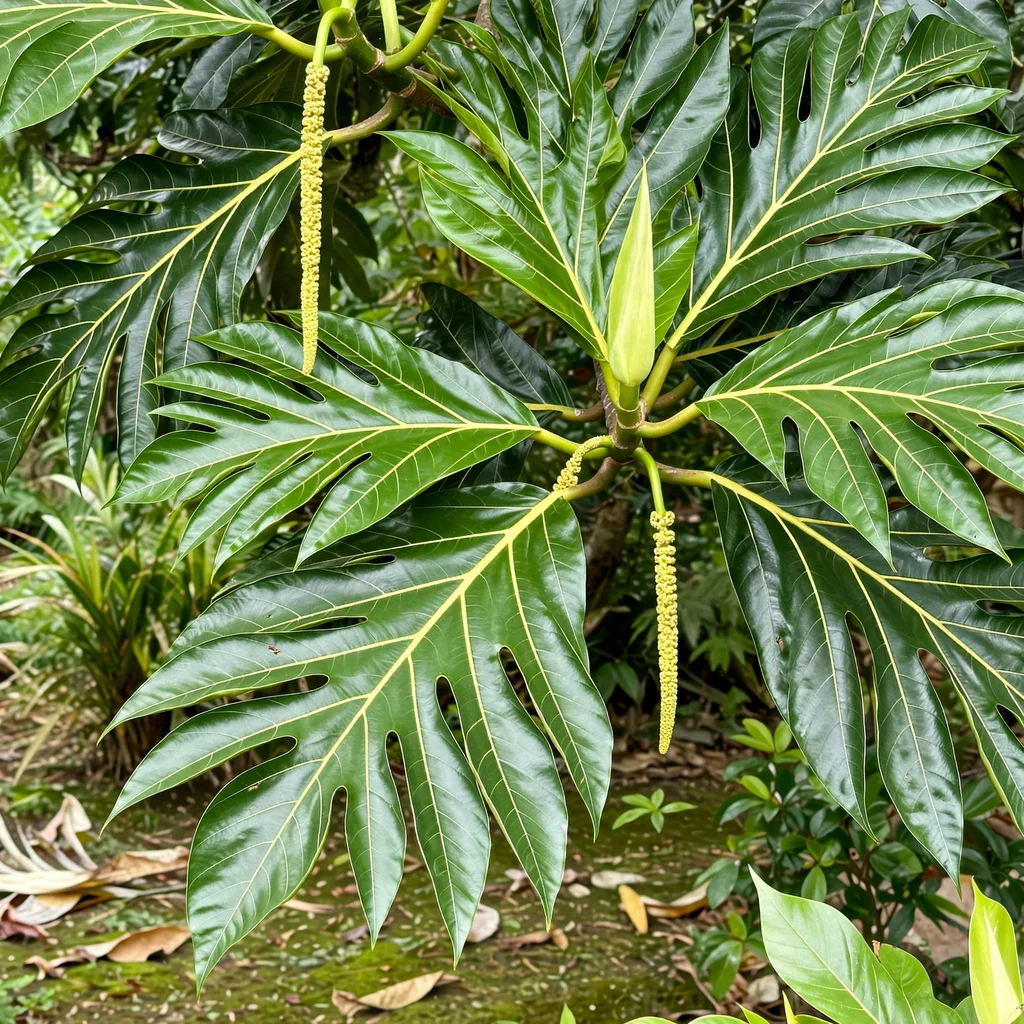
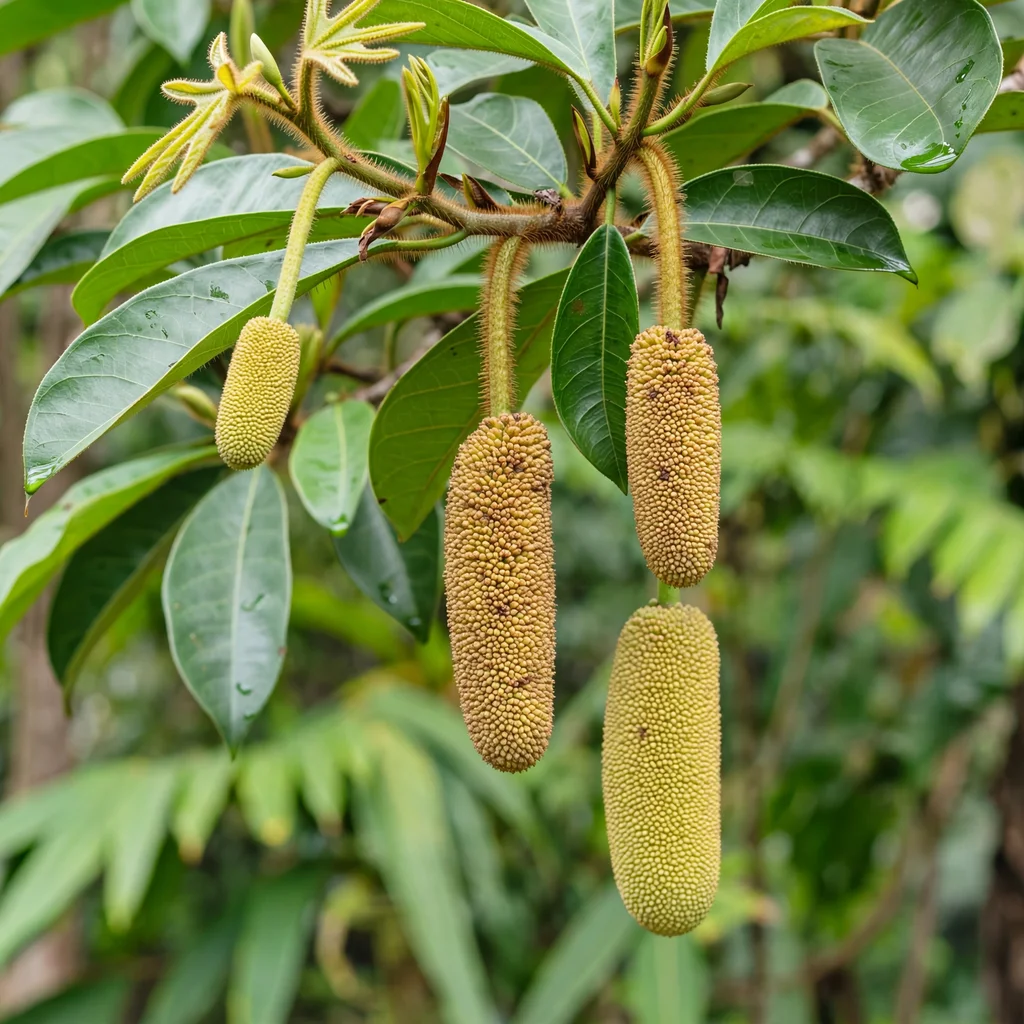
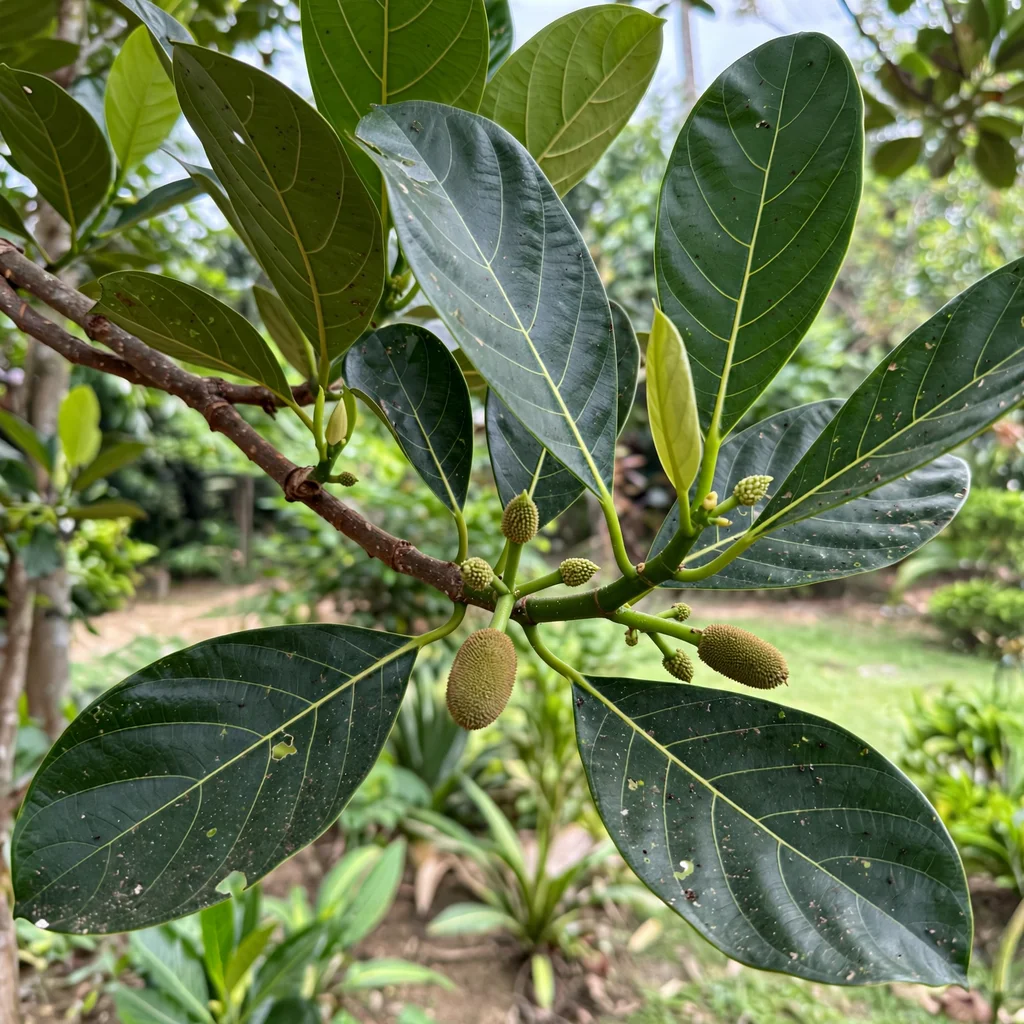
3 species of Artocarpus
Each one is a parent of the varieties above.
Track your Artocarpus in Sow
Save the Artocarpus you grow and get care reminders timed to your zone.
How to grow Artocarpus
Whats common across all Artocarpus varieties in our catalog — drawn from the care records of the 3 most-grown of them.
The Artocarpus year
- MulchApril100% of varieties
Refresh mulch 2 to 6 inches deep, kept 8 to 12 inches off the trunk.
- PruneApril100% of varieties
After harvest, thin upright shoots and old flowering shoots to hold 8 to 14 feet.
- HarvestAugust–October100% of varieties
Pick by strong aroma, flattened spines and hollow sound, not color.
- FertilizeApril100% of varieties
Feed 6-6-6 from bloom to harvest; spray foliar minors April to September.
- Check for PestsJune–August100% of varieties
Check leaves and stems for scale, mealybugs and sooty mold.


Do
- Wear gloves and oil hands and tools to handle sticky white latex.
- Plant a second cultivar nearby to improve fruit set.
- Mulch and keep mower and string trimmer away from the trunk.
- Thin young trees to one fruit per limb.
- Water consistently to keep the root zone evenly moist in heat.
Avoid
- Do not plant where soil stays wet or floods; decline follows 2 to 3 days of wet feet.
- Do not buy a root-bound tree with a large top in a small pot.
- Do not overwater lawn around the tree or let grass grow to the trunk.
- Do not judge ripeness by color alone.
What goes wrong with Artocarpus
| Problem | What you'll see | What to do |
|---|---|---|
| Wood-boring beetles | Holes and frass in wounded wood and branch dieback | Avoid wounding trunks and limbs; prune out dead wood and keep trees vigorous |
| Scales and mealybugs | Clusters on leaves and stems with sticky honeydew and black sooty mold | Prune out heavily infested shoots and wash off light infestations; keep trees vigorous |
| Scale insects | Small waxy bumps on stems and leaf undersides with sticky honeydew and sooty mold in greenhouses. | Wipe light infestations and spray with horticultural oil; improve air flow and discard heavily infested shoots. |
| Spider mites | Stippled yellowing leaves and fine webbing under hot, dry greenhouse conditions. | Rinse foliage with water to raise humidity and apply insecticidal soap if numbers build. |
| Rhizopus fruit rot | Soft watery rot of developing and ripe fruit | Remove affected fruit promptly and improve air flow; avoid wounding fruit |
| Root rot | Leaf wilt and tree decline after flooding or continuously wet soil | Plant only in well-drained soil and never leave standing water around roots |
| Phytophthora and Pythium root rot | Wilting and yellowing despite wet soil, with blackened soft roots in poorly drained mixes. | Grow only in well-drained mix, avoid overwatering containers, and discard plants with advanced crown rot. |
Making more Artocarpus
Seed
- Sow fresh seed promptly; seed stores only about 30 days.
- Sow in deep long pots to allow the taproot to run straight.
- Grow on warm and frost-free with regular water.
- Seedlings can bear in 3 to 4 years but vary from the parent.
Grafting
- Use side-veneer or chip grafting onto seedling stock for named cultivars.
- Take scion wood from a healthy known cultivar.
- Grow the graft warm and humid until united.
- Plant out only a well-healed, non-pot-bound grafted tree.
Artocarpus questions
How many types of Artocarpus are there?
The Sow catalog tracks 3 distinct Artocarpus varieties. The most popular — ranked by 0 real gardeners — are shown first above.
What zones does Artocarpus grow in?
Across its varieties, Artocarpus covers USDA Zones 10–10. Individual varieties differ — each plant page lists its exact range, and Sow filters the catalog to your zone automatically.
When does Artocarpus bloom?
Most Artocarpus varieties bloom from spring to fall.
Which Artocarpus should I choose?
Start from the most-saved varieties above — popularity across thousands of gardens is a strong signal of reliability — then filter by your zone and sun. In the Sow app you can preview any of them in a photo of your actual yard before you buy.