2 saves
Croton
We track 4 varieties; the ones most used by real gardeners.
The 4 most-saved Croton varieties
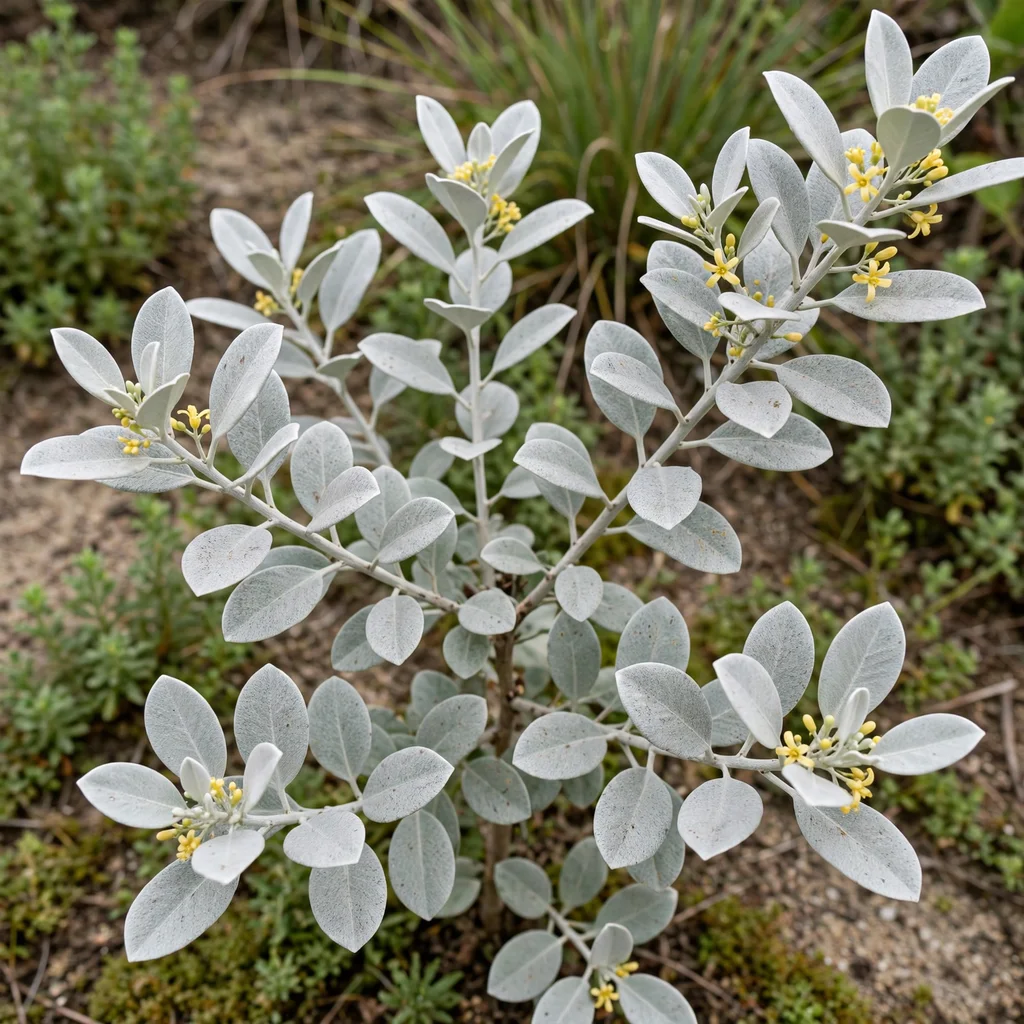
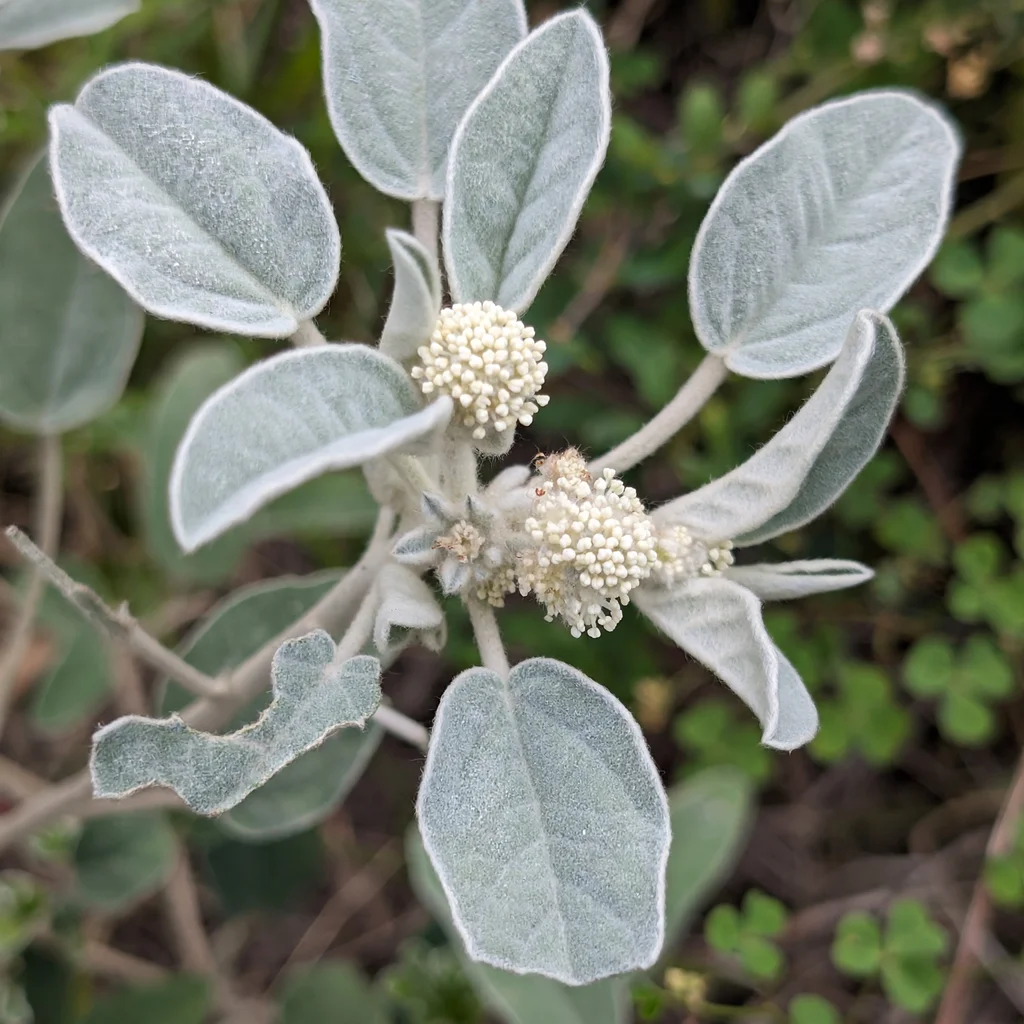
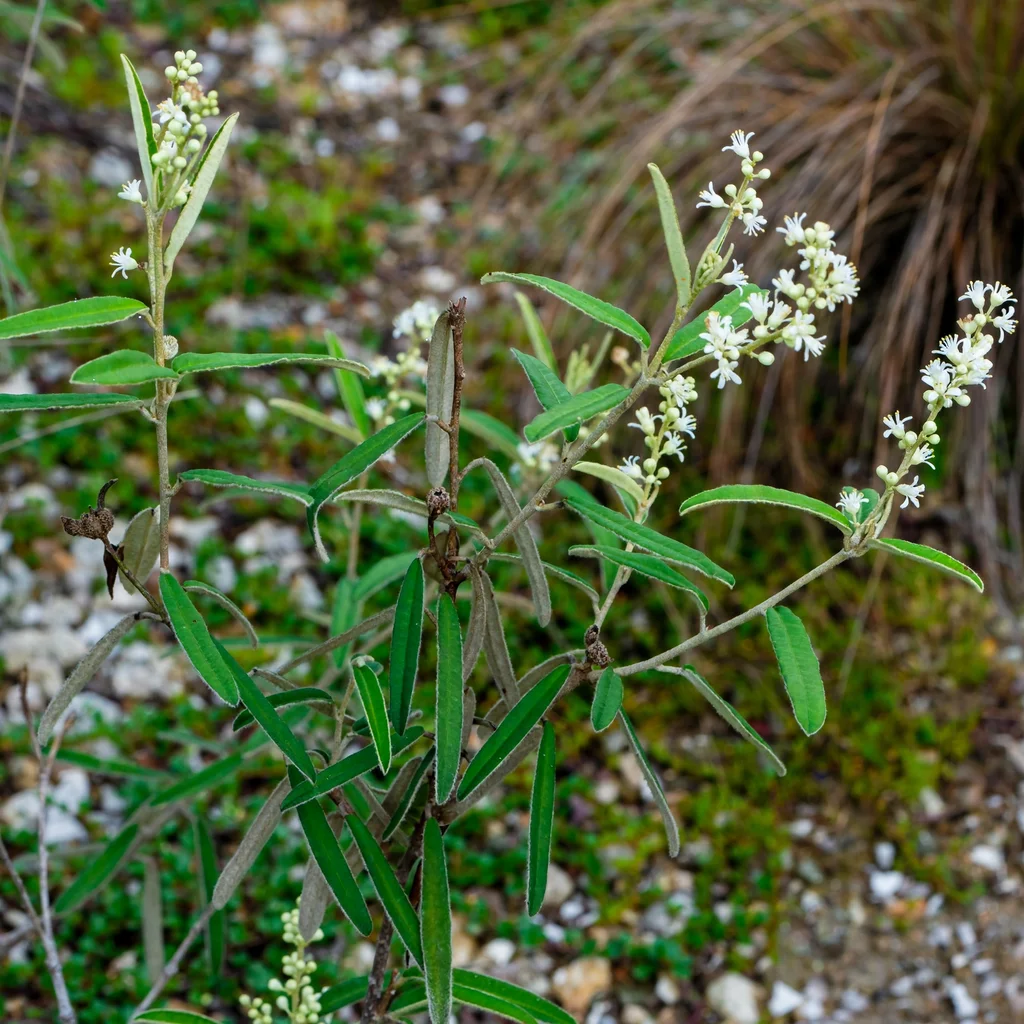
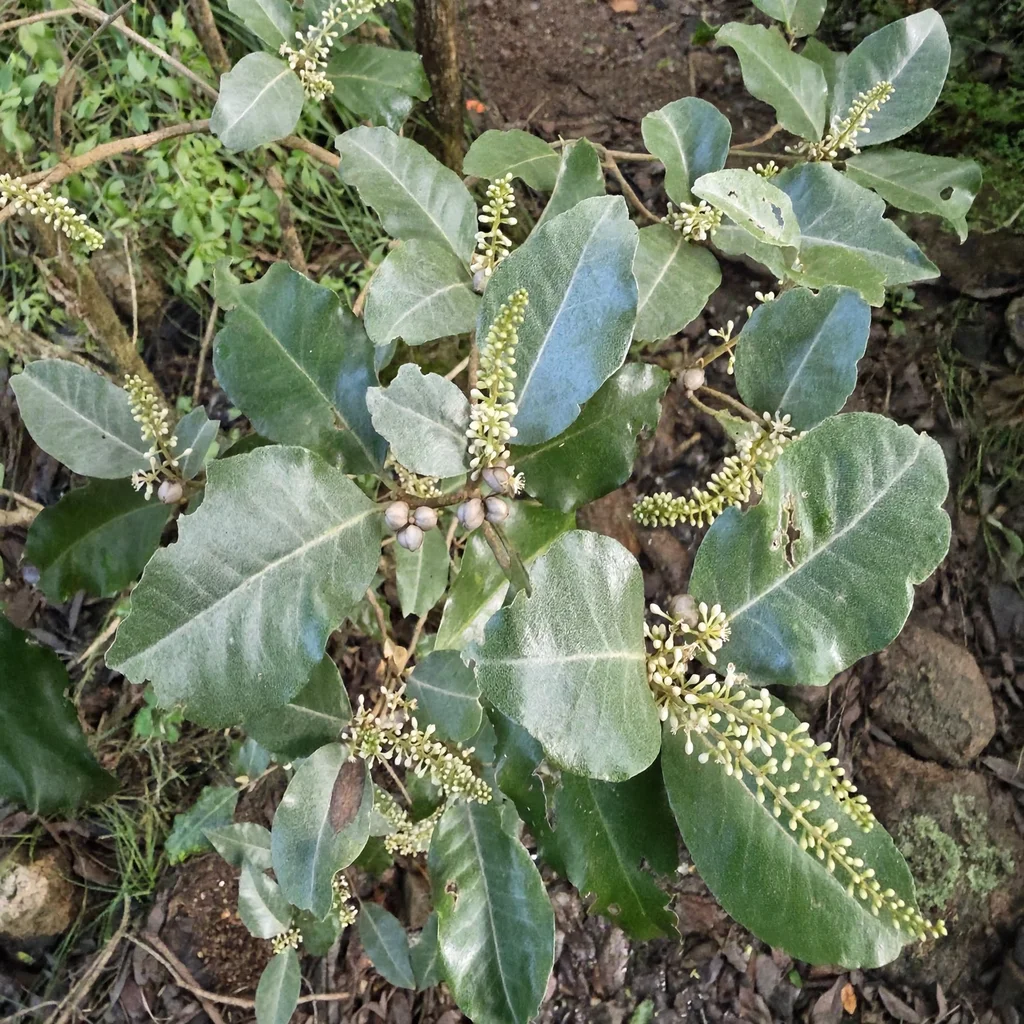
4 species of Croton
Each one is a parent of the varieties above.
Track your Croton in Sow
Save the Croton you grow and get care reminders timed to your zone.
How to grow Croton
Whats common across all Croton varieties in our catalog — drawn from the care records of the 4 most-grown of them.
The Croton year
- Check for PestsJune and July100% of varieties
Check for wilt from wet soil and for chewing damage.
- PlantApril and May75% of varieties
Set plugs into warm sand after frost danger has passed.
- PruneMarch and April75% of varieties
Tip-prune lightly to shape; never cut into old bare wood.
- PropagateJune and July50% of varieties
Sow seed or root tip cuttings during active growth.
- Winter PrepNovember50% of varieties
Pull spent annuals after frost; seed left on soil will resow.


Do
- Grow in full sun with open air movement and sharp drainage.
- Leave established plants dry; rely on rainfall in coastal sand.
- Handle with gloves and wash tools after pruning to avoid sap contact.
- Give full sun and sharp drainage in poor calcareous sand.
- Allow soil to dry between waterings once established.
Avoid
- Do not plant in clay, loam, or moisture-holding potting soil.
- Do not fertilize; excess nutrients produce weak leggy growth.
- Do not cut hard into old woody stems or shear after summer bloom.
- Do not plant in wet soil or high-organic potting mixes.
What goes wrong with Croton
| Problem | What you'll see | What to do |
|---|---|---|
| Spider mites | Stippled, dusty leaves with fine webbing in hot dry weather; rarely serious on outdoor native plants. | Spray off with a hard water jet and prune out badly affected tips; preserve predatory mites. |
| Generalist leaf-chewing insects | Chewed leaf edges or minor leaf loss, rarely serious in dune plantings. | Leave light damage alone; hand-pick if needed and avoid insecticides that kill dune pollinators. |
| Deer and rabbit browsing | Nipped shoot tips on garden plantings near cover. | Protect new liners with temporary fencing until woody and branched. |
| Scale and mealybugs | Small bumps or cottony clusters on stems with sticky honeydew and sooty film. | Scrub light infestations off and prune out heavy stems; treat persistent colonies with horticultural oil. |
| Root rot | Wilting and stem dieback in soil that stays wet or is high in organic matter. | Replant into dry limestone sand with no organic amendment and cut back irrigation; discard rotted plants. |
| Root rot - Phytophthora and Pythium | Wilting, blackened stem base, and collapse in heavy or irrigated soil. | Replant only into pure sand with no standing water; discard rotted plants and do not replant in the same wet hole. |
| Seedling damping-off and root rot | Seedlings collapse or lower stems brown in wet soil | Sow in well-drained sand to loam, avoid overhead watering, and thin for airflow |
Making more Croton
Seed
- Collect mature three-lobed capsules as they dry in fall.
- Clean seed and surface-sow into coarse washed sand.
- Keep warm in full sun with light mist only until germination.
- Grow on dry and transplant plugs while young to avoid root disturbance.
Stem cuttings
- Take firm tip cuttings during active summer growth.
- Strip lower leaves and wear gloves to avoid milky sap.
- Stick into coarse sand with no rich mix and keep barely moist.
- Root in heat and sun, then wean to dry conditions before planting.
Croton questions
How many types of Croton are there?
The Sow catalog tracks 4 distinct Croton varieties. The most popular — ranked by 2 real gardeners — are shown first above.
What zones does Croton grow in?
Across its varieties, Croton covers USDA Zones 4–10. Individual varieties differ — each plant page lists its exact range, and Sow filters the catalog to your zone automatically.
When does Croton bloom?
Most Croton varieties bloom from summer to fall.
Which Croton should I choose?
Start from the most-saved varieties above — popularity across thousands of gardens is a strong signal of reliability — then filter by your zone and sun. In the Sow app you can preview any of them in a photo of your actual yard before you buy.