2 saves
Malpighia
We track 3 varieties; the ones most used by real gardeners.
The 1 most-saved Malpighia varieties
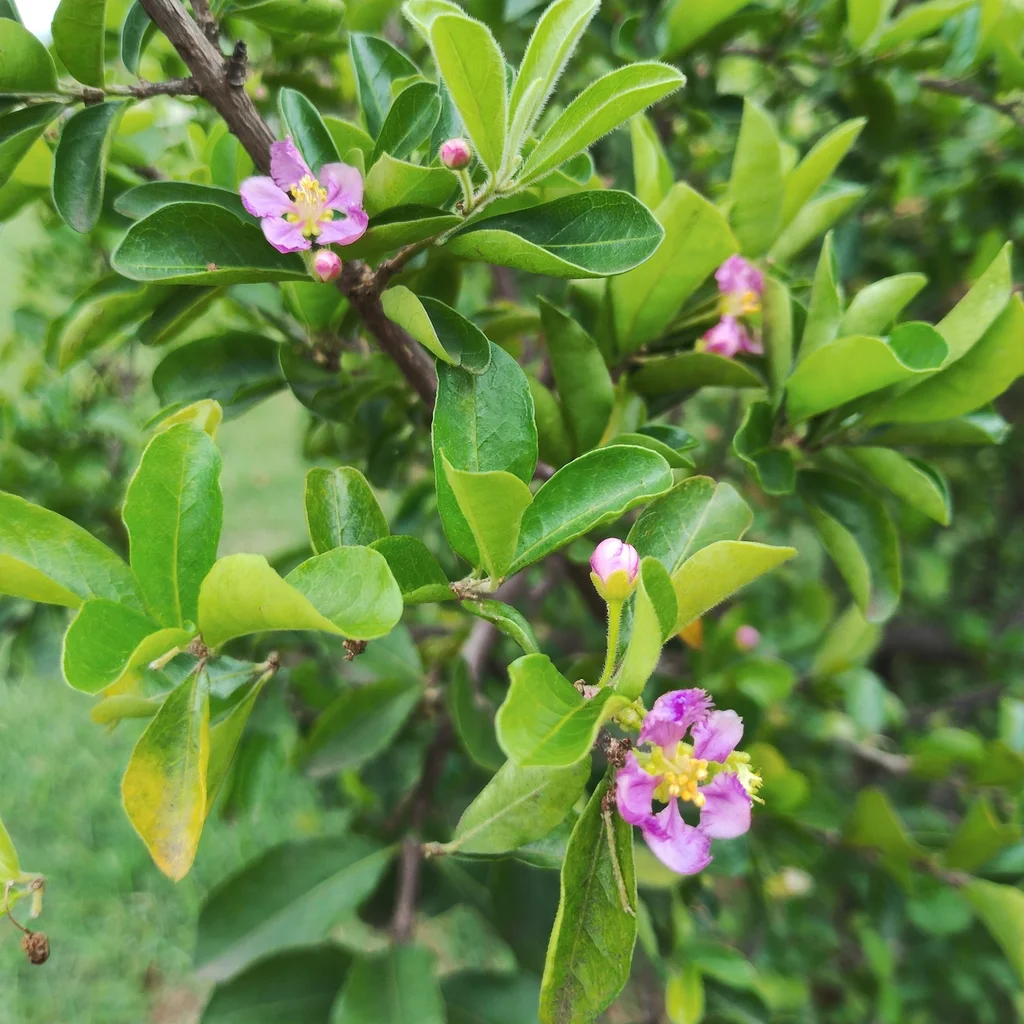
Browse all 3 Malpighia varieties →
3 species of Malpighia
Each one is a parent of the varieties above.
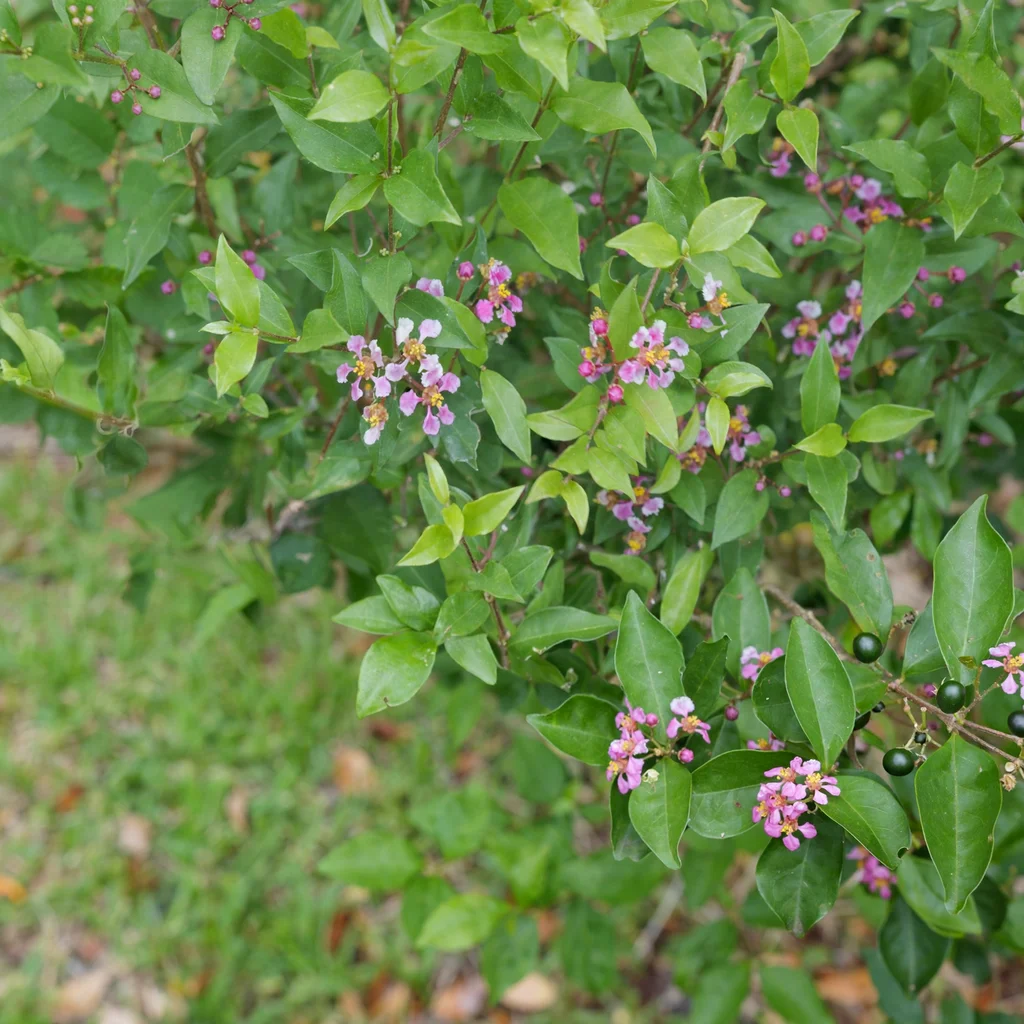
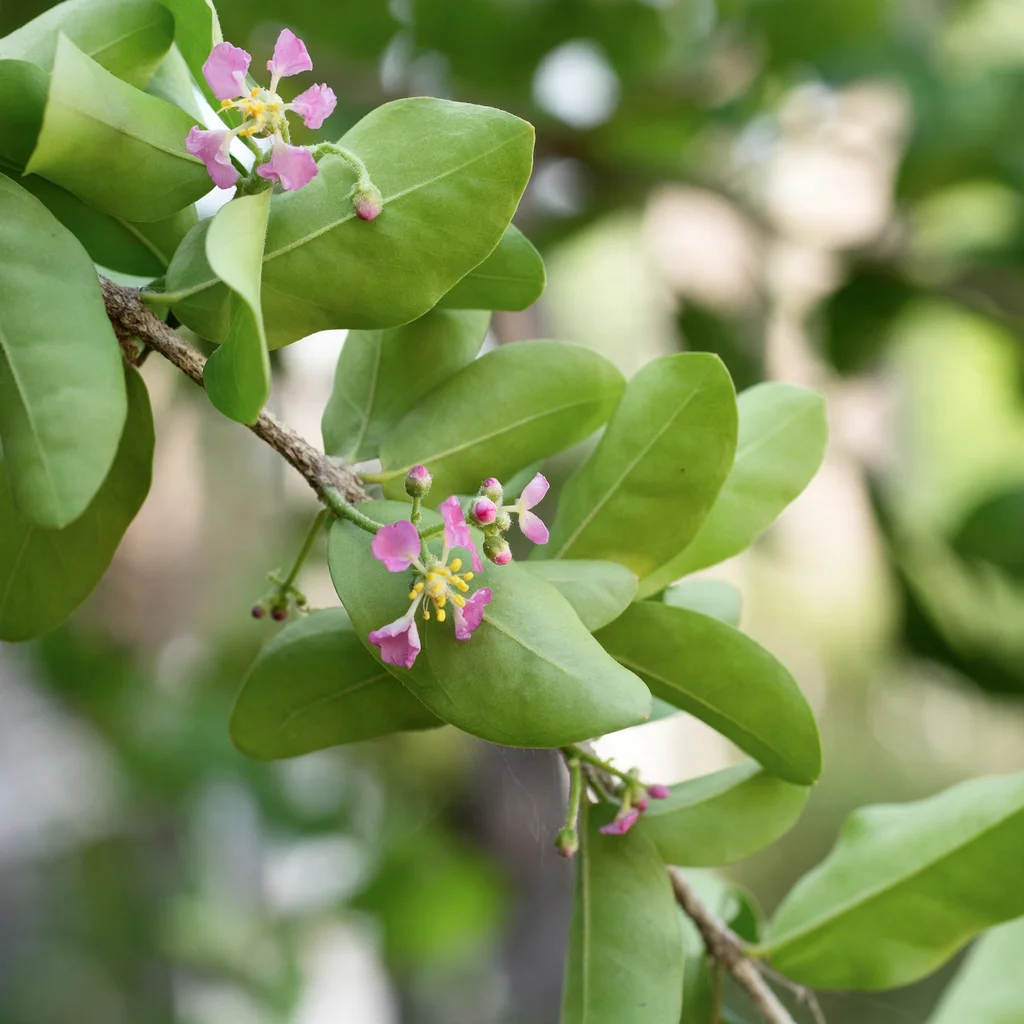
Track your Malpighia in Sow
Save the Malpighia you grow and get care reminders timed to your zone.
How to grow Malpighia
Whats common across all Malpighia varieties in our catalog — drawn from the care records of the 3 most-grown of them.
The Malpighia year
- PlantApril and May100% of varieties
Set out container plants after last frost in fertile, well-drained soil with room for air movement.
- PruneMarch and April100% of varieties
Lightly shape and thin after the main crop; avoid hard cutting into old wood.
- HarvestJuly and October100% of varieties
Pick fruit as it colors; crops repeat through summer into fall about a month after each flush.
- Check for PestsJune and August100% of varieties
Check leaf undersides for whiteflies and scale and watch for leaf spot in humid weather.
- MulchApril and May67% of varieties
Mulch with organic matter to hold moisture and support flowering and fruiting.


Do
- Plant in nematode-free soil and mulch with organic matter
- Provide full sun and good air circulation at the roots
- Water regularly for fruit set even once established
- Do plant in nematode-free fertile soil with good drainage.
- Do water through flowering and fruiting to hold the crop.
Avoid
- Do not plant where frost settles or winter drops below freezing
- Do not over-prune into old bare wood
- Do not let containers sit wet or in salty exposure
- Do not plant in soggy or compacted ground that stays wet.
What goes wrong with Malpighia
| Problem | What you'll see | What to do |
|---|---|---|
| Whiteflies | Small white flies on leaf undersides, sticky honeydew and sooty coating | Spray undersides with water and prune for airflow; use insecticidal soap for heavy buildup |
| Root-knot nematodes | Stunted growth, yellowing and poor fruiting with galled roots | Plant only nematode-free stock in clean soil; remove and destroy severely declined plants and rotate the site |
| Scale and plant bugs | Crusty bumps on stems and deformed fruit from feeding punctures | Prune out heavy infestations and rub off light scale; monitor fruit clusters through summer |
| Root-knot nematode | Weak growth, yellowing, leaf drop and poor fruiting from galled roots | Start with nematode-free soil and clean potting mix; mulch and avoid moving infested soil |
| Cercospora leaf spot | Dark spots on leaves in humid weather leading to yellowing and drop | Space for air flow, avoid overhead watering and clean up fallen leaves |
| Anthracnose | Dark sunken spots on leaves and fruit in warm wet conditions | Prune for air circulation, remove affected fruit and avoid wetting foliage |
| Sooty mold | Black film on leaves following whitefly or scale honeydew | Control the insects and wash foliage; it clears once honeydew stops |
Making more Malpighia
Cuttings
- Take semi-hardwood cuttings from healthy current-season growth.
- Strip lower leaves and insert into moist porous potting mix.
- Hold warm, bright and humid until rooted, keeping mix evenly moist.
- Pot on and grow 3 years to significant fruiting; label the cultivar.
Air layering
- Select a pencil-thick stem in spring and wound a one-inch ring.
- Wrap the wound with moist sphagnum and seal with plastic.
- Keep the moss moist until roots fill the wrap.
- Sever below the roots and pot in well-drained mix.
Malpighia questions
How many types of Malpighia are there?
The Sow catalog tracks 3 distinct Malpighia varieties. The most popular — ranked by 2 real gardeners — are shown first above.
What zones does Malpighia grow in?
Across its varieties, Malpighia covers USDA Zones 9–10. Individual varieties differ — each plant page lists its exact range, and Sow filters the catalog to your zone automatically.
When does Malpighia bloom?
Malpighia blooms from spring to fall.
Which Malpighia should I choose?
Start from the most-saved varieties above — popularity across thousands of gardens is a strong signal of reliability — then filter by your zone and sun. In the Sow app you can preview any of them in a photo of your actual yard before you buy.