Also known as Water Lily · 5 saves
Nymphaea
Nymphaea, the genus most gardeners know as water lily. We track 3 varieties; the ones most used by real gardeners.
The 3 most-saved Nymphaea varieties
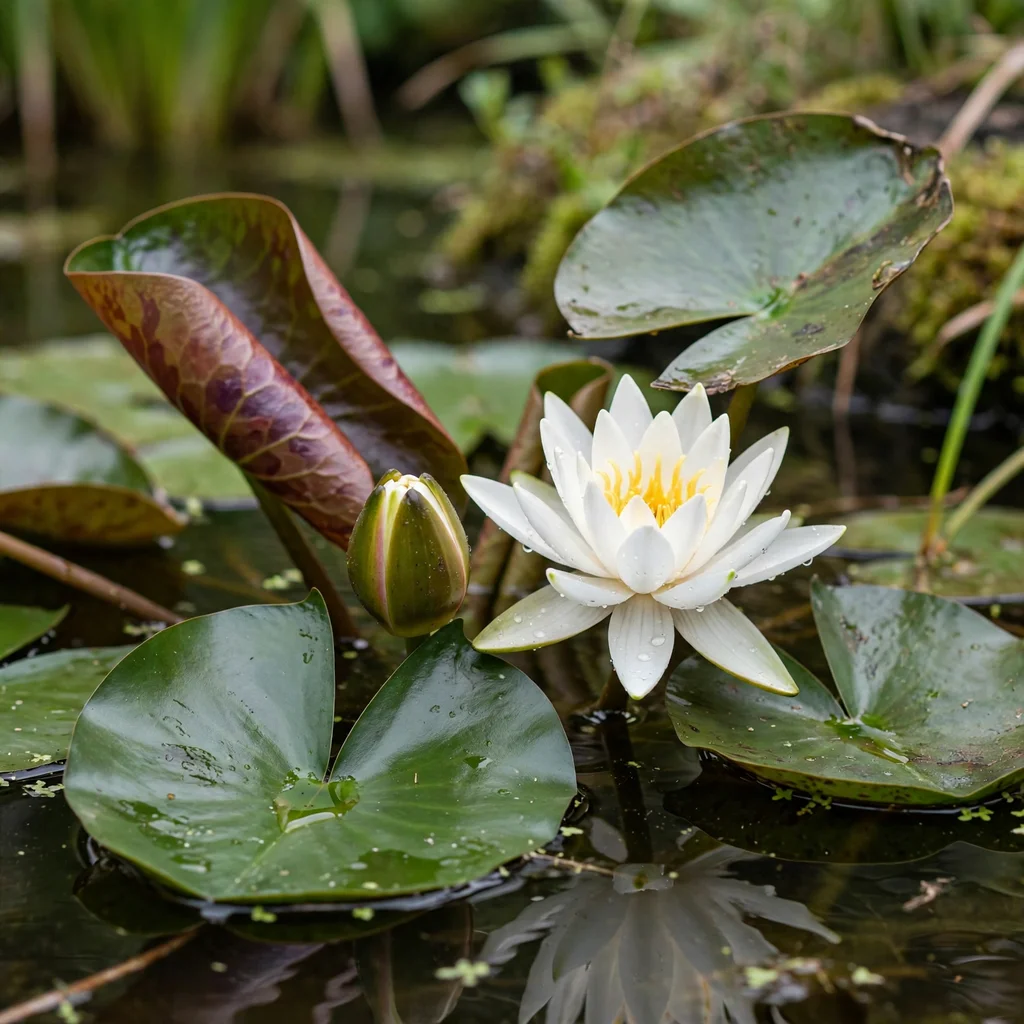
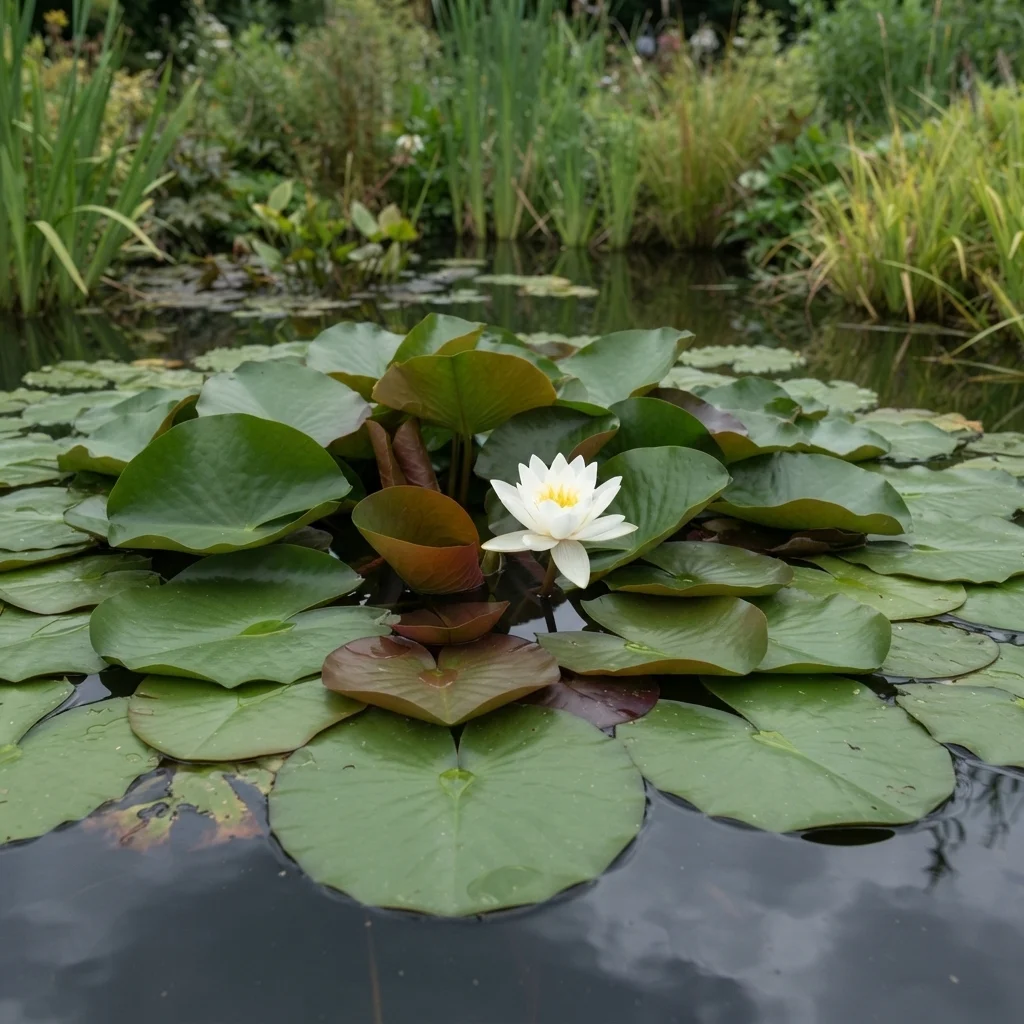
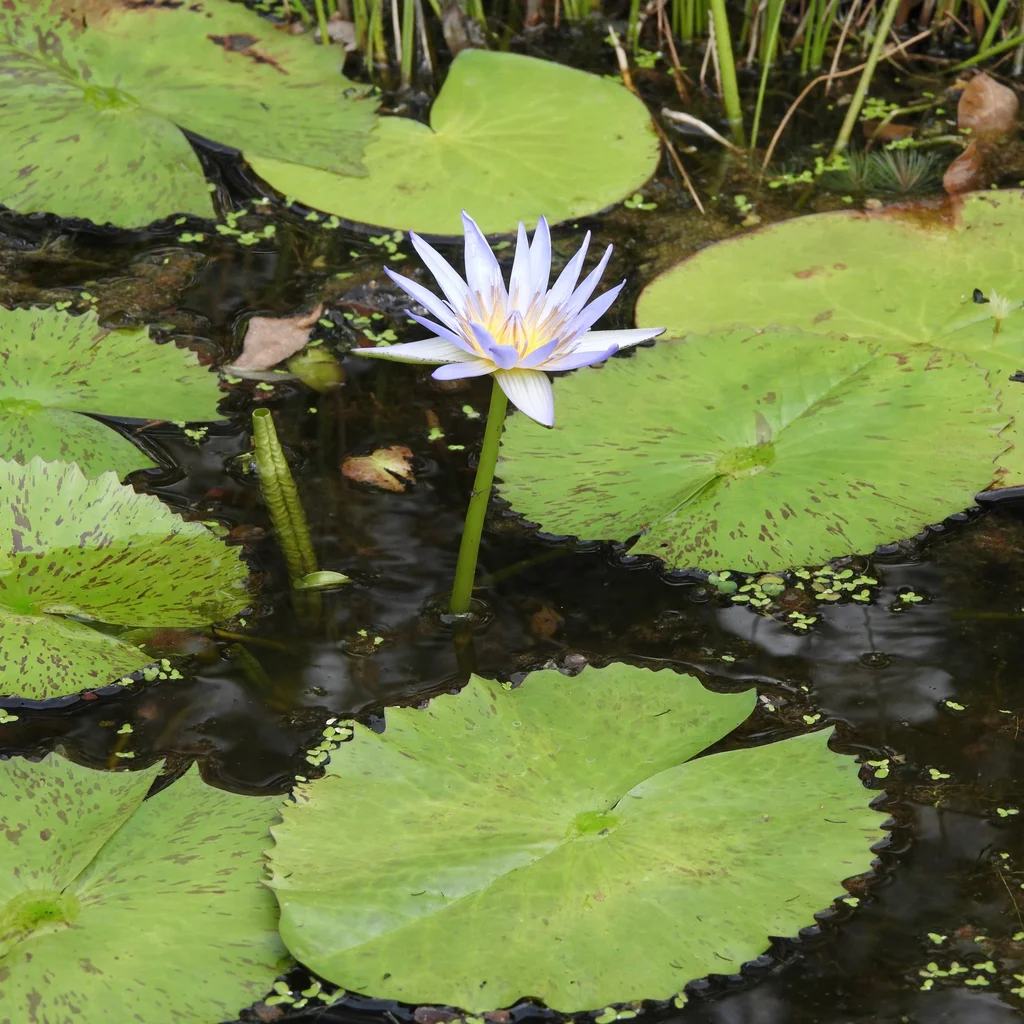
3 species of Nymphaea
Each one is a parent of the varieties above.
Track your Nymphaea in Sow
Save the Nymphaea you grow and get care reminders timed to your zone.
How to grow Nymphaea
Whats common across all Nymphaea varieties in our catalog — drawn from the care records of the 3 most-grown of them.
The Nymphaea year
- PruneJune–September100% of varieties
Regularly cut back yellowing leaves and spent flower stems to prevent organic decay in the water.
- FertilizeJune–August100% of varieties
Press specialized aquatic fertilizer tablets deep into the container soil monthly during active growth.
- DivideMay67% of varieties
Divide overcrowded rhizomes in mid-to-late spring to maintain plant vigor and control spread.
- Winter PrepOctober and November67% of varieties
Lift containers before freezing weather; store tubers indoors in damp sand or heated water tanks.


Do
- Cut back yellowing leaves and spent flower stems to the base of the plant regularly to prevent organic rot.
- Use heavy clay or loam rather than standard potting mixes, which float and cloud the water.
- Keep the planting depth between 12 and 48 inches of non-turbid, still water.
- Plant in heavy clay or topsoil packed tightly into aquatic baskets.
- Provide at least 5 hours of direct sunlight daily for robust flower production.
Avoid
- Do not allow the rhizomes to dry out during propagation or transplanting, as they desiccate rapidly.
- Do not plant in fast-moving or highly turbulent water, which disrupts leaf and flower development.
- Do not fertilize with standard garden fertilizers; use only specialized slow-release aquatic tablets.
- Do not use light potting mixes containing perlite, vermiculite, or loose organic compost.
What goes wrong with Nymphaea
| Problem | What you'll see | What to do |
|---|---|---|
| Waterlily aphids | Clusters of small dark insects on leaf surfaces and flower buds, causing curling and yellowing of foliage. | Rinse the pests off the leaves with a firm spray of water, allowing pond fish to consume them, or hand-pick heavily infested areas. |
| Waterlily leaf beetles | Narrow, skeletonized feeding trails on the upper surfaces of floating leaves, leading to premature decay. | Hand-pick beetles and larvae from the pads, and remove severely damaged leaves to disrupt the breeding cycle. |
| Water lily aphids | Dark clusters on upper leaf surfaces and flower stems causing curling and foliage distortion. | Rinse pests off foliage into the water with a hose spray or apply an aquatic-safe insecticidal soap. |
| Spider mites | Bronzed or speckled foliage occurring during exceptionally hot, dry weather. | Spray leaf surfaces with water to knock off mites and increase local humidity. |
| Crown rot | Soft, black, foul-smelling decay at the base of the rhizome, causing leaves to yellow and detach. | Discard infected plants immediately, improve water circulation, and ensure rhizomes are not buried too deeply in the substrate. |
| Leaf spot fungi | Dark reddish or brown spots developing on floating leaf pads. | Prune and dispose of affected leaf pads to reduce fungal spore spread. |
| Leaf spot | Brown or black circular spots on the upper leaf surfaces, expanding and causing the pads to rot. | Prune and dispose of affected leaves promptly to prevent the fungal spores from spreading through the water. |
Making more Nymphaea
Rhizome Division
- Lift the container-grown plant in early spring as new growth begins to emerge.
- Wash away soil to expose the horizontal rhizome system and identify active growing tips.
- Use a sharp, sterile knife to cut sections of healthy rhizome, ensuring each piece has at least one prominent bud.
- Replant the divisions horizontally in heavy clay soil, cover with gravel, and submerge immediately.
Division
- Lift the aquatic planting basket from warm water in late spring.
- Rinse mud away from the root stock to locate distinct growing points on the tubers.
- Slice the tuber into sections with a clean knife, ensuring each piece retains an active eye.
- Repot each section into fresh clay loam and submerge in shallow water.
Nymphaea questions
How many types of Nymphaea are there?
The Sow catalog tracks 3 distinct Nymphaea varieties. The most popular — ranked by 5 real gardeners — are shown first above.
What zones does Nymphaea grow in?
Across its varieties, Nymphaea covers USDA Zones 4–10. Individual varieties differ — each plant page lists its exact range, and Sow filters the catalog to your zone automatically.
When does Nymphaea bloom?
Most Nymphaea varieties bloom from early summer to early fall.
Which Nymphaea should I choose?
Start from the most-saved varieties above — popularity across thousands of gardens is a strong signal of reliability — then filter by your zone and sun. In the Sow app you can preview any of them in a photo of your actual yard before you buy.