4 saves
Odontonema
We track 3 varieties; the ones most used by real gardeners.
The 2 most-saved Odontonema varieties
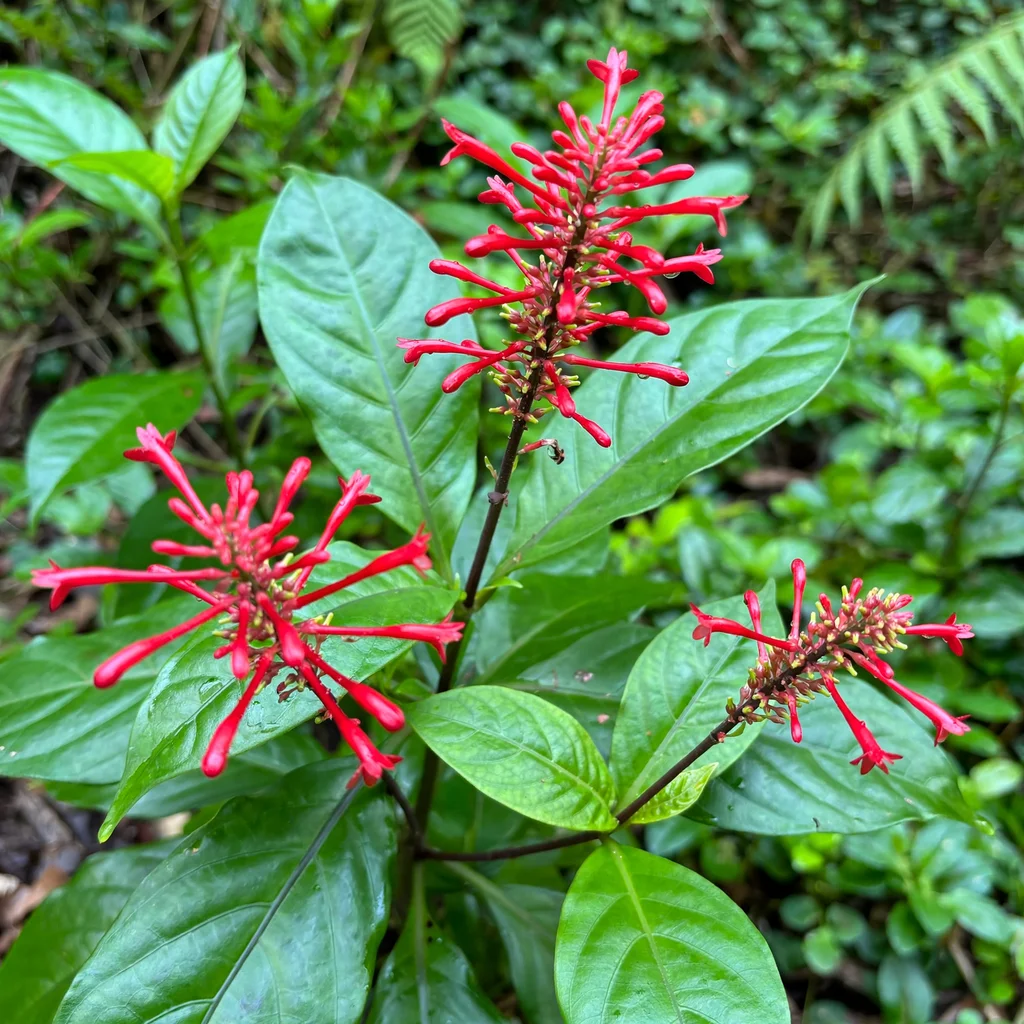
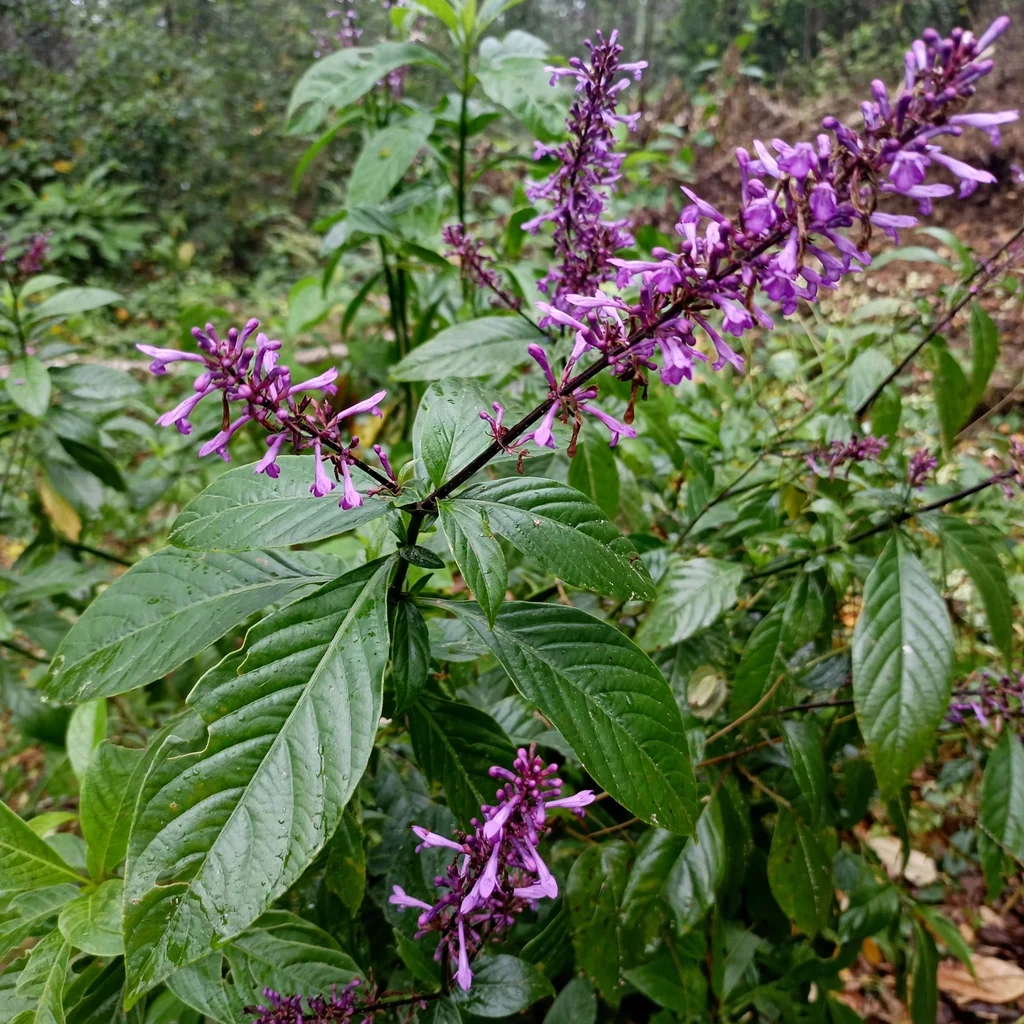
Browse all 3 Odontonema varieties →
3 species of Odontonema
Each one is a parent of the varieties above.
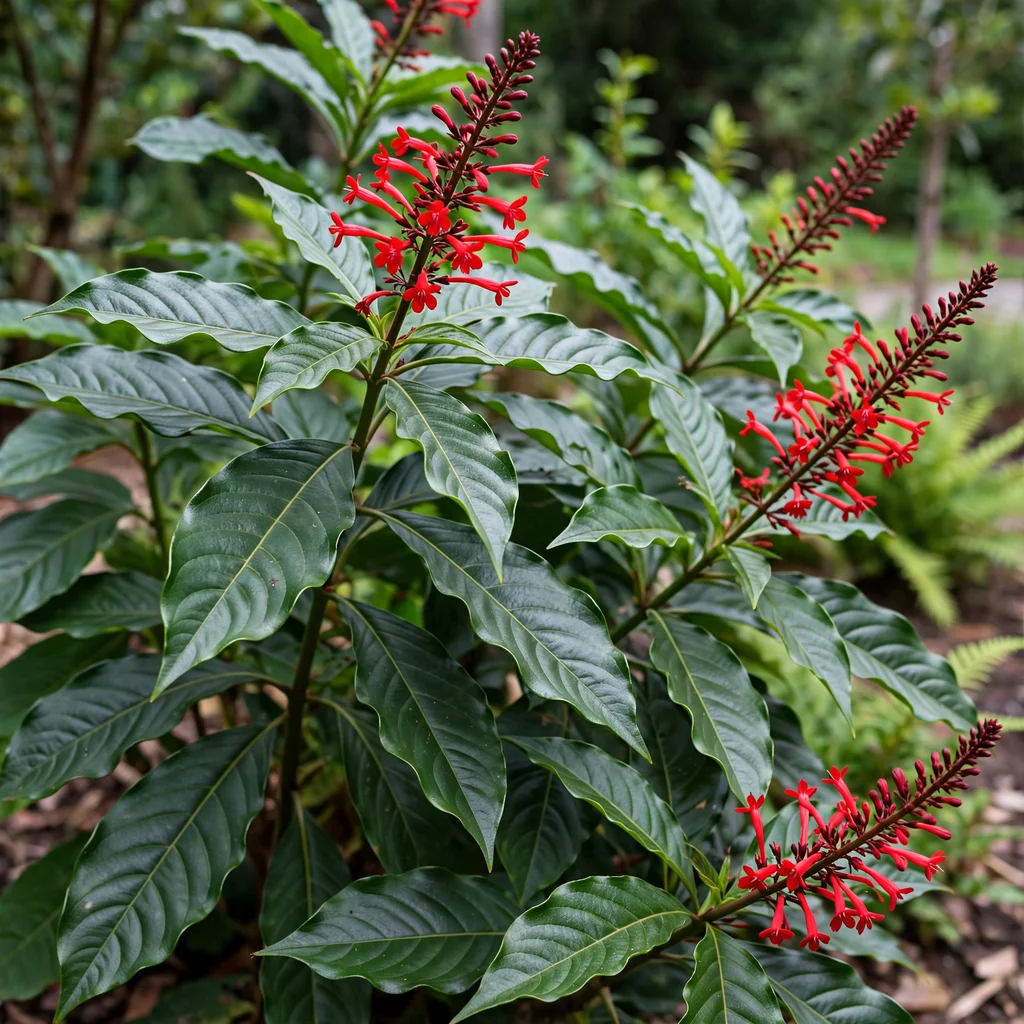
Track your Odontonema in Sow
Save the Odontonema you grow and get care reminders timed to your zone.
How to grow Odontonema
Whats common across all Odontonema varieties in our catalog — drawn from the care records of the 3 most-grown of them.
The Odontonema year
- PruneMarch100% of varieties
Cut frost-killed stems to the ground and shear lightly after bloom to shape.
- Check for PestsJuly and August100% of varieties
Check stems and leaf joints for mealybug colonies.
- Winter PrepNovember67% of varieties
Mound sand or mulch over the crown in zone 8 before hard frost.
- MulchMay and June67% of varieties
Mulch 2 to 3 inches to hold summer moisture.
- PlantApril and May67% of varieties
Plant after last frost in well-drained soil.


Do
- Give full to part sun for best bloom, with afternoon shade in hot climates.
- Mulch to hold moisture and protect roots from hard frost.
- Shear lightly after bloom to keep the clump dense.
- Plant in well-drained soil in part shade for heaviest fall bloom
- Water deeply during dry spells and avoid wetting the leaves
Avoid
- Do not prune hard in fall in zone 8; it removes basal buds needed for spring regrowth.
- Do not plant in salty coastal exposure or in soggy, poorly drained soil.
- Do not over-shear repeatedly through the season; one shaping plus one renewal cut is enough.
- Do not leave the crown in waterlogged soil
What goes wrong with Odontonema
| Problem | What you'll see | What to do |
|---|---|---|
| Mealybugs | White cottony clusters on stems and leaf joints with sticky honeydew | Wash off with a strong spray of water and prune out heavy clusters; treat persistent colonies with insecticidal soap |
| Whiteflies | Tiny white flies rise from leaf undersides; yellowing leaves and honeydew. | Spray undersides with strong water jet and apply insecticidal soap as needed. |
| White-tailed deer | Browsed leaf tips and stripped young shoots | Protect with fencing or repellents; cut damaged stems back in late winter to regrow from the base |
| Spider mites | Stippled, dusty leaves in hot dry weather. | Water adequately and rinse foliage; treat persistent colonies with horticultural oil. |
| Root rot | Wilting and stem collapse in waterlogged soil. | Plant only in well-drained soil and do not overwater; discard rotted divisions. |
| Frost dieback | Stems blacken and collapse to the ground after hard frost | Mound sand or mulch over the crown in late fall; cut dead tops to the ground in spring to renew |
| Fungal leaf spot | Spotted or blotched leaves where foliage stays wet. | Avoid overhead watering, space for air flow, and remove affected leaves. |
Making more Odontonema
Softwood stem cuttings
- Take 4 to 6 inch softwood stem cuttings in spring to early summer.
- Strip lower leaves and insert into moist potting mix or damp soil.
- Keep warm, shaded and evenly moist until rooted.
- Pot up rooted cuttings and plant out after last frost.
Cuttings
- Take 4 to 6 inch tip cuttings from firm new growth.
- Strip lower leaves and insert into moist perlite and peat mix.
- Hold warm and humid in bright indirect light until rooted.
- Pot up once roots resist a gentle tug and plant out after frost.
Odontonema questions
How many types of Odontonema are there?
The Sow catalog tracks 3 distinct Odontonema varieties. The most popular — ranked by 4 real gardeners — are shown first above.
What zones does Odontonema grow in?
Across its varieties, Odontonema covers USDA Zones 8–10. Individual varieties differ — each plant page lists its exact range, and Sow filters the catalog to your zone automatically.
When does Odontonema bloom?
Most Odontonema varieties bloom year-round.
Which Odontonema should I choose?
Start from the most-saved varieties above — popularity across thousands of gardens is a strong signal of reliability — then filter by your zone and sun. In the Sow app you can preview any of them in a photo of your actual yard before you buy.