2 saves
Pachycereus
We track 3 varieties; the ones most used by real gardeners.
The 3 most-saved Pachycereus varieties
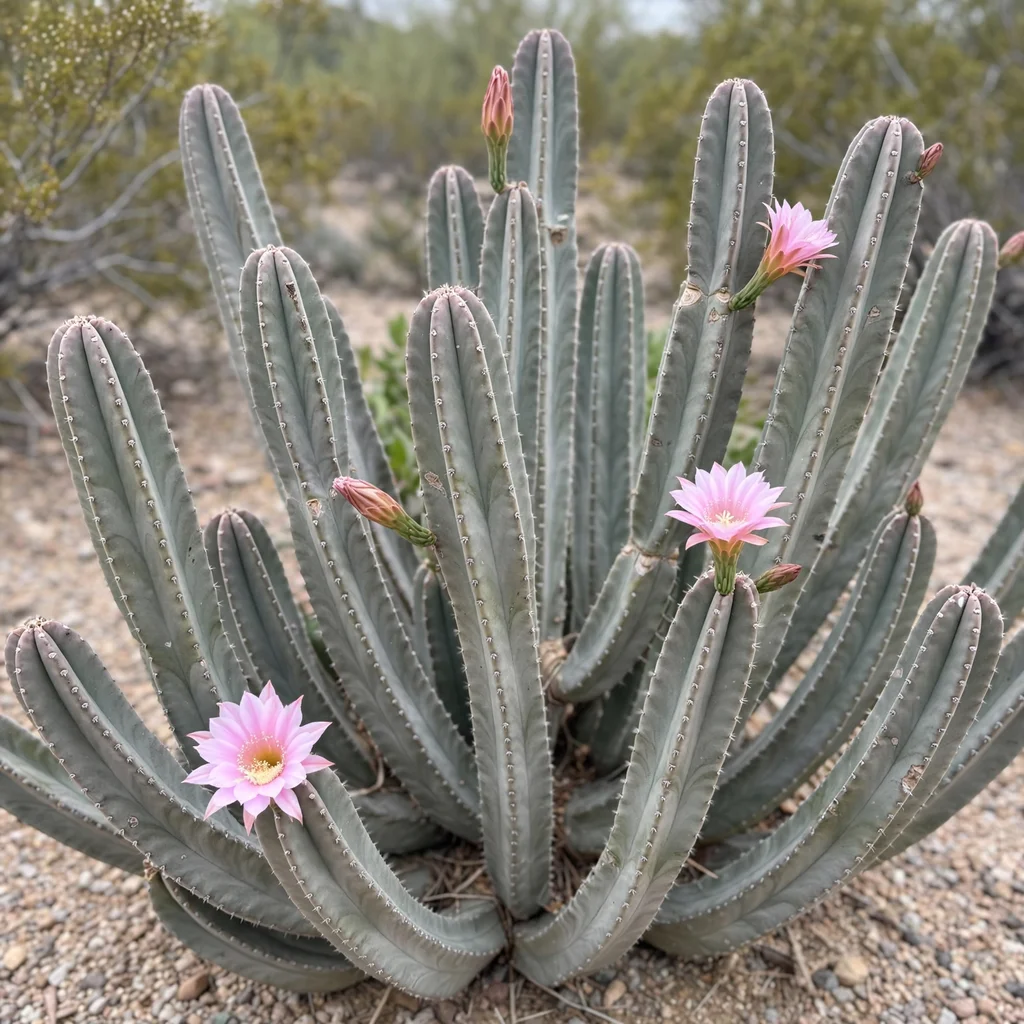
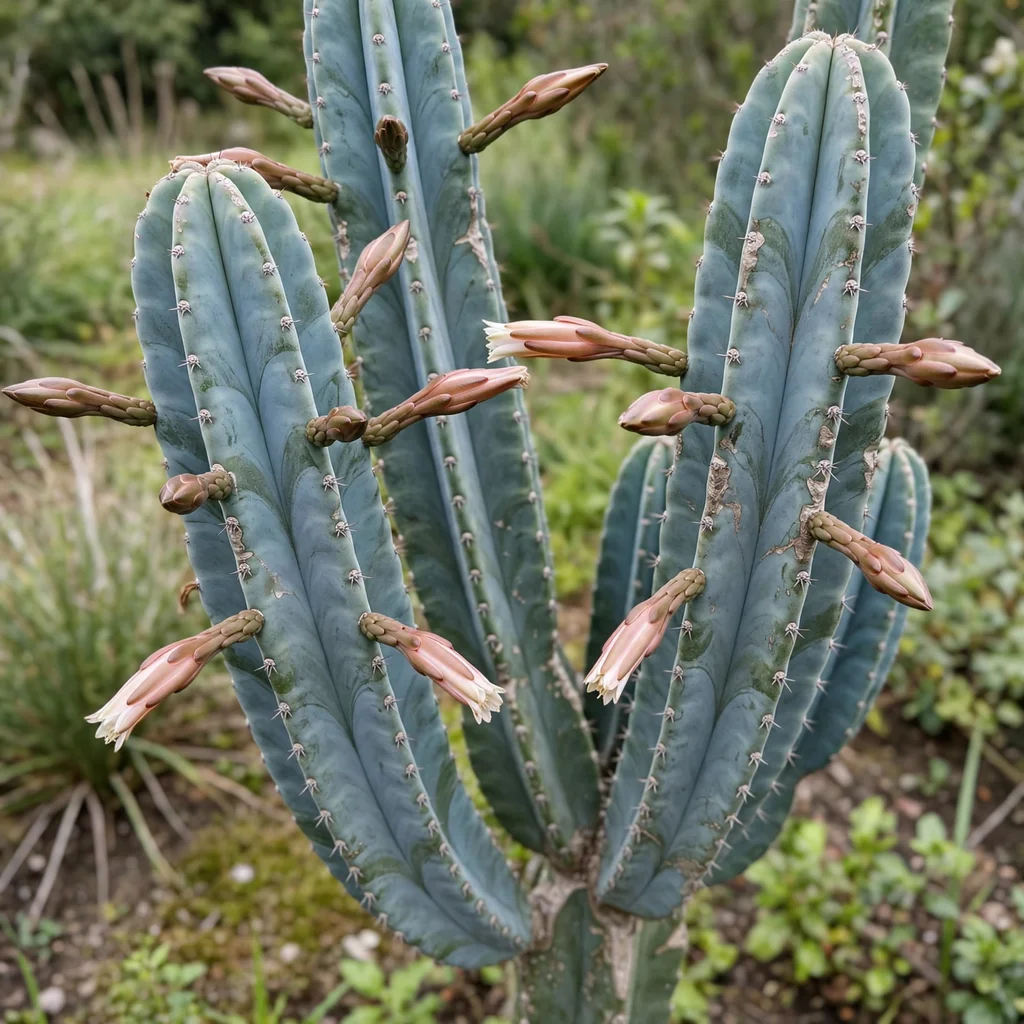
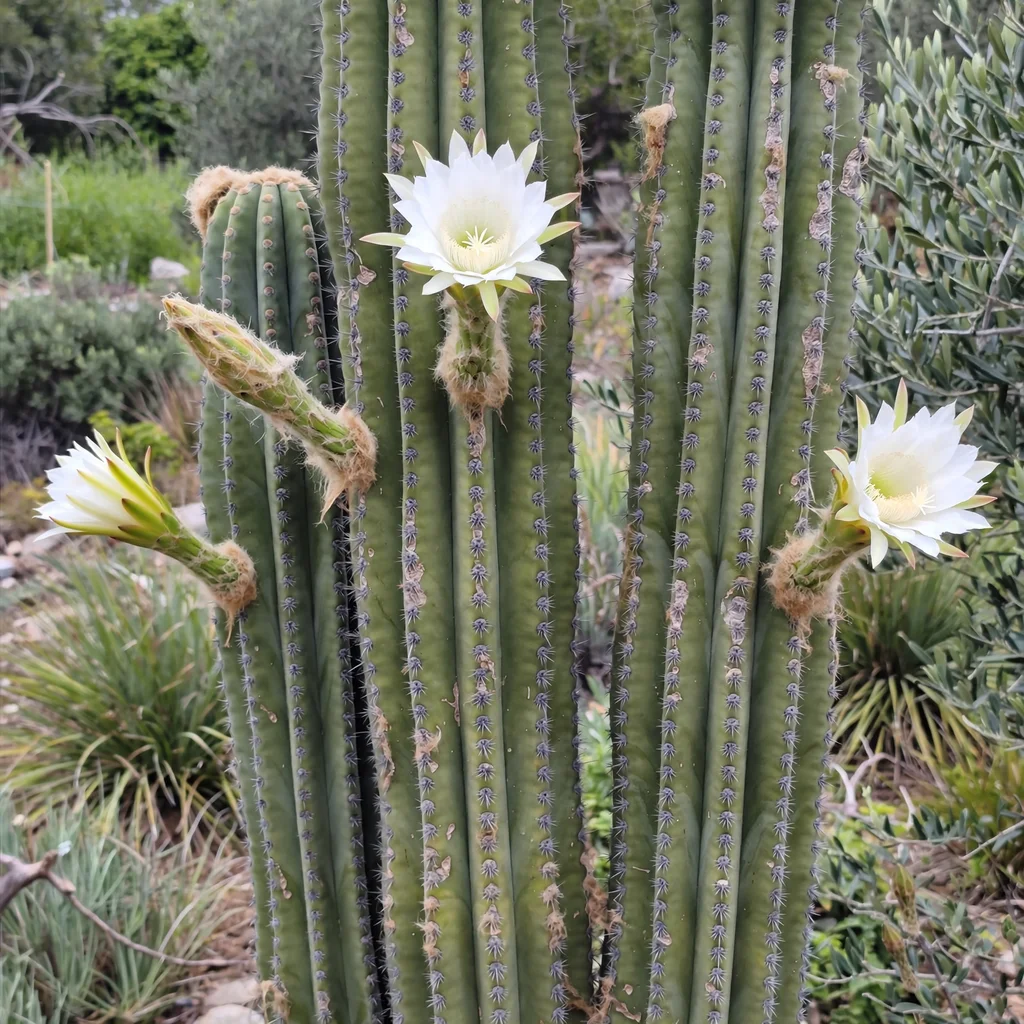
3 species of Pachycereus
Each one is a parent of the varieties above.
Track your Pachycereus in Sow
Save the Pachycereus you grow and get care reminders timed to your zone.
How to grow Pachycereus
Whats common across all Pachycereus varieties in our catalog — drawn from the care records of the 3 most-grown of them.
The Pachycereus year
- PlantApril and May100% of varieties
Set out potted plants after last frost in sharply drained rocky soil.
- PropagateMay and June100% of varieties
Take stem cuttings in warm weather and let cuts callus before rooting.
- Check for PestsJune and July100% of varieties
Check areoles and new growth for mealybugs, scale and spider mites.
- Winter PrepOctober and November100% of varieties
Stop watering and cover stem tips with frost cloth if hard frost threatens.


Do
- Do plant on a slope, berm, or raised bed for fast drainage.
- Do handle with thick gloves and tongs because of sharp spines.
- Do leave established clumps undisturbed; they resent moving.
- Give full sun and maximum air circulation with very fast drainage.
- Allow soil to dry fully between waterings and keep winter-dry.
Avoid
- Do not overwater or keep soil wet; wet roots rot quickly.
- Do not plant in rich soil or heavy clay that holds water.
- Do not prune unless needed to remove damaged stems.
- Do not overwater or overfeed, and give no fertilizer from fall on.
What goes wrong with Pachycereus
| Problem | What you'll see | What to do |
|---|---|---|
| Mealybugs | Cottony white clusters in areoles and spine patches; stunted growth | Dab with alcohol, apply insecticidal soap or neem oil, and inspect new growth |
| Scale | Hard brown bumps on stems; yellowing and sticky residue | Scrape off lightly, apply horticultural oil or insecticidal soap |
| Spider mites | Fine stippling and yellow spots, webbing in dry heat | Spray off with water, improve air flow, apply insecticidal soap if severe |
| Cactus scale | Hard brown shields including Diaspis echinocacti with yellow stippling and sticky exudate. | Scrub lightly, treat with insecticidal soap or neem and recheck areoles. |
| Root rot | Soft, yellowed or collapsed stem bases from wet soil | Provide sharp drainage, withhold water, discard badly rotted stems |
| Fungal stem spot | Brown to black wet spots on stems in damp conditions | Keep stems dry, improve air circulation, cut out spotted tissue to healthy flesh |
| Gray mold | Fuzzy gray spots and stem blotch from Botrytis in cool wet conditions. | Improve air flow, keep stems dry and let soil dry fully between waterings. |
Making more Pachycereus
Seed
- Sow fresh seed on surface of gritty cactus mix in spring.
- Mist lightly and keep warm and bright, never soggy.
- Ventilate to prevent damping off as seedlings emerge.
- Pot up seedlings once spines form and handle with tweezers.
Stem cuttings
- Cut a healthy stem section with a clean sharp knife in warm weather.
- Let the cut end callus in dry shade for one to two weeks.
- Set upright in dry gritty mix without watering.
- Water sparingly only after roots anchor the cutting.
Pachycereus questions
How many types of Pachycereus are there?
The Sow catalog tracks 3 distinct Pachycereus varieties. The most popular — ranked by 2 real gardeners — are shown first above.
What zones does Pachycereus grow in?
Across its varieties, Pachycereus covers USDA Zones 9–10. Individual varieties differ — each plant page lists its exact range, and Sow filters the catalog to your zone automatically.
When does Pachycereus bloom?
Most Pachycereus varieties bloom from spring to summer.
Which Pachycereus should I choose?
Start from the most-saved varieties above — popularity across thousands of gardens is a strong signal of reliability — then filter by your zone and sun. In the Sow app you can preview any of them in a photo of your actual yard before you buy.