4 saves
Pithecellobium
We track 3 varieties; the ones most used by real gardeners.
The 3 most-saved Pithecellobium varieties
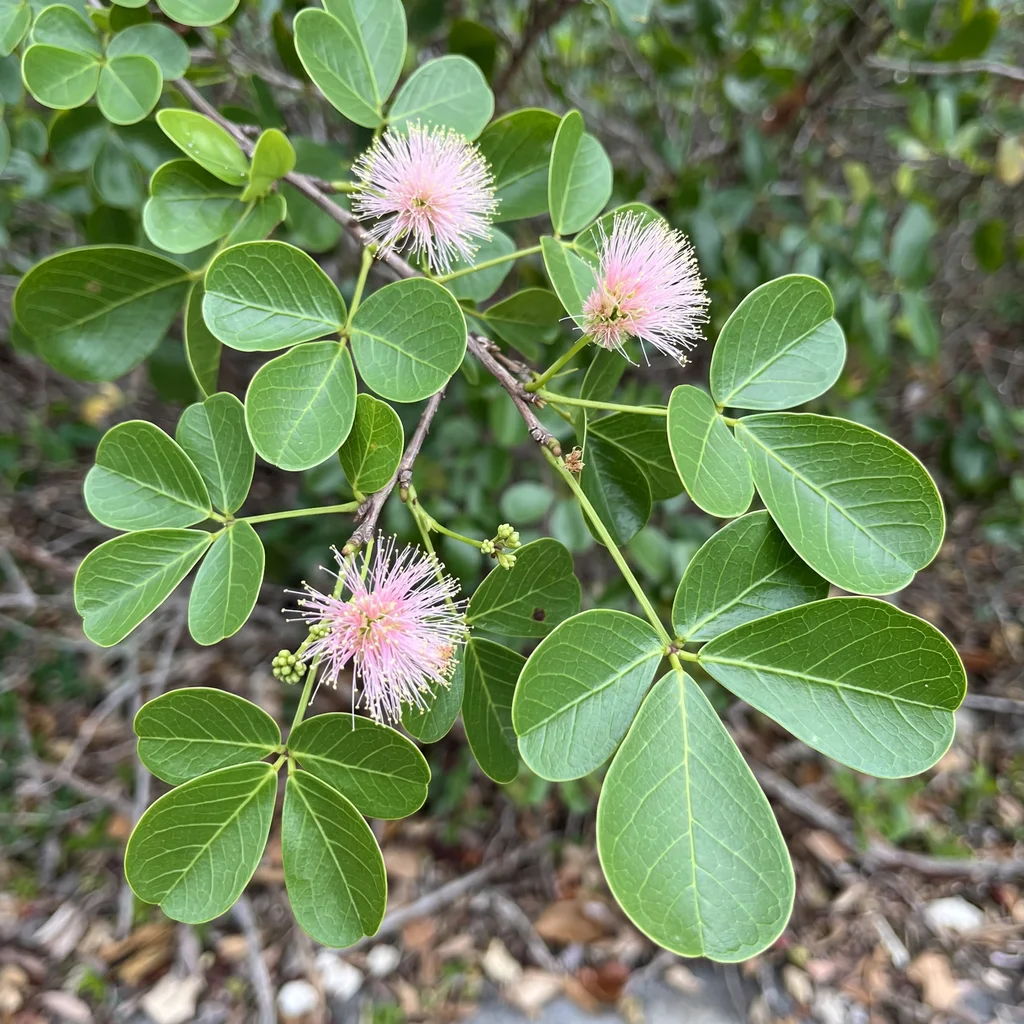
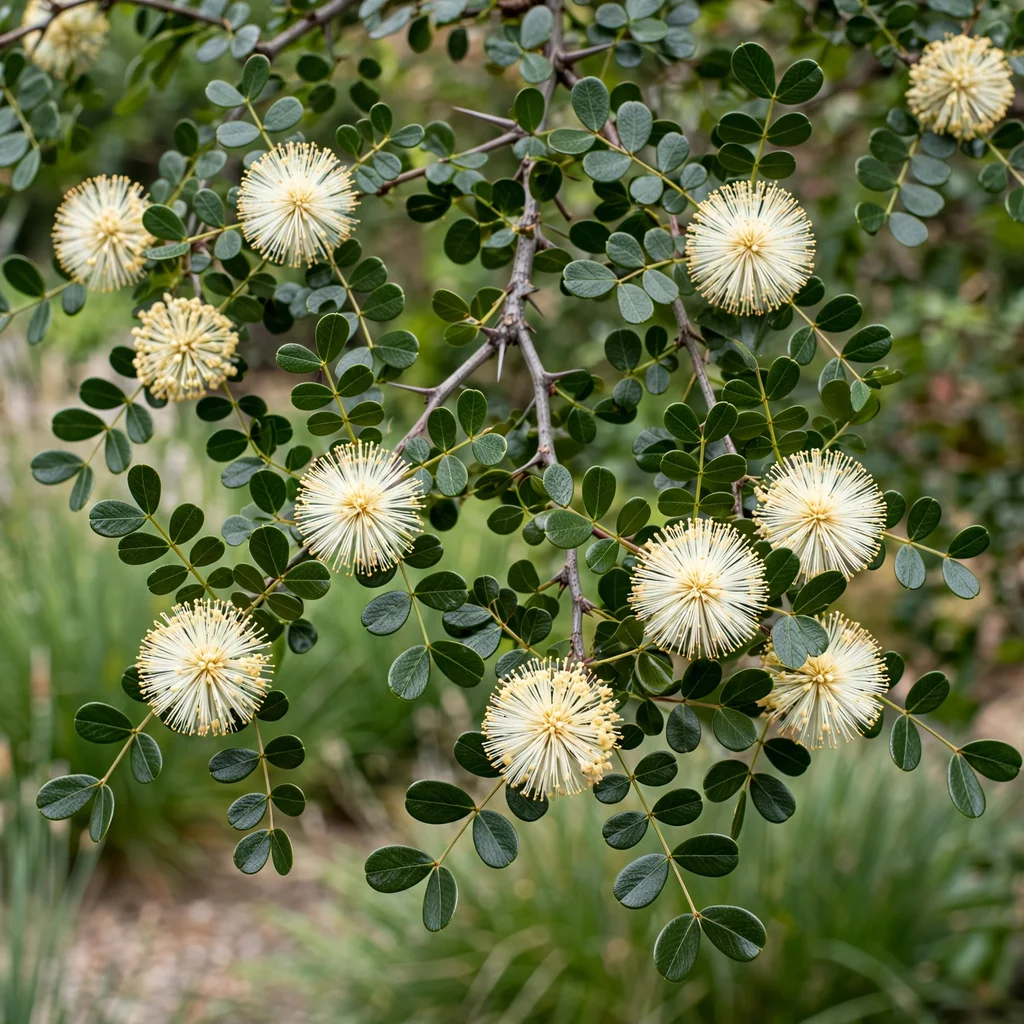
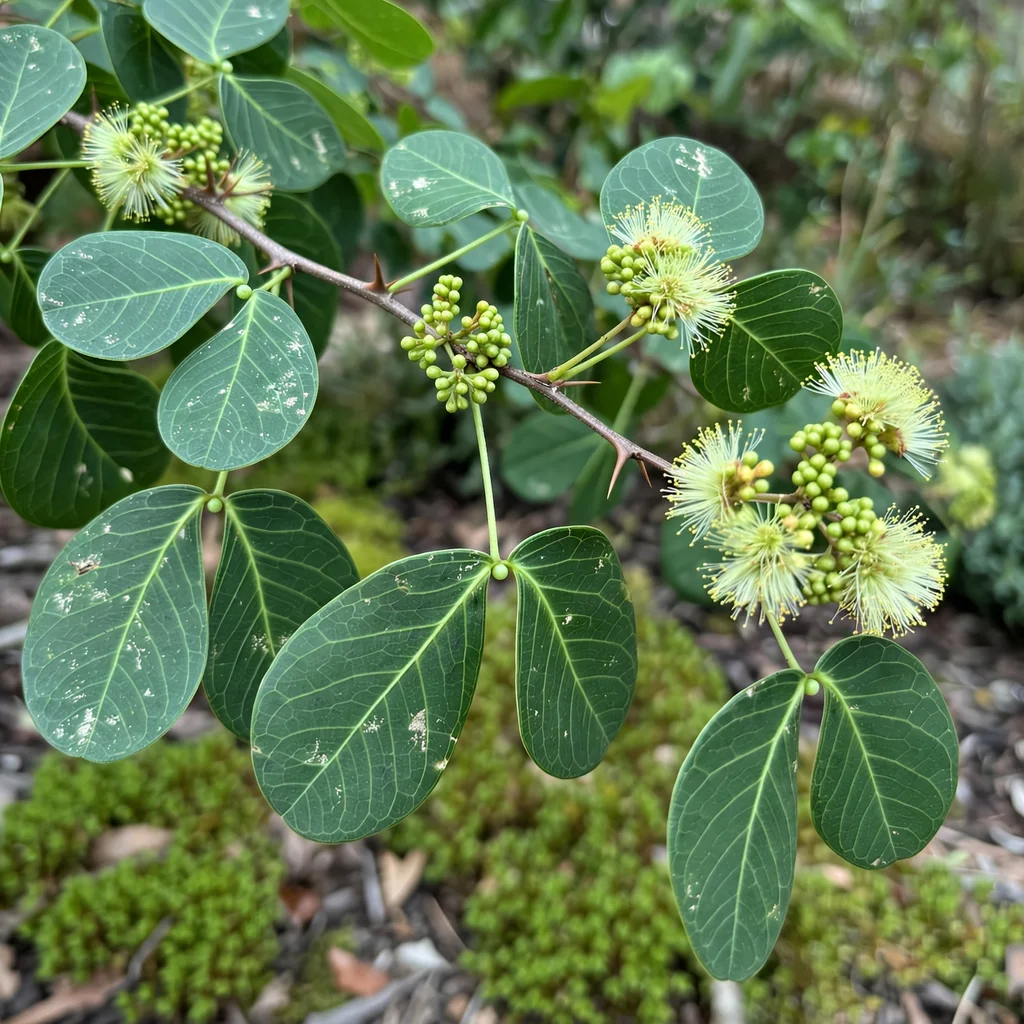
3 species of Pithecellobium
Each one is a parent of the varieties above.
Track your Pithecellobium in Sow
Save the Pithecellobium you grow and get care reminders timed to your zone.
How to grow Pithecellobium
Whats common across all Pithecellobium varieties in our catalog — drawn from the care records of the 3 most-grown of them.
The Pithecellobium year
- MulchMarch and April100% of varieties
Refresh thin leaf mulch while keeping stems clear.
- PlantMarch–May100% of varieties
Set out potted plants in spring in full sun in sand or limestone.
- Check for PestsJune and July100% of varieties
Check leaves for weevil chewing during summer growth.


Do
- Do plant in full sun in moist but well-drained sand or calcareous soil.
- Do use its spines as a living fence along hammock edges and coastal strands.
- Do leave spent pods for birds if seed toxicity is not a concern on site.
- Site away from foot traffic, pools, and play areas for thorns and pod litter
- Wear heavy gloves and eye protection when pruning thorny branches
Avoid
- Do not plant where children or pets handle the shiny black seeds, which are toxic.
- Do not over-prune or shear into old bare stems.
- Do not site in wet or poorly drained soil.
- Do not over-irrigate or plant in wet clay that stays soggy
What goes wrong with Pithecellobium
| Problem | What you'll see | What to do |
|---|---|---|
| Sri Lankan weevil | Chewing damage and heavy feeding on leaves seen in Miami roadside plantings. | Prune off badly damaged shoots and dispose of clippings; avoid broad-spectrum sprays that kill butterfly larvae. |
| Palo verde borer beetle | Large exit holes in lower trunk and roots and wilting in Phoenix-area summer plantings | Keep tree vigorous with low water and no trunk injury; prune out dead wood and avoid summer stress |
| Deer | Browsed young leaves and twig tips in south Texas plantings | Protect young trees with caging until above browse height |
| Blackbead gall wasp | Small woody galls on twigs and leaves that distort new growth. | Prune out galled shoot tips and discard in trash; established plants tolerate light galling without spray. |
| Root decline from overwatering | Thinning crown and dieback in heavy or constantly wet soil | Plant in well-drained soil, correct grade, and reduce irrigation frequency |
| Root decline from prolonged flooding | Yellowing leaves and dieback where soil stays saturated. | Plant high in well-drained sand or limestone and redirect downspouts away from the root zone. |
Making more Pithecellobium
Seed
- Collect mature coiled red pods that have split to show shiny black seeds.
- Clean seed from the pod and sow promptly in sandy, well-drained mix.
- Keep in full sun with light moisture until germination and early growth.
- Grow on in pots until large enough to plant in sand or limestone.
Cuttings
- Take semi-hardwood tip cuttings from healthy nursery stock.
- Strip lower leaflets and insert into coarse sand and perlite.
- Keep humid and bright but out of direct sun until rooted.
- Harden off rooted liners, then pot up and grow on in full sun.
Pithecellobium questions
How many types of Pithecellobium are there?
The Sow catalog tracks 3 distinct Pithecellobium varieties. The most popular — ranked by 4 real gardeners — are shown first above.
What zones does Pithecellobium grow in?
Across its varieties, Pithecellobium covers USDA Zones 8–10. Individual varieties differ — each plant page lists its exact range, and Sow filters the catalog to your zone automatically.
When does Pithecellobium bloom?
Most Pithecellobium varieties bloom from winter to summer.
Which Pithecellobium should I choose?
Start from the most-saved varieties above — popularity across thousands of gardens is a strong signal of reliability — then filter by your zone and sun. In the Sow app you can preview any of them in a photo of your actual yard before you buy.