0 saves
Restio
We track 3 varieties; the ones most used by real gardeners.
The 3 most-saved Restio varieties
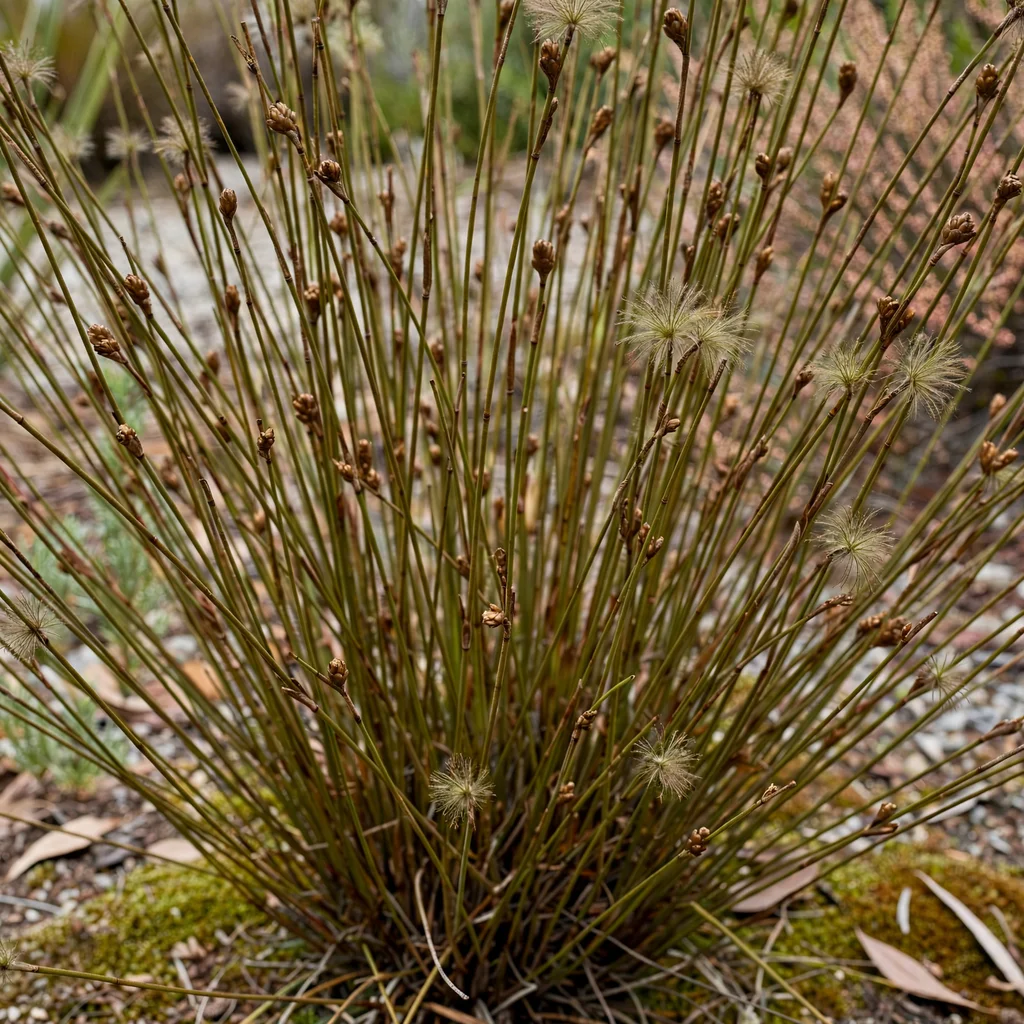
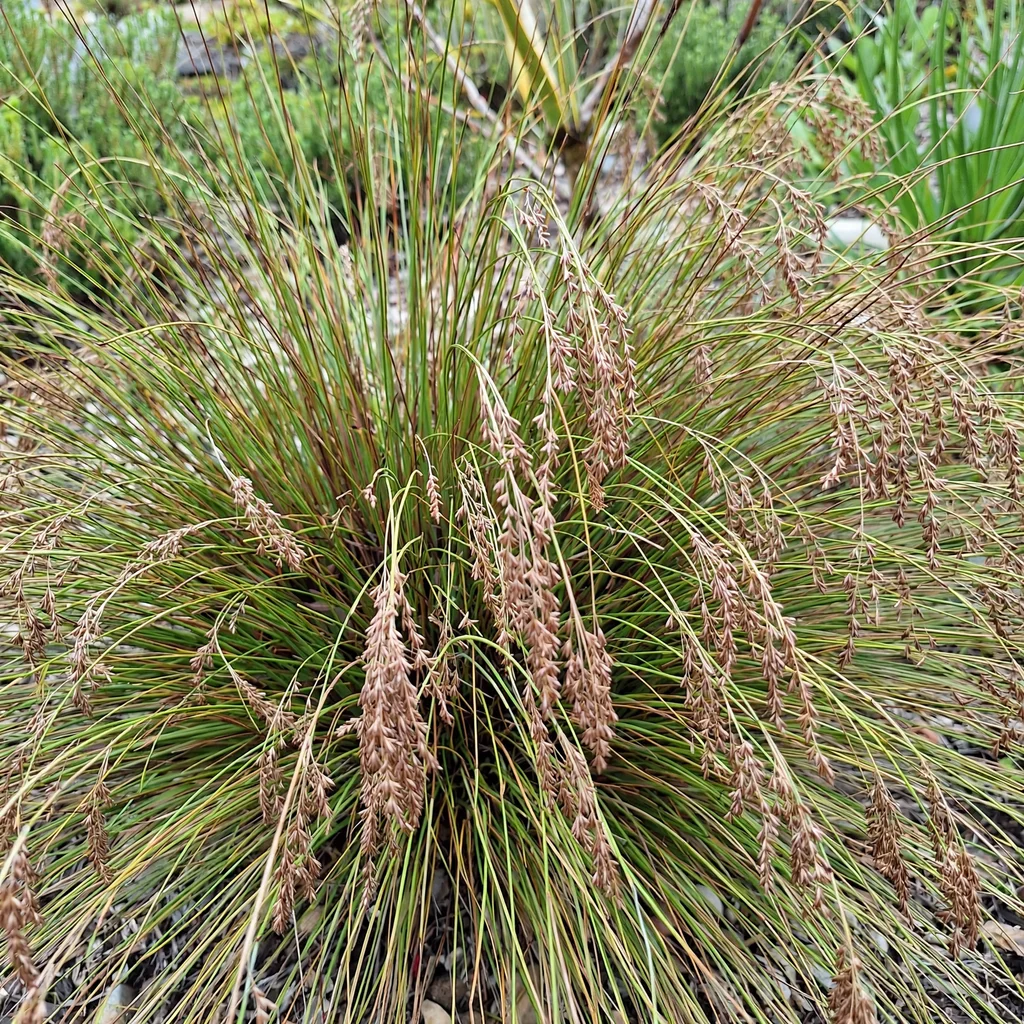
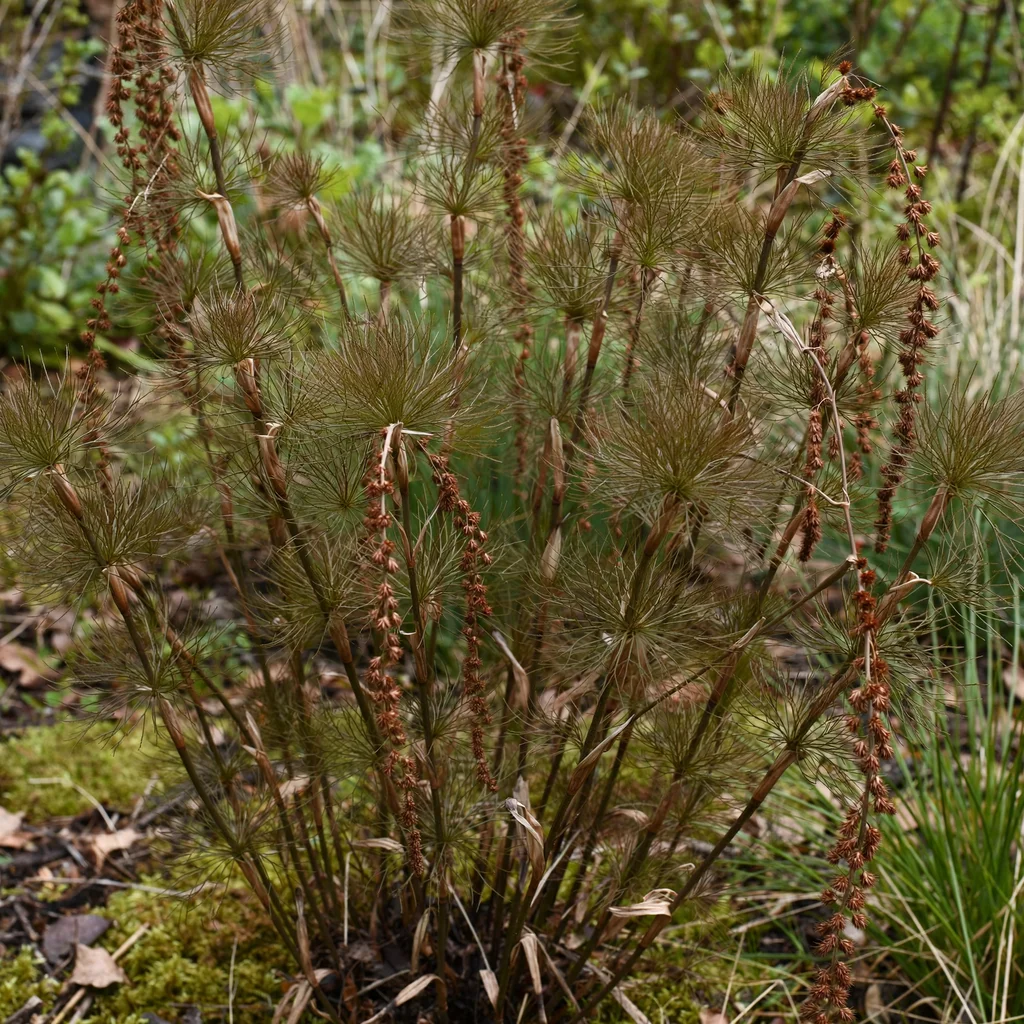
3 species of Restio
Each one is a parent of the varieties above.
Track your Restio in Sow
Save the Restio you grow and get care reminders timed to your zone.
How to grow Restio
Whats common across all Restio varieties in our catalog — drawn from the care records of the 3 most-grown of them.
The Restio year
- MulchApril100% of varieties
Renew thin mulch in spring, kept clear of the crown.
- PlantOctober and November100% of varieties
Set container plants in fall into very well-drained soil; keep rootball intact.
- PruneApril67% of varieties
Pull or cut out last year's browned culms and spent seed heads to free the center.
- Check for PestsJune and July67% of varieties
Check for rabbits on young growth and spider mites in hot dry weather.


Do
- Give full sun and very sharp drainage
- Water regularly the first season, then as needed to keep culms green
- Feed lightly in spring
- Pull out dead outer culms each year
- Grow in full sun with open air movement and excellent drainage.
Avoid
- Do not divide or move established plants
- Do not plant in heavy clay or soggy winter soil
- Do not cut into the live green center
- Do not expect it to live beyond about four years
What goes wrong with Restio
| Problem | What you'll see | What to do |
|---|---|---|
| Aphids | Small colonies on soft new culms in spring, rarely damaging | Dislodge with a strong jet of water; avoid broad-spectrum insecticides |
| Rabbits | Soft young culms chewed to stubs | Cage young plantings with wire until culms harden; protect new growth in high-pressure yards. |
| Spider mites and mealybugs | Yellowing and stippled culms in hot dry weather | Hose off with water and improve air flow; avoid broad insecticides that kill beneficials. |
| Root rot | Crown browns and collapses in wet winter soil | Grow in very well-drained soil and withhold excess winter water |
| Phytophthora root rot | Blackened bases and collapse in soggy soil | Plant in sharply drained acid sand, never let pots sit in water, and discard rotted divisions. |
| Seedling damping-off | Seedlings topple at the soil line soon after germination | Sow in sterile mix, water with a fine rose only to moisten, and provide air movement. |
Making more Restio
Seed
- Collect ripe seed from female plants in summer
- Treat seed with smoke water to break dormancy
- Sow on the surface of well-drained sandy mix and keep moist
- Prick out seedlings without disturbing roots; never divide
Division
- Lift an established clump in early spring as new shoots emerge.
- Cut the creeping rhizome into sections with roots and several stems attached.
- Replant divisions immediately at the same depth into damp soil.
- Water daily until new branchlets extend.
Restio questions
How many types of Restio are there?
The Sow catalog tracks 3 distinct Restio varieties. The most popular — ranked by 0 real gardeners — are shown first above.
What zones does Restio grow in?
Across its varieties, Restio covers USDA Zones 8–10. Individual varieties differ — each plant page lists its exact range, and Sow filters the catalog to your zone automatically.
When does Restio bloom?
Most Restio varieties bloom from late winter to late summer.
Which Restio should I choose?
Start from the most-saved varieties above — popularity across thousands of gardens is a strong signal of reliability — then filter by your zone and sun. In the Sow app you can preview any of them in a photo of your actual yard before you buy.