2 saves
Spondias
We track 3 varieties; the ones most used by real gardeners.
The 3 most-saved Spondias varieties
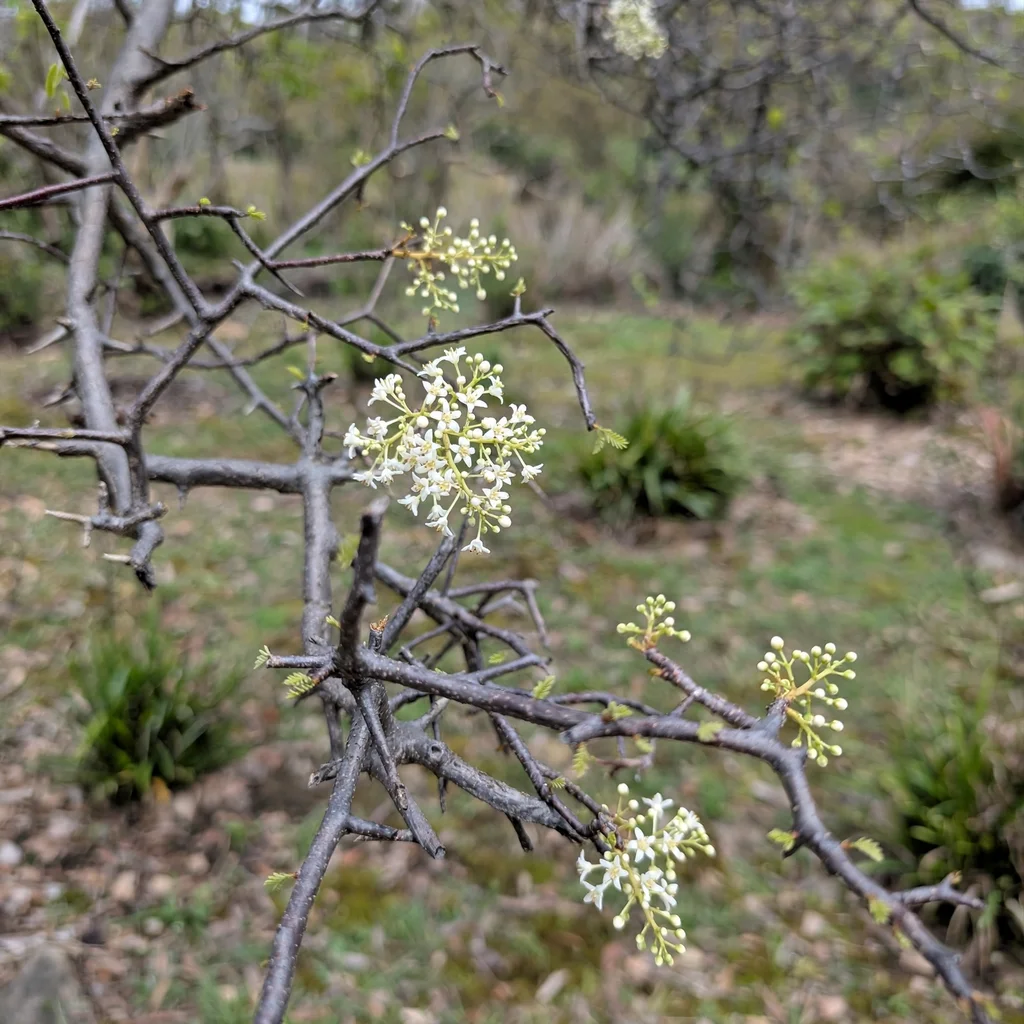
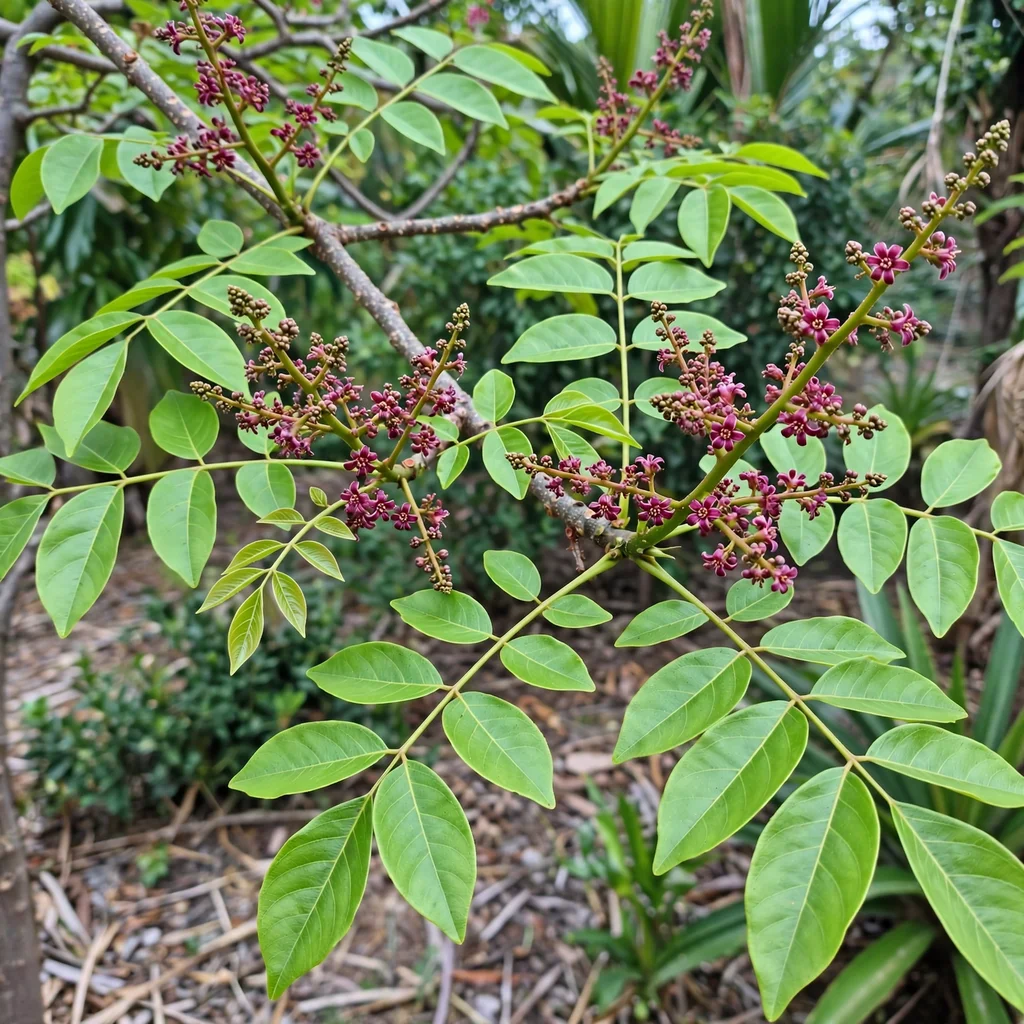
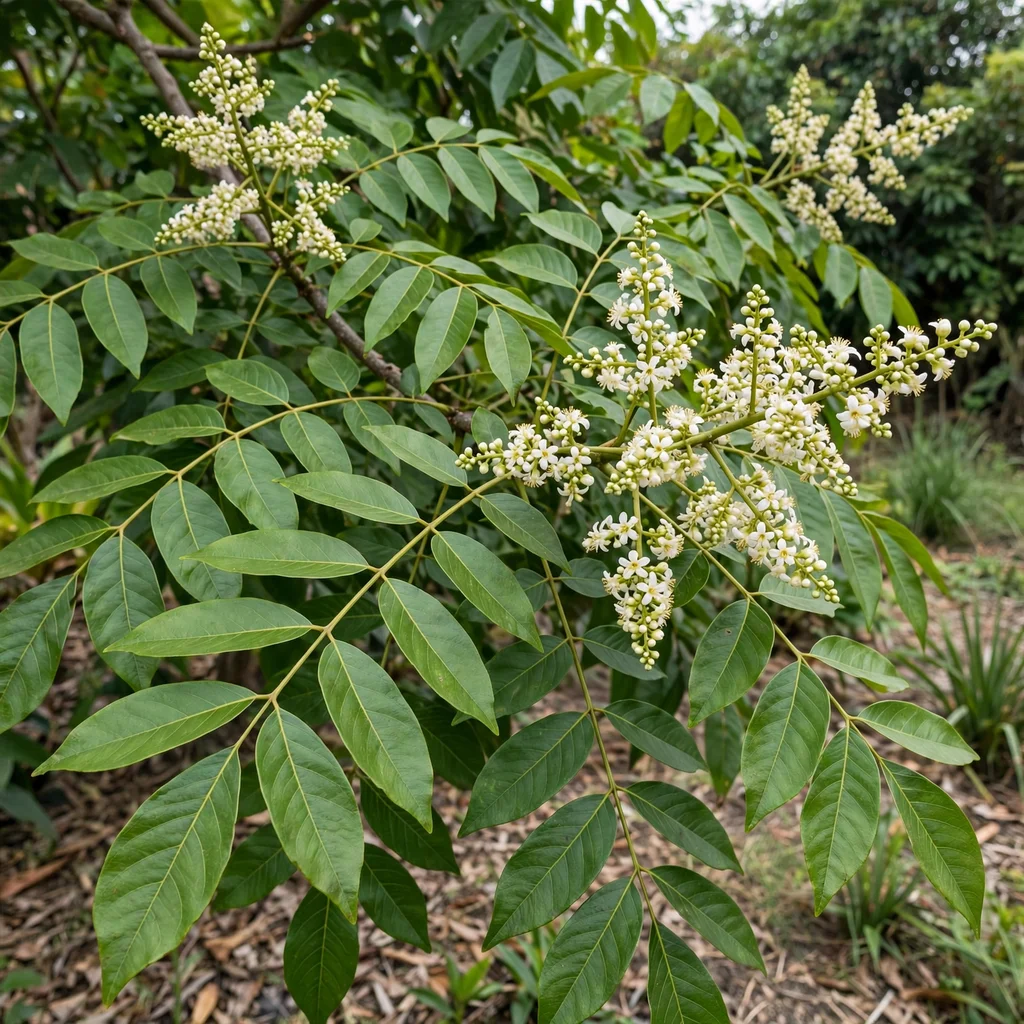
3 species of Spondias
Each one is a parent of the varieties above.
Track your Spondias in Sow
Save the Spondias you grow and get care reminders timed to your zone.
How to grow Spondias
Whats common across all Spondias varieties in our catalog — drawn from the care records of the 3 most-grown of them.
The Spondias year
- PruneFebruary and March100% of varieties
Lightly contain size before spring flush; remove broken brittle limbs only.
- HarvestJuly–September100% of varieties
Pick mature-green for cooking or tree-ripe golden fruit for fresh use; clear fallen fruit.
- Check for PestsJune–August100% of varieties
Inspect ripening fruit for fly stings and leaf undersides for whitefly and thrips.
- PlantApril and May67% of varieties
Set out potted trees once nights stay warm and soil has warmed.
- FertilizeMarch and September67% of varieties
Apply complete fertilizer with micronutrients; add chelated iron drench on pale alkaline soils.


Do
- Grow in full sun in fertile, fast-draining sand or limestone.
- Water during bloom, fruit development and dry spells.
- Fertilize on schedule with micronutrients and iron on alkaline soils.
- Thin dwarf trees when fruit load threatens to stall shoot growth.
- Grow in full sun and well-draining soil.
Avoid
- Do not plant where water stands or drainage is slow.
- Do not over-prune brittle wood or cut back hard into large limbs.
- Do not let dwarf trees carry a full crop in their first bearing years.
- Do not expose young trees or flowers to frost below the mid-20s and 40F respectively.
What goes wrong with Spondias
| Problem | What you'll see | What to do |
|---|---|---|
| Caribbean fruit fly | Maggots tunnel in ripening fruit causing soft rot and premature drop. | Harvest mature-green before full ripeness, pick up and destroy fallen fruit, and use approved bait traps. |
| Rugose spiraling whitefly | White spirals on leaf undersides with honeydew and black sooty mold. | Wash off with strong water spray and conserve lady beetles and parasitoids; apply horticultural oil if populations persist. |
| Chilli thrips | Distorted bronzed young leaves and scarred fruit from rasping feeding. | Prune out badly distorted flush and apply spinosad or horticultural oil to new growth. |
| Anastrepha fruit flies | Ripe fruit softens with maggots inside and rots on the tree | Harvest promptly at full color and destroy fallen and infested fruit; sanitation breaks the cycle |
| Root rot | Wilting, yellowing and dieback in waterlogged or overwatered soil. | Plant high on a mound in fast-draining soil and reduce irrigation to let the root zone dry between waterings. |
| Fruit rot | Soft decay in fruit already punctured by fruit fly larvae. | Control fruit fly, remove infested fruit promptly and avoid overhead wetting. |
| Sphaceloma scab | Raised scabby spots on leaves and young fruit | Improve air circulation, avoid overhead wetting, and remove spotted leaves and fruit |
Making more Spondias
Seed
- Extract seed from fully ripe fruit and clean off all pulp.
- Sow 1 inch deep in fast-draining potting mix and keep warm and moist.
- Grow on in full sun with steady water until 2 to 4 feet tall.
- Plant out after frost danger has passed.
Mature-wood cuttings
- Take leafless hardwood sections in the dry dormant period.
- Insert upright in coarse well-drained medium with one bud exposed.
- Hold warm with light moisture until roots and shoots form.
- Pot up and grow on before field planting.
Spondias questions
How many types of Spondias are there?
The Sow catalog tracks 3 distinct Spondias varieties. The most popular — ranked by 2 real gardeners — are shown first above.
What zones does Spondias grow in?
Across its varieties, Spondias covers USDA Zones 9–10. Individual varieties differ — each plant page lists its exact range, and Sow filters the catalog to your zone automatically.
When does Spondias bloom?
Most Spondias varieties bloom from early spring to early summer.
Which Spondias should I choose?
Start from the most-saved varieties above — popularity across thousands of gardens is a strong signal of reliability — then filter by your zone and sun. In the Sow app you can preview any of them in a photo of your actual yard before you buy.