
The Story
Plant Bio
Quercus sartorii is a deciduous to sub-evergreen red oak from the cloud forests of eastern Mexico, reaching 30 to 40 feet in gardens with a compact, rounded crown. The leaves are glossy dark green elliptic-lanceolate blades 9 to 13 cm long with bristle-tipped teeth, shiny above and dull and papillose beneath, turning burgundy-red in fall before drop.
It was long lumped with Quercus xalapensis but ripens its acorns in one season rather than two, with fruit falling in late summer of the first year. New shoots flush with a cover of red hairs in spring and again in late summer, a character that separates nursery stock still often sold as Quercus xalapensis or Quercus huitamalcana.
Uses & Benefits:
Essentials
At a Glance
Plant Type
Tree
Height
420"
Width
420"
Light
Full Sun, Partial Sun
Zones
7, 8, 9
Water
Low
Humidity
Moderate
Lifespan
Long-lived
Native To
Eastern Mexico
Toxicity
Unknown
Bloom period
Spring
In flower about 3 months of the year
Planting
How to Grow
- Site in full sun with room for a 30- to 40-foot rounded crown.
- Dig into deep, well-drained acid to neutral loam, avoiding chalky fill.
- Set container stock at nursery depth and water deeply through the first two summers.
- Mulch the root zone and prune only to shape while young.
Pro Tip
Plant in full sun in deep, well-drained acid to neutral soil and prune only to shape while young; established trees need little summer water.
Keep It Thriving
Care Guide
Do
- Plant in full sun in well-drained acid to neutral soil.
- Water deeply through the first two summers, then reduce to low summer water.
- Allow normal fall color and winter leaf drop on sub-evergreen trees.
Don't
- Do not plant in chalky or calcareous fill.
- Do not overwater in summer once established.
- Do not shear for shape; prune only to remove crossing limbs while young.
Seasonal Care Calendar
| Task | Jan | Feb | Mar | Apr | May | Jun | Jul | Aug | Sep | Oct | Nov | Dec |
|---|---|---|---|---|---|---|---|---|---|---|---|---|
| Mulch | ||||||||||||
| Pest Check | ||||||||||||
| Plant | ||||||||||||
| Prune |
Watch Out For
Pests & Diseases
Common Pests
Common Diseases
In the Garden
Landscape Uses & Companions
Landscape Uses
Multiply
Propagation Methods
Good to Know
Common Questions
Sartors Oak questions
What zones can Sartors Oak grow in?
Sartors Oak is hardy in USDA Zones 7–9: in that range it survives winter in the ground. Colder than Zone 7, winters are too cold for it to survive outdoors. Warmer than Zone 9, winter isn't the problem: it prefers colder winters, and summer heat can shorten its life.
When does Sartors Oak bloom?
Sartors Oak typically blooms in spring. Exact timing shifts a week or two with your zone — Sow's bloom calendar maps it to your garden.
Does Sartors Oak need full sun?
Sartors Oak does best in full sun to part shade. In hot climates, afternoon shade keeps blooms fresher longer.
Is Sartors Oak drought tolerant?
Yes — once established (usually after the first full season), Sartors Oak handles dry spells with minimal watering. Water deeply its first year to build the root system that makes that possible.
More Quercus to compare
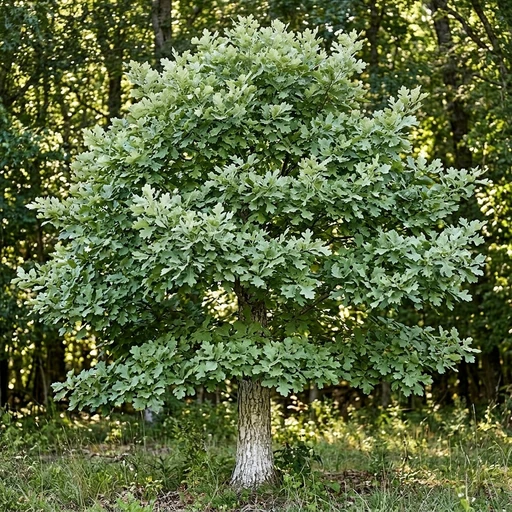
White Oak
Quercus alba
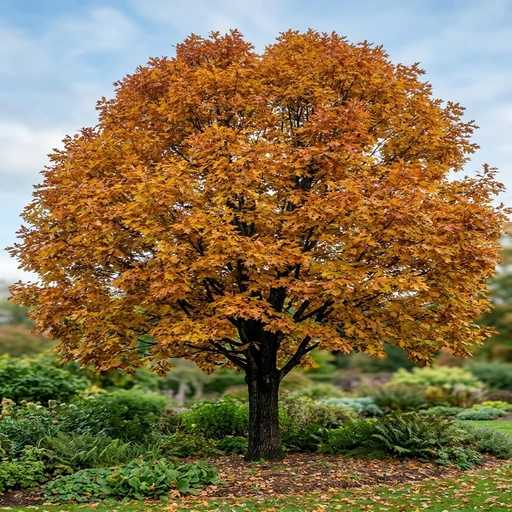
Black Oak
Quercus velutina
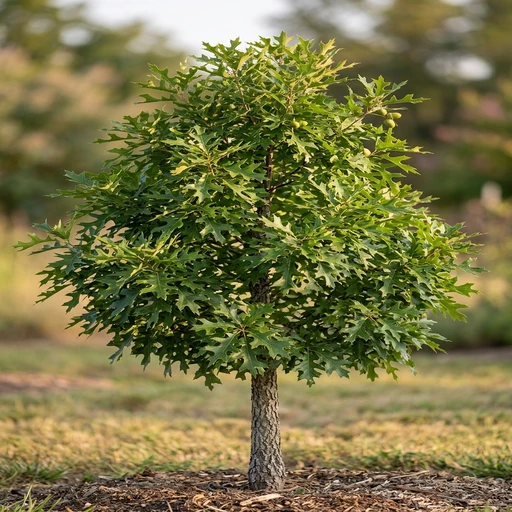
Nuttall Oak
Quercus texana
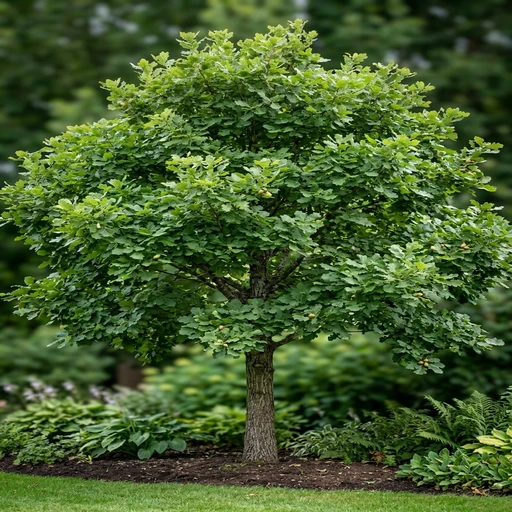
English Oak
Quercus robur
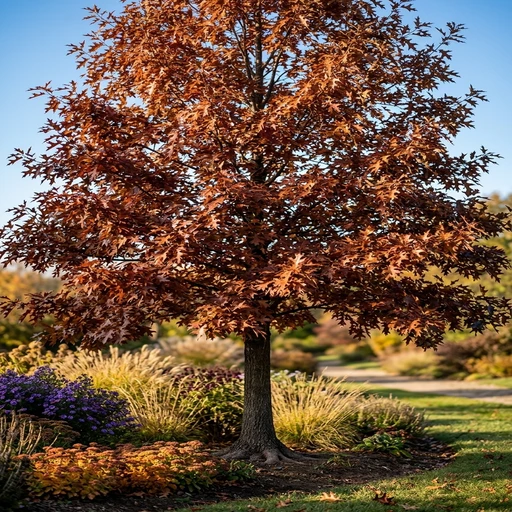
Pin Oak
Quercus palustris
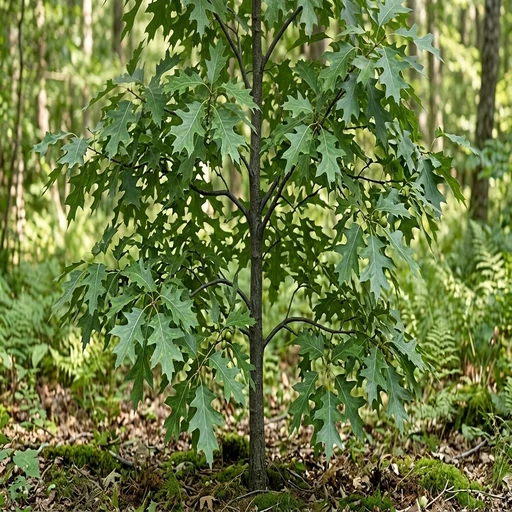
Scarlet Oak
Quercus coccinea
Keep exploring
Explore the genus
Hardy in your zone?
Grow Sartors Oak with confidence
See it in a design of your actual yard, get zone-matched care reminders, and track it season by season in your garden journal.