The Story
Plant Bio
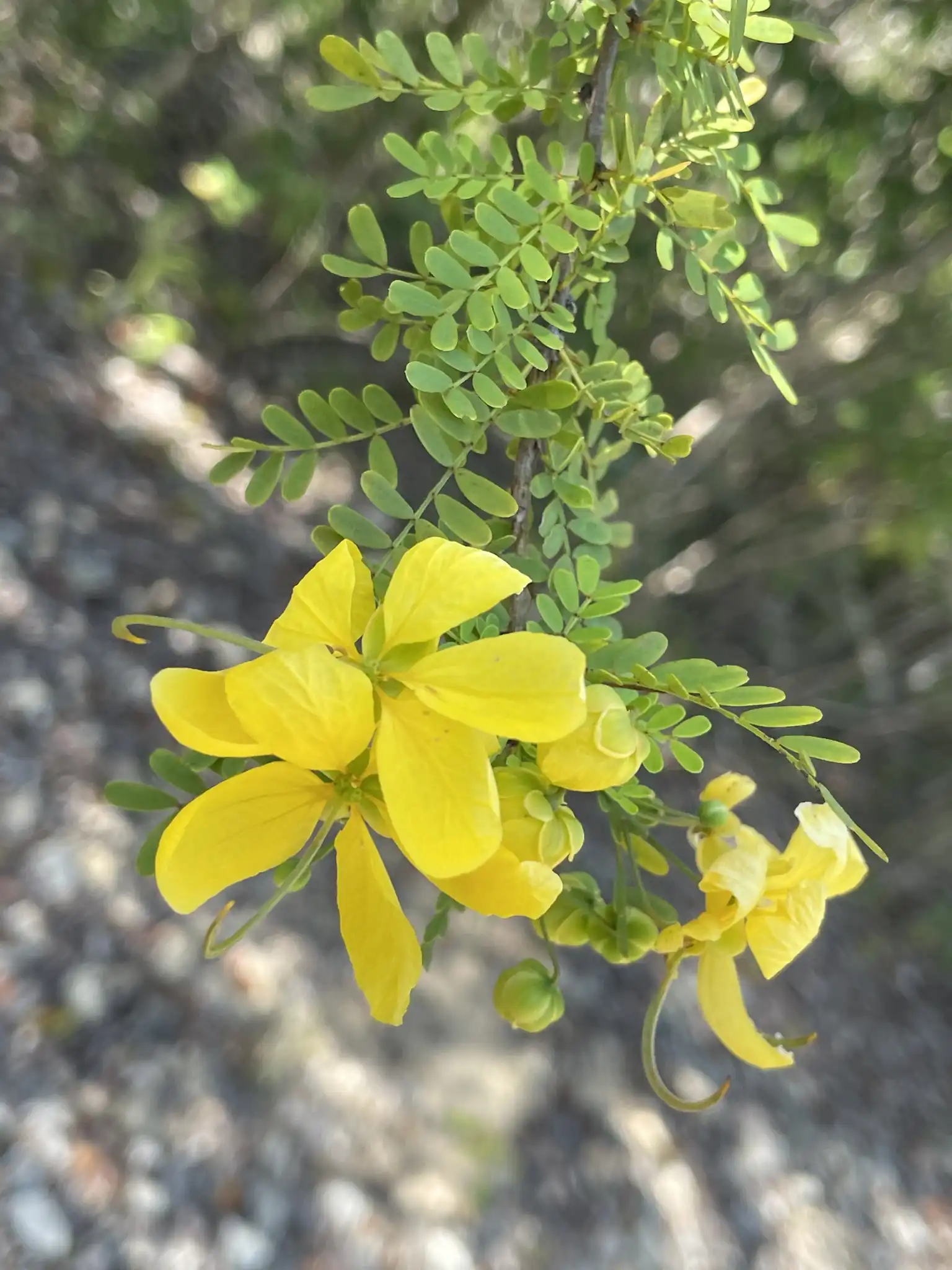
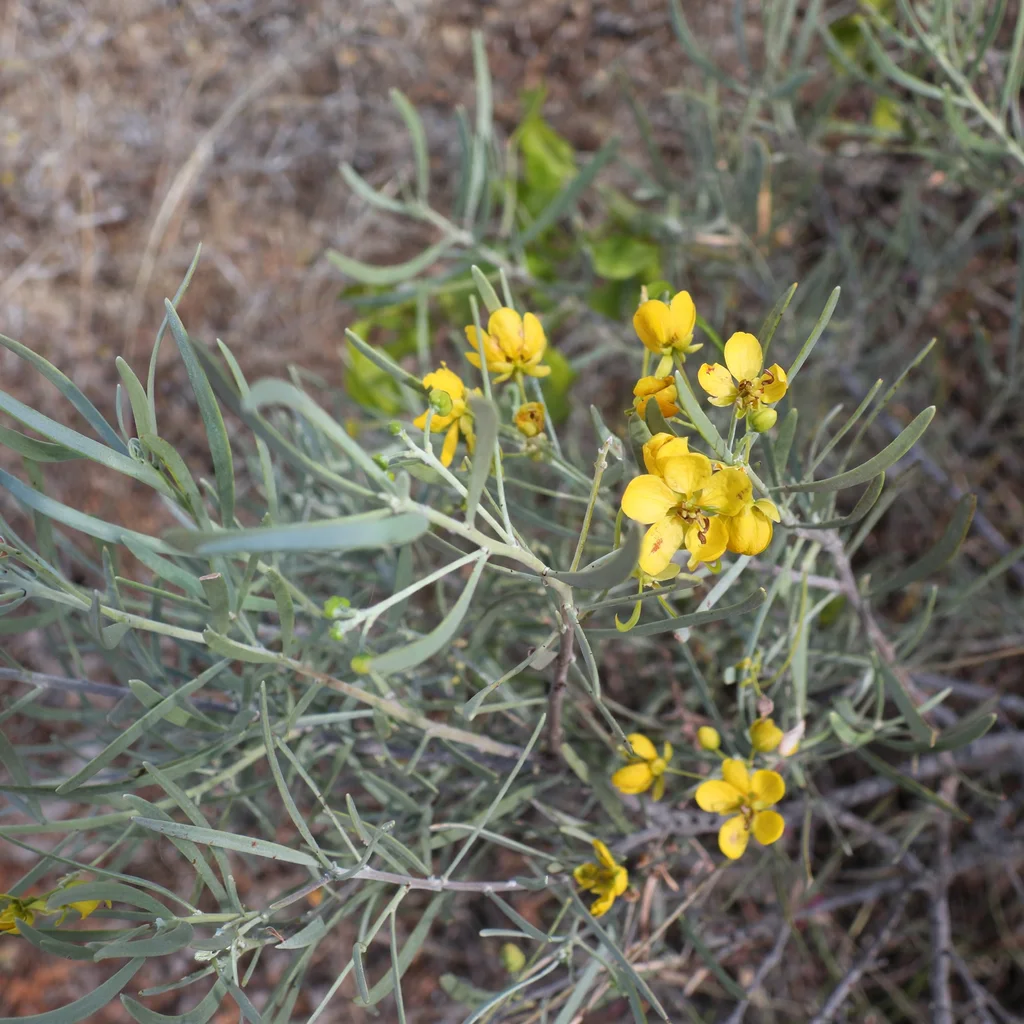
Senna polyphylla is an evergreen small tree or large shrub from the tropical Americas, reaching 6 to 15 feet tall with a 6- to 10-foot airy, weeping canopy. The leaves are small, pinnate and evergreen, carried on multi-stemmed wood that can be trained to a single trunk or left as a dense screen.
Despite the trade name Desert Cassia, it is not a true Cassia and not a desert plant, and mainland Florida plants are cultivated only, with wild origin in Puerto Rico and the Virgin Islands. It blooms in pendulous axillary racemes of golden-yellow five-petaled flowers about 1.5 inches across from spring to fall, holding sulphur butterflies as host caterpillars and nectar visitors in full sun.
Uses & Benefits:
Essentials
At a Glance
Plant Type
Tree
Height
144"
Width
120"
Light
Full Sun, Partial Sun
Zones
9, 10
Water
Low once established
Humidity
Tolerant of humid coastal air
Lifespan
Woody shrub to small tree
Native To
Puerto Rico, Virgin Islands and tropical Americas
Toxicity
Unknown - no data reported
Bloom period
Spring – Fall
In flower about 9 months of the year
Planting
How to Grow
- Plant in full sun with 6 to 8 hours of direct light after frost danger has passed.
- Set in well-drained sandy or loamy soil with room for a 6- to 10-foot spread.
- Water deeply to establish, then cut back; mature plants take drought with little supplemental water.
- Prune after flowering to maintain shape and strengthen branch structure.
- Site in Zone 9-11 and shelter from hard frost; it tolerates coastal salt but not wet feet.
Pro Tip
Prune right after the fall flush to keep even spacing and a strong framework; the next spring bloom rides on that regrowth.
Keep It Thriving
Care Guide
Do
- Give full sun for heaviest bloom and butterfly activity.
- Provide sharp drainage and sandy or loamy soil.
- Prune after bloom to keep an even, open canopy.
Don't
- Do not plant in soggy or heavy clay that stays wet.
- Do not spray caterpillars; sulphur larvae are the point of the planting.
- Do not expect hardiness below Zone 9 without protection.
Seasonal Care Calendar
| Task | Jan | Feb | Mar | Apr | May | Jun | Jul | Aug | Sep | Oct | Nov | Dec |
|---|---|---|---|---|---|---|---|---|---|---|---|---|
| Mulch | ||||||||||||
| Pest Check | ||||||||||||
| Plant | ||||||||||||
| Prune |
Watch Out For
Pests & Diseases
Common Pests
Common Diseases
In the Garden
Landscape Uses & Companions
Landscape Uses
Good to Know
Common Questions
Desert Cassia questions
What zones can Desert Cassia grow in?
Desert Cassia is hardy in USDA Zones 9–10: in that range it survives winter in the ground. Colder than Zone 9, winters are too cold for it to survive outdoors.
When does Desert Cassia bloom?
Desert Cassia typically blooms from spring to fall. Exact timing shifts a week or two with your zone — Sow's bloom calendar maps it to your garden.
Does Desert Cassia need full sun?
Desert Cassia does best in full sun to part shade. In hot climates, afternoon shade keeps blooms fresher longer.
Is Desert Cassia drought tolerant?
Yes — once established (usually after the first full season), Desert Cassia handles dry spells with minimal watering. Water deeply its first year to build the root system that makes that possible.
More Senna to compare
Keep exploring
Explore the genus
Hardy in your zone?
Grow Desert Cassia with confidence
See it in a design of your actual yard, get zone-matched care reminders, and track it season by season in your garden journal.