The Story
Plant Bio
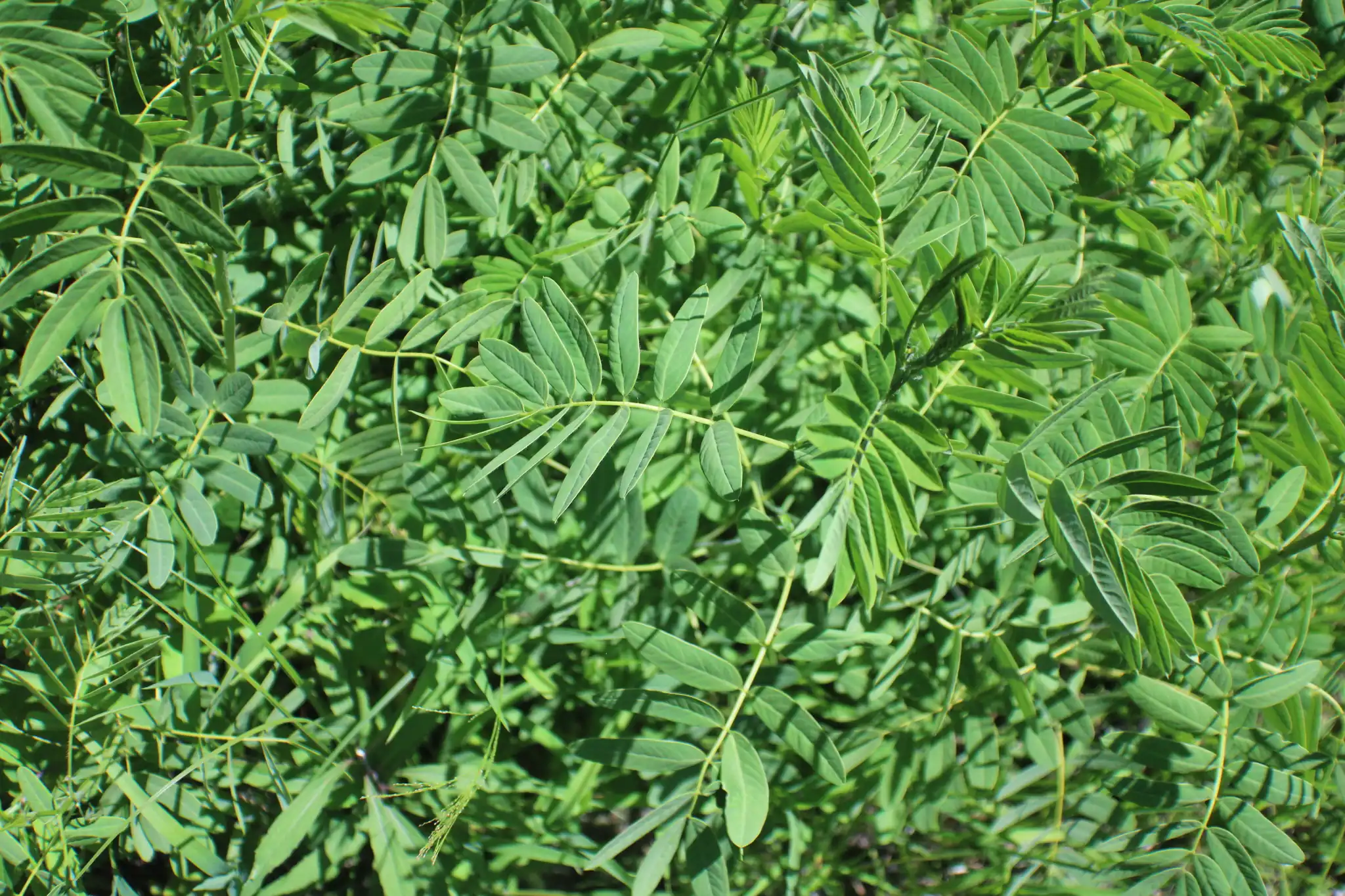
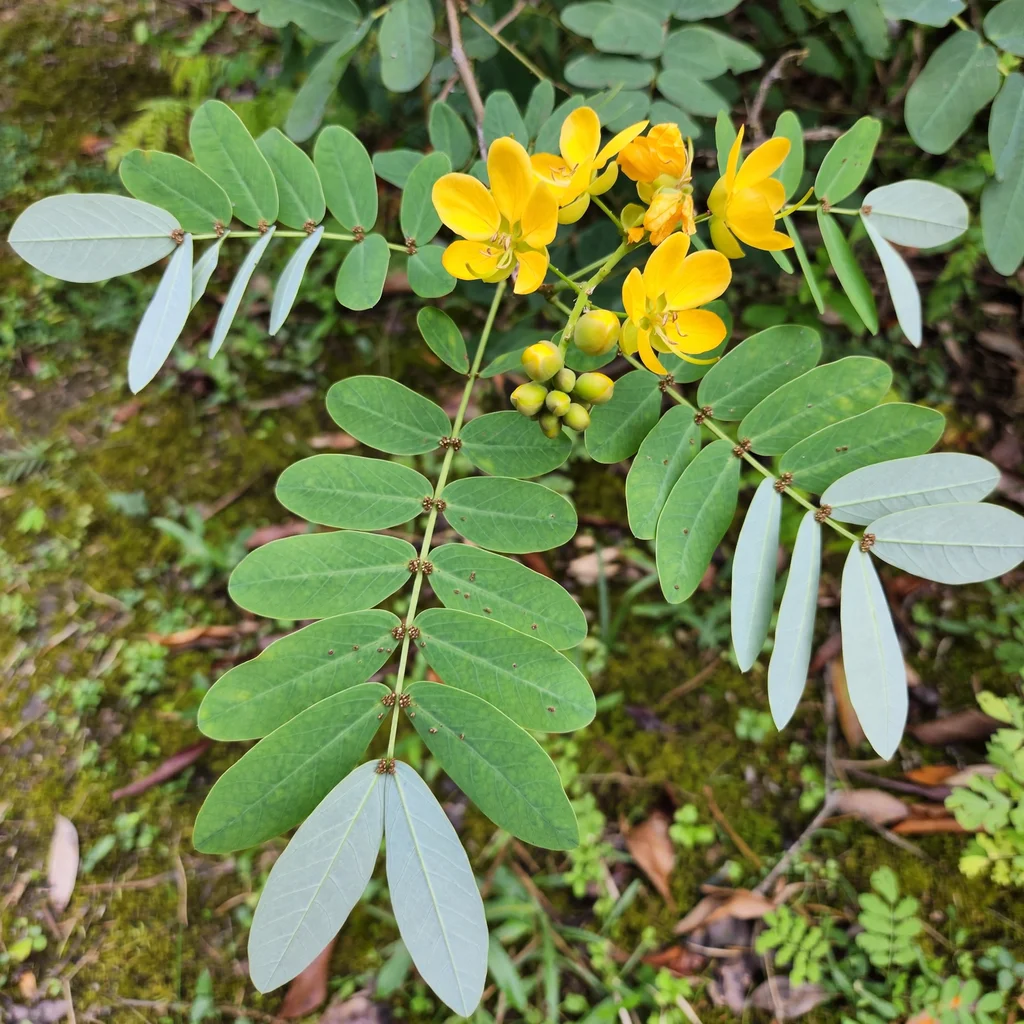
Senna hebecarpa is an upright herbaceous perennial native to eastern North America that forms a dense, shrub-like clump up to seven feet high. Its stout stems bear pinnately compound leaves with up to ten pairs of oblong leaflets, topped in mid to late summer by axillary and terminal clusters of bright golden-yellow flowers.
Distinctive club-shaped glands sit near the base of each leaf stalk, distinguishing it from the closely related Senna marilandica. Black, jointed seed pods follow the bloom, persisting into winter to provide architectural interest and food for gamebirds.
Uses & Benefits:
Essentials
At a Glance
Plant Type
Perennial
Height
84"
Width
48"
Light
Full Sun, Partial Sun
Zones
4, 5, 6, 7, 8, 9
Water
Medium to High
Humidity
High
Lifespan
Perennial
Native To
North America
Toxicity
Toxic if ingested
Bloom period
Summer – Late summer
In flower about 3 months of the year
Planting
How to Grow
- Select a site in full sun to partial shade with rich, moist to average garden soil.
- Space plants 3 to 4 feet apart to accommodate their mature shrub-like spread.
- Water regularly during the first growing season until the deep root system establishes.
- Cut dead stems to the ground in late winter before fresh spring shoots emerge.
Pro Tip
Scarify the dense seed coats with sandpaper or nick them with a blade prior to sowing, as unscarified seeds germinate poorly due to hard seed coats.
Keep It Thriving
Care Guide
Do
- Scarify hard seeds before sowing to ensure reliable germination.
- Plant in full sun for maximum flower production and strong stem stability.
- Leave seed pods intact through fall and winter for native wildlife feed.
Don't
- Do not over-fertilize, as excess nitrogen causes weak, floppy growth.
- Do not plant in poorly drained locations prone to stagnant standing water.
- Do not cut back living stems late in summer while active flowering occurs.
Seasonal Care Calendar
| Task | Jan | Feb | Mar | Apr | May | Jun | Jul | Aug | Sep | Oct | Nov | Dec |
|---|---|---|---|---|---|---|---|---|---|---|---|---|
| Mulch | ||||||||||||
| Pest Check | ||||||||||||
| Plant | ||||||||||||
| Propagate | ||||||||||||
| Prune |
Watch Out For
Pests & Diseases
Common Pests
Common Diseases
In the Garden
Landscape Uses & Companions
Landscape Uses
Multiply
Propagation Methods
Good to Know
Common Questions
Wild Senna questions
What zones can Wild Senna grow in?
Wild Senna is hardy in USDA Zones 4–9: in that range it survives winter in the ground. Warmer than Zone 9, winter isn't the problem: it prefers colder winters, and summer heat can shorten its life.
Is Wild Senna deer resistant?
Yes — Wild Senna is rated deer-resistant. Deer typically pass it over, though extreme hunger can override any plant's defenses.
When does Wild Senna bloom?
Wild Senna typically blooms in summer. Exact timing shifts a week or two with your zone — Sow's bloom calendar maps it to your garden.
Does Wild Senna need full sun?
Wild Senna does best in full sun to part shade. In hot climates, afternoon shade keeps blooms fresher longer.
Is Wild Senna drought tolerant?
Yes — once established (usually after the first full season), Wild Senna handles dry spells with minimal watering. Water deeply its first year to build the root system that makes that possible.
More Senna to compare
Keep exploring
Explore the genus
Grow Wild Senna with confidence
See it in a design of your actual yard, get zone-matched care reminders, and track it season by season in your garden journal.