47 saves
Senna
We track 10 varieties; the ones most used by real gardeners.
The 9 most-saved Senna varieties
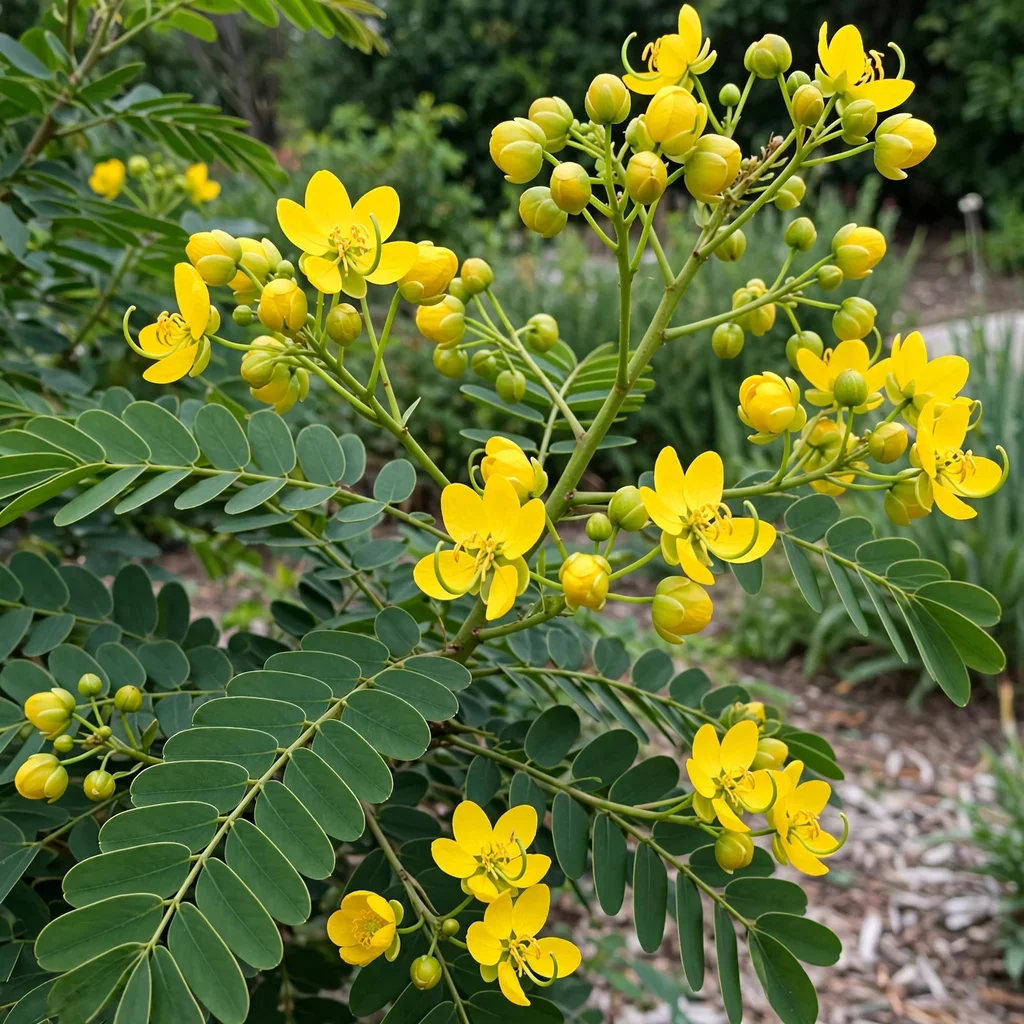
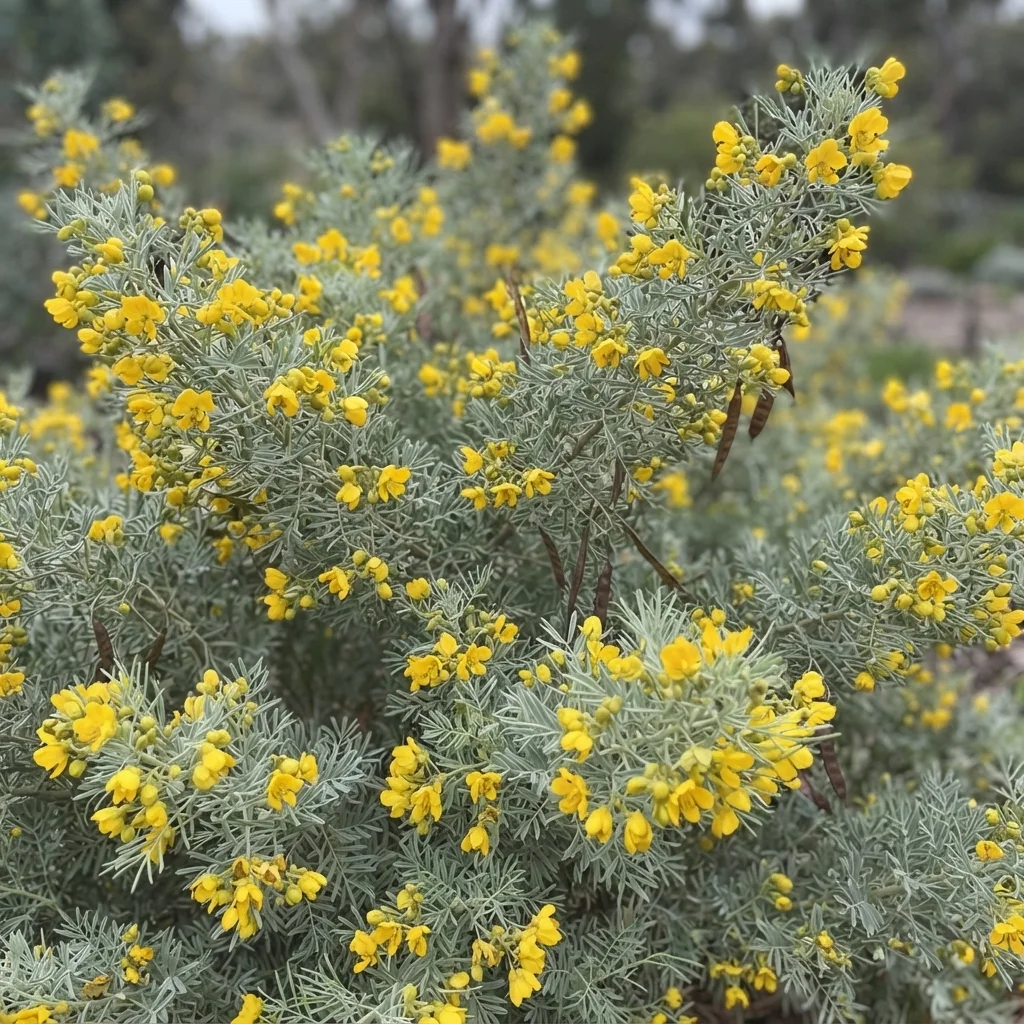
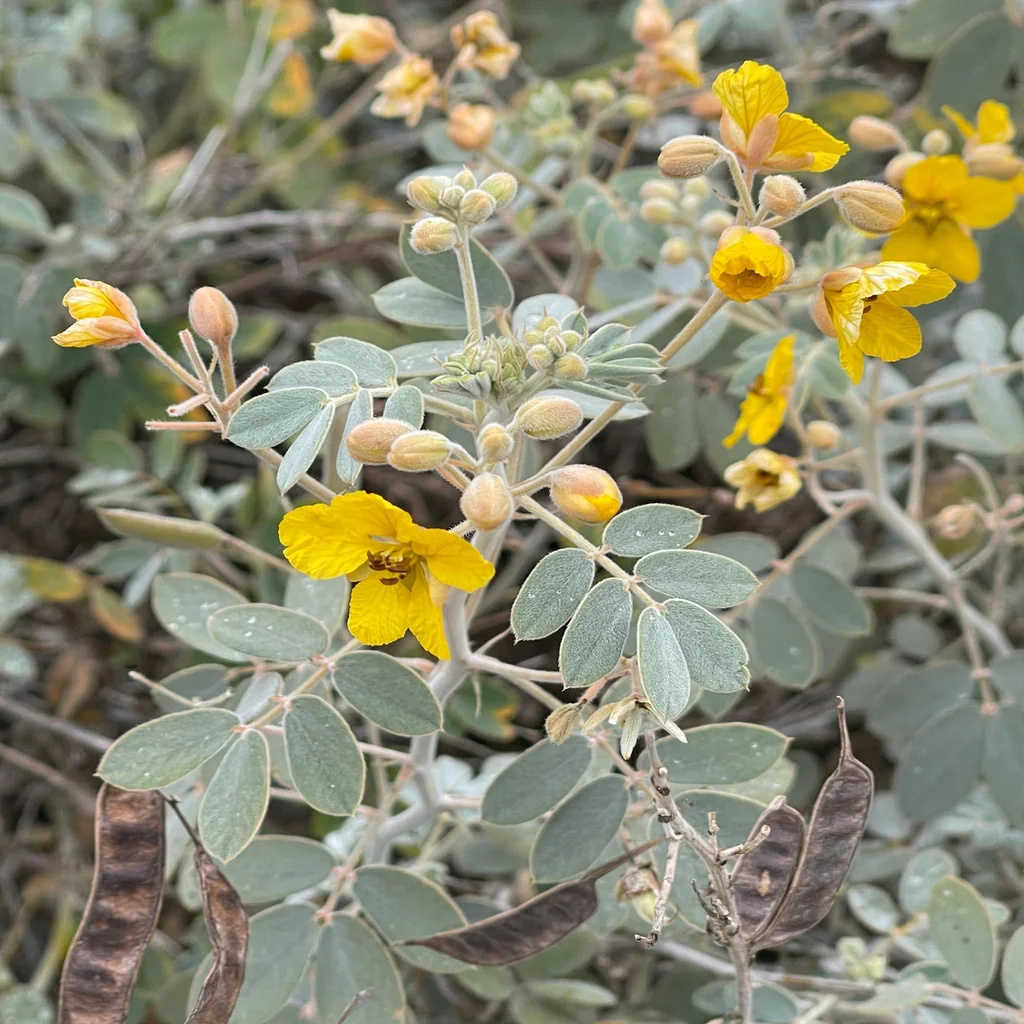
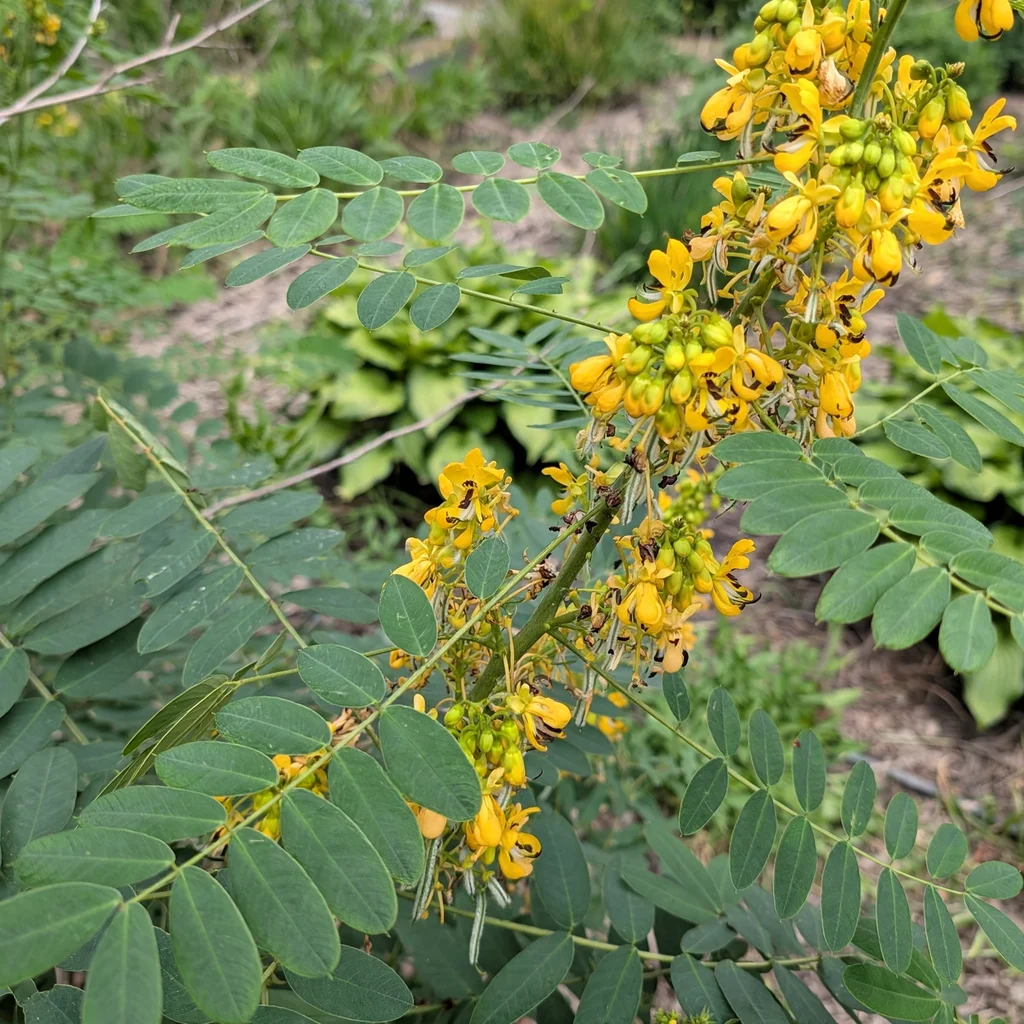
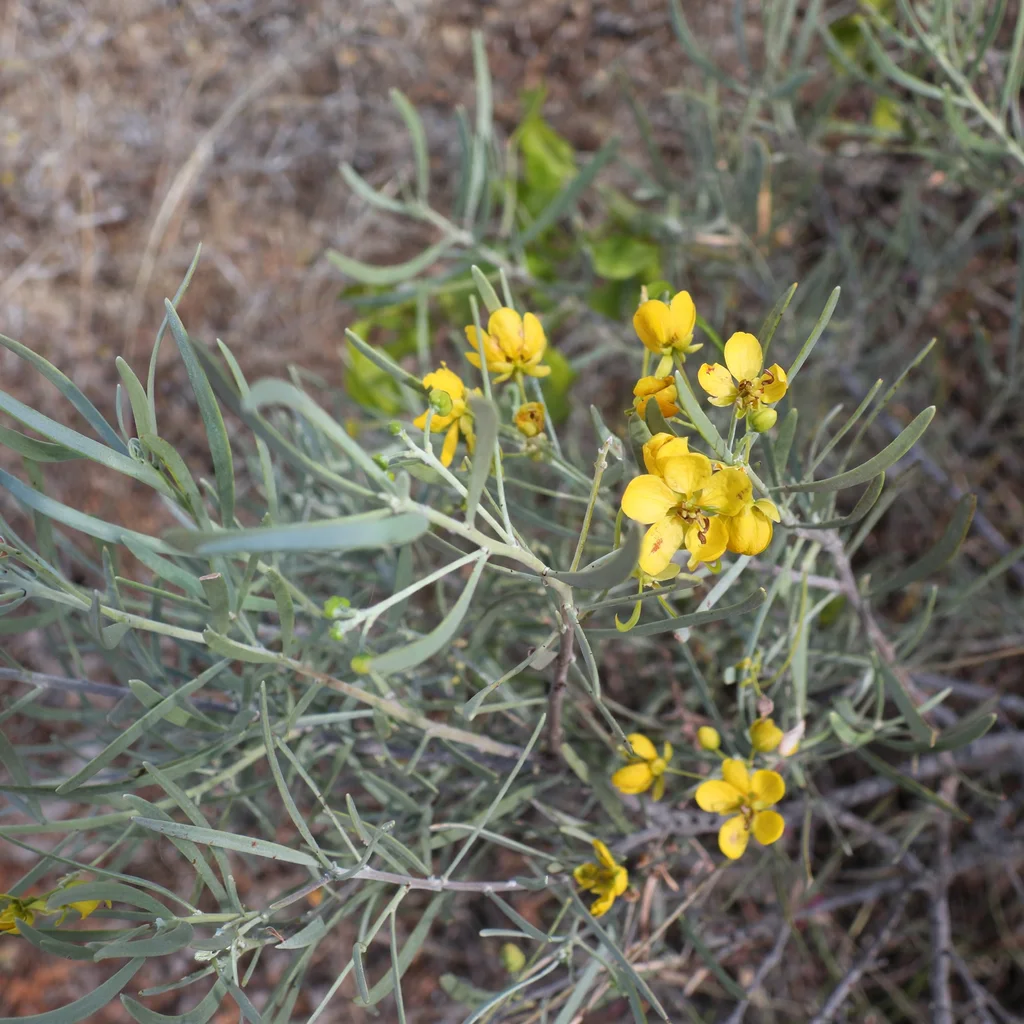
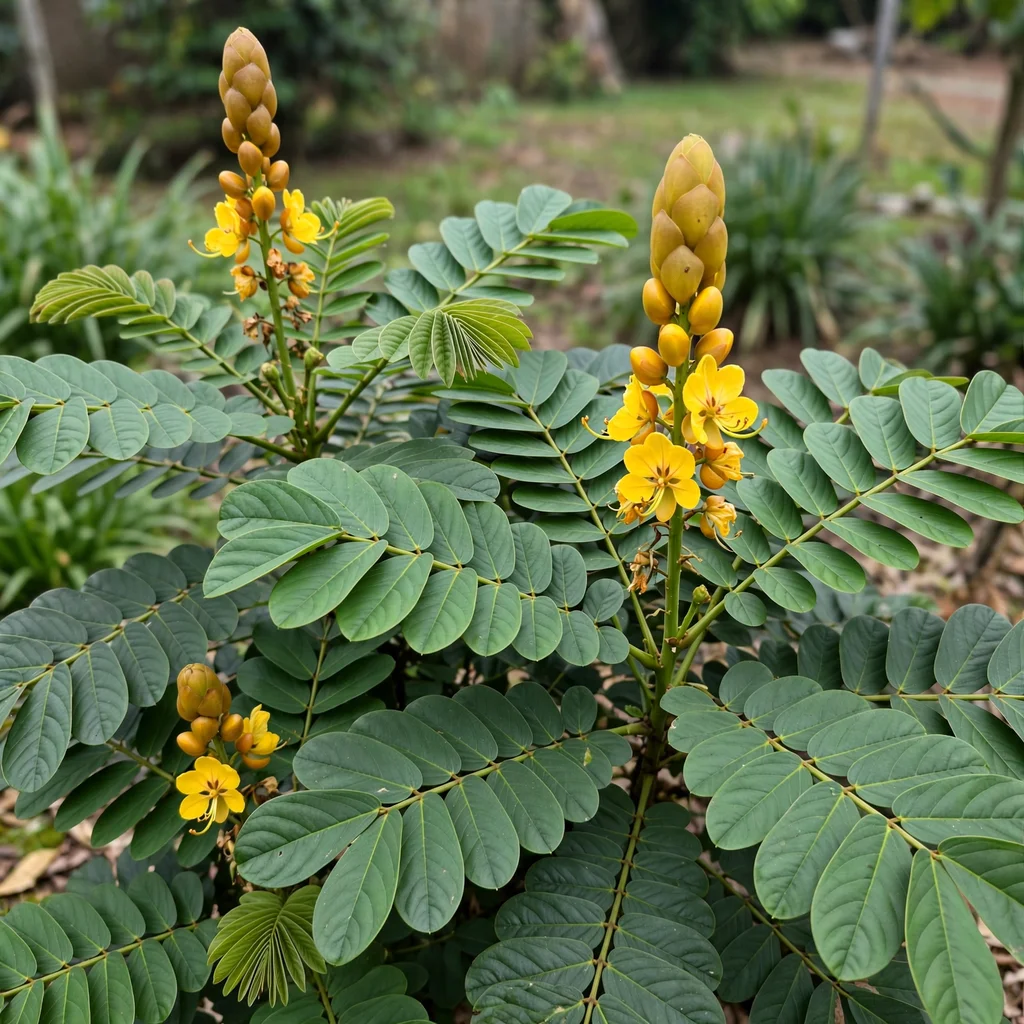
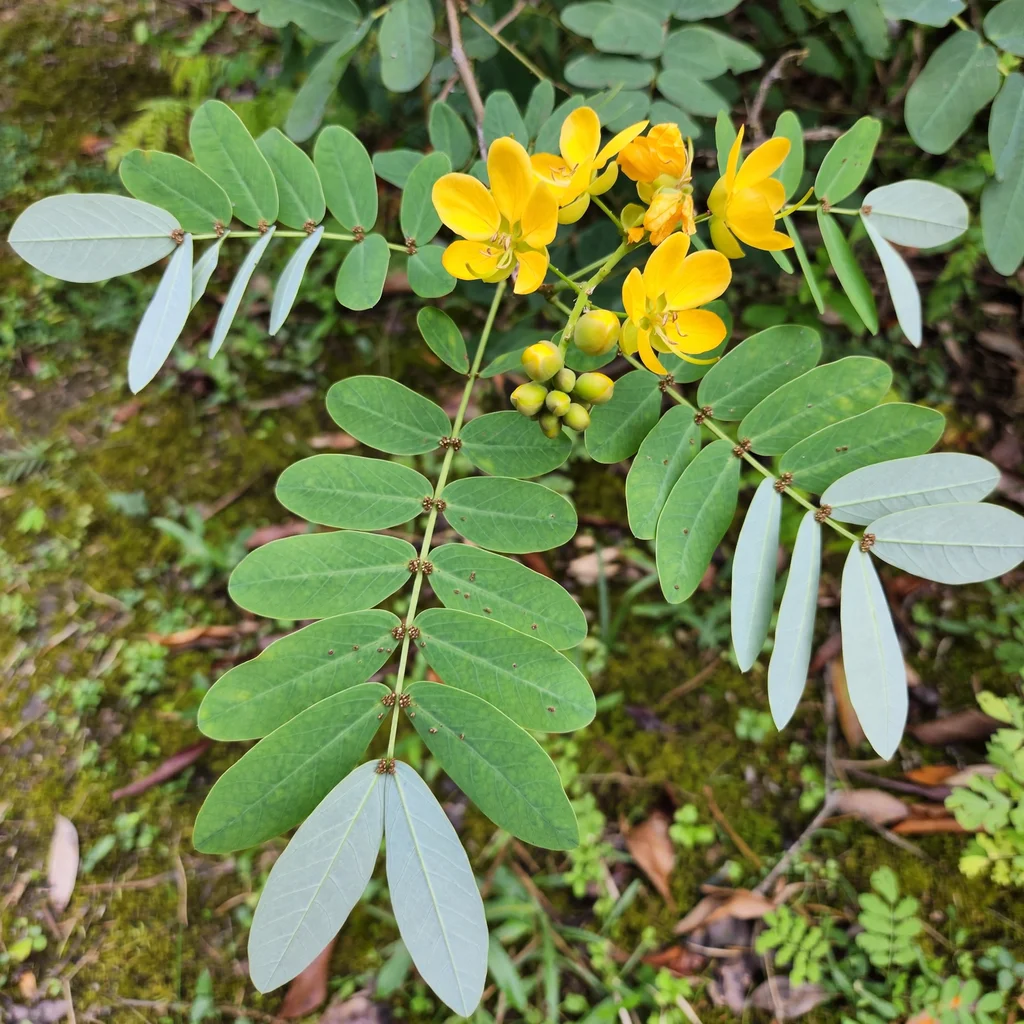
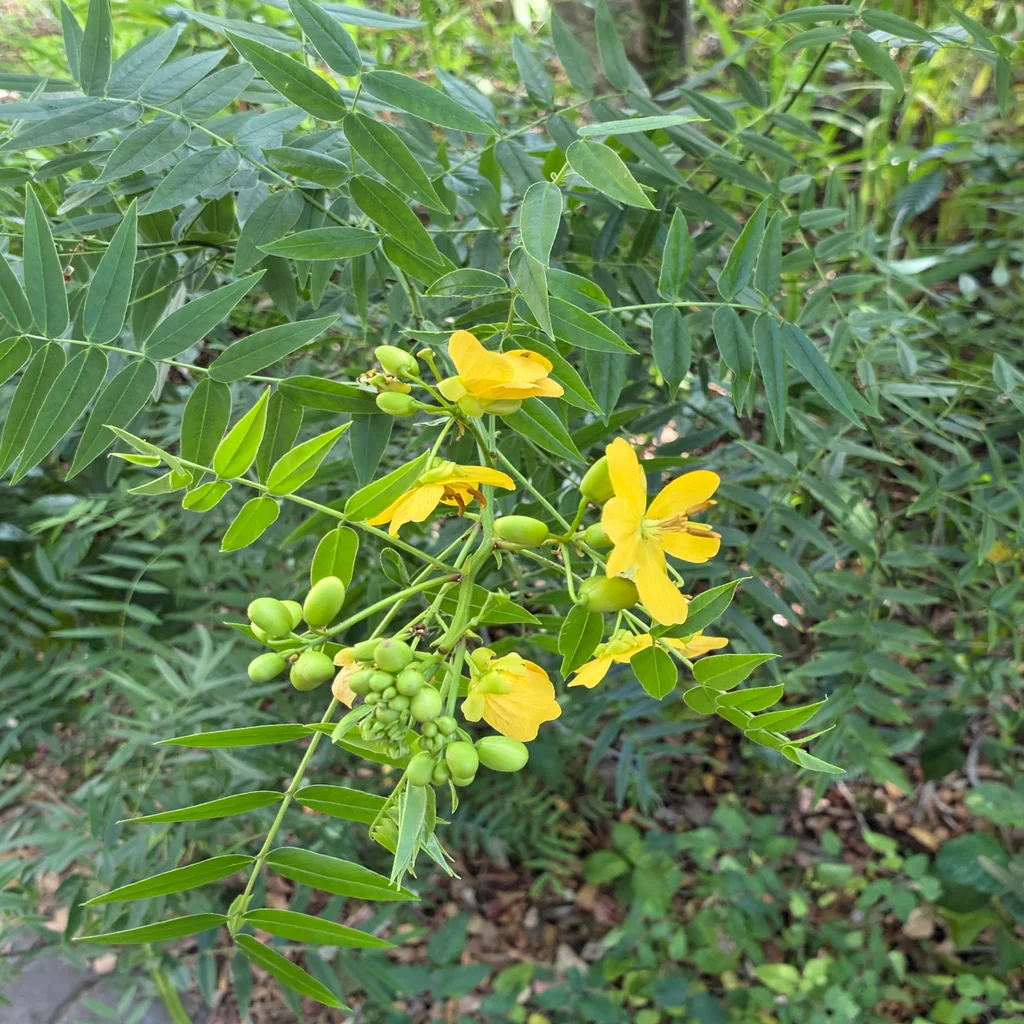
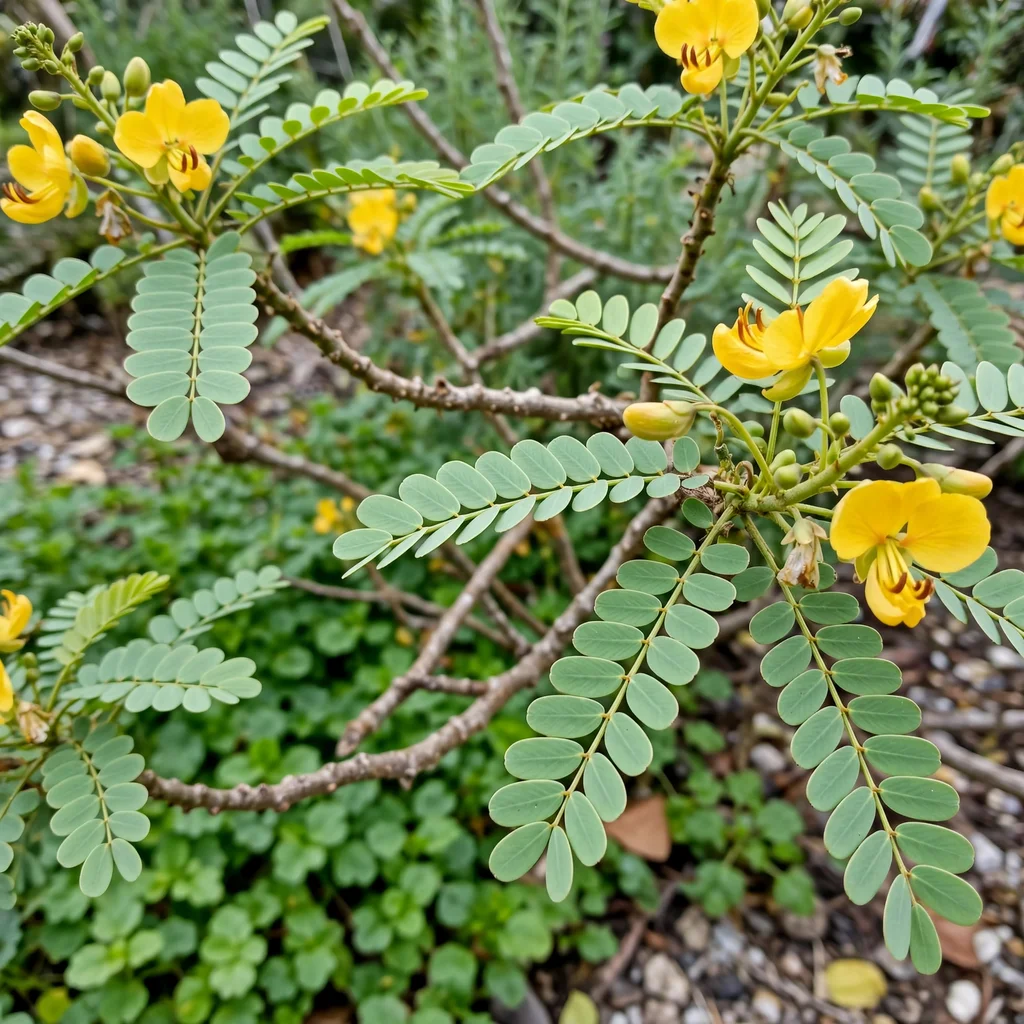
Browse all 10 Senna varieties →
10 species of Senna
Each one is a parent of the varieties above.
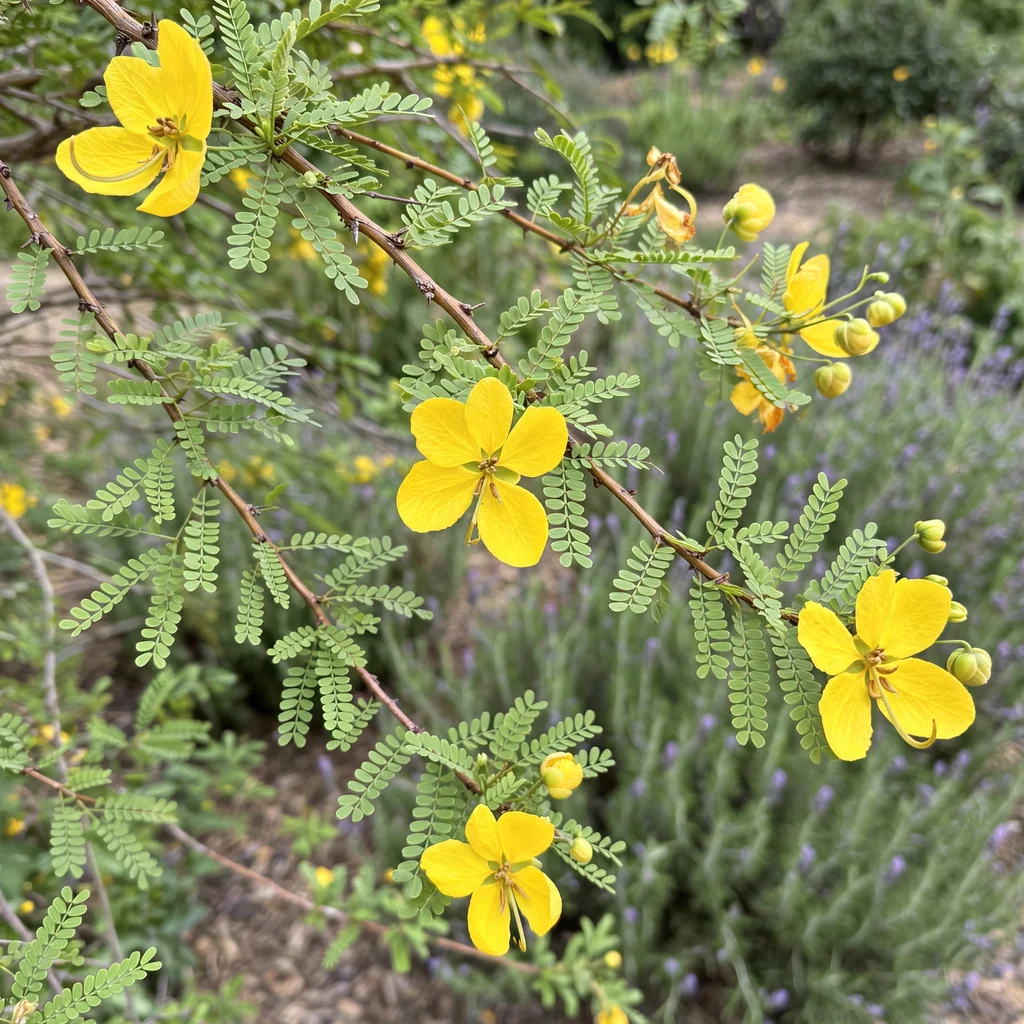
Track your Senna in Sow
Save the Senna you grow and get care reminders timed to your zone.
How to grow Senna
Whats common across all Senna varieties in our catalog — drawn from the care records of the 10 most-grown of them.
The Senna year
- PruneMarch and April100% of varieties
Thin and shape after the fall flush to keep even spacing.
- Check for PestsJune–August90% of varieties
Look for spider mites in heat and leave sulphur caterpillars alone.
- PlantApril and May80% of varieties
Set potted plants out after frost in well-drained soil.
- PropagateMarch and April60% of varieties
Sow fresh seed in spring in a sandy mix.
- MulchApril and May40% of varieties
Mulch to hold moisture the first season, kept clear of stems.
- FertilizeMarch and April40% of varieties
Feed once yearly only with a light application.


Do
- Water deeply but infrequently once established
- Give full sun for heaviest bloom and butterfly activity.
- Provide sharp drainage and sandy or loamy soil.
- Prune after bloom to keep an even, open canopy.
- Plant in full sun to light shade with sharp drainage.
Avoid
- Do not plant in soggy or heavy clay that stays wet.
- Do not spray caterpillars; sulphur larvae are the point of the planting.
- Do not expect hardiness below Zone 9 without protection.
- Do not plant where horses graze; foliage and pods are highly toxic to horses.
What goes wrong with Senna
| Problem | What you'll see | What to do |
|---|---|---|
| Aphids | Clusters on new shoots and buds with sticky honeydew. | Rinse off with a strong spray of water; rarely serious and usually checked by beneficial insects. |
| Spider mites | Stippled, dusty leaves in hot dry weather; rarely serious | Knock off with a hard water spray and keep plants watered in heat |
| Sulphur butterfly caterpillars | Chewed leaflets during butterfly season | Leave in place; feeding is expected on this host and plants leaf out again |
| Scale | Small bumps on stems and phyllodes with sticky honeydew and black sooty film | Prune out heavy stems and treat with horticultural oil; avoid excess nitrogen that favors outbreaks |
| Root rot | Wilting and decline in poorly drained soil | Plant in well-drained soil and avoid overwatering once established |
| Powdery mildew | White powdery patches on foliage during humid periods with stagnant air. | Prune excess inner growth to increase airflow around branches. |
| Root Rot | Wilting, yellowing stems and soft, decayed crown tissue. | Plant in soil with adequate drainage and avoid stagnant water conditions. |
Making more Senna
Seed
- Collect deep-brown ripe pods before they split and shell out seed.
- Sow fresh seed in spring in sandy, well-drained mix barely covered.
- Keep moist and warm in full sun until germination, then grow on bright.
- Transplant after roots fill the pot; plants reach full height in one season.
Seeds
- Collect ripe pods after spring flowering and shell out the hard seeds.
- Nick the seed coat and soak overnight in warm water.
- Sow 1/4 inch deep in fast-draining mix and keep warm in bright light.
- Transplant seedlings to individual pots once roots fill the cell.
Senna questions
How many types of Senna are there?
The Sow catalog tracks 10 distinct Senna varieties. The most popular — ranked by 47 real gardeners — are shown first above.
What zones does Senna grow in?
Across its varieties, Senna covers USDA Zones 4–10. Individual varieties differ — each plant page lists its exact range, and Sow filters the catalog to your zone automatically.
When does Senna bloom?
Most Senna varieties bloom year-round.
Which Senna should I choose?
Start from the most-saved varieties above — popularity across thousands of gardens is a strong signal of reliability — then filter by your zone and sun. In the Sow app you can preview any of them in a photo of your actual yard before you buy.