
The Story
Plant Bio
Carex dipsacea, the teasel sedge, is an evergreen New Zealand sedge that forms dense upright-arching tufts about 2 feet tall and wide in gardens. The display comes from narrow channelled leaves that overtop the stems and from wind-pollinated spikes with no showy petals, ripening from creamy brown to dark brown in late spring to early summer.
Leaves are less than one-eighth inch wide with rough edges that feel harsh to the touch, holding olive-green through summer and turning yellow-orange to red-bronze in fall and winter cold. Ripe female spikes carry spreading seed sacs about one-tenth inch long that stand out from the stem like a teasel head, a texture that separates it from the smoother Carex it is often mislabeled as in trade.
Uses & Benefits:
Essentials
At a Glance
Plant Type
Grass
Height
24"
Width
24"
Light
Full Sun, Partial Sun, Shade
Zones
7, 8, 9, 10
Water
Medium to wet
Humidity
Tolerant of humid air with good circulation
Lifespan
Long-lived perennial
Native To
New Zealand
Toxicity
Unknown - no toxicity reported
Bloom period
Late spring – Early summer
In flower about 2 months of the year
Planting
How to Grow
- Plant in full sun to light shade in soil that stays moist to wet through summer.
- Dig a hole twice the pot width, set the crown level with the soil surface and backfill firmly.
- Water deeply at planting and keep soil damp through the first summer.
- Spread 2 inches of bark mulch around the tuft, kept back from the crown.
- Comb out dead leaves in spring and divide congested clumps every few years.
Pro Tip
Set it where soil stays damp through summer and comb out dead leaves by hand; it needs no annual hard cutback to stay dense.
Keep It Thriving
Care Guide
Do
- Keep soil damp through summer heat.
- Mulch to hold moisture on free-draining soils.
- Remove dead foliage by hand in spring.
Don't
- Do not let new plantings dry out in summer.
- Do not shear the tuft hard each year.
- Do not set the crown in stagnant standing water.
Seasonal Care Calendar
| Task | Jan | Feb | Mar | Apr | May | Jun | Jul | Aug | Sep | Oct | Nov | Dec |
|---|---|---|---|---|---|---|---|---|---|---|---|---|
| Divide | ||||||||||||
| Mulch | ||||||||||||
| Pest Check | ||||||||||||
| Plant | ||||||||||||
| Spring Cleanup |
Watch Out For
Pests & Diseases
Common Pests
Common Diseases
In the Garden
Landscape Uses & Companions
Landscape Uses
Companion Plants
Multiply
Propagation Methods
Good to Know
Common Questions
Teasel Sedge questions
What zones can Teasel Sedge grow in?
Teasel Sedge is hardy in USDA Zones 7–10: in that range it survives winter in the ground. Colder than Zone 7, grow it in a container you can move to shelter for the winter, or as an annual.
Is Teasel Sedge deer resistant?
Yes — Teasel Sedge is rated deer-resistant. Deer typically pass it over, though extreme hunger can override any plant's defenses.
When does Teasel Sedge bloom?
Teasel Sedge typically blooms from late spring to early summer. Exact timing shifts a week or two with your zone — Sow's bloom calendar maps it to your garden.
Does Teasel Sedge need full sun?
Teasel Sedge does best in full sun to part shade. In hot climates, afternoon shade keeps blooms fresher longer.
More Carex to compare
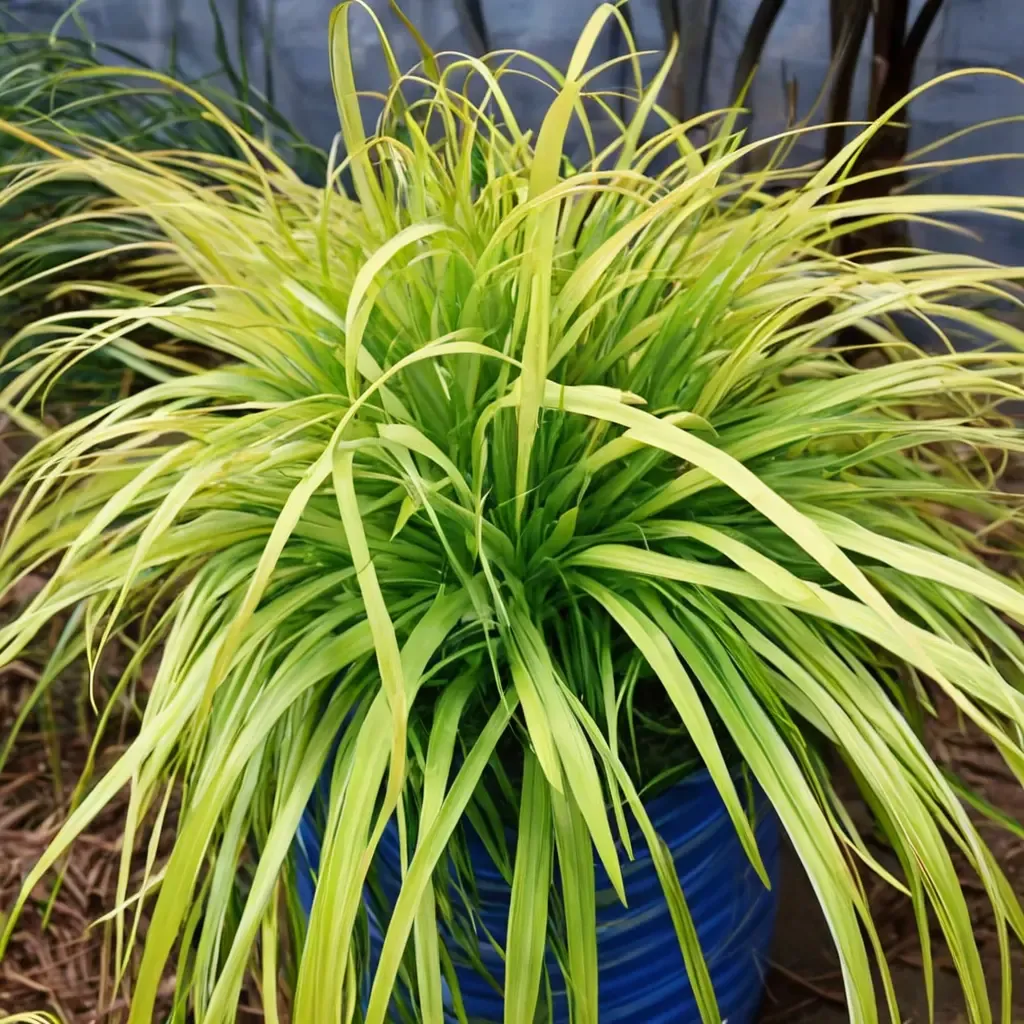
Everillo Sedge
Carex oshimensis 'Everillo'
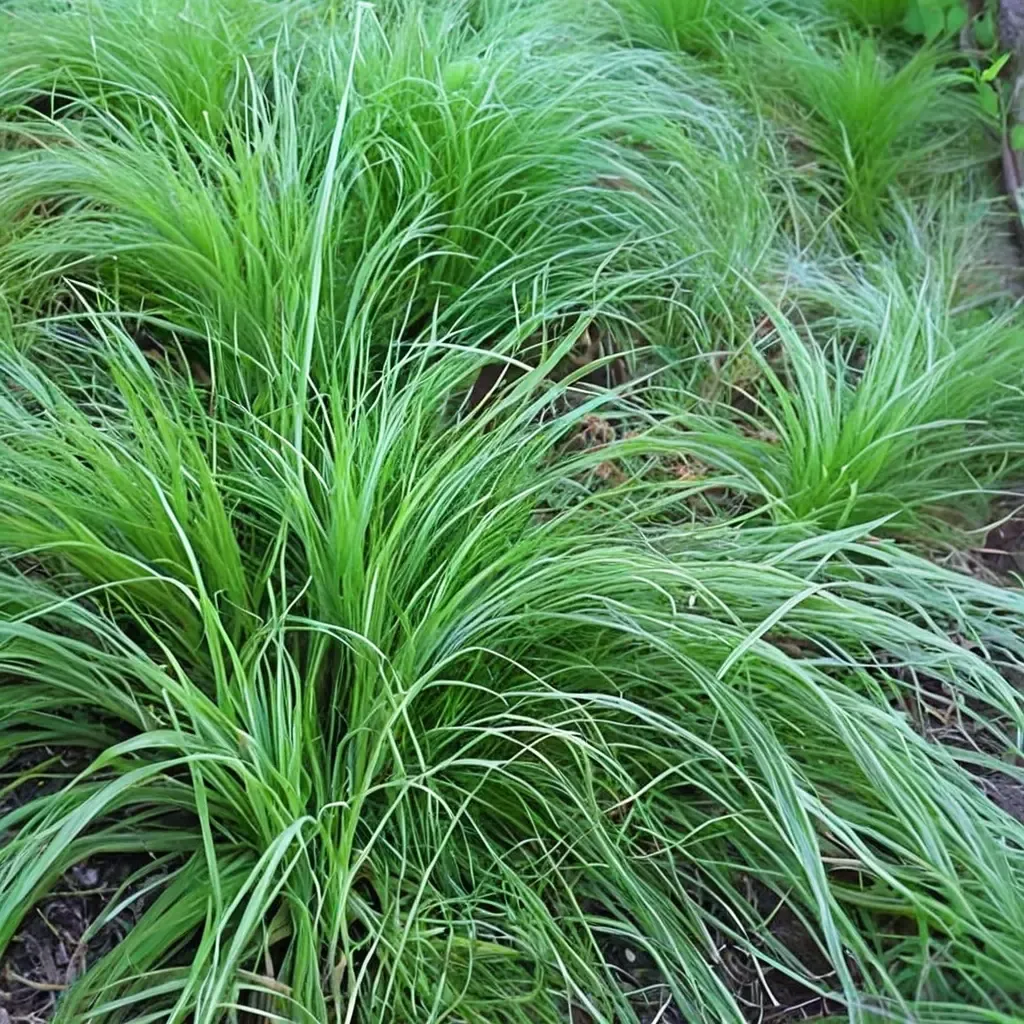
Pennsylvania Sedge
Carex pensylvanica
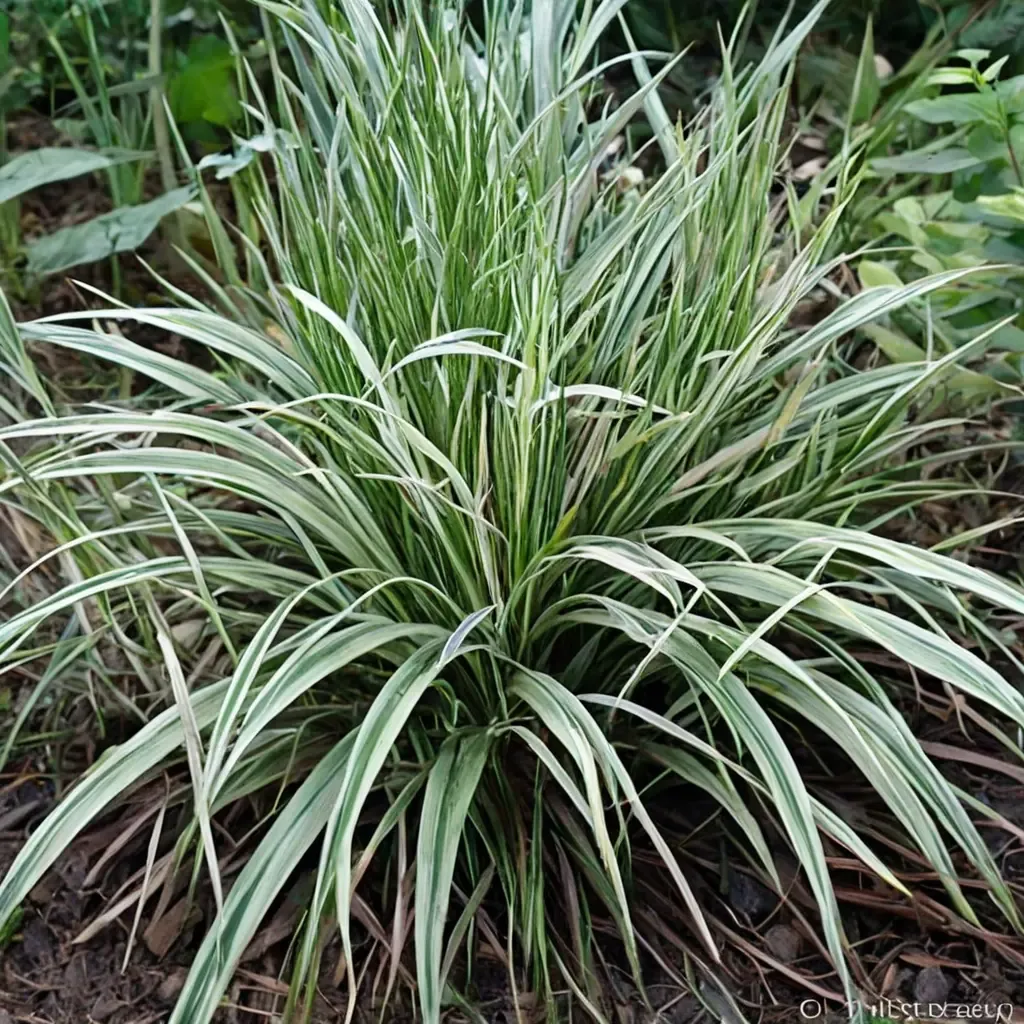
Japanese Sedge
Carex morrowii
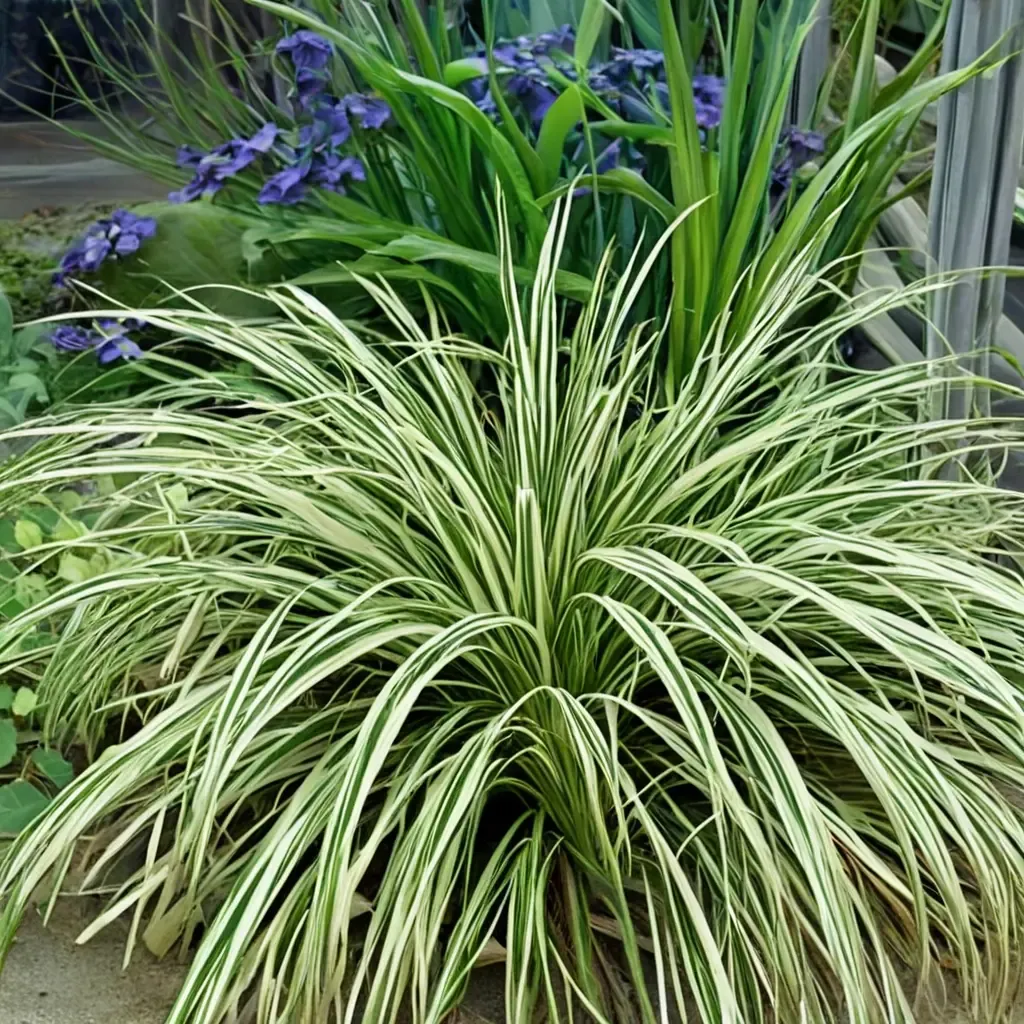
Evergold Japanese Sedge
Carex oshimensis 'Evergold'
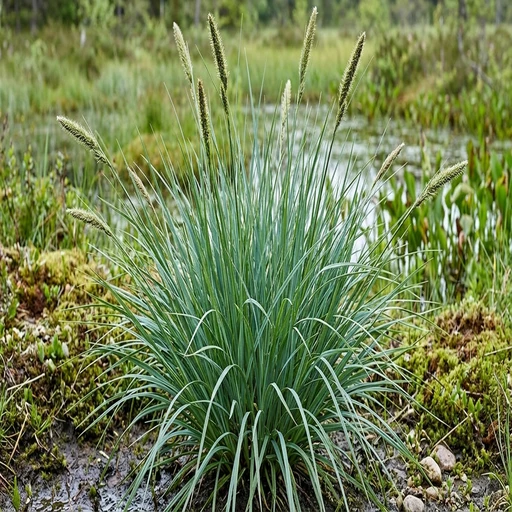
Comosa Sedge
Carex comosa
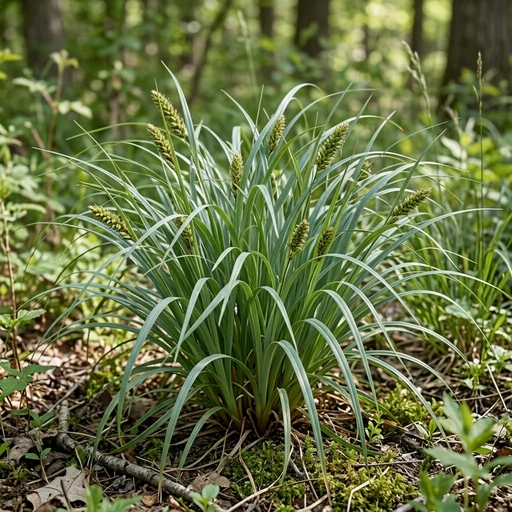
Shortbeak Sedge
Carex brevior
Keep exploring
Explore the genus
Hardy in your zone?
Grow Teasel Sedge with confidence
See it in a design of your actual yard, get zone-matched care reminders, and track it season by season in your garden journal.