The Story
Plant Bio
Rosa nutkana is a deciduous, multi-stemmed wild rose native across western North America, reaching three to ten feet in height and spreading indefinitely via underground rhizomes. Its upright stems bear stout paired prickles at the nodes and light green pinnate foliage that turns rich orange-red in fall.
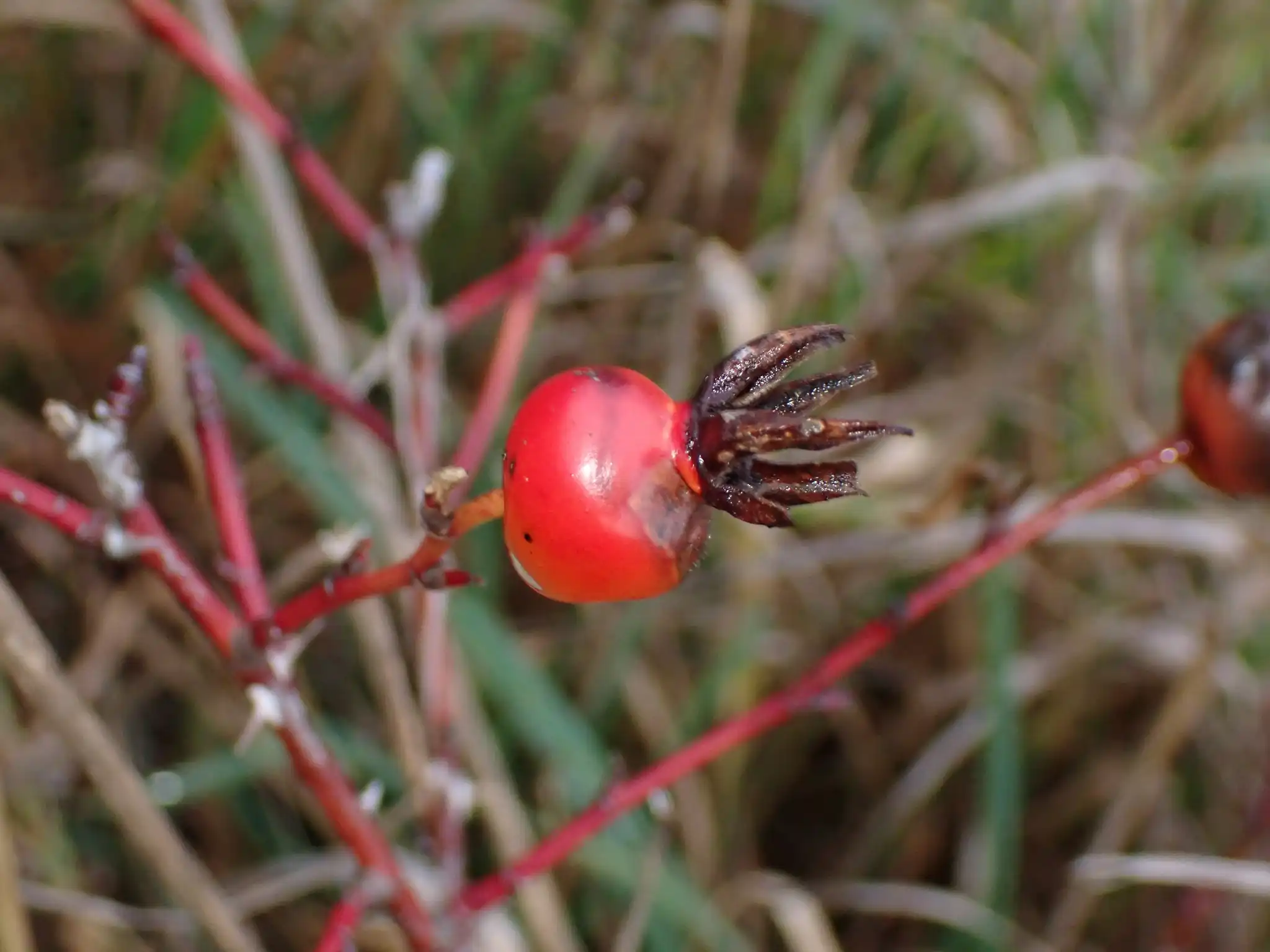
Solitary deep pink flowers up to three inches across open in late spring, displaying five notched petals surrounding prominent yellow stamens. These give way to persistent bright red hips that linger on the bare winter stems, offering important cold-weather forage for birds.
Uses & Benefits:
Essentials
At a Glance
Plant Type
Shrub
Height
118"
Width
118"
Light
Full Sun, Partial Sun
Zones
4, 5, 6, 7, 8, 9
Water
Moderate
Humidity
Tolerates high humidity
Lifespan
Perennial
Native To
Western North America
Toxicity
Non-toxic
Bloom period
Late spring – Mid-summer
In flower about 3 months of the year
Planting
How to Grow
- Select a site in full sun to partial shade with moist, well-draining soil, allowing room for spreading roots.
- Plant bare-root whips in late winter or container stock in early spring, setting the crown level with the surrounding soil.
- Water thoroughly after planting and supply supplemental moisture during dry spells for the first two seasons.
- Apply an annual top-dressing of organic compost around the base each spring to support healthy cane renewal.
Pro Tip
Allow this species ample space to colonize into thickets, and prune by thinning dead or congested canes at ground level in late winter rather than shearing live growth.
Keep It Thriving
Care Guide
Do
- Plant in locations where rhizomatous suckering can be accommodated or easily contained.
- Thin out old, dead, or crossing canes in late winter to maintain air circulation.
- Keep soil consistently moist during the first establishment season.
Don't
- Do not shear stems into formal shrub shapes, which destroys natural flowering habit and structural vigor.
- Do not cut back into old leafless wood without live buds, as regeneration depends on live nodal growth.
- Do not plant in stagnant, waterlogged bogs lacking oxygenation.
Seasonal Care Calendar
| Task | Jan | Feb | Mar | Apr | May | Jun | Jul | Aug | Sep | Oct | Nov | Dec |
|---|---|---|---|---|---|---|---|---|---|---|---|---|
| Harvest | ||||||||||||
| Mulch | ||||||||||||
| Pest Check | ||||||||||||
| Prune |
Watch Out For
Pests & Diseases
Common Pests
Common Diseases
In the Garden
Landscape Uses & Companions
Landscape Uses
Multiply
Propagation Methods
Good to Know
Common Questions
Nootka Rose questions
What zones can Nootka Rose grow in?
Nootka Rose is hardy in USDA Zones 4–9: in that range it survives winter in the ground. Warmer than Zone 9, winter isn't the problem: it prefers colder winters, and summer heat can shorten its life.
Is Nootka Rose deer resistant?
Not reliably. Deer may browse Nootka Rose, especially tender spring growth — plan on repellents or fencing where pressure is high.
When does Nootka Rose bloom?
Nootka Rose typically blooms from late spring to mid-summer. Exact timing shifts a week or two with your zone — Sow's bloom calendar maps it to your garden.
Does Nootka Rose need full sun?
Nootka Rose does best in full sun to part shade. In hot climates, afternoon shade keeps blooms fresher longer.
More Rosa to compare
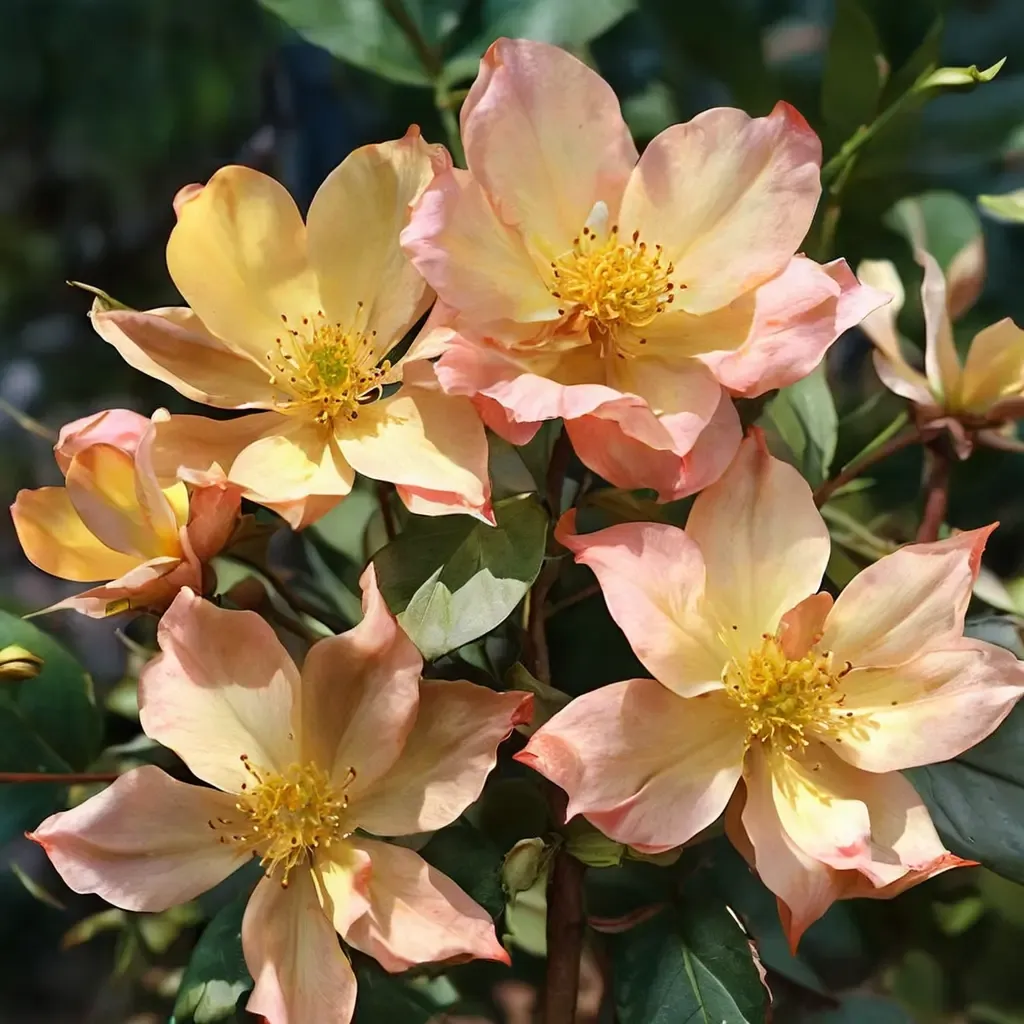
Flutterbye Rose
Rosa x hybrida 'Flutterbye'
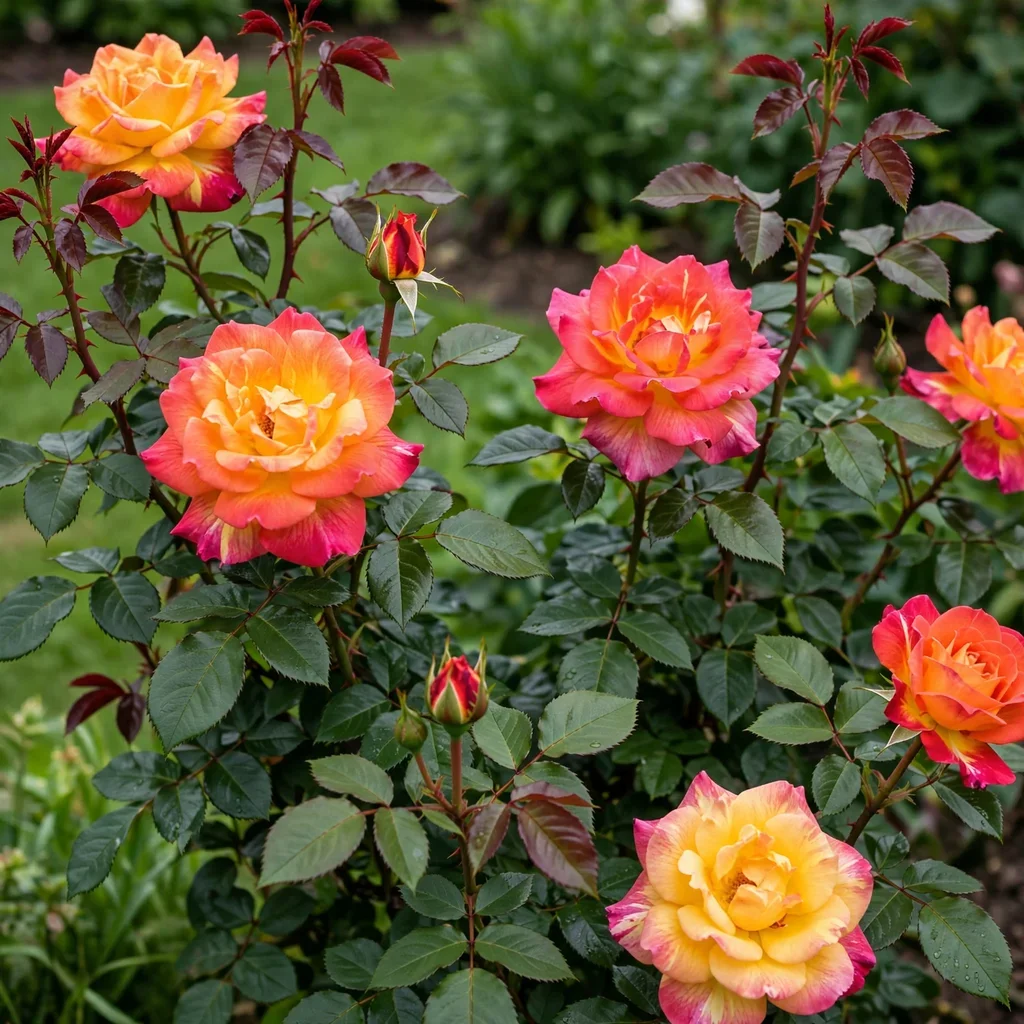
Joseph's Coat Rose
Rosa x hybrida 'Joseph's Coat'
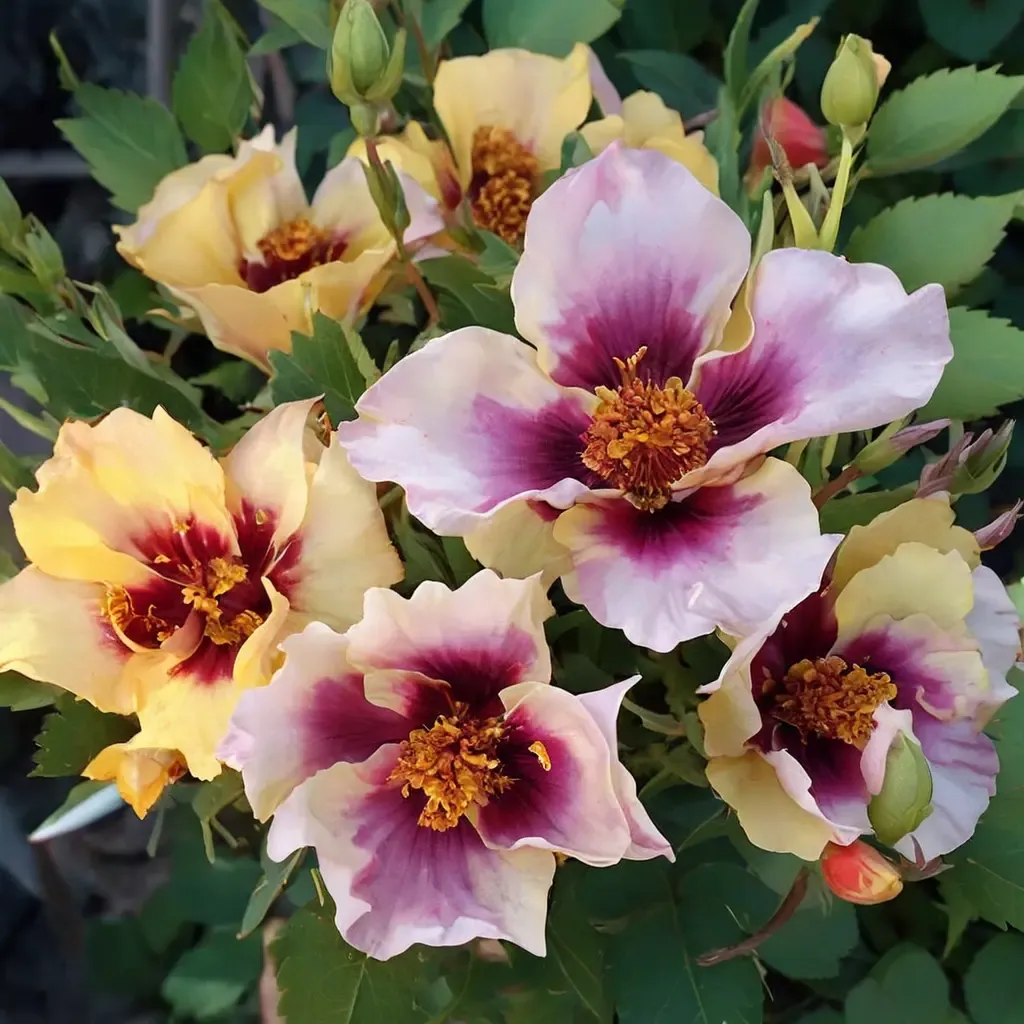
In Your Eyes Rose
Rosa x hybrida 'In Your Eyes'
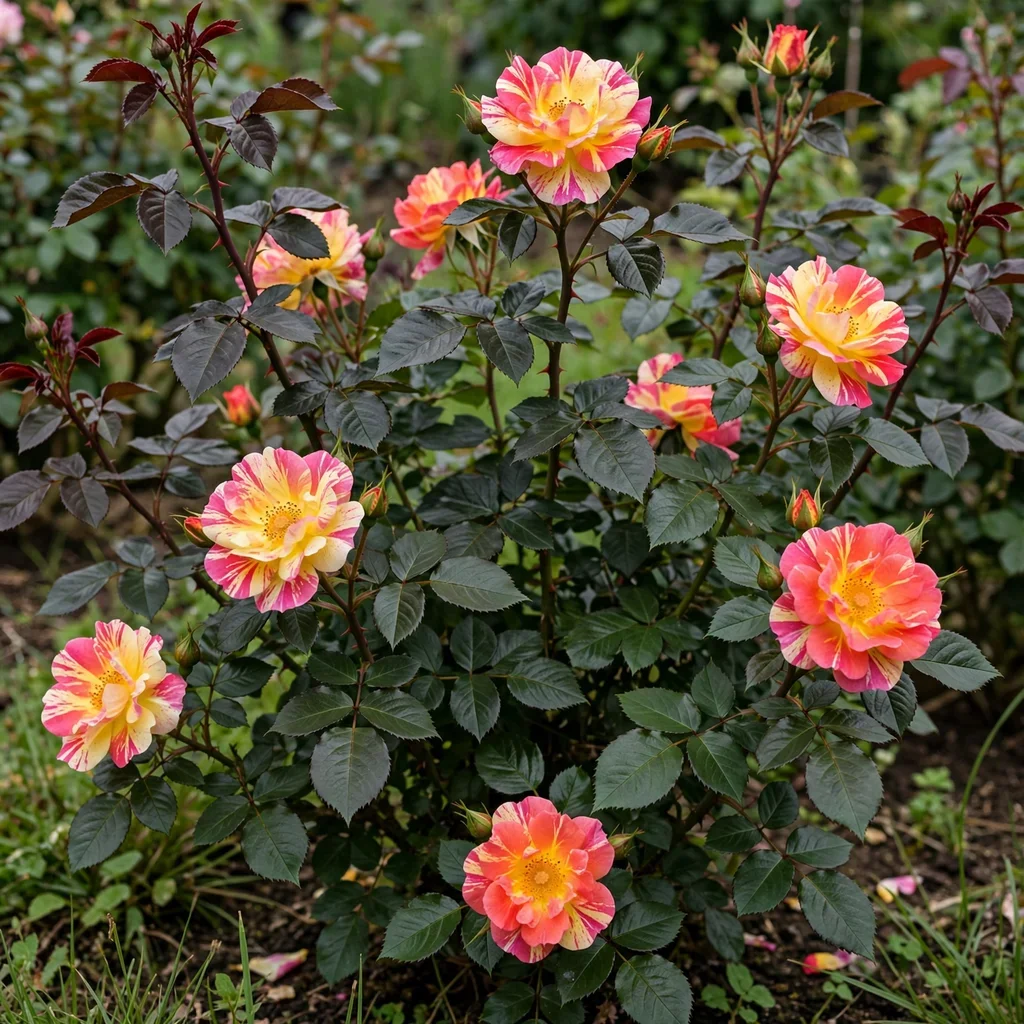
Rainbow Rose
Rosa x hybrida 'Rainbow'
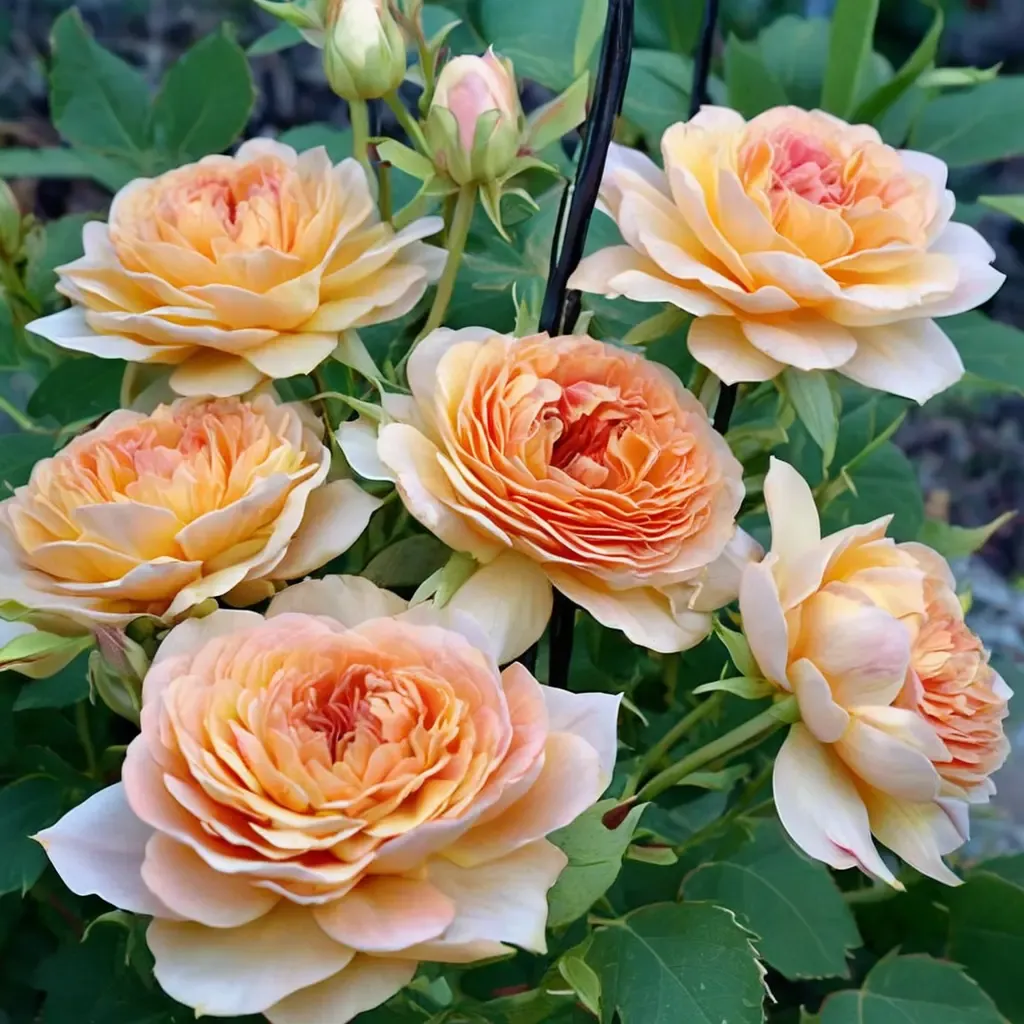
Fun in the Sun Rose
Rosa x hybrida 'Fun in the Sun'
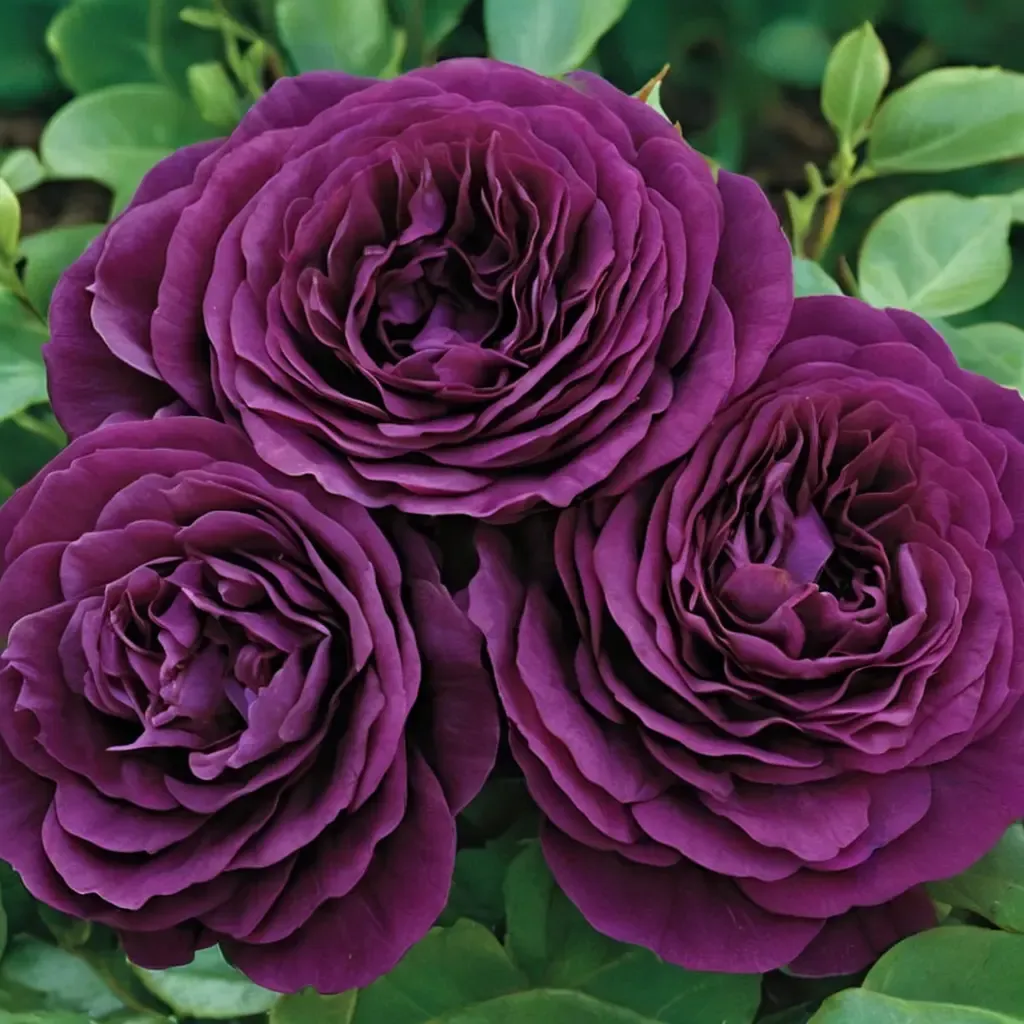
Twilight Zone Rose
Rosa x hybrida 'Twilight Zone'
Keep exploring
Explore the genus
Guides
Grow Nootka Rose with confidence
See it in a design of your actual yard, get zone-matched care reminders, and track it season by season in your garden journal.