The Story
Plant Bio
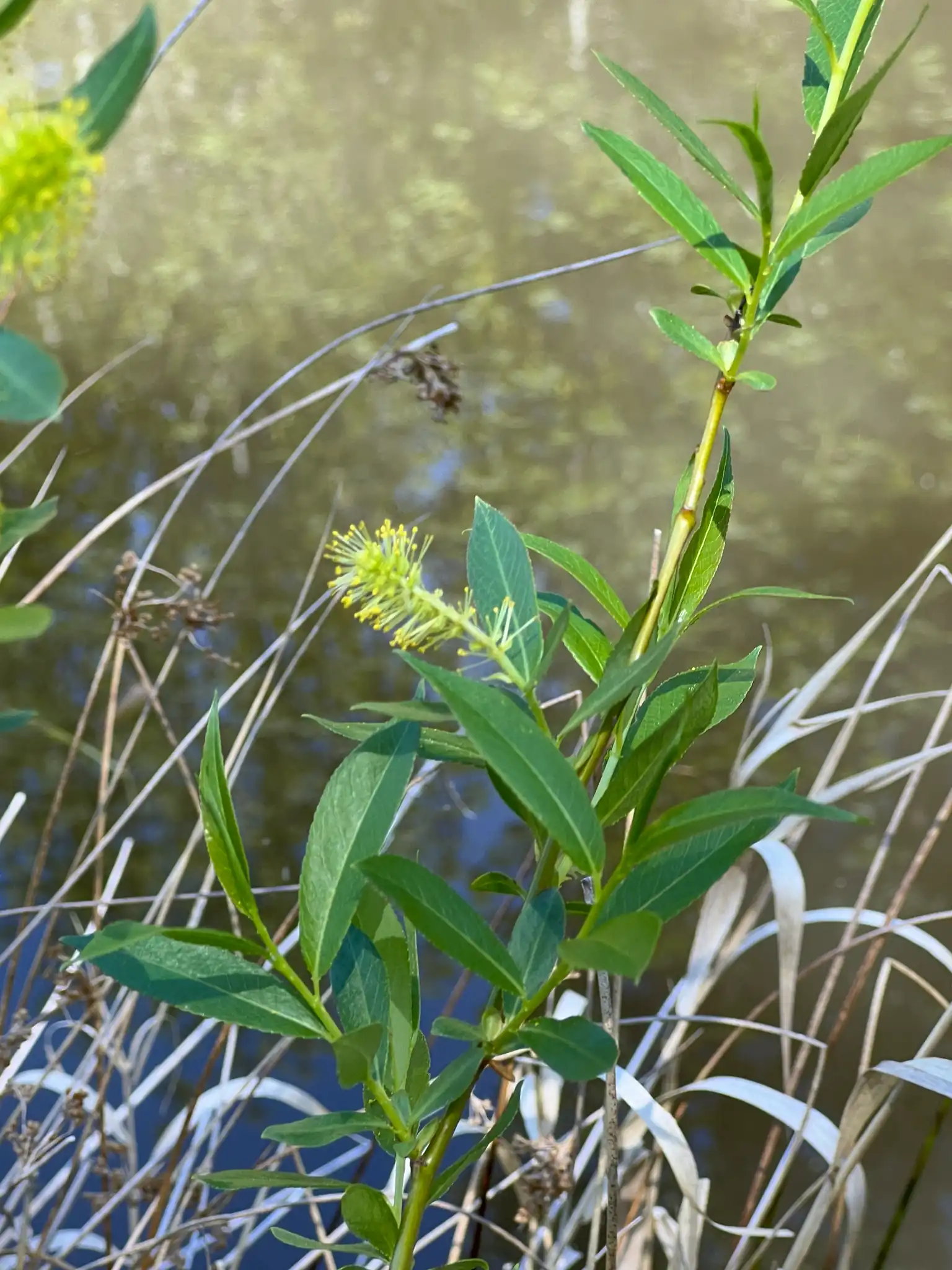
Salix lasiandra is a native deciduous multi-stemmed shrub or small tree reaching up to fifty feet in height, forming an open, thicket-forming crown along western waterways. Its lanceolate leaves are dark green and glossy above with a waxy, whitish bloom underneath, held on distinctly yellow to red-brown young twigs.
In spring, dioecious plants produce cylindrical greenish-yellow catkins up to two inches long alongside emerging leaves. The species thrives in saturated, anaerobic soils where its rapid root development stabilizes eroding stream banks and wet slopes.
Uses & Benefits:
Essentials
At a Glance
Plant Type
Tree
Height
590"
Width
354"
Light
Full Sun, Partial Sun
Zones
4, 5, 6, 7, 8, 9
Water
High / Wet
Humidity
High
Lifespan
Perennial
Native To
Western North America
Toxicity
Non-toxic
Bloom period
Spring – Late spring
In flower about 3 months of the year
Planting
How to Grow
- Select a site in full sun or partial shade with consistently wet, saturated, or seasonally flooded soil.
- Insert dormant live stakes directly into muddy banks during winter, or plant container stock in holes twice as wide as the root ball.
- Water regularly during the first two seasons if water tables drop or dry spells occur.
- Prune out dead or damaged wood in late winter to maintain structural stability and remove brittle stems.
Pro Tip
Coppice plants hard near ground level in late winter to force vigorous new stems with bright winter stem color, but avoid pruning back into old leafless wood where adventitious buds fail to break.
Keep It Thriving
Care Guide
Do
- Plant in damp soils, wetlands, or low-lying rain garden positions.
- Cut back stems in late winter if growing for colorful young winter bark.
- Site away from building foundations, utility lines, and septic drain fields.
Don't
- Do not plant in dry urban garden beds or quick-draining upland soils.
- Do not trim or shear randomly into old bare wood where growth cannot regenerate.
- Do not allow young plantings to dry out completely during summer heat.
Seasonal Care Calendar
| Task | Jan | Feb | Mar | Apr | May | Jun | Jul | Aug | Sep | Oct | Nov | Dec |
|---|---|---|---|---|---|---|---|---|---|---|---|---|
| Mulch | ||||||||||||
| Pest Check | ||||||||||||
| Plant | ||||||||||||
| Prune |
Watch Out For
Pests & Diseases
Common Pests
Common Diseases
In the Garden
Landscape Uses & Companions
Landscape Uses
Companion Plants
Multiply
Propagation Methods
Good to Know
Common Questions
Pacific Willow questions
What zones can Pacific Willow grow in?
Pacific Willow is hardy in USDA Zones 4–9: in that range it survives winter in the ground. Warmer than Zone 9, winter isn't the problem: it prefers colder winters, and summer heat can shorten its life.
Is Pacific Willow deer resistant?
Not reliably. Deer may browse Pacific Willow, especially tender spring growth — plan on repellents or fencing where pressure is high.
When does Pacific Willow bloom?
Pacific Willow typically blooms in spring. Exact timing shifts a week or two with your zone — Sow's bloom calendar maps it to your garden.
Does Pacific Willow need full sun?
Pacific Willow does best in full sun to part shade. In hot climates, afternoon shade keeps blooms fresher longer.
More Salix to compare
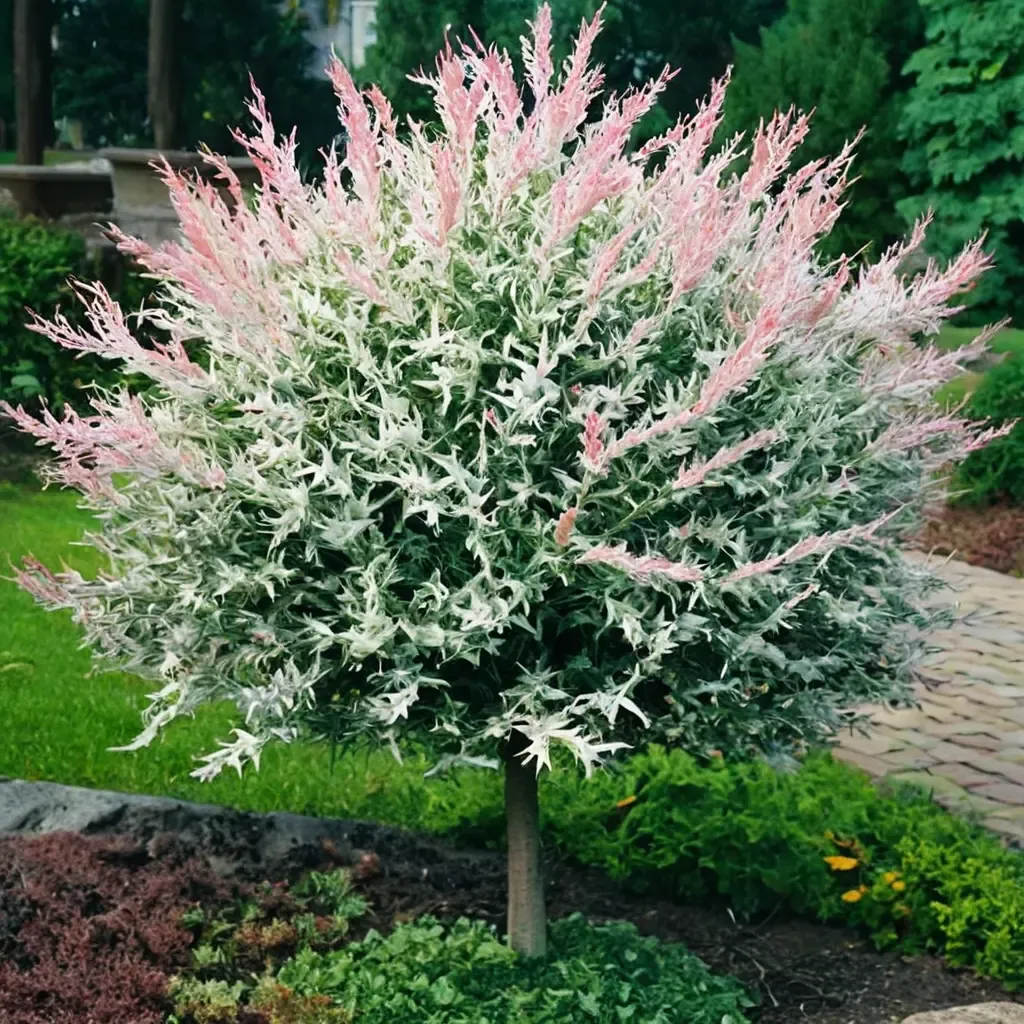
Hakuro-nishiki Dappled Willow
Salix integra 'Hakuro-nishiki'
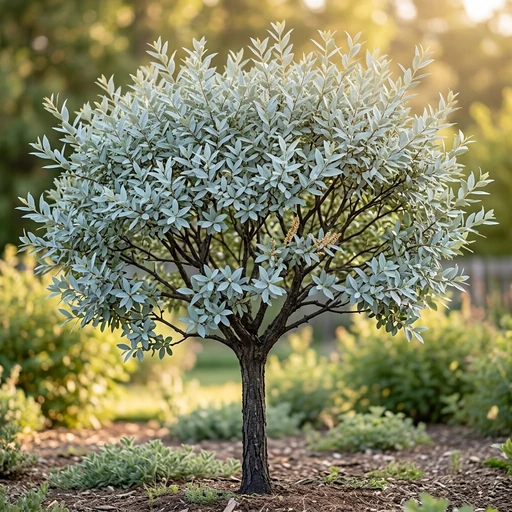
Black Willow
Salix nigra
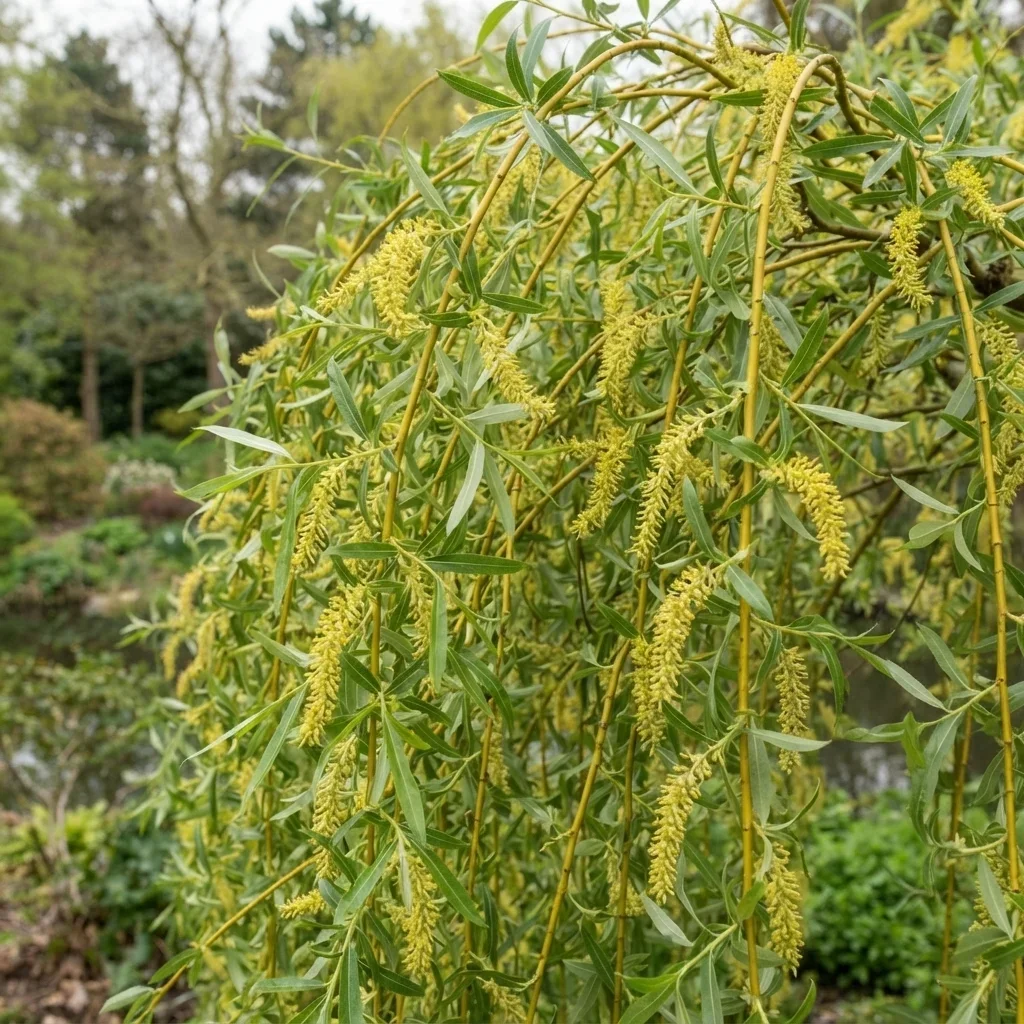
Weeping Willow
Salix x sepulcralis 'Mix'
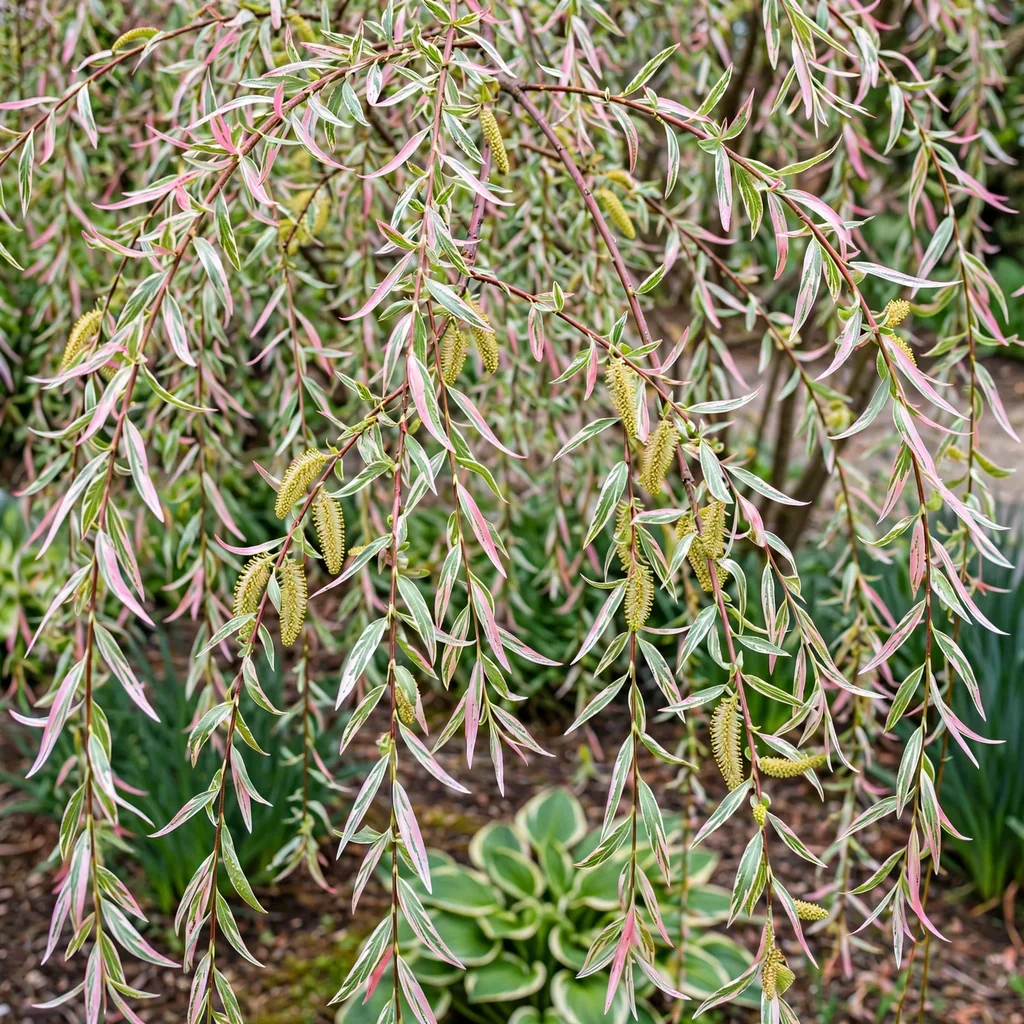
Flamingo Dappled Willow
Salix integra 'Flamingo'
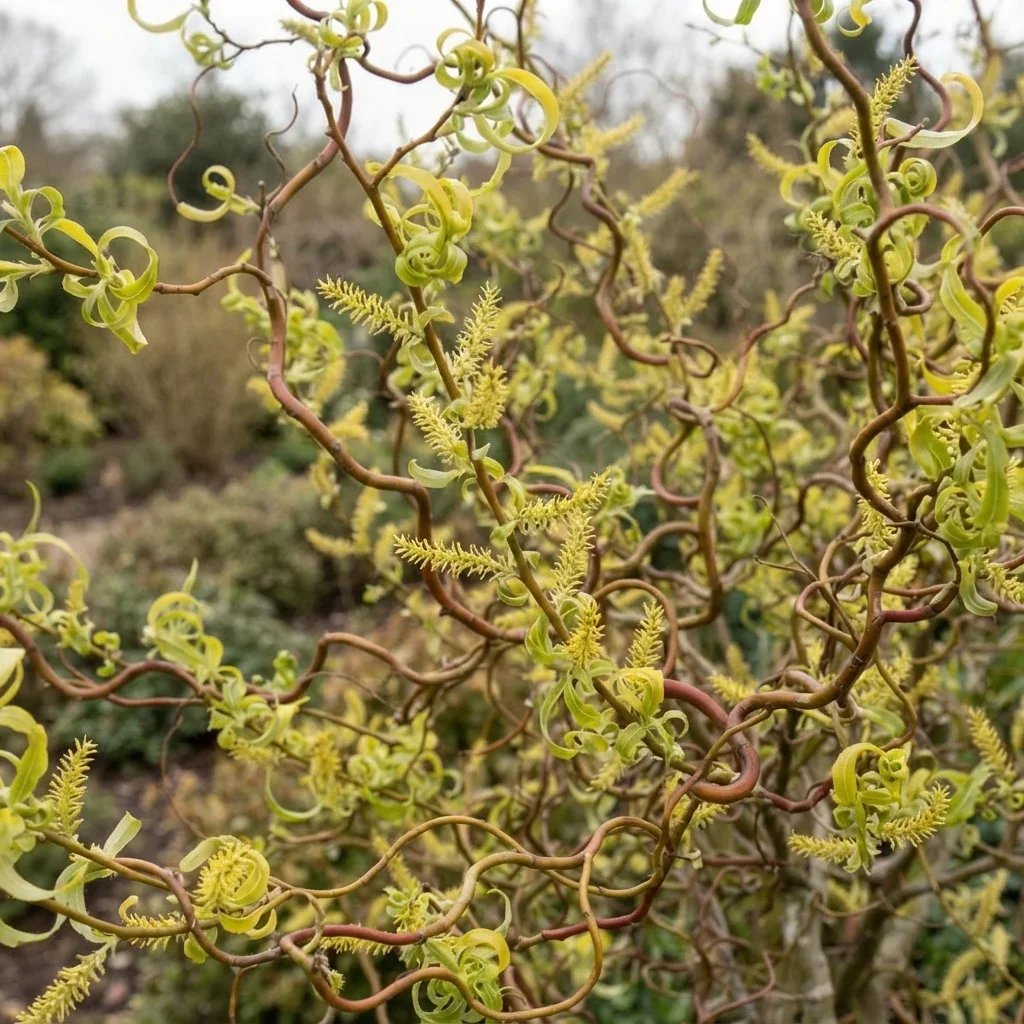
Corkscrew Willow 'Tortuosa'
Salix babylonica 'Tortuosa'
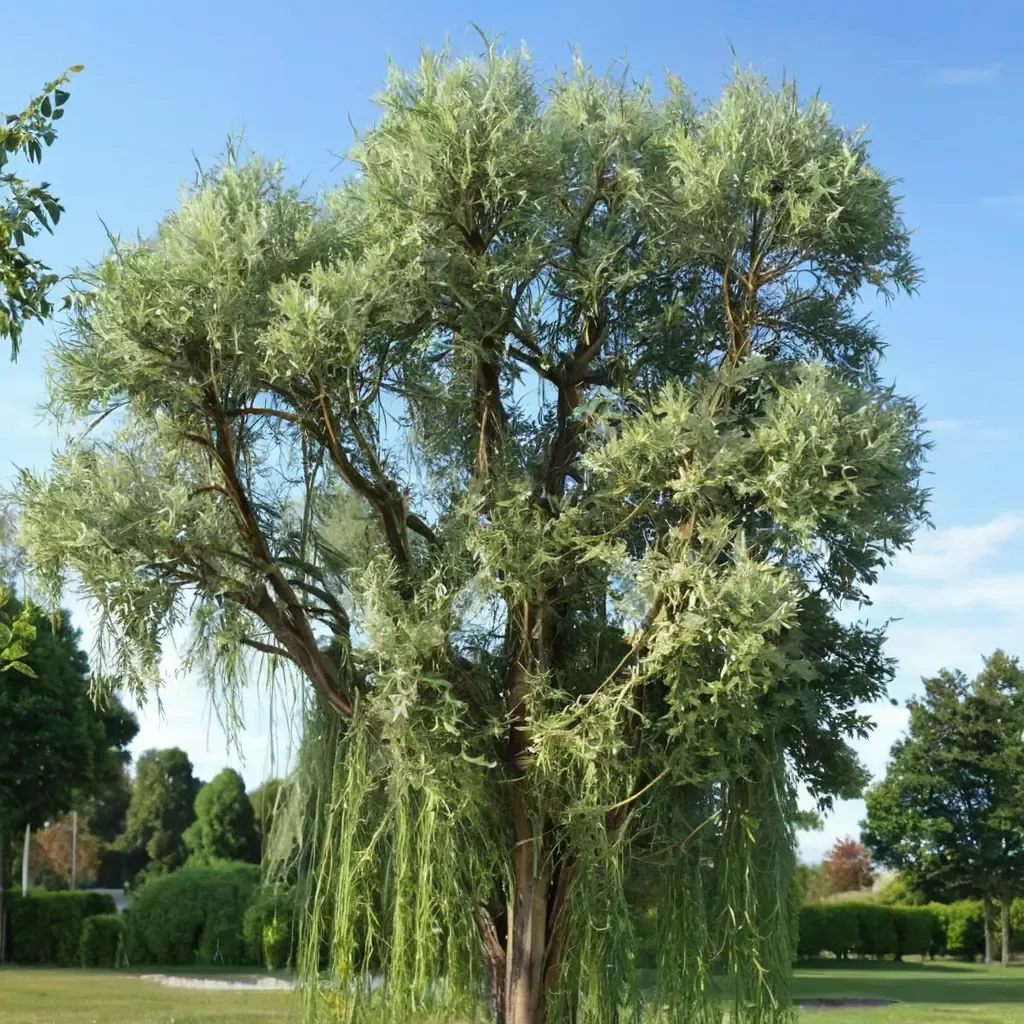
White Willow
Salix alba
Keep exploring
Explore the genus
Grow Pacific Willow with confidence
See it in a design of your actual yard, get zone-matched care reminders, and track it season by season in your garden journal.