The Story
Plant Bio
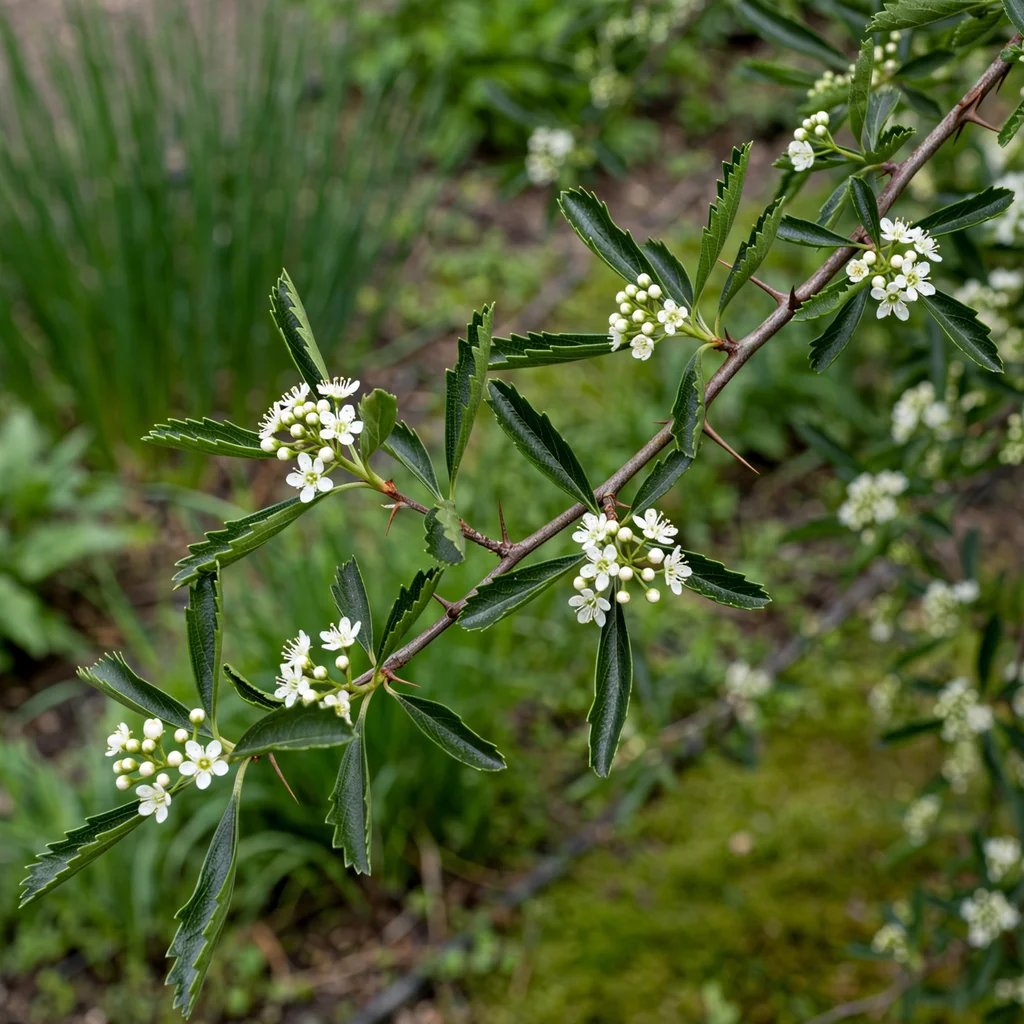
Crataegus aestivalis is a slow-growing deciduous small tree from the southeastern United States, forming a spreading, low-branched and often multi-stemmed crown to 25 feet with brown-gray twigs armed with sharp thorns. The lobed, glossy dark green leaves to about three inches have toothed margins, and white five-petaled flowers in spring clusters ripen to lustrous scarlet pomes in early summer.
Unlike most hawthorns for dry ground, it grows in swamp forests that flood for much of the year alongside bald cypress and tupelo, tolerating seasonal inundation but fruiting best in full sun on moist, slightly acid soil. It is the eastern mayhaw of the mayhaw complex, distinct from the western mayhaws sold under the same fruit name, and its early summer harvest is prized for jelly rather than fresh eating.
Uses & Benefits:
Essentials
At a Glance
Plant Type
Tree
Height
360"
Width
420"
Light
Full Sun, Partial Sun
Zones
6, 7, 8, 9, 10
Water
Medium-wet
Humidity
High humidity tolerant
Lifespan
Long-lived tree
Native To
Southeastern USA
Toxicity
Unknown
Bloom period
Spring
In flower about 3 months of the year
Planting
How to Grow
- Plant in full sun in moist, slightly acid loam or sand, giving room for a 30-foot spreading crown.
- Set container or bare-root stock at the same depth it grew, water deeply, and mulch 2 to 3 inches while keeping mulch off the trunk.
- Water regularly the first two years to hold even moisture; established trees tolerate seasonal flooding but fruit best without long drought.
- Prune in winter to open the center, remove suckers and weak crossing wood, and keep fruiting branches in light.
Pro Tip
Prune each winter to open the canopy and strip root suckers and weak interior wood; light and air on the fruiting spurs is what sets a full May crop.
Keep It Thriving
Care Guide
Do
- Give full sun for heaviest fruit set and keep soil evenly moist.
- Mulch to hold moisture and protect roots in flood-prone ground.
- Prune annually in dormancy to open the canopy and remove suckers.
Don't
- Do not plant in dry, alkaline, or compacted upland soil expecting a normal shade tree.
- Do not shear into a hedge; cutting fruiting spurs off reduces the crop.
- Do not leave fallen fruit and leaves under the tree where rot and rust persist.
Seasonal Care Calendar
| Task | Jan | Feb | Mar | Apr | May | Jun | Jul | Aug | Sep | Oct | Nov | Dec |
|---|---|---|---|---|---|---|---|---|---|---|---|---|
| Harvest | ||||||||||||
| Mulch | ||||||||||||
| Pest Check | ||||||||||||
| Plant | ||||||||||||
| Prune |
Watch Out For
Pests & Diseases
Common Pests
Common Diseases
In the Garden
Landscape Uses & Companions
Landscape Uses
Multiply
Propagation Methods
Good to Know
Common Questions
Mayhaw questions
What zones can Mayhaw grow in?
Mayhaw is hardy in USDA Zones 6–10: in that range it survives winter in the ground. Colder than Zone 6, winters are too cold for it to survive outdoors.
When does Mayhaw bloom?
Mayhaw typically blooms in spring. Exact timing shifts a week or two with your zone — Sow's bloom calendar maps it to your garden.
Does Mayhaw need full sun?
Mayhaw does best in full sun to part shade. In hot climates, afternoon shade keeps blooms fresher longer.
Is Mayhaw drought tolerant?
Yes — once established (usually after the first full season), Mayhaw handles dry spells with minimal watering. Water deeply its first year to build the root system that makes that possible.
More Crataegus to compare
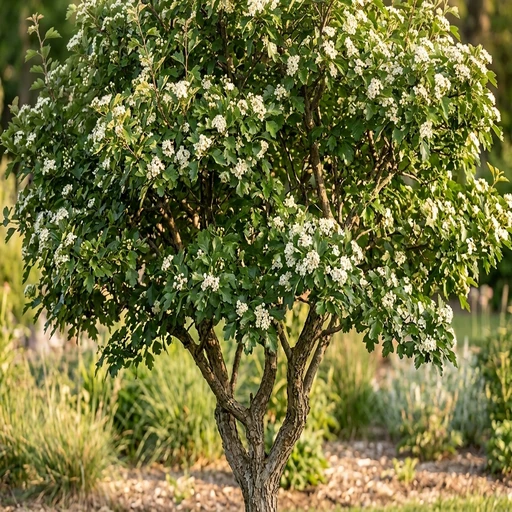
Washington Hawthorn
Crataegus phaenopyrum
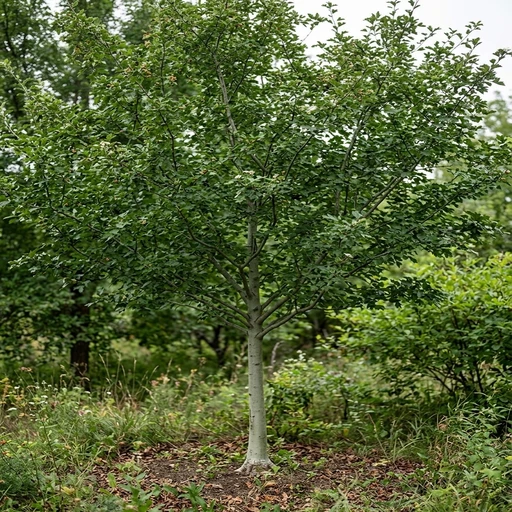
Winter King Hawthorn
Crataegus viridis 'Winter King'
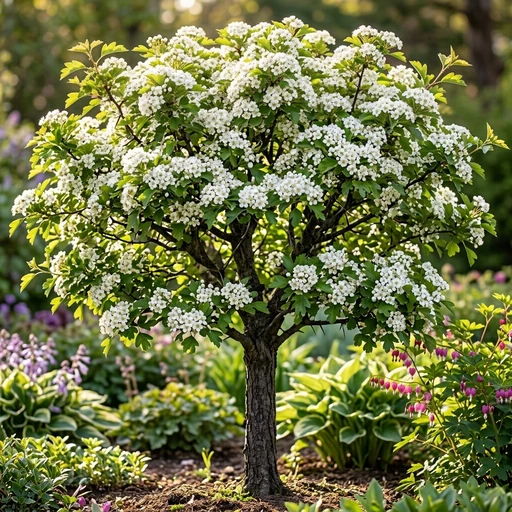
Crusader Hawthorn
Crataegus crus-galli 'Cruzam'
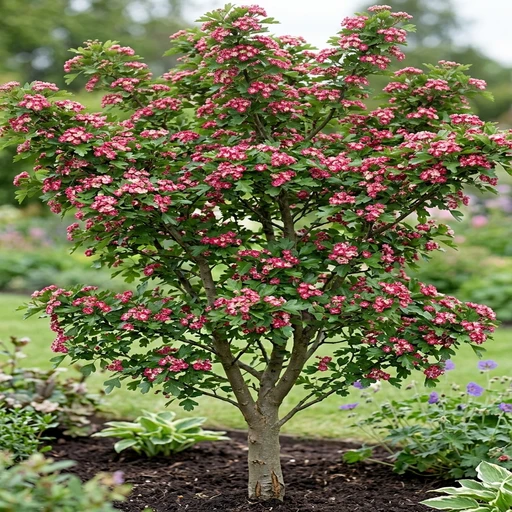
Crimson Cloud English Hawthorn
Crataegus laevigata 'Crimson Cloud'
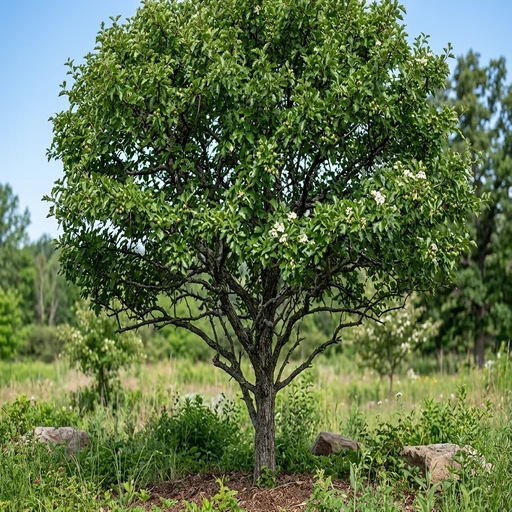
Cockspur Hawthorn
Crataegus crus-galli
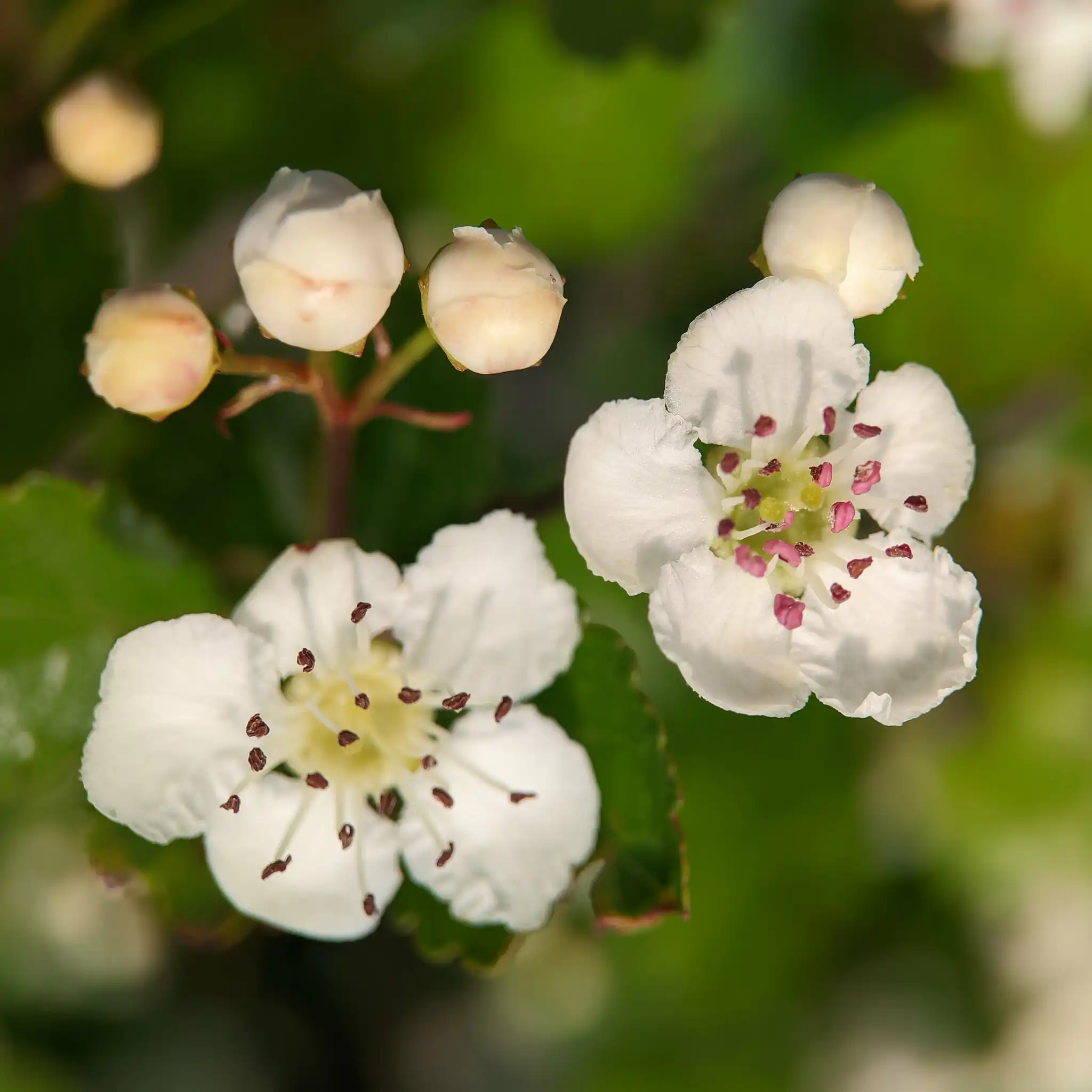
English Hawthorn
Crataegus laevigata
Keep exploring
Explore the genus
Hardy in your zone?
Grow Mayhaw with confidence
See it in a design of your actual yard, get zone-matched care reminders, and track it season by season in your garden journal.