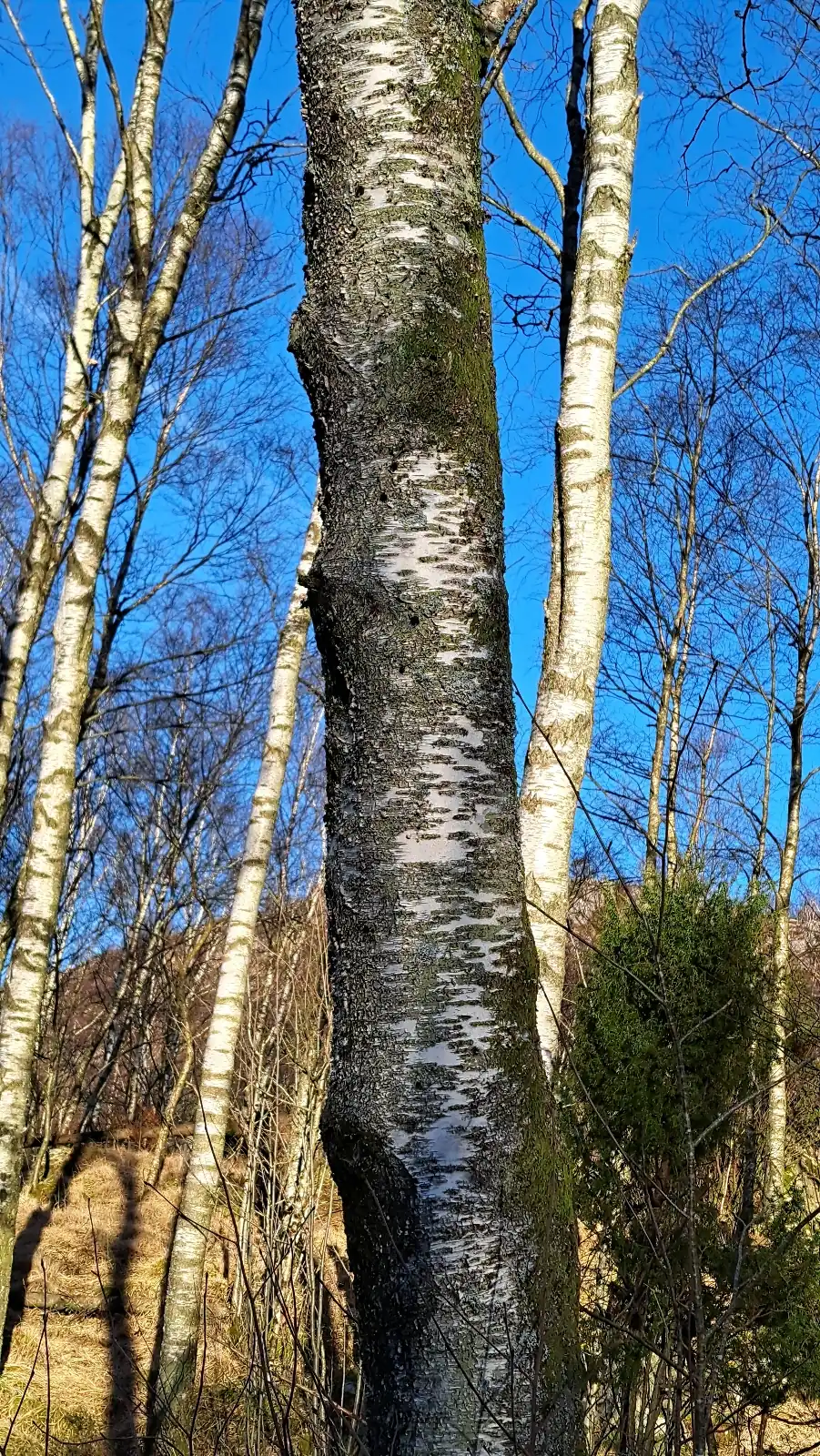
The Story
Plant Bio
Betula pubescens is a cold-hardy deciduous tree native to northern Europe and Asia, growing with an upright, rounded crown. Its ovate leaves emerge soft and downy in spring before turning medium green and shifting to clear yellow in fall.
Fine, short hairs cover the young twigs and branchlets, distinguishing it from silver birch. It tolerates wet, boggy, and poorly drained soils far better than most other species in the genus.
Uses & Benefits:
Essentials
At a Glance
Plant Type
Tree
Height
787"
Width
472"
Light
Full Sun, Partial Sun
Zones
4, 5, 6, 7
Water
High
Humidity
High
Lifespan
Perennial
Native To
Europe, Asia
Toxicity
Non-toxic
Bloom period
Spring
In flower about 3 months of the year
Planting
How to Grow
- Select a site in full sun to partial shade with acidic to neutral soil.
- Dig a planting hole twice as wide as the root ball and equal in depth.
- Position the root collar level with the surrounding soil grade and backfill gently.
- Water thoroughly at planting and maintain consistent moisture, especially during dry spells.
Pro Tip
Prune strictly during mid- to late summer when the tree is fully in leaf; pruning in winter or spring causes heavy sap bleeding that weakens the branches.
Keep It Thriving
Care Guide
Do
- Keep the soil consistently moist to reduce physiological stress.
- Mulch heavily around the root zone to keep soil temperatures cool.
- Prune only in mid- to late summer when sap flow is minimal.
Don't
- Do not prune in late winter or early spring to avoid severe sap bleeding.
- Do not allow the soil to dry out completely during extended hot spells.
- Do not apply excessive high-nitrogen fertilizer, which encourages pest infestations.
Seasonal Care Calendar
| Task | Jan | Feb | Mar | Apr | May | Jun | Jul | Aug | Sep | Oct | Nov | Dec |
|---|---|---|---|---|---|---|---|---|---|---|---|---|
| Fertilize | ||||||||||||
| Mulch | ||||||||||||
| Pest Check | ||||||||||||
| Prune |
Watch Out For
Pests & Diseases
Common Pests
Common Diseases
In the Garden
Landscape Uses & Companions
Landscape Uses
Multiply
Propagation Methods
Good to Know
Common Questions
Downy Birch questions
What zones can Downy Birch grow in?
Downy Birch is hardy in USDA Zones 4–7: in that range it survives winter in the ground. Warmer than Zone 7, winter isn't the problem: it prefers colder winters, and summer heat can shorten its life.
Is Downy Birch deer resistant?
Not reliably. Deer may browse Downy Birch, especially tender spring growth — plan on repellents or fencing where pressure is high.
When does Downy Birch bloom?
Downy Birch typically blooms in spring. Exact timing shifts a week or two with your zone — Sow's bloom calendar maps it to your garden.
Does Downy Birch need full sun?
Downy Birch does best in full sun to part shade. In hot climates, afternoon shade keeps blooms fresher longer.
More Betula to compare
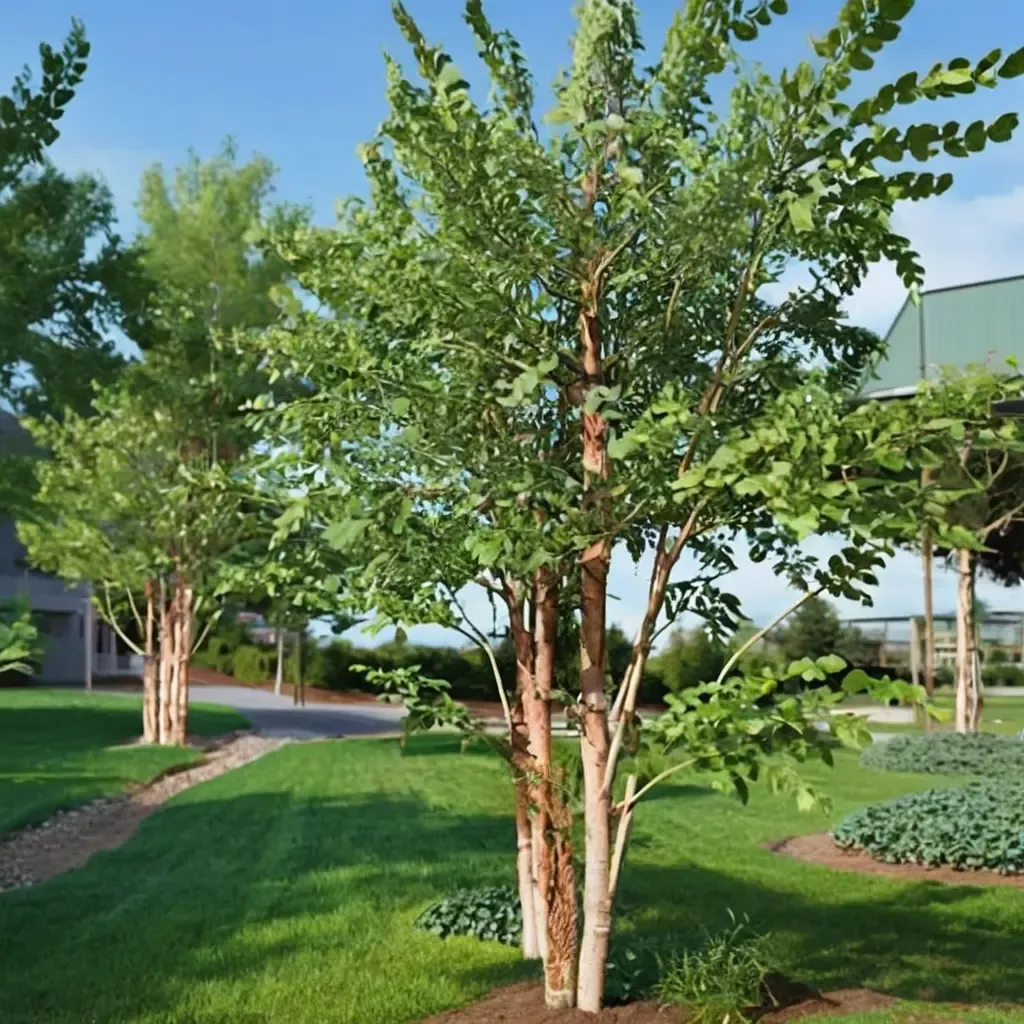
River Birch
Betula nigra
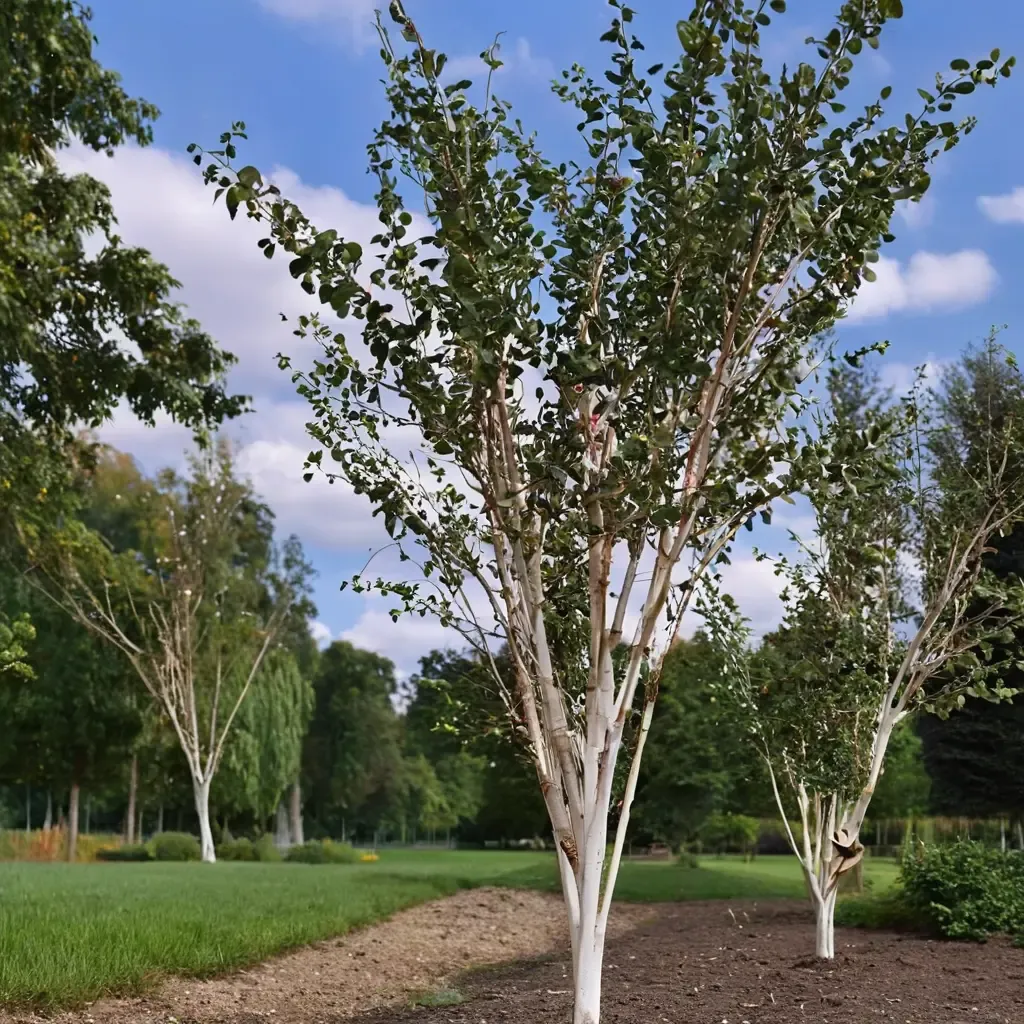
Himalayan Birch
Betula utilis
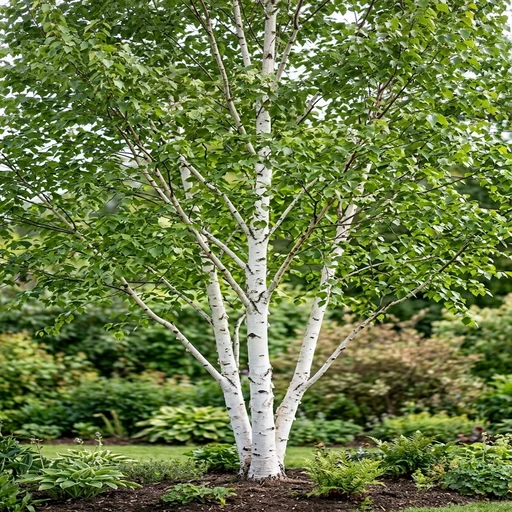
Paper Birch
Betula papyrifera
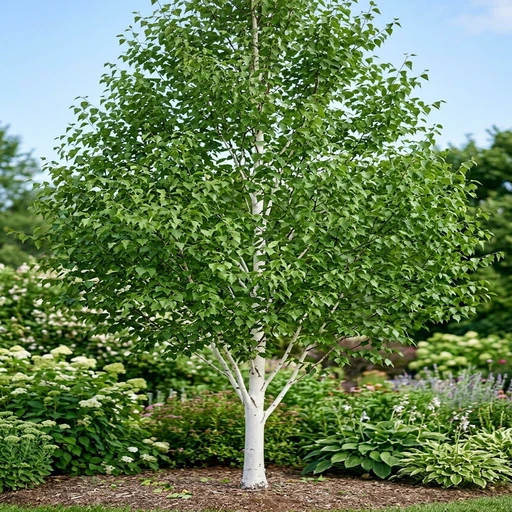
Whitespire Birch
Betula platyphylla 'Whitespire'
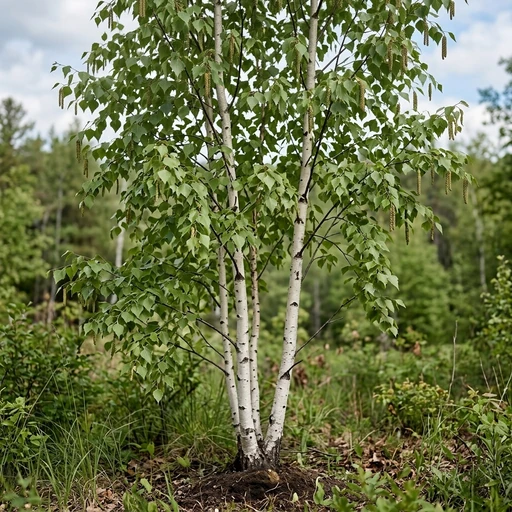
Gray Birch
Betula populifolia
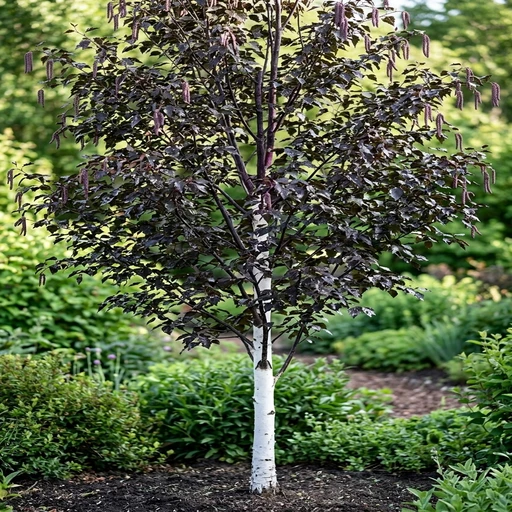
Birch
Betula x hybrida 'Royal Frost'
Keep exploring
Explore the genus
Hardy in your zone?
Grow Downy Birch with confidence
See it in a design of your actual yard, get zone-matched care reminders, and track it season by season in your garden journal.