The Story
Plant Bio
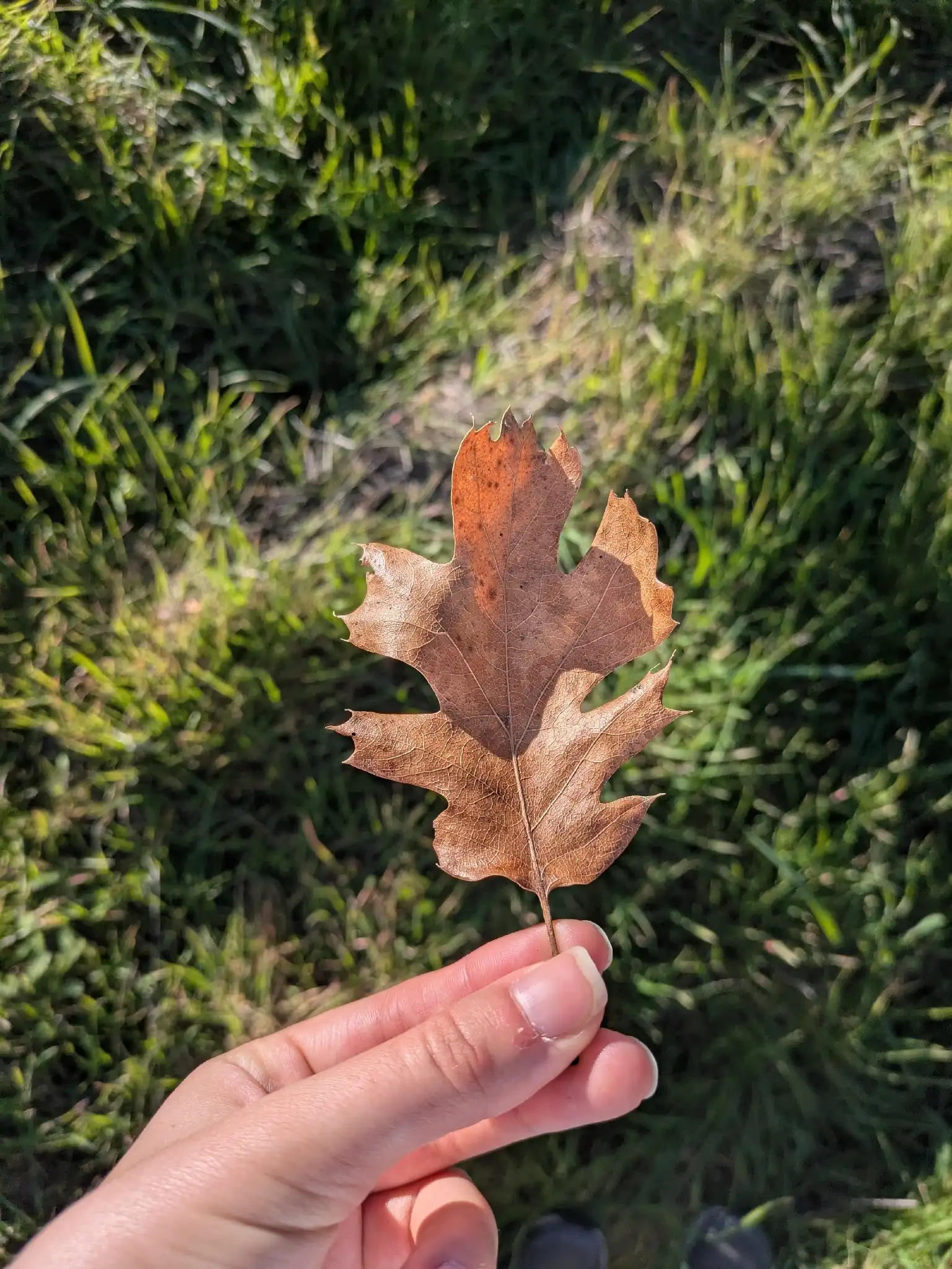
Quercus kelloggii, commonly known as California black oak, is a large deciduous tree native to the mountains and foothills of western North America. It develops a broad, open crown with dark, deeply furrowed bark and deeply lobed leaves that unfurl with a bronze-red hue in spring.
This species produces high yields of large acorns that serve as a vital food source for native birds and mammals. Its deeply cut leaves turn yellow to warm orange-brown in fall, providing strong seasonal interest in spacious landscapes.
Uses & Benefits:
Essentials
At a Glance
Plant Type
Tree
Height
945"
Width
709"
Light
Full Sun
Zones
7, 8, 9
Water
Low
Humidity
Low to Moderate
Lifespan
Perennial
Native To
Western North America
Toxicity
Acorns toxic in high quantities
Bloom period
Spring
In flower about 3 months of the year
Planting
How to Grow
- Select a planting location in full sun with deep, well-drained sandy loam or gravelly soil.
- Dig a hole twice as wide as the root ball and equal in depth, taking care not to bury the root collar.
- Backfill with native soil, water deeply at planting, and apply a 2-inch layer of organic mulch away from the trunk.
- Provide light water during the first 1 to 2 dry seasons, then cease summer irrigation entirely once established.
Pro Tip
Avoid watering around the root zone during hot summer months, as moist summer soil rapidly triggers fatal Phytophthora root rot.
Keep It Thriving
Care Guide
Do
- Ensure excellent soil drainage before planting.
- Prune only during the dormant winter season to reduce disease risk.
- Allow the tree to drop foliage naturally during severe summer drought without panicking.
Don't
- Do not apply summer irrigation near the root crown once the tree is established.
- Do not plant in heavy, poorly drained clay soils.
- Do not apply heavy doses of nitrogen fertilizer.
Seasonal Care Calendar
| Task | Jan | Feb | Mar | Apr | May | Jun | Jul | Aug | Sep | Oct | Nov | Dec |
|---|---|---|---|---|---|---|---|---|---|---|---|---|
| Mulch | ||||||||||||
| Pest Check | ||||||||||||
| Plant | ||||||||||||
| Prune |
Watch Out For
Pests & Diseases
Common Pests
Common Diseases
In the Garden
Landscape Uses & Companions
Landscape Uses
Multiply
Propagation Methods
Good to Know
Common Questions
California Black Oak questions
What zones can California Black Oak grow in?
California Black Oak is hardy in USDA Zones 7–9: in that range it survives winter in the ground. Colder than Zone 7, winters are too cold for it to survive outdoors. Warmer than Zone 9, winter isn't the problem: it prefers colder winters, and summer heat can shorten its life.
When does California Black Oak bloom?
California Black Oak typically blooms in spring. Exact timing shifts a week or two with your zone — Sow's bloom calendar maps it to your garden.
Does California Black Oak need full sun?
California Black Oak does best in full sun (6+ hours).
Is California Black Oak drought tolerant?
Yes — once established (usually after the first full season), California Black Oak handles dry spells with minimal watering. Water deeply its first year to build the root system that makes that possible.
More Quercus to compare
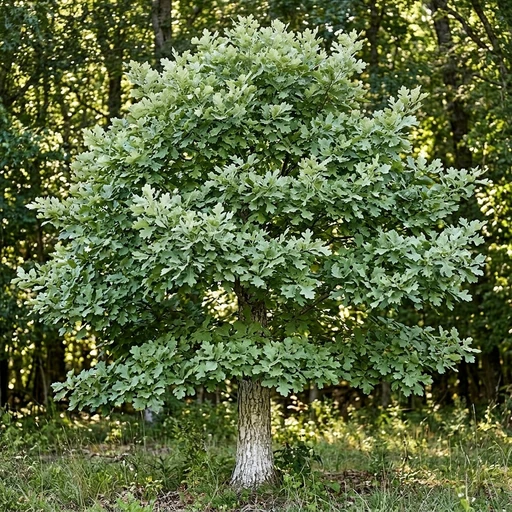
White Oak
Quercus alba
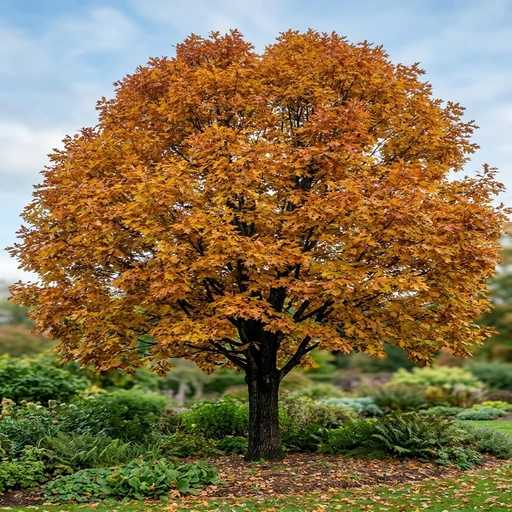
Black Oak
Quercus velutina
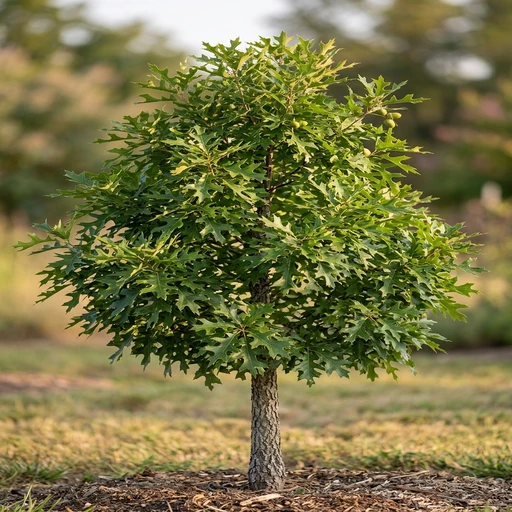
Nuttall Oak
Quercus texana
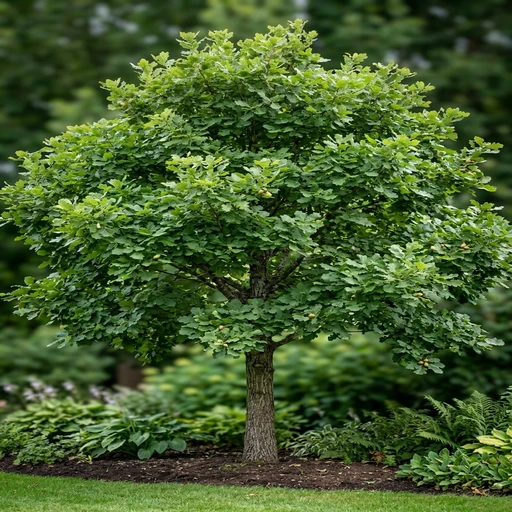
English Oak
Quercus robur
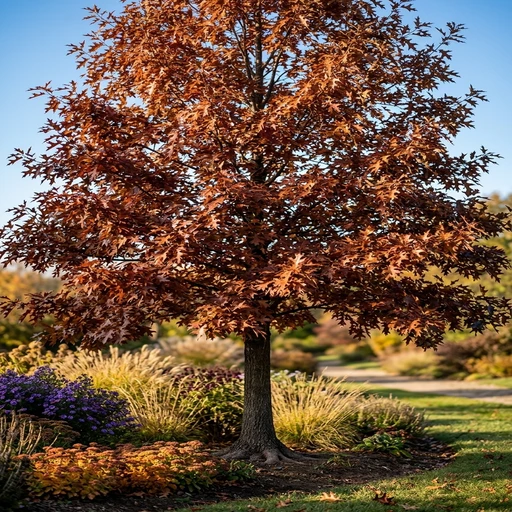
Pin Oak
Quercus palustris
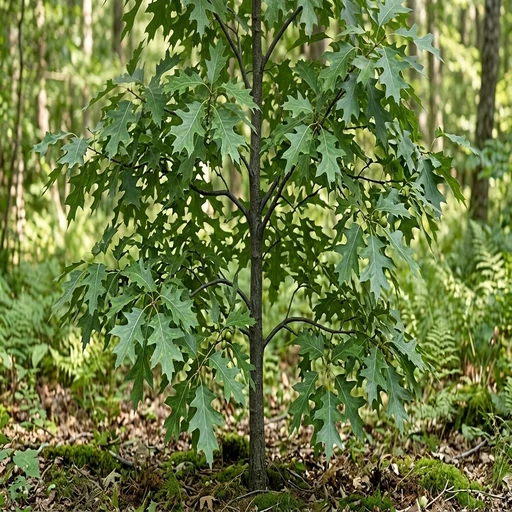
Scarlet Oak
Quercus coccinea
Keep exploring
Explore the genus
Hardy in your zone?
Grow California Black Oak with confidence
See it in a design of your actual yard, get zone-matched care reminders, and track it season by season in your garden journal.