The Story
Plant Bio
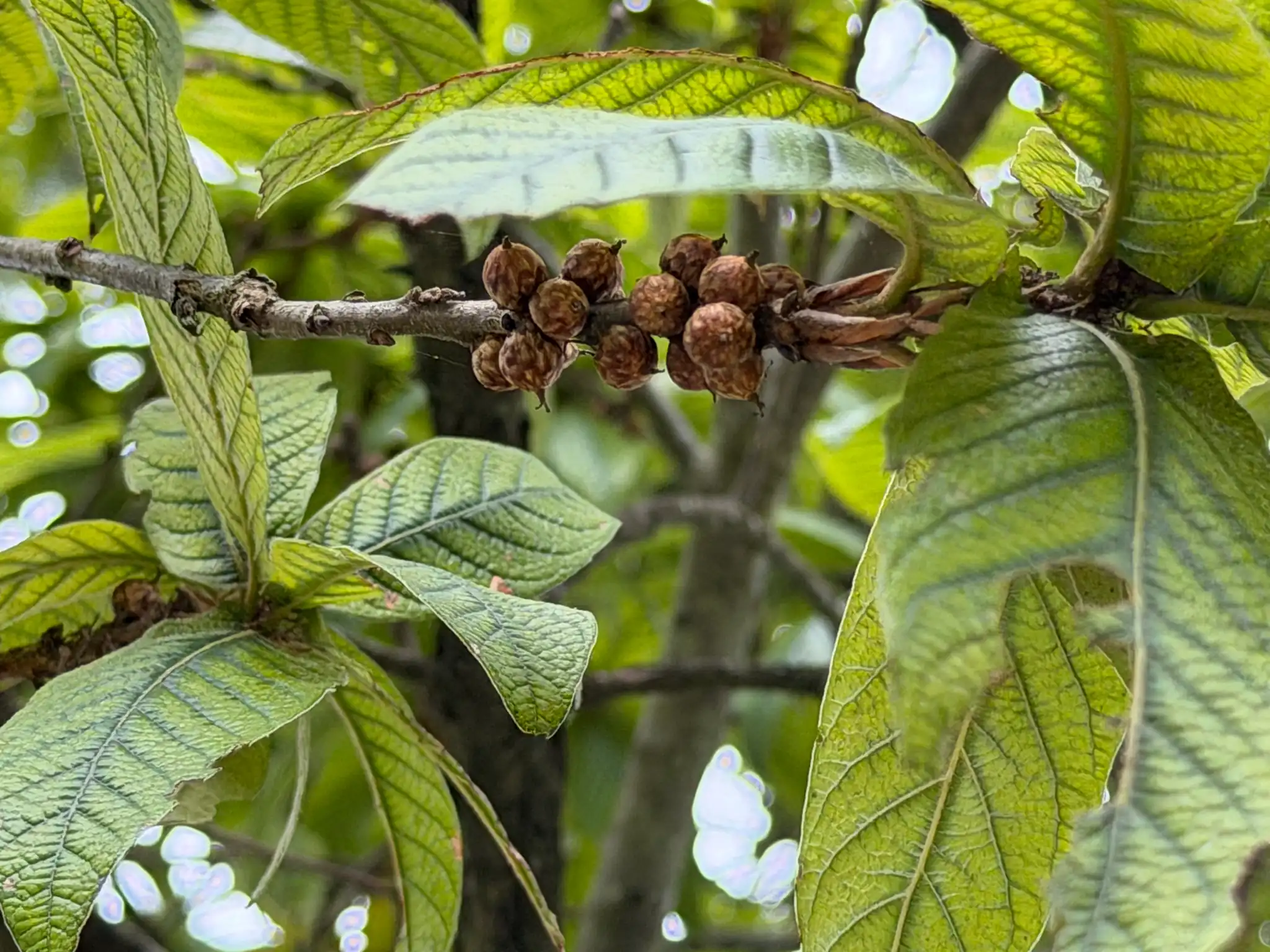
Quercus rysophylla, the loquat leaf oak, is an evergreen to semi-evergreen tree from northeastern Mexico that reaches 60 to 70 feet tall with a broad spreading crown. The leaves are large lance-shaped glossy dark green with a blistered surface and raised veins, followed by inconspicuous green spring flowers and small ovoid acorns to about half an inch long.
It is distinguished by new growth that emerges downy reddish-purple to coppery-red before hardening to thick leathery green. Seedlings vary widely and hybridize freely, while the selection Maya holds a deeper purple-red flush and a smaller denser habit.
Uses & Benefits:
Essentials
At a Glance
Plant Type
Tree
Height
840"
Width
600"
Light
Full Sun, Partial Sun
Zones
6, 7
Water
Low once established
Humidity
Low to moderate
Lifespan
Long-lived tree
Native To
Northeastern Mexico
Toxicity
Acorns with tannins, unpalatable
Bloom period
Spring
In flower about 3 months of the year
Planting
How to Grow
- Choose a full-sun site with well-drained soil and room for a 50-foot crown away from buildings.
- Plant in fall or early spring with the root flare at grade, backfill firmly and water deeply.
- Spread 3 inches of mulch under the canopy, kept clear of the trunk, and irrigate through the first two summers until established.
- Shape lightly in winter dormancy and leave mature trees unpruned except to remove dead wood.
Pro Tip
Plant young in full sun with room to spread, mulch deep and water through the first two summers, then prune only lightly in winter and keep the bark unwounded in summer when beetles spread oak wilt.
Keep It Thriving
Care Guide
Do
- Give full sun and deep well-drained soil with space to spread
- Water deeply during the first two summers then taper off
- Mulch to hold moisture and keep mowers off the trunk
Don't
- Do not prune or wound bark in spring and summer when oak wilt beetles fly
- Do not cut into old bare wood or over-thin the crown
- Do not move oak firewood from areas with oak wilt
Seasonal Care Calendar
| Task | Jan | Feb | Mar | Apr | May | Jun | Jul | Aug | Sep | Oct | Nov | Dec |
|---|---|---|---|---|---|---|---|---|---|---|---|---|
| Mulch | ||||||||||||
| Pest Check | ||||||||||||
| Plant | ||||||||||||
| Prune |
Watch Out For
Pests & Diseases
Common Pests
Common Diseases
In the Garden
Landscape Uses & Companions
Landscape Uses
Multiply
Propagation Methods
Good to Know
Common Questions
Loquat Leaf Oak questions
What zones can Loquat Leaf Oak grow in?
Loquat Leaf Oak is hardy in USDA Zones 6–7: in that range it survives winter in the ground. Colder than Zone 6, winters are too cold for it to survive outdoors. Warmer than Zone 7, winter isn't the problem: it prefers colder winters, and summer heat can shorten its life.
When does Loquat Leaf Oak bloom?
Loquat Leaf Oak typically blooms in spring. Exact timing shifts a week or two with your zone — Sow's bloom calendar maps it to your garden.
Does Loquat Leaf Oak need full sun?
Loquat Leaf Oak does best in full sun to part shade. In hot climates, afternoon shade keeps blooms fresher longer.
Is Loquat Leaf Oak drought tolerant?
Yes — once established (usually after the first full season), Loquat Leaf Oak handles dry spells with minimal watering. Water deeply its first year to build the root system that makes that possible.
More Quercus to compare
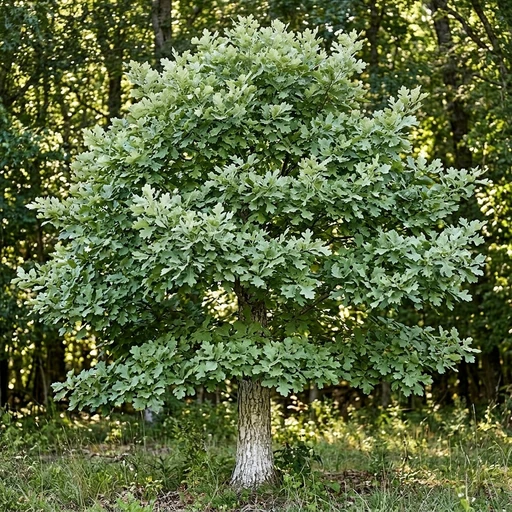
White Oak
Quercus alba
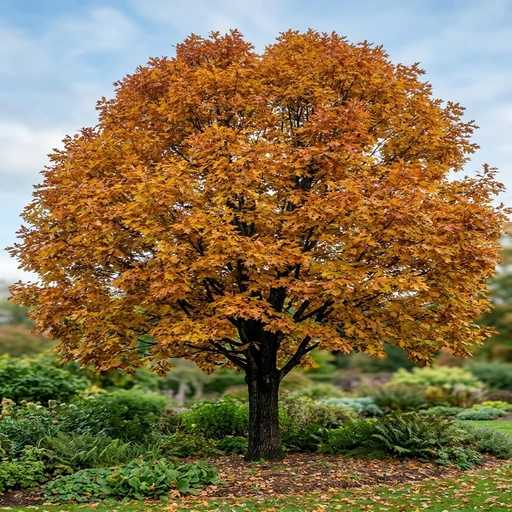
Black Oak
Quercus velutina
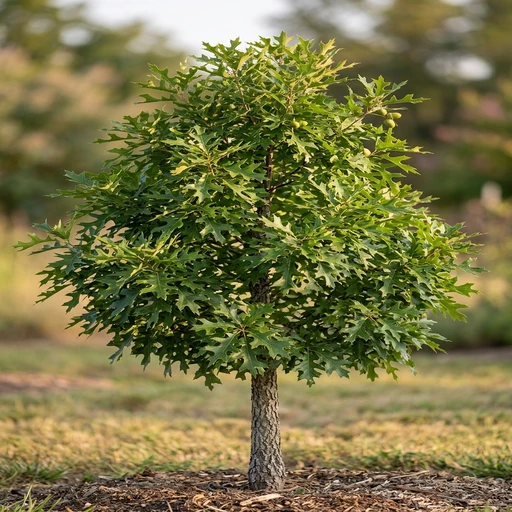
Nuttall Oak
Quercus texana
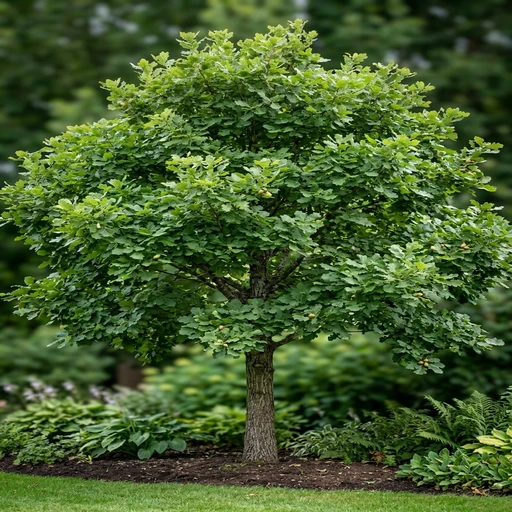
English Oak
Quercus robur
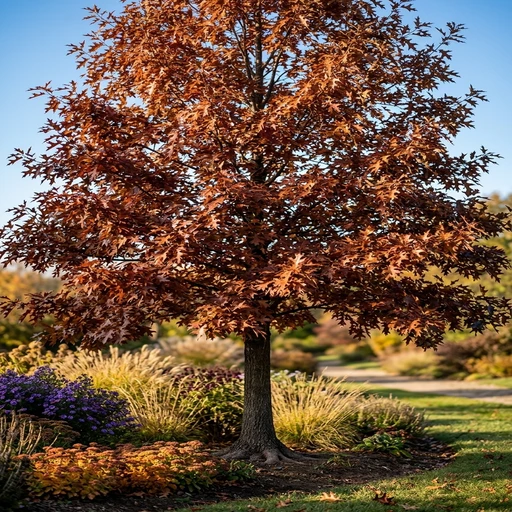
Pin Oak
Quercus palustris
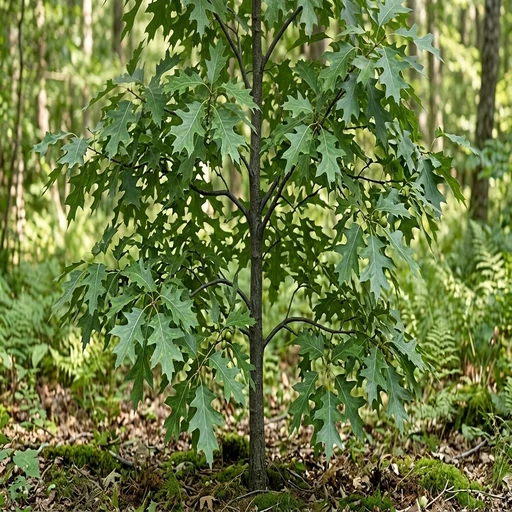
Scarlet Oak
Quercus coccinea
Keep exploring
Explore the genus
Hardy in your zone?
Grow Loquat Leaf Oak with confidence
See it in a design of your actual yard, get zone-matched care reminders, and track it season by season in your garden journal.