The Story
Plant Bio
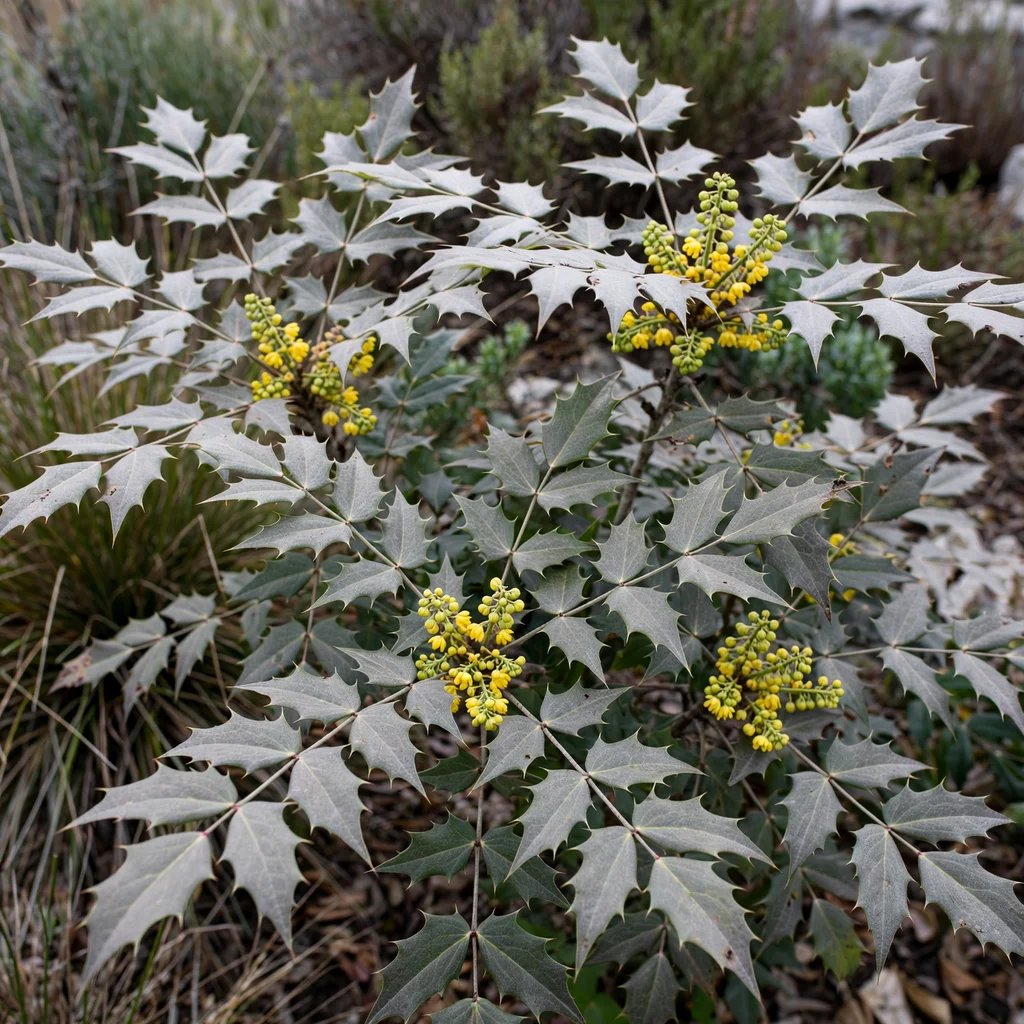
Mahonia trifoliolata is a dense evergreen shrub 3 to 6 foot tall with stiff gray-brown stems and rigid trifoliate leaves the color of gray-green holly. In late winter it carries dense clusters of fragrant golden-yellow cupped flowers along the branches, followed by red tart berries.
Unlike most mahonias it demands full sun and sharp drainage in limestone or caliche and dies in standing water. It suckers slowly into a spiny thicket 4 to 6 foot wide, and its very sharp leaflets require gloves at harvest.
Uses & Benefits:
Essentials
At a Glance
Plant Type
Shrub
Height
72"
Width
72"
Light
Full Sun, Partial Sun
Zones
6, 7, 8, 9, 10
Water
Low
Humidity
Low
Lifespan
Long-lived shrub
Native To
Texas, New Mexico, Arizona to northern Mexico
Toxicity
Roots and bark toxic; unripe berries upset stomach
Bloom period
Late winter – Early spring
In flower about 2 months of the year
Planting
How to Grow
- Dig a shallow wide hole in rocky limestone or caliche and set the crown slightly high.
- Backfill with native soil with no rich amendment and firm to remove air pockets.
- Water in once, then mulch with gravel to keep the crown dry.
- Give full sun to light shade and withhold extra water once rooted.
Pro Tip
Set the crown high in limestone soil in full sun and withhold summer water once established; overwatering kills it faster than drought ever will.
Keep It Thriving
Care Guide
Do
- Plant in sharply drained limestone, loam, or caliche clay.
- Give full sun to part shade in a dry position.
- Wear heavy gloves when pruning or picking berries.
Don't
- Do not plant in low ground that holds water.
- Do not overwater or over-fertilize.
- Do not cut hard back into old leafless wood.
Seasonal Care Calendar
| Task | Jan | Feb | Mar | Apr | May | Jun | Jul | Aug | Sep | Oct | Nov | Dec |
|---|---|---|---|---|---|---|---|---|---|---|---|---|
| Harvest | ||||||||||||
| Mulch | ||||||||||||
| Plant | ||||||||||||
| Prune |
Watch Out For
Pests & Diseases
Common Pests
Common Diseases
In the Garden
Landscape Uses & Companions
Landscape Uses
Multiply
Propagation Methods
Good to Know
Common Questions
Agarita questions
What zones can Agarita grow in?
Agarita is hardy in USDA Zones 6–10: in that range it survives winter in the ground. Colder than Zone 6, grow it in a container you can move to shelter for the winter.
Is Agarita deer resistant?
Yes — Agarita is rated deer-resistant. Deer typically pass it over, though extreme hunger can override any plant's defenses.
When does Agarita bloom?
Agarita typically blooms from late winter to early spring. Exact timing shifts a week or two with your zone — Sow's bloom calendar maps it to your garden.
Does Agarita need full sun?
Agarita does best in full sun to part shade. In hot climates, afternoon shade keeps blooms fresher longer.
Is Agarita drought tolerant?
Yes — once established (usually after the first full season), Agarita handles dry spells with minimal watering. Water deeply its first year to build the root system that makes that possible.
More Mahonia to compare
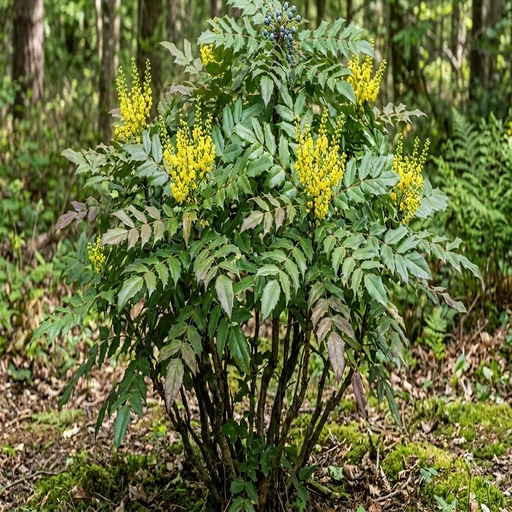
Oregon Grapeholly
Mahonia aquifolium
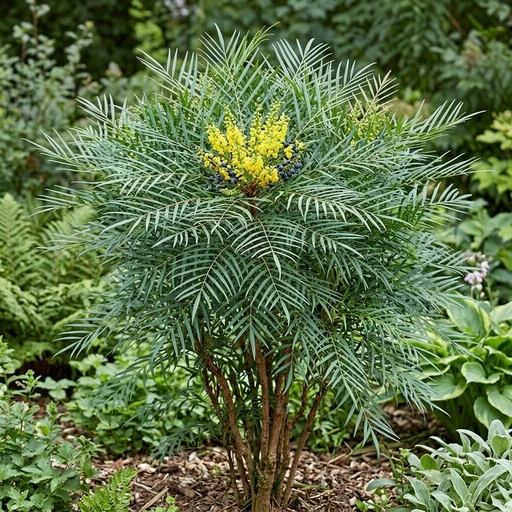
Soft Caress Mahonia
Mahonia eurybracteata 'Soft Caress'
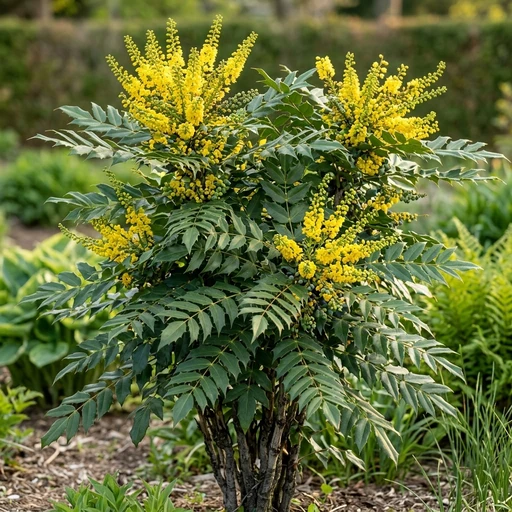
Leatherleaf Mahonia
Mahonia bealei
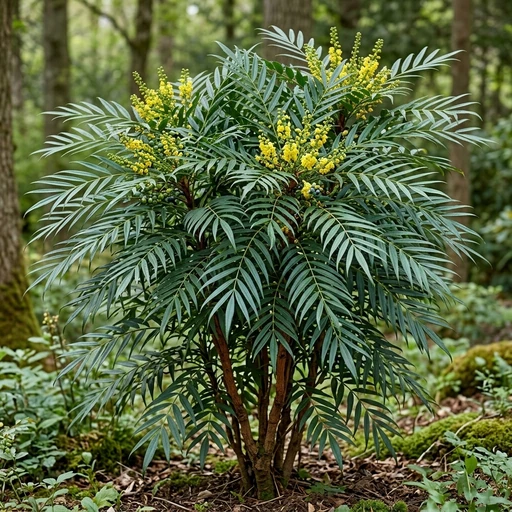
Narihira Mahonia
Mahonia confusa 'Narihira'
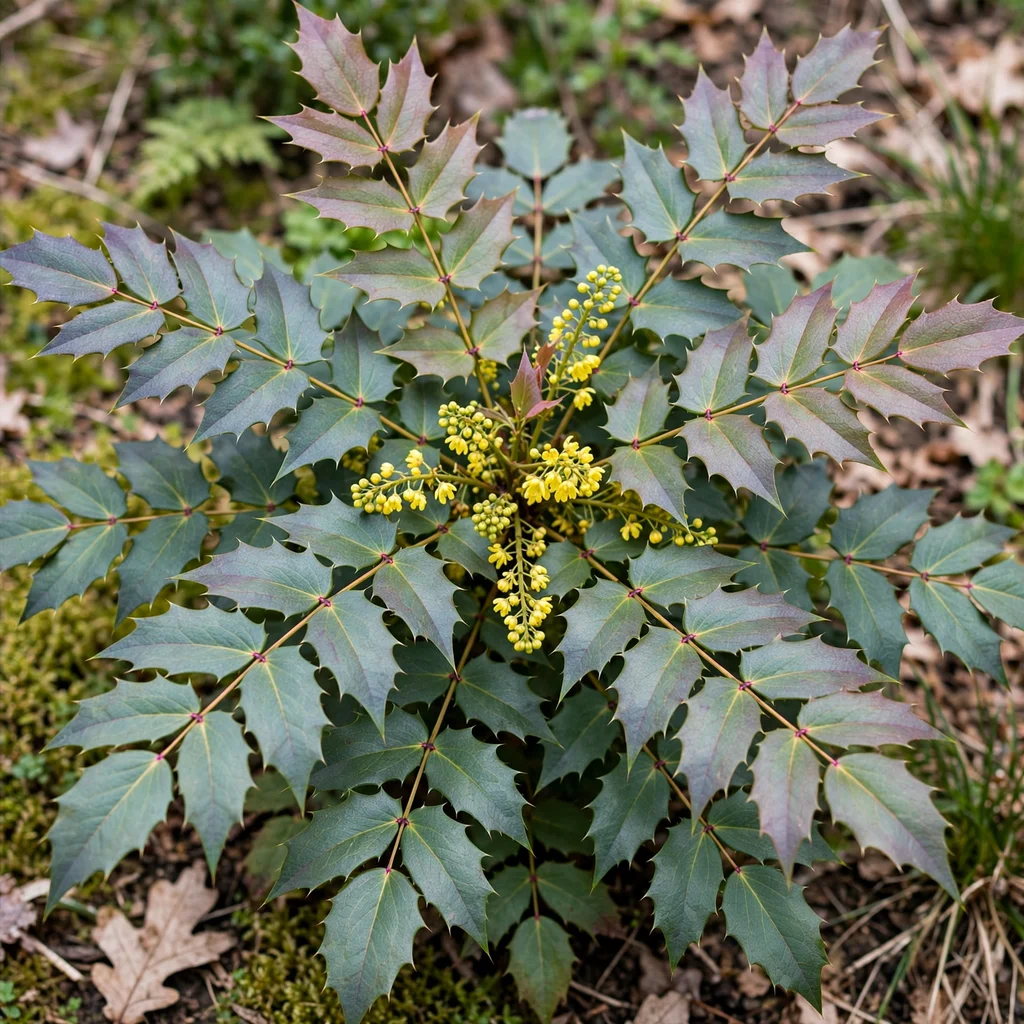
Creeping Oregon-Grape
Mahonia repens
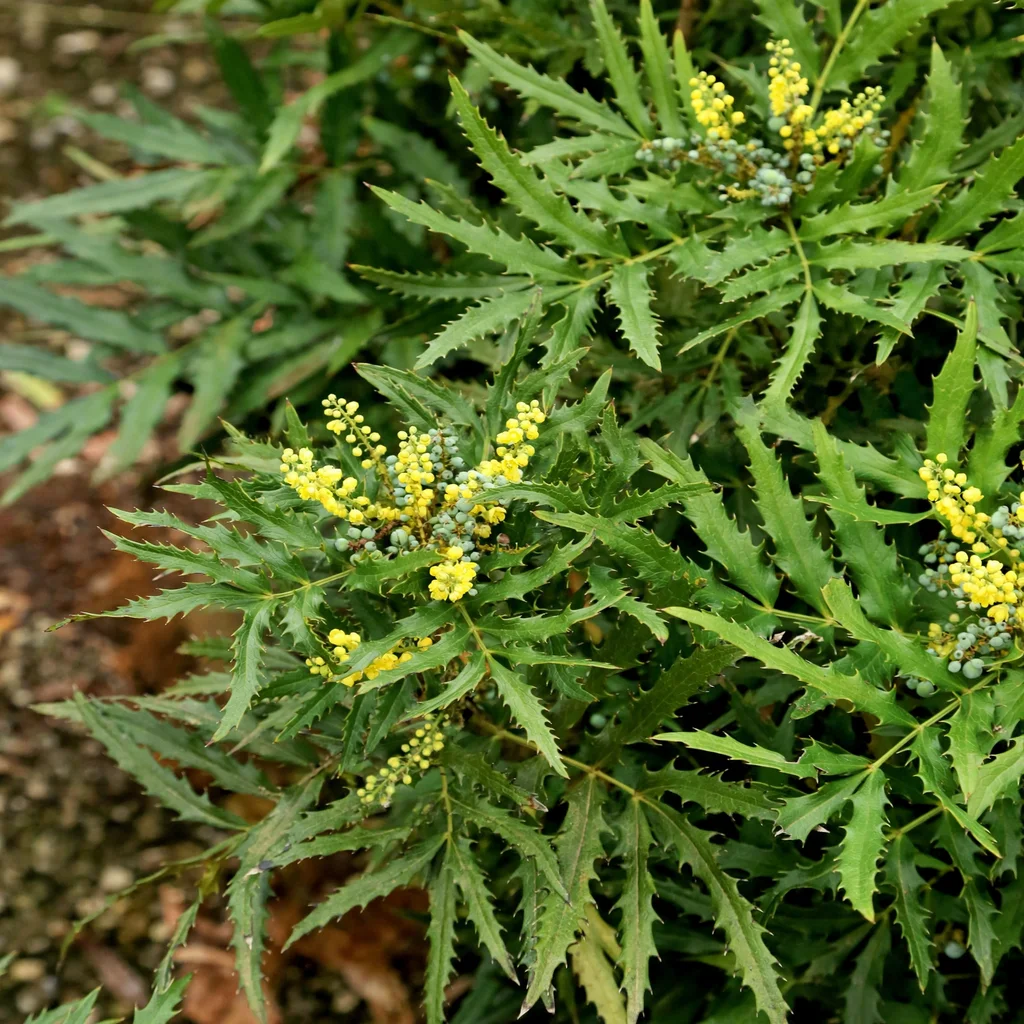
Beijing Beauty Grapeholly
Mahonia x hybrida 'Beijing Beauty'
Keep exploring
Explore the genus
Hardy in your zone?
Grow Agarita with confidence
See it in a design of your actual yard, get zone-matched care reminders, and track it season by season in your garden journal.