
The Story
Plant Bio
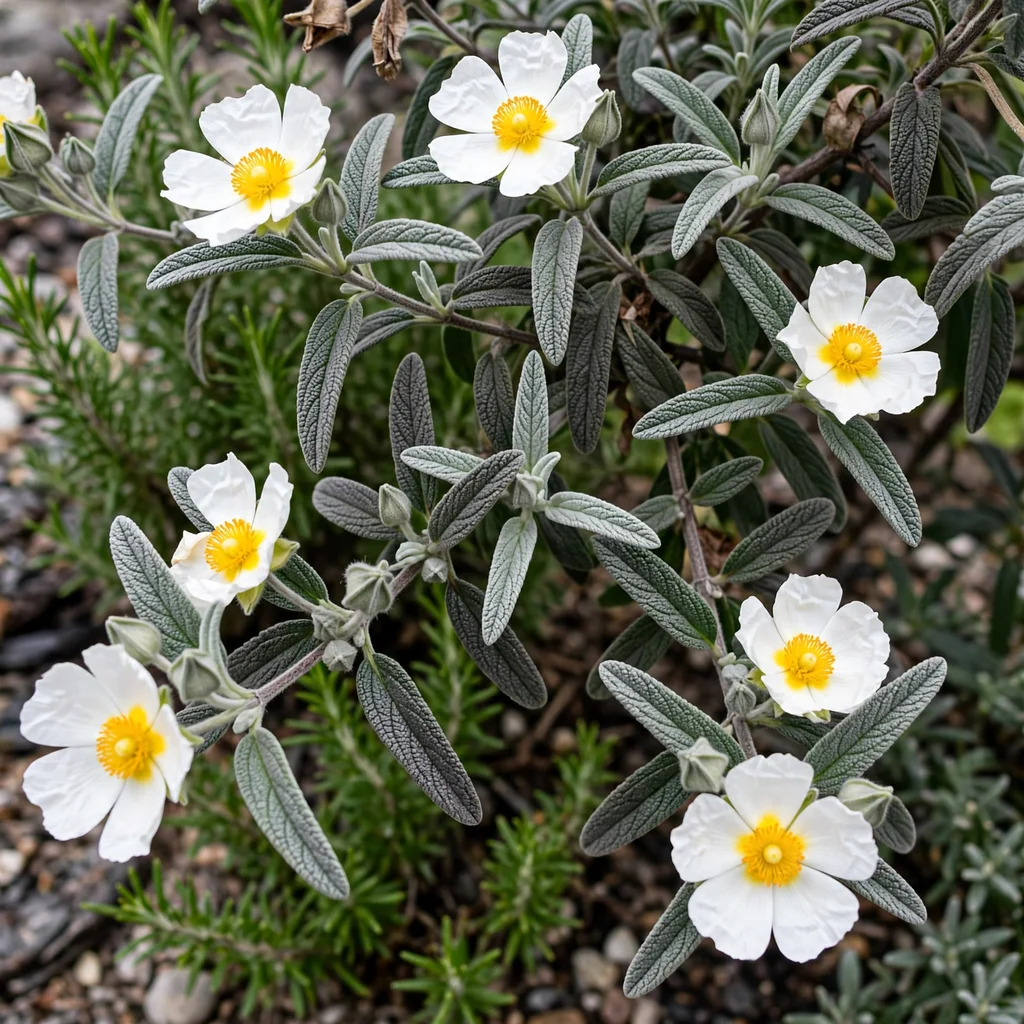
Cistus x hybridus is a dense evergreen shrub from the western Mediterranean, the cross of Cistus populifolius and Cistus salviifolius that reaches five feet tall and six feet wide at maturity. It carries opposite ovate leaves with wavy margins, dull dark green above and paler beneath, on bushy stems that need no shearing to stay mounded.
It is still sold as Cistus x corbariensis, often misspelled cobariensis, and is recognized by white five-petalled flowers two to three inches wide with a yellow spot at each petal base around golden stamens. Flowers open singly or in threes at the shoot tips from spring into summer, each lasting one day, followed by dry capsules.
Uses & Benefits:
Essentials
At a Glance
Plant Type
Shrub
Height
60"
Width
72"
Light
Full Sun
Zones
7, 8, 9, 10
Water
Low
Humidity
Unknown
Lifespan
Woody perennial
Native To
Western Mediterranean
Toxicity
Unknown
Bloom period
Spring – Summer
In flower about 6 months of the year
Planting
How to Grow
- Plant in full sun with at least six hours of direct light and open air movement.
- Dig into native soil that drains freely; loosen clay or sand but do not create a wet sump.
- Set the root ball level, backfill, water in, then mulch one to two inches keeping mulch off the stem.
- Water sparingly the first summer, then taper to little or no irrigation once established.
- Feed lightly with balanced slow-release fertilizer in spring only if growth is pale.
Pro Tip
Set it in full sun with sharp drainage and water deeply only to establish; once rooted, excess water and cuts into old bare wood kill it faster than frost.
Keep It Thriving
Care Guide
Do
- Plant in well-drained soil in full sun.
- Mulch one to two inches while keeping the stem clear.
- Tip-pinch lightly after bloom to keep the habit dense.
Don't
- Do not overwater or plant where water stands in winter.
- Do not cut back into old leafless wood.
- Do not shear repeatedly or push with heavy fertilizer.
Seasonal Care Calendar
| Task | Jan | Feb | Mar | Apr | May | Jun | Jul | Aug | Sep | Oct | Nov | Dec |
|---|---|---|---|---|---|---|---|---|---|---|---|---|
| Fertilize | ||||||||||||
| Mulch | ||||||||||||
| Pest Check | ||||||||||||
| Plant | ||||||||||||
| Prune |
Watch Out For
Pests & Diseases
Common Pests
Common Diseases
In the Garden
Landscape Uses & Companions
Landscape Uses
Multiply
Propagation Methods
Good to Know
Common Questions
White Rockrose questions
What zones can White Rockrose grow in?
White Rockrose is hardy in USDA Zones 7–10: in that range it survives winter in the ground. Colder than Zone 7, grow it in a container you can move to shelter for the winter.
Is White Rockrose deer resistant?
Yes — White Rockrose is rated deer-resistant. Deer typically pass it over, though extreme hunger can override any plant's defenses.
When does White Rockrose bloom?
White Rockrose typically blooms from spring to summer. Exact timing shifts a week or two with your zone — Sow's bloom calendar maps it to your garden.
Does White Rockrose need full sun?
White Rockrose does best in full sun (6+ hours).
Is White Rockrose drought tolerant?
Yes — once established (usually after the first full season), White Rockrose handles dry spells with minimal watering. Water deeply its first year to build the root system that makes that possible.
More Cistus to compare
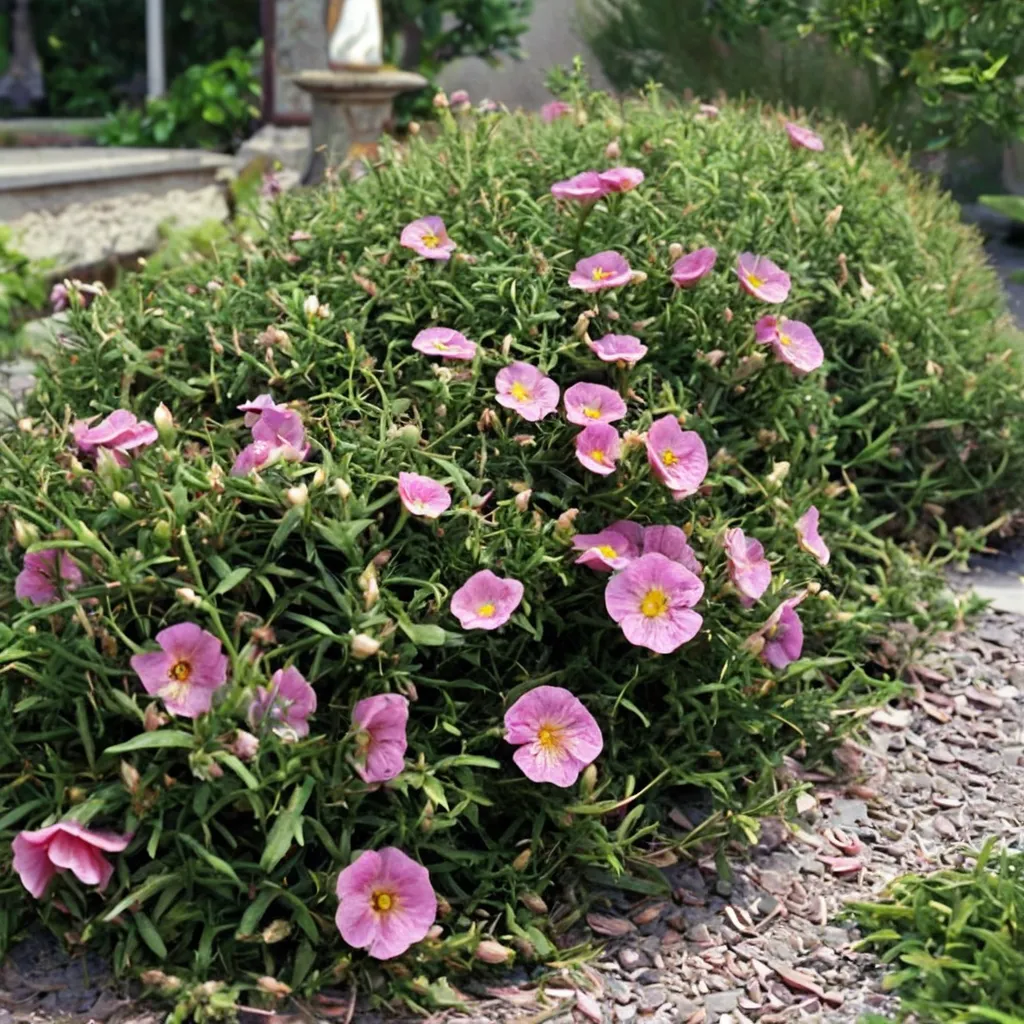
Orchid Rockrose
Cistus x purpureus
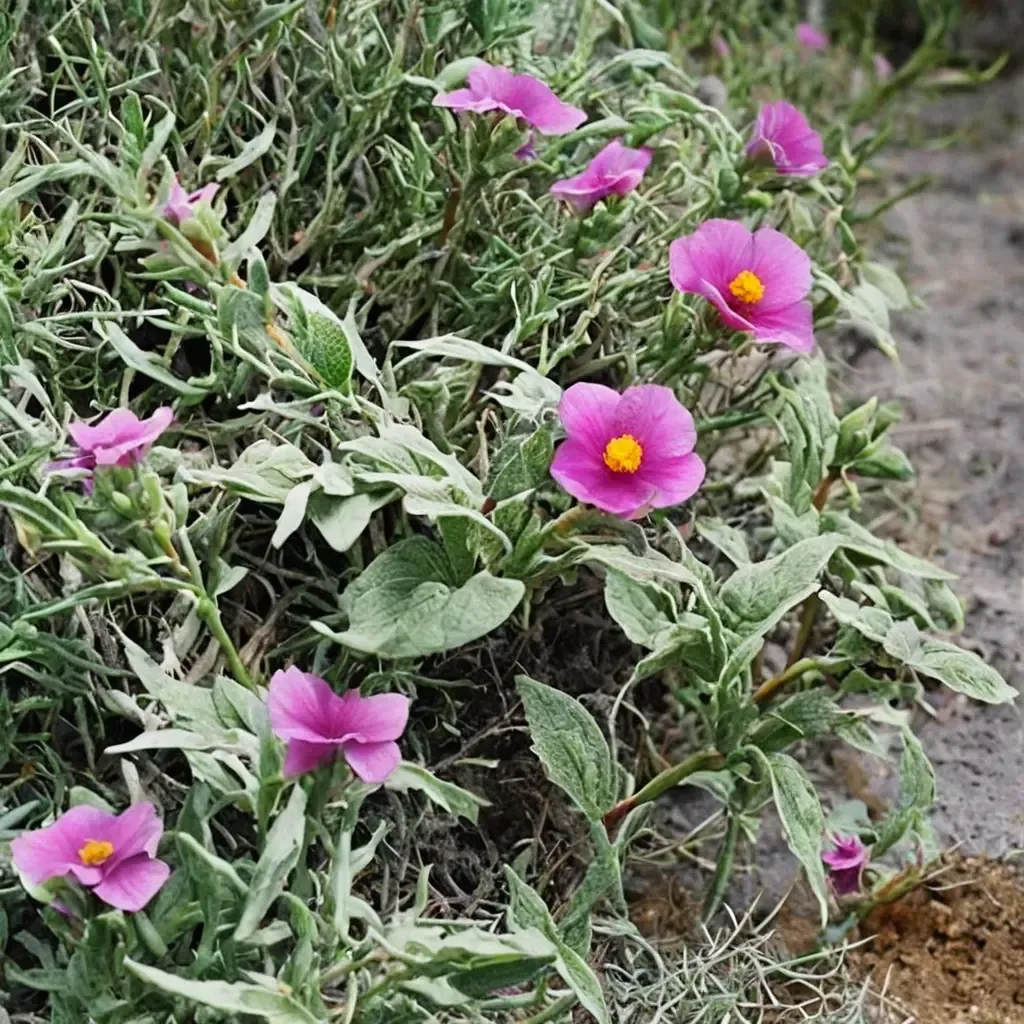
Hoary Rockrose
Cistus incanus
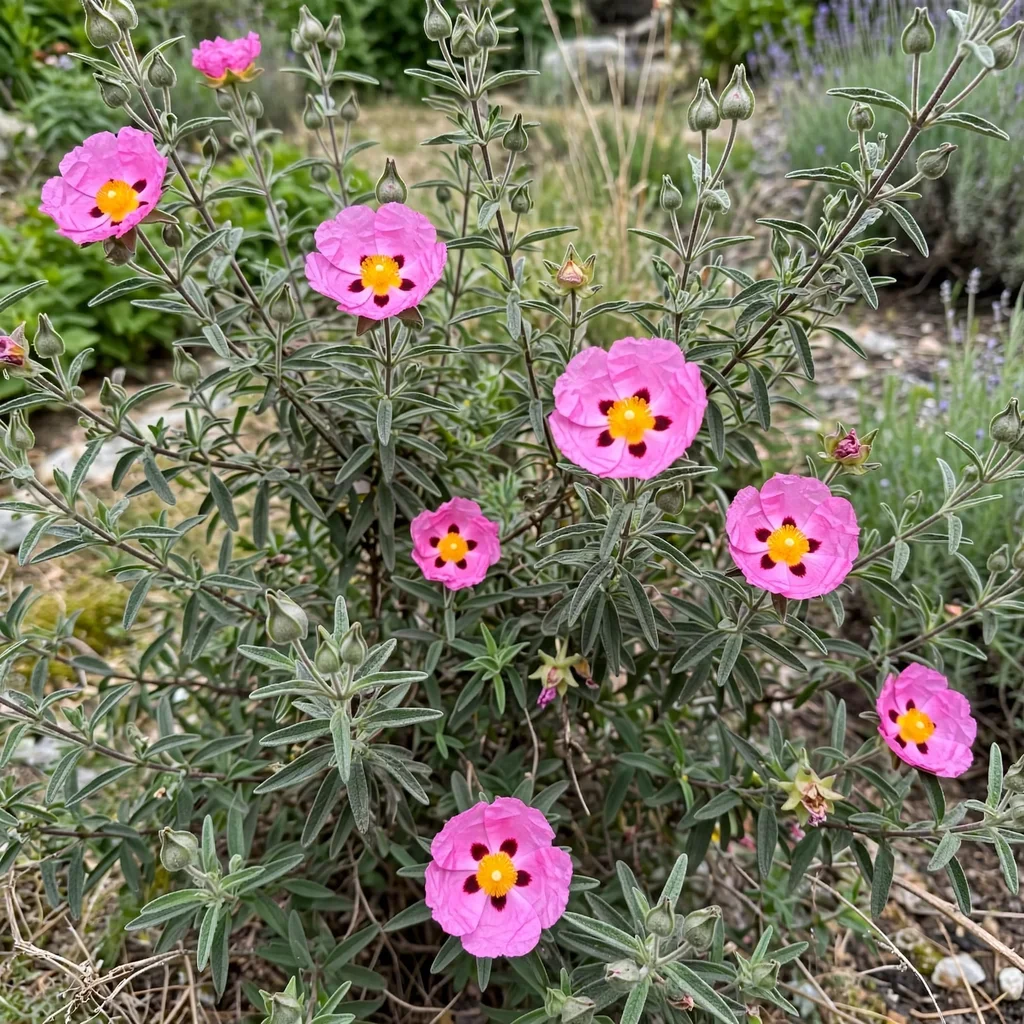
Victor Reiter Rockrose
Cistus x purpureus 'Victor Reiter'
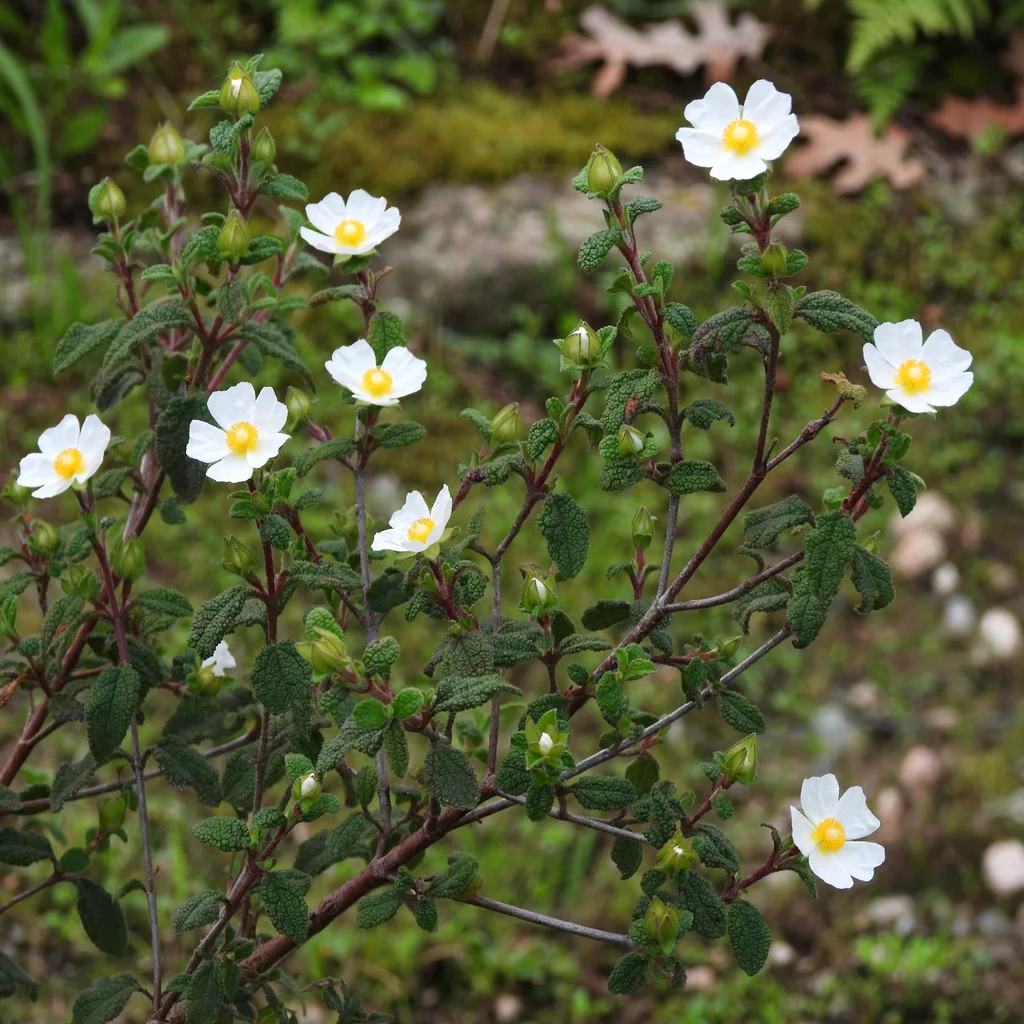
Sage-Leaved Rock-Rose
Cistus salviifolius
Rockrose
Cistus x pauranthus

Dwarf Pink Rockrose
Cistus x skanbergii
Keep exploring
Explore the genus
Hardy in your zone?
Grow White Rockrose with confidence
See it in a design of your actual yard, get zone-matched care reminders, and track it season by season in your garden journal.