The Story
Plant Bio
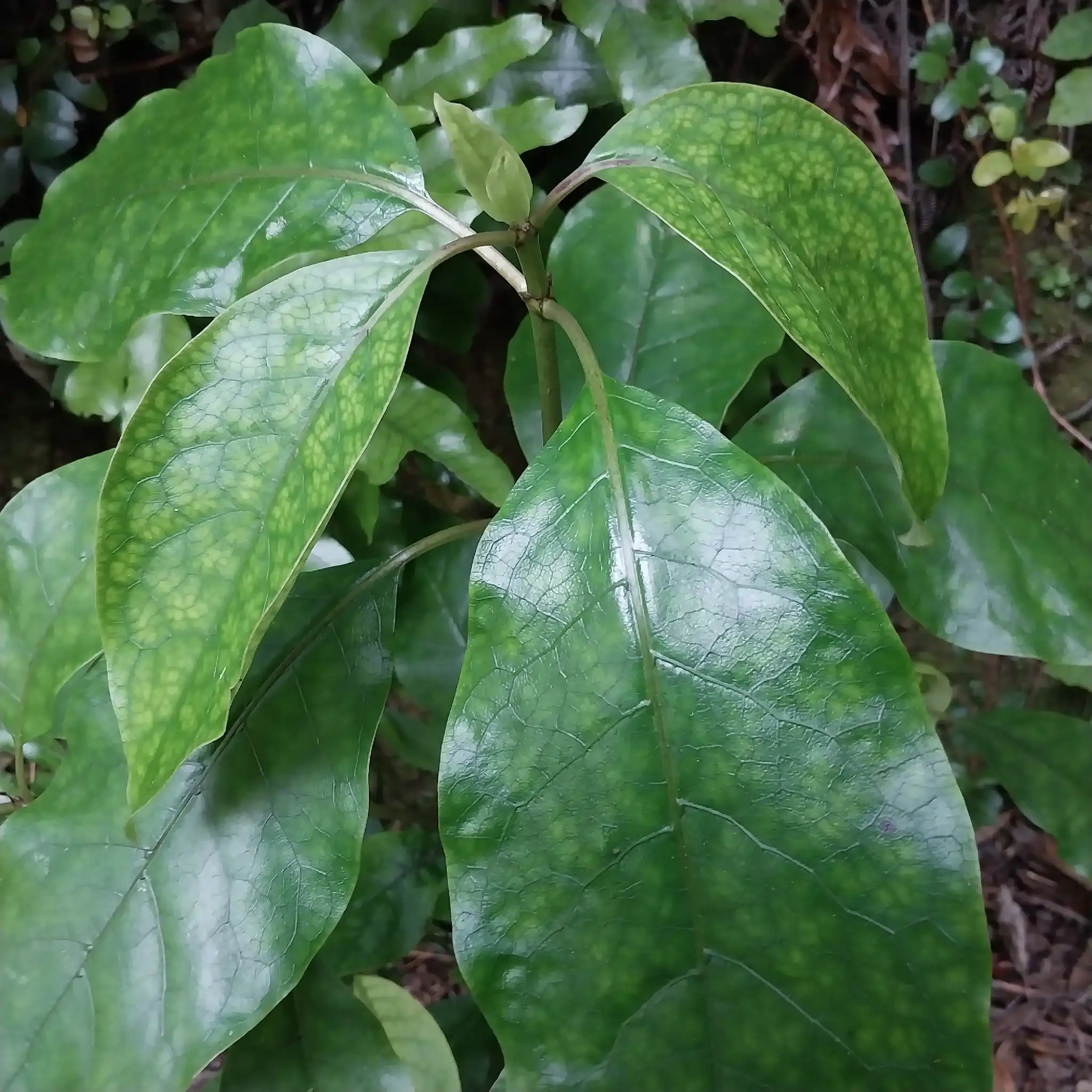
Coprosma grandifolia is an evergreen shrub or small tree native to New Zealand forest understories, reaching heights up to twenty feet. It bears large, broad, subglossy leaves up to twelve inches long, accompanied by small green flowers in autumn that yield reddish-orange drupes.
The foliage features distinct pits called domatia on the pale undersides and emits a distinct unpleasant smell when crushed. Unlike smaller-leaved coprosmas, its broad canopy requires sheltered, high-humidity microclimates to thrive.
Uses & Benefits:
Essentials
At a Glance
Plant Type
Shrub
Height
236"
Width
157"
Light
Full Sun, Partial Sun, Shade
Zones
9, 10
Water
Moderate
Humidity
High
Lifespan
Perennial
Native To
New Zealand
Toxicity
Non-toxic
Bloom period
Fall
In flower about 3 months of the year
Planting
How to Grow
- Select a sheltered site in partial shade with moist, well-draining sandy or loamy soil.
- Dig a planting hole twice as wide as the root ball and set the plant at its nursery depth.
- Water thoroughly to settle the soil around roots and establish consistent moisture.
- Spread an organic mulch layer over the root zone to conserve moisture and keep soil cool.
Pro Tip
Never prune into old, leafless wood because stems fail to shoot back; confine trimming to removing dead wood or light tipping.
Keep It Thriving
Care Guide
Do
- Provide shelter from strong, drying winds and intense afternoon sun.
- Maintain consistent soil moisture without allowing water logging.
- Apply organic leaf mold or compost around the base to retain moisture.
Don't
- Do not prune heavily into bare, leafless wood.
- Do not plant in exposed, bone-dry locations where foliage will scorch.
- Do not allow heavy clay soils to saturate the root zone.
Seasonal Care Calendar
| Task | Jan | Feb | Mar | Apr | May | Jun | Jul | Aug | Sep | Oct | Nov | Dec |
|---|---|---|---|---|---|---|---|---|---|---|---|---|
| Fertilize | ||||||||||||
| Mulch | ||||||||||||
| Pest Check | ||||||||||||
| Prune |
Watch Out For
Pests & Diseases
Common Pests
Common Diseases
In the Garden
Landscape Uses & Companions
Landscape Uses
Companion Plants
Multiply
Propagation Methods
Good to Know
Common Questions
Kanono questions
What zones can Kanono grow in?
Kanono is hardy in USDA Zones 9–10: in that range it survives winter in the ground. Colder than Zone 9, grow it in a container you can move to shelter for the winter.
When does Kanono bloom?
Kanono typically blooms in fall. Exact timing shifts a week or two with your zone — Sow's bloom calendar maps it to your garden.
Does Kanono need full sun?
Kanono does best in full sun to part shade. In hot climates, afternoon shade keeps blooms fresher longer.
More Coprosma to compare
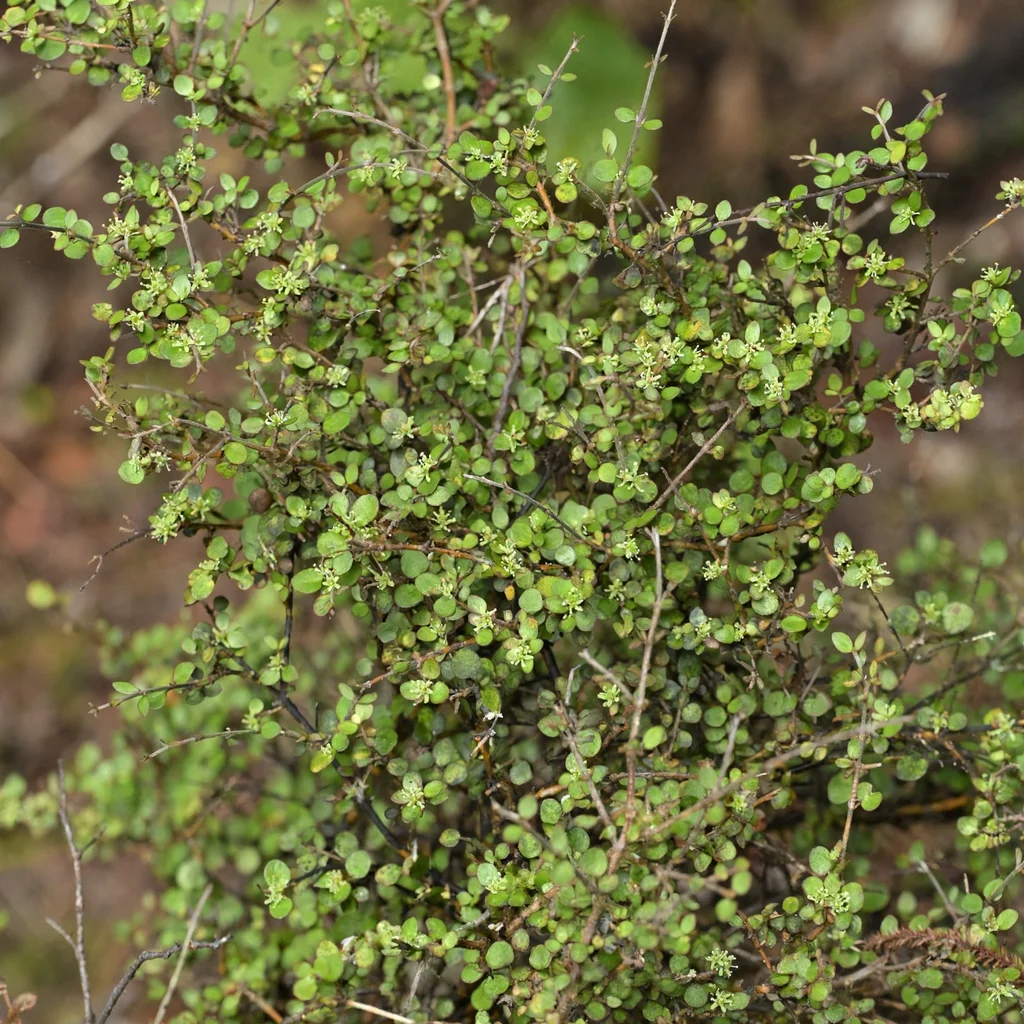
Twiggy Coprosma
Coprosma rhamnoides
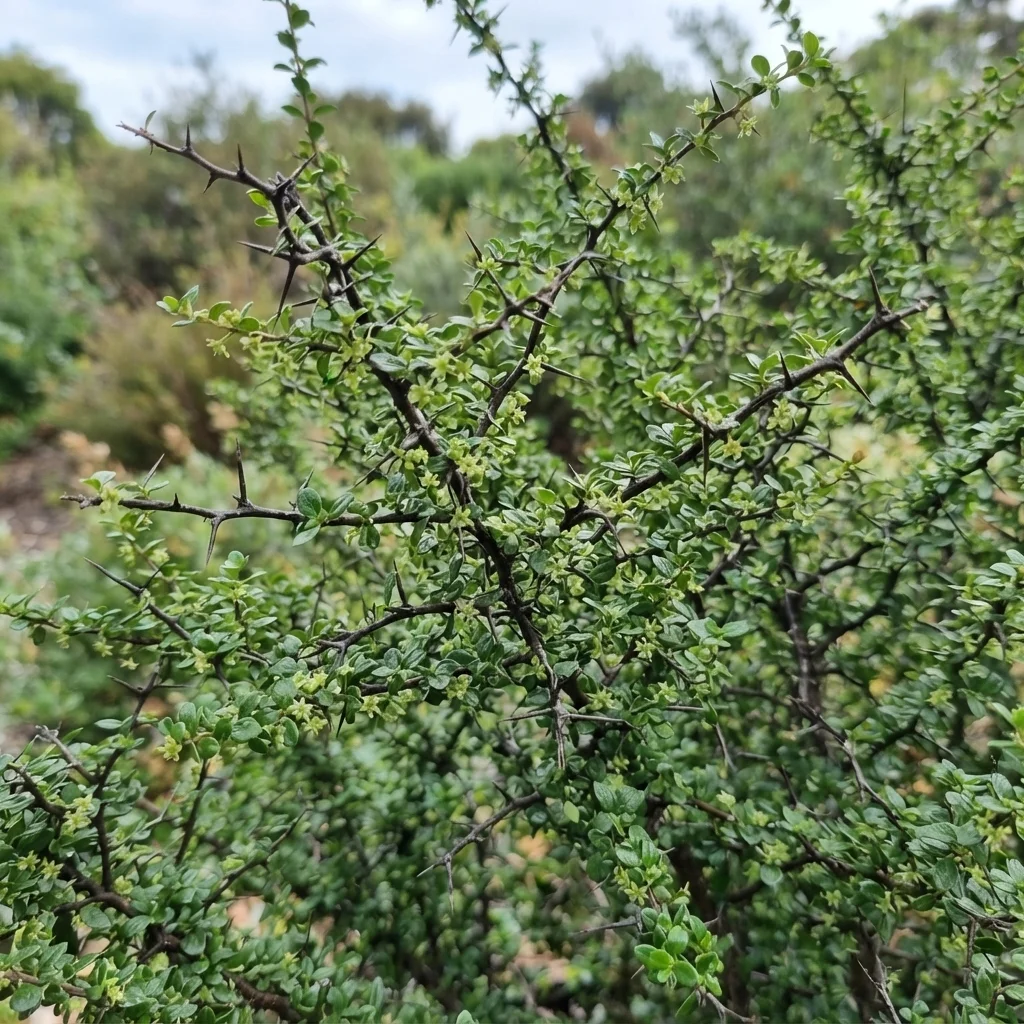
Prickly Currant-bush
Coprosma quadrifida
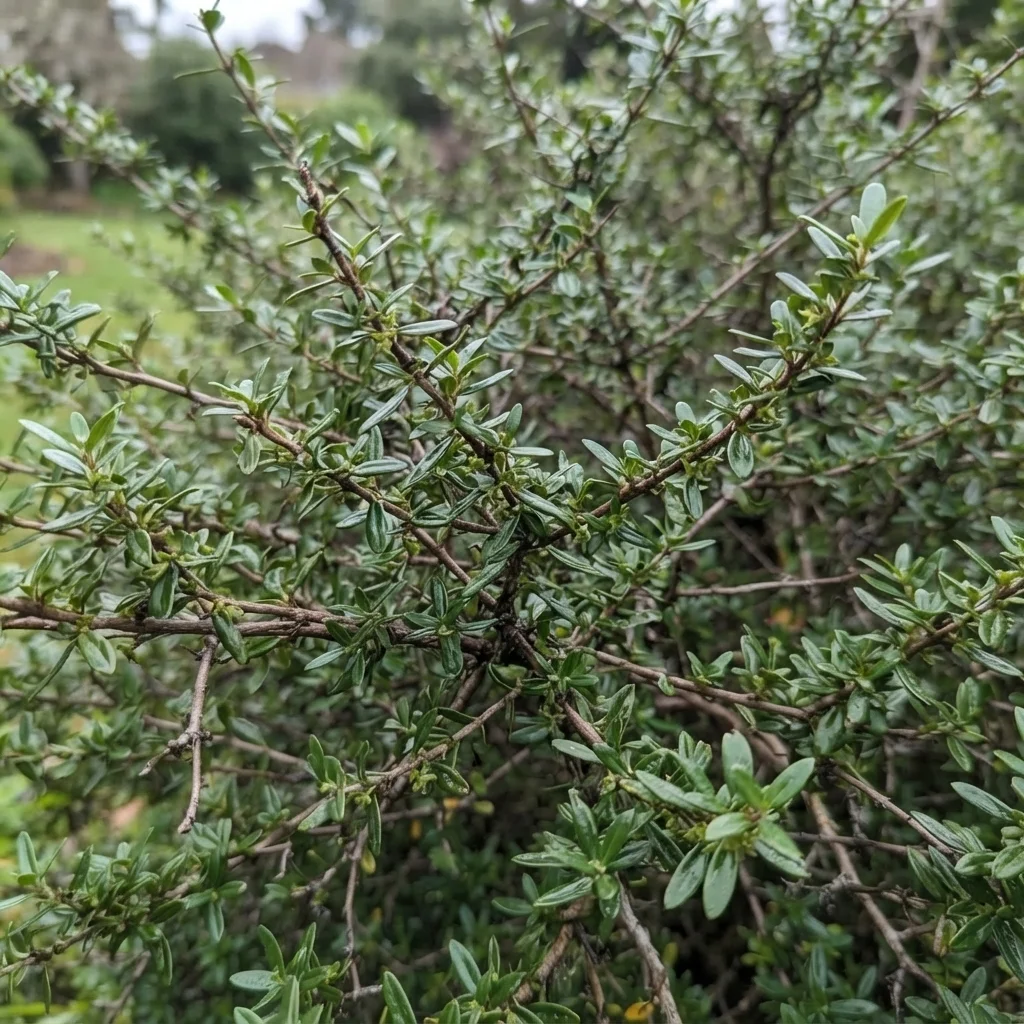
Mingimingi
Coprosma propinqua
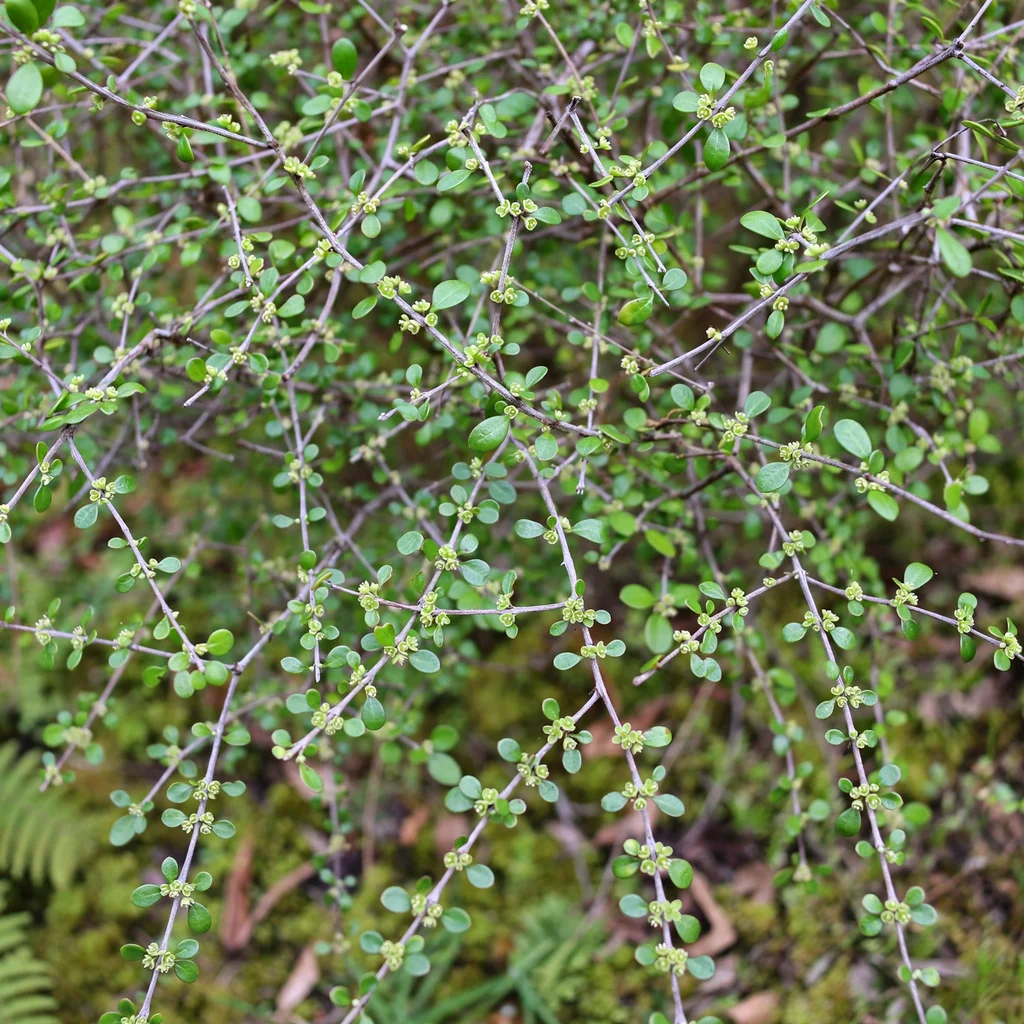
Green Coprosma
Coprosma virescens
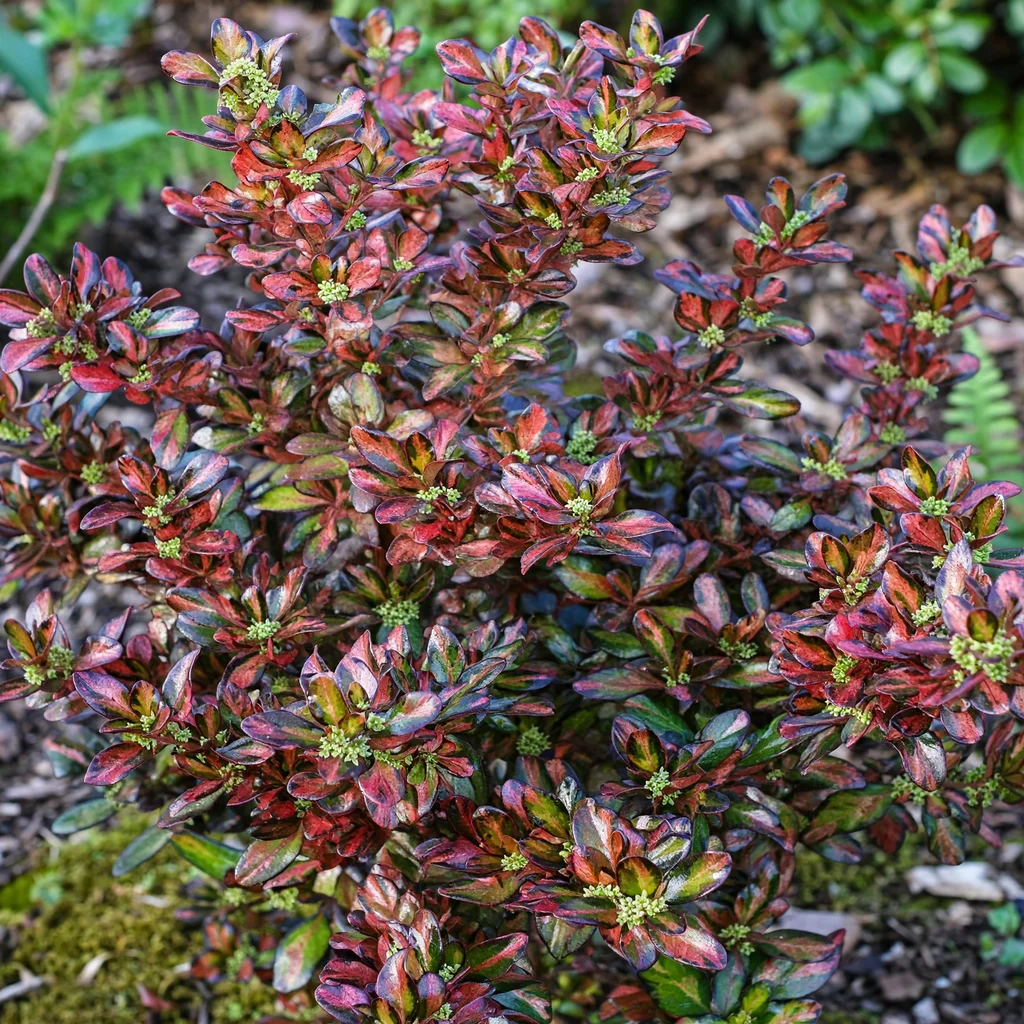
Evening Glow Mirror Plant
Coprosma repens 'Evening Glow'
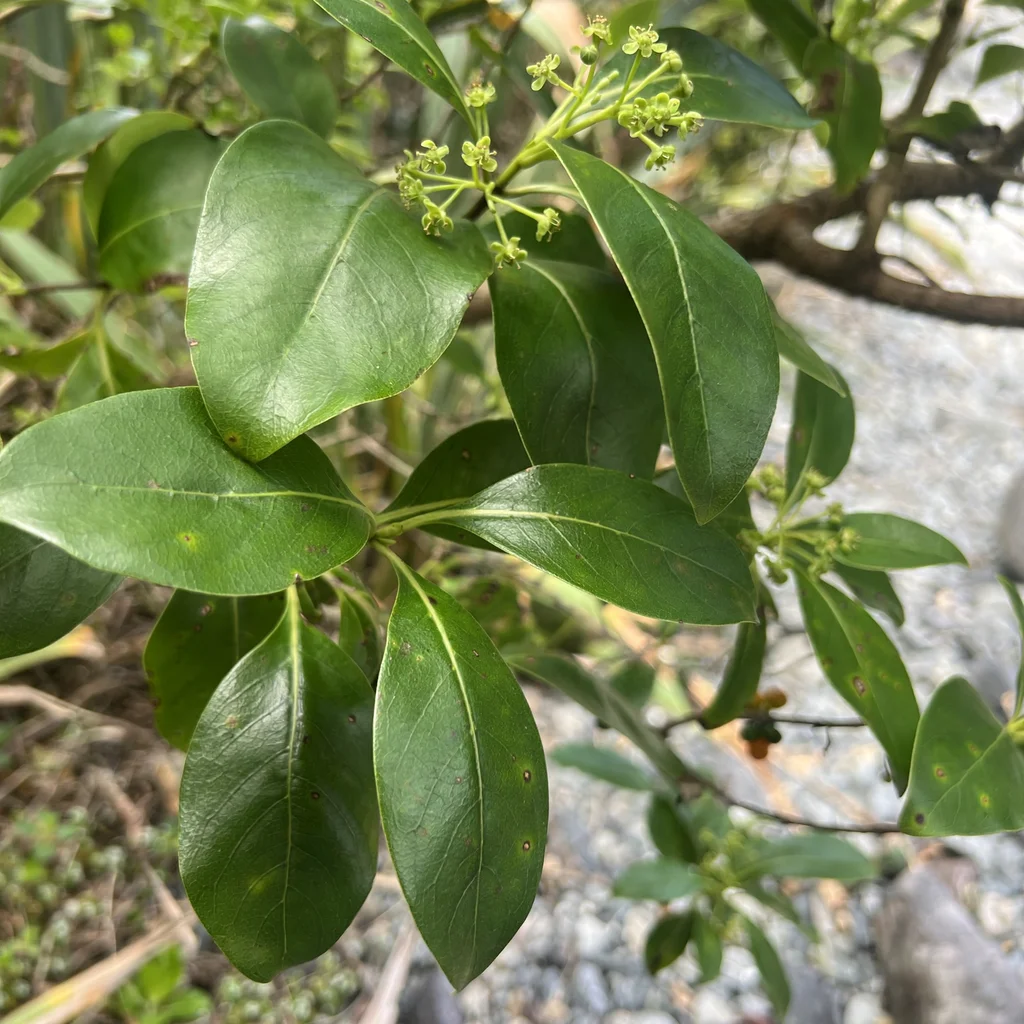
Large-Seeded Coprosma
Coprosma macrocarpa
Keep exploring
Explore the genus
Hardy in your zone?
Grow Kanono with confidence
See it in a design of your actual yard, get zone-matched care reminders, and track it season by season in your garden journal.