
The Story
Plant Bio
Cylindropuntia cholla, the chain-link cholla, is a spiny jointed cactus from the Baja Peninsula that grows as a low sprawling mound or with age as an erect shrub to small tree with a woody trunk. Stems are cylindrical and tuberculate with areoles bearing long spines and barbed glochids and the plant carries no true leaves.
Short cylindrical joints link in chains and detach readily, rooting where they fall with sheathed spines to about 2 inches long plus tiny glochids that lodge in skin and penetrate gloves and footwear. Flowers are small cups about 1 inch wide in pale pink to deep purple borne singly on joint tips from spring into summer, smaller and paler than the tall cane cholla it is often sold as.
Uses & Benefits:
Essentials
At a Glance
Plant Type
Cactus Succulent
Height
71"
Width
48"
Light
Full Sun
Zones
8, 9, 10
Water
Very low
Humidity
Low
Lifespan
Long-lived perennial
Native To
Baja California, Mexico
Toxicity
Unknown - spine hazard
Bloom period
Spring – Summer
In flower about 6 months of the year
Planting
How to Grow
- Plant in full sun in sharply drained sandy or rocky cactus mix in a pot with drainage or a raised mound.
- Set joints just deep enough to stand upright and stake top-heavy pieces until roots anchor.
- Water deeply only when soil is completely dry, then withhold water in cool winter months.
- Feed sparingly if at all; excess fertilizer and rich soil produce soft growth prone to rot.
- Handle with tongs and heavy leather gloves and site away from paths, pets and play areas.
Pro Tip
Let the mix dry completely between deep soakings and keep crowns dry in winter, since cold plus wet rots the base faster than cold alone.
Keep It Thriving
Care Guide
Do
- Do water deeply then allow soil to dry completely
- Do grow in full sun with air movement and sharp drainage
- Do remove only dead or rotted joints with tongs
Don't
- Don't overwater or leave pots standing in water
- Don't cut into old woody trunk unless diseased
- Don't compost detached joints; bag and trash them
Seasonal Care Calendar
| Task | Jan | Feb | Mar | Apr | May | Jun | Jul | Aug | Sep | Oct | Nov | Dec |
|---|---|---|---|---|---|---|---|---|---|---|---|---|
| Pest Check | ||||||||||||
| Plant | ||||||||||||
| Propagate | ||||||||||||
| Prune | ||||||||||||
| Winter Prep |
Watch Out For
Pests & Diseases
Common Pests
Common Diseases
In the Garden
Landscape Uses & Companions
Landscape Uses
Multiply
Propagation Methods
Good to Know
Common Questions
Chain-link Cholla questions
What zones can Chain-link Cholla grow in?
Chain-link Cholla is hardy in USDA Zones 8–10: in that range it survives winter in the ground. Colder than Zone 8, grow it in a container you can move to shelter for the winter, or as an annual.
When does Chain-link Cholla bloom?
Chain-link Cholla typically blooms from spring to summer. Exact timing shifts a week or two with your zone — Sow's bloom calendar maps it to your garden.
Does Chain-link Cholla need full sun?
Chain-link Cholla does best in full sun (6+ hours).
Is Chain-link Cholla drought tolerant?
Yes — once established (usually after the first full season), Chain-link Cholla handles dry spells with minimal watering. Water deeply its first year to build the root system that makes that possible.
More Opuntia to compare
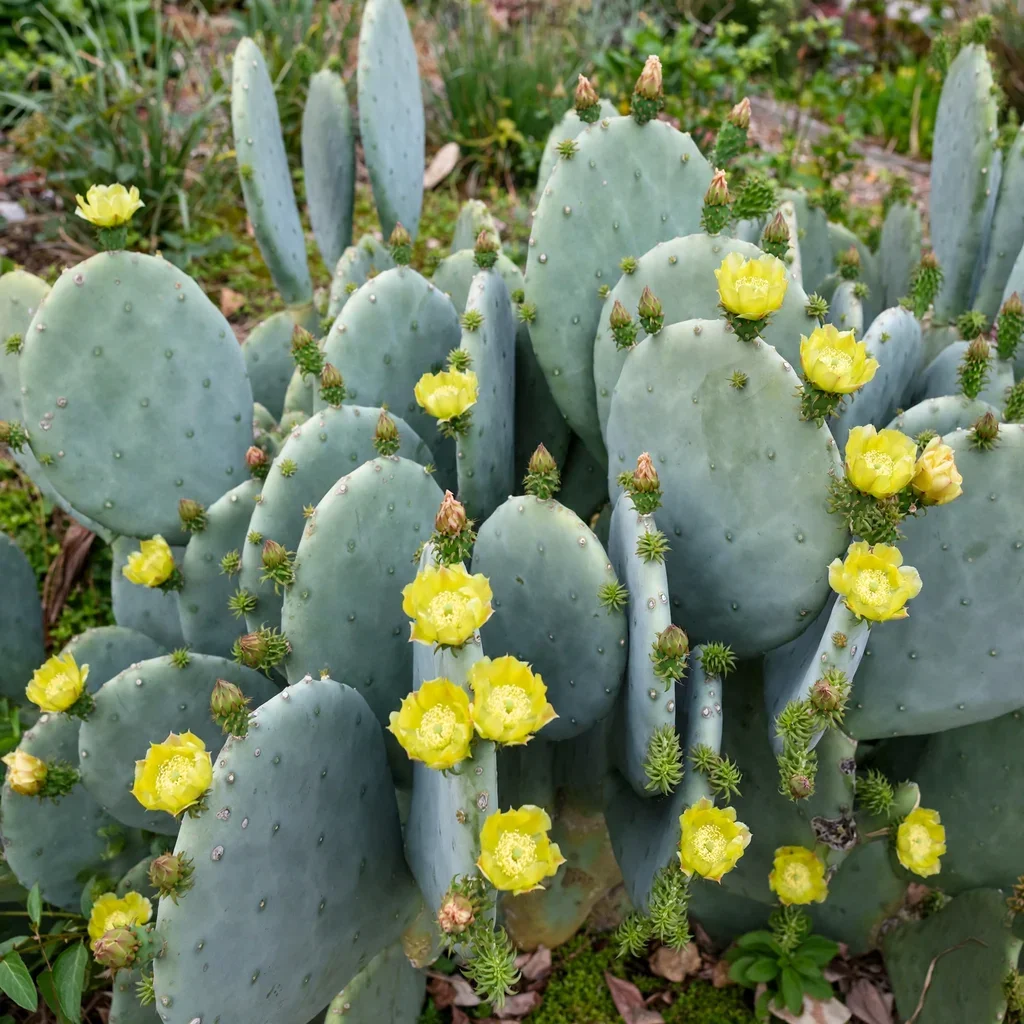
Spineless Prickly Pear
Opuntia cacanapa 'Ellisiana'
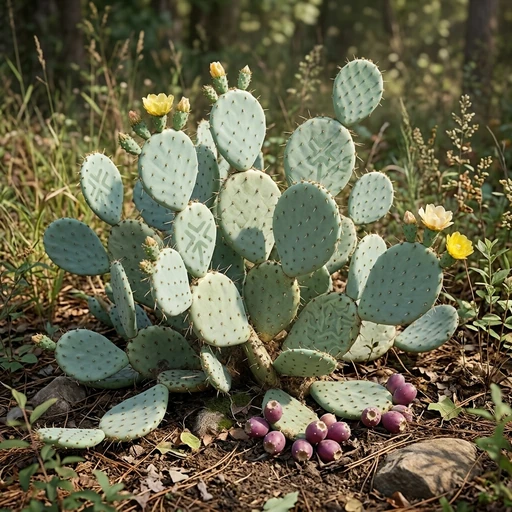
Prickly Pear Cactus
Opuntia humifusa
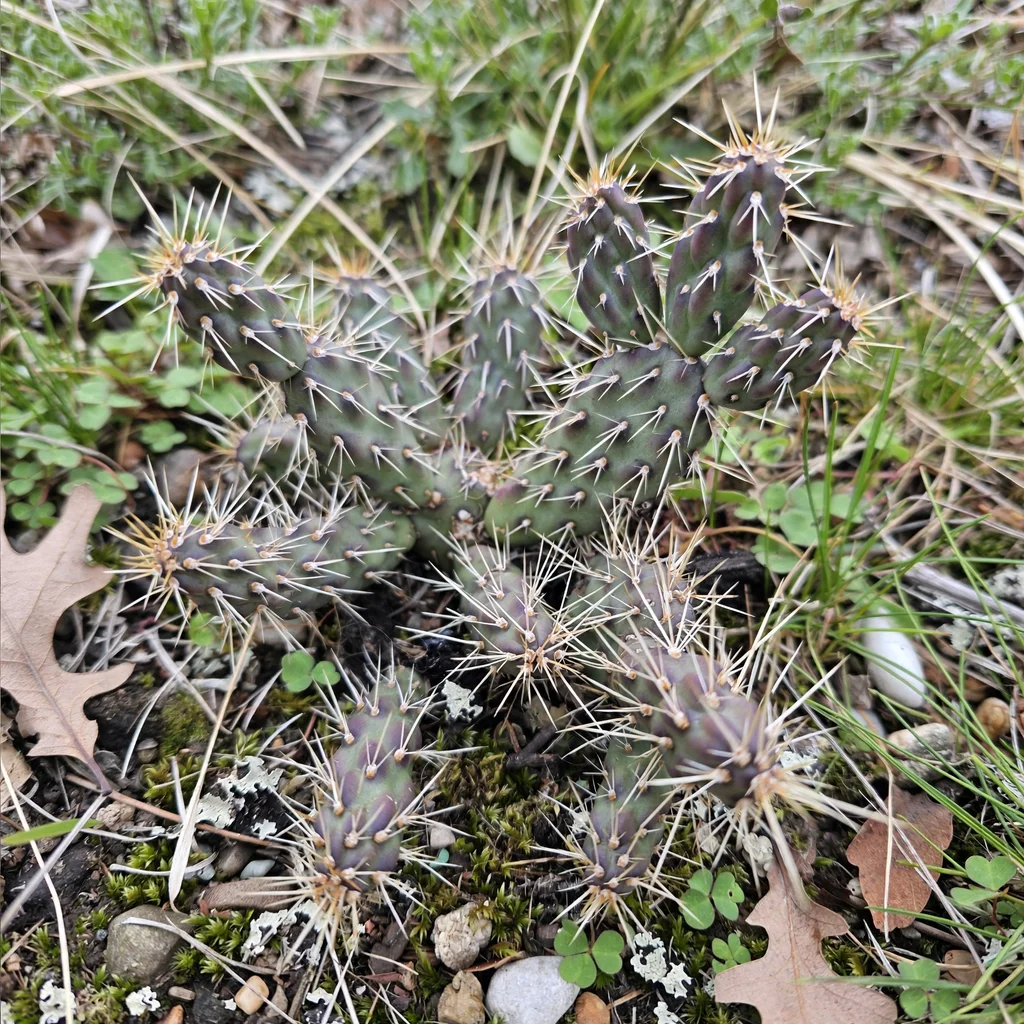
Brittle Prickly Pear
Opuntia fragilis
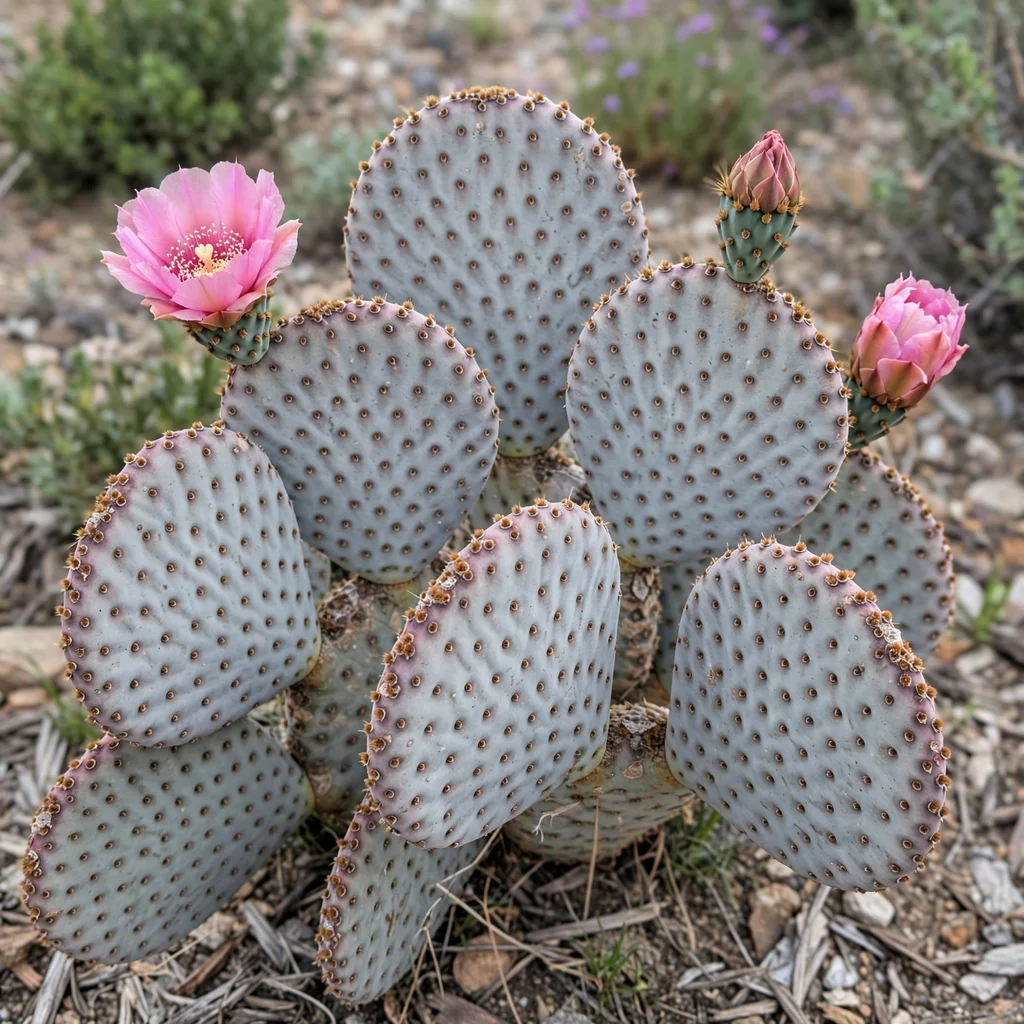
Beavertail Cactus
Opuntia basilaris
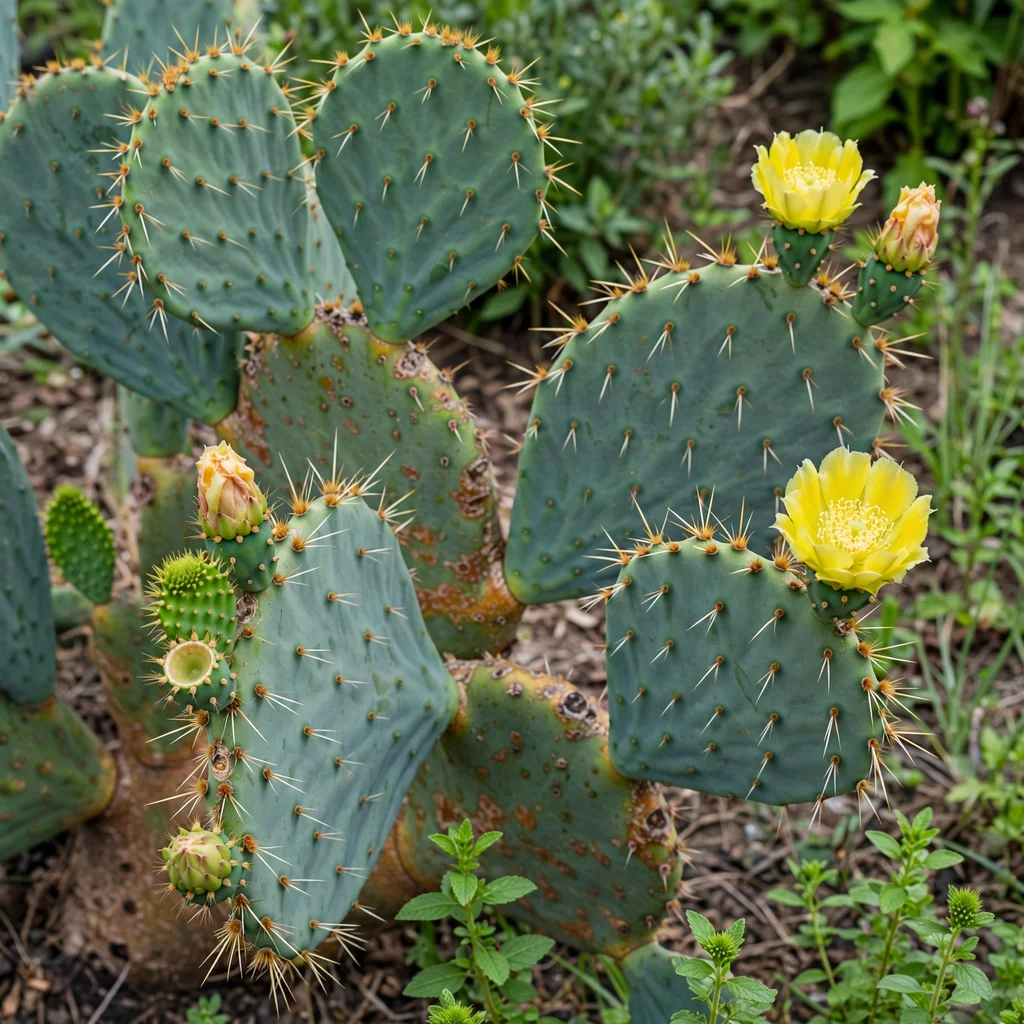
Old Mexico Prickly Pear
Opuntia gomei
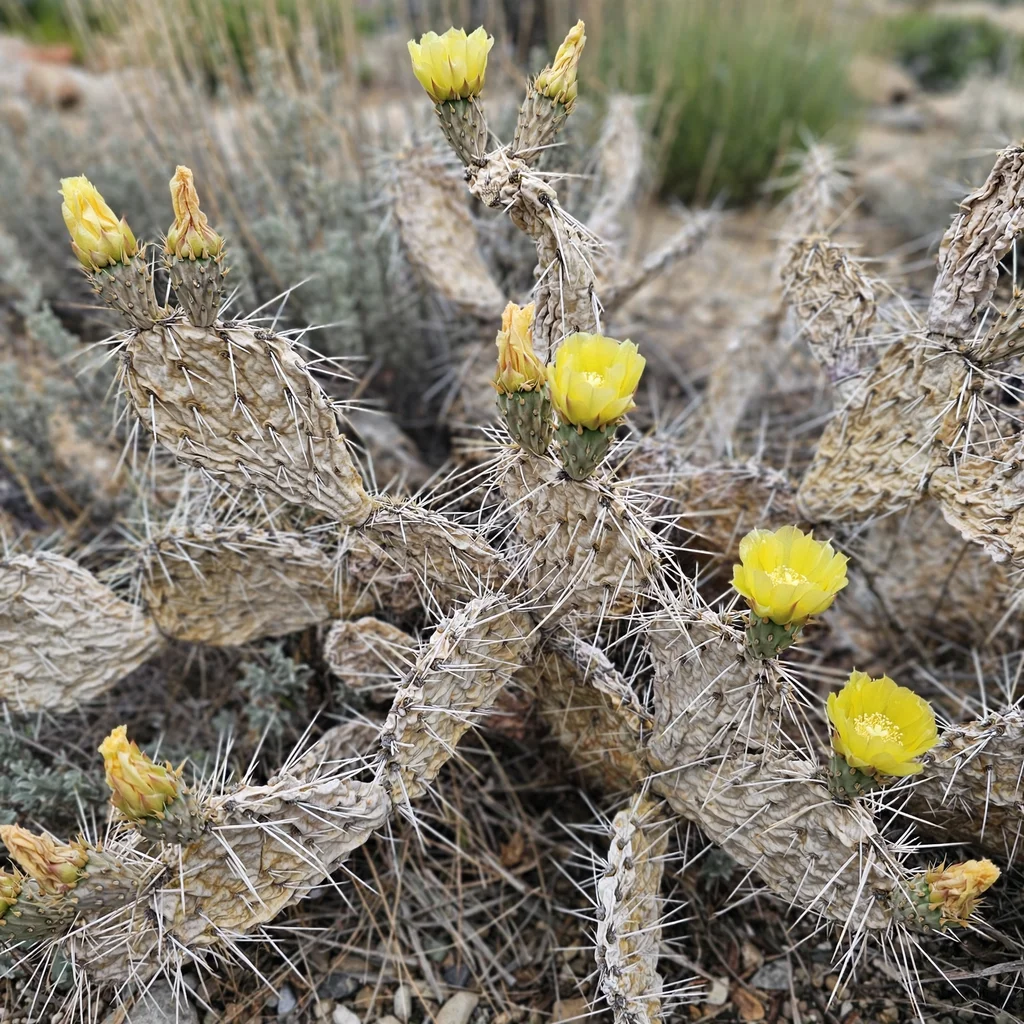
Plains Pricklypear
Opuntia polyacantha
Keep exploring
Explore the genus
Hardy in your zone?
Grow Chain-link Cholla with confidence
See it in a design of your actual yard, get zone-matched care reminders, and track it season by season in your garden journal.